
How Slim Bearings Reduce Weight Without Sacrificing Precision?
Slim bearings reduce weight by having an ultra-thin cross-sectional design. They also keep accuracy by using advanced materials and improved shape. These thin-section bearings are up to 70% thinner than normal bearings, but they can still hold the same amount of weight thanks to carefully machined raceways and smart ball placement. The P4/P2 precise grades and high-grade steel construction make sure that the micron-level accuracy stays the same. The engineering method focuses on evenly distributing loads across contact areas. This lets the parts be small without sacrificing the structural integrity or operational dependability needed in tough situations.
Understanding Slim Bearings and Their Weight-Precision Balance
When designers of tools are limited by room and weight, they often have to make a tough choice between size and performance. This problem can be solved by slim bearings, which offer precision in incredibly small sizes.
What Distinguishes Slim Bearings from Standard Options?
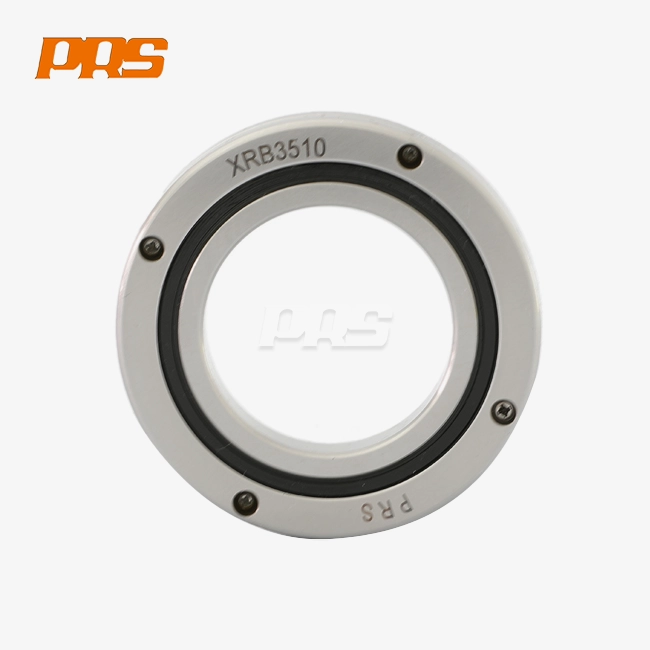
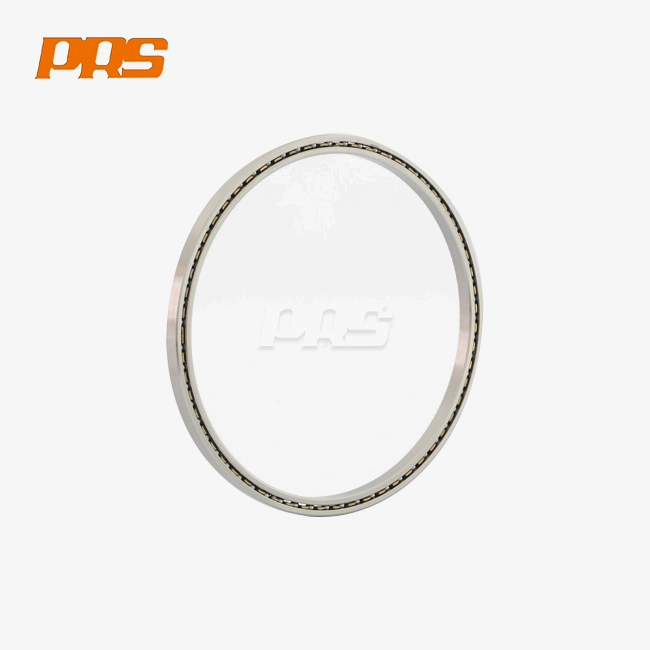
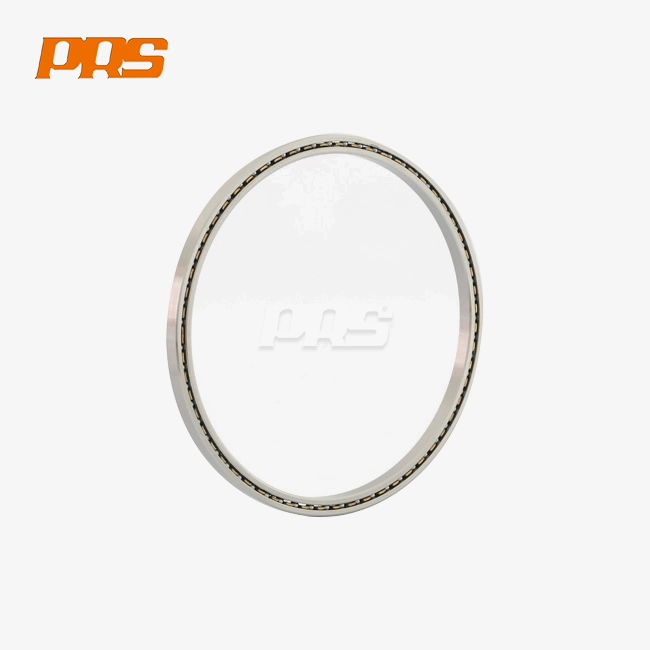
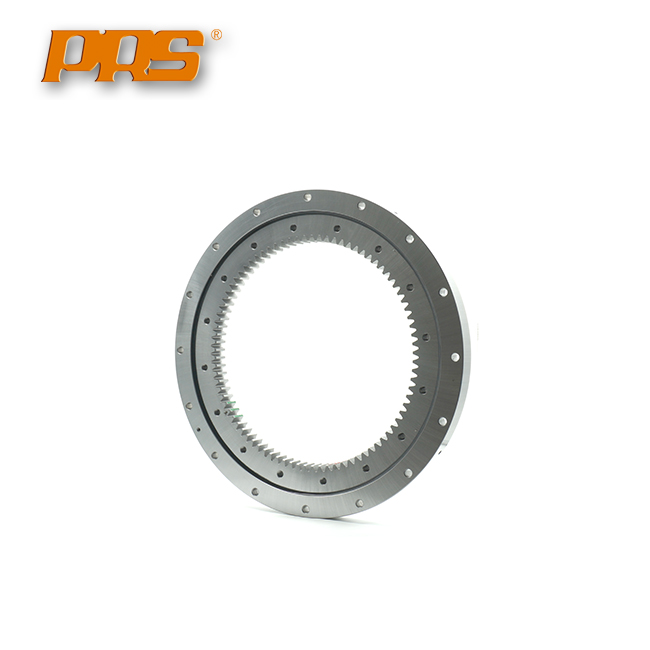
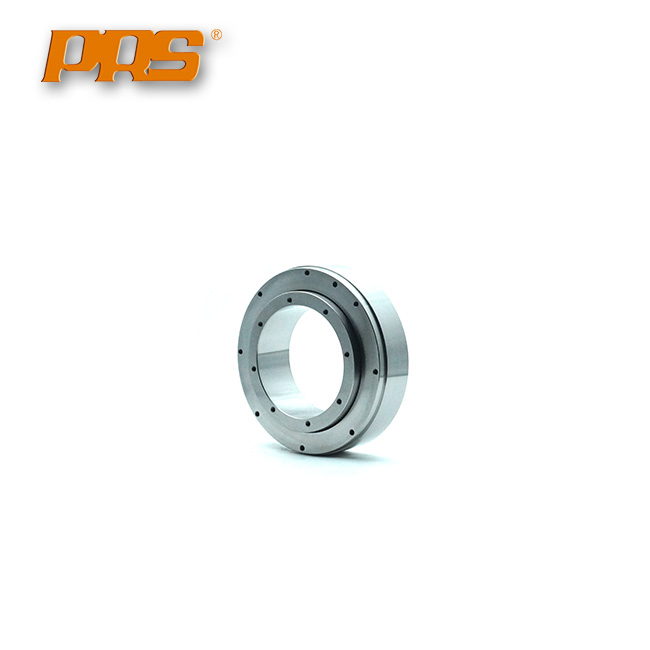
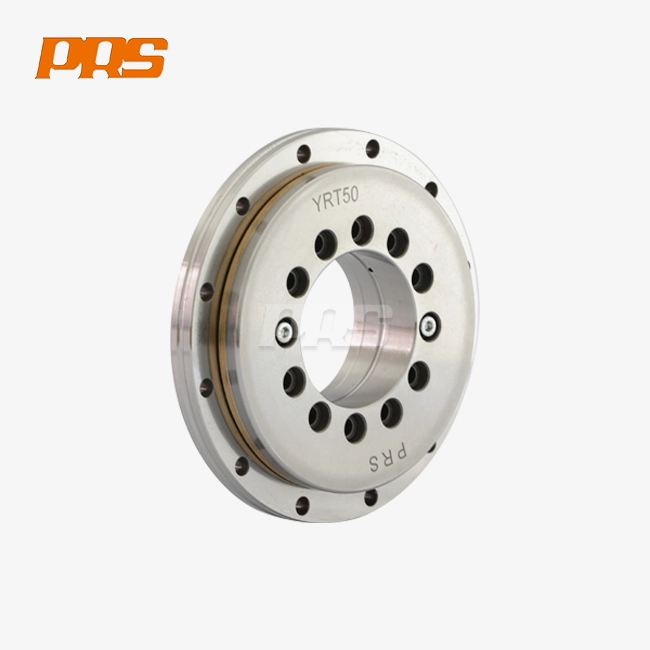
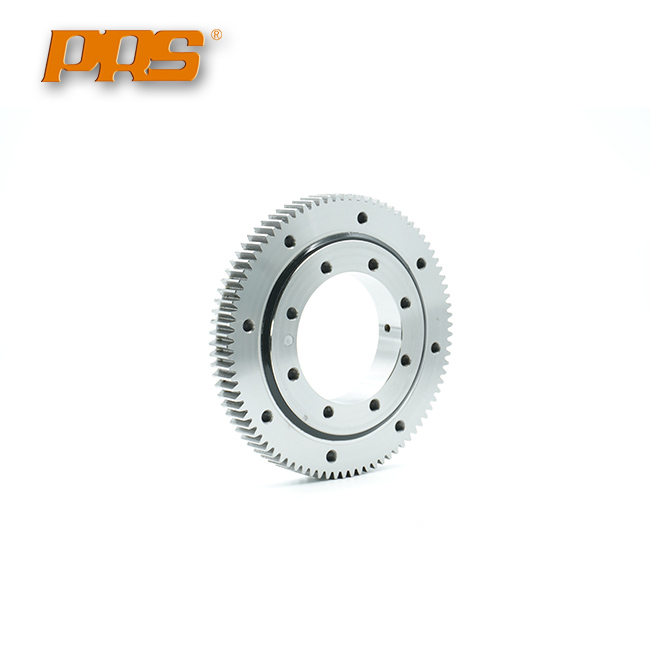
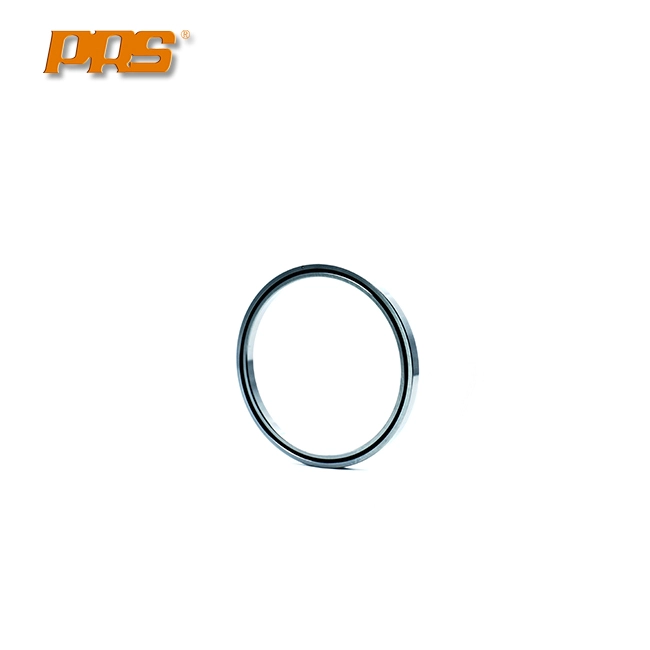
Thin-section bearings are a special type of bearing that have cross-sectional shapes that are very low compared to their bore sizes. Standard bearings have the same dimensions as before, but slim versions are much thinner, often getting down to just 5mm in cross-section. This decrease doesn't just mean making current designs smaller; it means that the raceway geometry, ball complement, and material choice need to be completely rethought by engineers in order to keep performance traits in small areas.
The way it is built is very different from how normal bearings are made. Standard designs leave a lot of extra material for strength margins, but uses that need to save room need to be efficient. When making slim bearings, great care is taken to make sure that the inner and outer diameters stay the same while the radial thickness is kept to a minimum.
Key Design Features Enabling Performance
Using modern production methods, raceways are made with a very smooth surface and precise measurements. The order of the balls is carefully thought out by engineers; the right space makes the load distribution best while reducing friction to a minimum. This exact ball complement makes sure that the system works smoothly across the entire load range and stays in the same place even when working conditions change.
Different types of double-sided seals keep grease in and keep internal parts clean. This design makes the machine last longer and requires less upkeep, which is especially helpful in cleanrooms or other places where entry is limited. The closing system shows how careful engineering can take into account many performance factors at the same time.
Benefits Beyond Size Reduction
When you reduce the weight of something, it works better. In aircraft systems, cutting the weight of the bearings by a few hundred grams per unit helps the systems use less fuel. Robotic joints have less spin, which lets them respond faster and use less energy when moving things around quickly.
The small size lets designers make changes that weren't possible with regular bearings. Medical imaging equipment gets better at integrating its parts, which makes the overall gadget size smaller. In cleanroom rooms, tools used to make semiconductors get more place to work. These benefits show that choosing the right bearings has an effect on whole system designs, not just the performance of individual parts.
Technical Insights: Design and Materials Behind Slim Bearings' Precision
Slim bearings work very well because the right materials are used and the shapes are optimized to deal with the problems that come with making something small.
Cross-Sectional Geometry and Load Distribution
Cutting down on the width of bearings makes it harder for engineers to keep the load capacity the same. The answer lies in figuring out how stress is distributed. Cross-sectional shape has a direct effect on how forces move through the places where balls and raceways touch. To make sure that forces are spread out properly across the material that is available, engineers figure out contact angles and raceway curves.
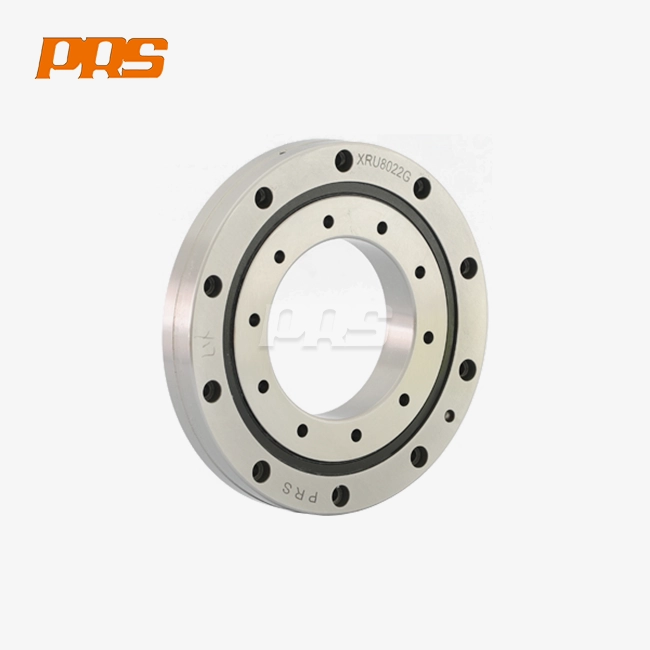
A lot of care is paid to the raceway shape. When four-point contact bearings have gothic arch shapes, they can handle radial, axial, and moment loads all at the same time. This ability to work in more than one way often gets rid of the need for paired bearings, which makes systems even easier to put together and cuts down on weight.
Material Selection for Strength-to-Weight Optimization
High-grade steel is still the most common material used because it has a good mix of strength, toughness, and ease of machining. Specialized heat treatments are used on the material to make the surface harder than HRC 60 while keeping the core tough so it doesn't get damaged by impacts during installation and use.
Stainless steel types don't rust, which is important for medical tools, food preparation gear, and marine uses. The choice of material has a direct effect on how well it works in the working setting. In some situations, ceramic choices are better than others. For example, lower density lowers rotational inertia, and better thermal stability keeps precision even when temperatures change, which is common in chip manufacturing.
Installation Best Practices for Optimal Performance
If bearings meet their stated performance standards, it depends on how well they are mounted. Alignment is very important—even a small error causes edge loading, which speeds up wear and lowers accuracy. For P4 and P2 grade bearings, mounting surfaces need to be prepared so that they are flat and straight within certain limits.
The choice of lubrication should match the conditions of use. Low-viscosity oils that reduce spinning resistance work best in high-speed situations, while greases with pressure agents work best in heavy-load situations. The double-sided seals in PRS slim bearings make maintenance easier because they keep the factory oil. However, the seals should be checked every so often to make sure that contamination hasn't damaged them.
Procurement Considerations for Slim Bearings in B2B Markets
When looking for precision bearings, you need to think about more than just the unit price to make sure the job goes well and the bearings work well for a long time.
Evaluation Criteria for Supplier Selection
Quality uniformity tells us if bearings meet the requirements batch after batch. While ISO 9001 certification is a good way to make sure that a company has good quality management systems, other certifications like ISO 14001 and ISO 45001 show that the company is committed to safety and environmental standards that are linked to high-quality manufacturing.
Factory pass rates for slim bearings are a real way to measure quality. When manufacturers say their pass rates are 99.9%, it means they have good process control that keeps mistakes to a minimum. This stability makes it easier for inspectors to do their jobs and lowers the chance that production will be interrupted by broken parts.
Reliability in lead times has a big impact on project plans. Standard setups can be delivered quickly when suppliers keep enough supplies on hand. Some well-known makers can ship orders within 24 hours, which gives you options when project deadlines get squished or when unexpected needs come up.
Custom Solutions and Manufacturer Collaboration
Even though standard catalog bearings work well in many situations, sometimes you need a creative answer. Changes may be needed to meet performance needs, environmental restrictions, or size limitations that normal goods don't fully meet.
When makers are involved early in the planning process, the results are better. Before production promises are made, engineering teams can look at the needs of the application, suggest the best bearing designs, and find any problems that might come up. When people work together, they often find ways to save money or improve performance that weren't obvious when the specifications were first made.
Pay close attention to the quality assurance procedures for special bearings. Before full production runs start, unique goods must meet specs. This is made sure by asking for first article inspection reports, material certifications, and dimensional proof paperwork.
Logistics and After-Sales Support
When buying things internationally, you have to think about shipping, which affects both the total cost and the dependability of arrival. Professional packing services keep precision bearings safe while they're being shipped. The right padding stops contact damage that would lower performance. Manufacturers who have worked with foreign markets before know what these rules are and take the right precautions to protect their products.
After-sales service is what sets great providers apart from average ones. Technical support for installation issues, advice on how to improve performance, and quick response times during guarantee claims add value beyond the actual device. Having access to engineering experts helps solve slim bearings problems quickly, reducing downtime and improving bearing performance.
Real-World Applications and Case Studies: Slim Bearings Driving Industry Innovation
By looking at how different industries use thin-section bearings, we can see how they affect the performance of tools and the design options that are available.
Aerospace and Defense Applications
When it comes to performance, satellite tracking systems have to be very accurate, weigh very little (in grams), and work reliably even when repair workers can't get to them. The small gimbal devices that move antennas and sensors are made possible by thin supports. The weight saves add up over many parts, making the payload more efficient as a whole.
These bearings are used in flight control actuators by aircraft control systems where room constraints in the wings require small parts. Precision and dependability are very important in safety-critical situations where a broken bearing could make it hard to handle an airplane.
Medical Device Implementations
Heavy X-ray sources and detection arrays are turned around patients by CT scanners at controlled speeds. The slim bearings that support this spinning have to keep everything perfectly aligned and keep vibrations to a minimum so that the picture quality doesn't suffer. Slim bearings make it possible for compact gantry designs that reduce scanner sizes and make them easier to place in medical facilities with limited room.
Surgical robots are another example of a difficult use. Robotic arms have many joints, and each one needs bearings that let it move smoothly with little pushback. Smaller bearing shapes let joints fit together more closely, which gives you more range of motion and better comfort. Less weight throughout the arm structure lowers inertia, which speeds up reaction time and lowers the amount of energy needed for accurate surgical movements.
Industrial Automation Success
A European company that makes robots had trouble with designing a joint robot arm. Standard bearings added weight, which restricted the amount of weight that could be carried and shortened the battery life of mobile units. By using thin-section bearings on the whole six-axis arm, the total weight of the bearings was cut by 1.2 kilograms. This seemingly small decrease made it possible to increase the payload by 15% and extend battery life by 22 minutes per charge, which are big benefits in the market for collaborative robots.
To make the application work, the bearings had to be carefully chosen to match the load profiles at each point. Shoulder and elbow joints had to deal with more moment loads, so four-point contact designs were needed. Wrist joints, on the other hand, used rotary contact designs that were better for speed. This customized method shows that choosing the right bearings for a job should be based on the needs of that job, not on using the same answers in all places.
Future Trends in Bearing Technology
As material science progresses, strength-to-weight ratios will get even better. Scientists are working on surface processes that will make materials harder and more resistant to wear without making them thicker. These coats might make bearings last longer in dirty places or cut down on the need for lubrication in enclosed situations.
The development of manufacturing technology keeps making it more precise and less expensive. Looking into additive manufacturing for bearing cages could lead to complicated shapes that are strong and light at the same time. Even though the technology isn't widely used yet, it shows promise for unique uses where traditional manufacturing isn't cost-effective.
Sustainability concerns are becoming more and more important in bearing design. Manufacturers are looking into materials that can be recycled and ways to use less energy during production. Longer service life from better seals and lubrication means less replacements, which is better for the environment over the span of the equipment.
Conclusion
Slim bearings are a good way to make machines lighter while still keeping the accuracy and dependability that demanding uses need. When you combine optimized geometry, modern materials, and precision production, you can make parts that are only 5 mm across but can handle heavy loads with accuracy down to the micron level. These small solutions help many fields, from aircraft to medical devices, make design changes that would not be possible with regular bearings. Partnering with makers that can consistently show high quality, technical know-how, and reliable delivery that meets project deadlines and practical needs is key to successful procurement.
FAQ
What makes slim bearings suitable for robotics applications?
In order for robotic joints to move precisely and repeatedly, their parts need to be small and light. Thin-section bearings have a low footprint, are light, and are very accurate in terms of their position. The shorter rotary inertia makes reaction times faster and uses less energy when moving quickly, which makes batteries last longer in mobile robots.
How can I tell if normal bearings or slim bearings are better for my job?
Look at three main things: the amount of room you have, the weight limits, and the load needs. Thin-section bearings are useful in situations where size restrictions are strict or where weight is an important factor. Figure out the real working loads, making sure to include safety margins, and then compare them to the manufacturer's load values. Talk to experts in bearings. They can look at your unique needs and suggest the best options.
How often do sealed slim bearings need to be serviced?
Double-sided seals keep the original oil in and keep out dirt and other things that could damage the parts. This makes maintenance a lot easier. A visible review done on a regular basis makes sure the seal is still in good shape and looks for signs of unusual wear, such as changes in noise or vibration. Unlike open bearings that need to be re-oiled on a regular basis, sealed bearings usually don't need any upkeep as long as they are put correctly and used according to the manufacturer's instructions.
Partner with PRS as Your Trusted Slim Bearings Supplier
PRS Precision Bearing has been making ultra-thin bearings for more than 20 years and is very good at it. Our 15,000 m² building has more than 200 high-precision tools that keep limits of P4 and P2 throughout production runs. We give your projects the stability they need with ISO 9001, ISO 14001, and ISO 45001 certifications and plant pass rates that are higher than 99.9%. Our engineering team offers full application support, from choosing the right bearings to helping with installation, to make sure you get the best performance in your unique working conditions. When you keep a lot of inventory on hand, you can ship basic setups 24 hours a day, which helps you stick to your deadlines. Find out how PRS slim bearings can help your next idea work better. Email our technical team at ljh@lyprs.com to talk about your needs and get advice that is specific to your application.
References
Harris, T.A. & Kotzalas, M.N. (2006). Rolling Bearing Analysis: Essential Concepts of Bearing Technology, Fifth Edition. CRC Press.
American Bearing Manufacturers Association. (2015). Thin Section Ball Bearings: Engineering Design Guide. ABMA Technical Standards Publication.
Shigley, J.E. & Mischke, C.R. (2001). Mechanical Engineering Design, Seventh Edition. McGraw-Hill Higher Education.
ISO 492:2014. Rolling bearings — Radial bearings — Geometrical product specifications (GPS) and tolerance values. International Organization for Standardization.
Budynas, R.G. & Nisbett, J.K. (2011). Shigley's Mechanical Engineering Design, Ninth Edition. McGraw-Hill Education.
Eschmann, P., Hasbargen, L., & Weigand, K. (1985). Ball and Roller Bearings: Theory, Design and Application, Second Edition. John Wiley & Sons.

USER EVALUATE
Here is the customer's evaluation of us