
Choosing RE Robot Bearings for Multi-Axis Robotic Arms
Choosing the right bearing is very important when your robotic system needs to be very precise, which can mean the difference between high-quality production and costly waste. There is a special type of cross-roller part called RE robot bearings that is designed to work with multi-axis robotic arms that have to deal with radial, axial, and moment loads all at the same time. The outer ring of these precise parts is continuous, and the inner ring is split. Cylindrical rollers are positioned at 90-degree angles within V-groove raceways to provide high rigidity and accuracy in small packages. Whether you're designing industrial automation systems or improving robotic platforms that are already in use, knowing how these bearings work and what makes them different will have a direct effect on how well your system works, how long it lasts, and how efficiently it uses resources.
Understanding RE Robot Bearings and Their Role in Multi-Axis Robotic Arms
What Makes RE Robot Bearings Unique
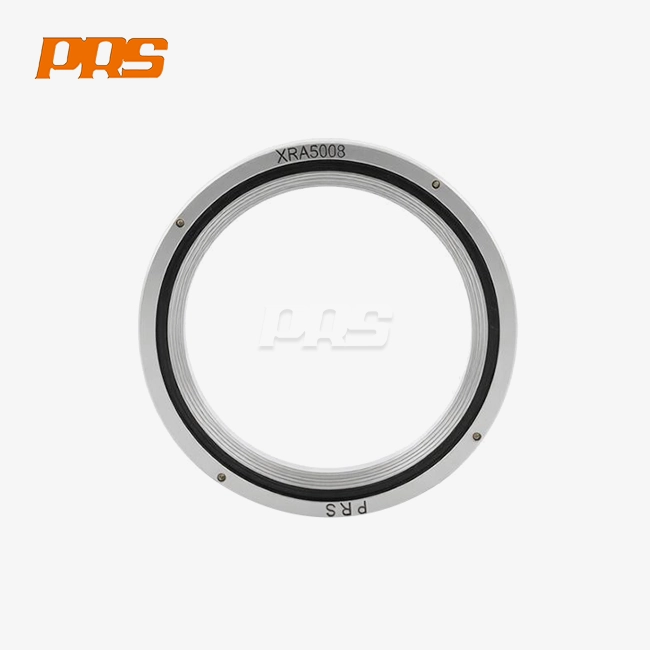
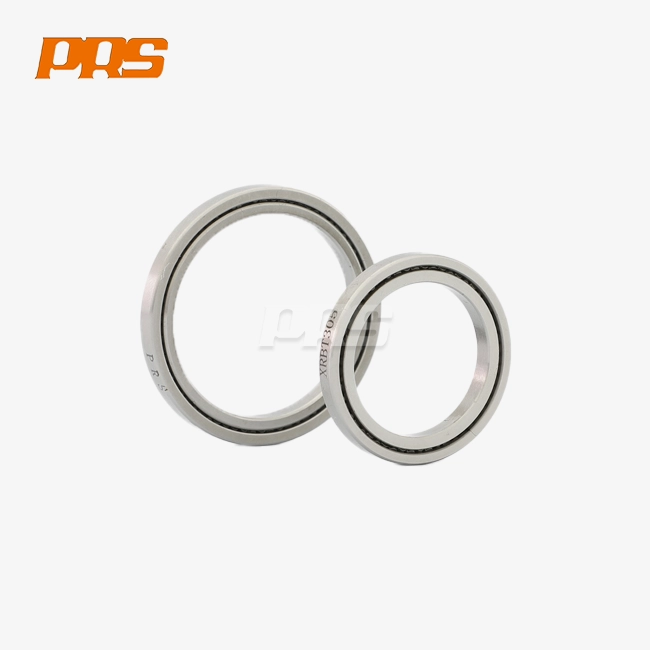
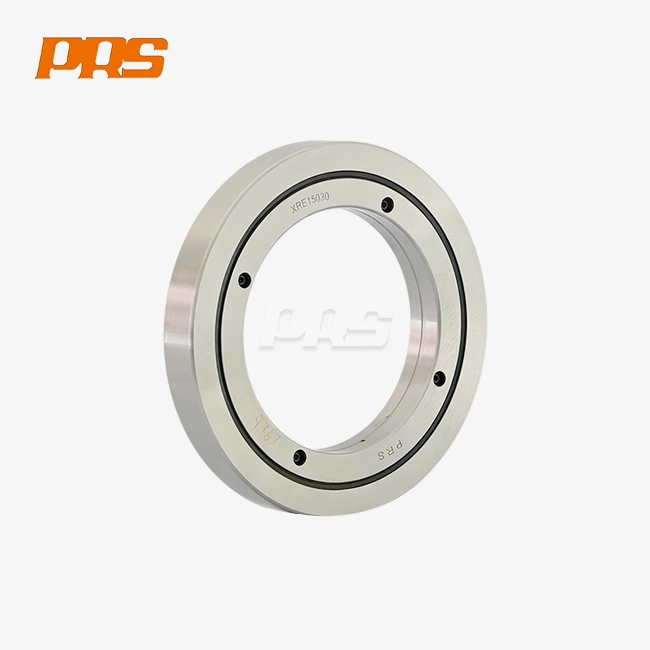
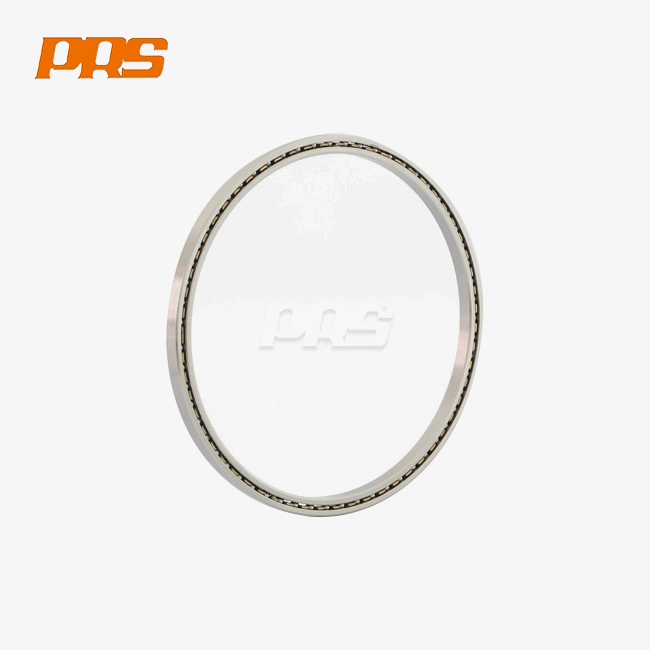
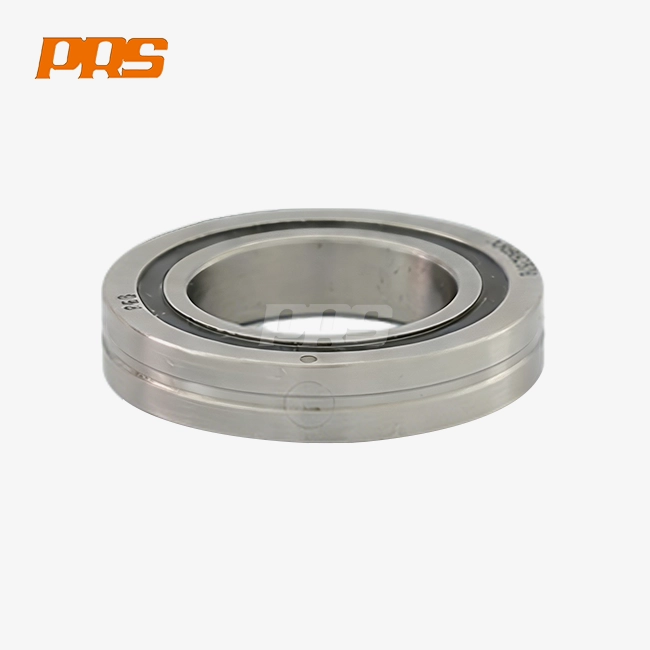
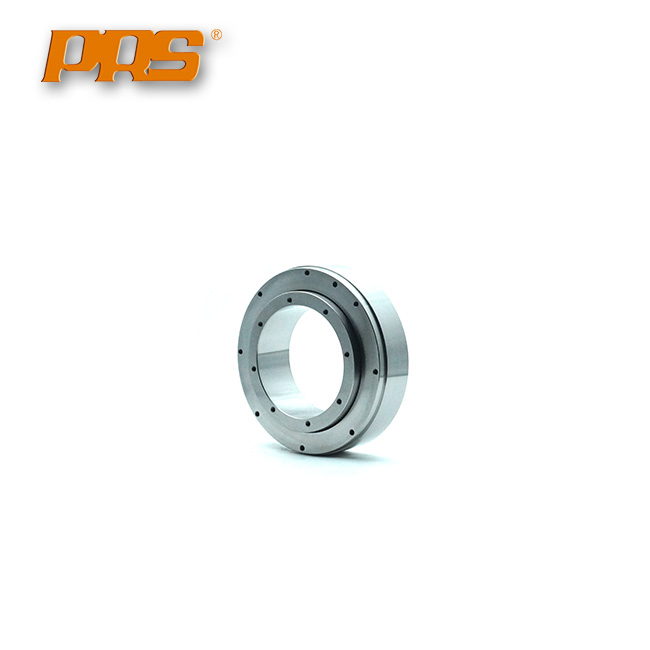
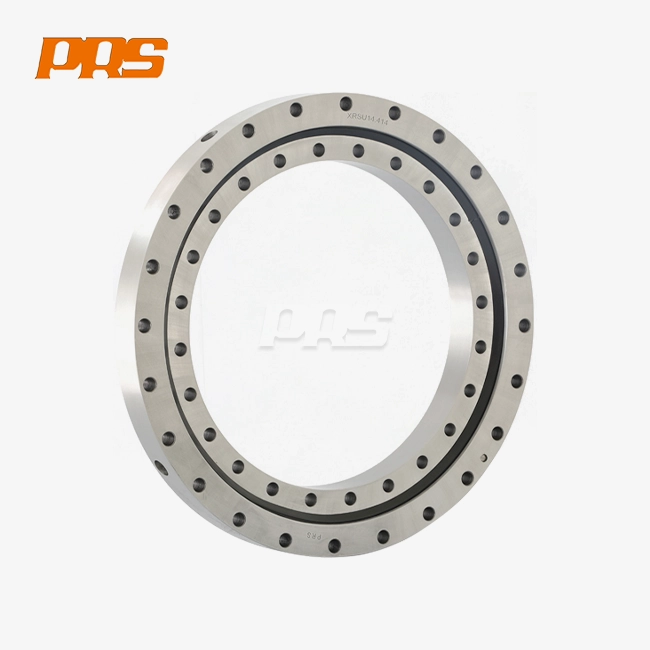
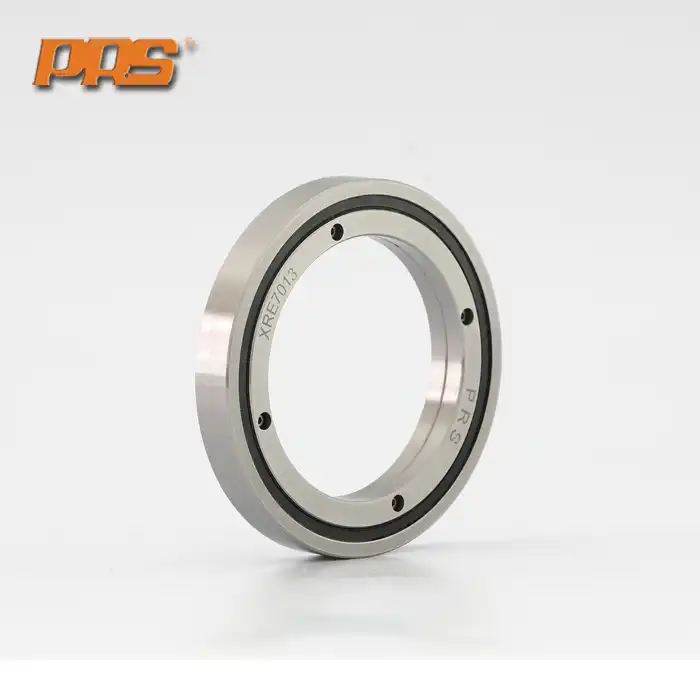
Cross-roller bearings have changed the way we think about precision movement in robots. The RE series stands out because it has a unique structure design that can handle the complicated stress conditions that come up in multi-axis robotic applications. Cylindrical rollers are placed orthogonally in precision-machined raceways. Spacers keep rollers from touching each other and stop friction between the rolling elements. This orthogonal design spreads forces evenly across all contact points, which lets the bearing handle loads that would be too much for a regular ball bearing or would need more than one bearing assembly.
Having a split inner ring design is helpful for both installation and upkeep. Engineers can attach these bearings to current gears without taking apart the parts that are linked. This cuts down on downtime while equipment is being upgraded or fixed. The continuous outer ring, on the other hand, keeps the maximum stiffness and rotational accuracy, which is very important for robotic joints where positioning mistakes add up across multiple directions.
Performance Parameters That Matter
When we look at what really affects success in robotics, a few factors stand out as being essential. The most important thing is load capacity. PRS RE robot bearings can handle radial, axial, and moment loads all in one unit, so you don't need complicated bearing setups that add weight and create more places where things could go wrong. These parts can work in temperatures ranging from -40°C to +150°C and keep their shape in a variety of settings, from cold stores to manufacturing processes that generate heat.
The accuracy of the end effector is directly related to the accuracy of the rotation. Because the structure is stiff, it doesn't bend much when it's loaded, so the robotic arms stay in the same place during working cycles. This is especially helpful for assembly tasks that need to be repeatable to within microns, welding tasks where the position of the fire affects the quality of the weld, and material handling tasks where accurate placement keeps production from getting stuck. These bearings come in precision grades from P4 to P2, and they can be used in a wide range of systems, from normal industrial robots to ultra-precision inspection and assembly systems.
Comparison With Conventional Bearing Solutions
Deep groove ball bearings and angular contact bearings have been used in robotics for a long time, but they have some problems that become clear in complex multi-axis designs. Ball bearings work great in high-speed situations, but they can only handle a small amount of moment load, so they usually have to be paired up, which takes up more axial room. When preloaded in pairs or groups, angular contact bearings can handle more weight, but this increases the number of parts and makes upkeep more difficult.
With cross-roller bearings, all of these tasks are done by a single part. In traditional systems, three separate bearings might take up 120 mm of axial room. An RE robot bearing, on the other hand, can do the same job in 40 mm. This saves room and leads to smaller joint designs, lighter upper arm parts that can carry more weight, and easier assembly processes that lower the cost of making the robot. The design also lowers cumulative tolerance stack-up, which is a problem that keeps coming up when many bearings need to line up properly for the best performance.
How to Choose the Right RE Robot Bearings for Your Robotic Arm
Evaluating Load Capacity Requirements
The load curve of your robotic arm is what determines which bearings to use. Find the greatest radial load by using the arm's weight and mass, as well as the force of gravity at full extension. Axial loads come from pulling things vertically and from acceleration forces that happen when there are quick changes in motion. Moment loads, which are often not taken into account enough, are caused by uneven loads and the transfer of force through joints. PRS gives full load rating information for all sizes, from small 20mm inner diameter units for light collaborative robots to strong 600mm inner diameter systems for big industrial manipulators.
When it comes to key uses, safety factors are very important. Safety factors of 3:1 or higher are usually required for medical robots and aerospace systems. However, 2:1 may be enough for most industrial uses. These estimates are affected by the environment. For example, extreme temperatures, shock loads, and exposure to contamination all shorten the useful life of bearings, which means that more conservative load values are needed.
Dimensional Tolerance and Fit Considerations
For precision robots to work, all parts of the moving chain must be very close to each other. Specifications say that mounting surfaces must be flat and straight; any changes here will cause rotary runout at the end-effector. Even though the mounting surfaces on PRS RE robot bearings are perfectly ground, it is still very important to put them correctly. For precision bearing fits, the shaft and housing tolerances should be in line with ISO standards. In robotics, the shaft tolerances should be h5 and the housing tolerances should be H7.
Choose the right size by balancing a number of factors. Larger bearings can hold more weight and are more stiff, but they cost more and are heavier. Engineers can find the best size-to-performance ratio for each application by choosing from a wide range of PRS choices, including inner diameters from 20mm to 600mm, outer diameters from 36mm to 700mm, and thicknesses from 8mm to 40mm. Collaborative robots with small, light joints tend to have smaller dimensions. Heavy-duty industrial robots that work with car parts or big systems, on the other hand, need larger cross-sections to be rigid.
Environmental and Operational Factors
The operating climate has a big effect on the choice of bearing and how long it should last. When making semiconductors in a cleanroom, robotics needs protected bearings that stop particles from forming and keep chemicals from getting exposed from process air. For precise motion control, the double-sided seals on PRS RE robot bearings keep out dirt and dust while keeping the low friction properties that are needed. These seals do a good job of keeping lubrication in, which lowers the regularity of upkeep in joints that are hard to get to.
Temperature issues go beyond the stated working range of the bearing. The preload and internal gaps are affected by thermal expansion. Too much heat speeds up the breakdown of lubricants, while too much cold raises their viscosity and starting torque. Stable bearing shapes that keep working at all temperatures are useful for applications that need to change temperatures, like robots that move between temperature-controlled areas. Choosing the right material is important in this case. The GCr15 bearing steel that PRS uses in their products is very good at keeping its shape and not wearing down at high or low temperatures.
Maintenance and Longevity Tips for RE Robot Bearings
Lubrication Best Practices
Proper lubrication greatly increases the life of bearings, but many robotic setups have either too much or too little greasing scheduled. For cross-roller bearings to work, they need thin, even layers of grease that keep the rolling elements away from the raceways without adding too much drag. Most robotic uses work well with grease because it lasts a long time between services and makes upkeep easier. Choose greases that are made for precision bearings and have base oils and thickeners that work with the bearing's speed and temperature range.
The surroundings of the application determines how often to lubricate. In clean, temperature-controlled factories, relubrication times may be extended to 10,000 hours or more of use. Harsh settings with harsh temperatures, high shock loads, or contamination need to be checked on more often, maybe every 2,000 hours. Watch the temperature and noise levels of the bearings; rises in either of these can often mean that the grease isn't working right before a catastrophic failure happens. PRS technical help gives you advice on the right lubricants for your unique needs and the way you work.
Inspection and Monitoring Protocols
Regular repair keeps things from breaking down without warning and increases the life of bearings. Set up regular review times based on the application's severity and working hours. Visual checks find broken seals, contamination, and the state of the mounting hardware. Listen for strange sounds while the machine is running. Cross-roller bearings that are working properly make very little noise, and changes in the way they sound often happen before the performance starts to get worse.
Vibration research gives you more information about the state of the bearings. Through characteristic frequency patterns, accelerometers placed near bearing areas can find problems that are starting to form. Monitoring temperature goes along with vibration data. Thermocouples or infrared sensors can find hot situations that happen when lubrication fails, there is too much loading, or there is contamination. Condition tracking is built right into the control systems of more advanced robotic systems. This allows for predictive maintenance that replaces bearings during planned downtime instead of when they break down suddenly.
Common Issues and Troubleshooting
RE robot bearings used in robots can fail in a number of ways. Too much preload causes heat and speeds up wear. This is usually caused by wrong fitting torque or thermal expansion effects. If there isn't enough preload, the bearing can bend when it's loaded, which can affect its positional accuracy and cause harmful noises. In all industries, contamination is still the main reason why bearings fail early. Particles that get into the bearing create stress clusters that start fatigue cracks and speed up the wear process.
To solve these problems, we need to use organized methods. If the joint assembly gets too hot, make sure that the setup settings are correct and that there is enough air flow around it. Bearing wear or damage to the mounting surface is often to blame for decreasing accuracy. Rotational runout measurement tells you if a repair is needed. Noise increases and rough spinning are signs of pollution or not enough lubrication. PRS engineering support helps with diagnostic processes and specifying new parts, making sure that solutions deal with the reasons instead of just the symptoms.
RE Robot Bearings in Industrial Applications: Use Cases & Value Propositions
Assembly Line Automation
Automotive making is a good example of the tough conditions that cross-roller bearings have to work in every day. Robotic welding cells move sparks with precision measured in tenths of millimeters. They do this thousands of times per shift for years at a time. The robots' bearings support the weight of the arms, can handle acceleration forces during quick shifting, and keep their accuracy even when they get hot from welding. PRS RE robot bearings are used in the shoulder, elbow, and wrist joints of these systems, which helps meet the 99.9% uptime standards of current car production.
When putting together electronics on a smaller scale, there are different problems to solve. Pick-and-place robots that work with fragile parts need very slow acceleration rates and very accurate positioning. Compact bearing designs reduce the size of the joints, which lets them fit more closely into small areas. Cross-roller bearings allow for fine motion control, which is needed for placing components on circuit boards where assembly flaws are caused by displacement by fractions of a millimeter.
Material Handling and Logistics
Automation in warehouses has changed how deliveries are done around the world. Robotic systems can move, spin, and lift items that weigh anywhere from a few grams to hundreds of kilograms in three dimensions. The different payload conditions cause dynamic pressure that constantly puts stress on bearing parts. It is necessary to be able to handle loads in more than one way. This is because vertical lifts create axial forces, horizontal stretches create radial loads, and offset payloads create moment loads that put stress on all the bearing elements at the same time.
For distribution centers to be reliable, they need to be able to avoid unscheduled repair events. When properly stated, RE robot bearings have a longer service life, which means they don't need to be replaced as often. The split inner ring design also makes fixes easier when they do need to be done. In this industry, stable temperatures are important because robots that move between climate-controlled indoor areas and outdoor loading docks experience thermal cycles, which can change the bearing preload and internal gaps. Because PRS bearings are dimensionally stable, their performance stays the same even when these changes happen.
Precision Manufacturing Applications
Robotic systems for lifting and dumping are becoming more and more common in CNC machine tool integration. For these setups, the machine tools must be perfectly matched, because mistakes in positioning the workpiece can affect the quality of the end part. RE robot bearings in the robot joints have to keep micron-level accuracy even though they are used all the time in places where cutting fluids, metal chips, and changes in temperature make it hard for parts to last. Sealed bearing designs keep the low friction that is needed for precise motion control while protecting the internal parts.
When making medical devices, failure can lead to more than just lost production; it can also put patients' safety at risk. Strict quality standards are followed by robotic systems that put together surgery instruments, testing tools, and implantable devices. The bearings that support these processes must always work the same way, which can be proven by thorough testing. Some of the quality assurance processes used by PRS are measuring rotational accuracy, checking dimensions, and making sure the load capacity is correct. These processes help with the paperwork needs that come with making medical devices.
Conclusion
When choosing the right cross-roller bearings for multi-axis robotic arms, you have to balance the need for high professional performance with the need to save money. RE robot bearings have a special design that makes them multidirectional load-bearing, very accurate in terms of position, and small. These features make robotic joints work better in a wide range of industrial settings. To make the right choice, you need to carefully look at the load conditions, environmental factors, and working needs. You also need to work with skilled suppliers who can provide both scientific knowledge and manufacturing skills. Maintenance practices have a big effect on the service life of bearings. Regular inspections, cleaning, and condition tracking can increase the time between operations and keep expensive failures from happening. As computer systems continue to improve production around the world, the bearings that support these platforms will become more and more important for system performance and competitive edge.
FAQ
What factors most significantly affect RE robot bearing lifespan?
The main things that affect how long a bearing lasts are the load, the quality of the lubricant, and the surroundings. Bearings usually last longer than 20,000 hours in controlled settings if they are used within their rated load limits and oiled according to the right schedules. Exposure to contamination, high temperatures, and shock loads all shorten life in a way that depends on how bad and how often they happen. Longevity is also greatly affected by proper fitting, which includes setting the preload correctly and preparing the mounting area.
How do RE robot bearings compare to traditional bearing configurations in precision and durability?
In cross-roller bearings, the functions of several standard bearings are combined into a single unit. This reduces the amount of tolerance stack-up and makes assembling easier. The orthogonal roller arrangement is better than ball bearings at handling mixed radial, axial, and moment loads. It also takes up a lot less axial room than paired angular contact configurations. Durability is as good as or better than standard options when it is properly specified and kept, and it's also easier to repair.
What are typical lead times for bulk orders of RE robot bearings?
Standard catalog sizes usually ship within one to three business days if they are in stock. Manufacturing lead times for custom standards or big orders range from four to eight weeks, based on how complicated the changes are and how the production schedule works. Strategic relationships in purchasing with PRS can set up blanket orders with planned releases, which makes sure that parts are available when they are needed for production and lowers the costs of keeping supplies on hand.
Partner With PRS for Superior Robot Bearing Solutions
Luoyang PRS Precision Bearing Co., Ltd. has been making specialized products for 20 years and offers full expert support. They offer cross-roller bearing solutions that improve the performance of robotic systems. Our plant pass rates of over 99.9% show that we can consistently provide the high quality your production setting needs. Plus, our 6S production management system makes sure that every bearing meets strict requirements from inspecting the raw materials to testing them for quality. Our team of 35 technical engineers is ready to help you choose the best bearings for your needs, whether you need normal catalog dimensions or solutions that are specifically designed for your purpose. Get in touch with our purchasing agents at ljh@lyprs.com to talk about your needs with a skilled RE robot bearing maker. We give you affordable quotes, thorough technical documentation, and sample units so you can check the performance before committing to large-scale production. Find out how PRS accuracy changes the things robots can do.
References
International Organization for Standardization. (2019). "Rolling Bearings - Dynamic Load Ratings and Rating Life." ISO 281:2007/Amd 2:2019.
Harris, T.A. & Kotzalas, M.N. (2006). "Advanced Concepts of Bearing Technology: Rolling Bearing Analysis, Fifth Edition." CRC Press, Taylor & Francis Group.
American National Standards Institute. (2018). "Load Ratings and Fatigue Life for Ball Bearings." ANSI/ABMA Standard 9-1990 (R2018).
Schaeffler Technologies AG & Co. (2021). "Crossed Roller Bearings and Slewing Rings: Technical Handbook for Robotics Applications."
Society of Tribologists and Lubrication Engineers. (2020). "Lubrication of Industrial Robot Joints: Best Practices and Performance Optimization." STLE Technical Paper Series.
Robotic Industries Association. (2022). "Precision Component Selection for Multi-Axis Industrial Robots: Engineering Guidelines and Case Studies." RIA Technical Report R15.08-2022.

USER EVALUATE
Here is the customer's evaluation of us