
Roller Slewing Bearings: Key Features, Benefits and Uses
Roller slewing bearings are a major step forward in heavy-duty rotational technology. They are designed to handle the high needs of industrial machines, where regular bearings fail. It is possible for these specialized parts to support large axial, radial, and moment loads at the same time while keeping rotating movement smooth and accurate. Because they are roller-based instead of ball-based, these bearings spread forces over a larger contact area than ball-type bearings. This makes them essential for use in everything from building cranes to wind farms. Knowing how they're made, what benefits they offer, and how to choose the right ones gives engineers and procurement workers the power to improve equipment performance and make it last longer in harsh settings.
Understanding Roller Slewing Bearings: Basics and Design
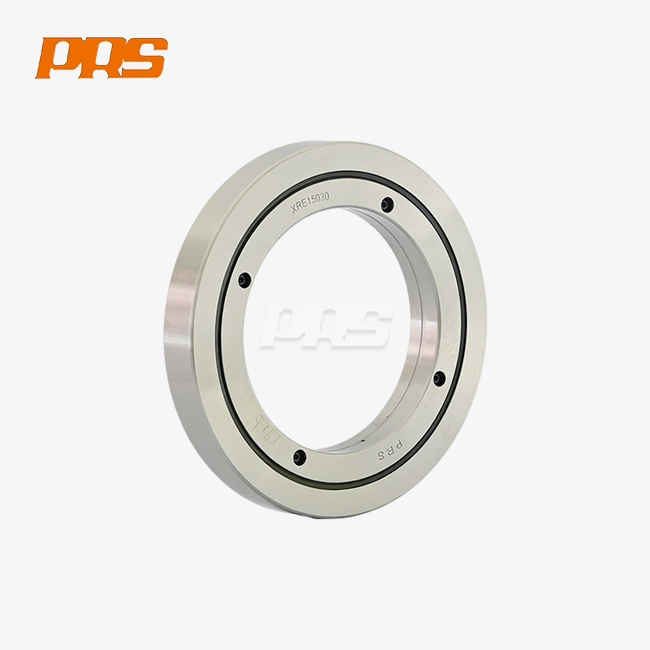
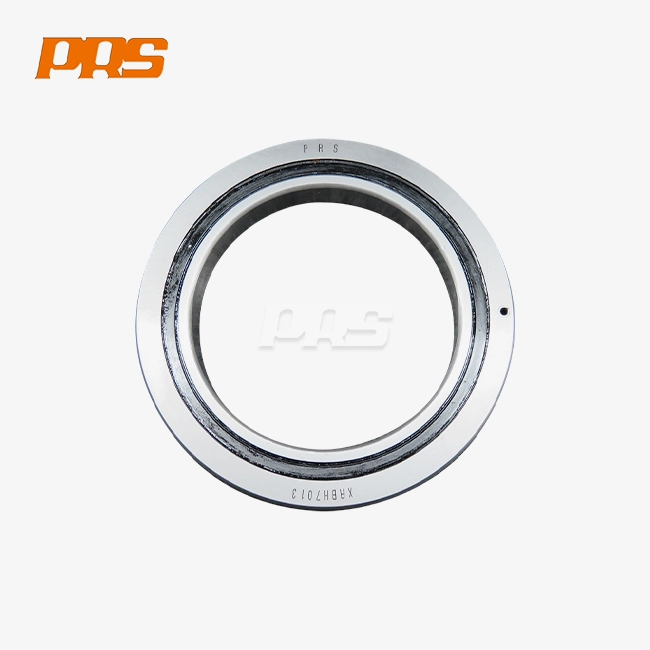
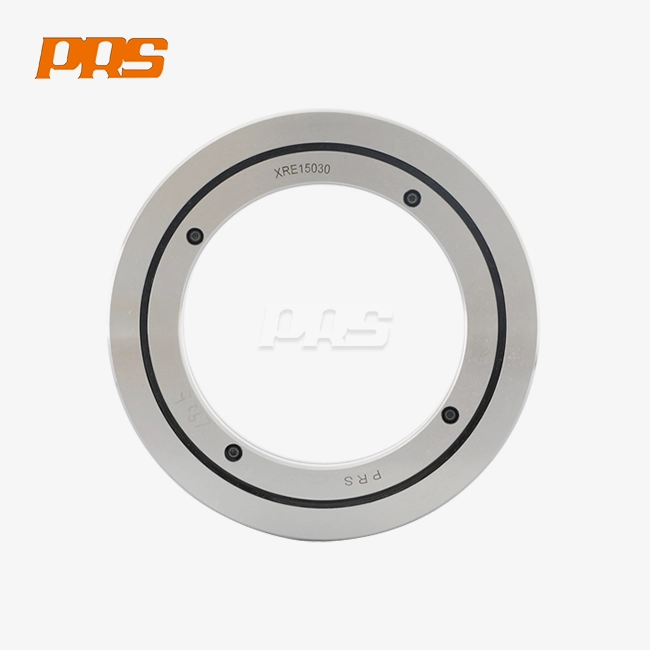
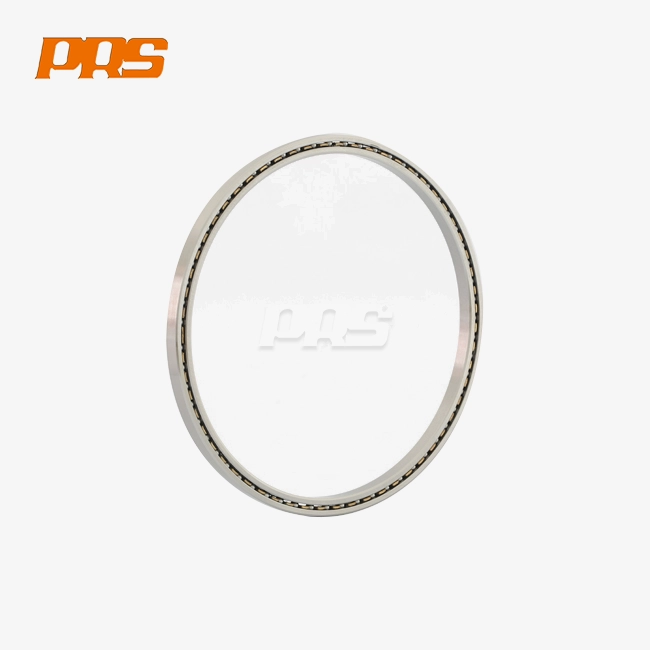
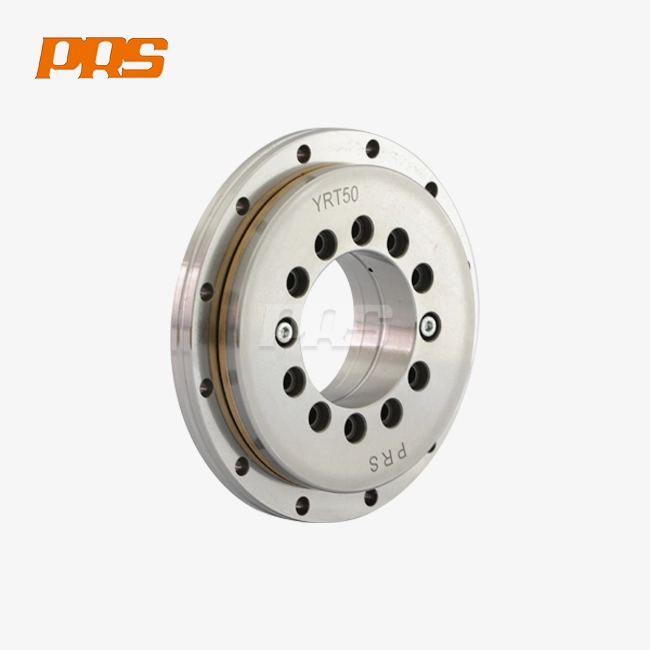
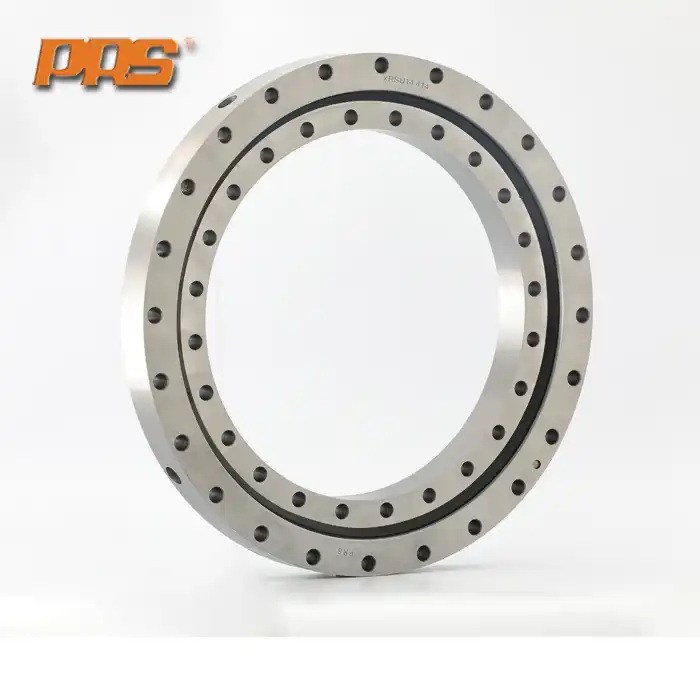
The advanced load management design of these rotating bearings sets them apart from other spinning support systems in their basic structure. At their heart, these systems are made up of precisely machined inner and outer rings made of hardened alloy steel. Cylindrical rollers are carefully placed between the rings. This arrangement makes line contact instead of point contact, which greatly increases the load-bearing capacity while keeping the dimensions stable under pressure.
Structural Components and Working Principles
How cylinder-shaped rollers move within perfectly flat raceways is at the heart of the operating physics. These rollers spread weight and stress evenly along their length as the equipment turns. This keeps pressure points from building up and causing premature wear. Integrated designs usually use through-bolt mounting patterns that make installation easier and make sure the design stays firmly attached to supporting structures. Sealing systems keep outside contaminants from getting into internal parts, and centralized greasing ports make upkeep easier.
The choice of material is very important for function life. PRS makes these bearings from high-carbon chrome steel that has been through special heat treatment processes to make the surface hard enough to not bend when loaded and unloaded many times. The different precision grade choices, from normal P5 to ultra-precise P2, meet the different needs for accuracy in different fields.
Configuration Types and Design Variations
When room is limited, single-row versions are good because they are small. The rollers are placed horizontally to handle axial and tilting moment loads. In double-row designs, an extra rotational load-bearing row is added, which makes the system stronger and able to handle forces from different directions without the need for extra support bearings. Even though they are not as common, three-row versions have the most space and are best for heavy-duty uses like mine excavators that are constantly under heavy loads and shocks.
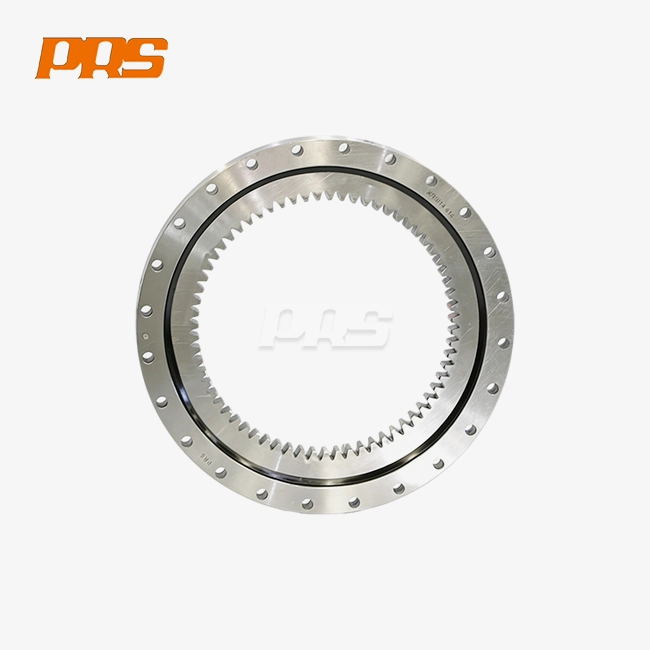
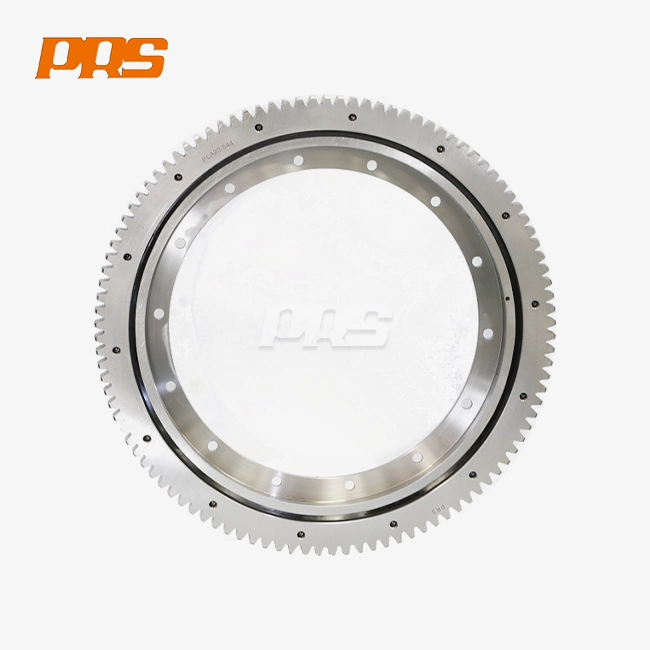
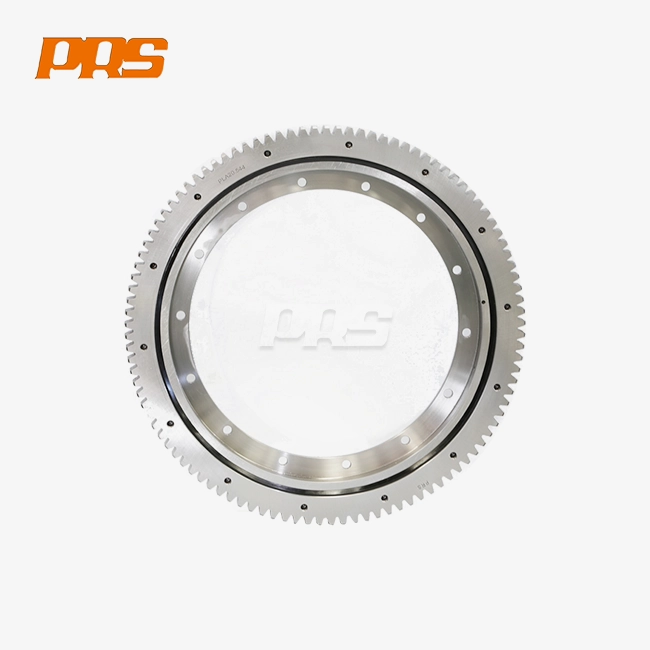
It depends on how the drive system needs to be integrated whether the teeth are internal, exterior, or missing. Geared versions make it easier for pinion drives to send power directly, while non-geared versions are better for situations where spinning is caused by something other than gears. PRS can make changes to these factors, and the outer sizes of bearings can be changed from 200mm to 5000mm to fit different types of equipment.
Material Science and Manufacturing Precision
Advanced production methods make sure that the dimensions are correct, which has a direct effect on how smoothly the spinning goes and how the load is distributed. Computer-controlled machining keeps raceway errors to a few microns, and non-destructive testing methods check the quality of the material as it is forged. Before the final assembly, magnetic particle inspection finds tiny cracks on the surface of gear teeth and raceways. This stops failures in the field that would cost a lot of money in downtime.
It is important to pay close attention to the heat treatment process for roller slewing bearing. For example, induction hardening makes the surface harder while keeping the core structure stronger. This two-property method lets the bearing protect working areas from contact stress wear while absorbing shock loads through the material below. Effective case depth testing shows that the strengthening goes far enough to support the roller contact forces for the whole life of the bearing.
Advantages and Applications of Roller Slewing Bearings
When it comes to performance, roller slewing bearings fix certain problems in the workplace that make tools less reliable and less efficient. When you look at real-world application needs in a number of different areas, their technical benefits become clear.
Superior Load Distribution Capabilities
Line contact shape changes how forces move through the bearing system in a fundamental way. When compared to ball bearings, which put most of the load on a few small contact points, circular rollers spread the stress along their whole length. This design lets parts handle higher working loads within smaller outer dimensions, which is an important thing to think about when making changes to old equipment or making small machines. The bigger contact area lowers surface pressure by up to 40% compared to ball bearings of the same size, which directly leads to longer component life.
Another clear benefit is that it is stiff. The stiff cross-sectional shape doesn't bend when it's loaded, so it stays in place even when forces change during operation. In very precise situations, like robotic positioning systems and CNC machine tool rotary tables, where micron-level accuracy affects the quality of the result, this trait is very important.
Industry-Specific Applications and Performance Benefits
These bearings are used in construction tools because they can handle the complicated load combinations that come with moving and lifting things. Mobile cranes have axial loads from the weight of the boom, radial loads from the slewing torque, and tilted moments from the placement of the load—all at the same time, while they are spinning in dynamic conditions. The bearing has to be able to handle these forces coming from different directions without getting stuck or having too much play, which could be dangerous. PRS bearings made for this industry have stronger closing systems that keep dust, water, and small pieces of concrete from getting inside.
In wind energy uses, bearings must work efficiently through millions of rotational cycles while being subject to harsh weather. Yaw systems move the center to catch the best wind angles, which requires smooth movement despite the heavy weight and aerodynamic forces of the turbine. Pitch control systems at the roots of each blade also depend on the accuracy of the bearings to change the angles of the blades for better power use and emergency stopping. The corrosion-resistant coatings and long-term lubrication systems in PRS wind turbine bearings make it easier to reach parts that are placed on 100-meter towers for maintenance.
Bearings in mining and dig equipment have to work in harsh conditions, including shock loads from bucket hits, abrasive dust infiltration, and heavy-duty cycles that happen all the time. For bucket wheel loaders and dragline systems, where bearing failure means days of downtime instead of hours, triple-row roller setups are the best way to go. The strong sealing and anti-contamination features made just for this setting make upkeep times longer and lower the total cost of ownership.
Maintenance Strategies for Extended Service Life
Setting up proactive repair plans has a big effect on how long bearings last. Rather than arbitrary time intervals, lubrication plans should be based on real operating conditions. For example, heavily loaded bearings working in dirty environments need to be oiled more often than lightly loaded units working in clean environments. Automatic lubrication systems give measured amounts of grease at set times, so you don't have to do anything by hand with equipment that is hard to get to.
Checking the state of the seals on a roller slewing bearing early on lets you know when they might fail. A visual check shows any physical damage or wear, while measuring the temperature finds any unusual friction that could mean the seal or grease is breaking down. Replacing seals before they completely fail stops the terrible internal contamination that speeds up wear by a huge amount. Checking the torque of mounting nuts on a regular basis keeps the right preload, which stops the fretting corrosion that happens when mounting surfaces move very slightly under pressure.
Comparing Roller Slewing Bearings: Making the Right Choice
For the selection method to work, the roller slewing bearing features must be matched to the needs of the application. This is done by carefully looking at the technical factors and working conditions. Figuring out the pros and cons of each arrangement helps you make the best choice.
Roller Versus Ball Bearing Technologies
The basic mechanics of contact are what make the performance ratings of these systems different. Ball bearings work best in situations where they need to have low starting power and little friction. This means they are good for equipment that spins a lot and is under mild loads. Their point contact design, on the other hand, limits the amount of weight they can hold and causes them to break when heavy forces are applied. Roller bearings give up some of their low-friction benefits in exchange for much higher load capacities—usually two to three times higher for the same size.
Differences in rigidity have a big effect on precision uses. When they are loaded, ball bearings move more elastically, which leads to positional error that builds up in systems with more than one axis. Because roller bearings are stiffer, they can hold tighter tolerances. This makes them ideal for precision measurement systems and tools used to make semiconductors, where micron-level positioning accuracy is crucial for the success of the product.
Single-Row Versus Double-Row Configurations
When axial and moment loads are the main types of loads and radial forces are low, single-row forms make the best use of room. Their simple design keeps their capacity high enough for uses like small crane towers and industrial tracks while lowering costs. The small horizontal height works well for setups with little vertical space.
Double-row versions add a radially oriented roller set, making the bearing more flexible and able to handle large radial loads without extra support. When moving goods over uneven ground, the force vectors are always changing, which might not be possible with a single-row design. This setup works well in situations where the load lines change during operation. For more capacity and operational freedom, the higher number of components and bigger envelope measurements are fair trade-offs.
Sealed Versus Unsealed Designs
Sealing standards are set by the environment. Unsealed bearings work well in clean indoor setups where there isn't much chance of contamination and upkeep can be done often. The open design makes it easier to check and re-grease, but it needs a secure housing that keeps outside contaminants out.
Sealed versions have built-in screens or labyrinth locks that keep water, dust, and particles out while keeping the oil in. Marine uses, outdoor building equipment, and mine equipment all work in places where dirt and grime would quickly destroy bearings that aren't sealed. PRS provides a variety of sealing choices, from contact seals that offer the best protection but cause a little more friction to non-contact maze designs that keep out contaminants while causing the least amount of drag.
Sizing Considerations for Load Requirements
A thorough load study for a roller slewing bearing is the first step in getting the right size. Engineers have to figure out the highest axial, radial, and moment loads, as well as dynamic factors that take into account shaking and shock loads. Safety factors that are right for the application's importance—usually 1.5 to 2.0 for normal commercial use—protect against unexpected overloads and changes in the material's properties.
Catalog grades can be used as a starting point, but for unique uses, detailed engineering advice is best. The expert team at PRS looks at specific job cycles, environmental conditions, and precision needs to suggest the best combinations. This way of working together stops both oversizing, which loses resources, and undersizing, which causes things to fail too soon.
Procurement Guide for Roller Slewing Bearings
To find your way around the roller slewing bearing buying market, you have to balance technical requirements, supplier skills, quality assurance, and business terms. Choices about strategic sourcing have a direct effect on how well equipment works and how well the project turns out.
Supplier Evaluation Criteria
Credibility in a manufacturer comes from showing that they have the right technical skills and quality control processes in place. ISO 9001 certification means that quality standards have been set, while industry-specific certifications like API or DNV show that a company is an expert in a certain area. Assessments of production ability make sure that suppliers can meet delivery dates without sacrificing quality by making things too quickly.
Product specs are just as important as the ability to provide technical help. Suppliers who offer application engineering help make the selection and integration of bearings better, and those who offer installation training cut down on mistakes that happen during testing that lead to failures in the field. PRS gives specialized technical support staff to large projects to make sure there is clear communication during the entire procurement and implementation process.
Quality Verification and Documentation
Material certifications and test results for roller slewing bearing are concrete proof that the bearing meets the requirements. Full records include studying the chemical make-up of steel materials, finding out how hard the raceways and gear teeth are, and checking the key limits with dimensional inspection reports. Non-destructive testing papers show that there are no flaws inside the structure that could weaken its stability.
Traceability systems connect each bearing to its production records and lots of raw materials. This lets you figure out what went wrong if problems happen in the field. This paperwork is especially important in controlled fields like aircraft and medical devices, where looking into a failure needs a full record of how the product was made.
Custom Manufacturing Advantages
Standard bearings from catalogs work well for common tasks, but custom designs improve performance for unique needs. Changes could include special fastening patterns that make integration easier, seals made for harsh environments, or exact grades that go above and beyond what is listed in the catalog. PRS keeps its manufacturing options open so that it can meet specific needs without the long lead times that come with fully customized designs.
The smallest amount you can order for a custom setup depends on how complicated the change is. For small changes, like different bolt patterns, there may not be a need for order minimums. On the other hand, for full redesigns that require new tools, bigger initial orders are necessary. Getting involved with tech teams early on makes it clear when things will be possible and when they can be sold.
Global Brand Comparisons
Well-known brands like SKF, NSK, and Timken have a wide range of products and have been making bearings for decades. Their global marketing networks help in local areas, but the prices are often higher because of how the brand is positioned. Regional manufacturers like PRS offer similar technical performance with more customization choices and more cheap pricing, which is good for projects that want to save money without sacrificing quality.
Evaluating total cost of ownership provides clearer value comparisons than purchase price alone. Factors include expected service life, maintenance requirements, supplier support quality, and replacement part availability. A slightly higher original investment that leads to longer operational times and less downtime is often more cost-effective than trying to get the lowest possible buy price.
Conclusion
In conclusion, when traditional bearing technologies don't work well enough for heavy-duty rotating uses, roller slewing bearings are the only way to go. The demanding needs of building tools, green energy systems, industrial automation, and many other areas are met by their superior load distribution, structural rigidity, and operating precision. To make a strategic choice, you need to know about the different configurations, external factors, and load-bearing needs that come up in different situations. Working with skilled makers who offer full technical help and quality control guarantees the best bearing performance over long service lives. Putting money into buying and specifying the right bearings pays off in a big way: more reliable equipment, less work for repair staff, and less unexpected downtime.
FAQ
What makes ball slewing bearings different from roller slewing bearings?
Contact physics and the performance traits that come from them are the main differences. Roller designs use cylinder-shaped moving elements that make line contact with raceways. This spreads loads over a much bigger area than point contact, which is how ball bearings work. Roller slewing bearings can take two to three times as much weight as other bearings of the same size and shape because they are more rigid, which means they keep their efficiency under force. Ball bearings have less friction and starting torque, so they can be used in equipment that spins often and isn't overly loaded. Roller-type design is very useful for situations with big static or moving loads, especially when only slight deflection is needed.
How often should the upkeep be done on these bearings?
Maintenance cycles are not set in stone; they depend on how the machine is working. When bearings are working under heavy loads in dirty conditions, they need to be oiled every 100 hours. When they are working in clean conditions with modest loads, the times can be extended to 500 hours. Open gear systems need to be oiled every day, but sealed bearings that are properly inflated at the start can work for thousands of hours before they need to be re-greased. Automatic lubrication systems are useful for equipment that is used all the time because they give the right amount of grease at set times without any help from a person. Temperature tracking and seal checking can spot problems early on, before they get so bad that a part fails.
Can parts be made to specific measurements for specific uses?
PRS keeps its manufacturing options open so that it can meet unique needs that aren't covered by normal catalog items. Any change, from small ones like different mounting bolt patterns to full custom designs for specific uses, is possible. For each job, the technical team works with the client to find the best bearing geometry, precise grades, sealing systems, and materials. Custom manufacturing lead times rely on how complicated the changes are. Small changes may not add much to standard lead times, but full redesigns that need new tools warrant longer development periods. Early involvement in the planning stages of a project makes sure that custom bearings fit perfectly with the designs of the equipment.
Partner With PRS for Reliable Roller Slewing Bearing Solutions
With more than 20 years of experience making specialized products, Luoyang PRS Precision Bearing Co., Ltd. is ready to help you with your bearing buying needs. As a company that only makes roller slewing bearings, we offer precision-engineered solutions for tough industrial uses in robots, machine tools, semiconductor equipment, medical devices, aerospace systems, and optical instruments. Our expert team offers full application engineering support, letting you choose the best configurations that meet your price and performance needs. With precision grades up to P2, the ability to customize sizes from 200 mm to 5000 mm, and strict quality control methods, PRS bearings give your important equipment the dependability it needs. Email our experts at ljh@lyprs.com to talk about the needs of your project, get detailed paperwork, or set up a sample review. Find out how PRS can turn bearing buying from a transactional need into a strategic relationship that gives you an edge over your competitors. You can see all of our products at prs-bearing.com and see what a difference careful production can make.
References
Radzevich, S.P. (2018). Theory of Gearing: Kinematics, Geometry, and Synthesis, Second Edition. CRC Press, Boca Raton.
Harris, T.A. & Kotzalas, M.N. (2006). Rolling Bearing Analysis: Essential Concepts of Bearing Technology, Fifth Edition. Taylor & Francis Group.
Schaeffler Technologies AG & Co. KG (2019). Large-Size Rolling Bearings: Technical Product Information. Herzogenaurach, Germany.
American Gear Manufacturers Association (2020). AGMA 6123-B06: Design Manual for Enclosed Epicyclic Gear Drives. Alexandria, Virginia.
International Organization for Standardization (2017). ISO 12043: Rolling Bearings - Single Row Cylindrical Roller Bearings - Chamfer Dimensions. Geneva, Switzerland.
Budynas, R.G. & Nisbett, J.K. (2020). Shigley's Mechanical Engineering Design, Eleventh Edition. McGraw-Hill Education, New York.

USER EVALUATE
Here is the customer's evaluation of us