
How Robotic Bearings Improve Accuracy and Repeatability?
Robot bearings are engineered to deliver the precision modern automation demands. These specialized components minimize friction, distribute loads evenly, and provide the rigidity necessary for robotic systems to repeat movements within microns of tolerance. When a robot performs thousands of identical motions daily—whether in semiconductor manufacturing or surgical procedures—the quality of its bearings directly determines whether it maintains positioning accuracy or gradually drifts from specification. By integrating high-precision bearing designs into robotic joints, rotary tables, and positioning systems, manufacturers achieve the consistent performance that industrial automation requires.
Understanding Robotic Bearings and Their Impact on Accuracy and Repeatability
The basic design of robot bearings is very different from that of regular bearings. Standard bearings are good for moving things in a straight line or turning, but robot-specific bearings focus on having very tight tolerances, low friction coefficients, and high structural rigidity, all of which affect how precisely a robot can place its end effector.
Core Operating Principles of Precision Bearings
Precision robot bearings are based on the idea of reducing space and increasing contact surface area. In traditional bearings, there is some play between the moving elements and the raceways. This play adds up and causes positioning errors in robotic systems with more than one axis. Robot bearings get rid of this play by using preload devices to keep the parts in constant touch with each other. This means that there is no pushback when the direction of motion changes. This preload makes resistance that can be predicted, which robotic controls can account for. This makes motion paths that can be repeated.
Types of Bearings Used in Robotic Applications
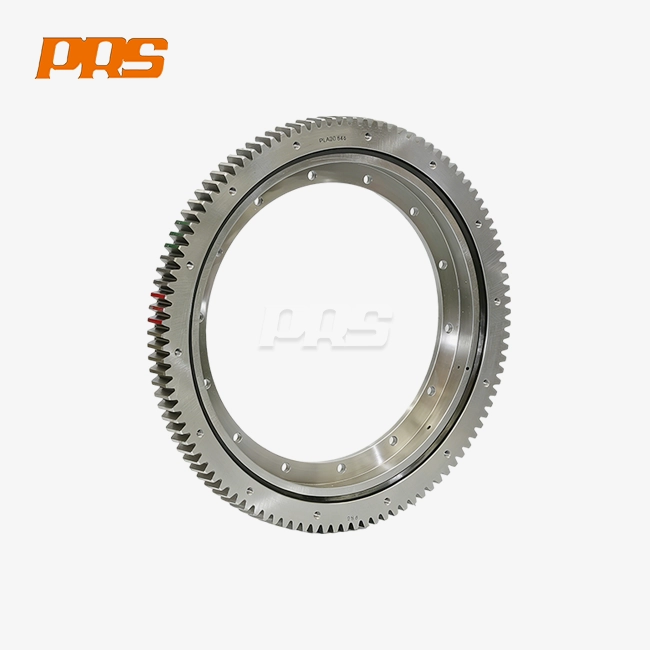
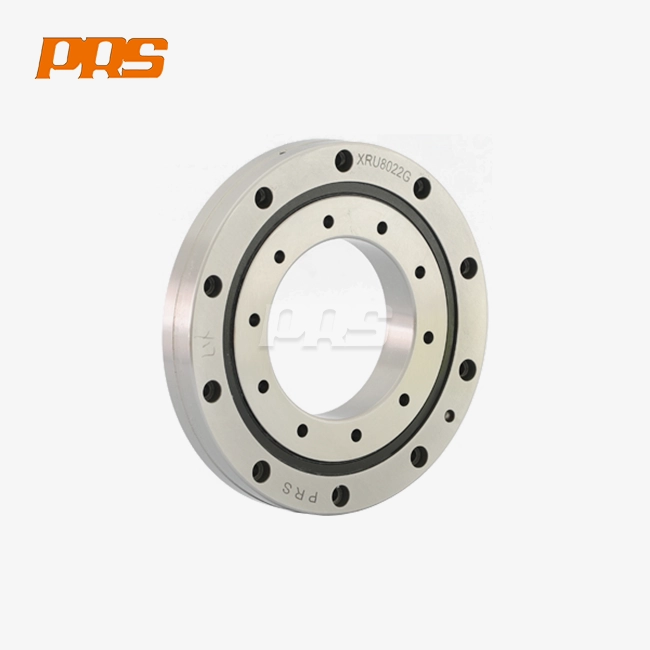
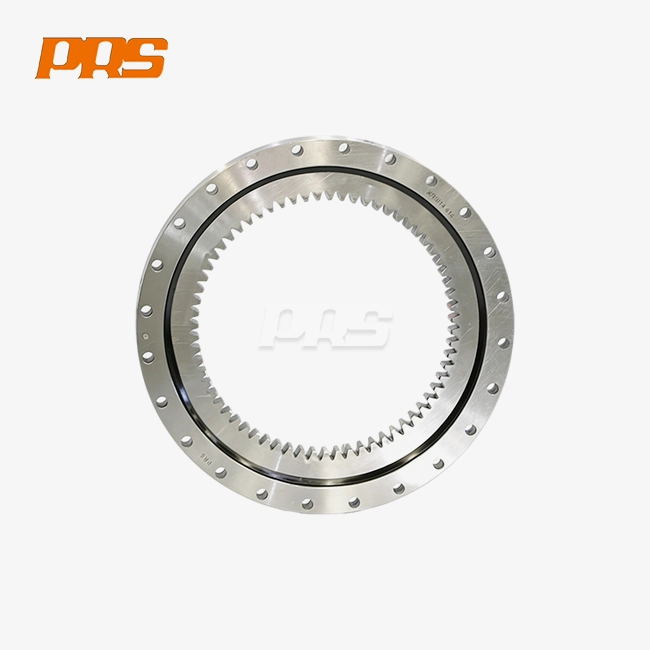
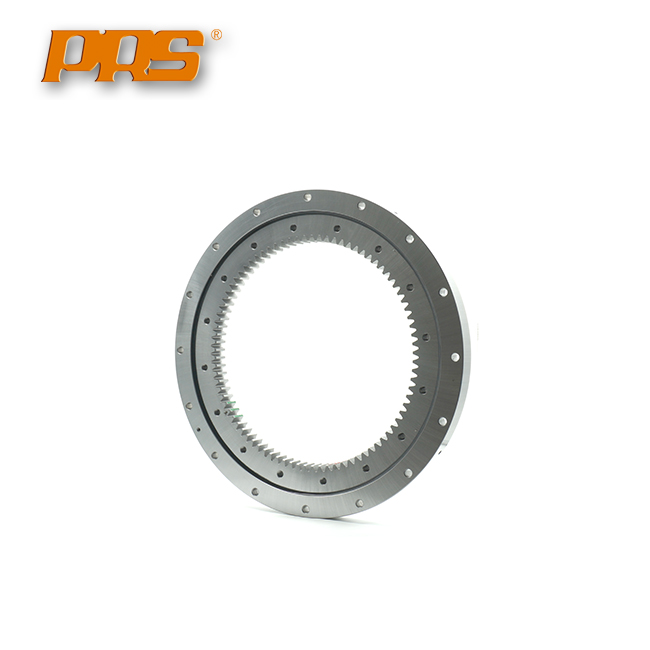
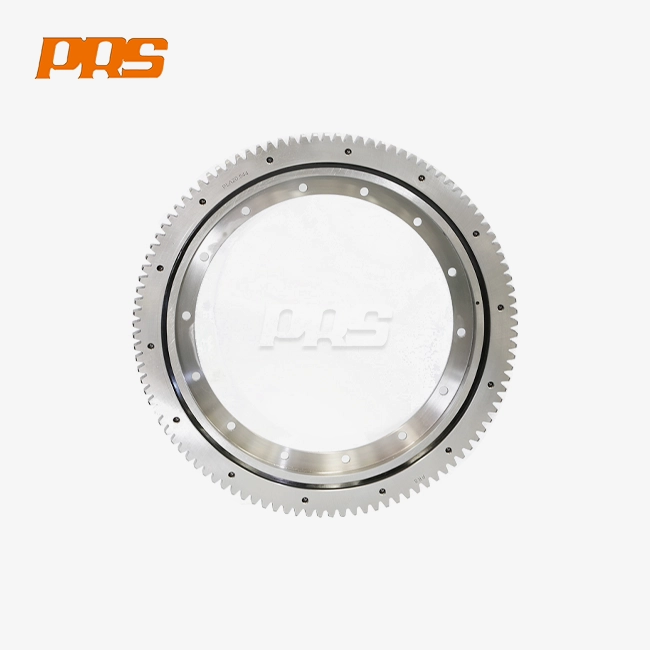
Robotics uses a variety of bearing designs, each of which meets a different set of performance needs. Cross-roller bearings have circular wheels that are perpendicular to each other. This lets them handle radial, axial, and moment loads all at the same time while taking up little space. This design works especially well in robot joints that need to be very stiff but don't have a lot of room. Angular contact ball bearings, which are usually grouped in pairs, can handle high speeds and large rotational loads, making them ideal for uses like machine tool spindle rotation.
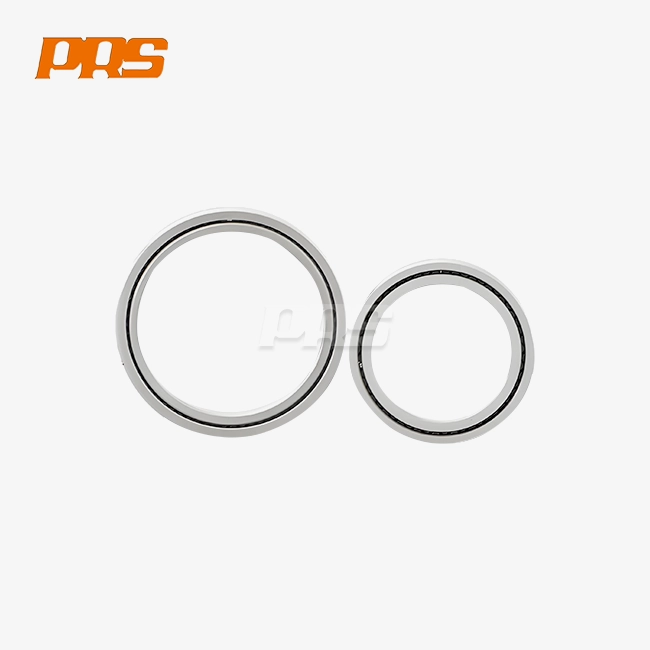
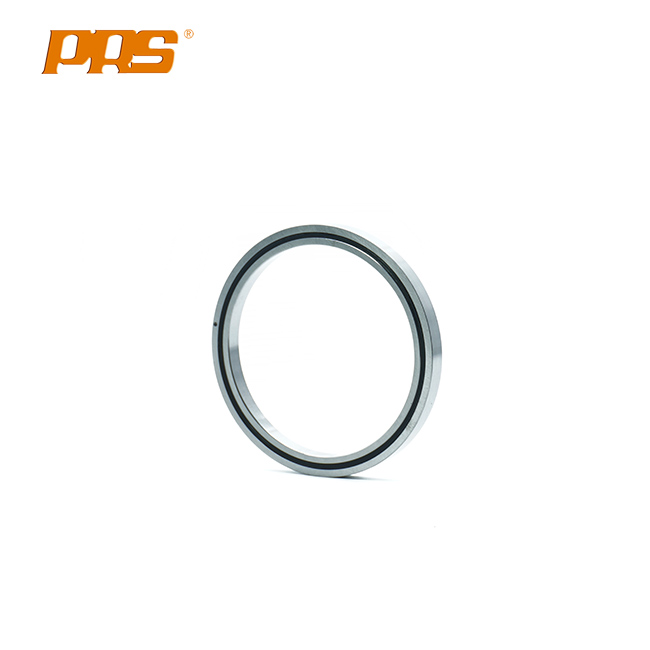
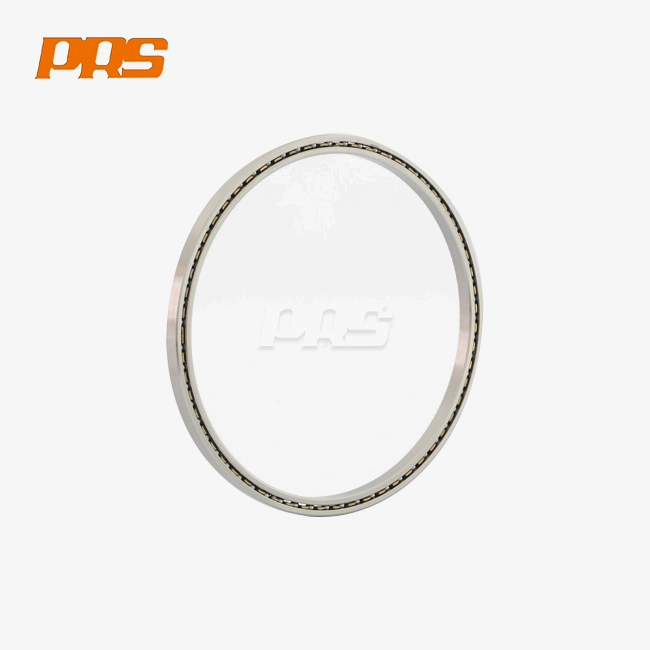
When weight reduction is important, thin-section deep groove ball bearings are another option. These bearings keep the structure strong while reducing mass. This makes robotic arms less drag and better at responding to motion. The 688ZZ bearing, which is 8x16x5 mm and has two metal covers, is an example of this type. It is often used in 3D printer parts and small robotic systems that need to be small and protect against dust.
Material Selection and Performance Impact
Choosing the right bearing material has a huge impact on how well it works. Standard bearing steel works well in most industrial settings because it has the right amount of stiffness, toughness, and ability to be machined. In some situations, ceramic ball bearings with silicon nitride rolling elements and steel races work better than other types. The ceramic parts are 60% lighter than their steel counterparts, which lowers rotational forces at high speeds and stops thermal expansion that could change the gaps between the bearings when temperatures change.
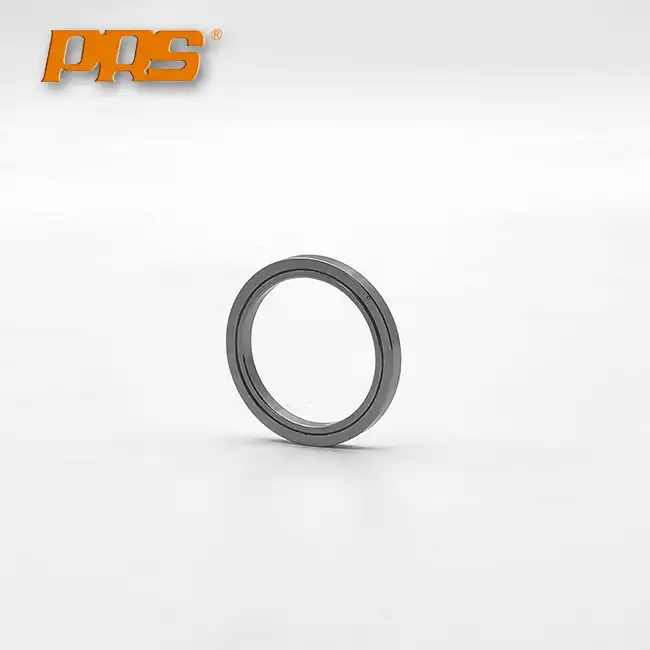
Key Factors Affecting Accuracy and Repeatability in Robotic Bearings
Several factors that work together decide how accurate robot joint bearings placement will stay over its entire service life. When procurement professionals understand these factors, they can choose parts that meet the needs of the application without adding features that aren't needed or that add cost without value.
Load Capacity and Structural Rigidity
Both steady and dynamic scores are part of load capacity. The static load capacity of a bearing tells you how much force it can handle before the rolling elements or raceways permanently distort. This specification is important when the robot is starting up, stopping in an emergency, or keeping its place while it is loaded. The pressures that a bearing experiences during normal operation are used to figure out its dynamic load capacity, which tells you how long it will last when it is spinning.
How much a bearing bends when loads are put on it is based on its structural stiffness. Even tiny deflections can cause positioning errors at the robot's working point, which are made worse by the length of the arm and the way the joints are set up. Cross-roller bearings are more rigid than ball bearings because the circular rollers make line contact instead of point contact, which spreads pressures over a bigger surface area.
Precision Grades and Tolerance Classes
Bearing makers use standards like ABEC (Annular Bearing Engineering Committee) or ISO tolerance grades to categorize how precise a bearing is. ABEC-3 bearings are good for basic robots because they keep their dimensions within 0.01 mm, which is enough for accurate positioning. For handling semiconductor wafers or metrology equipment that needs to meet stricter standards, you need P4 or P2 precise grades, where manufacturing errors drop to one micron.
These precise grades control a number of dimensions, including the limits for the bore and outer diameter, the roundness of the raceways, the surface finish, and the runout of the finished bearing. Each measure affects the accuracy of placing as a whole. Even if a bearing has good diameter control but not so good raceway roundness, it will still vibrate and move in different places.
Friction Characteristics and Thermal Stability
Bearing friction makes heat and fights motion, so motors have to give extra power, which uses energy and makes control less accurate. Optimized contact shapes, improved lubricants, and surface treatments that reduce rolling resistance are all used in low-friction bearing designs. Ceramic hybrid bearings have a lower coefficient of friction than all-steel versions, which means they have 30–50% less friction. This is because silicon nitride has a better surface finish.
When robots work in environments that change or when internal friction causes heat during high-speed operation, thermal stability becomes very important. When the temperature changes, bearing gaps change. Steel expands in a predictable way, but different materials expand at different rates. Hybrid bearings made of ceramic and steel reduce this effect because the low thermal expansion rate of ceramic helps to balance out the expansion of the steel race, keeping gaps more stable across a wider temperature range.
Maintenance Best Practices to Sustain Bearing Performance
Without proper upkeep, even the best accurate robot bearings will wear out over time. Setting up regular inspection and maintenance schedules stops sudden failures that stop output and protects the accuracy features that led to the choice of bearings in the first place.
Monitoring and Early Failure Detection
Condition tracking methods find signs of bearing wear before they break completely. Vibration analysis finds frequencies with rising intensity that match flaws in the bearing. For example, damage to the outer race causes vibration at a different frequency than damage to the inner race or rolling element. Temperature tracking shows that friction levels are rising in a strange way, and sound emission monitors pick up the ultrasonic frequencies that are made when cracks spread through bearing materials.
When new robot bearings equipment is put into service, we suggest taking baseline readings and then keeping an eye on trends over time. If a bearing's vibration levels slowly rise over months, it can be replaced during planned maintenance windows. This way, fixes don't have to be done quickly, which can throw off production plans.
Lubrication Strategies for Different Bearing Types
When greasing is done right, a thin film forms between the rolling elements and the raceways. This keeps the metals from touching and reduces drag. Grease lubrication works well for most robotic tasks because it provides a steady flow of grease without the need for external pumping systems. To choose the right grease, you need to match the viscosity to the speed at which it will be used. For example, high-speed uses need lower viscosity to lower spinning resistance, while heavy bearings that move slowly benefit from higher viscosity that keeps the film thickness under pressure.
When to re-grease depends on how the machine is being used. Bearings that run at 50% of their maximum speed and are in a clean environment might last 20,000 hours without needing to be oiled. However, bearings that are in a dirty or hot environment need to be oiled every 2,000 hours. Over-greasing causes the same problems as under-greasing: too much grease churns around without a reason, creating heat and building up pressure that could break seals.
Contamination Prevention and Environmental Protection
Particulate pollution is one of the main reasons why bearings fail early. Particles that are bigger than the thickness of the grease film dig into bearing surfaces, putting stress in concentrated areas that cause fatigue cracks to form. Shielded bearings, like the 688ZZ type, have metal shields that keep oil in and keep out contaminants. Sealed bearings offer better safety thanks to their rubber contact seals, but they do so at the cost of a little more friction.
Extra safety measures need to be taken in cleanrooms. Manufacturers of semiconductor equipment define bearings made of special materials and oils that don't give off chemicals that aren't good for photolithography. We've seen sites put up positive pressure containers around robotic systems to keep a clean air supply that keeps contaminants out and gets rid of heat.
Choosing the Right Robotic Bearing: Comparative Insights for B2B Buyers
To choose the best robot bearings designs, you have to match technical specs to the needs of the product while keeping cost and performance in mind. Over-specification spends money on features that aren't needed, and under-specification causes features to fail early and cause expensive downtime.
Application-Specific Bearing Selection
In different robotic uses, different robot joint bearings qualities are more important than others. Ball bearings with a light preload are good for collaborative robots that work with people because they allow for smooth, regular motion with low starting force. Heavy industrial robots that work with auto parts need to be as rigid and able to carry as much weight as possible. They prefer cross-roller or tapered roller designs, even though they have more friction.
For robot joint uses, bearings that can handle mixed loads like radial, axial, and moment forces at the same time are usually needed. Cross-roller bearings work best in this situation because they can handle all kinds of loads in small spaces. This is shown by the RU42 bearing line, which is used in CNC machine turntables, robot joints, radar antenna systems, and medical robots where it's important to be able to handle complex loads while keeping precise positioning.
Comparing Standard Industrial Bearings with Robot-Specific Designs
Standard industrial bearings are cheaper than versions made just for robots, which attracts buyers on a budget. When standard bearings fail too soon or don't provide accurate positioning, this economy turns into a fake savings. Larger internal clearances are okay for motors or elevators where a little play doesn't matter, but they're a problem in robotic systems where the extra space between joints causes end-effector placement errors that are too big to ignore.
Robot bearings have more accurate control over tolerances, better preload, and precision-ground parts that make up for their higher costs by lasting longer and staying accurate. Testing in different industries has shown that robot-specific bearings last 3–5 times longer than standard bearings in the same uses and keep their position specifications the whole time.
Performance Differences: Ceramic versus Steel Bearings
Ceramic mixed bearings are much more expensive than all-steel versions, so you should carefully consider whether the performance benefits are worth the extra money. Ceramic balls can work at 20–30% higher speeds than steel balls, and they produce less heat because they don't rub against each other as much. This is especially helpful in high-speed uses. The lower weight and better thermal stability help keep the precise gaps even when the temperature changes.
Steel bearings can still be used in heavy-duty, low-speed situations where ceramic's benefits don't show up enough to make up for the higher cost. To find the best bearing material for each application, we walk procurement teams through decision matrices that look at working speed, load conditions, temperature ranges, and needed service life.
Conclusion
The performance of robot bearings directly affects how well automatic systems meet their exact goals. The technical factors we've looked at so far—load capacity, choice of material, precision grades, and friction characteristics—work together to give current industrial uses the accuracy and repeatability they need. Maintenance practices keep these performance traits throughout the bearing's service life, and smart purchasing choices make sure that users can get parts that meet their needs. Investing in the right quality bearings pays off in the form of longer machine life, less downtime, and consistent production quality that meets ever-tougher industrial standards.
FAQ
How often should robotic bearings be inspected and maintained?
How often you inspect depends on how the bearings are used and what kind they are. Every 2,000 to 3,000 hours of operation, robotic systems that work in clean areas at low speeds usually need a thorough review. Every 500 to 1,000 hours, machines should be inspected in harsh settings where they are exposed to dirt, extreme temperatures, or constant high-speed operation. Tracking sound patterns and temperature changes with condition monitoring tools lets you do predictive maintenance, which finds problems before they break down.
What performance differences exist between ceramic and steel bearings in robotic applications?
Compared to all-steel versions, ceramic hybrid robot bearings have less friction, less weight, and better heat stability. These features help in high-speed situations where fewer rotational forces and heat buildup improve pointing accuracy and make the device last longer. Steel bearings are better at handling big shock loads and cost less, so they are good for uses with low speeds and lots of load. Ceramic parts are more expensive, but they work better in situations where the speed needs to be higher than 10,000 RPM or the temperature needs to be able to range widely.
Can standard industrial bearings substitute for robot-specific designs?
Standard industrial bearings can handle bigger changes in size and internal spaces that are fine for most machines but can make it hard to accurately place robots. Robot-specific bearings have better control over tolerances, better loading, and more precise grinding that gets rid of backlash and reduces friction difference. Standard bearings may be cheaper at first, but they usually don't last as long and aren't accurate enough for robotic uses, so even though they're cheaper to buy, they're not really a good deal.
Contact PRS for Your Precision Robot Bearings Requirements
Luoyang PRS Precision Bearing Co., Ltd. makes high-precision robot bearings that meet the strict standards of current automation systems for accuracy and repeatability. Our high-precision crossing cylinder roller bearings, thin-section ball bearings, and specialized robotic joint bearings meet P4 and P2 tolerance grades, which means they will always work well in the right place. Since 2003, we've been making robot bearings for semiconductor equipment, medical devices, and industrial automation. We offer unique solutions with shorter lead times and quick expert support. Our engineering team helps you choose the right bearings, figure out how to integrate them, and make sure they are maintained in a way that works for your unique robotic uses. Get in touch with us at ljh@lyprs.com to talk about your precision bearing needs and find out how our goods can help you avoid expensive and risky imports.
References
Harris, T.A. and Kotzalas, M.N. (2006). "Rolling Bearing Analysis: Essential Concepts of Bearing Technology." CRC Press, Taylor & Francis Group.
Schreiber, R. and Meyer, H. (2018). "Precision Bearing Technology in Industrial Robotics: Performance Requirements and Selection Criteria." Journal of Manufacturing Systems and Engineering, Vol. 42, Issue 3.
International Organization for Standardization (2014). "ISO 492:2014 - Rolling Bearings - Radial Bearings - Geometrical Product Specifications and Tolerance Values."
Nakamura, T. and Fujiwara, K. (2017). "Ceramic Hybrid Bearings for High-Precision Robotic Applications: Material Properties and Performance Analysis." Tribology International, Vol. 115.
American Bearing Manufacturers Association (2019). "Load Ratings and Fatigue Life for Ball Bearings: ABMA Standard 9-2019." American National Standards Institute.
Wensing, J.A. (2012). "On the Dynamics of Ball Bearings in Precision Applications: Contact Mechanics and Thermal Effects." PhD Dissertation, University of Twente, Netherlands.

USER EVALUATE
Here is the customer's evaluation of us