


Robotic Bearings: Improving Accuracy and Performance
Robotic bearings represent the foundation of precision automation, directly influencing your system's accuracy and operational reliability. These specialized components handle multi-directional loads while maintaining micron-level positioning across thousands of cycles. When your automation demands consistent performance under dynamic conditions, selecting bearings engineered specifically for robotics becomes non-negotiable. PRS delivers precision-grade solutions that transform standard motion systems into high-performance automation platforms, supporting industries from medical device manufacturing to aerospace applications.
Understanding Robotic Bearings: Types, Design Features, and Working Principles
What Makes Robotic Bearings Different?
There are problems with your robotic systems that regular parts can't solve well. For robotic applications, bearings must be able to keep their positioning accuracy while dealing with changing loads, continuous motion patterns, and space constraints. The choice of bearing has a direct effect on the accuracy, speed, and service life of your system. Tolerances in standard industrial bearings are usually ISO P5 or lower, which is not good enough for advanced robotics that needs P4 or P2 precision grades.
The main idea behind specially designed bearings for robots is to use advanced materials, precise manufacturing, and improved contact shape. These parts work together to keep friction to a minimum, load spread to a maximum, and reliable performance even in tough situations. When there are cyclic loads, which aren't fully predicted by standard wear formulas, the design has to take them into account.
Crossed Roller Bearings: The Backbone of Robot Joints
Crossed Roller Bearings put cylindrical rollers at right angles to each other, so they can handle radial, axial, and moment loads all in one small unit. When compared to Angular Contact Ball Bearings, this arrangement is 3–4 times stiffer. This increased stiffness helps your robotic arms stay in the right place even when the load changes.
When it comes to inner diameters, PRS makes Crossed Roller Bearings that range from 50mm to 200mm and thicknesses from 8mm to 13mm. The AISI 52100 chrome steel construction is very resistant to wear and keeps its shape. Double-sided seals keep out dirt and dust in harsh settings while keeping the low torque that is needed for energy economy.
The different precision grades (P5, P4, and P2) meet different needs for accuracy in your projects. The P5 grade is good for basic robotics uses, while the P2 grade has the micron-level accuracy needed for medical robots and handling semiconductors. Because of this, you can match the exact bearing specs to your performance needs without going overboard and making costs go up for no reason.
Thin-Section Ball Bearings for Compact Design
For applications that need to save space without sacrificing load capacity, Thin-Section Ball Bearings are the best choice. These bearings keep the structure strong while lowering the overall weight of the system. The thin-section design makes it possible to lower the weight of the robot arm, which speeds up acceleration, makes joints smaller, uses less energy, and improves speed in tight spaces.
Thin-Section Ball Bearings are especially useful in joint robots because they make the robots safer by reducing their weight. Because they have less inertia, these bearings are essential to modern cobot design because they let the robot slow down faster when safety systems detect a person. Because the internal geometry is optimized and the bearing is made with great care, the cross-section stays small while it still handles heavy loads.
Angular Contact Bearings for High-Speed Applications
When high-speed spinning and exact axial positioning are needed, Angular Contact Bearings are the best choice. Your automatic spindles and rotation devices work better when they can handle combined loads and keep running smoothly. Because of their contact angle design, these bearings can handle both radial and axial loads at the same time, so you don't have to use multiple sets of bearings.
Because Angular Contact Bearings let you change the preload, you can get the stiffness just right for your application, and for Robotic Bearings, when the preload is higher, the stiffness goes up, but the friction and working temperature go up as well, and your engineering team can work with PRS technical support to find the best preload for your needs in terms of speed, load, and accuracy, and this ability to customize makes sure that your software systems work at their best. When the preload is higher, the stiffness goes up, but the friction and working temperature go up as well. Your engineering team can work with PRS technical support to find the best preload for your needs in terms of speed, load, and accuracy. This ability to customize makes sure that your software systems work at their best.

Robotic Bearings vs Traditional Bearings: Why Precision Matters?
Performance Limitations of Traditional Bearings
In robotics, traditional industrial bearings don't always work well because they have more friction and don't last as long when high-precision loads are applied over and over again. Standard bearings usually have an ISO tolerance class of 6 or less, which means that there are differences in size that build up in systems with more than one axis. A positioning mistake of 20 microns at each joint leads to a lot of errors at the end effector when the error is added up at many joints.
Regular bearings' lubrication methods don't always work well with the constant start-stop processes that robots have to deal with. Normal types of grease don't work well in these situations, which makes friction worse and wear happen faster. When you use standard bearings in robotic applications, your repair intervals get much shorter, which raises costs and lowers system performance.
Superior Capabilities of Specialized Solutions
Robotic Bearings designed for robotics are more accurate because they are made with tighter tolerances and better internal geometry. Radial runout values below 2 microns are possible in P4 grade bearings, which means the running accuracy gets a lot better. This accuracy directly leads to better predictability at the end effector of your robot, which is important for tasks like medical treatments, quality control, and assembly.
Advanced lubrication methods and special coats make things less likely to stick together. PRS treats the surfaces in ways that lower the coefficient of friction while keeping the load capacity the same. The two-sided seals keep high-performance lubricants that are designed for robotic duty cycles. This means that the robots don't need to be oiled as often and don't need as much maintenance. The longer your system works, the more these improvements add up, which saves you money by lowering downtime.
Material Comparison: Ceramic vs Steel
When made from AISI 52100 chrome steel, steel bearings can hold a lot of weight, are reliable, and are a good value for most robotic applications. The qualities of the material make it resistant to wear and stable in size over a wide range of normal working temperatures. When environmental conditions are controlled and high performance isn't needed, steel bearings are the most practical choice for industrial automation.
Ceramic hybrid bearings use ceramic rolling elements instead of steel balls or rollers. They are lighter, have less friction, and work better at high temperatures. Due to their resistance to corrosion, the ceramic elements can be used in cleanrooms to make semiconductors and medical devices. The trade-off comes in higher initial costs and reduced shock load capacity compared to steel alternatives. Depending on what you need to do, ceramic materials may be worth the extra cost.
Benefits and Maintenance Tips for Maximizing Robotic Bearing Performance
Core Performance Benefits
Precision bearings made for robotics make a difference in a number of operational areas that can be measured. Positioning accuracy that is improved to the level of microns lets your systems do things that aren't possible with standard parts. Position changes of less than 5 microns can be achieved over thousands of cycles, which is a huge improvement in repeatability. This consistency proves essential for quality-critical operations where part rejection rates directly impact profitability.
Total cost of ownership goes down a lot when operational lifetime is extended, and for Robotic Bearings, when used in robotics, PRS bearings usually last two to three times longer than standard options, and the optimal load distribution across multiple contact points lowers stress concentrations that lead to failure before they should, and your maintenance teams spend less time on bearing replacement, improving system uptime and production efficiency. When used in robotics, PRS bearings usually last two to three times longer than standard options. The optimal load distribution across multiple contact points lowers stress concentrations that lead to failure before they should. Your maintenance teams spend less time on bearing replacement, improving system uptime and production efficiency. The cost savings from reduced downtime often exceed the initial bearing investment within the first year of operation.
Common Performance Challenges
Wear occurs primarily at the contact surfaces between rolling elements and raceways, accelerated by inadequate lubrication or contamination. Robotic applications use cyclic loading, which creates different contact stress patterns than continuous rotation. To get the most out of their fatigue life, these bearings need to be specially designed. Contamination from dust, moisture, or process materials breaches seals and introduces abrasive particles that accelerate wear dramatically.
Lubrication failures happen when grease degrades under the constant start-stop cycles characteristic of robotic operation. Standard industrial greases break down, losing their lubricating properties and causing increased friction. Misalignment during installation creates uneven load distribution across rolling elements, reducing bearing life and causing positioning errors. Your installation procedures must include precision alignment checks to prevent these issues.
Practical Maintenance Strategies
Scheduled inspections allow early detection of potential problems before they cause system failures. Your maintenance team should monitor operating temperature, vibration levels, and acoustic emissions during regular service intervals. Temperature increases above baseline values indicate lubrication degradation or increased friction. Vibration spectrum analysis detects bearing damage in early stages when corrective action prevents catastrophic failure.
Proper lubrication practices extend bearing life substantially. The relubrication interval depends on operating speed, load conditions, and environmental factors. PRS technical support provides specific recommendations based on your application parameters. Avoid over-lubrication, which increases operating temperature and torque. The lubricant quantity should fill 30-40% of the available space in sealed bearings.
Condition monitoring technologies enable predictive maintenance strategies that maximize equipment availability. Sensors embedded in smart bearing designs measure temperature, vibration, and rotational speed in real-time. The data feeds into maintenance management systems that predict remaining useful life and schedule replacements during planned downtime. This approach minimizes unexpected failures and optimizes maintenance resource allocation across your facility.
How to Choose and Procure Robotic Bearings for Your Automation Needs?
Defining Application Requirements
Selecting the right bearing begins with clearly understanding your operational parameters. Load capacity requirements include radial, axial, and moment loads your application generates during normal operation and worst-case scenarios. Calculate the dynamic equivalent load using standard bearing formulas, accounting for load direction and magnitude. Speed requirements determine whether standard or high-speed bearing designs suit your application.
Environmental conditions significantly impact bearing selection. Temperature extremes require special materials and lubrication formulations. In cleanrooms where semiconductors and medical devices are made, sealed bearings are needed to stop particles from forming. Exposure to chemicals or corrosive atmospheres necessitates special seal materials and corrosion-resistant coatings. Your specification must address these factors to ensure reliable long-term performance.
Precision requirements dictate bearing tolerance class selection. General automation applications typically use P5 grade bearings offering good accuracy at reasonable cost. Applications requiring positioning accuracy below 10 microns need P4 grade precision. Medical robotics, semiconductor wafer handling, and precision optical systems may require P2 grade bearings delivering micron-level accuracy. Over-specifying precision increases costs without providing operational benefits, while under-specifying creates performance limitations.
Brand and Product Considerations
Leading manufacturers like SKF, NSK, Timken, and KOYO offer extensive product ranges with proven track records across diverse industries. These established brands provide comprehensive technical documentation, application engineering support, and global distribution networks. PRS focuses specifically on precision and special bearings for demanding applications, offering competitive advantages in customization, lead times, and cost-effectiveness for the Chinese and international markets.
Standard off-the-shelf bearings suit many applications where dimensional requirements match catalog offerings. The advantage lies in immediate availability and lower costs through economies of scale. Custom-engineered bearings become necessary when your application presents unique challenges standard products cannot address. PRS specializes in developing non-standard and high-precision solutions that replace imported products with domestically manufactured alternatives, offering substantial cost savings without compromising performance.
Procurement Factors for Decision-Making
Lead time considerations affect project schedules and inventory management strategies, and for Robotic Bearings, standard catalog items typically ship within days, while custom solutions require manufacturing time ranging from weeks to months depending on complexity. Your procurement strategy should account for lead times when planning new installations or scheduling maintenance outages, and establishing relationships with suppliers who maintain local inventory reduces supply chain risk. Standard catalog items typically ship within days, while custom solutions require manufacturing time ranging from weeks to months depending on complexity. Your procurement strategy should account for lead times when planning new installations or scheduling maintenance outages. Establishing relationships with suppliers who maintain local inventory reduces supply chain risk.
Different suppliers and product lines have very different minimum order quantities. Large bearing manufacturers often impose MOQs that prove impractical for prototype development or low-volume applications. PRS works with customers across production volumes, supporting both prototype quantities and full production runs. This flexibility allows you to evaluate bearing performance before committing to large orders.
Quality assurance processes separate reliable suppliers from those offering seemingly attractive pricing but inconsistent quality. PRS maintains factory pass rates exceeding 99.9% through comprehensive testing including dimensional accuracy verification, load capacity validation, vibration and noise level assessment, and seal integrity confirmation. These quality measures ensure the bearings you receive meet specification requirements and perform reliably in your applications.
Real-World Applications and Future Trends in Robotic Bearings
Industrial Automation Success Stories
Assembly line robots handle variable part weights and orientations while maintaining positioning accuracy essential for quality outcomes. Automotive manufacturers use precision bearings in welding robots where positioning errors cause defective welds requiring costly rework. Electronics assembly operations demand repeatability within 5 microns for component placement on circuit boards. The bearing performance directly determines production yield rates and overall equipment effectiveness.
Material handling systems in distribution centers rely on bearings that operate reliably across millions of cycles. For these uses, service life and ease of maintenance are more important than absolute accuracy. The bearing choice strikes a balance between performance needs and cost limitations, resulting in the lowest total cost of ownership. PRS Crossed Roller Bearings deliver extended service intervals that reduce maintenance labor costs and improve system availability.
Medical and Semiconductor Applications
Surgical robots require ultra-precise movement control where bearing accuracy directly impacts patient safety and procedure outcomes. The compact designs demand Thin-Section Ball Bearings that maintain high load capacity while minimizing weight. Positioning mistakes translate straight into surgery complications, making bearing accuracy a critical safety factor. The bearings must also withstand sterilization processes without degradation.
Semiconductor manufacturing equipment operates in cleanroom environments requiring bearings that generate minimal particles. The nanometer-level positioning accuracy needed for chip handling and lithography tools pushes bearing technology to its limits. PRS double-sided seals prevent contamination while maintaining the low friction essential for precision motion control. Thermal stability ensures positioning accuracy remains constant as equipment temperature varies during operation.
Emerging Technology Trends
Smart bearings embedded with sensors represent a significant advancement in predictive maintenance capabilities. Temperature sensors, accelerometers, and rotational speed monitors provide real-time condition data. This data is used by maintenance management systems that use AI and machine learning algorithms to predict how long something will still work. The technology reduces unexpected failures and optimizes maintenance scheduling.
When bearings are connected to Industry 4.0 systems, they can share information about their performance across factory networks. The real-time information supports production optimization, quality management, and asset performance management initiatives. IoT connectivity allows remote monitoring and diagnostics, particularly valuable for geographically distributed operations. Big data analytics identify performance trends across bearing populations, informing design improvements and application engineering recommendations.
Miniaturization continues as robotics demands smaller, lighter components without sacrificing load capacity. Engineers achieve this through thinner rings and reduced outside diameters while maintaining load ratings through optimized internal geometry. Some new designs feature rings half as thick as previous generations with 10% smaller outside diameters. These advances enable lighter robot arms that move faster while consuming less energy, improving both performance and operational efficiency.
Conclusion
Bearing selection basically determines your robotic system's accuracy, dependability, and working efficiency, and for Robotic Bearings, the specialized designs, precision manufacturing, and advanced materials in modern solutions deliver measurable performance improvements over traditional alternatives, and PRS combines over 20 years of engineering expertise with manufacturing capabilities that support demanding automation requirements across industries, and your success depends on partnering with suppliers who understand the unique challenges robotics presents and deliver solutions engineered specifically for these applications. The specialized designs, precision manufacturing, and advanced materials in modern solutions deliver measurable performance improvements over traditional alternatives. PRS combines over 20 years of engineering expertise with manufacturing capabilities that support demanding automation requirements across industries. Your success depends on partnering with suppliers who understand the unique challenges robotics presents and deliver solutions engineered specifically for these applications. The investment in precision bearings pays dividends through improved productivity, reduced maintenance costs, and enhanced product quality that strengthens your competitive position.
FAQ
How do robotic bearings differ from traditional ball bearings?
Robotic Bearings designed for robotics feature tighter manufacturing tolerances, typically P5 to P2 precision grades compared to P6 or lower in traditional bearings. The internal geometry optimizes load distribution for cyclic loading patterns rather than continuous rotation. Specialized lubrication formulas can handle the constant start-stop cycles that break down regular greases. Seal designs keep out dirt and keep friction low, which is important for precise motion control.
What maintenance intervals are recommended for high-precision robotic applications?
Maintenance intervals depend on operating speed, load conditions, and environmental factors. Applications running continuously at moderate speeds typically require inspection every 6-12 months. High-speed or heavily loaded systems need more frequent monitoring. Condition monitoring technologies enable predictive maintenance strategies that schedule service based on actual bearing condition rather than arbitrary time intervals, maximizing equipment availability.
Can PRS provide custom-engineered bearings for unique automation challenges?
PRS specializes in developing non-standard and high-precision special bearings tailored to specific application requirements. The engineering team analyzes your operational parameters, including load patterns, speed requirements, and environmental conditions. Custom solutions include modified internal geometry, special seal arrangements, precision grade upgrades, and material modifications. This capability ensures optimal performance when standard catalog products don't fully address your automation needs.
Partner with PRS for Superior Robotic Bearing Solutions
Your automation systems deserve components engineered specifically for robotic performance demands, and for Robotic Bearings, PRS delivers precision Crossed Roller Bearings, Thin-Section Ball Bearings, and Angular Contact Bearings solutions that improve positioning accuracy while extending service life. Our manufacturing expertise, developed since 2003, produces bearings matching or exceeding imported product performance at competitive pricing. PRS delivers precision Crossed Roller Bearings, Thin-Section Ball Bearings, and Angular Contact Bearings solutions that improve positioning accuracy while extending service life. Our manufacturing expertise, developed since 2003, produces bearings matching or exceeding imported product performance at competitive pricing. Contact our engineering team at ljh@lyprs.com to discuss your application requirements and discover how PRS can optimize your robotic systems. We support customers from prototype development through full production, offering the technical expertise and quality assurance that distinguishes reliable bearing manufacturers from commodity suppliers.
References
1. Smith, R.J. (2022). Precision Bearing Technology for Industrial Robotics. Manufacturing Engineering Press.
2. Chen, L. & Anderson, K. (2023). "Load Distribution Analysis in Crossed Roller Bearings for Robotic Applications." Journal of Mechanical Engineering Science, 237(8), 1854-1868.
3. International Organization for Standardization. (2021). ISO 492:2021 Rolling Bearings - Radial Bearings - Geometrical Product Specifications and Tolerance Values. Geneva: ISO.
4. Williams, M.T. (2023). Advanced Materials and Coatings for High-Performance Bearings. Technical Publishing International.
5. Zhang, H., Kumar, S., & Roberts, P. (2022). "Predictive Maintenance Strategies for Robotic System Bearings Using IoT Sensors." Automation Technology Review, 15(3), 445-462.
6. National Robotics Engineering Center. (2023). Best Practices in Robotic Component Selection and Maintenance. Pittsburgh: Carnegie Mellon University Press.

USER EVALUATE
Here is the customer's evaluation of us
YOU MAY LIKE
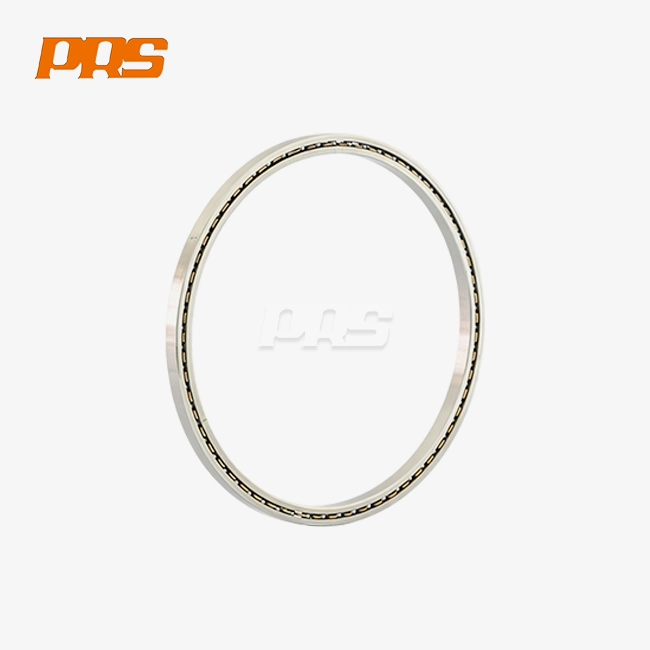 VIEW MOREDouble Row Angular Contact Ball Bearing
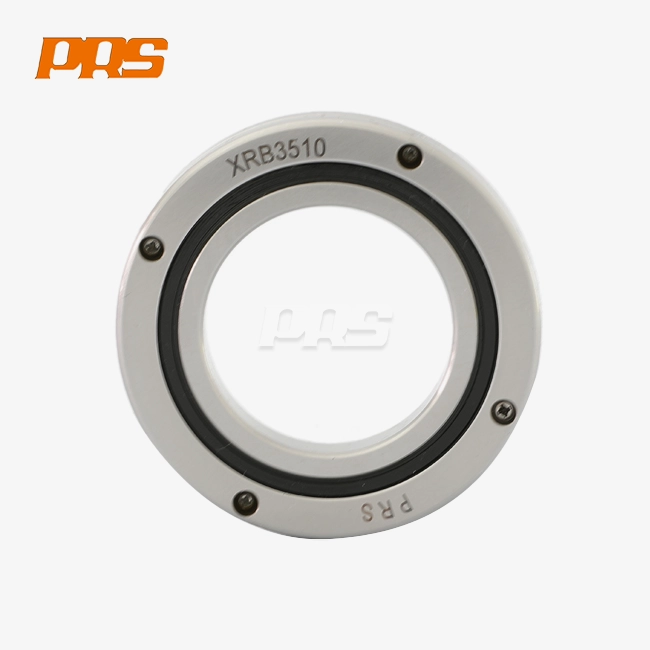 VIEW MORERB Series Crossed Roller Bearing
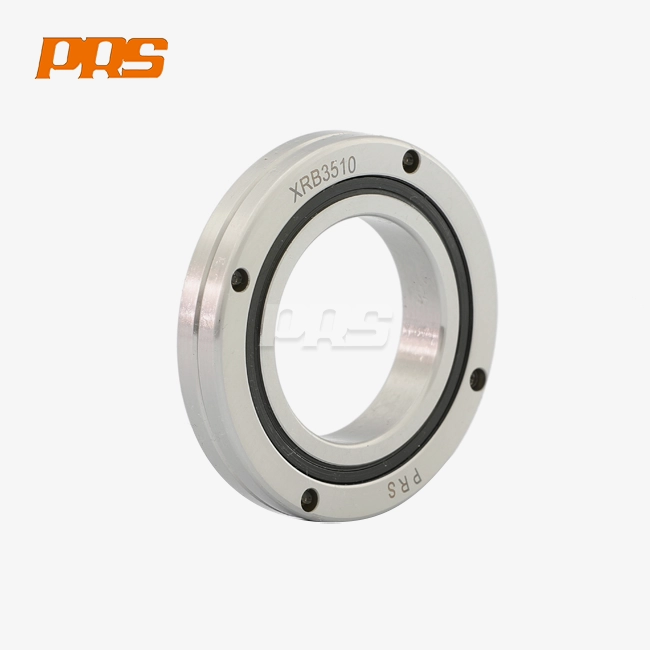 VIEW MORERB robot bearings
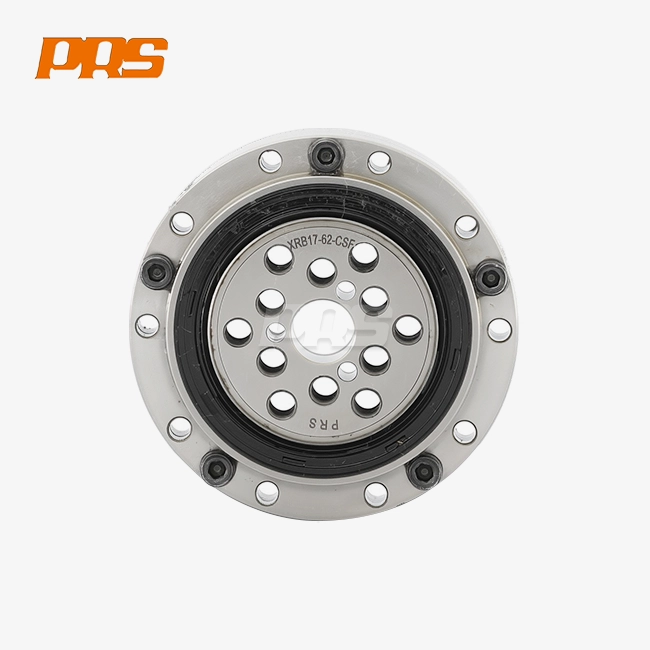 VIEW MOREHarmonic Drive Speed Reducer Bearings
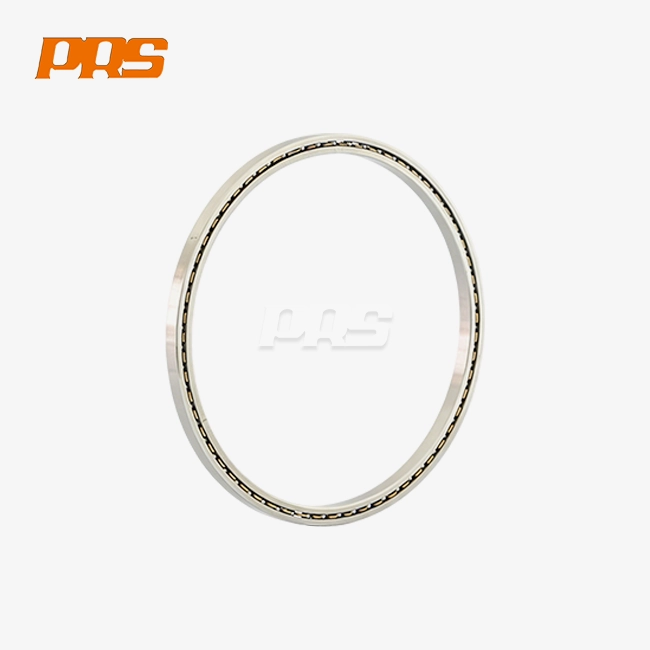 VIEW MOREprecision angular contact bearings
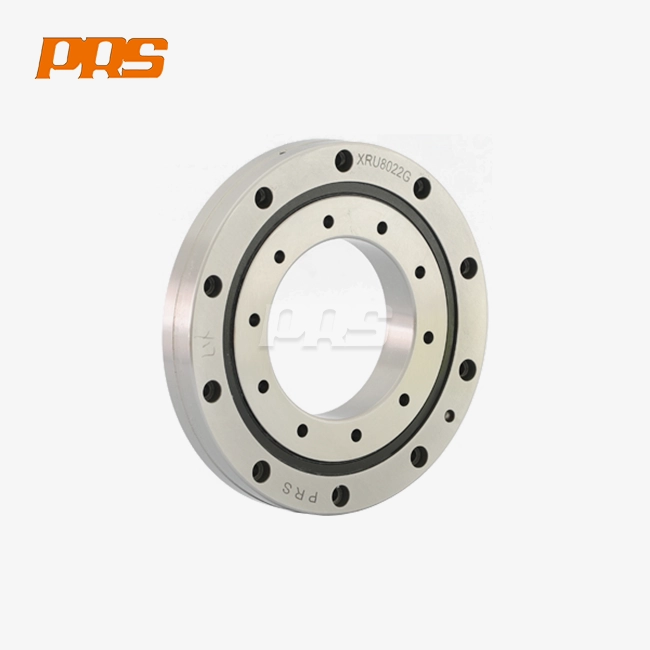 VIEW MORERU Face Mount Crossed Roller Bearing
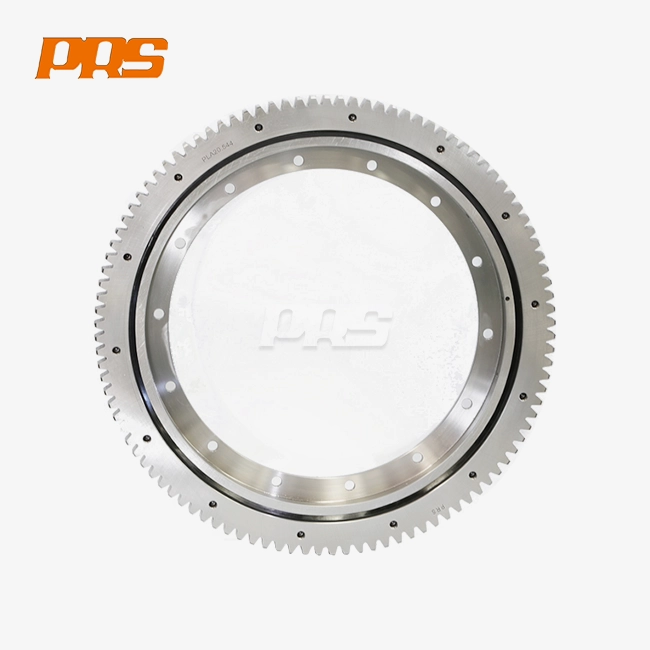 VIEW MOREslewing bearings
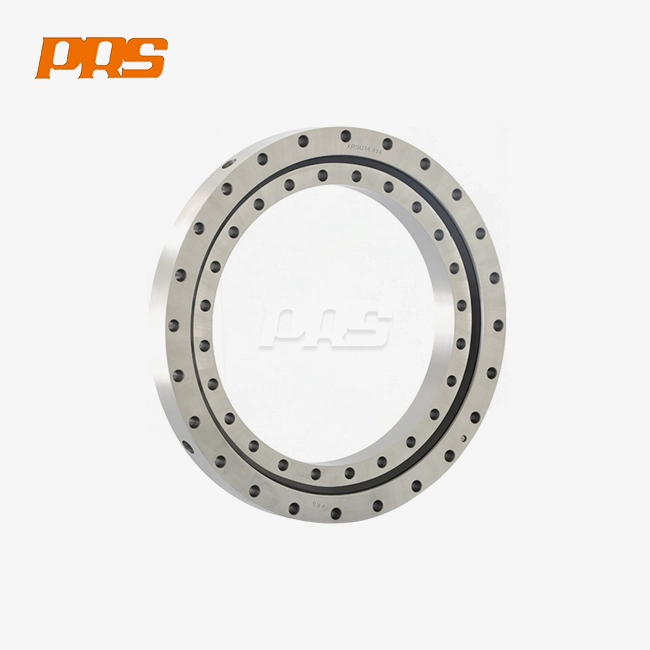 VIEW MOREmini excavator swing bearing