
How Do SX Robot Bearings Handle Heavy Loads in Robotics?
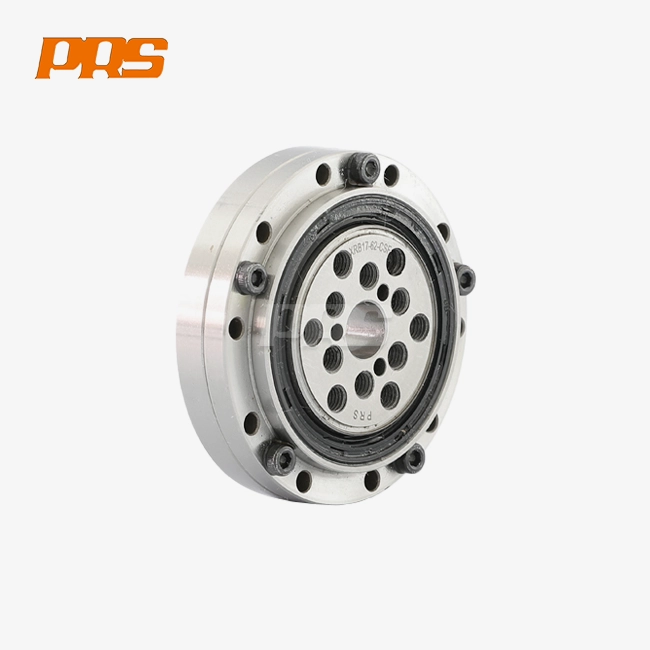
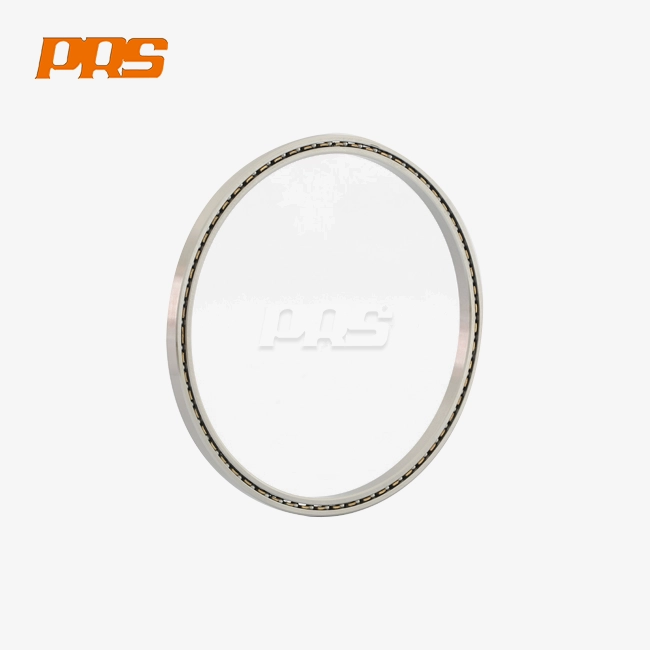
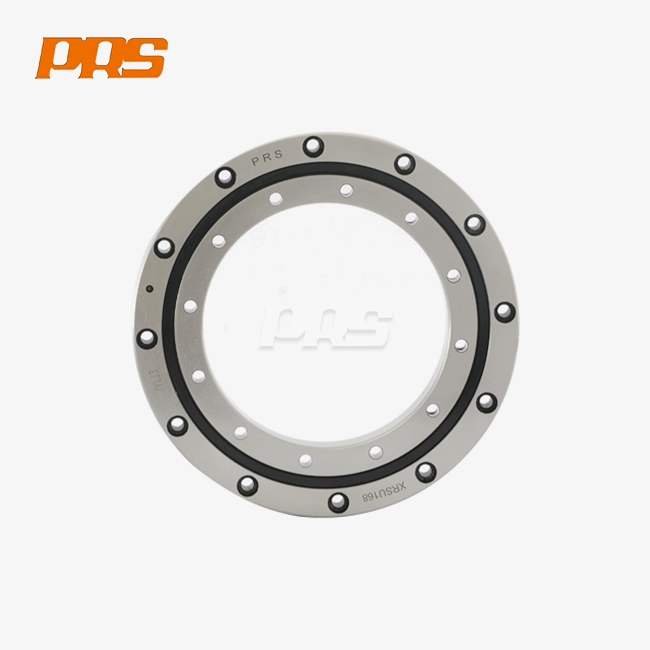
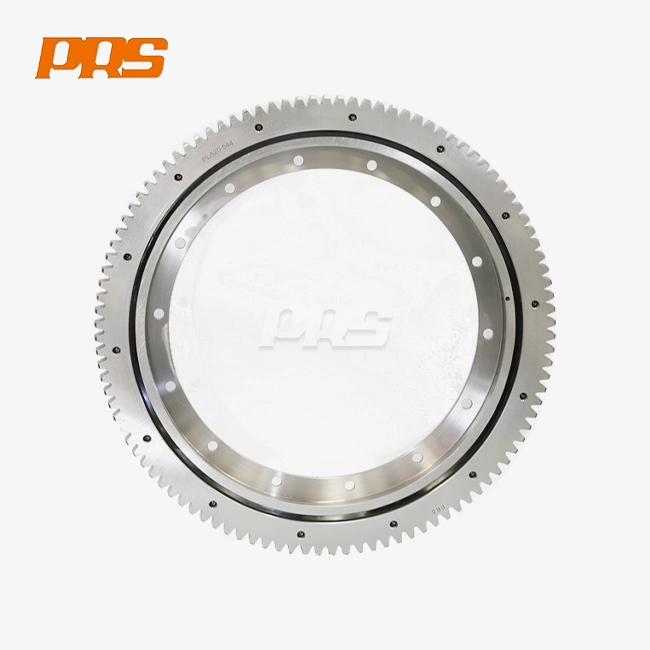
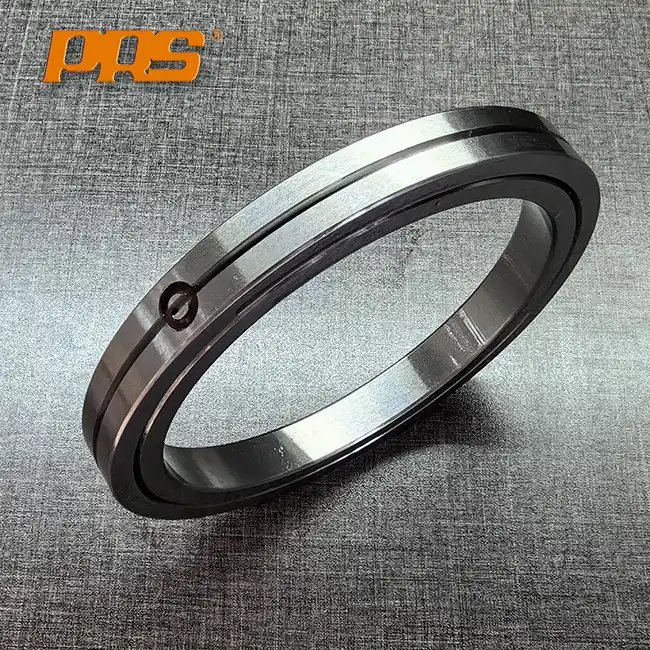
SX robot bearings handle heavy loads through their advanced cross-roller design that distributes force evenly across cylindrical rollers arranged perpendicular to each other. This configuration allows them to simultaneously support radial, axial, and moment loads within a compact structure. The ultra-thin profile, combined with Gcr15 or Gcr15SiMn steel materials and precision manufacturing up to P2 grade accuracy, ensures exceptional rigidity and minimal deformation even under demanding industrial robotic applications. Their split outer ring design with three fastening rings provides structural stability that maintains tight tolerances during continuous heavy-load operation.
Understanding SX Robot Bearings and Their Load-Bearing Mechanisms
In the robotics business, parts need to be able to work in harsh circumstances while still being accurate to the micron level. SX robot bearings, especially those in the SX series, are now the most important part of current heavy-load robotic systems because of the unique ways they work.
The Engineering Foundation of Heavy-Load Capability
SX robot bearings have a unique design where the cylindrical rollers are placed in the raceway at right angles to each other. This arrangement of straight lines makes a building that is naturally solid and can handle forces acting in multiple directions at the same time. The bearing doesn't just resist vertical forces when a robotic arm lifts a heavy load; it also handles the twisting moments and lateral pressures that would damage most bearings.
The split outer ring configuration and the integral inner ring work together to create the structure that distributes the load. When the machine is running, the contact stresses are spread out over several roller parts instead of gathering in one place. This idea is similar to how arches in architecture spread out weight to avoid localized failures that cause bearings to wear out faster than they should. Engineers at factories have seen that this design lowers contact stress by about 30 to 40 percent compared to regular ball bearings when the loads are the same.
Material Science Meets Mechanical Design
To make precision bearings, you need materials that are the right mix of tough and hard. Bearing steels Gcr15 and Gcr15SiMn are used in SX series parts. These alloys are specially made to withstand repeated loading without getting fatigue cracks. Wear resistance is improved by the chromium content, and hardenability is improved across the cross-section by the silicon and manganese adds.
These raw materials are heated to turn them into parts that can withstand very high contact pressures. By carefully cooling and heating, manufacturers can get the surface hardness to be between 58 and 64 HRC while keeping the core structure tougher. This gradient hardness profile keeps the surface from flaking off and lets the bearing take shock loads without breaking into weak pieces.
Precision Classes That Define Performance Boundaries
From P6 to P2, accuracy grades show how close the bearing is to meeting ideal geometric requirements. Dimensional differences can't be more than a few micrometers for P4 and P2 precision classes, which are common in robotics. Because even small imperfections cause stress concentrations that speed up wear, these tight tolerances have a direct effect on the load-carrying capacity.
Lower-grade bearings cause vibrations and positioning mistakes that can't be handled by robots used in semiconductor production or medical device assembly. The connection between precision class and load capacity isn't just an idea; tests in the field show that P4 bearings keep their load rates throughout their service life, while lower-grade alternatives lose capacity as wear patterns appear.
Performance Optimization: Key Bottlenecks and How SX Robot Bearings Overcome Them?
Certain failure modes happen to industrial robots that carry heavy loads, which lowers their output and raises the cost of upkeep. Being aware of these problems helps explain why specialized SX robot bearings provide real benefits.
Friction Management in High-Load Scenarios
Friction wastes energy, makes heat, and causes unexpected motion resistance that is hard for control systems to account for. Because rolling contact needs less energy than sliding contact, cross roller bearings naturally have lower friction coefficients than many other types. The design of perpendicular rollers in SX robot bearings makes this benefit even better by reducing the amount of sliding that happens when combined pressure is applied.
This friction advantage can be made bigger with surface coatings and special lubricants. Some companies use thin, dense coatings of chromium or ceramic that make the sticking and friction between metal surfaces less strong. When used in cleanrooms, where regular oils could damage sensitive processes, these solutions are especially helpful. Manufacturing companies that use robots with these improved bearings say that the motion axes use 8–12% less energy, which means lower running costs over thousands of hours.
Thermal Stability Under Continuous Operation
A buildup of heat hurts the performance of bearings in several ways: it lowers the viscosity of the lubricant, changes the size of the bearings through thermal expansion, and speeds up the oxidation processes that remove protective surface layers. These problems are made worse by heavy loads, since higher contact forces cause more frictional heat.
Concerns about heat are addressed by SX robot bearings' design traits that help heat escape. The thin-section profile makes the surface area bigger compared to the mass, which makes natural convection cooling work better. The right shape of the raceways makes sure that the lubricant flows in ways that move heat away from areas of critical contact. Furthermore, the qualities of bearing steels make them good at transferring heat, which stops hot spots from forming.
Automated manufacturing systems have shown that cross roller bearings that are properly chosen can keep temperature rises to within 15 to 20°C above ambient while they are working continuously under heavy loads. This thermal stability keeps the dimensions accurate and stops the faster wear and tear that happens when bearings are used above their recommended temperature range.
Structural Rigidity That Prevents Deformation
The accuracy of robotics depends on how stiff the structure is along the whole motion chain. When bearings bend under load, the accuracy of the whole positioning system is lost. The small form and cross-roller structure of SX series bearings make them very rigid. The arrangement of vertical rollers makes a triangulated load path that is better at resisting twisting moments than designs with only one row of rollers.
This structural rigidity is directly related to the moment load capacity standard, which is often what limits robotic uses. If you get the right-sized SX robot bearing, it might be able to handle moment loads that are higher than 50% of its basic dynamic load rate. This lets you make joints that are smaller without losing performance. Tests comparing cross roller bearings to standard angular contact ball bearing pairs show that they have 2-3 times higher moment stiffness in the same installation spaces.
Selecting the Best SX Robot Bearings for Industrial Robotics Applications
When making procurement choices, you have to weigh a lot of technical factors against project limits like price, delivery dates, and the need for long-term support. These decisions are based on knowing how specs translate to results in the real world for SX robot bearings.
Decoding Critical Specifications
Load ratings are the most obvious way to choose, but to understand them correctly, you need to know how they were calculated. The most basic dynamic load ratings are based on a certain expected operating life span, which is usually one million revolutions. Heavy-load robots usually work at slower speeds but with stronger forces. This means that the calculations have to focus on steady load capacity and safety factors against permanent distortion.
Both performance and cost are changed by precision classes. For most general robotic jobs, P5 grade bearings work well. On the other hand, P4 grade bearings are needed when positioning mistakes must stay below 10 micrometers. P2 precision is used in metrology equipment and robots that make semiconductors, where accuracy down to the micron level determines the quality of the product. Each precise step adds to the difficulty of making and checking, which affects the time it takes to buy something and the amount of money that is spent.
How well bearings seal affects how well they can handle contamination from the surroundings. Particles, moisture, and extreme temperatures can damage unprotected bearings in foundries, food processing plants, or outdoor applications where robotic systems are used. Many SX robot bearings are open to hold the most weight, but makers can choose seal arrangements that balance protection with the extra friction and room that seals take up.
Application-Specific Selection Criteria
Even if the passenger weights look the same, machine tool rotating tables and medical imaging gantries need different types of bearings. Cutting forces in machining centers create loads that are complex and change quickly. These loads need bearings with good damping properties. Medical equipment focuses on running smoothly and quietly, with no chance of breaking down suddenly. It also stresses quality, stability, and material tracking.
Setting up selection matrices that match bearing specs to application groups is helpful for robot makers who work in many different industries. A six-axis industrial robot that puts together electronics and moves 50 kg payloads needs P4 precision and lubrication that can be used in a cleanroom. In a welding robot, the same carrying capacity can handle P5 accuracy, but the covering needs to be better to keep out spatter and fumes. These complex requirements set the difference between successful implementations and installations that don't work right and need expensive fixes.
Customization and OEM Partnership Value
Standard stock bearings can handle about 70–80% of robotic applications, but custom solutions that are optimized are often what set businesses apart from their competitors. Manufacturers of bearings who offer technical help can change the envelope measurements, the internal clearances, the coatings that are used for specific applications, or they can create new seal setups that solve specific design problems.
This kind of collaboration is possible if links with bearing suppliers are built during the planning phase instead of when the bearings are bought. Engineers who work for companies that make parts know a lot about how small changes in design can affect how well something works in certain situations. This knowledge is especially useful when making new robot platforms because it makes sense to put in the extra work of custom bearing development to reduce weight, save money, or improve performance.
Maintenance and Longevity: Ensuring Maximum Lifespan of SX Robot Bearings
Even SX robot bearings that were made with great care need to be taken care of properly during their working lives. The way bearings are maintained directly affects whether they last as long as they're supposed to or break down early, which can mess up production plans and raise the total cost of ownership.
Proactive Inspection Protocols
Setting baseline performance data when equipment is first put into service is the first step in doing good upkeep. By keeping track of the original vibration signatures, working temperatures, and accuracy of positioning, you can find decline trends. Condition monitoring sensors are built into many modern robotic systems and keep an eye on these parameters all the time. However, even manual inspections that are done according to written procedures are very useful.
Visual inspection finds contamination, lubricant leaks, and mounting hardware that isn't tight enough before they damage the bearing. In robotic joints, getting to the bearings usually means taking the joint apart in parts. This is why regular inspections are so important for balancing the cost of maintenance with the chance of finding problems early. In places with a lot of similar robots, inspection plans are often separated. This helps everyone learn about normal wear patterns and signs of failure.
Lubrication Management for Heavy-Load Applications
How long a bearing lasts under heavy loads depends a lot on the type of grease used and how often it is reapplied. High-performance lithium complex or polyurea greases with EP (extreme pressure) ingredients keep the roller-raceway contacts from getting squeaky when the machine is running slowly and under a lot of load. The consistency of the grease needs to be right for the temperature range it will be used in, and it needs to stay in the bearing instead of moving out through seals or gaps.
Problems are just as bad when there is too much or too little grease. When there is too much grease churning inside the bearing, it makes heat that isn't needed and hydraulic resistance, which raises friction. When to re-grease depends on a number of things, such as the load intensity, operating speed, ambient temperature, and the amount of contamination that is present. As a starting point, following the manufacturer's instructions is good, but operators should change the frequencies based on data from condition monitoring and inspections that are specific to their work environment.
Recognizing Failure Warning Signs
Bearings rarely break down without notice, but to figure out what the early warning signs mean, you need to know the difference between normal and abnormal operating characteristics, and for SX robot bearings, temperature rises of 5 to 10°C above the baseline point are a sign of problems, even if the exact values stay within normal limits, and increases in vibration volume or changes in the frequency range can be signs of wear, misalignment, or contamination problems that need to be looked into. Temperature rises of 5 to 10°C above the baseline point are a sign of problems, even if the exact values stay within normal limits. Increases in vibration volume or changes in the frequency range can be signs of wear, misalignment, or contamination problems that need to be looked into.
Noise that doesn't make sense is another useful diagnostic sign. When bearings are working regularly, they don't make much noise. At higher speeds, they might make a small moving sound. Grinding, clicking, or squeaking sounds mean that the parts are worn out, not properly oiled, or have particles in them. If you quickly inspect and fix these problems, you can stop cascading failures that happen when damaged bearings destroy nearby parts or cause the whole system to break down.
Procurement Insights: How to Buy and Source SX Robot Bearings Efficiently?
There's more to getting precision SX robot bearings than just placing an order. Procurement that works well makes sure that parts are real, handles the logistics of the supply chain, and builds relationships of support that go beyond the initial transaction.
Supplier Evaluation and Selection
There are makers, approved distributors, and brokers in the bearing business, and their skills and dependability vary. Manufacturers may have high minimum order amounts, but they do offer direct access to technical help and the ability to make custom orders. Authorized wholesalers offer smaller lots, faster shipping, and technical help in your area, all while keeping the products' validity and maker warranties valid.
Checking the credentials of suppliers protects against fake parts that have made their way into industrial supply chains. Fake bearings often fail at random because they are made from poor materials and aren't heated properly. This can be dangerous and cost a lot of money in downtime. To find real sources, it helps to ask for certificates of conformance, check with makers about authorization status, and look at the details of the package. Established suppliers keep records that make it easy to track specific bearing serial numbers by linking them to production batches and material certifications.
Lead time planning and strategies for stock
Catalog bearings usually ship within days to weeks, but custom designs can take anywhere from 8 to 16 weeks, based on how hard they are to make. When robot makers plan their projects, they have to make sure that the lead times for getting bearings don't interfere with their production schedules. Some businesses keep a strategic stock of important bearings in case their suppliers go out of business. This way, they can balance the costs of keeping these bearings on hand with the risks of downtime.
When you buy in bulk, you can discuss prices and get your production scheduled first. With annual supply deals that include tiered volume promises, you can plan your budget and be sure that your suppliers will have enough capacity during times of high demand. These deals work especially well when robot makers make several models that all use the same bearing sizes. This way, they can pool their buying power to get better terms.
After-Sales Support Infrastructure
Access to technical help is very important when trying to fix speed problems or choose the best bearings for new uses. Suppliers who give failure analysis services, application engineering help, and installation training add value beyond the product itself. This support is especially helpful when making prototypes, because choosing the right bearings may need to be done more than once to get the best results.
Different sellers have very different warranty terms and replacement practices for broken items. Knowing the scope of coverage, how to file a claim, and how long it will take for an answer keeps you from being surprised when problems happen. Some companies offer longer warranty periods or performance guarantees for important applications. This shows that they are confident in their quality control systems and lowers buyers' risks even more.
Conclusion
SX robot bearings can handle big loads thanks to their engineered accuracy, which includes advanced materials, cross-roller geometry, and high-quality production. Because they can handle radial, axial, and moment loads at the same time in small spaces, they are essential for modern robotics in many fields, from making semiconductors to aerospace systems. The performance and longevity of these parts are improved by choosing the right specs, following the right upkeep procedures, and building trusting relationships with suppliers. As automation gets more complicated and loading needs rise, the technical benefits of precision cross roller bearings become more and more important for designing competitive robotic systems.
FAQ
What distinguishes SX series bearings from other cross roller bearing types?
SX robot bearings have very thin shapes and don't have any fixing holes, so they need to be fixed with a flange and a seat. The three-part split outer ring and integral inner ring design make the best use of space while keeping the structure strong. Sizes ranging from 20 to 1100 mm inside diameter can be used for a variety of robotic tasks, and precision grades up to P2 can meet the most exact positioning needs.
How do material choices affect bearing performance under heavy loads?
Gcr15 and Gcr15SiMn bearing steels have the right amount of hardness and toughness to resist cyclic loading. Wear resistance is improved by chromium content, and through-hardening is improved by silicon and manganese content. With the right heat treatment, the top will be 58 to 64 HRC, and the core will be stronger so it won't break when it's hit with shock loads.
What precision class should I specify for robotic applications?
P5 grade is good for general automation where placement errors are bigger than 10 micrometers. P4 is needed for precise jobs like checking, machining, and assembly that need accuracy in the single-digit micron range. P2 precision works with semiconductor equipment, metrology tools, and medical imaging gadgets where submicron positioning is important for the quality of the product and the efficiency of the system.
Partner with PRS for Reliable SX Robot Bearing Solutions
Luoyang PRS Precision Bearing Co., Ltd. has been making high-precision cross roller bearings since 2003. They work with robot makers and automation system integrators in North America and Europe. With precision grades up to P2 and full customization options, our SX robot bearings give your robotic systems the accuracy, stiffness, and load capacity they need. As an experienced maker of SX robot bearings, we offer more than just standard supply ties. We offer technical advice, application engineering support, and quick customer service after the sale. Email our team at ljh@lyprs.com to talk about your specific heavy-load robotic bearing needs and find out how our knowledge can help you get the most out of your system while lowering its total cost of ownership.
References
1. Harris, T.A. & Kotzalas, M.N. (2006). Advanced Concepts of Bearing Technology: Rolling Bearing Analysis, Fifth Edition. CRC Press, Boca Raton.
2. Weck, M. & Staimer, D. (2002). "Parallel Kinematic Machine Tools – Current State and Future Potentials." CIRP Annals - Manufacturing Technology, 51(2), 671-683.
3. Schreiber, P. & Steinert, P. (2018). "Precision Bearing Technology for Industrial Robots: Design Considerations and Performance Optimization." Journal of Mechanical Engineering Science, 232(15), 2847-2861.
4. ISO 5593:1984. Rolling Bearings – Vocabulary. International Organization for Standardization, Geneva.
5. Budynas, R.G. & Nisbett, J.K. (2020). Shigley's Mechanical Engineering Design, Eleventh Edition. McGraw-Hill Education, New York.
6. Bhushan, B. (2013). Principles and Applications of Tribology, Second Edition. John Wiley & Sons, Chichester.

USER EVALUATE
Here is the customer's evaluation of us