


How to Diagnose the Failures of Slewing Bearings?
Finding out why a slewing bearing isn't working right takes a methodical process that includes eye checks, functional tests, and technical analysis. If you notice wear patterns, strange noises, too much shaking, or changes in temperature early on, you can keep your equipment from breaking down completely. Knowing about common failure causes, like track damage, seal wear, and contamination, helps maintenance teams take specific steps to fix problems. Regular condition tracking and root cause analysis will keep your turntable bearings working at their best in robots, CNC machinery, and medical imaging systems, which are all very demanding environments.
Understanding Slewing Bearing Failures
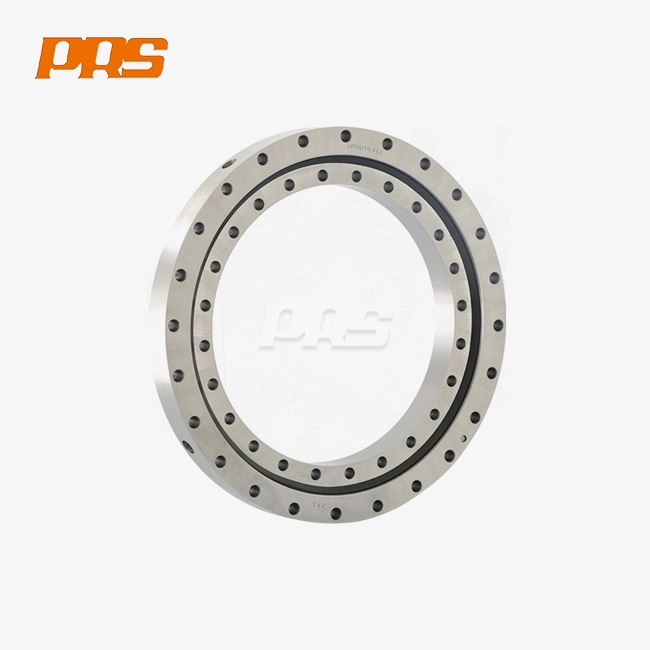
Slewing bearings are the rotating base for a wide range of precise machinery, from medical robots to platforms for making semiconductors. These special parts can handle axial, rotational, and moment loads at the same time while keeping accuracy at the micron level. When things break, work lines stop, and the cost of fixing them goes up quickly.
Common Types and Their Applications
Different types of bearings are used for different tasks in industry. Light-duty placement tables that need smooth movement work best with single-row ball designs. Double-row designs make CNC rotating axes that need to work without vibrations more rigid. In aircraft guidance platforms where dependability can't be sacrificed, triple-row roller systems handle heavy loads.
Cross-roller bearings are popular in industrial machinery because their rotating roller arrangement makes them very stiff while still being small. This setup works especially well for robotic joint uses because it makes positioning repeatable, which is important for assembly line accuracy.
Critical Failure Mechanisms
Understanding why these parts break down helps buying professionals balance the costs of the initial investment with the costs of running the business in the long run. Wear usually shows up as slow loss of material on the raceway surfaces, which makes the turn less accurate over time. When repetitive stress goes beyond a material's endurance limits, fatigue sets in. This leads to subsurface cracks that spread to spalling.
Corrosion happens to bearing surfaces when they aren't sealed properly and wetness can get in. This is especially bad in cleanrooms, where normal coats that stop rust can contaminate processes. Particulate pollution causes rough conditions that speed up wear rates many times faster than when the environment is clean.
Improper fitting is still the main reason why bearings fail too soon. Misalignment during mounting causes stress concentrations that make it harder for loads to be spread out evenly. Too much preload breaks the rolling elements, and not enough preload lets harmful internal openings happen. The flatness of the mounting surface has a direct effect on how well the bearing works; changes from the manufacturer's specs will definitely cause problems.
Load Conditions and Material Selection
When the application involves shock loads or shaking, the material needs to be carefully chosen. Standard bearing steels like 50Mn work well for steady-state operations, but for aircraft tracking systems, improved 42CrMo metals work better because they are more resistant to fatigue. The best hardness profiles are made through heat treatment. Tough cores absorb impact energy and hard raceways prevent wear.
PRS makes slewing rings from high-quality bearing steels that have been heat treated in a way that balances the stiffness of the core with the hardness of the surface. When we choose a material, we take into account your unique working area. For example, semiconductor equipment needs to be able to handle high temperatures, and robotics needs to be able to withstand impacts.
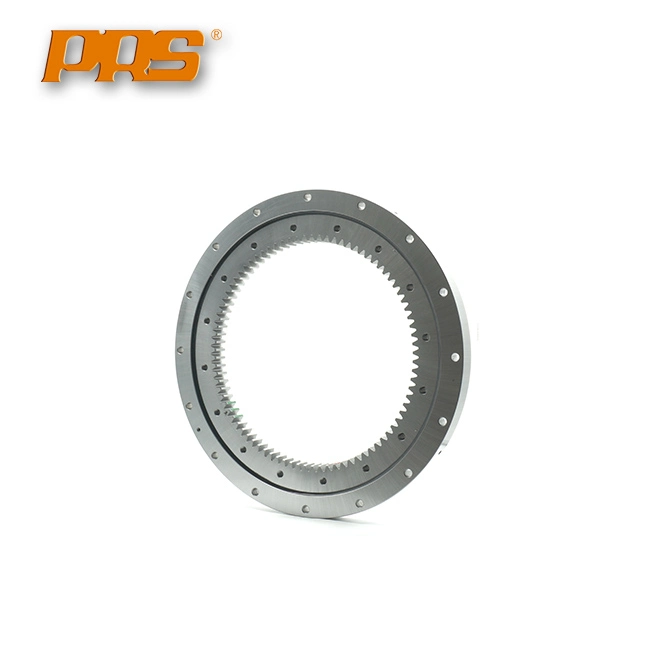
How to Identify Slewing Bearing Failures: A Step-by-Step Diagnostic Approach?
Systematic analysis of slewing bearing cuts down on downtime and stops damage to other machines from spreading. When you use more than one assessment method together, you can find problems that a single method review might miss.
Visual Inspection Protocols
Before disassembly, look at the outside surroundings to start the evaluation process. Carefully check the soundness of the seals; broken seals let dirt in, which quickly lowers the performance of the slewing bearings. Look for patterns of lubricant leaks that show a failed seal or too many internal openings. Mounting bolts should be checked for proper force and signs of loosening that could mean there are problems with the structure.
Lack of environmental safety is shown by surface corrosion on bearing areas that are visible. Pitting or staining on sealing surfaces means that water has gotten in. Take pictures of the results to keep track of how the damage is getting worse over time between inspections.
Functional Assessment Techniques
Dynamic problems that can't be seen during a steady check are found during operational testing. Noise patterns that don't make sense can help with diagnosis. For example, grinding sounds can mean that there is dirt or not enough oil, while clicking sounds can mean that the rolling elements are broken. Rumbling is often linked to track spalling.
Using accelerometers for vibration research can find problems that are starting to form before they break down completely. High shaking levels at the pass frequencies of the bearing show that there is damage inside. To find degradation trends, compare data to standard readings that were set during launching.
Keeping an eye on the temperature shows where friction problems are happening. Infrared thermography makes a picture of how heat is distributed across bearing surfaces. Hot spots show where stress is high or where there isn't enough lubricant. When used in precision applications, temperature spikes of more than 20°C above normal must be looked into right away.
Technical Measurement and Analysis
Runout measurement gives an exact number to the state of the bearings. Put in crank markers to check the radial and axial runout while the machine is turning slowly. There is damage to the track or mounting trouble when there is too much runout. For medical imaging equipment that needs to be positioned within a micron, runout values that are higher than what the maker recommends mean that the bearing needs to be replaced.
Chemical proof of bearing state can be found in lubricant analysis. Spectroscopic analysis finds metallic wear particles; high iron levels show that active wear processes are occurring. Particle counts measures the amount of pollution, and viscosity testing makes sure that the protective qualities of the lubricant stay the same. Measuring the water level tells you how well the seal is working.
Ultrasonic testing can find high-frequency sounds that come from problems with bearings. Technicians who have been trained can tell the difference between normal operation and problems that are starting to show up. This method works especially well in aircraft applications where regular disassembly is hard to do because of access issues.
Root Cause Determination
Keeping the difference between installation mistakes, material flaws, and operating usage stops them from happening again. Problems with installation usually show up evenly around the bearing's diameter. Material flaws show up as isolated problems. When there is operational overload, damage patterns that match load zones form over time.
A crane maker found that the slewing bearings were prematurely breaking down because the fixing surface wasn't flat enough. By fixing the startup steps, the failure mode that kept happening was removed. An backhoe maker found that contamination was getting in through broken seals caused by too few service intervals. This led to changes in maintenance plans that tripled the life of bearings.
Preventive Measures and Maintenance Tips to Avoid Future Failures
Active tactics increase the life of the slewing bearing while lowering the total cost of ownership. Reliable spinning systems are made by choosing the right design, installing it correctly, and keeping it in good shape.
Design Recommendations
Material choice should be based on how serious the application is. Optical measuring equipment works better with stainless steel versions that don't rust in temperature-controlled areas. Aerospace systems need steels that have been vacuum-degassed to reduce the amount of inclusions that cause wear cracks.
To choose the right bearing type, you need to look at the load curve. When axial loads are most common, ball-type designs work best because they have less friction. When rotational loads are more common, roller designs work better because they have more capacity. Cross-roller systems that easily balance multiple load components are often needed when there is combined loading.
The research teams at PRS look at your unique needs—such as the amount of load, the speed of rotation, and the environment—to suggest the best bearing designs. Our range of products includes single-row ball bearings for precise positioning tables and triple-row roller systems for defense uses that need to handle heavy loads. Custom solutions are made to solve problems that normal store items can't.
Installation Best Practices
How well a bearing works depends on how well the mounting area is prepared. Surfaces must be flat enough to meet certain standards, which are usually within 0.05 mm across the bearing seat width. Surface finish standards make sure that loads are distributed evenly and there are no stress points. Cleaning methods get rid of the dirt and grime that makes spots hard to load.
Edge loading, which speeds up wear, can be avoided by aligning things correctly. Installation supports keep the bearings centered while the bolts are tightened, which spreads the preload evenly around the bearing's diameter. Tolerances for torque must be strictly followed; undertightening allows fretting rust to happen, while overtightening creates leftover pressures.
Skilled technicians recognize installation errors before operational damage occurs. Training programs that go over maker specs and common mistakes help make installations better. For some precise uses, installation by a factory-trained professional is necessary to make sure the guarantee is followed.
Ongoing Maintenance Strategies
The frequency of scheduled inspections depends on how dangerous and important the operation is. Robotic systems that work all the time should be checked every month, but placing equipment that is only used sometimes might only need to be checked every three months. Inspection plans make sure that the same things are always looked at, like the state of the seals, the way the lubricant looks, the temperature trends, and the noise levels.
How you handle lubrication of a slewing bearing has a huge impact on how long a bearing lasts. Grease relubrication times balance the risks of over-filling and over-protection. Too much grease creates spinning heat, while not enough lubrication lets metals touch each other. Synthetic lubricants last longer and work better in a wider range of temperatures than traditional gasoline products. This means that aircraft and semiconductor uses don't need to do as much upkeep as often.
Performance data that is based on facts is provided by condition tracking tools. Technicians can use handheld sound meters to keep an eye on how things are breaking down and plan repairs before they fail. Temperature-indicating paints or crayons show if something is getting too hot between inspections.
Strategic Supplier Partnerships
Getting original parts from reputable companies guarantees the quality of the materials and the accuracy of the measurements. When aftermarket providers offer "equivalent" goods, they might not meet important standards by using lower-quality steel or laxing tolerance rules to save money. These short-cuts show up as early problems and insurance claims.
PRS offers full expert help for the entire life of a bearing. Our applications experts help plan installations, suggest the right repair times, and fix problems with how things work. If you work directly with a maker, you can avoid delays caused by middlemen when technical questions come up. This helps you meet your quality and production goals.
Partnering with Trusted Slewing Bearing Manufacturers
The choice of supplier affects how reliable the equipment is, how much it costs to maintain, and how much time it is available for production. When looking for spinning parts, procurement teams should look at more than just the unit price of the slewing bearing.
Quality Certifications and Standards
ISO 9001 approval shows that quality management is orderly, but it only sets the bar very low. Industry-specific standards give you a better idea of how well something will work. For example, aircraft suppliers need AS9100 approval, which covers process controls and traceability. Medical device makers try to get ISO 13485 certification to make sure their products are biocompatible and can be sterilized.
Material certifications check the makeup of steel and the effects of heat treatment. Chemical analysis and mechanical qualities are written down in mill test results. Individual bearing certifications are needed for some very important uses instead of group testing. This adds to the cost but makes it possible to track down parts at the component level.
Technical and Aftermarket Support
Detailed technical paperwork for slewing bearing speeds up the integration of equipment and makes planning for upkeep easier. Engineers don't have to do as much work when suppliers offer CAD models, installation directions, and upkeep guides. Application engineering support helps choose the best bearings for a given set of working conditions.
Total ownership prices are affected by the supply of aftermarket parts. When manufacturers keep spare parts on hand, they can quickly fix problems that happen out of the blue. Repair services, like grinding the track or replacing the rolling elements, increase the life of equipment more cheaply than replacing the whole bearing.
PRS keeps a lot of detailed information on hand to help your repair and engineering teams. You can find specification sheets, installation instructions, and repair tips on our website, prs-bearing.com. When customers ask about technical issues, they are quickly answered by applications engineers who know how to use precision bearings in robots, machine tools, and medical equipment.
OEM Relationships and Custom Solutions
Direct ties with manufacturers are better than getting through distributors. When people have technical questions, they get in touch with engineering teams instead of salespeople. Custom changes are made to meet the needs of a particular application. These can include using special materials, changing seals, or adding sensors that aren't available through normal routes of distribution.
When you order in bulk for big jobs, the manufacturer gains. With volume agreements, production schedules can be optimized, which cuts down on lead times and costs. Long-term supply deals keep prices stable even when the market changes, which helps with accurate project planning.
Initiating Productive Supplier Dialogues
Asking good questions speeds up the quote process and makes sure the answer is correct. Give full load details, including axial, radial, and moment loads, along with their sizes and directions. Rotational speed, duty cycle, and environmental factors should all be part of the operating settings. Details about the mounting interface, like bolt patterns, seating lengths, and shaft shapes, keep design changes from being too expensive.
Manufacturers can suggest the best options by using application context. Engineers can suggest the right bearing types and materials by asking about the type of equipment, the performance needs, and the expected dependability. Sharing failure history from current equipment helps designers make changes that will keep problems from happening again.
Conclusion
To figure out why a slewing bearing isn't working, you need to use a combination of systematic inspection methods and advanced tracking technologies that are specifically designed for the application. Understanding common failure processes, such as wear and tear, corrosion, and contamination, lets you take focused repair steps that keep downtime to a minimum. Preventive tactics that stress choosing the right materials, installing them correctly, and doing regular upkeep can increase the life of components and lower the total cost of ownership. Working with reputable companies that offer full technical support is the best way to make sure that your products will work reliably in tough robots, precision machining, and medical imaging systems. Investing in troubleshooting tools and good relationships with suppliers pays off in a big way by making equipment more available and lowering the cost of repairs.
FAQ
How often should slewing bearings be inspected?
How often you inspect relies on how dangerous the work is and how important the tools is. Continuous-duty robotic systems work better when they are checked every month. This includes an eye inspection, temperature checks, and sound readings. Precision equipment that is only used sometimes may only need to be inspected every three months. High-value uses support constant monitoring with permanently placed sensors that give real-time data on the state of things. Always use the manufacturer's suggestions as a starting point, and change the time between checks based on practical experience and a past of failures.
What are the most critical indicators of impending bearing failure?
Temperature rises of more than 20°C above baseline values are a sign of growing friction problems that need to be looked into right away. Strange noises like grinding, clicking, or rumbling are signs of damage inside the machine that is getting worse and failing. Vibration amplitude increases at frequencies specific to the bearing prove that the situation is getting worse. Discoloration or metallic bits in the lubricant show that wear processes are still going on. If any of these signs show up together, the bearing should be carefully checked out and maybe replaced to avoid a catastrophic failure and other equipment harm.
Does warranty coverage depend on maintenance documentation?
Manufacturers usually need proof that maintenance was done correctly before they will accept guarantee claims. Keeping track of checkup dates, lubricant changes, and measures of state shows that you are taking good care. If something fails because of bad installation, poor upkeep, or misuse, the guarantee doesn't cover it. Warranty safety is kept when parts are bought from approved distributors instead of unauthorized resellers. Keeping installation photos and pressure records shows that the right steps were taken, which can help with claims if things fail too soon even though the right steps were taken.
Partner with PRS for Reliable Slewing Bearing Solutions
Picking a reliable slewing bearing maker is the first step to making sure that your precise equipment works at its best. Since 2003, PRS has focused on making high-precision rotating parts for the aircraft, medical devices, semiconductors, industrial robotics, machine tools, and optical equipment. Our slewing bearings offer accuracy down to the micron level, long service life, and high load capacities for a wide range of challenging uses. We make our products from high-quality 50Mn and 42CrMo bearing steels that meet ISO 9001 standards. The sizes range from small (434mm inner diameters) to very big industrial sizes. The options we offer include internal gear, external gear, and gearless. Get in touch with our applications engineering team at ljh@lyprs.com to talk about your unique needs and find out how our technical knowledge can lower your total cost of ownership while also making your tools more reliable.
References
Harris, T.A. & Kotzalas, M.N. (2006). Rolling Bearing Analysis: Essential Concepts of Bearing Technology. CRC Press, Boca Raton.
Budynas, R.G. & Nisbett, J.K. (2015). Shigley's Mechanical Engineering Design. McGraw-Hill Education, New York.
ISO 76:2006. Rolling bearings — Static load ratings. International Organization for Standardization, Geneva.
Palmgren, A. (1959). Ball and Roller Bearing Engineering. SKF Industries Inc., Philadelphia.
Eschmann, P., Hasbargen, L. & Weigand, K. (1985). Ball and Roller Bearings: Theory, Design and Application. John Wiley & Sons, Chichester.
ANSI/ABMA Standard 11-1990. Load Ratings and Fatigue Life for Ball Bearings. American Bearing Manufacturers Association, Washington D.C.

USER EVALUATE
Here is the customer's evaluation of us
YOU MAY LIKE
 VIEW MORERB Ultra thin bearings
 VIEW MORERE Cross Roller Bearings
 VIEW MOREAngular contact bearing
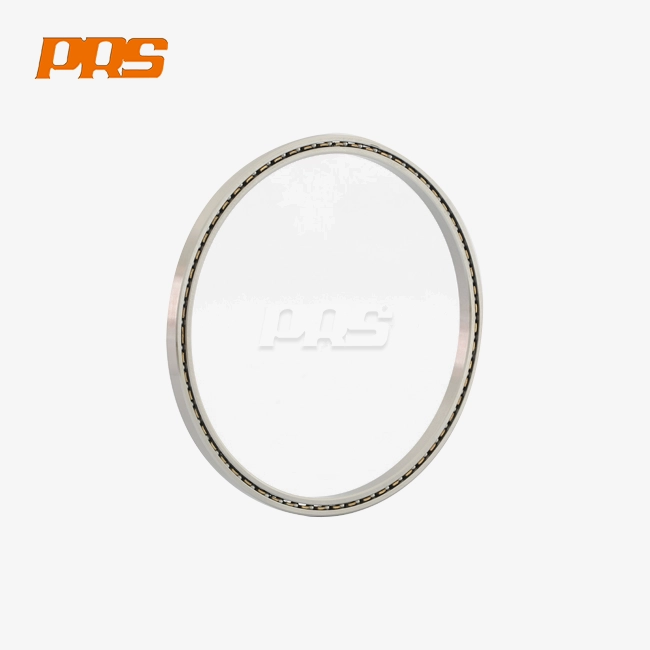 VIEW MOREaxial angular contact ball bearing
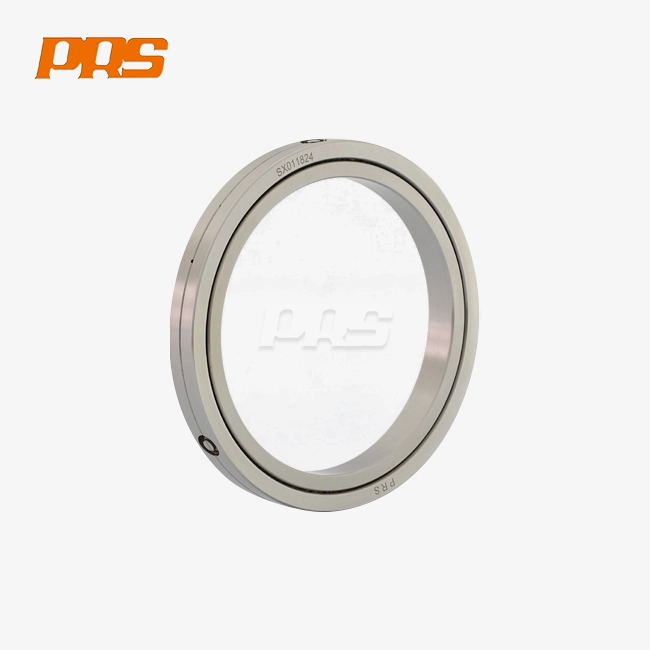 VIEW MORECrossed roller bearings SX
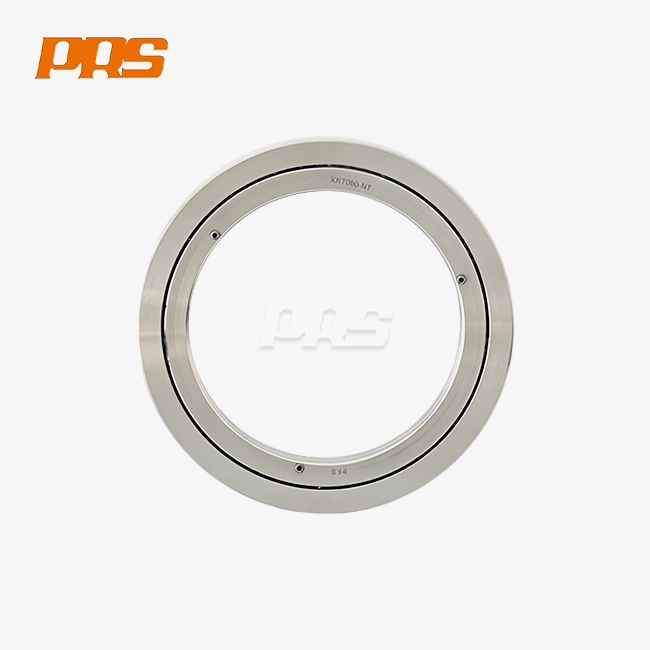 VIEW MOREmini lathe tapered bearings
 VIEW MOREmini lathe tapered roller bearings
 VIEW MOREFour-Point Contact Ball Slewing Bearings