
Designing Compact Optical Systems with Slim Section Bearings
Every millimeter is important to engineers who make modern optical tools like telescope bases, laser tracking platforms, and medical imaging devices. The hard part is getting rotating accuracy down to the micron level while working in very small areas. This is where technology for slim section bearings comes in handy. The very thin cross-sections of these specialist parts allow for small designs that don't lose accuracy or load capacity. These thin-profile solutions don't add bulk or weight like traditional bearings do. Instead, they fit smoothly into space-critical parts, giving precision optical systems the smoothness and repeatability they need while lowering the total system weight by large amounts.
Understanding Slim Section Bearings in Compact Optical Systems
What Makes Slim Section Bearings Different
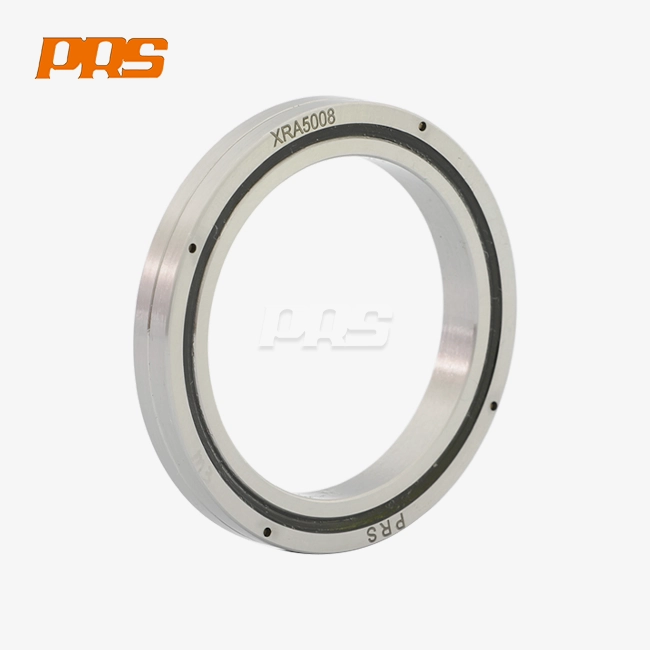
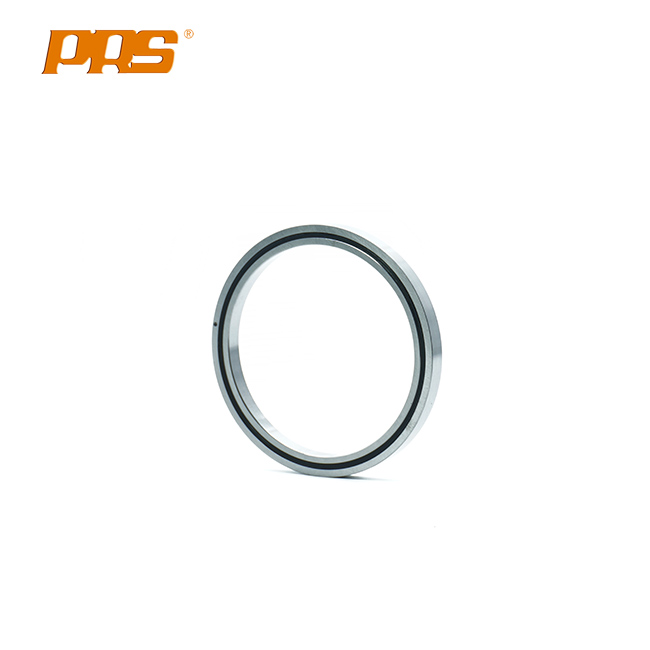
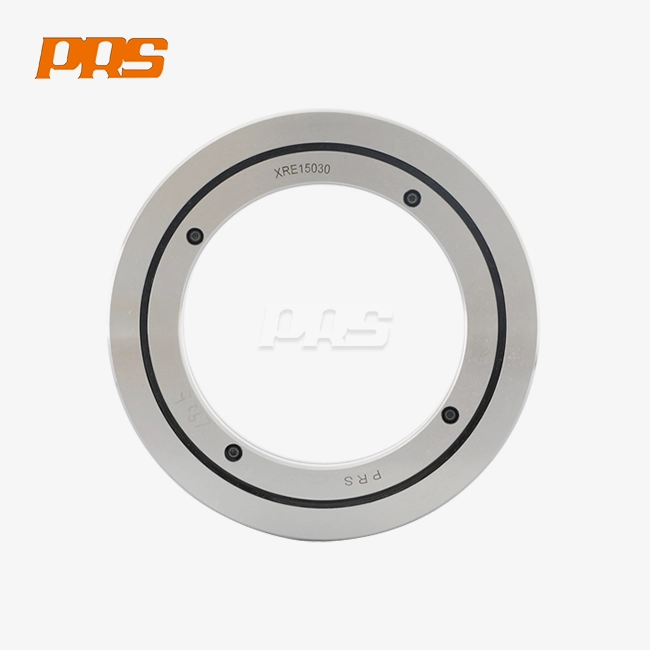
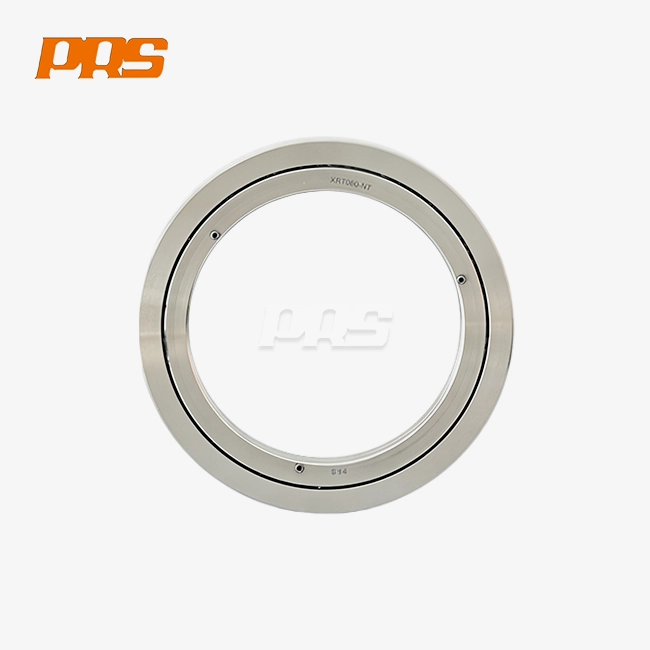
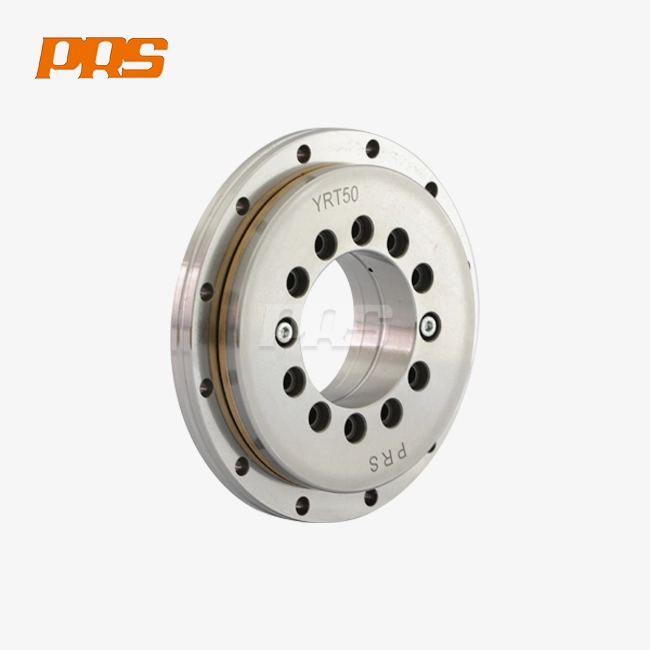
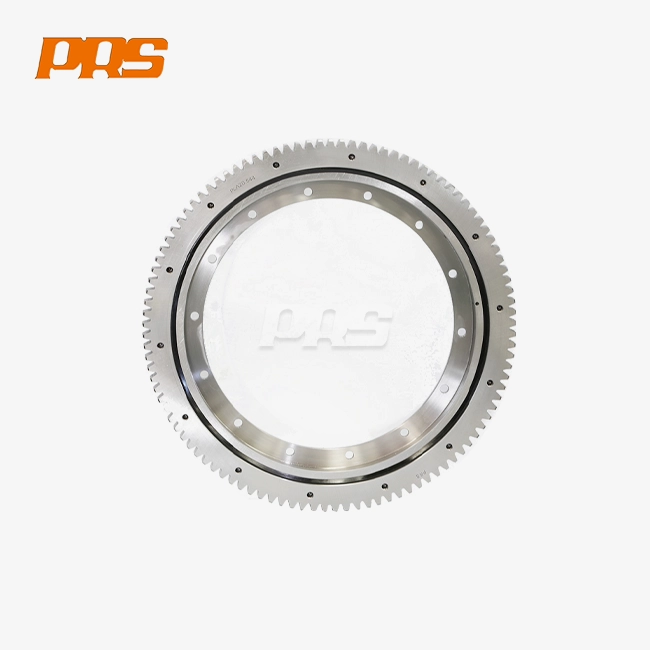
This is what makes slim section bearings unique. The optimized cross-sectional shape of thin-walled bearings makes them very different from normal bearing designs. A normal bearing with an outer diameter of 50 mm has a width of 10 mm. The outer diameter of a slim section bearing is the same, but its width is 5 mm or less. This makes it much harder for manufacturers to do what they want. Rather than just making parts smaller, this building uses advanced mechanical concepts.
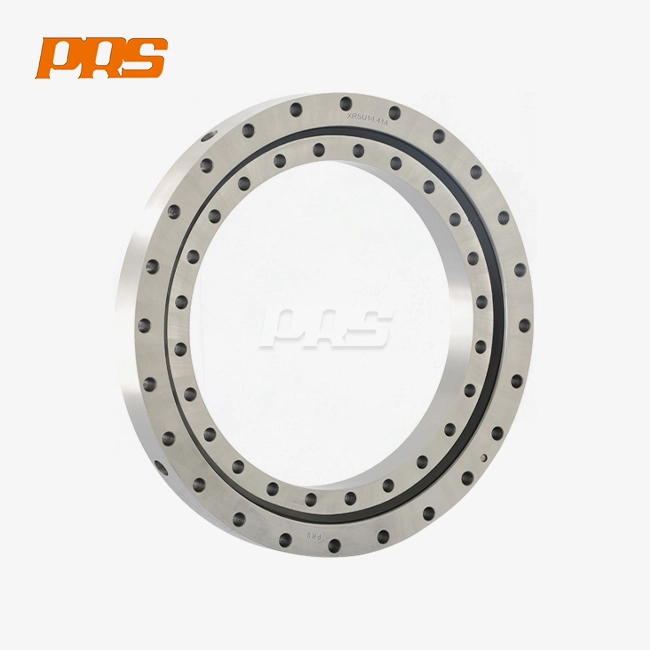
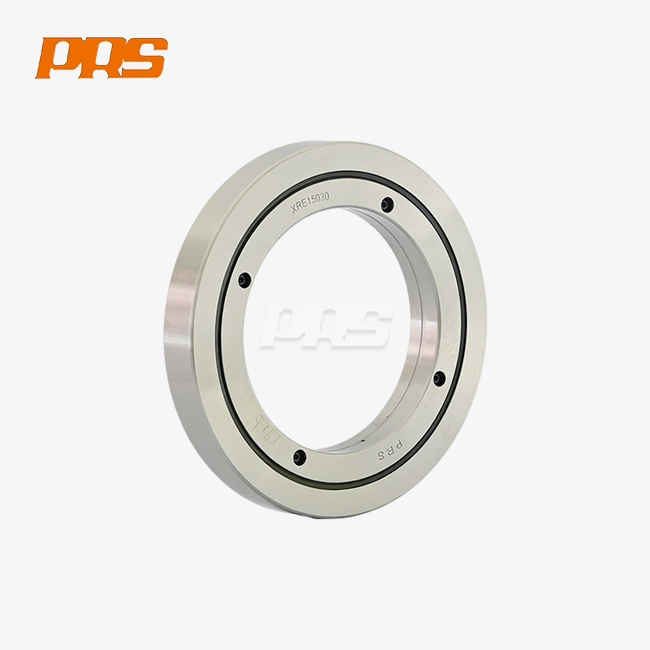
The internal structure is made of GCr15 high-grade bearing steel that has been heat-treated and precisely ground to microfinish standards. PRS makes these parts with inner and outer rings that are one piece. This way, there are no differences in performance caused by assembly. The design spreads the loads across the best contact areas in the raceways, and carefully designed gaps keep the ball elements in the right place.
Engineering Principles Behind Space-Saving Performance
The hardest part of designing small bearings is figuring out how to distribute the load. Using traditional methods is hard because cutting the cross-sectional area usually means lowering the load capability. Modern thin-wall designs get around this problem with gothic-arch-shaped raceways that make four-point contact, which lets them handle radial, axial, and moment loads all at the same time. Because of this new geometry idea, a single bearing can be used instead of two normal ones, which makes the design of the assembly easier.
The choice of material is also very important. The makeup of GCr15 steel gives it great hardness and resistance to wear while still keeping the flexibility needed for effective operation under changing loads. Just as important is the accuracy of the manufacturing process. For example, surface finishes achieved by raceway grinding reduce friction and heat production, directly improving the smoothness of operations.
Space-Saving Advantages in Optical Applications
Optical systems have their own set of rules. Telescope bases need to be able to rotate smoothly over a wide range of temperatures without causing vibrations. For quick, accurate changes, camera stabilization systems need very little rotational resistance. Laser positioning tools can't handle any runout that would change the direction of the beam.
Thin-profile bearing solutions meet these needs because they can fit into envelope dimensions that regular parts just can't. Inner sizes from 20mm to 250mm and thicknesses from 8mm to 25mm are all that PRS has to offer. This three-dimensional freedom lets designers make better equipment shapes by distributing weight more evenly, lowering the center of gravity, and finding the best places for it. The weight loss is especially helpful for aerospace gear devices, since every gram saved adds up over system mass budgets.
Because the seal has two sides, it keeps the oil in and keeps the internal parts clean. This keeps the performance stable even in tough conditions. Field-deployed optical equipment is always at risk from dust and other debris, so this security is required and not just a choice.

Performance Optimization of Slim Section Bearings in Optical Applications
Common Design Bottlenecks in Compact Systems
Optical equipment makers often run into certain efficiency problems. When adding heavier optical elements like high-resolution sensors, large-aperture lenses, or strengthened housings, load limits become very important. Bearings must be able to support this extra weight without deflection. Because there isn't much room, higher contact pressures are often needed in small parts, which speeds up wear caused by friction. When installation errors get smaller, alignment problems get worse, but optical systems need angle accuracy measured in arc-seconds.
In these situations, traditional bearing systems don't work because they were not designed with these situations in mind. When it comes to general business uses, standard bearings work best when room and weight are not important. When you try to push standard parts into optical assemblies, you end up with choices that hurt system performance or mean you can't get the needed dimensional fit.
Targeted Solutions Through Advanced Geometry
Modern slim section bearings designs get around these problems by using certain technical methods. The CRBH line from PRS is a good example of this method. Its integral ring construction gets rid of assembly variables, and its optimized contact geometry evenly spreads loads across raceway surfaces. This method increases the life of the bearings and keeps the accuracy even when the load changes.
Precision grades hit levels P4 and P2, which are in line with ISO and DIN norms. These scores directly lead to practical benefits, such as less runout, lower noise levels, and torque characteristics that stay the same during the working cycle. These precision levels are necessary for optical uses that need rotation that doesn't shake, like laser systems and high-magnification images.
Optimizing heat treatment and ball sorting for best clearance control are both parts of material preparation. Quality control at manufacturing facilities gets pass rates higher than 99.9%, which makes sure that parts work the same way across production batches. This level of dependability is very important in optical systems, where field breakdowns can make mission-critical activities impossible or cause expensive equipment to break down.
Measurable Benefits in Industrial Deployments
Real-world uses show gains that can be measured. A company that makes medical imaging equipment put thin-walled bearings into CT scanner gantry parts. This cut the weight by 40% and made the movement smoother. The better performance let the scans go faster without adding picture flaws caused by shaking or moving.
In the same way, robotic surgery devices are helpful. Joint assemblies with precision slimline bearings keep their positional accuracy over long processes, and the contamination-resistant seals meet the needs of a clean environment. The small size gives surgeons more freedom of movement in small operating rooms, which increases the number of procedures that can be done.
Another example of proof is tools used to make semiconductors. Wafer positioning tools with very thin pins can repeatably put wafers within 2 microns while working in cleanrooms. The sealed design stops the formation of particles that could contaminate the production process. Thermal stability makes sure that the device works the same way even when the temperature changes that are normal in semiconductor processing.
Selecting the Right Slim Section Bearing for Your Optical System
Critical Technical Evaluation Criteria
To pick the right slim section bearings, you need to carefully consider a lot of different factors. The most important thing is the load capacity. You need to figure out the total radial and axial loads for the worst possible working situations, such as shock loads during transport or fast motion profiles. Dimensional limits set the available outer space, but keep in mind that how the parts are mounted affects how stiff the whole system is.
It's not just the bearing that needs to be compatible with other materials. Will your product use special lubricants, cleaners, or environmental factors that could weaken the steel's ability to fight corrosion? Operating temperature ranges need careful thought—thermal expansion coefficients need to meet the materials around them to keep preload changes from happening that affect how well the bearing works.
The technical teams at PRS look at the factors of the product to choose the best bearings. Dimensional freedom meets a wide range of needs with inner sizes from 20 mm to 250 mm and thicknesses from 8 mm to 25 mm. The two-sided seal design keeps out contaminants, and the precision grades, which range from P4 to P2, meet different needs for accuracy.
Comparing Alternative Bearing Technologies
There are other options, and each has its own pros and cons. Ceramic hybrid bearings are better at withstanding high temperatures and are lighter, but they are much more expensive and can break easily when they are loaded suddenly. Slip ring bearings can send electrical signals, but they are too complicated and have failure points that make them unsuitable for many optical uses.
Four-point contact slim section bearings can handle combined loads well in a single unit, which makes designs easier than with paired angle contact setups. Radial contact types work best for radial loads with some axial capacity. They are the cheapest option when the directions of the loads match this description.
Understanding these differences helps you make the best choice. Four-point contact designs on camera stabilization frames help them handle moment loads when moving quickly. Radial contact bearings may be used on telescope altitude axes when loads stay mostly radial during operation.
Supplier Reliability and Quality Assurance
How well a bearing works depends a lot on how precisely it was made. PRS has a 15,000-square-meter production center with more than 200 precise manufacturing and testing machines. The whole process is inspected, from making sure the raw materials are correct to making sure the end dimensions are correct. Getting ISO 9001, ISO 14001, or ISO 45001 badges shows that you care about quality management, being good to the environment, and following safety rules at work.
Project timelines are affected by how reliable deliveries are. Manufacturers with well-established supply lines and enough product offer shorter wait times and more accurate schedules. When standard setups don't exactly meet requirements, custom engineering is important. For example, special seal materials, different lubrication choices, or changed clearance specs can help with application-specific optimization.
PRS has a 35-person technical team that helps with everything from making prototypes to mass production. Instead of just supplying parts, they offer engineering teamwork. This partnership method helps make the best use of bearings in bigger system designs by thinking about installation and maintenance needs during the planning stages instead of finding problems when the system is put together.
Procurement and Supplier Insights for Slim Section Bearings
Evaluating Manufacturers and Distributors
Precision slim section bearings are sold all over the world by companies that specialize in making them for high-performance uses. This group includes Luoyang PRS Precision Bearing Co., Ltd., which has been around since 2003 and makes crossed roller bearings, equal-section thin-walled ball bearings, and other unique bearing designs. Precision levels up to P2 grade can be manufactured, and a full testing system ensures uniform quality.
When evaluating possible providers, you need to look at a number of qualifications. ISO badges show that a quality control system is mature. The scale of a production center shows how much traffic it can handle and how much inventory it can keep. How well the provider can help with application building, making custom changes, and providing quick post-sale support are all very important.
Geographic factors affect wait times and how well people can communicate. Domestic providers can send items faster and make coordination easier, while foreign makers may be able to offer lower prices or more specialized services. Knowing about these trade-offs helps you balance the needs of the project with the limitations of the buying process.
Cost Considerations and Value Analysis
The prices of precise bearings are based on more than just the cost of making them. Discounts are often possible with volume agreements, and prices drop at certain number levels. Lead times depend on whether bearings are in stock or need to be manufactured to order. Standard configurations may ship within weeks, but special requirements can take months.
Value-added services set sellers apart from each other beyond the prices of their parts. Options for fast shipping help projects that need to be done quickly. Comprehensive guarantees protect against problems with the way the product was made and show that you trust the quality of the product. Access to technical support helps with applications, which speeds up and lowers the risk of engineering development.
The total cost of ownership is more than just the price of the car. How often and how much it costs to maintain bearings depends on how long they last. Installation ease cuts down on setup work. Consistent performance keeps expensive equipment from breaking down or having to be fixed. Taking these things into account gives a more full picture of value than just comparing unit prices.
Partnership Approaches and Custom Solutions
OEM relationships are a better way to work together than just buying parts. When manufacturers work directly with bearing providers during the planning phase, they can choose the best bearings and integrate them in the best way possible. This method finds possible problems early on, when changes to the plan are still cheap, instead of finding problems during production, when changes are more expensive.
Custom bearing solutions are made to solve problems in unique applications that standard designs can't fully solve. Unique oils or cleaning products can be used with certain seal materials. Changes to the clearance requirements make the bearing work best in certain load patterns or temperatures. Extremely accurate needs are met by precision grinding to smaller limits.
PRS gives custom engineering through an expert team that looks at the needs of the application and suggests the best options. With this feature, ties with suppliers can go from being easy purchases to working together to make the whole system run better. Custom changes can be made to seal materials, lubrication choices, and clearance requirements. We can help with everything from making a sample to mass production.
Conclusion
When you're making small optical systems, you need parts that work precisely while taking up very little room and weight. Slim section bearing technology is the answer because it can offer micron-level accuracy in very thin shapes, which is something that regular bearings can't do. In order to be successful, you need to understand the engineering behind these parts, choose the right specs for the job, and work with makers who can provide consistent quality and quick technical support. Using advanced materials, optimized geometries, and precision manufacturing together can turn difficult design constraints into competitive advantages by making equipment lighter, more accurate, and more reliable, which improves system performance across a wide range of optical applications.
FAQ
What applications benefit most from slim section bearings?
Ultra-thin bearing profiles are very helpful for optical systems, medical imaging equipment, aircraft mechanisms, and robots. There is a lot of room limitations in these uses, and they all need to be able to rotate accurately, be sensitive to weight, and run smoothly. Telescope mounts, CT scanner gantries, surgery robots, and laser positioning platforms are all examples of machines that can't use regular bearings because they don't have enough room or performance. The thin cross-section makes it possible to integrate in a way that traditional designs can't physically do, while still keeping the level of accuracy needed for optical and imaging functions.
How do I determine the correct bearing size for my optical system?
Figure out the highest radial and axial loads, taking into account shock factors, and then check the possible envelope measurements. Match the inner diameter of the bearing to the size of the shaft and make sure that the outer diameter fits within the limits of the housing. The thickness must be able to hold the load without taking up too much axial room. Required seals depend on the temperature range and the amount of contamination. To meet the needs for rotational accuracy, the grade pick between P4 and P2 levels must be very precise. Consulting the manufacturer's technical specs and engineering support can help you make sure that your choices meet the needs of your application before you commit to a specific setup.
What maintenance intervals do these bearings require?
How often maintenance is done varies a lot on how the machine is used and how hard the job is. Cleanrooms with low levels of contamination and mild loads may only need to be inspected once a year. Field-deployed equipment that is subject to dust, high temperatures, or a lot of use needs to be checked every three to four months. Keep an eye on the uniformity of the power, the temperature, the noise, and the vibrations to find problems before they get too bad. Proper fitting and lubrication at the start of the service life greatly extends it. On the other hand, contamination or misalignment greatly reduces bearing longevity, even if maintenance plans are followed.
Partner With PRS for Your Precision Bearing Needs
The parts in your vision system should be made to be the best they can be. We make precision bearings at Luoyang PRS Precision Bearing Co., Ltd. that can handle your toughest jobs. Our factory makes CRBH series thin-walled bearings with inner sizes ranging from 20mm to 250mm. These bearings have double-sided seals and accuracy grades up to P2 levels. We offer steady quality backed by ISO certifications thanks to our over 200 production and testing machines with 99.9% pass rates. Our 35-person technical team offers unique engineering solutions that are made to fit your needs. They help with development from trials to large-scale production. Get in touch with us right away at ljh@lyprs.com to talk about your needs with skilled engineers who know how to use optics. As a well-known company that makes slim section bearings, we offer competitive delivery times and full technical support that turns buying partnerships into competitive benefits for your equipment designs.
References
Harris, T. A., & Kotzalas, M. N. (2006). Advanced Concepts of Bearing Technology: Rolling Bearing Analysis (5th ed.). CRC Press.
Bhushan, B. (2013). Principles and Applications of Tribology (2nd ed.). John Wiley & Sons.
Eschmann, P., Hasbargen, L., & Weigand, K. (1985). Ball and Roller Bearings: Theory, Design and Application (3rd ed.). John Wiley & Sons.
ISO 492:2014. Rolling bearings — Radial bearings — Geometrical product specifications (GPS) and tolerance values. International Organization for Standardization.
Palmgren, A. (1959). Ball and Roller Bearing Engineering (3rd ed.). SKF Industries Inc.
Stachowiak, G. W., & Batchelor, A. W. (2005). Engineering Tribology (3rd ed.). Butterworth-Heinemann.

USER EVALUATE
Here is the customer's evaluation of us