
Integrating RB Cross Roller Bearings into Robotic Joint Design
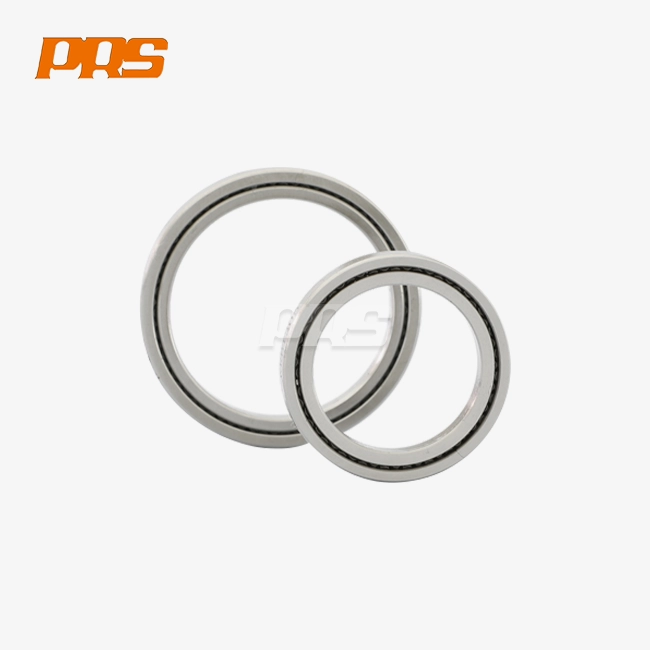
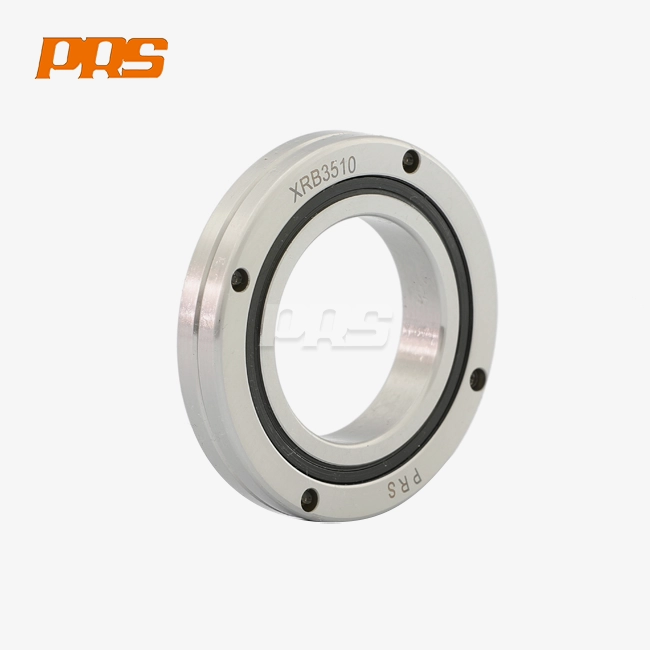
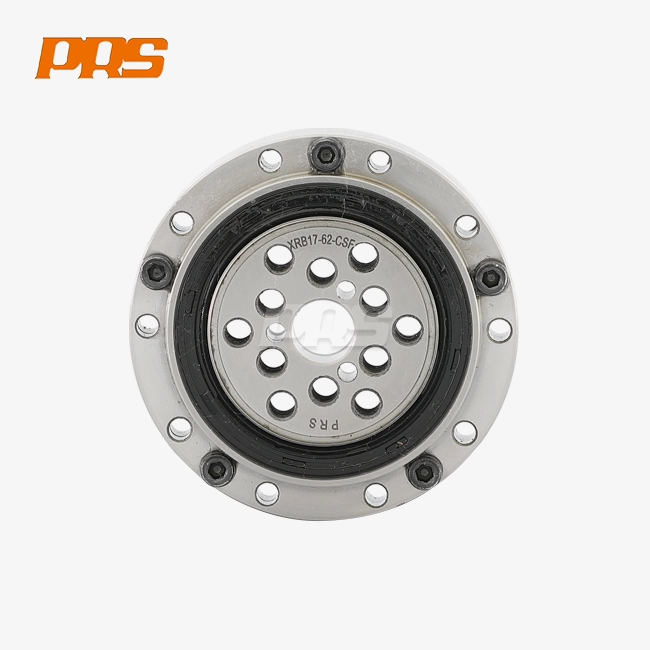
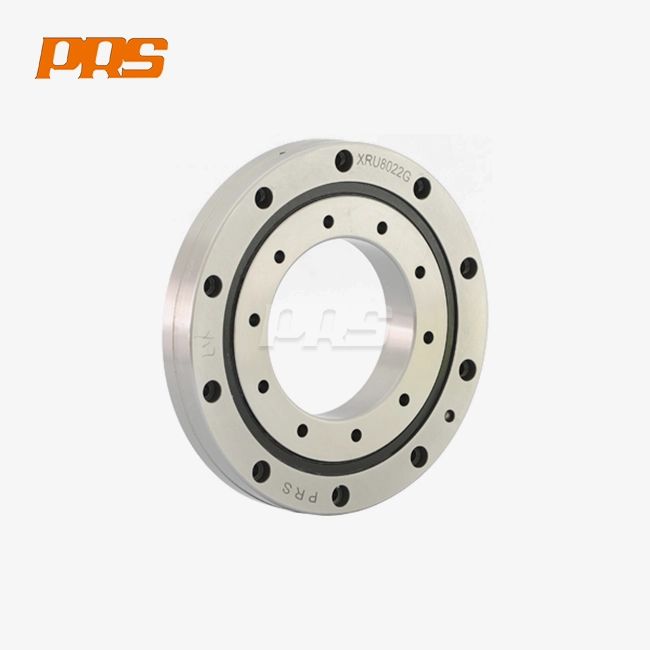
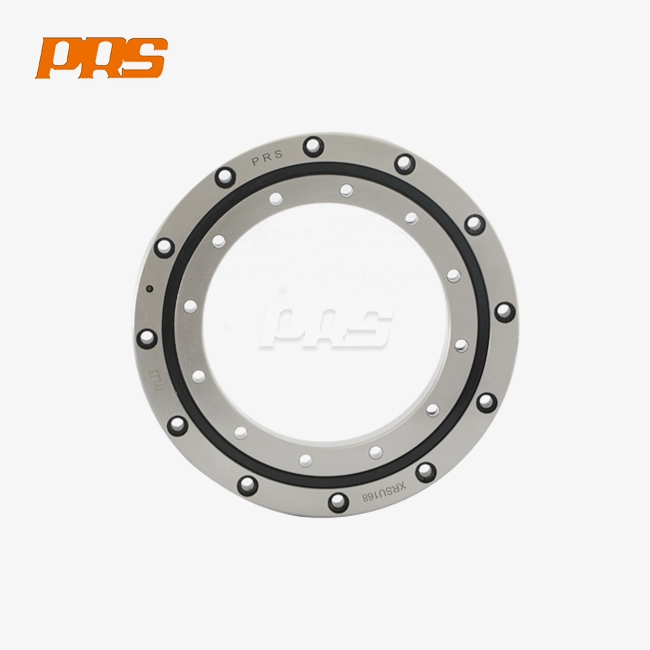
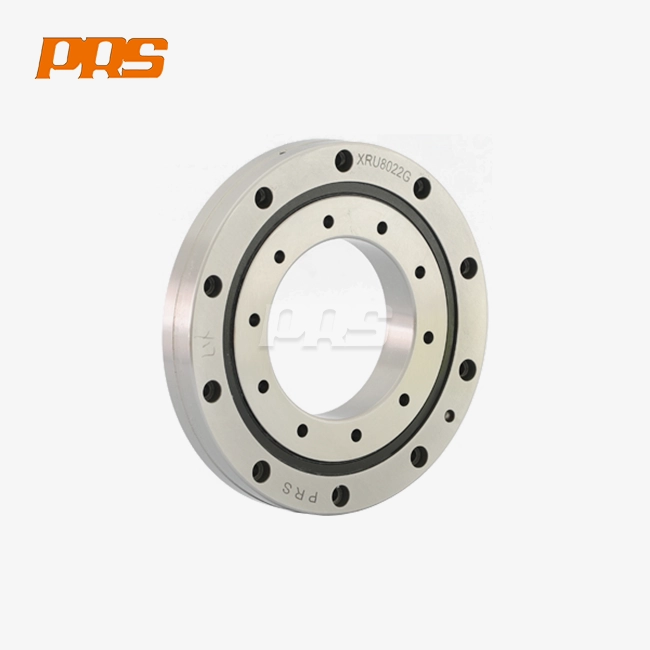
Adding RB cross roller bearings to the design of robotic joints is a big step forward for companies that want their automation systems to be very precise and reliable. These bearings have cylinder-shaped wheels spaced out at right angles of 90 degrees. This lets them handle radial, axial, and moment loads all at the same time while taking up little space. This one-of-a-kind design gets rid of the need for multiple bearing assemblies, which cuts down on weight and complexity while improving rotational accuracy. These are important factors for robotic arms that do repetitive tasks with micron-level accuracy in fields like aerospace manufacturing and semiconductor fabrication.
Understanding RB Cross Roller Bearings in Robotic Joints
Robotic joints need parts that work consistently even when they are under a lot of mechanical stress. By using a unique way of building their structures, RB cross roller bearings meet this need.
The Structural Design Behind Performance
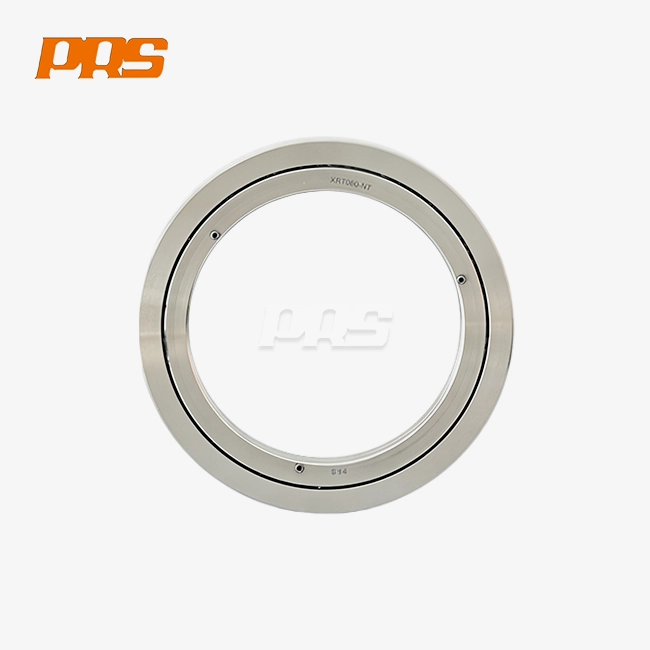
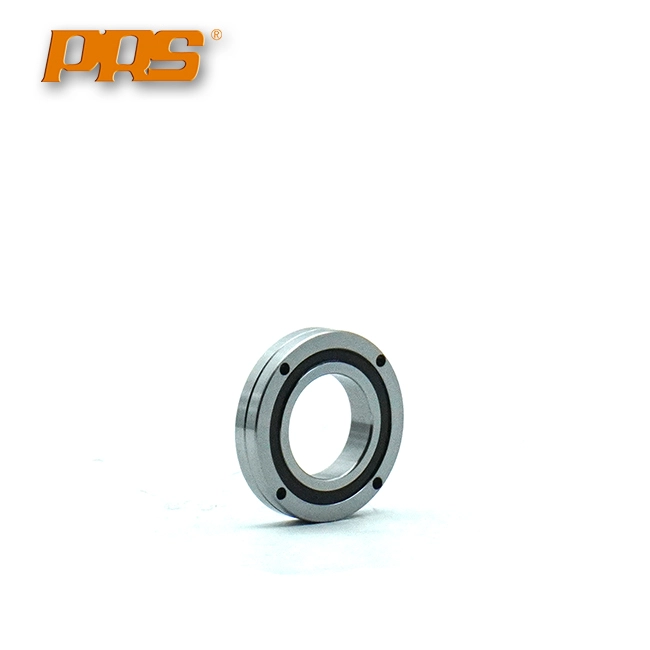
The RB cross roller bearing layout has both a merged inner ring and a split outer ring. This is a design choice that has a direct effect on how easy it is to install and how accurately it works. The single-piece inner ring stays round over its entire life, which stops the misaligned problems that happen with multi-piece designs. In the meantime, the split outer ring makes assembly easier by letting technicians exactly place rollers during installation without the need for special tools. This arrangement works especially well for adding bearings to multi-axis robotic systems that don't have a lot of room for building and where every millimeter counts.
How Load Distribution Works in Practice
A robotic arm's joint is affected by pressure coming from several sources at the same time during a pick-and-place operation. The crossed roller design spreads these forces out over many contact places instead of putting all the stress on a few parts. Rollers that are positioned radially take on the side loads that come from moving laterally, while rollers that are positioned vertically take on the axial forces that come from lifting. This pattern of distribution means that there is almost no interior clearance and low vibration levels. This makes motion profiles smoother, which means that cycle times are faster without losing positioning accuracy.
Technical Specifications That Matter
To choose the right bearings, you need to know how the specs apply to performance in the real world. Load capacity numbers show how much force a bearing can handle constantly without wearing out too quickly. Tolerances in dimensions affect how precisely parts fit together. Tighter tolerances improve rotational accuracy but require more care when installing. Wear resistance and temperature stability are affected by the type of material used. These are the things that decide whether a bearing will continue to work after millions of cycles in harsh production settings.
Advantages of Using RB Cross Roller Bearings in Robotics
RB cross roller bearings were chosen for robotic uses because they have real performance benefits that have a direct effect on how well the system works and how long it lasts.
Enhanced Load Handling and Structural Rigidity
Moment loads are spinning forces that try to pull parts away from where they should be on industrial robots all the time. Normal ball bearings have trouble with these loads and need to be paired up and have complicated preload changes made to stay stable. The crossed roller design naturally fights moment loads thanks to its alternate contact pattern. It gives rigidity values that are close to thrust bearing performance while keeping the small size needed for designs that use articulated joints. This stiffness stops displacement during high-speed movements, so the end-effector stays in the right place even when it's carrying the most weight.
Manufacturers with assembly lines know that the stiffness of the bearings directly affects the uniformity of the quality of the product. When loads are put on robotic joints, positioning mistakes spread along the kinematic chain. This leads to placement mistakes that damage the assembly. When you use bearings that keep their positional stability, this variable goes away. This lowers the amount of waste and the cost of repair while allowing for better assembly standards.
Precision Motion Control for Critical Applications
Rotational precision specs, like radial and axial runout, show how easily a bearing turns without any wobble or deviation. Cross roller bearings have runout values in the single digit micron range, which is better than what other types can do at the same size. With this level of accuracy, robotic systems can do difficult tasks like handling optical components, putting together circuit boards, and moving medical instruments, where mistakes of just a few hundredths of a millimeter would mean the job would fail.
The level of motion control is affected by the frictional properties of crossed rollers. Line contact between the rollers and raceways creates constant resistance throughout the spinning cycle. This gets rid of the stick-slip phenomenon that causes ball bearing systems' speeds to change. This consistency lets motion controls run smooth patterns for speeding up and slowing down, which protects drive parts and makes the path more accurate.
Space Optimization Without Performance Compromise
Robotic joint makers are always under pressure to make systems smaller while making them more powerful. This problem is immediately solved by the fact that a single RB bearing can replace several conventional bearing sets. A normal angular contact ball bearing setup has two bearings placed next to each other, along with spacers, preload devices, and changes to the housing to fit the length of the unit. A single cross roller bearing has the same load capacity and better stiffness while lowering the height of the package by up to 40%.
This use of room efficiently affects every part of the system. To get the same acceleration rates, smaller joints need motors that aren't as powerful. This means that less power is used and less heat is produced. A lighter overall system weight lets it move faster and reduces the need for supporting frames, which lowers the cost of materials used in the robotic cell as a whole.
Maintenance Efficiency and Service Life Economics
Production managers don't just look at the initial purchase price when they analyze tools; they also look at the total cost of ownership. When bearings work regularly between set repair periods, unplanned downtime and the money lost because of it are kept to a minimum. Cross roller bearings are built to last, and their ability to evenly distribute load means that they can be used for more than ten million rotational cycles at full load. This means that they don't need to be replaced as often, and less maintenance work is needed.
The two-sided seals keep the inside parts from getting dirty from the outside world, which is very important in places like dusty foundries and cleanrooms where semiconductors are made. Proper sealing stretches the time between cleaning, which lowers the number of maintenance tasks needed and stops the entry of abrasive particles that cause designs that aren't sealed to wear out too quickly.
Comparing RB Cross Roller Bearings with Other Bearing Types for Robotic Joints
When engineers choose parts for robotic joints, they have to think about the pros and cons of different bearing methods as well as the needs of the application. RB cross roller bearings and other types of bearings are evaluated based on specific performance traits.
Performance Characteristics Across Bearing Types
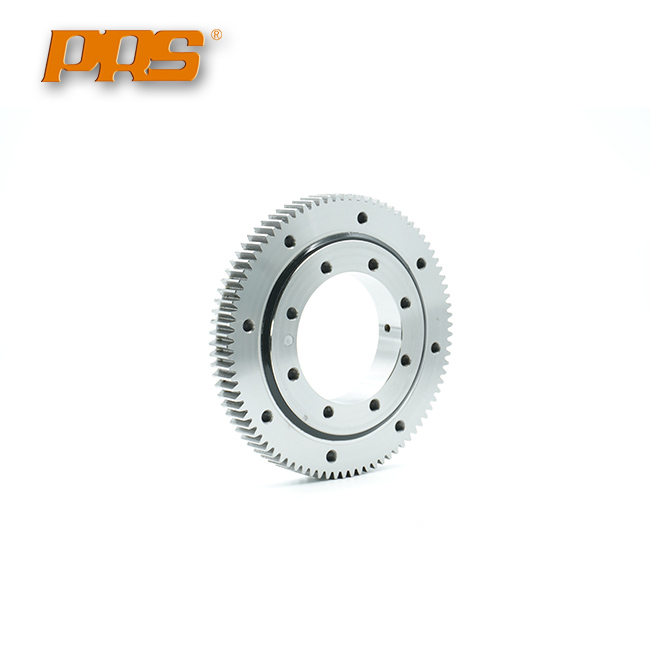
Heavy-duty robotic applications, like material handling and building tools, can use slewing bearings because they can hold a lot of weight. Because they have large diameters, they can handle large moment loads, which means they can be used in the wrist and shoulder joints of big industrial robots. However, their size and weight make them unsuitable for small robotic systems, and the accuracy of their movement is usually not as good as what can be achieved with smaller cross roller designs.
Ball bearings are still the most cost-effective choice for general-purpose uses where mild loads and standard accuracy are enough. Their point touch form makes very little friction, which lets them work quickly while using less power. But this point contact limits the load capacity and stiffness, which means that ball bearings aren't good for situations where there are big moment loads or where placing accuracy is very important.
Standard cylindrical roller bearings are great at supporting radial loads in small radial spaces, but they need separate thrust bearings to support axial forces. This means that housings have to be more complicated and the general height of the assembly has to go up. These problems make up for the extra radial room in many robotic joint setups.
Evaluating Cost Versus Performance Trade-offs
When making purchases, people look at more than just the price of the parts. They also look at the overall economy of the system. Cross roller bearings cost more per unit than ball bearings, but because they can replace more than one part, the total cost of assembly goes down because fewer parts need to be made and more people don't have to put them together. These better performance levels lead to practical benefits like shorter run times and better product quality, which give a clear return on investment over the life of the equipment.
Cross roller bearings from top brands like NSK, SKF, THK, and others come at different price points because of changes in precision grades, material requirements, and production tolerances. PRS offers alternatives that are affordable and are made to strict quality standards. They work as well as high-end foreign brands, but with shorter lead times and the ability to be customized to meet specific application needs.
Selecting and Procuring RB Cross Roller Bearings for Robotic Joint Manufacturing
To make sure you get the best RB cross roller bearings, you need to carefully consider your technical needs, the supplier's skills, and the total cost of the project.
Defining Technical Requirements
Calculations of load capacity are the basis for choosing which bearings to use. Engineers have to figure out the joint's highest radial, axial, and moment loads throughout its working envelope. This includes dynamic loads that are created during the acceleration and deceleration stages. Safety factors that take into account shock loads, shaking, and the unknowns of load distribution make sure that the chosen bearings have enough capacity reserves without being over-specified, which drives up costs needlessly.
The level of accuracy needed depends on what the robotic system is going to be used for. For assembly tasks that need setting accuracy down to the nano level, you need P4 or P2 precision grade bearings with controlled runout and rotation accuracy requirements. For material handling tasks that don't need to be very accurate, P5 or basic P0 grades may work fine. This lowers the cost of the parts while keeping the performance levels reasonable.
Evaluating Supplier Capabilities
Reliable providers offer full expert help during the whole process of design and integration. In addition to making sure products are available, engineering teams that can look at application needs and suggest the best bearing combinations add a lot of value. Customization lets you meet specific needs like custom seal setups, changed mounting dimensions, or material treatments that are specific to an application that can't be done with standard catalog goods.
PRS can make a wide range of products, with inner diameters ranging from 20 to 1,250 millimeters and outer diameters ranging from 36 to 1,500 millimeters. These range of sizes can meet the needs of small joint robots as well as big industrial manipulators. Our engineering team works with customers to make sure that the bearing standards are best for their specific working conditions. They do this by giving advice on things like preload requirements, lubrication choices, and mounting tolerances that affect the bearing's long-term performance.
Understanding Procurement Considerations
Quality approvals give an unbiased check of the controls used in the production process and the regularity of the product. ISO 9001 certification shows that quality management is done in a planned way, while industry-specific standards cover special needs, like making sure semiconductor equipment works in clean rooms or making sure medical devices are biocompatible. You can be sure that a product meets the requirements if it comes with a verified test record that shows the product's dimensions, material make-up, and performance traits.
Timelines for projects and the cost of keeping goods can be affected by delivery plans. Standard orders can be filled quickly if suppliers keep enough common designs in stock. However, making custom bearings takes longer because of the engineering, tooling, and production needs. Building ties with providers who can meet both standard and custom needs gives you the freedom to meet the needs of a wide range of projects through a single procurement route.
Installation, Maintenance, and Troubleshooting of RB Cross Roller Bearings in Robotics
Handling and repair methods that are done correctly protect RB cross roller bearing performance and extend their useful lives, which has a direct effect on how reliable equipment is and how much it costs to run.
Installation Best Practices
Preparing the mounting area has a big effect on how well the bearing works. To make sure the parts fit well and the load is spread out evenly, the housing bores and shaft shoulders must meet certain size and surface finish standards. As a result of burrs, nicks, or leftover machining waste, stress clusters can form that lead to early fatigue failures. This is why thorough cleaning and inspection are necessary before assembly.
Using controlled installation forces keeps bearings from getting damaged while they are being put together. Hammering or pushing against the wrong surface can cause impact loading that can damage raceways or loosen rollers, which can lead to practical problems that might not be seen until after the system has been fully tested. Using the right assembly tools and following the steps suggested by the maker will make sure that the bearings seat properly and are not damaged.
Lubrication Requirements and Schedules
Proper lubrication lowers friction, gets rid of heat, and keeps precision-machined surfaces from rusting. Most robotic joint uses work well with grease because it provides good lubrication and stays in place when the robot is not moving. By choosing lubricants with the right viscosity and temperature rates, you can be sure that they will work well across the entire operating range.
When to re-oil depends on the speeds, temperatures, and factors of the surroundings. Conservative plans say that oil should be added at set times, based on the number of hours that have been used or the date. Condition-based methods keep an eye on vibration patterns or bearing temperatures to spot lubrication problems before they become practical problems.
Recognizing and Addressing Common Issues
Unusual noises during spinning are often a sign of contamination, poor lubrication, or damage that is starting to form on a part. Grinding sounds mean that abrasive bits are moving through the bearing, while screaming sounds mean that there isn't enough oil to prevent metal-on-metal contact. Quick investigation and fixing of small problems stops them from turning into major failures that need to be replaced along with any surrounding parts that might be damaged.
Problems like track damage, roller wear, or mounting becoming loose are more likely to happen when there is vibration. Vibration analysis methods find the specific frequencies that are linked to different types of failure. This allows for focused troubleshooting that finds the root causes. Fixing problems that are found during planned repair times keeps production from stopping suddenly.
Conclusion
Adding RB cross roller bearings to robotic joint designs improves performance in measured ways, such as higher load capacity, more accurate rotation, and small sizes that allow for new system layouts. The crossed roller design gives units a lot of rigidity and the ability to handle loads in multiple directions, which directly addresses the problems engineers face when they are making advanced robotic systems. By choosing the right bearings after a thorough study of the application and following the right installation and upkeep procedures, you can be sure that the equipment will work reliably for a long time, maximizing the uptime and return on your automation investments.
FAQ
How do RB cross roller bearings compare to ball bearings for robotic joints?
RB cross roller bearings are more rigid and can hold more weight than ball bearings of the same size. The crossed roller design can handle radial, axial, and moment loads all at the same time in a small unit, so it's not necessary to use paired ball bearings. This design is better for precision robotic applications that need to keep their positioning accurate over long periods of time because it has better rotating accuracy and less movement under load.
What lead times should procurement teams expect for bulk bearing orders?
Lead times depend on the bearing's specs, the number of orders, and any customizations that need to be made. Standard catalog combinations that are kept in stock usually ship within a week to two weeks. Four to eight weeks are needed for engineering proof, tooling preparation, and production schedule for custom bearings that need specific sizes, grades, or material requirements. Setting up blanket purchase orders with planned releases helps keep the costs of holding goods in check with the needs of production.
Can cross roller bearings be customized for specific robotic joint designs?
Bearing makers offer a wide range of customization choices to meet the specific needs of each application. Changes include changing the mounting measurements to fit current housing designs, creating custom seals for odd weather conditions, and treating materials in ways that make them more resistant to corrosion or wear. PRS tech teams work with customers to look over their requests for customization and suggest ways to make things work better while still being cost-effective.
Partner with PRS for Your Cross Roller Bearing Requirements
To make precision cross roller bearings for robots and automation uses, Luoyang PRS Precision Bearing Co., Ltd. has been doing this for more than twenty years. Our wide range of products includes inner sizes from 20 to 1,250 millimeters and precision grades up to P2 level. We also offer full customization options to meet specific application needs that normal catalog products can't meet. As a company that only makes RB cross roller bearings, we have strict quality standards and have ISO 9001, ISO 14001, and ISO 45001 certifications to back them up. Our plant pass rates are over 99.9 percent. During the specification and integration process, our engineering team offers expert advice to make sure that the best bearings are chosen and installed. Get in touch with us at ljh@lyprs.com to talk about your robotic joint bearing needs and find out how PRS precision components can improve the performance of your automation system.
References
Harris, T. A., & Kotzalas, M. N. (2006). Essential Concepts of Bearing Technology. CRC Press, Taylor & Francis Group.
Schreiber, R., & Klein, H. (2018). Precision Bearing Selection for Industrial Robotics: Engineering Guidelines. Journal of Mechanical Engineering Science, Vol. 232, Issue 8.
Weck, M., & Brecher, C. (2013). Machine Tools Production Systems 2: Design and Calculation. Springer-Verlag Berlin Heidelberg.
IFR International Federation of Robotics (2022). World Robotics 2022: Industrial Robots Report. Frankfurt, Germany.
Yoshida, K., & Tanaka, S. (2017). Cross Roller Bearing Applications in Multi-Axis Motion Systems. Precision Engineering Journal, Vol. 49.
NSK Technical Report (2020). Cross Roller Bearings for Robotics and Automation Equipment: Selection and Application Guide. NSK Ltd., Tokyo, Japan.

USER EVALUATE
Here is the customer's evaluation of us