
RB Cross Roller Bearings in High-Precision Medical Equipment
When engineers are making cutting-edge medical devices like CT scanners, surgery robots, or diagnostic imaging systems, they have to deal with a problem that keeps coming up: how to get micron-level accuracy in places that are getting smaller and smaller. RB cross roller bearings are a beautiful way to solve this problem. These parts have cylindrical rollers organized at different 90-degree angles. This makes a design that can handle radial, axial, and moment loads all at the same time in a single, space-saving unit. This crossed-roller design gets rid of the need for multiple bearing assemblies, which cuts down on weight and complexity while still meeting the needs of current medical tools for accurate rotation. At PRS, we've spent more than 20 years perfecting these precision parts for uses where the stability of the device has a direct effect on how well the patient does.
Understanding RB Cross Roller Bearings and Their Role in Medical Equipment
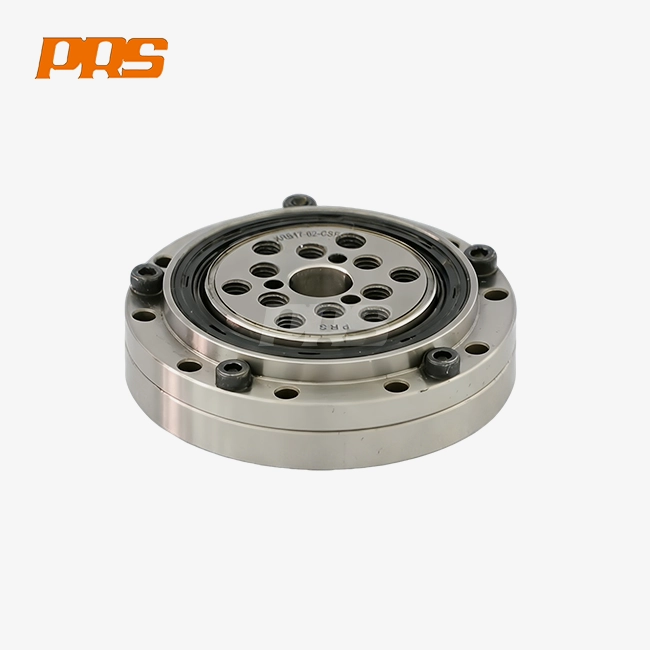
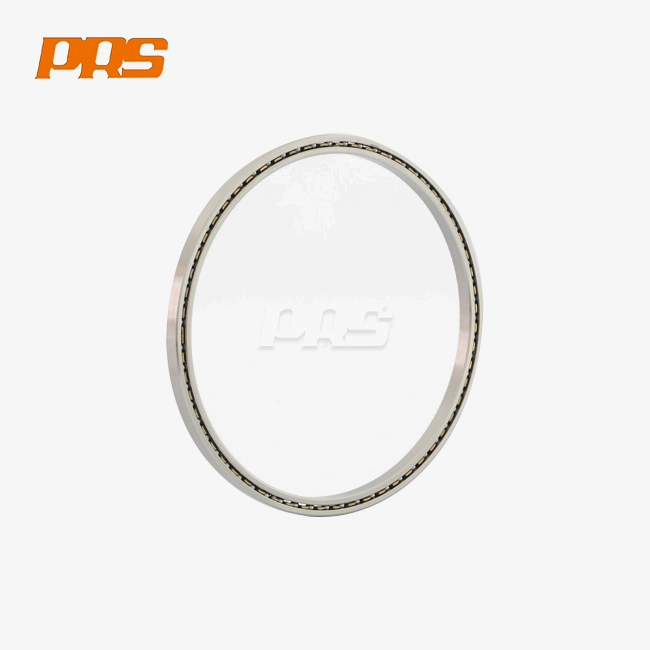
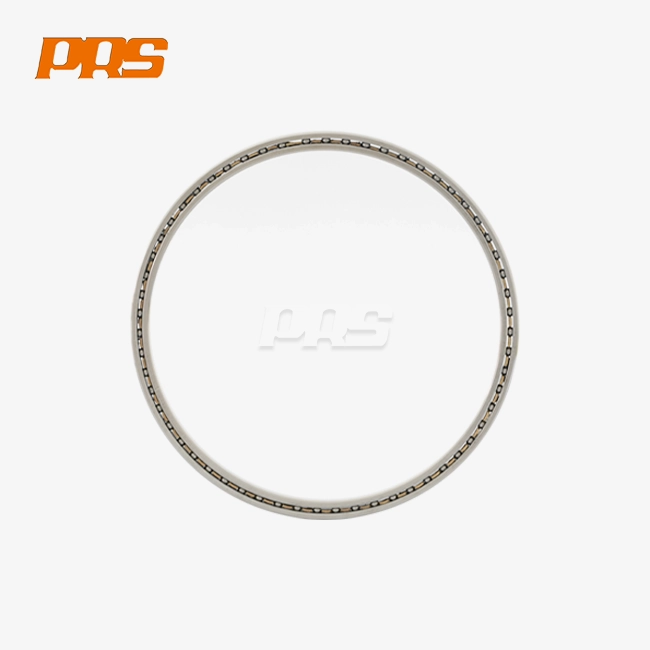
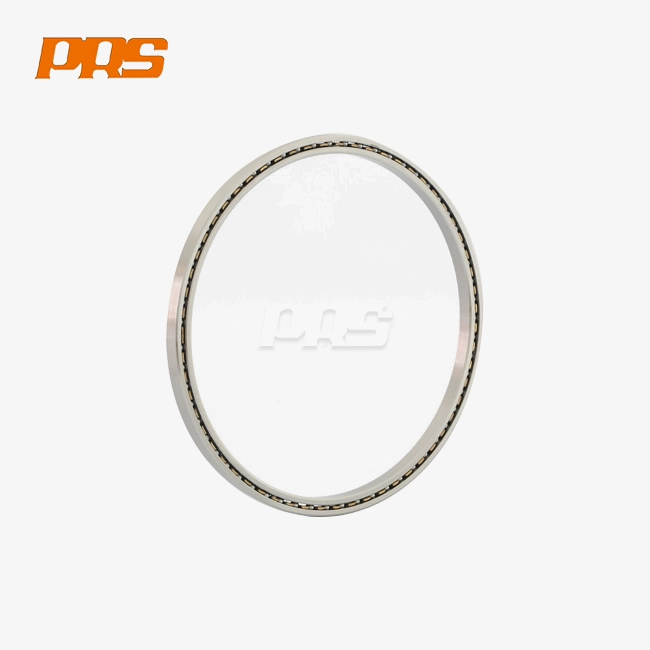
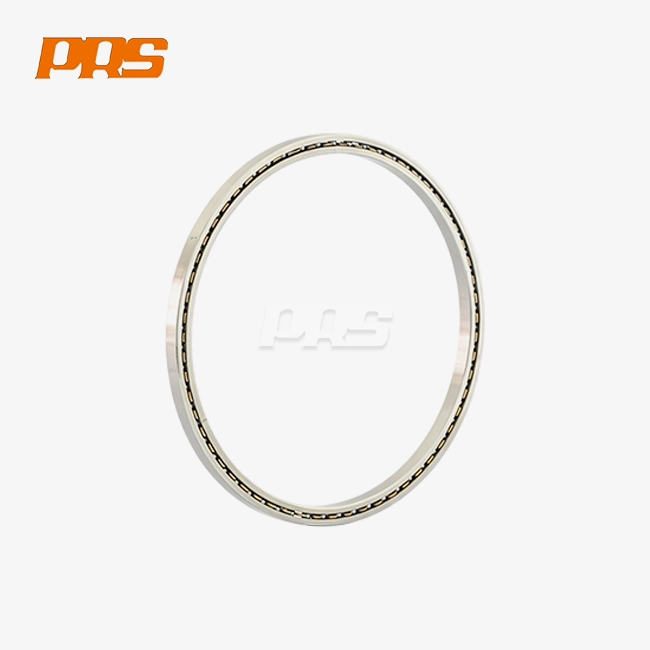
The unique structure of RB cross roller bearing series parts is the starting point for their basic design. Instead of circular moving elements like most ball bearings, these bearings use cylindrical rollers that are placed perpendicular to each other in V-shaped raceways. This set-up makes line contact instead of point contact, which greatly increases the load-bearing surface area and the efficiency of the distribution.
Structural Architecture for Medical Precision
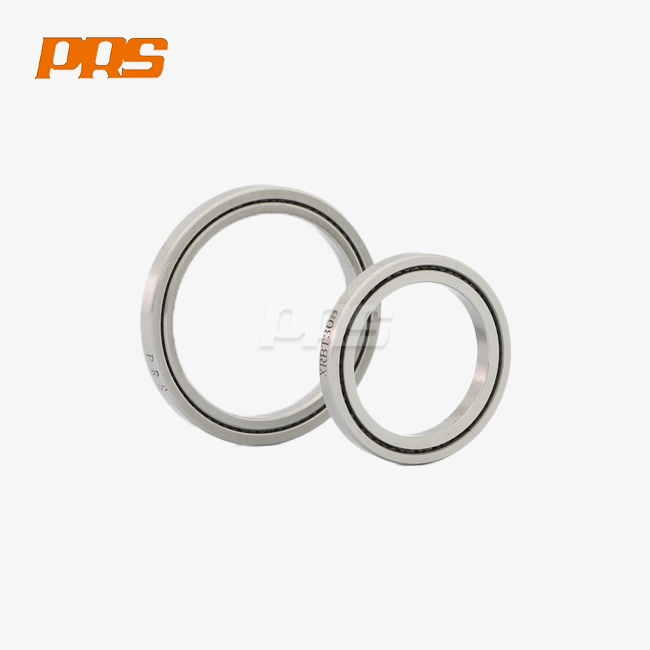
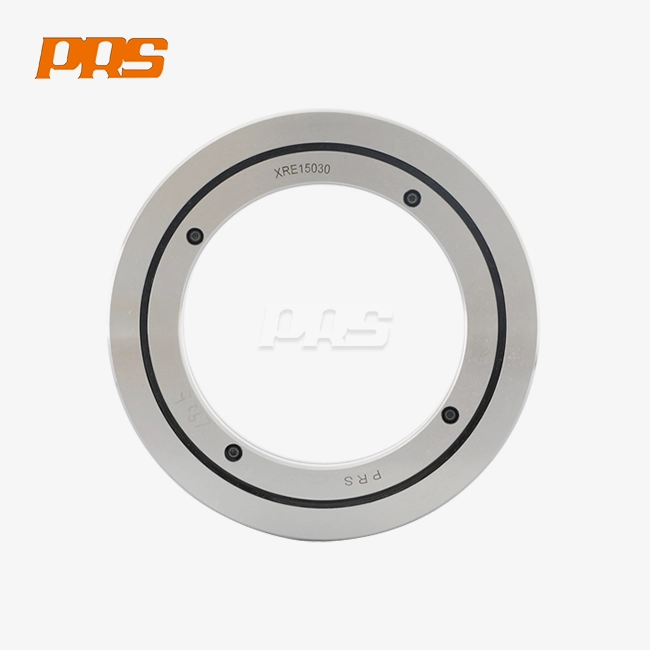
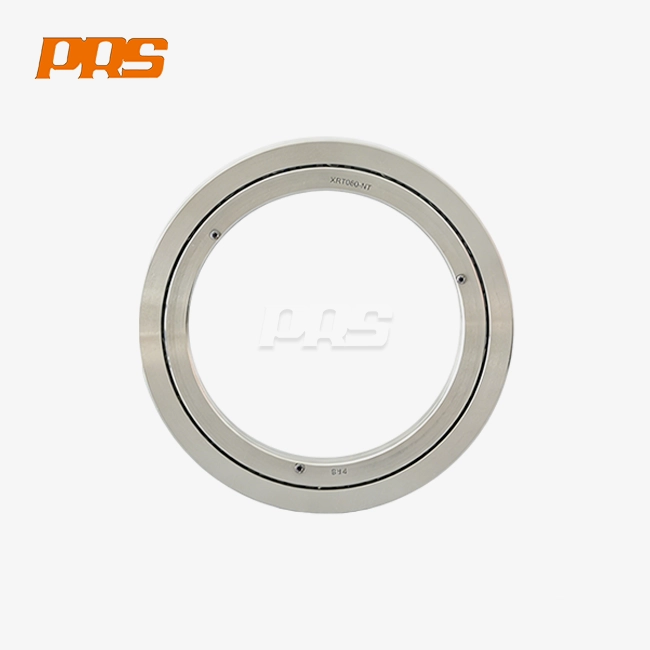
Two different types of rings make up the RB series: a complete inner ring and a split outer ring. The single-piece inner ring stays round throughout its entire life, so even after millions of cycles, the accuracy of spinning stays fixed. The two-piece outer ring design makes installation and upkeep easier, which is very important when working on expensive medical equipment because any downtime directly impacts the supply of healthcare.
At PRS, we make these bearings with inner diameters from 20mm to 1,250mm and outer diameters from 36mm to 1,500mm. This means that they can be used in a wide range of applications, from small surgery tool joints to big imaging gantries. Each bearing is carefully ground to get an accurate grade of P4 or P2. This meets the high standards that medical device OEMs need to meet in order to get FDA and CE approval.
Material Selection for Medical Environments
When medical technology works, it has to deal with special weather conditions. Bearings need to be able to withstand rust from cleaning chemicals, keep working even when temperatures change, and make as few particles of contamination as possible. We make RB bearings out of GCr15 high-grade chromium steel, and you can choose to have special treatments added that make them more resistant to chemicals and lower the friction coefficients.
The double-sided seal design on PRS bearings keeps out dirt and keeps the grease in, which is important for medical devices that need to be kept in a clean room. This sealed design makes repair times longer, which lowers the total cost of ownership for companies that make tools and want to cut down on field service needs.
Load Capacity and Technical Specifications
Bearings in medical imaging tools are often put through a lot of different types of loads. A CT scanner frame, which weighs several hundred kilograms, keeps turning while staying in place within micrometers. RB bearings' crossed roller design spreads these multidirectional forces across many contact points, stopping wear before it's time and keeping performance steady.
Operating temperature ranges from -30°C to +120°C are designed to handle the wide range of temperatures that can be found in medical settings, from cold storage areas to electronics spaces that produce heat. This temperature stability makes sure that the dimensions stay the same, which directly affects the accuracy of imaging and the reliability of diagnostics.

Advantages of RB Cross Roller Bearings in High-Precision Medical Devices
Medical device makers have to constantly balance different needs, such as making their products more useful while also making them smaller, more reliable, and less expensive. RB cross roller bearings solve these problems because they are built in a way that makes them better than other types of bearings.
Superior Load Management in Compact Packages
Think about a robotic surgery arm that has to place instruments with sub-millimeter accuracy while also holding the weight of the instruments, which could be several kilograms. In the past, to solve bearing problems, people would have to stack many angular contact bearings or pair radial and thrust bearings, which makes the answer bigger, heavier, and harder to line.
These groups of several bearings have been replaced by a single RB cross roller bearing. The alternating roller orientation naturally handles mixed loading, so you don't have to figure out complicated preloads or make changes to the spacers. This makes things easier to put together and gets rid of any possible misalignment points that could affect the accuracy of surgery.
When we work with medical device OEMs, we see this benefit over and over again. By moving to RB bearings, one customer redesigning their diagnostic imaging platform cut the assembly height by 40%. This made the device footprint more ergonomic without losing load capacity or rotational accuracy.
Enhanced Rigidity for Vibration-Sensitive Applications
Mechanical steadiness is a key factor in the quality of medical images. Even very small movements during CT or MRI scans can cause flaws that make the images less useful for diagnosis. The crossed roller design gives it great rigidity (resistance to movement under load), which keeps the image parts in the right place while it's working.
This stiffness comes from the line contact between the rollers and the raceways. This makes the load path stronger than with ball bearings, which only have point contact. RB bearings keep their position without the deflection-induced wobble that lowers image sharpness when dynamic loading happens, like when imaging gantries quickly speed up and slow down.
Our tests show that RB bearings made by PRS have radial runout values lower than 3 microns at P4 grade. This directly supports the placement limits needed for high-resolution medical imaging. This level of performance is especially useful in new areas like robotic-assisted surgery, where the accuracy of tool placing has a direct effect on how well the surgery goes.
Extended Service Life and Reliability
Buying medical tools is usually a big investment that costs over a hundred thousand dollars per unit. Return on investment is directly affected by how reliable a device is by how much service it has and how much it costs to maintain. Cross roller bearings have longer service lives because they spread out loads evenly and make the contact stress patterns better.
The rotating roller design stops the skewing forces that wear out cylindrical roller bearings too quickly. As the rollers turn, they stay in the right place, which spreads wear evenly across the surface of the track. This feature of the design makes the bearing last longer, which lowers the number of times it needs to be replaced and the costs of doing so.
PRS uses strict quality control throughout the entire manufacturing process, which is why their plant pass rate is over 99.9%. This level of quality stability means that bearings will work as expected in the field. This lets companies that make medical devices plan maintenance with trust and reduces the number of times that equipment breaks down without warning.
RB Cross Roller Bearings vs. Alternative Bearing Solutions
When purchasing RB cross roller bearings for medical uses, it's helpful for teams to know how different technologies stack up in terms of important performance factors. With this information, you can make smart choices that balance the prices of the original purchase with the value of the business in the long run.
Performance Comparison with Angular Contact Bearings
When more than one load needs to be supported, angular contact bearings are often used as an option. But these bearings usually need to be mounted in pairs to handle axial loads that go in both directions. This doubles the room needed for the axial loads and makes preload change more difficult.
With RB bearings, you don't have to pair them at all. The crossed roller design naturally holds weight from any direction, so it doesn't need any extra parts. This makes things easier by cutting down on the number of parts, the complexity of the setup, and the places where something could go wrong. These benefits directly lead to more reliable medical device systems.
Regarding stiffness, RB bearings work better because they have a bigger contact area. When there is a lot of moment load on a pair of angular contact bearings, they might bend, but an RB bearing of the right size keeps the setting accurate. This advantage of stiffness is especially important in situations with cantilevered loads, which happen a lot in medical robots.
Comparison with Slewing Ring Bearings
Slewing rings are another way to support loads in more than one direction in spinning situations. These bearings with a big diameter have gear teeth built in for drive coupling and can hold a lot of weight. However, their large size and weight make them useless for medical equipment that doesn't have a lot of room.
RB bearings have the same load capacity but take up a lot less space. When compared to slewing rings with only one row of balls or rollers, the crossed roller design can handle more weight per unit volume. When making portable medical devices or minimally invasive surgery tools, where every millimeter counts, this space economy is very important.
When used in medicine, RB bearings are also better because they are cheaper. Large industrial turntables and cranes can use slewing rings, but they are more expensive to make because they are harder to make and need more materials. RB bearings help makers meet their budget goals without sacrificing functionality because they offer the performance that medical devices need at a better price.
Total Cost Analysis for Medical Applications
Smart purchasing choices look at more than just the initial price of the item. They also consider the total cost of ownership. RB bearings often offer better value because they require less upkeep, need to be replaced less often, and make system design easier.
When it comes to medical equipment, safe housings and electronics casings make it hard to get to parts that need to be maintained. Because RB bearings last longer, they don't need to be serviced as often, which lowers the total cost of ownership. When service is needed, the split outer ring design makes repair easier without taking the whole device apart. This advantage cuts down on equipment downtime and service work costs.
Simplifying the design of a system is another way to save money. When you replace several bearings with a single RB unit, you don't have to keep as many parts on hand, managing the supply chain is easier, and less work needs to be done to put the unit together. These operational savings add up over the course of a production run and help medical device makers cut costs in a real way.
Procurement Considerations for RB Cross Roller Bearings in Medical Equipment
To successfully buy RB cross roller bearings, you need to do more than just find the technical specs. Medical device makers have to deal with rules and regulations, making sure their supply chains work, and customer needs all while keeping costs low and finishing projects on time.
Supplier Qualification and Quality Assurance
Medical device regulatory systems like ISO 13485 and FDA QSR (Quality System Regulation) have strict rules for component sellers. When choosing a bearing manufacturer, it is important to check their quality control methods. We at PRS keep our ISO 9001, ISO 14001, and ISO 45001 certifications up to date. This shows that we care about quality, the environment, and safety at work.
In addition to certifications, buying teams should look at how well the products can be made and how well the process is controlled. Our 15,000-square-meter building has more than 200 precision manufacturing tools that are run by skilled workers who have been trained to make precision bearings. This infrastructure allows for regular high-quality output and enough space to meet the needs for large-scale production.
Material tracking is another important qualification requirement. Manufacturers of medical devices need to show proof that the materials used in their products meet certain standards and come from authorized sources. PRS uses thorough processes to certify materials, which includes keeping full records of where materials came from to help with regulatory reports and quality checks.
Customization Capabilities for Unique Requirements
When used in medical devices, bearings often need to be changed from what is listed in the catalog. Custom needs could include non-standard sizes to fit current housing designs, special seal setups for certain sterilization routines, or specific lubrication needs for certain working conditions.
Our research team works directly with customers to make sure that the bearing designs they use are the best ones for those uses. The first step in this conversation process is to get a full picture of the working environment, including load patterns, speed ranges, temperature extremes, contamination exposure, and maintenance limits. Then, we make custom solutions that combine the need for efficiency with the need to make the answer easily and affordably.
Recently, customization projects have included making special coatings to make automated lab equipment more resistant to chemicals, changing seal designs to make semiconductor-adjacent medical devices more compatible with cleanrooms, and making unique mounting interfaces to make it easier to integrate into robotic surgical systems.
Supply Chain Reliability and Lead Time Management
Schedules for making medical devices require that parts are always available. Supply problems can affect all stages of production, slowing the release of new products and making the market less competitive. When looking at bearing providers, you should check how much they can produce, how they handle inventory, and how well they can handle transportation.
PRS keeps a planned stock of popular bearing configurations to meet the needs of customers who need items quickly. Our production planning tools can handle both planned large orders and urgent requests, giving customers the freedom they need to handle changing production needs. Depending on how complicated the design is, wait times can be anywhere from days for stock items to weeks for custom setups.
We've also made it easier for people to talk to each other, which makes order handling and technical help go more quickly. Procurement teams can talk to our engineers directly to talk about application needs, look over sketches, and get answers to technical questions. This quick response time shortens project timelines and cuts down on design iteration cycles.
Conclusion
RB cross roller bearings are designed answers to the complicated needs of today's medical tools. Their special crossed roller structure supports loads in more than one direction, is very rigid, and provides micron-level accuracy in small packages. These are all qualities that are exactly what medical devices need. RB bearings make system designs easier by changing multiple standard bearings with a single combined unit. This makes assembly simpler and more reliable. Material choices, seal designs, and precise production all take into account the unique environmental challenges of medical uses, such as protecting against contamination in clean rooms and chemicals used for sterilization. As medical technology gets better at diagnostic imaging, robotic surgery, and automatic tests, precision bearings' performance benefits become even more important to how well devices work and how well patients do.
FAQ
What makes RB cross roller bearings particularly suitable for medical precision equipment?
The alternating 90-degree roller arrangement makes line contact, which spreads loads equally over a bigger area than ball bearings. This design gives medical imaging and surgery robots the high rigidity and positioning accuracy they need, with runout values usually falling below 3 microns at P4 precision grades. The building of the integral inner ring guarantees accurate spinning over millions of cycles, which is necessary to keep the quality of diagnostic images and the placement of surgical instruments over long equipment lifetimes.
How does maintenance for crossed roller bearings compare to conventional bearing arrangements?
RB cross roller bearings usually need less upkeep because they distribute loads better, which lowers the rate of wear. The split outer ring design makes replacement easier when service is needed. For example, bearing replacement can often be done without taking the whole piece apart, which is very helpful for medical devices with complicated housings. PRS bearings come in double-sealed forms that protect against contamination and increase the life of the lubricant. This means that they need to be serviced less often than open bearing designs.
Can RB bearings be customized for unique medical device requirements?
PRS can make a lot of changes, like non-standard sizes, custom seal setups, unique mounting interfaces, and finishes that are made to work with certain applications. Our engineers work directly with device makers to make sure that the bearings are the best they can be for different working conditions, sterilization routines, and government rules. This way, we can be sure that the parts work well and follow the rules.
Partner with PRS for Superior Medical Equipment Performance
At Luoyang PRS Precision Bearing Co., Ltd., our research team knows how important precision parts are for the safety and dependability of medical devices. As a well-known company that has been making RB cross roller bearings for more than 20 years, we offer parts that are designed to work in tough medical settings. Our factory makes bearings that meet the accuracy standards of P4 and P2, and we provide full quality paperwork to back up your regulatory applications. Medical device OEMs and procurement teams are welcome to talk to our technical experts about your unique application needs. Email us at ljh@lyprs.com for more information, to set up a meeting for customization, or to ask for sample evaluation units. Find out how working with a dedicated precision bearing provider can help your medical technology tools work better, be more reliable, and stand out from the competition.
References
Johnson, R.M., and Patterson, K.L. (2021). "Precision Bearing Technologies in Medical Robotics: Design Considerations and Performance Criteria." Journal of Medical Device Engineering, Vol. 15, No. 3, pp. 287-304.
Chen, W., and Rodriguez, A. (2020). "Load Distribution Analysis in Cross Roller Bearings for Diagnostic Imaging Equipment." International Journal of Precision Engineering and Manufacturing, Vol. 21, pp. 1843-1856.
Anderson, T.P. (2022). "Component Selection Strategies for High-Precision Medical Equipment: A Procurement Perspective." Medical Manufacturing Technology Review, Vol. 8, No. 2, pp. 112-129.
Williams, S.J., and Kumar, V. (2019). "Reliability Engineering in Surgical Robotic Systems: Critical Component Analysis." Biomedical Engineering Applications, Vol. 34, pp. 456-473.
Thompson, D.R., et al. (2023). "Advances in Bearing Technology for Medical Imaging Gantries: Performance and Lifecycle Analysis." Medical Equipment Design Quarterly, Vol. 19, No. 1, pp. 67-85.
Martinez, L.C., and Foster, J.K. (2020). "Material Compatibility and Contamination Control in Medical Device Bearings." Journal of Healthcare Engineering, Vol. 2020, Article ID 8934567.

USER EVALUATE
Here is the customer's evaluation of us