
SX Series Cross Roller Bearings for Space-Constrained Designs
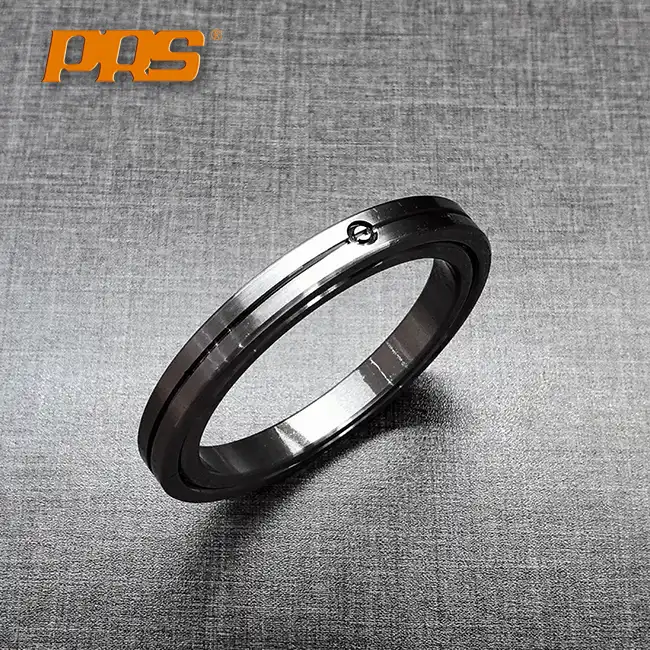
When equipment designers face the challenge of delivering precision motion control within increasingly compact enclosures, the SX series cross roller bearing emerges as a proven solution. This ultra-thin bearing design combines an integral inner ring with a split outer ring assembly, enabling engineers to achieve micron-level rotational accuracy without sacrificing load capacity. The orthogonal roller arrangement creates line contact within precision-machined V-groove raceways, allowing a single bearing unit to handle complex multi-directional forces that traditionally required multiple bearing combinations. For OEMs working within tight spatial budgets—whether in robotic joints, medical imaging systems, or semiconductor manufacturing equipment—these bearings represent an engineering breakthrough that balances dimensional constraints with uncompromising performance standards.
Understanding SX Series Cross Roller Bearings: Features and Working Principles
The Core Architecture Behind Precision Motion
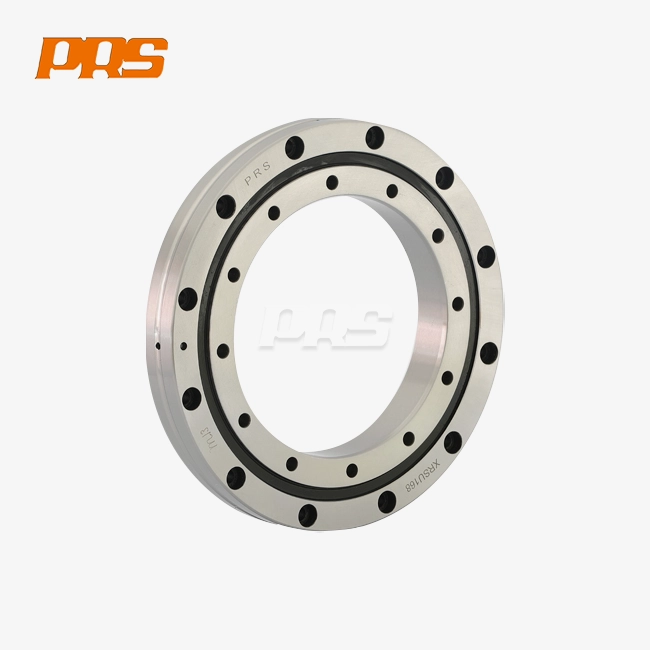
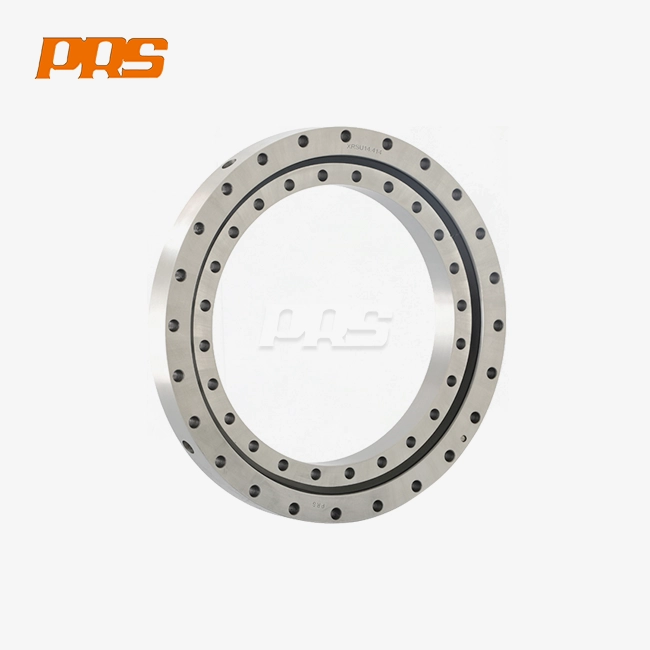
The SX series cross roller bearings are based on the idea that space should be used efficiently without sacrificing performance. The SX series is different from regular ball bearings because it uses cylindrical wheels that are positioned perpendicular to each other within a 90-degree V-groove track. This set-up makes line contact between the moving elements and the raceways, which spreads the loads over a much bigger area. Because of this, the stiffness-to-volume ratio is three to four times higher than with angular contact ball bearings.
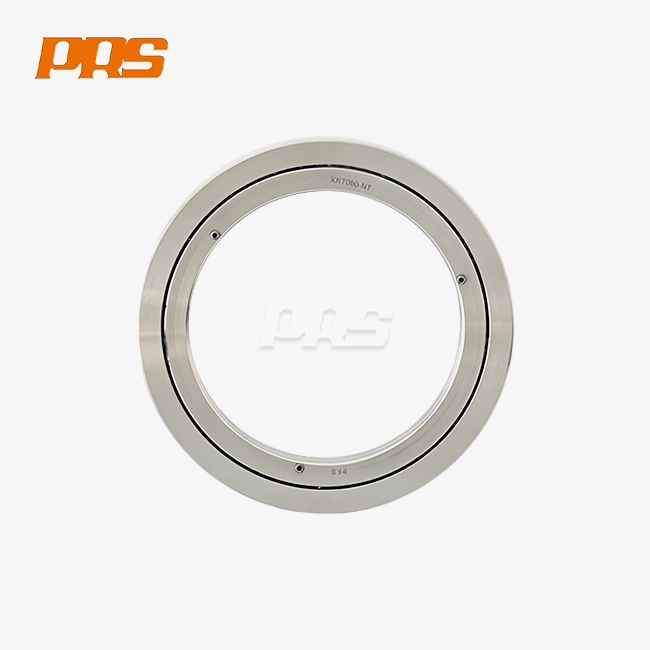
Three important parts of the structure's design work together to make it strong. The building of the complete inner ring gets rid of the misalignment problems that can happen with divided designs. This makes sure that the rotational accuracy stays the same throughout all operating cycles. The split outer ring is held in place by three precisely machined locking rings. This makes fitting easier in tight areas while still keeping the structure strong under heavy loads. High-precision plastic gaps separate each roller, keeping the lubricant film thickness while the rollers spin and avoiding metal-to-metal contact.
How Multi-Directional Load Handling Works?
By learning about load distribution physics, you can see why these bearings work so well in complicated motion situations. When radial forces work on the bearing, the load is evenly distributed among alternating wheels that are set up at right angles to each other. Through the V-groove contact shape, axial pressures from both directions act on the same set of rollers at the same time. Moment loads, which are the twisting forces that make it hard to use a precision rotating table, are spread out over the whole set of rollers instead of focusing on a few specific ones.
Because it can handle multiple loads at once, there's no need for prepared bearing pairs or complicated mounting setups. Configurations that used to need two or more standard bearings can now be replaced by a single SX series unit. This makes assembly easier and lowers the overall weight of the system. The low friction coefficient—usually 30 to 40 percent less than similar ball bearings—ensures smooth motion start-up and little torque change during spinning.
Technical Specifications for Procurement Planning
PRS makes SX series bearings with inner diameters between 70mm and 500mm and outer diameters between 90mm and 620mm. The bearing material standard calls for GCr15 and GCr15SiMn alloy steel that has been heated to a hardness of 58 to 64 HRC for the raceways. This range of hardness gives the best response to touch stress while keeping the same size even when the temperature changes.
According to ISO standards, the precision grades offered for SX series cross roller bearing are P6, P5, P4, and P2. This lets engineers choose the amount of accuracy that best fits their needs. The two-sided seal keeps lubricant in and keeps the moving elements clean, which greatly increases the time between servicing visits compared to open bearing designs. The operating temperature range is from -20°C to +120°C, which means it can be used in most industrial automation settings without any extra thermal management.
Comparing SX Series Cross Roller Bearings with Alternatives: Making the Right Choice
Performance Benchmarks Against Standard Solutions
To choose between SX series cross roller bearings and other options, you need to know how their performance is different. Standard four-point contact ball bearings have small cross-sections, but they can't handle large moment loads and have higher friction coefficients. When they are loaded heavily or suddenly, their point contact shape creates stresses that shorten their useful life.
Slewing ring bearings can handle big moment loads, but they need a lot more space to be mounted. Adding gear teeth to them makes them able to rotate, but it also makes making more expensive and difficult. This type, called SX series, is in the middle. It has a moment load capacity similar to slewing rings, but its shape is more compact, like a ball bearing.
When compared to other types of crossed rollers, the SX series stands out because it optimizes the movement of the inner ring. The design with an integral inner ring works well when the spinning part needs to be attached directly to the bearing bore. The inner race runs the motion system in robot waist joints, precision rotary tables, and medical scanner gantries, which all use this arrangement.
Real-World Application Evidence
In their six-axis articulated robot joints, a robotics company in the Midwest recently switched from paired angular contact ball bearings to SX series units. The change cut the weight of the joint unit by 18% and raised the accuracy of position from ±0.05mm to ±0.02mm. The design with a single hinge made assembly easier and cut the time it took to make each joint by about 25 minutes.
A California-based OEM switched from traditional ball bearing pairs to SX series units rated to P4 precision in tools used to handle semiconductor wafers. The change cut down on runout mistakes that used to cause differences in wafer setting during photolithography alignment. Positioning mistakes caused a noticeable drop in the number of defects in the next production quarter, proving that the investment in improving accuracy was well worth it.
Evaluating Brand Reputation and Value Proposition
It's not just about technical specs that go into procurement choices; suppliers' dependability and the possibility of a long-term relationship are also important. The PRS company has been making precision bearings for more than 20 years and has a 15,000-square-meter building with more than 200 high-quality tools. The engineering team is made up of 35 technical experts who know a lot about crossed roller shape and how to make applications work best.
The business has ISO 9001, ISO 14001, and ISO 45001 standards, which show that it takes care of quality management and the environment. Factory pass rates of more than 99.9 percent show that every bearing goes through strict procedures for measuring and checking its load before it is shipped. These quality measures directly lead to less risk in purchasing things and more regular equipment performance for OEM clients.
Procurement Guide: How to Buy SX Series Cross Roller Bearings Efficiently?
Identifying Credible Suppliers and Verifying Authenticity
Validating the provider is the first step in getting SX series cross roller bearings quickly and easily. Real makers give full scientific information like dimension drawings, load rate figures, and certifications for the materials they use. Ask for proof that the bearings can be tested. Real companies that make precision bearings keep their coordinate measuring machines, surface finish testers, and bearing testing rigs up to national standards.
The validity of a certification should be carefully checked. Instead of depending only on certificates from suppliers, check with certification groups directly to make sure that your ISO registration is still valid. Established makers are happy to have their facilities inspected and are happy to share information about the production process with serious procurement pros.
Understanding Pricing Structures and Lead Time Optimization
The price of a bearing depends on the exact grade chosen, the size requirements, and the number of orders placed. For higher accuracy grades, more grinding and finishing steps are needed, which adds to the time and cost of production. If you need custom measurements that aren't in the catalog, wait times can be extended by two to four weeks, based on the state of the production queue.
When you buy more than 50 units of common configurations, volume savings start to make sense. When purchasing managers plan production ramps, they should talk about framework deals that lock in prices but leave delivery schedules open. This method finds the best balance between the costs of keeping goods and making sure that prices stay stable and supplies don't run out.
Standard stock items from PRS usually ship two to three weeks after an order is confirmed. Custom specs require technical study and planning of the manufacturing process, which adds four to six weeks to the lead time. Setting up blanket purchase orders with planned releases helps keep bearing supplies in sync with production needs while keeping expedite fees to a minimum.
Customization Options and Bulk Procurement Benefits
Customizing bearings beyond what's listed in a book is helpful for many uses. Different types of lubricants that work well in high-temperature settings can be used with modified seal designs to deal with particular contamination problems. When flange fixing doesn't work for certain machine designs, mounting hole shapes can be built into the outer rings.
There are benefits to bulk purchasing that go beyond lowering unit costs. With dedicated production runs, lots of bearings made for the same model of equipment are made consistently, so there isn't much difference in their sizes. With consignment inventory deals, stock is kept at customer facilities or nearby warehouses. This lowers the cost of emergency freight when production plans speed up without warning.
PRS provides engineering help during the whole process of speculating and buying. Technical experts look at the loads, speeds, and weather conditions of an application to tell you how to choose the best bearings and place them correctly. This way of working together helps avoid mistakes in the specifications that could cost a lot of money and makes sure that bearings work properly for the whole time they are supposed to.
Maintaining SX Series Cross Roller Bearings for Long-Term Performance
Essential Lubrication and Inspection Protocols
Proper oil control is a key factor in how long a SX series cross roller bearing lasts. Most of the time, lithium-based grease with high pressure chemicals that are right for line contact stress levels is used in the SX series. Relubrication times depend on the speed and temperature of the machine, but in most industrial automation settings, they are between six and twelve months. Equipment that is constantly running at high temperatures may need to be serviced more often to make up for the faster wear and tear on the grease.
During routine repair times, check the integrity of the seals and look for lubricant pollution. Any changes in color or the presence of particles in the grease that is being thrown out could mean that outside contaminants or internal wear debris are getting in. Rotational torque readings let you know early on when lubrication is breaking down or surface damage is starting to show up, before it's too late to stop.
As a troubleshooting tool, check the working temperature of the bearings. When there is average load, temperatures above 70°C mean that there isn't enough grease or there is too much preload. Thermal imaging cameras can measure the temperature of bearing surfaces without touching them. This lets you find hot spots that indicate problems are starting to form before they become too big to fix.
Troubleshooting Common Performance Issues
Unusual noises during spinning are often caused by a lack of grease or dirt on the raceways and rolling elements. A grinding feeling and higher torque are both signs of gritty particle contamination that needs to be fixed right away by removing the bearing, cleaning it, and re-greasing it. Ignoring these signs speeds up damage to the surface and lowers positional accuracy very quickly.
Too much runout that builds up slowly over time could mean that the fixing surface is wearing down or that the structure isn't supporting moment loads properly. Use precise measuring tools to check that the housing hole is straight and flat. When mounting structures are too small, elastic deformation causes bearing rings to bend under load, causing runout that can't be fixed by adjusting the bearings.
Seals often fail too soon because the elastomers in them don't work well with fluids in the environment or the shaft surface isn't finished properly. To stop faster wear, seal contact surfaces need finish standards below 0.4 micrometers Ra. If your application calls for harsh cleaning or process chemicals, talk to PRS engineering about other seal material options.
Future Trends and Innovations in Cross Roller Bearing Technology
Advanced Materials and Surface Engineering
The precision SX series cross roller bearing business is always coming up with new materials that can do more than what standard bearing steel can. Ceramic hybrid bearings, which have steel rings and silicon nitride rollers, are better at resisting rust and have less density for certain uses. Even though these materials are more expensive, they can be used in places with very high or low temperatures or strong chemicals that would cause steel bearings to break down quickly.
Another new area of innovation is surface covering technologies. Physical vapor deposition is used to apply diamond-like carbon layers that lower friction coefficients and increase wear resistance. These treatments are especially useful in vacuum situations or places where regular lubricants don't work with the way the process needs to be done.
Smart Monitoring Integration
Instead of setting service intervals based on time, predictive maintenance methods focus more and more on tracking conditions all the time. Bearing makers are working on technologies with built-in sensors that can track shaking patterns, temperature profiles, and load levels in real time. Machine learning techniques are used by these systems to tell the difference between normal operating variations and emerging fault patterns. This lets repair be scheduled before performance loss affects production.
Wireless sensor networks get rid of the complicated wires that used to make full bearing tracking too expensive to do. These monitors get their power from differences in temperature or rotational motion. This means that they don't need batteries, which can be a problem in sealed equipment cases. The generated data streams can be connected to corporate asset management systems. This lets purchasing choices be based on real component life cycles instead of guesses based on conservative design estimates.
Implications for Strategic Sourcing
Professionals in charge of buying things should give top priority to relationships with suppliers that have shown they are committed to innovation and can adapt to new technologies. As demands for equipment performance keep going up, makers of bearings that put money into research into new materials and the merging of smart technologies will have a competitive edge. When you talk about product roadmaps with suppliers during reviews, you can tell which ones just follow industry trends and which ones are actually changing the direction of technology.
Scalability concerns go beyond the amount of work being done now and include what the capacity needs will be in the future. Suppliers with adaptable production systems and technical help can handle changes in design and changes in volume without affecting the reliability of delivery. When procurement teams build relationships with highly strong sellers like PRS, they are better prepared to act quickly when market needs change or new application opportunities appear.
Conclusion
The SX series cross roller bearing solves one of the most important problems that precision equipment makers have to deal with: making sure that motion is very accurate within limited space while also being able to handle complicated loading conditions. Its split outer ring design, continuous inner ring construction, and orthogonal roller layout make it the only type of bearing that is both small and effective at the same time. When engineers need to select parts for robots, machine tools, medical devices, or semiconductor equipment, these bearings are a tried-and-true option that comes with strict manufacturing standards and full technical support. The big performance benefits these precision parts provide throughout their useful lives can be maximized by choosing the right ones, planning how to buy them, and keeping them in good shape.
FAQ
Why are SX series bearings ideal for space-constrained designs?
By mixing entire inner rings with split outer rings to make an ultra-thin profile, 30 to 40 percent less thickness is needed than with paired angular contact ball bearings of the same load capacity. The SX series cross roller bearing line contact geometry spreads loads over a bigger surface area than point contact designs, which is what makes this dimensional economy possible. Without sacrificing motion accuracy or load-bearing capacity, equipment designers gain valuable room for adding more parts or reduce the total size of the machine.
How do lead times vary for standard versus custom specifications?
Standard stock SX series bearings from PRS usually ship two to three weeks after the order is confirmed and payment is processed. Customized size requirements or changed seal configurations need technical review and changes to the manufacturing process, which can add four to six weeks to the delivery time, based on how busy production is at the moment. Talking about requirements with technical experts early on can help you figure out if standard products meet your needs or if you need to make custom changes that take longer procurement processes.
Partner With PRS for High-Precision SX Series Cross Roller Bearing Solutions
When engineers and sourcing experts look for reliable SX series cross roller bearing makers, working with experienced precision component specialists can be very helpful. PRS has been working with crossed roller bearings for 20 years and has advanced production skills and strict quality systems that allow them to make parts that meet the strictest application needs. Our expert team offers full application engineering support, helping you choose the best bearing setups and mounting methods for the equipment you're designing. Competitive price, variable minimum order amounts, and reliable shipping support the needs of both prototype development and full-scale production. Get in touch with our experts at ljh@lyprs.com to discuss your needs and get specific technical advice based on years of experience making high-quality products.
References
Harris, T.A. and Kotzalas, M.N. (2006). Advanced Concepts of Bearing Technology: Rolling Bearing Analysis, Fifth Edition. CRC Press, Boca Raton.
ISO 199:2014. Rolling Bearings – Thrust Bearings – Geometrical Product Specifications (GPS) and Tolerance Values. International Organization for Standardization, Geneva.
Schaeffler Technologies AG & Co. (2019). Crossed Roller Bearings: Design, Application and Maintenance Guidelines. Technical White Paper Series, Herzogenaurach.
American Bearing Manufacturers Association (2020). Load Rating and Fatigue Life for Ball and Roller Bearings Standards Manual. ABMA, Washington DC.
Weck, M. and Brecher, C. (2006). Werkzeugmaschinen: Konstruktion und Berechnung [Machine Tools: Design and Calculation]. Springer-Verlag, Berlin.
NSK Ltd. Technical Department (2018). Precision Bearing Selection for Robotic Applications: Engineering Reference Guide. NSK Motion & Control Division, Tokyo.

USER EVALUATE
Here is the customer's evaluation of us