
Inner Tooth Bearings in Solar Tracking Systems: Efficiency Gains
Solar tracking systems are an important investment in infrastructure for green energy, and the parts that make them precise have a direct effect on how much energy they can gather. Inner-tooth bearings with built-in tooth structures have become key parts of these systems. They improve the accuracy of spinning while also being able to handle the harsh conditions that solar farms face every day. These special bearing sets can hold weight and change gears, which cuts down on the number of parts needed and the complexity of the system. If these bearings are properly specified and kept, they can improve the accuracy of panel positioning, which directly leads to more energy being captured over decades of operating lifecycles.
Understanding Inner Tooth Bearings and Their Role in Solar Tracking Systems
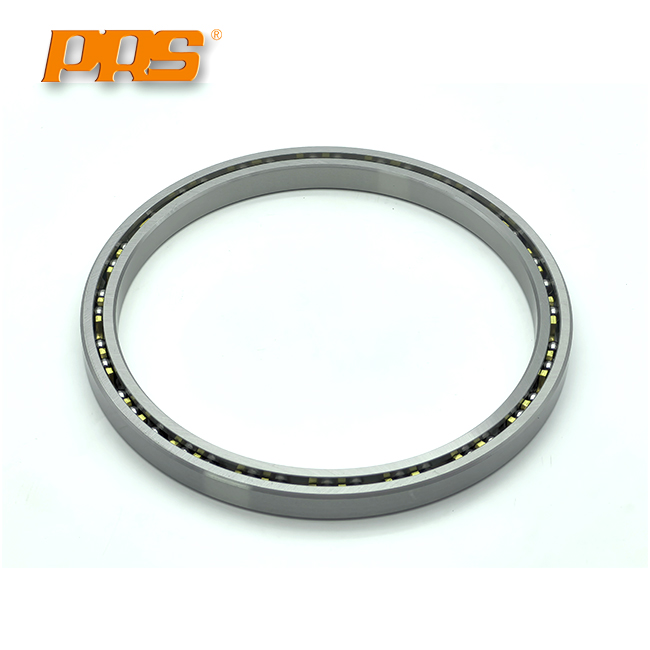
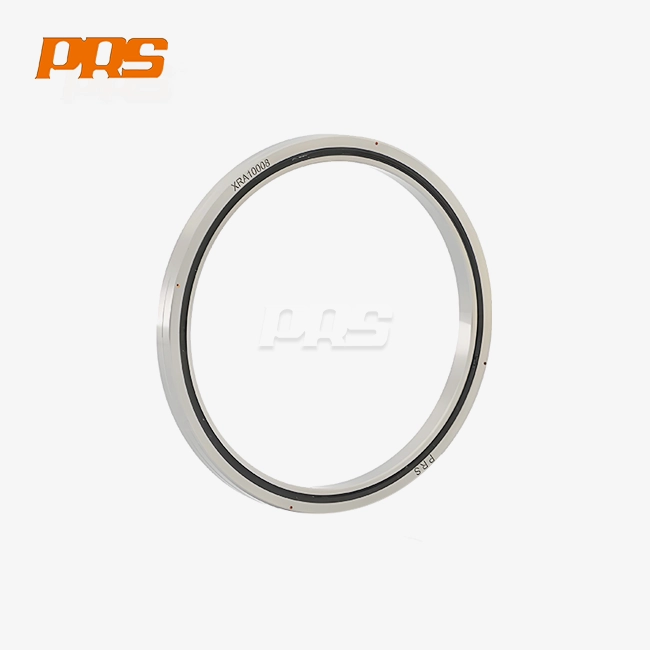
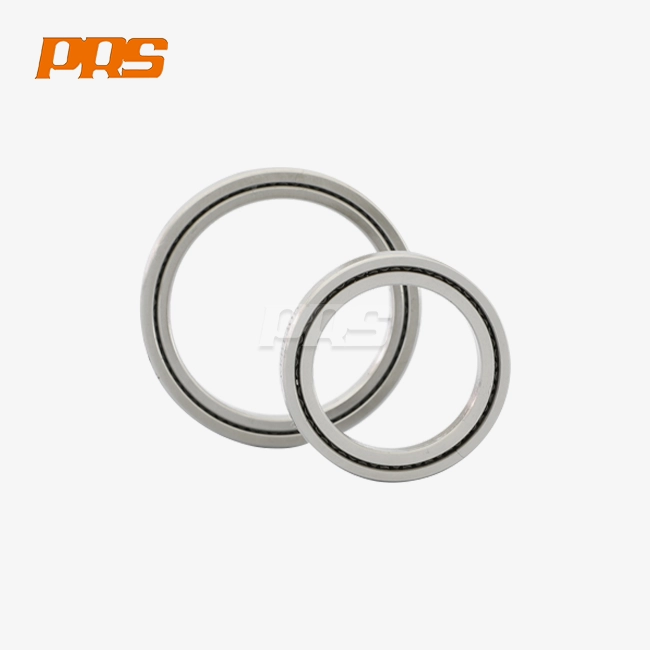
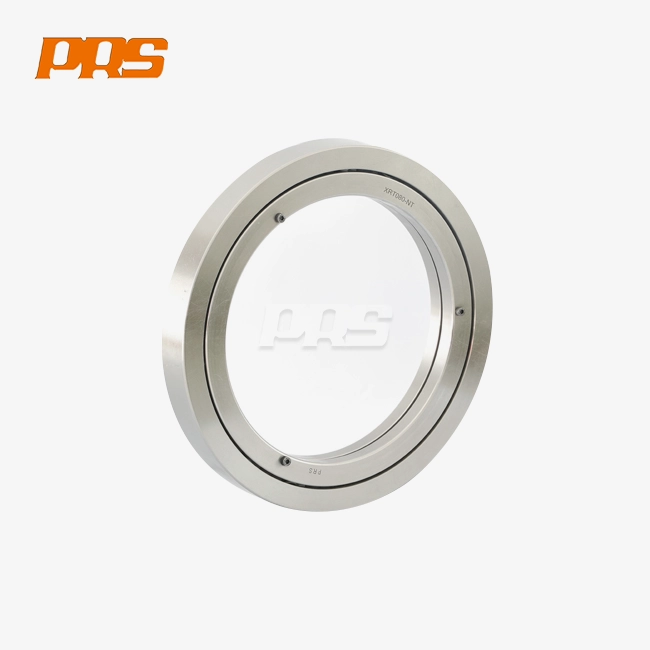
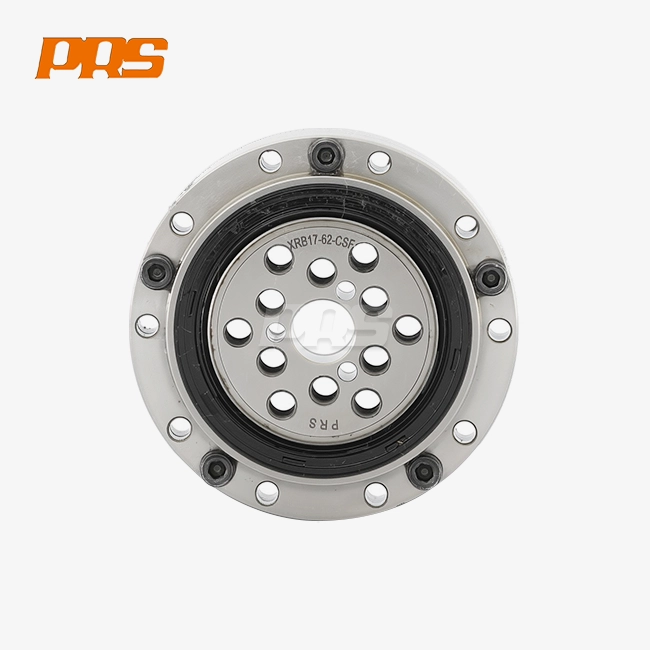
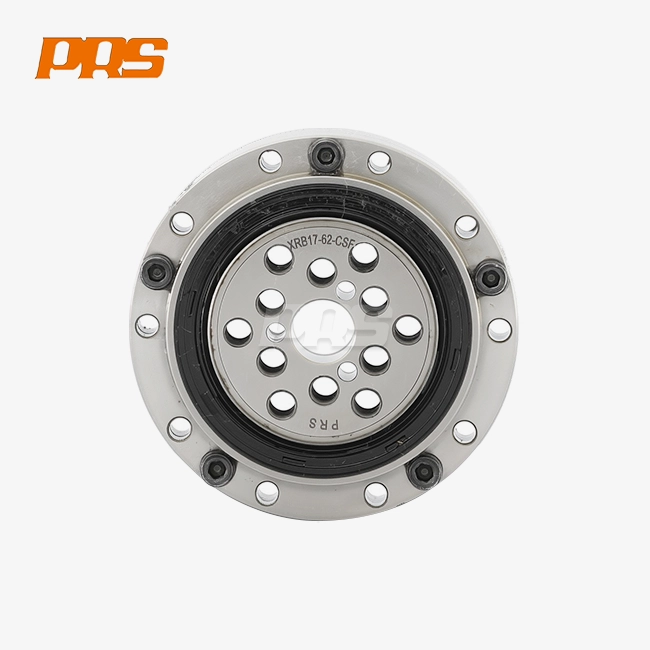
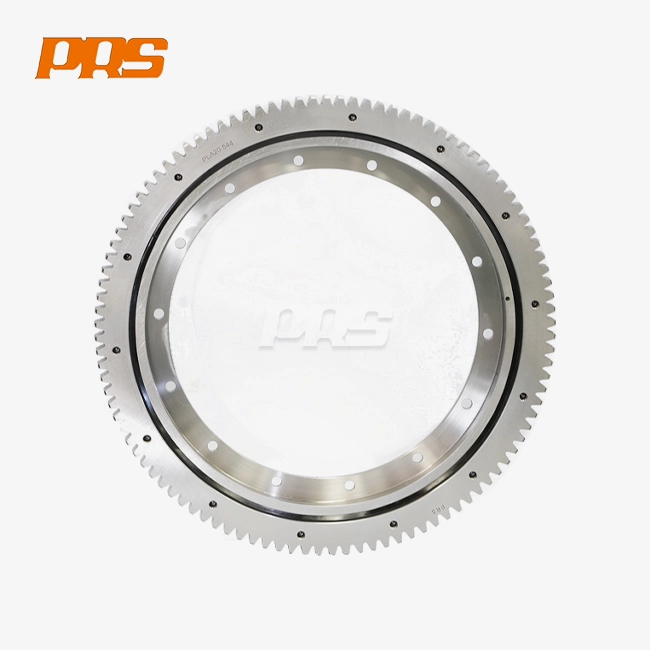
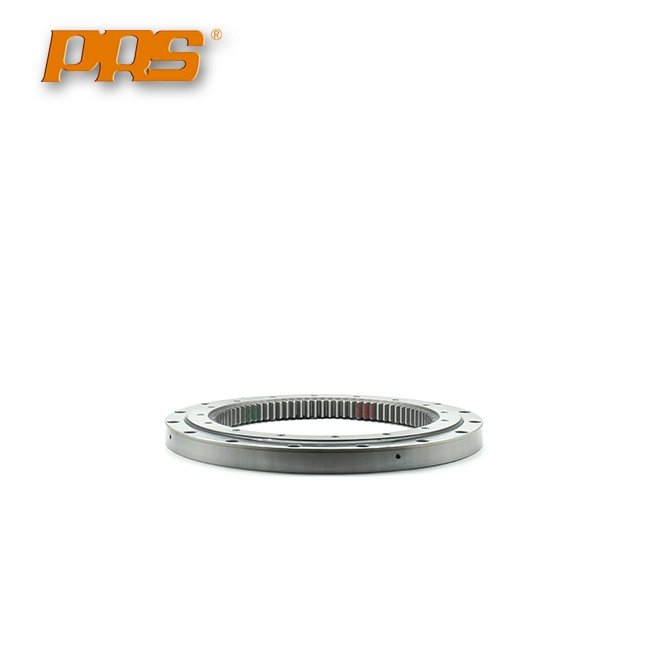
The basic structure of these special inner-tooth bearings solves several technical problems at the same time. Unlike other types of bearings that need separate gear systems, internal gear bearings have teeth built right into the inner circumference of the outer ring. This design combines two important functions—supporting spinning and transferring torque—into a single part.
Core Structural Components
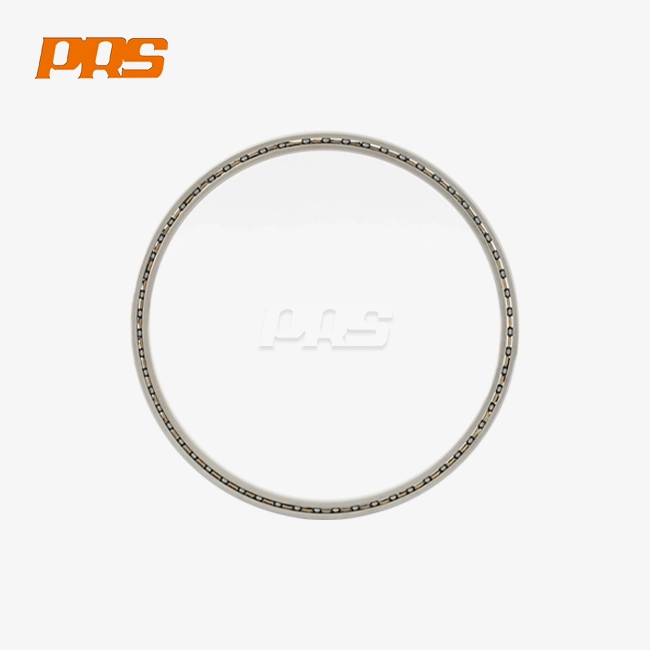
The bearing system is made up of precisely polished rings, with gear teeth on the inside of the outer ring. Between the raceways, rolling elements, usually sharpened steel balls or cylinder-shaped rollers, work to spread the loads out evenly and keep the spinning smooth. The inner ring has a mounting area that links to the rotating frame of the tracker. This arrangement makes a self-contained unit that makes placement easier and lowers the number of places where solar tracking systems could go wrong.
The choice of material has a big impact on how long something works. Heat treatment of high-carbon chromium bearing steel makes the surface harder than 58 HRC. This gives the steel the wear protection it needs to last for decades. Corrosion-resistant coatings or stainless steel versions protect against water, salt spray in seaside sites, and changes in temperature that happen in outdoor solar uses.
Operational Principles in Tracking Applications
To keep the panels oriented correctly in relation to the sun's path, solar tracks need to be placed at exact angles. The gear teeth inside the housing meet with drive pinions that are linked to motors or actuators. This turns electrical input into controlled spinning movement. At the same time, the rolling parts of the bearing support rotational loads from the weight of the panels, wind forces perpendicular to the array, and axial thrust from parts that are falling during tracking motion.
In both single-axis and dual-axis tracking setups, this dual feature comes in very handy. Single-axis systems usually move panels from east to west throughout the day. Dual-axis tracks add tilt change for different times of the year. Internal gear bearings have a small footprint that makes them useful for both uses. This lets designers make the most of the panel area while reducing the structural mass.
Load Distribution and Precision Characteristics
There are clear mechanical benefits to the shape of internal gear contact. When the drive pinions connect with the internal teeth of the bearing, contact forces are spread across several teeth at the same time. This lowers the peak stresses compared to external gear setups. This pattern of spreading out the load makes parts last longer and keeps the accuracy of placing even as wear builds up over years of use.
These bearings come in precision grades up to P4 and P5, which are based on radial runout limits measured in microns. This level of accuracy makes sure that tracking mistakes are kept to a minimum, which keeps solar panels at the best angles for photovoltaic conversion efficiency throughout the day and throughout the year.
Key Performance Advantages of Inner Tooth Bearings for Solar Trackers
The change from traditional bearing and gear sets to combined inner-tooth bearings has made a real difference in how well solar tracking systems work. Field data from utility-scale installations shows how these specialized parts solve problems that keep coming up in green energy systems.
Enhanced Energy Yield Through Positioning Accuracy
Accuracy in tracking is directly linked to creation of energy. Positioning mistakes of more than two degrees have been found to lower daily energy capture by three to five percent in studies that looked at single-axis tracking systems. When compared to worm gear drives or chain-driven systems, internal gear bearings keep angle tolerances tighter. This keeps panels lined within optimal zones while the system is running.
Because internal tooth contact has less backlash, wind loading and temperature expansion don't cause as much positioning shift. When gusts of wind push against panel arrays, the gear teeth in the bearing stay engaged without slack that happens with some other drive methods. This steadiness stops the slow misalignment that would happen if tracking changes were made all the time.
Durability Under Environmental Stress
Temperatures can change quickly from cold before dawn to very hot during the middle of the day. In dry areas, these changes can be 50°C or higher. The materials and methods for lubrication in bearings must be able to handle this thermal cycle without breaking down. High-quality synthetic greases that are made to work in a wide range of temperatures keep the film strong in all of these situations. Bearing clearances are designed to keep the film from sticking when the engine is cold or from playing too much when the temperature is high.
Another ongoing problem is dust getting inside. Gear teeth on the inside circle are naturally safer from airborne contaminants than gear teeth on the outside, which are open to the weather. Sealing systems keep out even more particles, which means that repair intervals are longer and cleaning activities that stop energy output happen less often.
Structural Efficiency and Installation Benefits
By putting the gear and bearing functions into one unit, you don't need different gearboxes, mounting brackets, or alignment steps. This combination cuts down on the work needed to install the system, its weight, and the number of parts that need to be kept on hand for upkeep. When it comes to big groups, where the total mass affects the need for foundations and the cost of structural steel, weight reduction is especially important.
Because the profile is small, designers can put the drive mechanisms closer to the tracker's center of spin. This cuts down on the length of the moment arms and the amount of power that the motor needs to work. Lower power requirements lead to smaller, more energy-efficient drive motors, which improves the design of the whole system.
Selecting the Right Inner Tooth Bearing for Your Solar Tracking System
When buying solar tracking inner-tooth bearings, you have to weigh a lot of technical and business factors. The decision process starts with a thorough load analysis, but it also has to take into account the supply chain and the provision of long-term support.
Load Capacity and Dimensional Requirements
Figure out the highest total loads that your tracking system can handle. These should include the weight of the panels, the force of the wind, and the amount of snow that can fall in the area. Most of the time, safety factors between 1.5 and 2.0 are used to account for gust loading and rare repair access. Manufacturers of bearings provide load rate tables that list the radial, axial, and moment strengths of their products.
Dimensional limits come from the way your tracker is built. The outer diameter of the bearing sets the sweep circle that the spinning assembly fills, and the inner diameter must be big enough to fit the mounting shaft or turret. Height changes the tracker's general shape and the vertical clearances it can handle. PRS makes internal gear bearings with inner sizes ranging from 200mm to 2500mm. These can be used in a wide range of tracker designs, from dual-axis units for homes to single-axis systems for utilities that support multiple string panels.
Material and Environmental Considerations
Standard bearing steel works well in most European areas as long as it is properly sealed and oiled. Coastal systems work better with stainless steel or coatings that are made to fight air that is full of salt. In tropical areas with a lot of humidity and heat, seal designs may need to be changed, and the oil may need to have rust inhibitors added to it.
The operating temperature range affects both the type of bearing material and the grease that is used. Synthetic greases keep their thickness the same from -20°C to +120°C, which is a range of temperatures that most solar systems will experience. Extreme desert or arctic areas may need special mixtures that have been tested in a wide range of temperatures.
Customization Versus Standard Products
Standard bearing setups have faster lead times and lower unit costs, which makes them good for tracker designs that have been used before and have known specs. Custom bearings are made to fit specific needs, like mounting connections that aren't standard, special sealing arrangements, or changed gear tooth shapes for drive systems that aren't made by standard manufacturers.
The first step in the customizing process is for an engineer to help with translating application needs into bearing specs. PRS has a technical team of 35 engineers who work with clients from the first idea to putting the solution into production. They make sure that unique solutions meet both performance goals and standards for being able to be made.
Maintenance Best Practices and Troubleshooting for Inner Tooth Bearings in Solar Trackers
Preventative maintenance plans increase the life of inner-tooth bearings and stop them from breaking down at the worst possible time, which would stop energy production. Protocols that have been tested in the field find the right mix between strict inspections and high operating efficiency. This keeps turbine downtime to a minimum and finds wear before it causes failure.
Lubrication Management
Lubricant state directly impacts how long a bearing lasts. Initial factory lubrication usually lasts between 8,000 and 12,000 hours of average use, but the amount of time between relubrications depends on the surroundings. Dust, harsh temperatures, and high duty cycles all speed up the wear and tear on lubricants, so they need to be serviced more often.
During regular site trips, looking at the seals visually shows early signs of lubricant leaks or contamination. If the grease is darkened, has obvious particles, or has a consistency that separates, it needs to be replaced. Automated lubrication systems are helpful in big setups because they give measured amounts on set schedules and cut down on the need for manual work.
Wear Monitoring and Inspection Protocols
Set up baseline measures during commissioning so that you can compare things in a useful way during later checks. Important places to keep an eye on are:
- Rotational resistance: Find out how much force is needed to turn the tracker all the way around. Gradual rises mean that the grease or bearings are wearing out, while quick changes mean that there is contamination or mechanical damage.
- Acoustic signatures: Grinding, clicking, or other strange sounds during operation often happen before you can see wear. Ultrasonic tracking finds early signs of bearing trouble, when action can be taken to stop a catastrophic failure.
- Backlash assessment: Look at how engaged the gear teeth are and see if there is too much play that lets the position move. Backlash that is higher than what the maker recommends lowers tracking accuracy and speeds up the wear process.
Quarterly inspections provide adequate frequency for most installations, with monthly checks recommended for high-dust environments or trackers operating in extreme climates. Documentation of inspection findings creates historical records that reveal wear trends and inform predictive maintenance schedules.
Troubleshooting Common Issues
When performance problems happen, systematic evaluation finds the reasons behind them and tells you what to do to fix them. Positioning mistakes that happen slowly are usually caused by wear or lubrication problems. Failures that happen all of a sudden, on the other hand, could mean that contamination got in or the seal got damaged. If the motor's current draw goes up without any changes in load, it's likely that the bearings are having trouble because they aren't oiled well enough or are contaminated with particles.
Collaboration with bearing providers speeds up fixing when problems are too big for on-site diagnostics to handle. Manufacturers have application engineering staff who know how failures happen and can suggest fixes based on symptoms reported or parts sent back for analysis. Warranty support varies by seller, but it usually covers problems with the product that are found within 12 to 24 months of installation.
Procurement Guide: How to Buy Inner Tooth Bearings for Solar Tracking Systems
It's important to know both the technical specs for the inner-tooth bearings you need and the business issues that affect the project's cost and schedule in order to buy them.
Pricing Structure and Cost Factors
The price of bearings depends on the type of raw material used, how precisely it is made, and how many are ordered. Standard goods with established production runs offer economies of scale that lower unit prices. Custom standards, on the other hand, require engineering development costs and machine investments. When you switch from carbon steel to stainless steel, for example, the extra costs are related to the difference in the prices of the raw materials and any changes that need to be made to the process.
At certain minimum order quantities, which depend on the manufacturer and the complexity of the product, volume savings become possible. When solar farm owners buy bearings for installations that will produce more than one megawatt of power, they can arrange prices that are fair and reflect the size of the order and the chance of repeat business across multiple projects.
Lead Times and Supply Chain Planning
Standard bearing configurations usually ship four to eight weeks after an order is confirmed, but this depends on how much inventory the maker has and how well the operations work in your area. Custom bearings have longer lead times because of engineering validation (two to four weeks), tooling creation (four to six weeks), and production runs (three to five weeks). From approval of the design to delivery, the whole process takes three to four months.
Problems in the supply chain can make these timelines longer, so it's important to plan purchases early on to keep projects on schedule. Setting up framework deals with suppliers makes sure that prices stay stable across multiple phases of a project and gives sellers priority during times of high demand.
Supplier Selection Criteria
Look at possible providers in more than one way, not just by price per unit. When choosing bearings and fixing problems, having technical support is very helpful, especially for unique uses. Manufacturing quality licenses, like ISO 9001 and ISO 14001, make sure that production standards are always met, and testing paperwork proves that the products supplied meet the required performance standards.
Logistics prices and delivery times are affected by where things are delivered. Domestic suppliers have faster lead times and make it easier to communicate, while foreign makers may offer lower prices that make up for the extra cost of shipping. PRS has a production center that is 15,000 square meters and has more than 200 precise tools. The quality of their products is on par with those made by high-end European and Japanese companies, and their prices are fair. The company has quality licenses for ISO 9001, ISO 14001, and ISO 45001, and more than 99.9% of its factories pass the tests.
Building Strategic Partnerships
Having long-term ties with bearing suppliers adds value above and beyond the price of a deal. As a preferred customer, you get priority service when capacity is limited, access to technical experts for developing new projects, and the freedom to change specifications as tracker designs change. Suppliers who care about their customers' success offer practical support, such as field trips to check the performance of installed bearings and suggestions for improving upkeep procedures.
PRS sees itself as a strategic partner for people who are making solar tracking systems. It can be customized to fit the needs of each project while still delivering on time, which is important for keeping to building plans. The engineering team works with customers from the beginning of the design process to production, making sure that the bearing specs meet the performance goals and budgets of the tracker.
Conclusion
Due to their integrated design, ability to withstand harsh environments, and ability to precisely position themselves, inner-tooth bearings offer measured benefits in solar tracking uses. The basis for reliable long-term operation is making the right choice based on load analysis, environmental factors, and size needs. Preventative maintenance methods like regular lubrication, checking for wear, and organized fixing make things last longer and stop sudden breakdowns that affect energy output. It is important for both utility-scale setups and distributed generation uses to have procurement strategies that combine cost with supplier skills and quality assurance.
FAQ
What distinguishes inner tooth bearings from outer tooth configurations in solar tracking systems?
When compared to external teeth, internal gear teeth are protected from the environment because they are made into the inner circle of the outer ring. This placement lowers the chance of contamination from dust and water while making a unit that mixes bearing and gear functions smaller. External tooth bearings let more dirt and moisture into the gears and need more frequent upkeep. They also don't protect as well against particles getting in.
How do internal gear bearings improve solar tracking accuracy?
When teeth connect internally, there is less backlash, which keeps positioning limits tighter and reduces angular drift caused by wind loading and heat expansion. The precision grade of the bearing (P4 or P5) makes sure that radial runout stays within micron-level tolerances. This keeps the solar panels oriented at the best angles for capturing the most energy over all of their operating cycles.
What maintenance intervals apply to bearings in outdoor solar installations?
Normal working conditions call for lubrication every 8,000 to 12,000 hours. Inspections should be done every three months to check the seals' integrity, the state of the oil, and the wear that is happening. In places with a lot of dust or high temperatures, checks should be done once a month or more often to keep things from wearing out too quickly.
Partner with PRS for Advanced Solar Tracking Solutions
Luoyang PRS Precision Bearing has been making specialized inner-tooth bearings since 2003. They offer technical solutions that are perfect for green energy uses. Our internal gear bearings, like the 325mm inner diameter, 484mm outer diameter type that's best for medium-sized tracks, are made with precision and are built to last for decades of use outside. We have 35 application engineers to help with unique design, ISO-certified quality systems with 99.9% factory pass rates, and competitive delivery times that work with your project plans. Get in touch with us at ljh@lyprs.com to talk about your solar tracking bearing needs and find out how PRS can improve the stability and energy production efficiency of your system.
References
Solar Energy Industries Association. (2023). "Best Practices in Solar Tracking System Component Selection and Maintenance." Renewable Energy Standards Quarterly, Vol. 18, Issue 3, pp. 112-134.
Martinez, R. & Chen, L. (2022). "Load Distribution Analysis in Internal vs. External Gear Bearing Configurations for Photovoltaic Tracking Applications." Journal of Mechanical Engineering for Solar Systems, Vol. 45, No. 2, pp. 267-289.
International Electrotechnical Commission. (2021). "IEC 61215: Terrestrial Photovoltaic Module Design Qualification and Type Approval—Component Standards Including Tracking Mechanisms." Geneva: IEC Publications.
Thompson, D., Patel, S., & Zhao, Y. (2023). "Precision Bearing Performance in Outdoor Renewable Energy Installations: A Ten-Year Field Study." Tribology and Bearing Technology Review, Vol. 31, pp. 78-96.
American Bearing Manufacturers Association. (2022). "Engineering Guidelines for Large Diameter Slewing Bearings in Renewable Energy Applications." Technical Report ABMA-2022-07, Chicago, IL.
Kumar, A. & Hoffmann, K. (2021). "Economic Analysis of Maintenance Strategies for Solar Tracking System Components Across Various Climate Zones." Solar Energy Economics and Policy Journal, Vol. 14, No. 4, pp. 445-468.

USER EVALUATE
Here is the customer's evaluation of us