
Optimizing robot arm bearing for Articulated Motion
Selecting the right robot arm bearing transforms how articulated robots perform in industrial settings. These precision components reduce friction between moving segments while maintaining exact positional accuracy during complex operations. Engineers designing automation systems face increasing demands for higher repeatability and extended service intervals, making bearing quality a decisive factor in production outcomes. Modern articulated robots require bearings that deliver consistent performance across varying speeds, load conditions, and environmental challenges, directly influencing cycle times and operational costs.
Understanding Robot Arm Bearings and Their Role in Articulated Motion
Articulated robots can move smoothly along multiple axes thanks to robot arm bearings at each joint. These parts support loads while minimising resistance that could affect accuracy. They are the mechanical base for every turn.
Defining Bearing Functions in Robotic Joints
Bearings in articulated systems do three things at once: they support the radial and axial forces that are created during motion, they keep the linked pieces lined up, and they control friction to lower energy loss. Base joints usually have to deal with stronger rotational loads from the whole arm structure. Wrist systems, on the other hand, handle complex multidirectional forces with little backlash. The rolling elements between the inner and outer races spread the loads evenly, which makes spinning smooth and with a lot less resistance than slide contact options.
Common Bearing Types for Articulated Applications
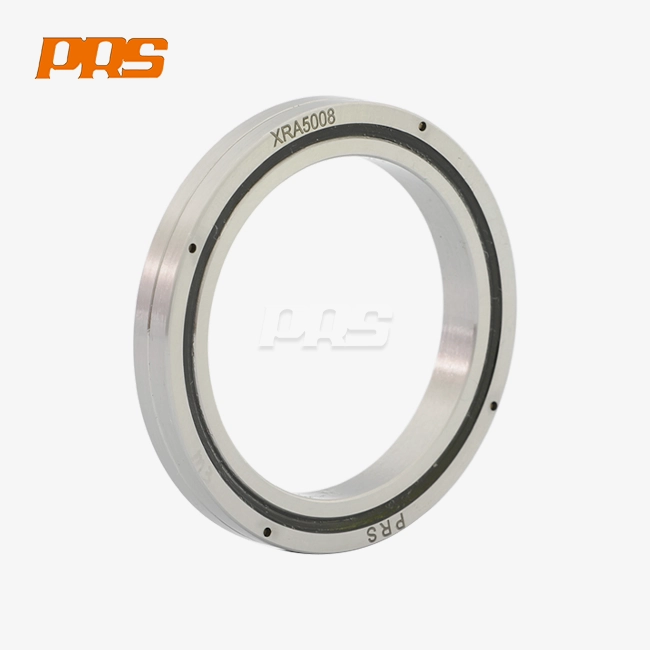
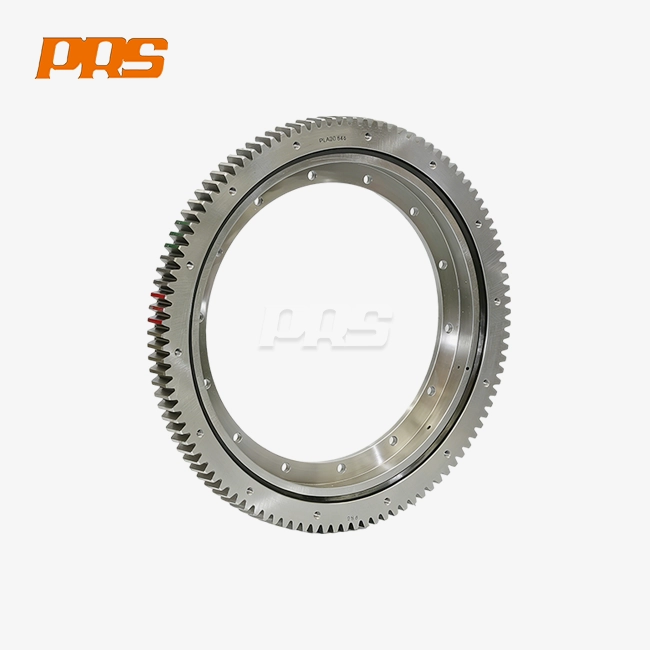
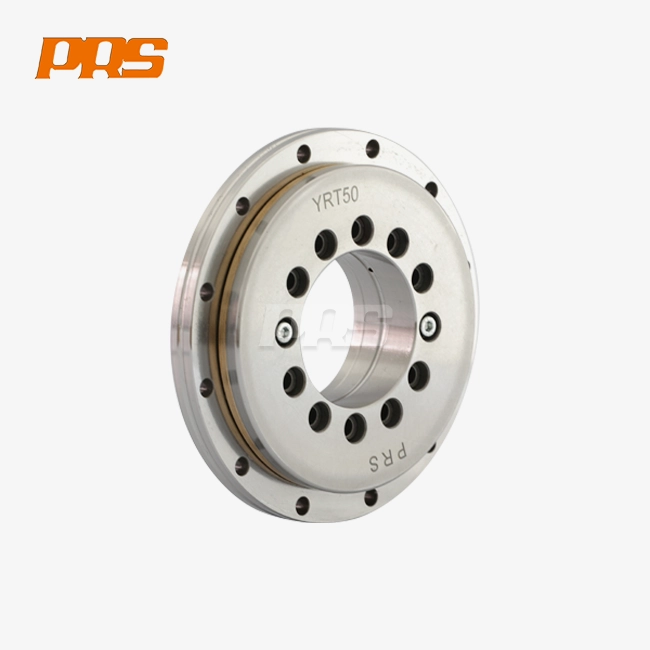
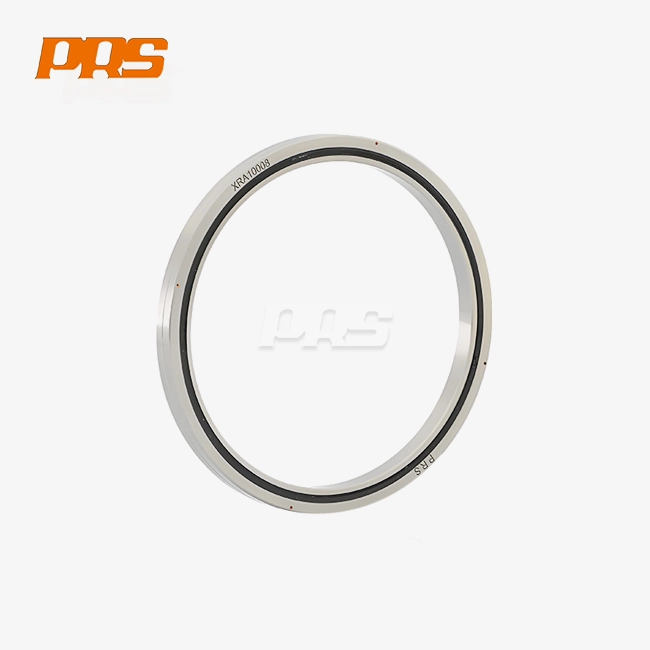
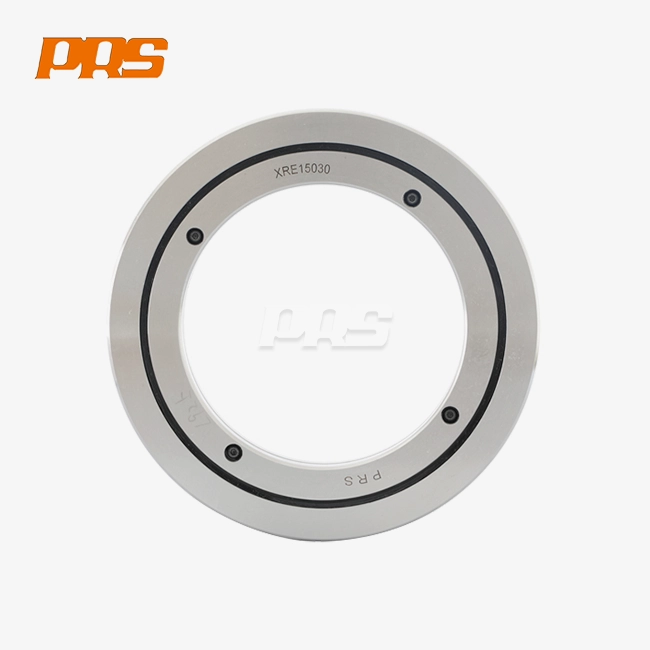
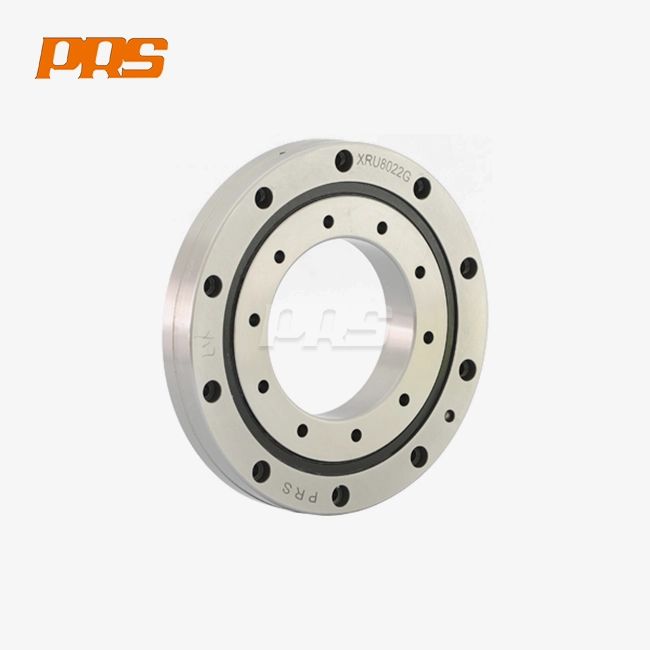
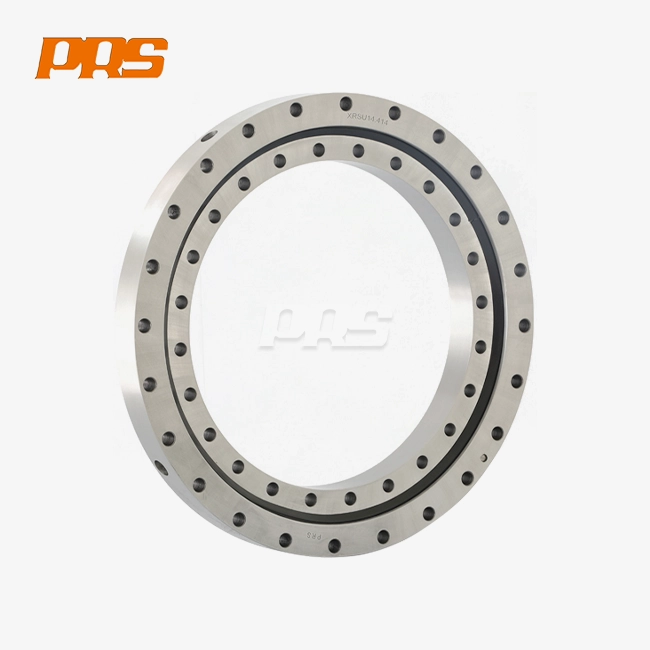
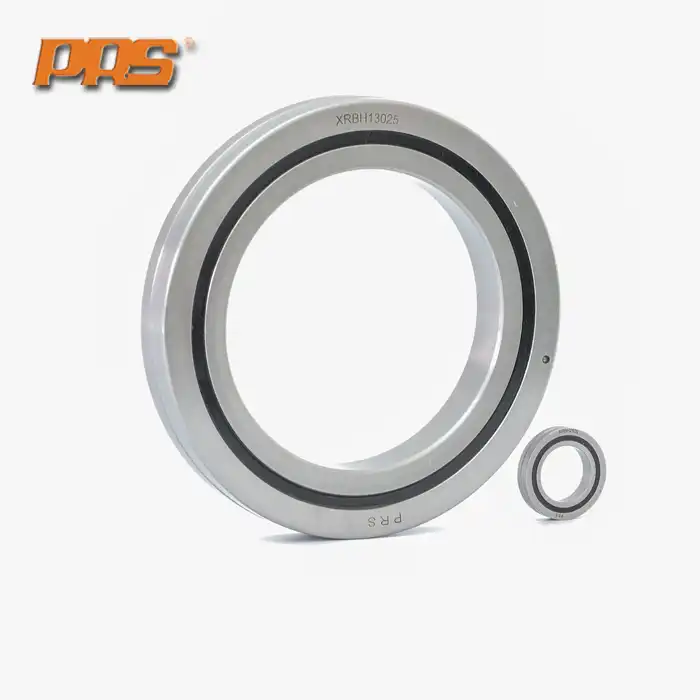
Different joint locations need different types of bearings. Crossed roller bearings put cylindrical parts at right angles to each other, giving them great rigidity and load capacity in small sizes that are good for wrist assemblies. Angular contact ball bearings have contact angles that are optimised to handle mixed loads well while keeping tight limits. Thin-section ball bearings are great for situations where designers don't have a lot of room because they decrease weight and envelope size without losing strength. Figuring out which setup fits your joint's needs will keep it working well and prevent premature wear.
Key Performance Parameters Affecting Robot Efficiency
How well your robotic system repeats preset moves is directly related to precision grades, load ratings, and operational tolerances. PRS makes bearings with tolerances of P4 and P2, which means that even after millions of rotations, the placement accuracy stays within micrometres. How well bearings handle peak forces during acceleration phases without deflection depends on how the loads are distributed. The amount of energy used and the amount of heat produced are both affected by friction coefficients. New surface treatments can lower resistance levels. Backlash specifications control how much free play there is when the direction of motion changes. This is very important for tasks that need to follow a precise path or for assembly tasks where mistakes add up across many joints.
Common Challenges in Robot Arm Bearings and How to Solve Them
Bearings in industrial settings are exposed to conditions that slowly lower their performance if they are not chosen and maintained properly.
Identifying Root Causes of Bearing Failure
Wear patterns come from many places, and engineers have to look at them when they are designing. When real forces are higher than stated limits, this is called mechanical overload. It wears out rolling elements and races too quickly. Over time, cyclic stress can cause material wear, even when the loads are within the rated limits. Even when sealing measures are taken, abrasive wear is sped up by contamination from dust, moisture, or process debris. Misalignment or improper mounting torque are examples of installation errors that cause stress concentrations that shorten service life. Metal-to-metal contact can happen when lubrication breaks down because of too little time between applications or the wrong choice of oil.
Design Principles Enhancing Bearing Longevity
Choosing the right materials is the first step in making sure that a bearing will last. Chrome steel is a good choice for standard industrial uses because it is both hard and cheap. Stainless steel, on the other hand, doesn't rust in food processing or cleanrooms. Ceramic hybrid bearings are lighter and less likely to cause friction in high-speed operations that need more frequent maintenance. Contamination can't get in because of sealing technology, and PRS double-sided seals offer strong security in tough industrial settings. Heat treatment methods make sure that the qualities of materials are the same from one production batch to the next, which has a direct effect on how predictable performance is.
Measurable Benefits from Proper Problem Resolution
Manufacturing companies that use optimised bearing systems say they see measurable gains. When the right robot arm bearings replace undersized or incorrect configurations, maintenance intervals are increased by 40 to 60 percent. As vibration levels level off, unplanned downtime goes down, and placement accuracy stays the same over repair times. When friction ratios go down through new materials and lubricant techniques, energy use goes down in a measurable way. These improvements to operations lead to a lower total cost of ownership, even though the initial cost of some parts may be higher.
Selecting the Best Robot Arm Bearings for Articulated Motion
To properly specify robot arm bearings, you have to balance a lot of technical and business factors that affect how well they work and how much they cost.
Balancing Load Capacity and Precision Requirements
The type of load your bearings must handle depends on where the joint is located. Crossed roller configurations give base assemblies that support the full weight of an arm the most rigidity in the smallest space. Shoulder joints that are subjected to both radial and moment loads work best when they have angular contact arrangements. Precision ball bearings with tight tolerances work best in wrist assemblies that value precise positioning over raw load capacity. PRS has bearings with inner diameters ranging from 20 mm to 600 mm, so they can be used in a wide range of robotic designs, from shared models to heavy industrial manipulators.
Material Considerations for Operational Environments
The factors of the application decide which materials are best. In factory settings that keep the temperature between -20°C and +120°C, standard chrome steel works reliably. For use in cleanrooms where semiconductors or medical devices are made, stainless steel versions are needed to keep particles from getting into the air. When actions happen quickly, heat is created. Ceramic hybrid bearings successfully get rid of this heat while keeping their shape. By knowing the specific problems you face in your environment, you can be sure that the materials you choose will work well in those conditions instead of just meeting general requirements.
Sealing Options and Maintenance Implications
Sealed bearings have safety covers that keep dirt and dust out, which means they don't need to be serviced as often in dirty or humid places. This configuration works well in places where technicians have trouble getting to maintenance areas or where relubrication needs to happen often, which throws off production schedules. Open bearings are easy to check and set for lubrication, but they need to be serviced more often. PRS double-sided seals are good for most industrial automation settings where regular service access is still possible because they combine protection with operating freedom.
Supplier Reputation in Component Quality Assurance
Differences in the quality of bearings made by different companies have a big effect on their long-term dependability. Controlled heat treatment and inspection methods help well-known brands keep the properties of their materials uniform. For applications requiring high precision and smooth motion, robot arm bearing solutions must meet strict performance requirements, and PRS achieves 99.9% factory pass rates by testing everything thoroughly before shipping, such as checking for vibrations, measuring clearances, and making sure the torque is correct. Certifications like ISO 9001, ISO 14001, and ISO 45001 show that quality management is routine, not just based on results from one batch. When procurement teams choose manufacturers with documented process controls and traceable material certifications, they lower the risks in the supply chain.
Maintenance and Installation Best Practices for Maximizing Bearing Performance
By following the right installation steps and preventative maintenance schedules, you can make sure that bearings last longer and keep performing at the same level throughout their operational periods.
Step-by-Step Installation Guidelines
How well and how long a bearing lasts depends on how accurately it is mounted. Thoroughly clean all areas that touch, getting rid of any protective layers or dirt that makes contact uneven. Check that the tolerances on the housing bore and shaft dimensions match the bearing specifications to avoid too much interference or not enough retention. Use the right tools to spread the mounting force evenly across the bearing faces and avoid hitting them in a way that damages the rolling elements or races. After fitting, check the spinning smoothness and look for binding or rough spots that could mean the part isn't aligned correctly. If the installation is done right, it will not fail early, which is something that maintenance teams often mistake for manufacturing flaws.
Lubrication Methods Extending Service Life
The type of lubricant used and how often it is used have a direct effect on the amount of friction and wear. Most articulated robot tasks can be done with grease lubrication, which gives consistent performance with little maintenance needed. Choose lubricants that are the right viscosity for the temperature range and speed range you need to work in. How often you need to re-oil depends on the job cycle. Applications with a lot of speed or weight need more frequent attention. The PRS technical standards give operators a starting point for repair schedules that they can then change based on real working conditions and the results of regular inspections.
Inspection Protocols for Early Wear Detection
Routine tracking finds problems as they start to appear before they become so bad that they stop production. Temperature readings can find situations where there is too much contact because of worn-out grease or overloading. Vibration research shows how robot arm bearings wear, with rising amplitudes showing worsening over time. During routine maintenance, visual checks find any damage to the seals or entry points for contaminants that need to be fixed. As wear goes on, the noise traits change, and strange sounds require close inspections. By letting you replace parts before they break during regular maintenance windows, systematic inspection procedures cut down on unplanned downtime.
Troubleshooting Noise and Vibration Issues
Finding the root causes of strange bearing behaviour requires a thorough analysis. If you hear grinding sounds, it's likely that there is contamination between the rolling elements and races. This means that you need to change the bearing and find the source of the contamination. Uneven wear patterns could be caused by misalignment or not enough lubrication if there is rhythmic shaking that happens at the same time as spinning. Binding that happens sometimes during spinning could be caused by race damage or changes in size caused by too much heat. Taking care of these symptoms right away stops damage from spreading to nearby parts and mounting structures, which lowers the total cost of repairs and shortens the time they are unavailable.
Procurement Strategies for Robot Arm Bearings in B2B Industrial Applications
Strategic buying methods balance the quality of the parts, the dependability of the supply chain, and the total cost, which includes more than just the original purchase amount.
Selecting Trusted Distributors and Direct Manufacturers
The structure of the supply chain affects the availability of parts and the ease of getting technical support. Direct connections with manufacturers let engineers help with custom uses and making specifications better. Distributors let you order a lot of different kinds of parts at once, but they might make it harder to get to specific technical resources. PRS is a company that can both make things and help customers quickly. They offer both standard catalogue items and custom solutions for specific needs. Checking the technical depth of a supplier stops design mistakes that hurt system performance or need pricey changes.
Leveraging Volume Purchasing Benefits
Both unit costs and delivery options are affected by the number of orders. When you buy in bulk, the price per unit goes down, and you can be sure that you have enough inventory for planned repairs and unplanned breakdowns. Procurement teams have to weigh the benefits of volume prices against the costs of meeting minimum order standards that affect storage and cash flow. Setting up framework deals with predictable yearly amounts lets you set your own prices and give your production more importance. PRS has a large inventory that allows for quick shipping, and they can also make custom designs for unique uses that need non-standard sizes or materials.
Warranty Terms and After-Sales Support
Service agreements protect against faulty parts and offer technical support for the whole lifecycle of a product. High-value robotic systems have lower overall cost risks when they come with guarantees that cover both material and manufacturing flaws. Having access to technical support makes it easier to fix problems during installation and make maintenance procedures more effective based on how the system is actually being used. When initial orders don't match application requirements, expensive delays happen because of return policies for wrong specs. By looking at these terms when choosing a seller, you can be sure that you will be protected after the original purchase.
Logistics Considerations for Timely Delivery
How the parts are shipped and how well they are packed affect their condition when they arrive and how well the project stays on schedule. Fast shipping choices meet urgent replacement needs and keep output from stopping because of unexpected problems. Protective packaging keeps handling damage from happening during shipping, which is especially important for precision bearings that lose performance when they get hit. International suppliers have longer lead times, which must be taken into account in procurement planning by keeping enough safety stock on hand. Professional packing services from PRS look at shipping routes and environmental conditions to figure out the best way to protect each shipment for its trip.
Conclusion
To choose the best robot arm bearings for flexible motion, you need to carefully look at the technical specs, the working conditions, and the supplier's skills. Knowing how different types of bearings, materials, and precision grades affect how well a robot works lets you make smart choices that boost output and lower repair costs. The service life is extended by following the right installation procedures and preventative maintenance schedules, and the accuracy is maintained during operating times. Strategic approaches to buying things that balance quality, availability, and support resources make supply chains that can keep industrial automation operations running.
FAQ
What factors most significantly affect bearing lifespan in robotic applications?
How long a bearing lasts depends on how it is loaded, how well it is oiled, and the elements of its surroundings. Operating bearings within their rated limits keeps them from wearing out too quickly, and using the right lubricant and changing it at the right times keeps friction wear to a minimum. In dusty or humid places, sealing well against contamination increases the service life. Accurate installation and regular inspection protocols also play a big role in meeting expected operational durations.
Do ceramic bearings provide meaningful noise reduction compared to steel alternatives?
Because they have lower friction coefficients and better surface finish qualities, ceramic hybrid bearings usually cut noise levels by 3 to 6 decibels compared to all-steel types. How much better things are depends on how fast they are running and how much load they are under. In general, faster applications see bigger improvements. Because of the cost, you need to figure out if the better sound quality supports the higher price for certain uses.
How frequently should maintenance teams inspect bearings in production robots?
How often you inspect depends on how hard the job cycle is and where the machine is used. Robots that work multiple shifts in dirty environments should have full inspections once a month. Robots that work in clean environments and have moderate job cycles should have inspections every three months. Condition-based maintenance plans that are based on real wear rates instead of random time periods can be made possible by monitoring temperatures and analysing vibrations.
Partner with PRS for Precision Robot Arm Bearing Solutions
Luoyang PRS Bearing can help you with your articulated motion problems because they have been making specialised parts for over 20 years. Our 15,000 m² facility has high-tech, precise machinery that makes bearings with inner diameters ranging from 20 mm to 600 mm. The P4 and P2 tolerance grades guarantee accuracy down to the micron level. An engineering team of 35 experts works full-time to support applications for both regular catalogue items and custom setups that meet specific needs. Contact our team at ljh@lyprs.com to talk about how PRS solutions can lower your total cost of ownership while improving operational reliability. We are a reliable supplier of robot arm bearings that can deliver quickly from a large inventory.
References
1. International Federation of Robotics (2022). "World Robotics 2022 - Industrial Robots Report." Frankfurt: IFR Statistical Department.
2. Harris, T.A. and Kotzalas, M.N. (2006). "Advanced Concepts of Bearing Technology: Rolling Bearing Analysis, Fifth Edition." Boca Raton: CRC Press.
3. Holmberg, K. and Erdemir, A. (2019). "The impact of tribology on energy use and CO2 emission globally and in combustion engine and electric cars." Tribology International, 135: 389-396.
4. ISO 281:2007. "Rolling bearings - Dynamic load ratings and rating life." Geneva: International Organization for Standardization.
5. Weck, M. and Brecher, C. (2006). "Machine Tools Production Systems 4: Automation of Machine Tools and Production Systems." Berlin: Springer-Verlag.
6. Tong, V.C. and Hong, S.W. (2016). "Characteristics of tapered roller bearing subjected to combined radial and moment loads." International Journal of Precision Engineering and Manufacturing, 17(12): 1569-1575.

USER EVALUATE
Here is the customer's evaluation of us