
Load Capacity Considerations for Slim Bearing Designs
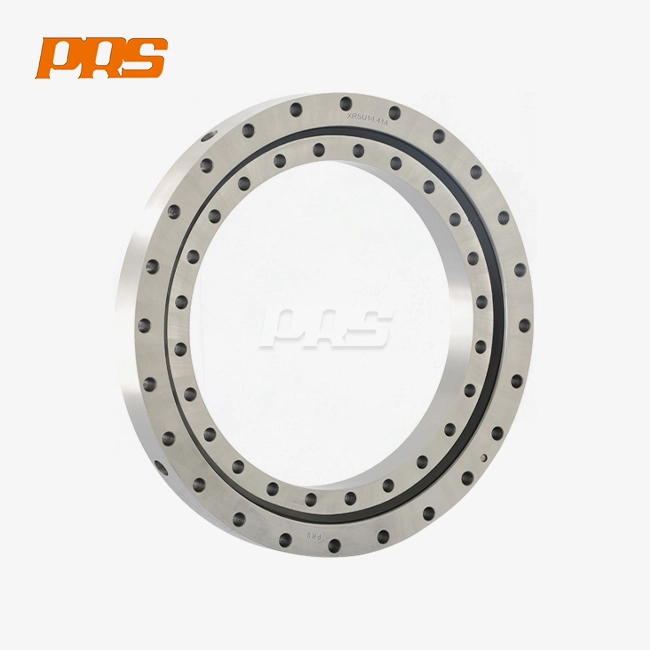
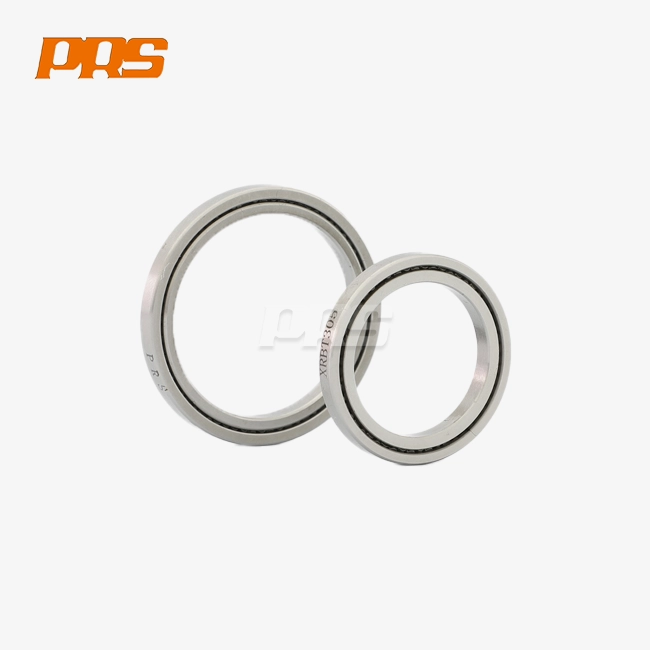
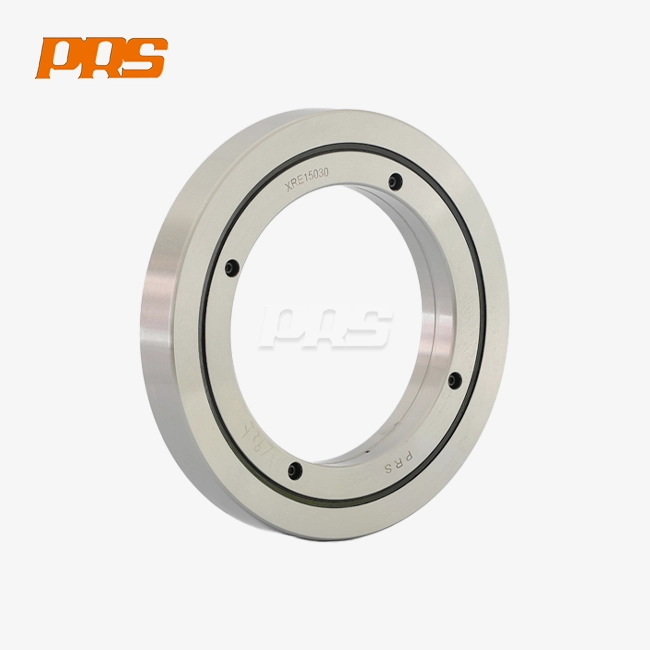
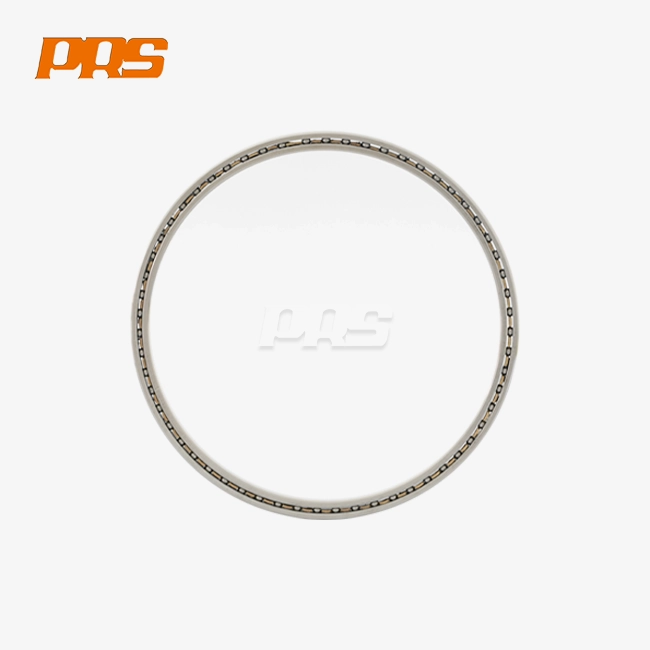
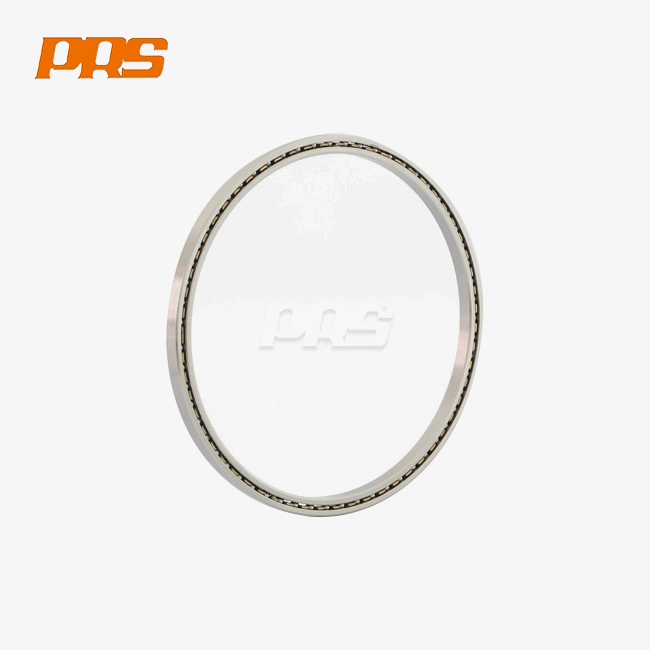
When choosing accurate parts for machinery that doesn't have a lot of room, knowing the load capacity is very important to the project's success. Specialized precision parts called slim bearings are made with very thin cross-sections (usually 5mm thick), but they can still handle heavy loads well despite their small size. These bearings can handle radial, axial, and moment loads at the same time, and they take up 50–70% less room along the axis than other options. Load capacity factors include dynamic and static rates, material integrity, geometric optimization, and operating parameters. Together, they tell you if these small parts can meet the mechanical needs of your application without lowering their reliability or service life.
Understanding Load Capacity in Slim Bearings
Load capacity is the most force that a bearing can handle while still staying stable in its dimensions and rotating precisely. This basic requirement tells the difference between components that work well and those that might break down too soon when put through their paces.
Dynamic Versus Static Load Ratings
Dynamic load capacity is the amount of force that a bearing can handle while it is rotating continuously for a set amount of time, which is usually one million turns. The highest load that a bearing that is stable or slowly oscillating can hold without permanently deforming its raceways or rolling elements is called its static load capacity. Thin-section bearings with 5mm thickness profiles have amazing dynamic ratings thanks to improved ball spacing and raceway geometry. However, these ratings are different from normal bearings that are thicker. When there is constant motion, like in robotic joint systems or CNC rotary tables, engineers give dynamic scores. When indexing systems or positioning steps stay still under load for a long time, static scores are very important for slim bearings.
Geometric Factors Affecting Load Distribution
The ultra-slim shape changes the way forces are distributed across bearing parts in a basic way. Contact pressures are concentrated in smaller cross-sectional areas when the thickness is reduced, so accurate raceway curvature estimates are needed. It's especially important to look at the ball's width in relation to the raceway's measurements. Bigger balls within the limited space help spread the load, but they also limit the number of balls that can be used. The geometry of the contact angle determines whether the bearing can handle radial forces, axial pressure, or a reasonable mix of the two. Four-point contact designs with gothic-arch raceways touch moving elements in four different places. This lets a single bearing handle loads that are applied in different directions, which would normally need two separate parts.
Material Strength and Metallurgical Considerations
High-quality bearing steel that has been heated in a certain way gives it the strength and toughness it needs to hold loads reliably. The material has to be able to keep its shape even when the temperature changes and not wear down on the surface from repeated contact pressures. Advanced metallurgy makes sure that the hardness curves of all bearing surfaces are the same. This stops weak spots from forming in certain places that could cause spalling or cracking when the load is applied and removed over and over again. In some situations, mixed designs that use ceramic rolling elements can be more useful. These have lower densities and higher stiffnesses than steel balls, but they also have different load capacities.
Environmental and Operational Parameters
The operating temperature for slim bearings has a direct effect on the features of the material and the viscosity of the lubricant, which in turn affects the useful load capacity. When temperatures are high, bearing steel gets a little softer, which limits the loads that can be put on it. When temperatures are very low, brittleness risks go up. Through centrifugal forces working on rolling elements, rotational speed affects load capacity. Faster speeds create outward forces that lower the bearing's usable load capacity. When figuring out safe working loads, vibration, shock loading, and misalignment are some of the other stress factors that must be taken into account. Particles or wetness that get into the system speed up the wear patterns, making it less able to handle loads over time.
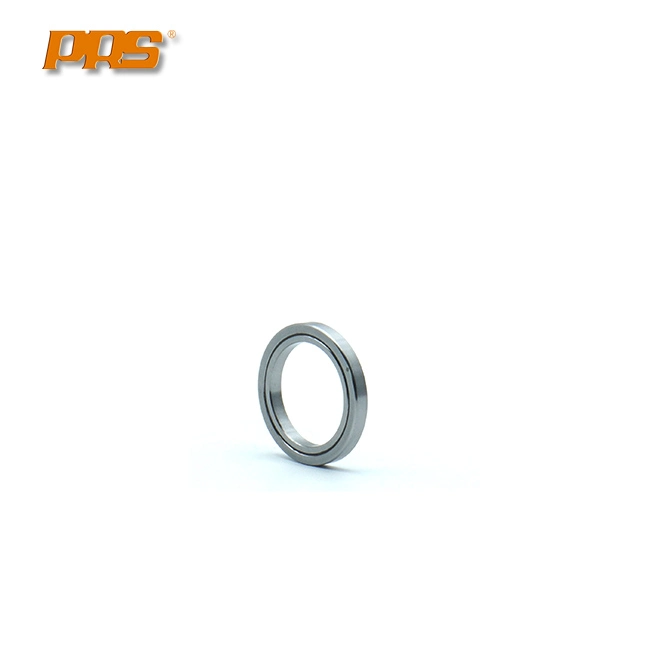
Design Features Influencing Slim Bearing Load Capacity
The way thin-section bearings handle loads within limited dimensions is directly affected by the engineering advances that go into making them. These features are technical decisions that were made on purpose to save room while still meeting practical needs.
Dimensional Constraints and Cross-Sectional Optimization
The 5mm thickness requirement is a carefully thought-out minimum that protects structure integrity while making the best use of room. The thickness of the ring wall must be stiff enough to keep it from bending under load while still allowing for fastening features. The shapes of the inner and outer rings keep building loads away from the raceway surfaces that are most important. Engineers use finite element models to find areas of high stress and then change the joint radii and wall shapes to match. The end result has the highest load capacity in the smallest size possible.
Ball Complement and Spacing Strategy
The load capacity is largely affected by the amount and order of rolling parts. Loads are spread out over more contact points with a larger ball complement, which increases static capacity but may also increase friction. The best spacing combines the distribution of load with the smoothness of spinning. Precision production lets ball sizes be controlled to within a few microns, which makes sure that all rolling parts share the load evenly. When they're working, cage designs keep the balls far enough apart so that they don't touch each other, which would lower the load capacity and cause too much wear.
Material Selection Trade-offs
For different types of loads, different material standards offer clear benefits. For most uses, standard high-carbon chrome bearing steel is both cost-effective and very good at resisting wear. Stainless steel versions offer the corrosion protection needed in medical and sterile settings, but they can only hold a little less weight. When reducing rotational inertia is more important than precise load capacity, hybrid ceramic choices are better because they reduce bearing weight while increasing stiffness. Each material choice is an intentional improvement for a specific set of application objectives.
Advanced Sealing and Lubrication Systems
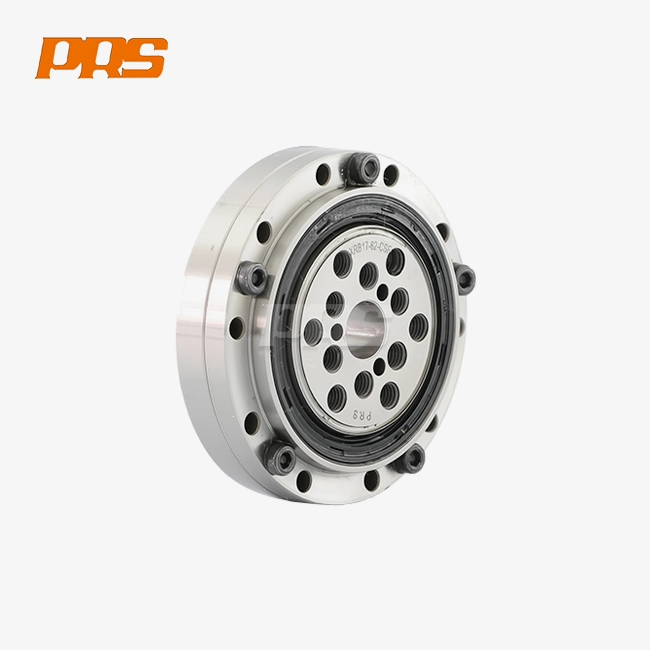
Double-sided sealing arrangements for slim bearings keep oil in the bearing and keep interior parts safe from dirt and other contaminants. The shape of the seal must keep things out without causing too much friction, which would lower performance or make heat. When lubrication is done right, a protected film stays between the rolling elements and the raceways. This spreads contact pressures over very small surface areas instead of letting metal touch metal. Choosing the right grease affects the range of working temperatures, the speed that can be reached, and the maximum load that can be sustained. These design ideas are built into PRS slim bearings through precise manufacturing methods that have been improved over 20 years of specializing in making thin-section bearings.
Practical Tips to Maximize Load Capacity and Performance in Slim Bearing Applications
To get the stated load capacity, you need to pay attention to the installation methods, operating conditions, and upkeep schedules that keep the bearings in good shape for as long as they are used.
Precision Installation Procedures
When something is mounted correctly, stress spots that quickly lose their ability to handle load are avoided. To keep rings from distorting, mounting surfaces must be flat within certain limits, which are usually a few microns for precision uses. The shaft and housing sizes need to fit properly. If they are too tight, the bearing will experience too much preload, which will lower its capacity. If they are too free, the bearing will become misaligned when it is loaded. Instead of focusing forces at a few places, installation tools should apply even pressure around the bearing's edge. Handling damage to precision-ground surfaces can be avoided by using installation methods that control temperature by heating or cooling the surface.
Alignment and Preload Management
When the shaft and case are not lined up correctly, moment loads are created that use up the load capacity cushion and speed up wear. Thin-section bearings usually have alignment errors between 2 and 5 arc minutes, but this can change based on the application's need for accuracy. The best way to distribute load across rolling parts while keeping movement smooth is to use the right preload for slim bearings. Too much loading creates internal forces that aren't needed, which lowers the capacity that can be used for external loads. If there isn't enough preload, there is internal space, which causes contact loading and vibration. Manufacturers give specific preload suggestions based on the type of bearing and the purpose it will be used for.
Systematic Maintenance and Monitoring
Through regular inspection programs, early warning signs of capacity loss are found before they lead to fatal breakdowns. Vibration analysis finds surface flaws or lubrication breakdowns that are starting to form. Temperature tracking shows that there is too much contact because of dirt or not enough lubrication. Regular relubrication stops the lube from running out, which would leave surfaces vulnerable to damaging metal-on-metal contact. Operating condition logs keep track of total loads and cycles, which lets you plan maintenance based on how long the parts are expected to last instead of just picking random times.
Customization Opportunities
Standard stock bearings work well in many situations, but situations with heavy loads might benefit from technical changes. Suppliers of bearings can change the internal shapes to make sure that loads are distributed most efficiently for certain force profiles. In settings with high temperatures or corrosion, replacing materials may improve performance. Custom seal designs balance the need to keep contaminants out with the need to reduce friction. Working with manufacturers during the planning phase can often show ways to improve load capacity or service life while still staying within the budget of the project.
Streamlining Procurement of High-Load Capacity Slim Bearings
To buy slim bearings successfully, you need to think about more than just technical specs. You also need to think about how to evaluate suppliers, make sure quality, and think about the supply chain, all of which affect project timelines and long-term dependability.
Supplier Credibility and Manufacturing Capabilities
Precision in making and strict quality control are directly linked to how well a bearing works. Established companies with a lot of experience making thin-section slim bearings bring process knowledge that makes sure the standard of the products is always the same. Tight dimensional tolerances are needed for estimated load capacity, and production centers with modern grinding and heat treatment tools keep them. Certifications for quality management systems, like ISO 9001, show that methods are written down and there are ways to track them. Coordinate measuring tools and surface finish testers are used for factory inspections to make sure that finished goods meet standards before they are shipped.
Technical Support and Application Engineering
Supplier engineering tools that help with choosing bearings and putting them together are helpful for complex uses. Technical teams with a lot of experience can look at how the load is distributed, suggest the best bearing designs, and find any possible application problems before they are made. When people work together, they often find ways to improve performance or cut costs through efficiency. Access to tools for figuring out how long a bearing will last and the ability to make changes means that solutions can be made to fit specific operating needs instead of being limited by standard product limitations.
Supply Chain Efficiency Considerations
Delivery times affect both project plans and the cost of keeping goods on hand. Standard setups can be quickly filled when suppliers keep large stock supplies. Manufacturing wait times for custom or non-standard bearings vary a lot between providers. Being able to speed up important orders gives you a lot of freedom. When it comes to prototyping or small production runs, minimum order numbers have an effect on the economics of buying. Good packaging keeps precision bearing surfaces safe during shipping, which stops harm that would lower load capacity before installation.
Long-term Partnership Value
Warranty coverage and support after the sale show that the seller believes in the quality of the product and give customers a way to get their money back if something goes wrong. Technical documents, such as installation directions and upkeep tips, helps users get the most out of their bearings. Supportability is maintained throughout the lifecycles of tools by making new parts available all the time. When the quality of a product stays the same across multiple sales, it lowers the costs of qualification and makes planning the supply chain more predictable.
Luoyang PRS Precision Bearing Company has been making thin-section bearings for 20 years, which shows that they are good at working with others. Over 200 precise tools in our 15,000-square-meter building keep P4 and P2 tolerance grades. Our quality management systems are backed up by ISO certifications, and plant pass rates of over 99.9% show that the products are consistently made. Technical support teams help with applications from the time they are first chosen until they are installed and working at their best. Large inventories allow regular setups to be sent out 24 hours a day, seven days a week, which keeps project schedules on track.
Conclusion
When choosing slim bearings for precision uses with limited room, load capacity is the most important thing to think about. Through optimized shapes, precise manufacturing, and advanced materials, these specialized parts handle radial, axial, and moment loads very well within 5mm thickness profiles. Knowing the difference between dynamic and static rates, environmental factors, and how well they work compared to other types of bearings helps you make smart purchasing choices. To get the most out of your realized ability, you need to pay close attention to installation accuracy, alignment control, and regular upkeep. It's not just the specs that matter when it comes to buying bearings; the supplier's skills, expert help resources, and the reliability of the supply chain are also important. Engineers and procurement workers who carefully look at these linked factors are able to find parts that improve the performance of equipment while keeping costs low over its entire life.
FAQ
How do I determine the appropriate load rating for my application?
Find out what forces your application really creates, like rotational loads, axial thrust, and moment forces, and then use the right safety factors based on how it will be used. For dynamic uses, you need to look at the rotational speed, job cycles, and service life that you want. To compare your needs with stated capacities, look at the technical data and calculation tools that the bearing maker provides. Think about things in the surroundings that can lower the useful capacity, such as extreme temperatures, contamination, and vibrations.
Can slim bearings handle heavy-duty industrial applications?
Thin-section bearings work great in places where regular bearings can't go because of lack of room, as long as the loads don't go over their rated capacities. Many uses in robots, aircraft, and medical equipment involve large forces that can be handled by slim bearings that are properly sized. Instead of thinking that thin profiles immediately mean light-duty limits, the key is to do an accurate load analysis and choose the right bearings. When there are heavy loads or shock loads, standard bearing types may be needed.
What maintenance practices preserve load capacity over time?
Scheduled cleaning keeps surfaces from running out of oil, which would cause them to wear out faster. Monitoring vibrations finds problems as they start to form before they become major problems. Seal damage or pollution can be found through regular checks. For the life of the bearing, make sure it stays in the right place and is properly aligned. Keep track of the number of hours and load cycles so that you can change the parts before their wear life runs out. With proper care, bearings can keep working at their stated capacity for as long as they are supposed to.
Partner With PRS for Premium Thin-Section Bearing Solutions
To deal with load capacity issues, you need both professional know-how and solid manufacturing partnerships. PRS is a specialized thin-section bearing maker with more than 20 years of experience in precise engineering. They make parts for demanding uses in medical devices, robots, industrial automation, and aircraft. Our slim bearings have profiles that are 5mm thick and inner sizes that range from 20 to 50mm. They save room without sacrificing load performance. Double-sealed designs keep internal parts safe while keeping the machine running smoothly. For your most exact placement needs, the P4 and P2 precise grades guarantee accuracy down to the micron level. Our engineering team offers full application support, from initial specification to installation advice, to help you choose the best bearings for your unique load profiles. Contact our specialists at ljh@lyprs.com to talk about your thin-section bearing needs and find out why top makers choose PRS as their main provider for slim bearings used in important motion control applications.
References
Harris, T.A. & Kotzalas, M.N. (2006). Advanced Concepts of Bearing Technology: Rolling Bearing Analysis, Fifth Edition. CRC Press.
Eschmann, P., Hasbargen, L. & Weigand, K. (1985). Ball and Roller Bearings: Theory, Design and Application, Second Edition. John Wiley & Sons.
Hamrock, B.J., Schmid, S.R. & Jacobson, B.O. (2004). Fundamentals of Fluid Film Lubrication, Second Edition. Marcel Dekker.
Bhushan, B. (2013). Principles and Applications of Tribology, Second Edition. John Wiley & Sons.
Stacke, L.E. & Fritzson, D. (2001). Dynamic Behavior of Rolling Bearings: Simulations and Experiments. Proceedings of the Institution of Mechanical Engineers, Part J: Journal of Engineering Tribology.
Zhou, R.S. & Hoeprich, M.R. (1991). Torque of Tapered Roller Bearings. Journal of Tribology, Transactions of the ASME.

USER EVALUATE
Here is the customer's evaluation of us