
Key Design Advantages of Cross Roller Turntable Bearings
Cross roller turntable bearings are the engineering answer of choice when precise motion control and high load needs are present. These special parts have cylinder-shaped rollers set up perpendicular to each other inside V-groove raceways. This lets them handle radial, axial, and moment loads all at the same time in a single, small assembly. In contrast to regular ball bearings, which use point contact, the crossed roller design uses line contact to spread stress evenly across the bearing surface. Because of this basic design concept, these bearings are very rigid and can hold a lot of weight. They are essential for robots, CNC machines, medical imaging systems, and precision positioning equipment that needs to be very accurate.
What Are Cross Roller Turntable Bearings and How Do They Work?
Understanding the Core Structure
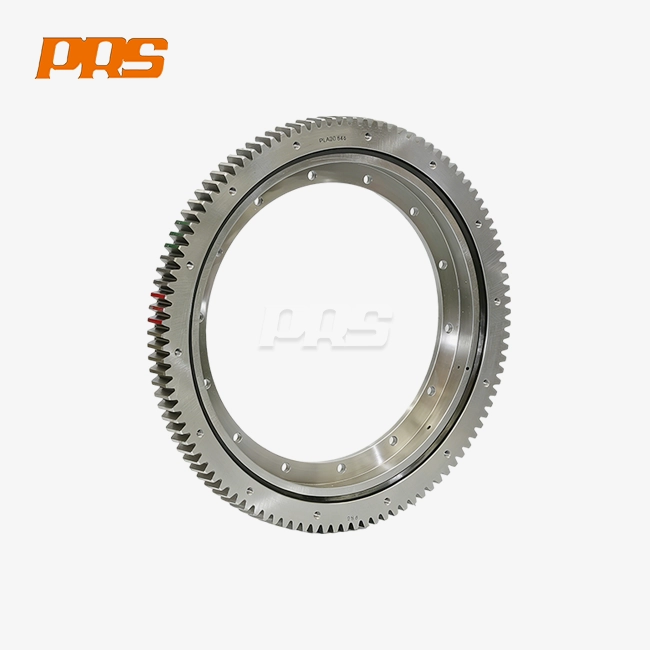
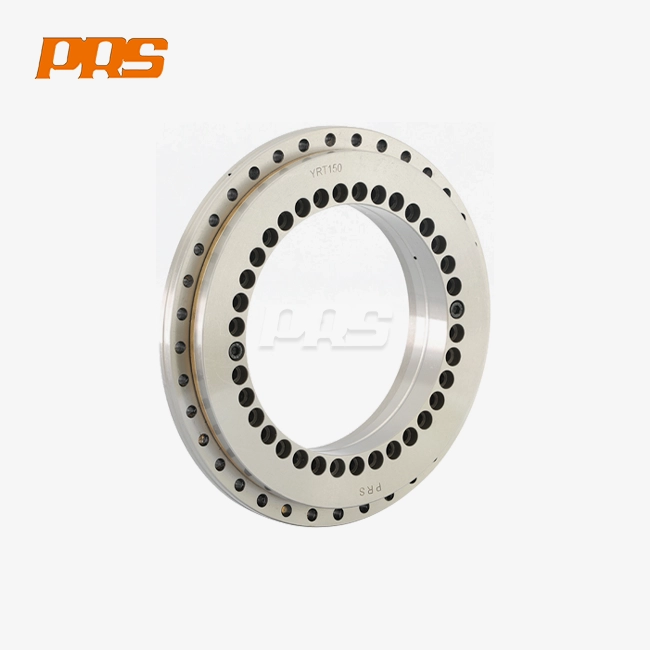
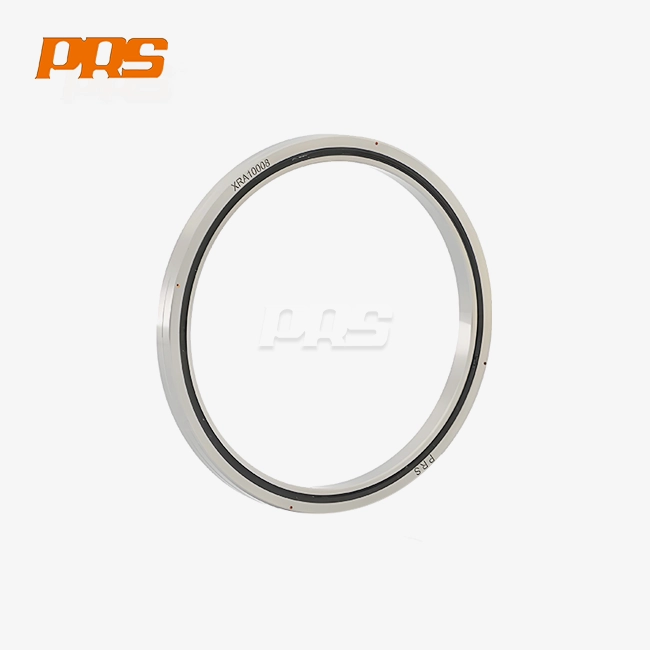
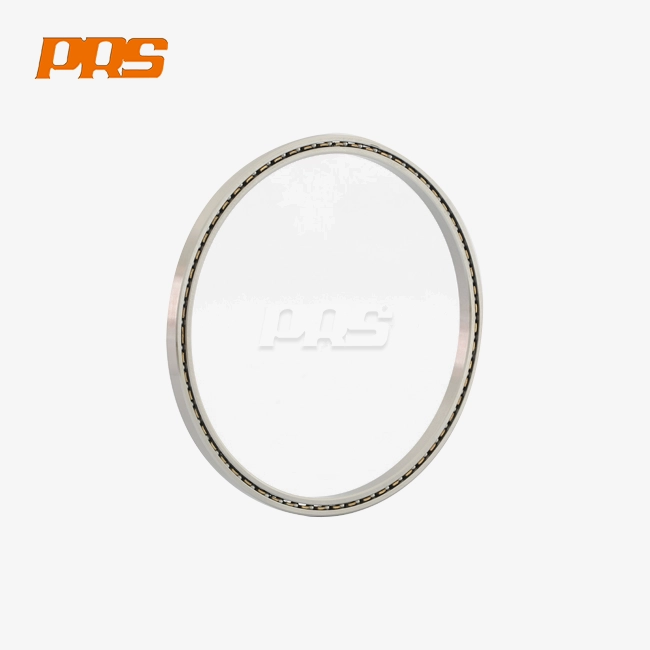
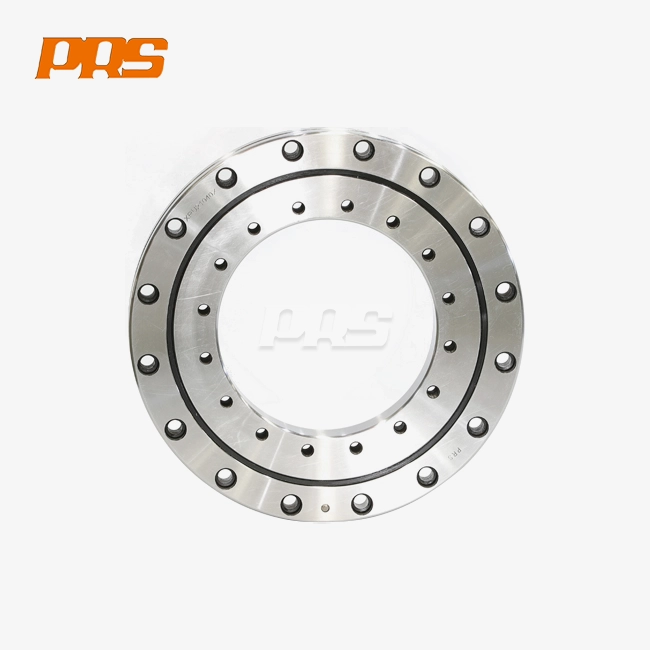
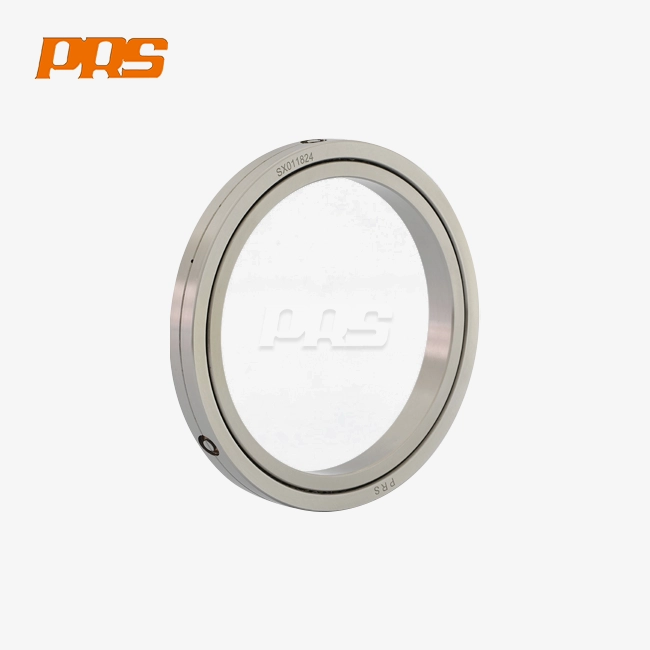
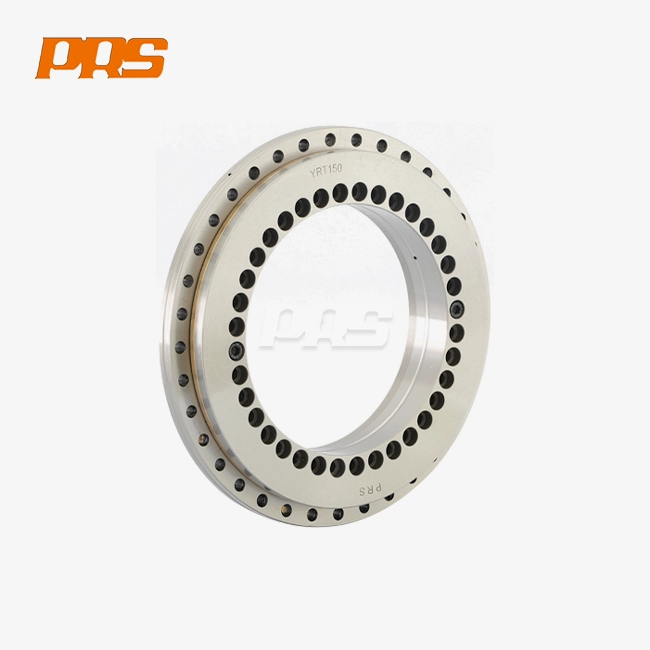
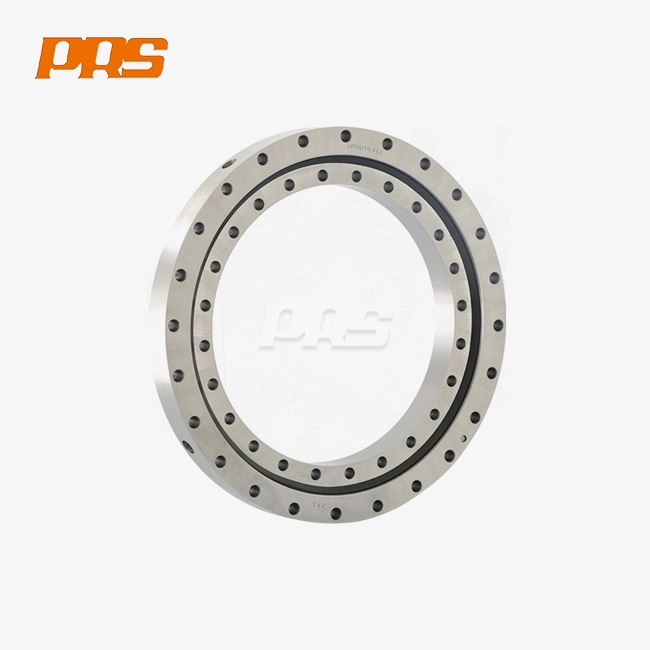
Precision crossed roller bearings are very different from other types of bearings because of how their internal shape is designed. Between the inner and outer ring raceways, cylindrical rollers move back and forth at right angles, making various load paths inside a single bearing system. This straight-line setup lets each roller touch the track all the way along instead of just at one spot, which completely changes how forces move through the part.
The structural parts have V-groove raceways that are precisely carved into both the inner and outer rings, spacer holders that keep the right distance between the rollers, and integral mounting holes that are built in so that the parts can be attached directly without the need for separate housing elements. Many models have sealing systems that keep internal parts from getting dirty. This makes them last longer in tough settings.
The Working Principle Behind Superior Performance
Each roller in a cross roller turntable bearing spreads stress equally along its line contact principle when they are put under combined pressure. Compared to point contact designs, this concept can handle a lot more weight. The changing roller orientation makes sure that the rollers are always in the best position to prevent deformation, no matter what kind of load is acting on them—axial thrust, radial force, or tilting moment.
This advantage in mechanics directly turns into useful benefits. CNC machine centers have rotary tables that keep their positions even when cutting with a lot of force. Joints in robots can precisely position themselves at an angle while holding heavy loads. Medical imaging gantries move slowly and easily, so the images stay clear while they're working. Crossed rollers turn complicated loads acting in multiple directions into stable, repeatable rotational motion that can be used in any situation.
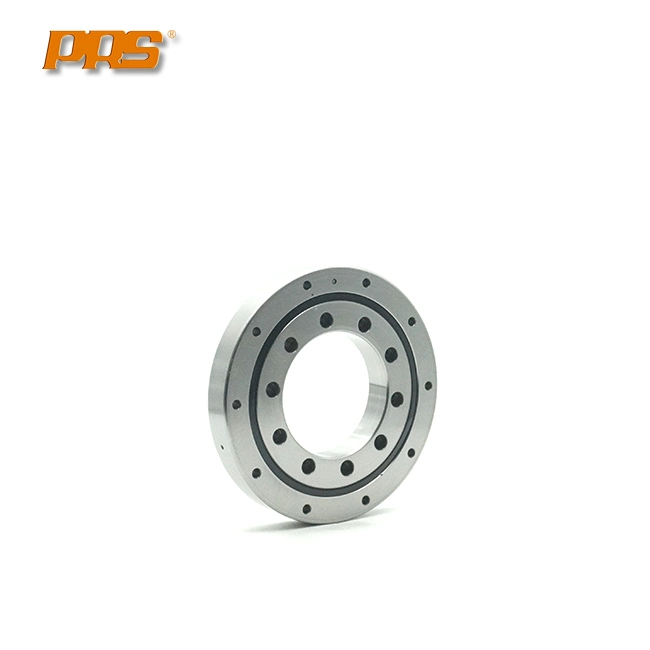
Core Design Advantages of Cross Roller Turntable Bearings
When you look at the performance factors that procurement workers and application engineers care about the most, the technical benefits of crossed roller designs become clear. These perks directly help with problems that often come up in precision motion systems.
Exceptional Multi-Directional Load Capacity
To handle complex load situations, standard bearing setups often need to combine more than one bearing. For example, a radial bearing might be paired with a thrust bearing and other parts to fight moment loads. With cross roller turntable bearing, all of these jobs are done by a single unit. Axial forces acting along the spinning axis, radial forces acting perpendicular to it, and moment loads trying to tilt the bearing can all be handled by the alternating roller design.
This merging makes designing systems a lot easier. Having fewer parts means that the system is easier to put together, lighter, and has fewer places where it could go wrong. Machine makers lower the cost of the bill-of-materials while making the machines more reliable. Maintenance teams only have to work on one part instead of several bearings, which cuts down on downtime during regular maintenance periods.
Superior Rigidity for Precision Applications
In precise machinery, rigidity—the ability to resist stretching when under load—is very important. When working loads cause a bearing to shift even very slightly, positioning accuracy is lost. When you compare crossed roller systems to ball bearings of the same size, the line contact between the rollers and raceways makes them three to four times more stiff.
This extra rigidity keeps placement precision high in tough situations. During rough cutting, CNC indexing tables keep the position of the object accurate to within microns. During lithography processes, where nanometer-level accuracy determines output rates, semiconductor manufacturing tools keeps the chip in place. Optical telescope mounts can follow celestial objects without making placement mistakes due to vibrations that would blur pictures.
The effect on real life goes beyond just keeping place. In machining uses, more stiffness lowers noise and vibration transfer and raises the quality of the surface finish. The equipment works more easily, makes better output, and needs to be calibrated less often.
Compact Design Maximizing Space Efficiency
Modern machines are constantly under pressure to get better while taking up less space. Cross roller turntable bearings solve this problem with their built-in design. With integral mounting holes, you don't need separate bearing housings. This means that you can place the bearings in up to 50% less room than with traditional arrangements that need housings, lock nuts, and adapter sleeves.
The extra room is especially useful in robots, where every millimeter of arm length changes how much it can carry and how far it can reach. When collaborative robots work with human controllers, their small joints make it less likely that they will collide. Miniaturized bearing systems let medical surgical robots move through small areas inside the body. Semiconductor processing equipment makes the most of the space in cleanrooms, where each square meter is worth a lot of money.
PRS manufactures precision crossed roller bearings with inner diameters from 10mm to 350mm and outer diameters from 52mm to 540mm. These bearings can be used in a wide range of uses, from small optical tools to large industrial machines. This size range, along with the ability to do unique engineering, makes sure that the best use of room is made, no matter what the application requirements are.
Precision Rotation with Minimal Runout
In precision uses, the quality of the result depends on how accurate the rotation is. The crossed roller design makes sure that the precision of the spin is always the same and that runout, or deviation from true circular motion, is kept to a minimum. This steadiness is very important for tasks that need precise placement at an angle.
Coordinate measuring tools depend on the accuracy of the rotating table using crossed roller turntable bearings to get the right measurements of complicated shapes. If there are mistakes in the bearing runout, there will be mistakes in the measurements, which could cause you to accept broken parts or turn down good ones. To keep communication lines open with satellites or stations on Earth, antenna placement devices need precise angular control. Medical imaging technology keeps the focal plane in the same place during spin cycles, which ensures the quality of diagnostic images.
As per ISO 199 standards, PRS precision crossed roller bearings reach P4 and P2 precision classes, which means they meet the strict accuracy needs of these difficult uses. Precision grinding of the raceways, careful selection of rollers to ensure consistent dimensions, and a thorough quality checking process that guarantees 99.9% pass rates at the factory level are all parts of the production process.
Factors to Consider When Procuring Cross Roller Turntable Bearings
To make a successful bearing purchase, technical needs, supply chain issues, and the total cost of ownership must all be balanced. Several things should be carefully thought through during the choosing process.
Material Selection and Performance Characteristics
Bearing materials have a direct effect on how well they work. Standard chrome steel, like GCr15 or a similar, is very hard and doesn't wear down easily in most situations where the temperature is normal and the surroundings is clean. Stainless steel types don't rust, which is important for equipment used in food processing, medical devices, and places where chemicals or water can get in. However, they usually have a lower maximum load capacity than chrome steel.
For some high-temperature uses, the materials may need to be able to keep their strength and shape at high temperatures. Cryogenic uses, on the other hand, need materials that don't break down at very low temperatures. Specialized coats can improve performance in vacuums, where regular greasing doesn't work.
The operating speed of the cross roller turntable bearing is dependent on the size and shape of the component. Because of spinning forces on the wheels, bearings with a larger diameter tend to have lower top speeds. Applications should make sure that the chosen bearings can handle the necessary spinning speeds with enough room for error.
Supply Chain Considerations
Lead times have a big effect on planning projects and making things. Standard bearing sizes can usually be shipped within 24 hours from stock at a distributor, but special designs may need weeks or months to be made. These dates should be taken into account when making purchases, especially for custom-built items or large sales.
Minimum order quantities for cross roller turntable bearing affect buying tactics. Standard bearings are usually sold by distributors in single units, which makes just-in-time stocking methods possible. For direct factory sales, minimum amounts may apply. Lower unit costs are available in exchange for bigger inventory agreements. The best method relies on how often it is used, how much space it has, and how much money it makes.
Logistics for delivery are important, especially when buying things from other countries. When shipped, fine bearing surfaces are kept safe by using the right packing. PRS offers professional customized packaging services. They look at the nature of the goods, the best ways to move them, and the environmental needs of the area to suggest the best ways to keep them safe. This careful attention to packing details keeps the bearings from getting damaged during shipping, which could affect how well they work.
Supplier Qualification and Brand Selection
When it comes to machine dependability and lifecycle costs, bearing quality has a direct effect. Buying from well-known companies with tested quality control methods lowers the risk of buying something. Over many years, global bearing names have built their reputations on a foundation of quality and efficiency that never changes. But in many situations, bearings from skilled makers that offer better value work very well and give great results.
The important thing is to check the manufacturer's qualifications. Getting ISO 9001 approval shows that you are dedicated to quality management. Factory pass rates above 99% show that the production process is well-developed. Having access to technical support helps you choose the best bearings and fix problems with your application.
PRS has a modern factory that covers 15,000 m² and has more than 200 precision machines that can make bearings with diameters ranging from 10mm to 5000mm. The 6S production management system and ISO 9001 approval make sure that all of the products are of the same high standard. A group of 35 technical engineers offers full application support, from choosing the right bearings to installing them and making sure they work at their best.
Working with makers that offer custom engineering services can help you find answers to problems that normal catalog bearings can't solve. For example, custom setups could include different mounting connections, unique sealing arrangements, or material requirements that are specific to the working environment. This adaptability comes in handy when making new machines or changing old ones to work in new situations.
Conclusion
Cross roller turntable bearings have many built-in benefits, such as their high multidirectional load capacity, superior rigidity, small size, and precise rotation. These benefits make them ideal for use in industrial automation, medical equipment, scientific instruments, and precision machinery. Knowing how these bearings stack up against other options helps you make smart purchasing choices that match technology to application needs. The bearings will last longer and give you a better return on your investment if you choose the right materials, work with qualified suppliers, follow the right fitting steps, and do regular maintenance. As the needs for precise motion control keep growing, crossed roller bearing technology offers tried-and-true solutions that work reliably in the toughest situations.
FAQ
What is the typical service life of a cross roller turntable bearing?
The amount of service life for a cross roller turntable bearing depends on a lot of factors, such as the load, speed, temperature, quality of oil, and exposure to contamination. In moderate-duty uses, bearings that are properly chosen, installed, and kept can usually last between 20,000 and 50,000 operating hours. Light-duty precision uses may last longer than 100,000 hours, but heavy-duty or continuous use will shorten the projected life by the same amount.
Can cross roller turntable bearings be customized for specific applications?
Custom engineering allows manufacturers to change common designs all the time to meet specific needs. Some customization choices are different mounting interfaces, unique sealing setups, non-standard sizes, and material specs that are based on the working environment. Catalog bearings can't always meet specific needs, but custom options can. However, they usually come with longer wait times and higher minimum quantities.
What factors primarily influence bearing cost?
Material selection has a big effect on the cost. For example, specialty steels and finishes cost more than normal chrome steel. The Precision level directly affects price—P4 and P2 precise bearings cost a lot more than normal grades due to tighter production tolerances and more thorough inspection requirements. Unit prices are also affected by size, complexity, and production rate. Custom configurations are usually more expensive than normal catalog items.
Partner with PRS as Your Trusted Cross Roller Turntable Bearing Supplier
To choose the best cross roller turntable bearing solutions, you need more than just book specs. You need to work with makers who are dedicated to your success. PRS can help you with your precision motion problems because they have over twenty years of experience with special bearings. We have a large stock of standard models that can be sent out quickly 24-hour dispatch for urgent project needs. We can also make custom bearings with diameters ranging from 10mm to 5000mm. Whether you need P4 or P2 precision grades, stainless steel for areas that are prone to corrosion, or unique mounting configurations, our 35-person engineering team can help you with everything, from choosing the right materials to making sure the installation goes smoothly. As a trustworthy company that makes cross roller turntable bearings, we keep our plant pass rates above 99.9% by strictly managing quality. Contact our procurement experts at ljh@lyprs.com right away to talk about your individual application needs and find out how PRS can provide precision bearing solutions that go above and beyond your hopes.
References
Harris, T.A. and Kotzalas, M.N. (2006). "Essential Concepts of Bearing Technology: Rolling Bearing Analysis, Fifth Edition." CRC Press, Boca Raton, FL.
ISO 199:2014. "Rolling Bearings — Thrust Bearings — Geometrical Product Specifications (GPS) and Tolerance Values." International Organization for Standardization, Geneva, Switzerland.
Budynas, R.G. and Nisbett, J.K. (2015). "Shigley's Mechanical Engineering Design, Tenth Edition." McGraw-Hill Education, New York, NY.
Hamrock, B.J., Schmid, S.R., and Jacobson, B.O. (2004). "Fundamentals of Fluid Film Lubrication, Second Edition." Marcel Dekker, New York, NY.
Eschmann, P., Hasbargen, L., and Weigand, K. (1985). "Ball and Roller Bearings: Theory, Design and Application, Second Edition." John Wiley & Sons, Chichester, UK.
SKF Group. (2018). "Rolling Bearings Catalogue: Technical Reference Guide for Engineers." SKF Group Publications, Gothenburg, Sweden.

USER EVALUATE
Here is the customer's evaluation of us