


Lathe bearings Types & Selection Guide
Selecting appropriate spindle Lathe bearings for lathe machinery directly determines machining accuracy, surface finish quality, rotational stability, and long-term operational reliability. Whether you are procuring Lathe bearings for CNC turning centers, robotic automation systems, semiconductor manufacturing equipment, or precision machine tools, understanding bearing characteristics, load capacity, speed ratings, and precision grades helps prevent costly downtime and ensures consistent dimensional accuracy. This guide provides an overview of Lathe bearings types, selection criteria, lubrication requirements, maintenance strategies, and supplier evaluation methods to support informed purchasing decisions for high-precision machining operations. By choosing reliable Lathe bearings with suitable materials, optimized designs, and proper maintenance plans, manufacturers can improve spindle performance, extend equipment service life, and achieve higher production efficiency.
Understanding Lathe Bearings: Types, Functions & Key Differences
What Are Lathe Bearings and Their Role in Machining?
Spindle support devices are the most important part of any machine. The circular movement is limited by these parts, which also reduce friction and absorb cutting forces. The main spindle assembly depends on highly engineered contact surfaces to keep rotational accuracy within microns. This has a direct effect on the quality of the threads, the cylindricity, and the roughness of the surface of finished parts.
Common Types Used in Lathe Applications
In ball bearing designs, spherical moving parts are used between the inner and outer races. These work great in high-speed situations where the spinning speed is higher than 10,000 RPM, but they can't hold as much weight as roller types. Angular contact types can handle both horizontal and axial forces at the same time, which makes them good for turret indexing systems and pointing on multiple axes.
When you use cylindrical rollers, the loads are spread out over longer contact lines instead of just touching at one place. This shape makes it stiffer for heavy-duty cutting tasks, but it also limits the fastest speeds that can be reached. Tapered roller bearings are great at handling moment loads, which is important for big workpieces that create uneven forces when they rotate.
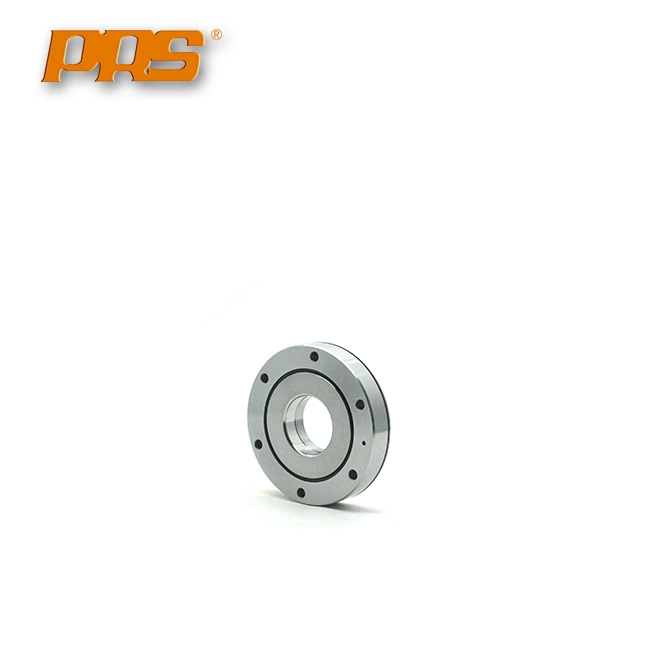
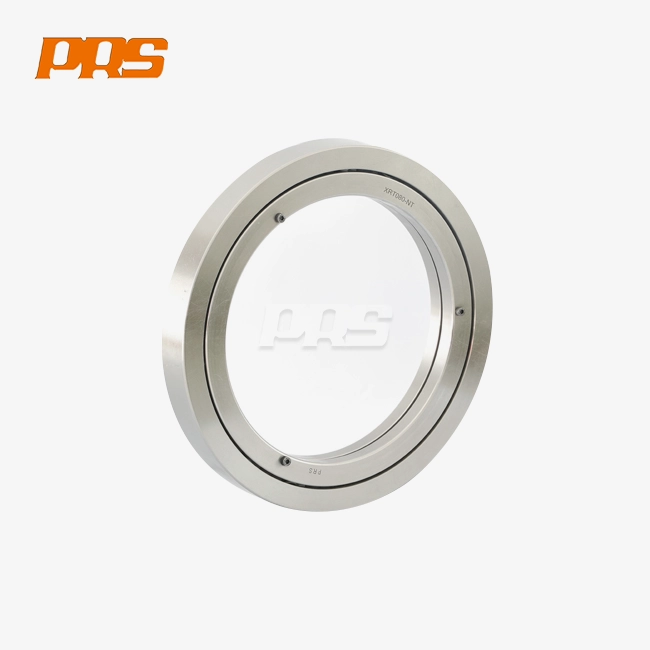
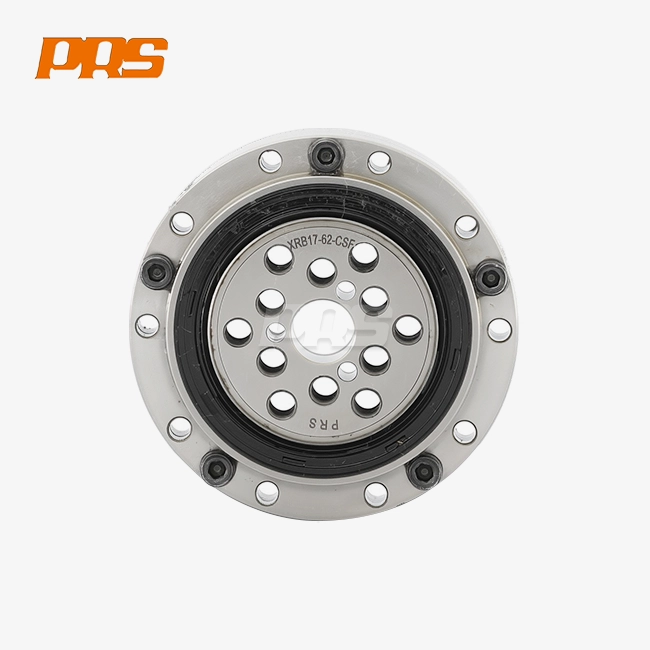
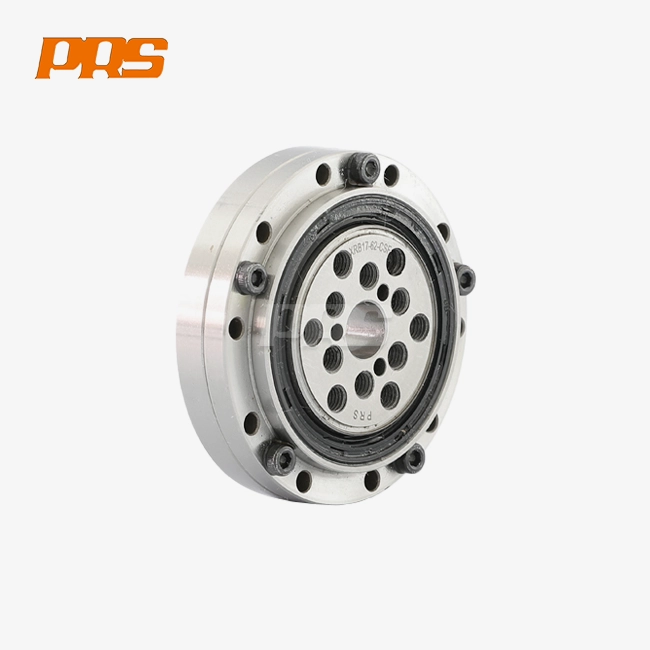
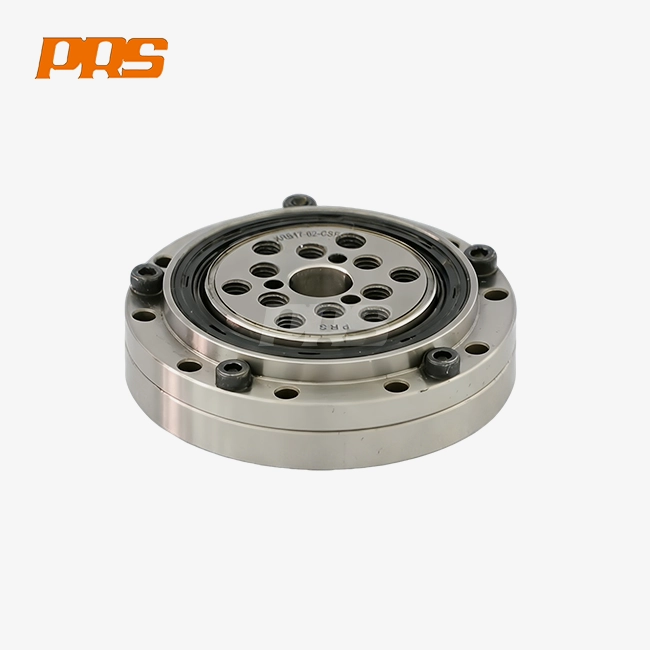
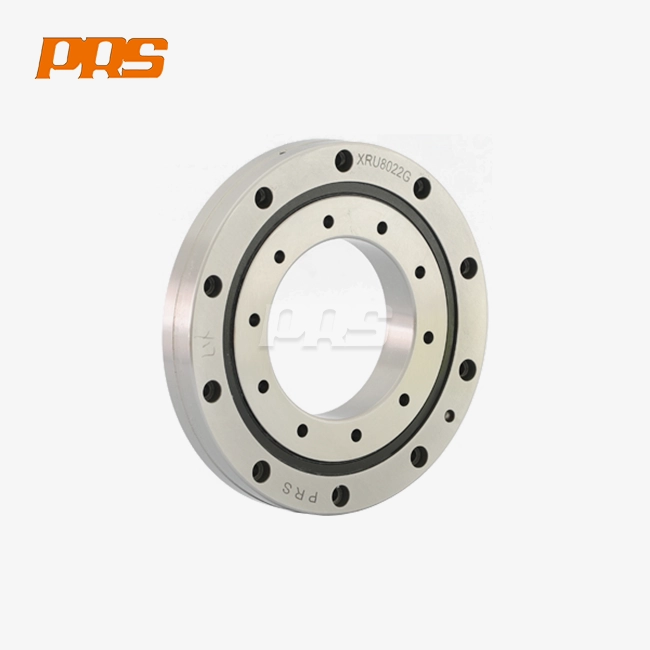
Crossed roller technology is a type of advanced engineering in which rollers are positioned at right angles to each other. This arrangement provides high stiffness in small spaces, making it perfect for spinning table and robot joint articulation uses. PRS makes crossed roller bearings with inner sizes ranging from 150mm to 2463.8mm to meet the needs of both normal machine tools and special aircraft guidance systems.
Sealed Versus Open Designs: Performance Trade-Offs
Open bearing designs of Lathe bearings provide direct access to lubrication points and improve heat dissipation, but they also expose internal components to contaminants such as metal chips, dust, and coolant mist. For demanding machining environments, sealed or shielded Lathe bearings are often preferred because they retain lubricant effectively and protect internal raceways from external particles. In semiconductor cleanroom applications, specially protected Lathe bearings that meet ISO Class 5 particulate control requirements are necessary to minimize outgassing, particle generation, and contamination risks that could affect sensitive manufacturing processes.
In ceramic hybrid Lathe bearings, silicon nitride rolling elements replace traditional steel balls, reducing density by approximately 60% and lowering thermal expansion by around 25%. These advanced materials enable higher rotational speeds, improved temperature stability, reduced friction, and longer lubrication intervals, although they involve higher material costs. Ceramic Lathe bearings are widely used in precision applications such as medical imaging equipment, semiconductor manufacturing systems, CNC machining centers, and metrology instruments where thermal stability, positioning accuracy, and long-term reliability are critical performance requirements.
Lathe Bearings Selection Criteria for Precision Machining
Assessing Speed, Load, and Environmental Parameters
The standard DN number is set by the maximum spindle RPM. This is the bearing bore diameter times the rotating speed. Standard steel bearings can only handle DN values up to 500,000, but ceramic hybrids can handle up to 2,000,000 DN. Spindles that need to spin at 30,000 RPM and have 40mm bores are too big for most CNC cutting jobs, so they need special materials.
Radial loads that are not parallel to the spindle line are caused by cutting forces. When aerospace titanium parts are roughed out, they produce steady forces of more than 5,000N, which means they need bearings with the right static load values. Axial forces from threading and feed systems add directed loads that can be handled well by angular contact or tapered designs.
The temperature of an area affects the viscosity and stability of a lubricant. Standard bearing sets work effectively in temperatures ranging from -20°C to +120°C, making them good for most machine tool uses. For cryogenic machining and high-temperature aircraft uses, special materials and cooling systems are needed, which increases the range of operations that can be done.
Core Technical Metrics for Decision-Making
There are two types of load capacity numbers in maker catalogues: dynamic (C) and static (C0). Using the L10 calculation—hours until 10% of bearings show fatigue—dynamic ratings can tell you how long a bearing will last when it is being rotated. A bearing with a dynamic value of 50,000N that is loaded with 10,000N can theoretically last for 125,000 hours, but how it is cleaned and oiled has a huge effect on how well it works in real life.
The speed rates are based on temperature limits instead of mechanical ones. Because of spinning losses, grease-lubricated bearings usually only work at 70% of the speed of oil-lubricated bearings. Higher speeds are possible with oil-air or oil-mist systems because they keep heat buildup to a minimum. Crossed roller bearings from PRS keep running smoothly at 850 RPM across diameter ranges of more than 2 meters, supporting vertical boring mills and big rotary tables.
Runout limits affect the quality of made parts and are set by precision grades. For 50mm bores, ABEC-7 (ISO P4) bearings keep radial runout to 2.5 microns, which is fine for most turning tasks. For ultra-precision grinding and making optical parts, you need to meet ABEC-9 (ISO P2) standards with sub-micron accuracy, which means you can get surface finishes below 0.2 Ra.
Material and Design Comparisons
When selecting Lathe bearings, manufacturers must balance strength, toughness, precision, and cost to achieve reliable spindle performance. Chrome steel (52100/GCr15) remains a widely used standard material because it provides excellent load capacity and durability. Through-hardened Lathe bearings can withstand shock loads caused by interrupted cutting operations, while case-hardened versions provide improved surface wear resistance with strong internal toughness. Corrosion-resistant stainless steel Lathe bearings are especially suitable for medical equipment, food processing machinery, and other applications that require frequent washing or exposure to moisture.
For high-speed machining applications, ceramic rolling elements in advanced Lathe bearings reduce centrifugal forces and lower operating temperatures by approximately 15 to 30°F compared with all-steel bearing designs. This thermal advantage extends lubricant life, improves dimensional stability, and helps maintain machining accuracy during long production cycles. Aerospace radar systems, semiconductor wafer handling robots, and precision automation equipment rely on these characteristics of Lathe bearings when unexpected maintenance interruptions cannot be tolerated.
Sealed Lathe bearings provide strong protection against dust, chips, and external contamination, but they can also retain internal wear particles over time. Maintenance strategies must consider limited lubrication access, although modern synthetic greases can extend service intervals beyond 10,000 operating hours. Open Lathe bearings allow easier inspection, cleaning, and lubrication, but they require effective spindle housing seals and environmental protection systems to prevent contamination in demanding machining environments.
Maintenance, Troubleshooting & Longevity: Ensuring Optimal Performance
Identifying Early Warning Signs of Bearing Degradation
Strange sound signals show that problems are starting to show up before a catastrophic failure. Low-frequency rumble could mean that the bearings are dirty or not well oiled, while high-pitched screaming could mean that the cage is worn out or the preload is wrong. Using accelerometers for vibration analysis can find problems with bearings by analysing the frequency spectrum. This lets you change parts based on their state, which cuts down on unplanned downtime.
Temperature tracking shows when grease is breaking down or when the system is overloaded. When bearing housings get hotter than 180°F, it means that there isn't enough lubricant flow or there is too much preload. Thermal cameras find hot spots in small areas before they damage larger parts of the machine, like spindle housings and the structure itself. Predictive maintenance algorithms in robotic automation systems use temperature monitors to schedule bearing replacements during planned breaks in production.
When machining, dimensional drift is often caused by worn bearings rather than problems with the cutting tools. Radial play growth is shown by parts that change width over time or taper. Using dial indicators to measure spindle runout gives you a numerical idea of the bearing condition. Readings that are more than 50% off from what is expected should be looked into right away. Manufacturers of medical imaging equipment keep runout limits of less than one micron in places where bearing wear directly affects the quality of diagnostic images.
Preventive Maintenance Protocols
Lubrication intervals for Lathe bearings depend on operating speed, applied loads, machining conditions, and the surrounding environment. Oil-lubricated Lathe bearings require continuous filtration systems to maintain ISO 16/14/11 cleanliness standards, removing particles larger than 4 microns that can accelerate wear, reduce precision, and shorten bearing service life. For grease-lubricated Lathe bearings, scheduled lubricant replenishment is recommended, typically every 2,000 to 5,000 operating hours depending on the severity of the duty cycle, temperature conditions, and contamination levels. High-quality synthetic esters are often selected for aerospace and precision applications because they provide excellent oxidation resistance, thermal stability, and reliable lubrication performance across extreme temperature ranges. Proper lubrication management helps Lathe bearings maintain low friction, smooth rotation, high machining accuracy, and long-term reliability in CNC machine tools and other advanced manufacturing systems.
If you install something correctly, it won't fail early because of contamination or damage during installation. Bearings should stay in their protective packaging until they are mounted, and the assembly process should only happen in clean areas. Impact installation can damage the cage, but hydraulic fastening tools use even press forces instead. It is important to measure the housing bores and shaft diameters accurately to make sure that the interference fits are correct. For medium-duty uses, this is usually within 0.0005-0.0015 inches.
Replacement methods need to be clean and exact. Heating the inner rings of bearings to 250°F lets them expand thermally so they can be installed without force. This stops the raceway from brinelling. Using dry ice to cool the outer ring makes the housings fit snugly. This is especially helpful for big assemblies where press forces aren't realistic. Robot makers use written procedures to make sure that the preload settings are the same on all production lines.
Real-World Case Study: Proactive Maintenance ROI
A company that makes precision grinding machines had spindle breakdowns every 8,000 hours of use, which is 40% less than the planned life. An investigation showed that the lubricant was dirty because of bad seals and uneven filtration. Taking samples of the oil every 500 hours for analysis revealed patterns of particle entry, which led to the redesign of seals and improvements to the filtration system. After that, the bearings' life was increased to 15,000 hours, which cut yearly maintenance costs by 60% and made the ground surface smoother by lowering vibration. This result shows that systematic tracking of maintenance has a direct effect on both operations costs and product quality outcomes.
Comparing Top Bearing Brands & Market Solutions
Leading Manufacturers and Their Strengths
SKF keeps a wide range of products in stock and offers engineering support on six continents. Their software for choosing bearings takes into account working factors to suggest the best designs, which is helpful for machines with a lot of moving parts. NSK focuses on ultra-precision grades for markets like semiconductors and medical equipment that need to work with tolerances of less than one micron. Timken specialises in tapered roller bearings for heavy-duty machines that work with big aircraft parts.
FAG (Schaeffler Group) makes integrated bearing housing units that are integrated, which makes installation easier and keeps the precision. When it comes to standard machine tool applications, KOYO focuses on providing reliable solutions at reasonable prices. NTN creates special coatings that make high-speed grinding bearings less likely to stick. Depending on the needs of the application, the time frame for delivery, and the level of technical support required, each manufacturer offers unique benefits.
Crossed roller and precision bearings meeting P4 and P2 tolerance grades are made by PRS (Precision Bearing Co., Ltd.) in a wide range of sizes. PRS can make parts with inner sizes ranging from 150 mm to 2463.8 mm, so it can be used in a wide range of machines, from small medical robots to big vertical boring mills. Certifications for manufacturing, such as ISO 9001, ISO 14001, and CE compliance, make sure that the quality is always the same for use in industrial automation and aircraft that need strict tracking.
Sourcing Strategies and Risk Mitigation
Buying Lathe bearings from authorized OEM distributors ensures that purchased components are genuine and include manufacturer warranties, technical documentation, and professional support services. Counterfeit Lathe bearings remain a serious issue in global supply chains because they often use inferior materials, incorrect dimensions, and unreliable manufacturing processes, which can cause premature failures, reduced machining accuracy, and potential safety risks. Verification through distributor qualifications, supplier records, and manufacturer lot traceability helps protect buyers from receiving low-quality bearing products.
Custom Lathe bearings specifications can address non-standard requirements found in specialized machine designs and precision equipment applications. PRS engineers work closely with machine manufacturers to optimize bearing geometry according to specific load conditions, speed requirements, installation spaces, and operational environments. Customized Lathe bearings solutions may include adjusted preload configurations, corrosion-resistant surface treatments, enhanced lubrication options, and integrated sensor provisions for advanced condition monitoring systems.
Bulk purchasing agreements for Lathe bearings provide cost advantages for large-volume orders while ensuring stable supply for continuous production operations. Building long-term relationships with preferred suppliers gives manufacturers access to technical support, application troubleshooting, and priority allocation during supply shortages. Strategic procurement partnerships also help industries such as medical device manufacturing maintain regulatory compliance by ensuring that quality certificates, inspection reports, and traceability documents are provided with every Lathe bearings shipment.
Buying Guide: Efficient Procurement Channels and Strategies
Evaluating Supplier Capabilities
Direct manufacturer engagement works well for OEM applications that need to work together technically and have a lot of them. Engineers can get help with design, custom testing, and changes that are specific to an application that can't be made through distribution channels. There are trade-offs between better technical resources and longer lead times, minimum order quantities, and possible cost savings on large programs.
Authorised distributors keep common bearing configurations in stock so that maintenance replacements and prototype development can be done quickly. Distributors that have been around for a while offer extra services that make buying easier, like kitting, inventory management, and sourcing from multiple manufacturers. Verifying that a distributor is authorised by the manufacturer through their websites keeps fakes from getting out and makes sure that the warranty is covered.
Online industrial marketplaces make it easier for suppliers to find customers, but they need to be carefully checked out. Risks can be reduced by checking the supplier's credentials, quality certifications, and customer references. Asking for material certifications and dimensional inspection reports proves that the product is real. Online platforms with a good reputation offer ways to settle disputes and protect payments, which makes international transactions easier.
Negotiation and Relationship Building
Technical specifications that are very specific help keep misunderstandings to a minimum when placing custom bearing orders. Giving operating parameters, envelope constraints, and performance expectations makes it possible to get accurate quotes and delivery promises. Before committing to large production runs, it's important to get pre-production samples to make sure the manufacturing process works well. This is especially important for specialised medical or aerospace applications.
When you make a volume commitment, you can get better pricing and priority manufacturing slots. When you place an annual blanket order with scheduled releases, you can balance the costs of keeping inventory with volume discounts and supply assurance. Automation system integrators use framework agreements that cover a number of different types of bearings. This makes buying bearings for a wide range of robot configurations easier.
Technical consultation takes relationships with suppliers above and beyond simple business dealings. Companies that offer application engineering support can help you choose the best bearings, so you don't have to pay too much or too little for them and end up with problems. PRS offers direct engineering advice at ljh@lyprs.com, focusing on the specific needs of industrial automation, precise machine tools, and other equipment that needs non-standard solutions. Long-term value comes from these partnerships because they make equipment more reliable and lower the total cost of ownership.
Conclusion
Selecting the right spindle support systems requires a careful balance of technical specifications, application requirements, and cost considerations, especially when choosing Lathe bearings for precision machining equipment. Understanding different Lathe bearings types, from standard ball bearing designs to advanced crossed roller configurations, helps engineers match bearing performance characteristics with the demands of specific machining processes. By systematically evaluating load capacity, rotational speed limits, rigidity, accuracy grades, and operating conditions, manufacturers can avoid unnecessary over-engineering costs while preventing failures caused by insufficient bearing selection. Proper maintenance strategies and proactive replacement planning extend the service life of Lathe bearings, reduce unexpected downtime, and improve overall production quality and efficiency. Establishing long-term partnerships with qualified bearing manufacturers and authorized distributors ensures a reliable supply of genuine Lathe bearings, professional technical support, and continuous assistance for maintaining high-performance spindle systems throughout the equipment lifecycle.
FAQ
How often should lathe spindle bearings be lubricated?
How often you lubricate depends on how the machine is used and what kind of oil you use. In normal situations, grease-lubricated bearings need to be re-oiled every 2,000 to 5,000 hours. On the other hand, constant oil systems only need to have their filters checked and not replaced. Applications with a lot of speed or heat speed up the breakdown of lubricants, cutting the time between changes to 1,000 hours. Monitoring the temperature and vibration of bearings gives condition-based indicators that work with time-based schedules.
What advantages do ceramic hybrid bearings offer over all-steel designs?
Ceramic rolling parts make the machine 60% lighter, which lowers the temperature and rotational forces. This makes it possible to have 20–30% better speed rates and lubrication times longer than 10,000 hours. In uses with variable frequency drives, electrical insulation qualities keep bearings from getting damaged by shaft currents. The cost of materials is about three times that of steel equivalents. This is acceptable when performance benefits directly improve production results or lower the frequency of maintenance.
Can bearing replacement be performed in-house or should professionals handle it?
If they have the right tools and training, in-house repair teams can easily change bearings. For precise tasks that need sub-micron runout, you need special tools to measure loading, runout, and alignment. Robotic systems and medical equipment usually need technicians who are certified by the manufacturer to make sure the warranty is followed and that all the necessary paperwork is filled out. The right replacement strategies are found by setting clear criteria based on tolerance standards, equipment value, and staff skills.
Partner with PRS for Precision Bearing Solutions
Luoyang PRS Precision Bearing Co., Ltd. makes speciality and high-precision crossed roller bearings for difficult grinding tasks where micron-level accuracy affects the quality of the finished product. Our manufacturing capabilities cover a huge range of sizes, from 150 mm to 2463.8 mm inside diameter, so we can support everything from small robot joints to big vertical boring mills. PRS is a reliable company that makes Lathe bearings for industrial robotics, aerospace systems, and precision machine tools. They have ISO certifications, P4 and P2 precise grades, and can deliver common configurations within 24 hours. Our engineering team can make solutions that fit unique needs, like those with odd lengths, load patterns, or environmental conditions. Get in touch with ljh@lyprs.com to talk about your specific bearing needs and find out how our technical knowledge can improve the performance of your equipment while lowering its total cost of ownership.
References
1. Harris, T.A. & Kotzalas, M.N. (2006). Advanced Concepts of Bearing Technology: Rolling Bearing Analysis, Fifth Edition. CRC Press.
2. Eschmann, P., Hasbargen, L. & Weigand, K. (1985). Ball and Roller Bearings: Theory, Design and Application. John Wiley & Sons.
3. Hamrock, B.J. & Dowson, D. (1981). Ball Bearing Lubrication: The Elastohydrodynamics of Elliptical Contacts. Wiley-Interscience.
4. ISO 492:2014. Rolling Bearings — Radial Bearings — Geometrical Product Specifications (GPS) and Tolerance Values. International Organization for Standardization.
5. Tallian, T.E. (1992). Simplified Contact Fatigue Life Prediction Model — Part I: Review of Published Models. ASME Journal of Tribology.
6. Weck, M. & Brecher, C. (2006). Machine Tools Production Systems 2: Design and Calculation. Springer-Verlag Berlin Heidelberg.

USER EVALUATE
Here is the customer's evaluation of us
YOU MAY LIKE
 VIEW MORERobotic Bearings
 VIEW MORERAU Cross Roller Bearings
 VIEW MORERB Cross Roller Bearings
 VIEW MOREGear hobbing machine bearings
 VIEW MOREHarmonic Drive Speed Reducer Bearings
 VIEW MORErobot harmonic reducer flexible bearing
 VIEW MOREProfessional Harmonic Drive Bearings
 VIEW MORERU Face Mount Crossed Roller Bearing