
Lathe bearings Replacement Recommendations?
Selecting the right replacement spindle bearings for your lathe equipment directly impacts machining precision, production uptime, and long-term operational costs. Whether you're managing CNC turning centers, horizontal lathes, or precision grinding machines, understanding when and how to replace worn bearings can prevent catastrophic machine failures and ensure consistent product quality. High-precision lathe bearings from reputable manufacturers like PRS enable robot manufacturers, automation integrators, and machine tool builders to maintain micron-level accuracy even under demanding operational conditions. This guide walks you through identifying wear indicators, selecting appropriate replacement components, and implementing best practices that extend equipment lifespan while minimizing unexpected downtime.
Understanding Lathe Bearings and Their Role
Precision lathe operations depend on spindle bearings to keep them running smoothly. These important parts allow the machine to rotate and stay in the exact same place even when the cutting loads and speeds change. The type of bearing you choose affects how well your machine can handle radial forces from cutting, axial push from feed systems, and moment loads from workpieces that aren't balanced.
Types of Precision Bearings in Lathe Applications
Depending on the task at hand, modern lathe spindles often use more than one type of bearing:
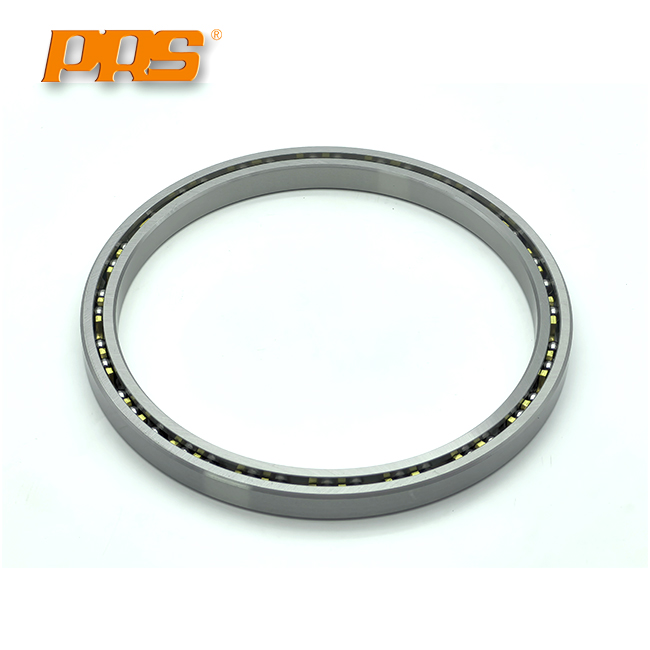
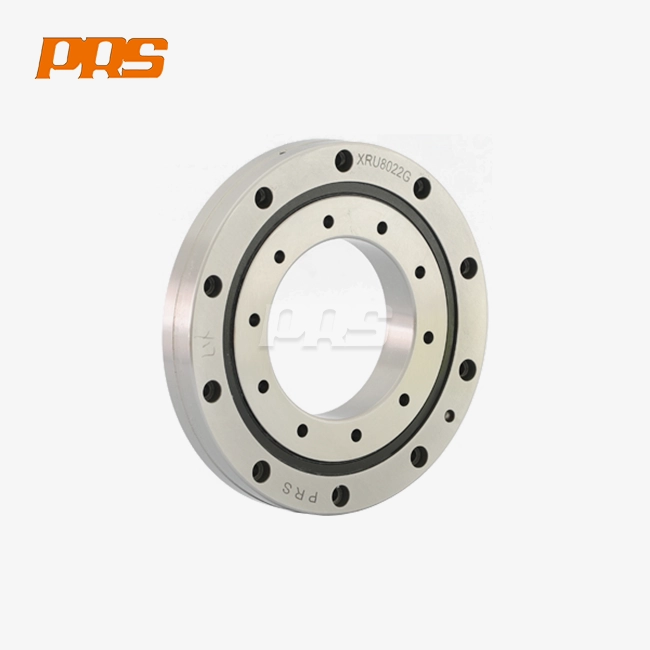
Deep groove ball bearings are useful for general-purpose machining that only needs middling speeds and normal levels of accuracy. Because of how they are designed, angular contact bearings are great for high-speed applications because they can handle both radial and axial loads. Crossed roller bearings are very rigid and can hold loads in more than one direction. This makes them perfect for heavy-duty CNC equipment and rotary tables that need to be able to position things accurately to within micrometres. Ceramic hybrid bearings have a longer service life in high-temperature areas and cleanroom manufacturing settings, where contamination could affect the making of semiconductors or medical devices.
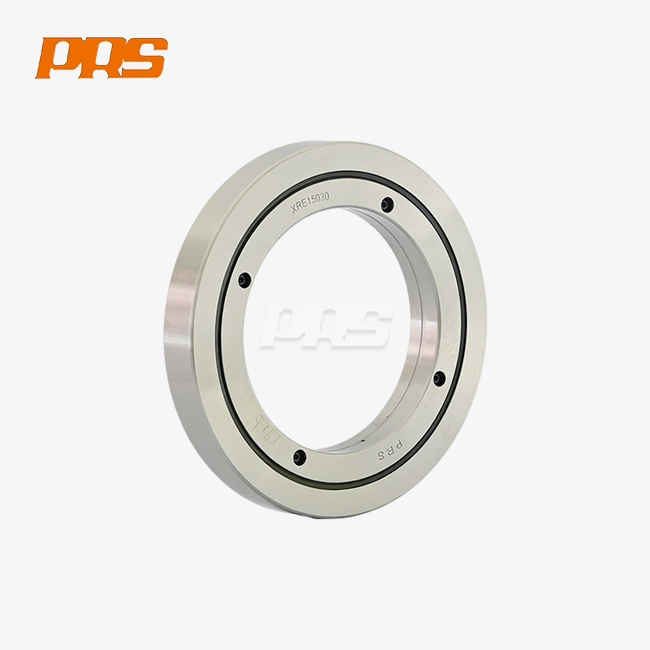
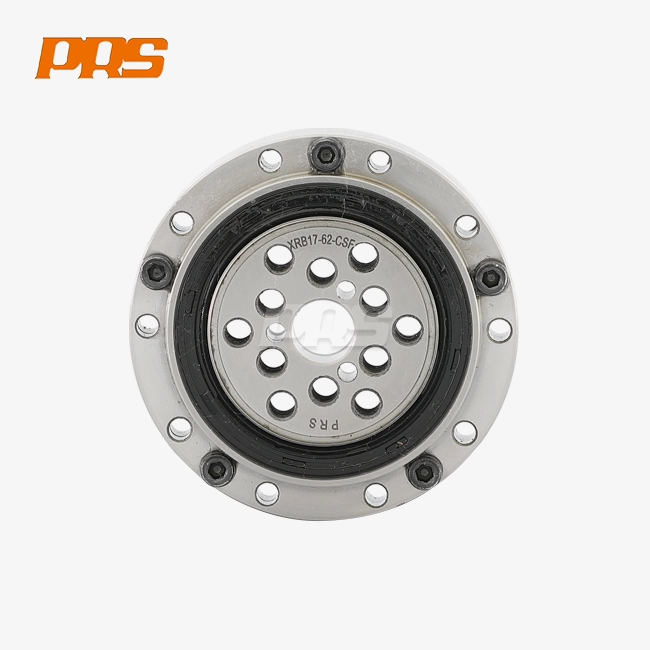
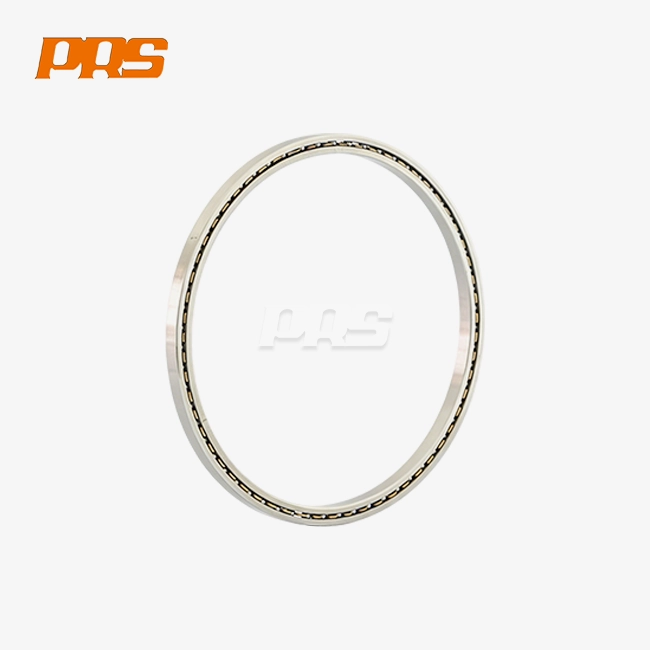
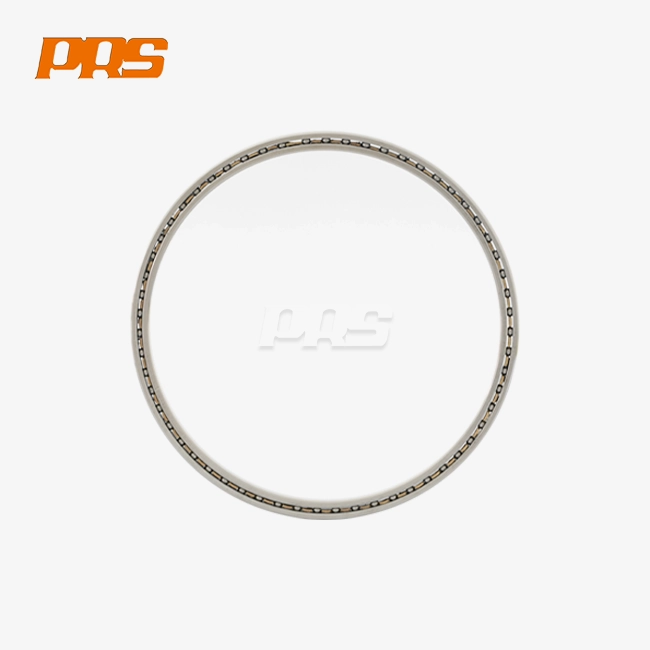
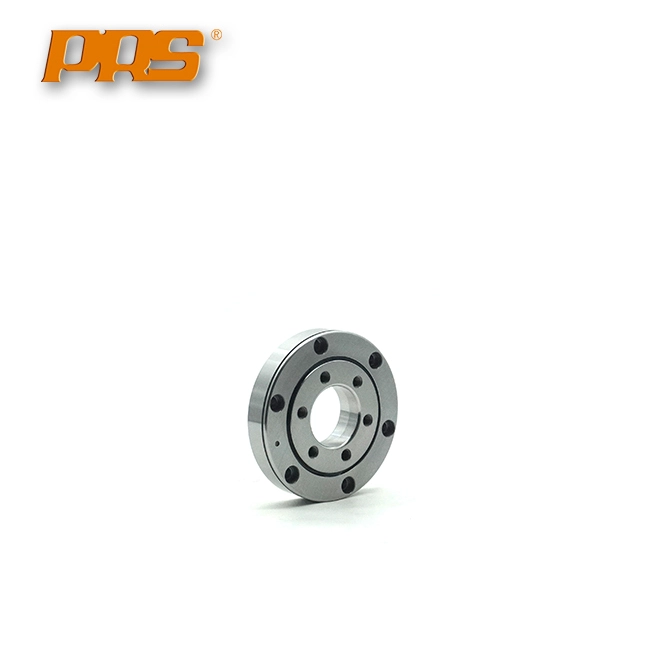
Crossed roller bearings from PRS have a 90° cross-pattern design that spreads loads evenly across multiple contact points. Precision nylon cage dividers keep rollers from touching each other, which lowers rotational force and keeps the load evenly distributed throughout operation cycles. This design works with inner diameters from 150mm to 2463.8mm and outer diameters from 230mm to 2819.4mm, so it can be used with a wide range of machine tool configurations in the robotics and industrial automation fields.
Recognizing Bearing Wear Indicators
When signs of wear appear in Lathe bearings, early detection can prevent further damage to expensive spindle assemblies, precision cutting systems, and machining equipment. Unusual operating noises from Lathe bearings often indicate insufficient lubrication, raceway damage, or contamination inside the bearing structure. Increased vibration may suggest uneven wear patterns, cage damage, or alignment problems that reduce rotational smoothness and machining accuracy. If operating temperatures rise above normal levels, it can indicate excessive friction caused by an insufficient lubricant film, improper preload, or misalignment that transfers heat to surrounding components.
Advanced condition monitoring methods, such as accelerometer-based vibration analysis, provide quantitative data on the health status of Lathe bearings and allow maintenance schedules to be planned according to actual component conditions rather than fixed time intervals. During scheduled inspections, technicians can identify early signs such as discoloration, pitting, surface fatigue, or spalling before Lathe bearings fail during critical production operations. Continuous monitoring of bearing performance enables procurement and maintenance teams to prepare replacement plans in advance, reducing unexpected downtime, protecting machining accuracy, and maintaining stable production schedules for high-precision manufacturing processes.
Causes of Lathe Bearing Failure and Maintenance Tips
When engineering teams know why spindle bearings fail, they can take steps to keep them from breaking in the first place. These steps extend the life of the part and lower its total cost of ownership.
Primary Failure Mechanisms
When cutting forces are higher than the bearing load values, rolling elements or raceway surfaces become permanently deformed. This is called mechanical overload. This usually happens when the conditions for cutting go beyond what the equipment can handle or when an uneven workpiece creates dynamic loads while it's rotating. If the spindle shaft and bearing seats are not lined up correctly, the load is not distributed evenly, which speeds up wear on certain parts of the raceway. Even small angle differences, measured in arc minutes, can cut the life of bearings in half compared to systems that are perfectly lined up.
Most of the time, premature bearing damage is caused by problems with lubrication. If there isn't enough lubricant film, metals can touch each other, creating friction heat that breaks down the remaining lubricant and starts surface fatigue. Abrasive particles can get into precision ground surfaces through coolant leaks, metal chips, or dust from the environment. Installing bearing parts incorrectly hurts them before they are used; too much mounting force breaks inner rings, and bad press fits let fretting corrosion happen between mating surfaces.
Proactive Maintenance Practices
Maintaining optimal performance of Lathe bearings requires regular attention to lubrication schedules, environmental controls, storage conditions, and proper handling procedures. The interval between lubrication cycles for Lathe bearings depends on operating speed, temperature levels, load conditions, and contamination exposure. High-speed machining systems running continuously may require monthly grease replenishment, while equipment used intermittently may operate reliably with lubrication intervals of three months or longer. Oil-lubricated Lathe bearings also require regular filtration systems to remove wear particles, oxidation by-products, and other contaminants that could reduce bearing accuracy and service life.
Regular cleaning of machine surfaces and bearing housings prevents foreign particles from entering critical contact areas and affecting rotational performance. During scheduled maintenance periods, detailed inspections of Lathe bearings can identify early wear patterns, lubrication problems, or alignment issues before they develop into major failures. Proper storage practices help maintain bearing quality before installation by using climate-controlled environments that prevent moisture and condensation, while protective packaging safeguards precision surfaces during transportation and handling. These maintenance strategies allow procurement and engineering teams managing production equipment fleets to improve machine reliability, extend Lathe bearings service life, reduce unexpected downtime, and maintain consistent manufacturing performance.
How to Choose the Right Replacement Lathe Bearings
When choosing the right replacement parts, you have to balance the needs of the machine with cost and performance concerns. The choices that procurement managers have to make affect both short-term operational needs and long-term maintenance plans.
Defining Replacement Scenarios
Replacements for routine maintenance are planned to happen at set times based on production cycles, operating hours, or calendar dates. In these situations, you can order parts ahead of time with standard lead times, and they can be installed at a time that works with your schedule. When unexpected failures happen, emergency replacements need to be quickly ordered and installed to keep production running as smoothly as possible. Figuring out whether you need to do planned maintenance or an emergency response affects your choice of supplier, your inventory strategies, and the maximum amount of money you are willing to spend.
Assessing Operational Requirements
The bearing's maximum rotating speed is set by the spindle speed, which is recorded in RPM. PRS precision bearings with a rating of 850 RPM can be used in most machining center tasks where cutting speeds are needed to balance the amount of material removed with the tool's life. Load features include radial forces from cutting, axial push from feed systems, and moment loads from the eccentricity of the workpiece. Different uses have different precision requirements. For example, machining aircraft parts needs P2 grade accuracy to keep the setting within two micrometres, while P4 grade accuracy is fine for general metalworking.
Selection Criteria and Trade-offs
In harsh environments, sealed bearings keep the inside parts from getting dirty, but they have a little more friction than open designs that need sealing systems on the outside. When compared to steel versions, ceramic rolling elements have less friction and last longer at high temperatures. This is good for semiconductor equipment and medical imaging devices that work in controlled environments. Checking for compatibility makes sure that new bearings meet the mounting measurements, load rates, and precision grades of the original equipment.
The initial investment costs must be weighed against the expected service life, upkeep needs, and downtime risks that come with the asset over its lifetime. More expensive bearings from well-known brands like PRS, SKF, NSK, Timken, and FAG have consistent performance, full technical support, and warranties that cover failures before they're supposed to. When looking at the long-term value of important production equipment, it is better to look at the total cost of ownership instead of just the unit price.
Step-by-Step Guide to Lathe Bearing Replacement
Following the right installation steps will keep the machine accurate and extend the life of its parts. By following regular replacement routines, you can avoid making common mistakes that cause things to break down too soon.
Preparation and Safety Protocols
Getting the tools you need before you start working cuts down on delays and bad creativity. It is important to have easy access to bearing pullers, hydraulic presses, precise measuring tools, and the right oils. Enforcing machine shutdown procedures includes lockout-tagout measures that keep machines from turning on by mistake during maintenance. Personal safety equipment (PPE) keeps workers safe from chemicals, sharp edges, and hot surfaces.
Removal Best Practices
When you carefully remove a bearing, you can keep the spindle shafts, housings, and other parts nearby from getting damaged. Mechanical pullers spread the force of extraction evenly around the bearing rings, which keeps them from cracking or deforming. Heating the inner rings of bearings makes the metal a little bigger, which makes it easier to remove without interference. Spindle and housing checks find secondary problems like worn seals, surface rust, or changes in size that need to be fixed before new bearings are installed.
Installation Excellence
To install Lathe bearings correctly, all contact surfaces must first be cleaned thoroughly to remove old lubricant residue, corrosion products, metal particles, and other contaminants that could affect precision performance. Heating the inner rings of Lathe bearings to 80–100°C allows controlled thermal expansion, enabling proper shaft installation without excessive force or mechanical stress. Cooling the outer rings reduces their dimensions, allowing easier insertion into the housing while maintaining accurate fits. For precision alignment, dial indicators and measurement tools are used to check axial and radial runout, ensuring that Lathe bearings are positioned within the specified tolerance ranges for smooth rotation and stable machining performance.
Proper lubrication of Lathe bearings ensures that grease or oil is distributed evenly across rolling elements and raceway surfaces, reducing friction and preventing premature wear. Excessive lubricant can create churning resistance and heat buildup, while insufficient lubrication may cause direct metal-to-metal contact and accelerated surface damage. Following manufacturer recommendations for lubricant type, quantity, and application procedures helps maximize the service life and reliability of Lathe bearings. Before returning newly installed bearings to full production, machines should undergo performance testing to verify smooth rotation, acceptable temperature rise, correct vibration levels, and overall operational stability. This systematic installation and commissioning process helps prevent early failures, improves equipment accuracy, and ensures that Lathe bearings deliver dependable performance in precision machining applications.
Cost and Procurement Strategies for Lathe Bearings
During the lifecycle of an item, good procurement combines the quality of the parts, the dependability of the seller, and the total cost of ownership.
Purchasing Avenues and Volume Considerations
OEM substitute bearings are guaranteed to work with and behave in the same way as the original equipment. Aftermarket options from reputable companies like PRS provide similar performance at a reasonable price, especially for common setups with well-known size guidelines. Distributors and OEMs that are in charge of multiple machines or keeping spare parts in stock can benefit from buying in bulk. When there isn't enough supply, volume commitments can often unlock preferred pricing tiers and priority allocation.
When standard catalogue items can't meet specific machine needs because of size limitations, load conditions, or environmental factors, custom bearing solutions are available. PRS's research teams work directly with customers to make sure that the bearing designs are the best they can be for the cutting forces, spindle speeds, item weights, and duty cycle needs of each job. Custom development timelines usually go from approval of the idea to validation of the prototype to delivery of the product to production. For non-standard uses, planning ahead is needed.
Supplier Evaluation and Risk Mitigation
Reliable supplier networks make sure that parts are available when they are needed for production. Authorised wholesalers in key areas keep local stock, which cuts down on the time it takes to get backups for common items. Technical support helps procurement professionals and maintenance engineers choose the right parts, fix problems with performance, and make installation processes run more smoothly.
When you look at a supplier's qualifications, you should look at quality certifications like ISO 9001, the way they make things, and how much they can make. PRS has certificates for ISO 9001, ISO 14001, ISO 45001, CE, and RoHS compliance, which shows that they care about quality management, being good to the environment, and keeping workers safe. Warranty policies protect against mistakes in manufacturing and early failures, and after-sales support offers technical help for as long as the part is in use.
Cost drivers, such as material grades, accuracy levels, production numbers, and delivery urgency, can be found by understanding how prices are set. Long-term value is higher when you weigh the cost of a component up front against its expected service life and performance reliability, rather than just choosing the one with the lowest price. When parts break down too soon, they need to be replaced, which costs money and causes downtime in production and could damage other equipment. These costs are much higher than the savings from buying cheap bearings.
Conclusion
Replacing machine Lathe bearings correctly requires professional expertise, strategic purchasing decisions, and organized installation procedures. Understanding different types of Lathe bearings, identifying early signs of wear, and implementing preventive maintenance programs can significantly extend component service life, improve machining accuracy, and reduce costly production interruptions. Selecting suitable replacement Lathe bearings requires careful evaluation of operating requirements, load conditions, precision standards, quality considerations, and cooperation with reliable suppliers that provide technical support throughout the equipment lifecycle. Proper installation of precision Lathe bearings protects valuable machinery investments, ensures stable rotation performance, and helps maintain consistent production quality. When companies focus on total cost of ownership rather than only the initial purchase price, they achieve better long-term benefits through reduced downtime, extended machine lifespan, improved equipment reliability, and higher manufacturing efficiency.
FAQ
How often should lathe bearings be replaced in industrial operations?
How often something needs to be replaced relies on how it is used, its speed, load, temperature, and how well it is maintained. Spindle bearings need to be replaced every 8,000 to 15,000 hours on continuous-duty CNC equipment that works in three shifts. Machines that are only used sometimes can last 20,000 hours or more if they are properly maintained. Instead of using fixed schedules, it's better to keep an eye on vibration and temperature patterns to figure out when to replace things.
What advantages do ceramic bearings offer over traditional steel options?
When compared to steel, ceramic rolling elements have about 15-20% less friction, which means they produce less heat during high-speed operation. Better thermal stability keeps measurements accurate in places where the temperature changes. Better resistance to corrosion is helpful in cleanrooms and other places where chemicals are present. When you reduce the weight of something, the rotational forces at high speeds go down. This makes the bearings last longer in medical imaging devices and tools used to make semiconductors.
What risks accompany improper bearing installation?
Too much mounting force can crack bearing rings, which can lead to failure right away or later. When there isn't enough press fit between two surfaces, fretting corrosion happens, which creates abrasive wear particles. Misalignment causes uneven load distribution, which cuts the life of the product by at least half. When contaminants are introduced during installation, they speed up wear and damage precision-ground surfaces. By following the manufacturer's installation instructions, you can avoid these problems and protect your equipment purchases.
Partner with PRS for Precision Lathe Bearing Solutions
Luoyang PRS Precision Bearing Co., Ltd. has been an engineering company for more than 20 years and works with demanding machine tool applications in robotics, semiconductor manufacturing, industrial automation, and precision equipment. Our crossed roller bearings give your CNC turning centers, rotary tables, and positioning systems the rigidity, accuracy, and load capacity they need. With accurate grades up to P2 level and a long list of quality standards, such as ISO 9001, ISO 14001, and CE compliance, PRS is the company you can trust to make Lathe bearings that will work well. Our 15,000 m² production center has over 99.9% factory pass rates, and our engineering team can provide answers for needs that aren't standard. Standard models are sent out within 24 hours, and our technical experts work directly with your team to make sure that the bearings you choose are the best ones for the unique conditions of your machining. You can email us at ljh@lyprs.com to talk about your replacement needs, get technical specs, or get competitive quotes for your precision bearing needs.
References
1. Harris, T.A. & Kotzalas, M.N. (2006). Advanced Concepts of Bearing Technology: Rolling Bearing Analysis, Fifth Edition. CRC Press, Taylor & Francis Group.
2. Eschmann, P., Hasbargen, L. & Weigand, K. (1985). Ball and Roller Bearings: Theory, Design and Application, Second Edition. John Wiley & Sons.
3. Hamrock, B.J., Schmid, S.R. & Jacobson, B.O. (2004). Fundamentals of Fluid Film Lubrication, Second Edition. Marcel Dekker, Inc.
4. ISO 492:2014. Rolling bearings — Radial bearings — Geometrical product specifications (GPS) and tolerance values. International Organization for Standardization.
5. Weck, M. & Brecher, C. (2006). Machine Tools 4: Automation and Control Systems. Springer-Verlag Berlin Heidelberg.
6. ANSI/ABMA Standard 7-2016. Shaft and Housing Fits for Metric Radial Ball and Roller Bearings (Except Tapered Roller Bearings) Conforming to Basic Boundary Plans. American Bearing Manufacturers Association.

USER EVALUATE
Here is the customer's evaluation of us