
Choosing the Right Slew Bearing for Crane Performance
Selecting the appropriate slew bearing crane component determines whether your crane system achieves optimal performance or becomes a maintenance burden. The slewing ring bearing serves as the rotational interface connecting the crane superstructure to the stationary base, simultaneously managing axial forces, radial loads, and tilting moments during heavy lifting operations. This critical component directly impacts your equipment's load capacity, operational stability, positioning accuracy, and service lifespan. Understanding the technical specifications and matching them to your specific application requirements enables procurement teams to reduce total cost of ownership while maintaining rigorous safety standards.
Understanding Slewing Bearings and Their Impact on Crane Performance
What Defines a Slewing Ring Bearing in Crane Applications
As the main rotating part of crane systems, the slewing ring bearing makes it possible for the crane to move smoothly in all directions while carrying heavy loads. These large-diameter parts are different from regular bearing sets because they have multiple raceways that split the load paths. The upper raceway controls the vertical loads of the things being lifted, the lower raceway controls the reaction forces from the crane itself, and the radial raceway manages the horizontal forces that happen when the crane turns. This design gets rid of complicated multi-bearing vertical shaft setups. This makes it possible for a low-profile center of gravity that keeps the crane from falling over.
Primary Bearing Configuration Types
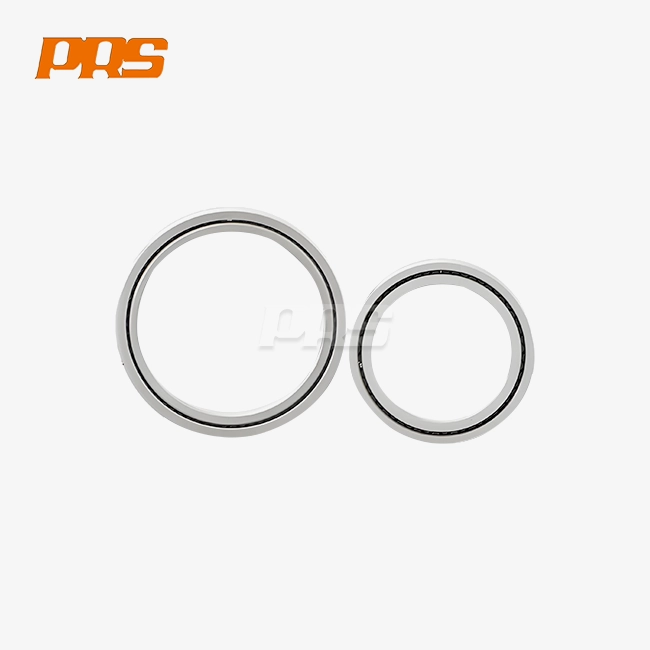
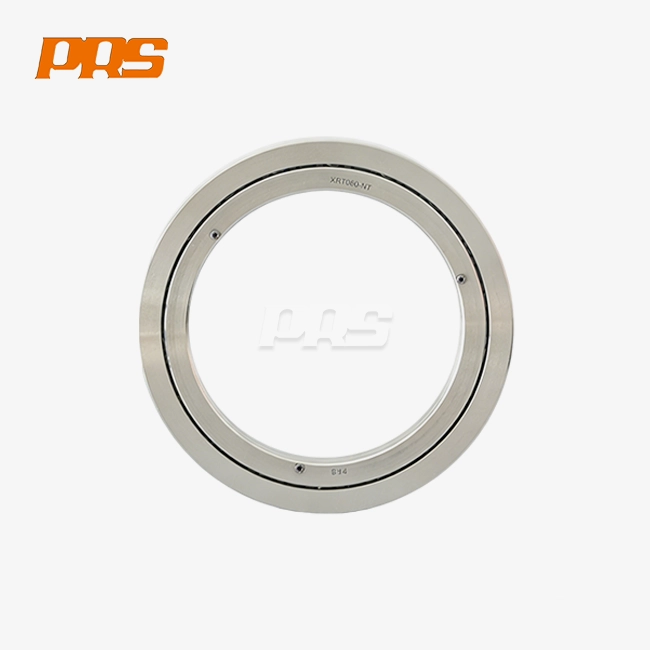
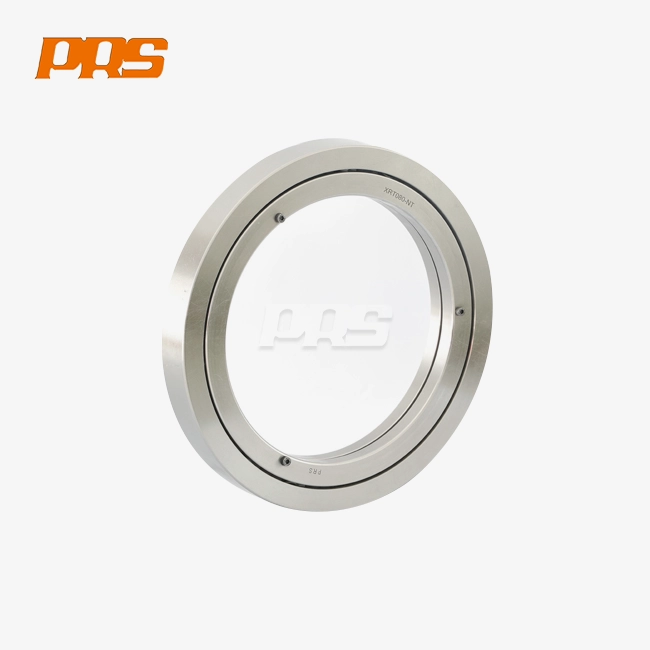
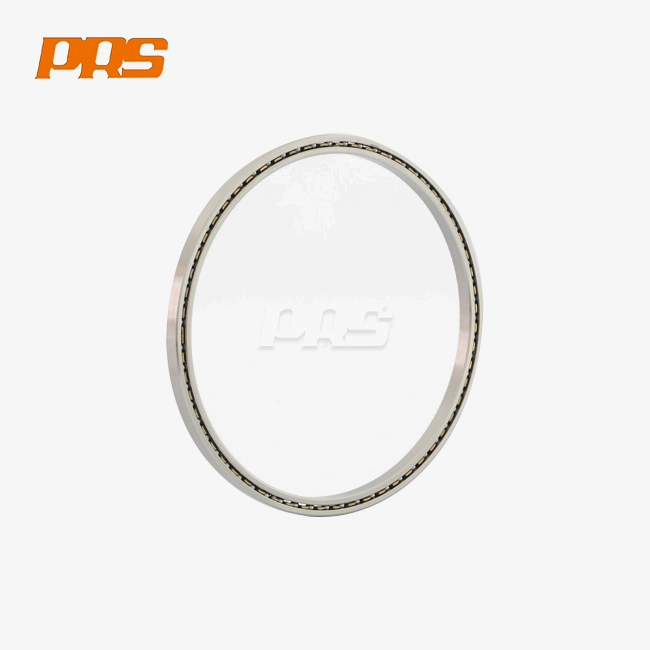
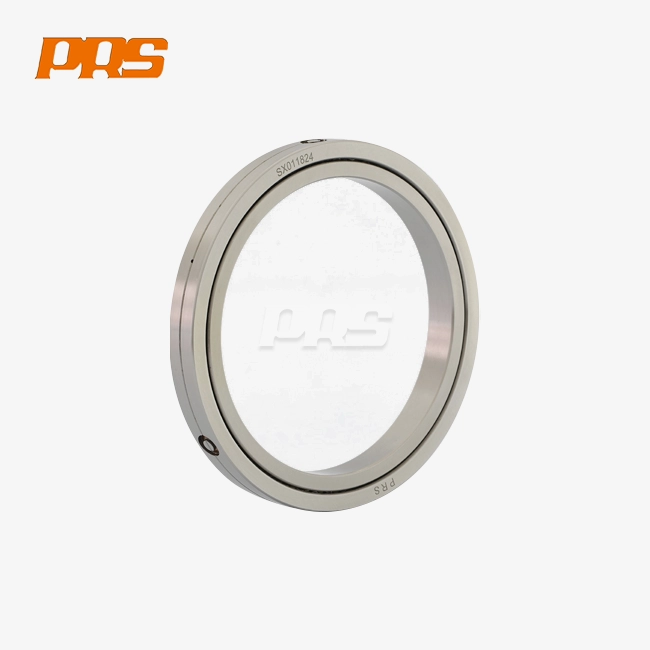
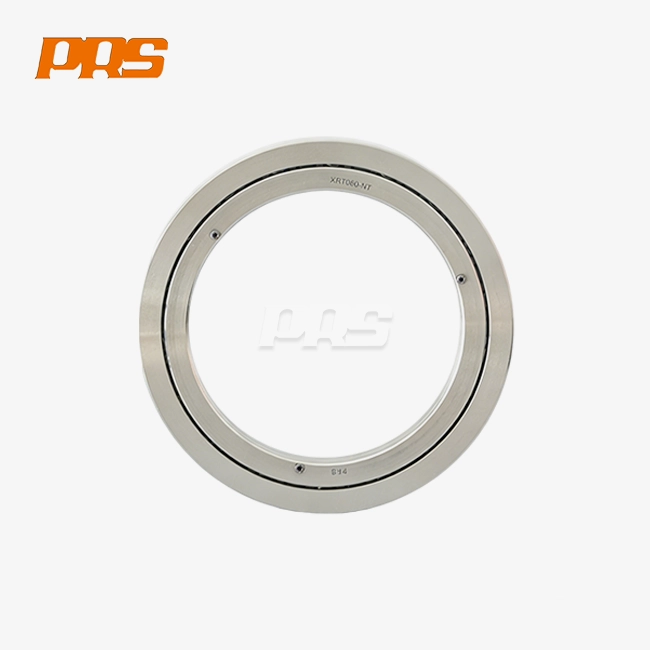
Based on load characteristics and operational requirements, different crane applications require different slew bearing crane designs to achieve reliable performance and long service life. Single-row four-point contact ball bearings are commonly used in mobile cranes and light-duty tower cranes because they provide standard lifting capability, compact dimensions, and cost-effective performance. Heavy construction equipment and rough-terrain cranes often rely on double-row ball bearings because they can withstand higher dynamic loads, impact forces, and complex operating conditions. Triple-row roller bearings provide the highest load capacity and structural rigidity, making them ideal for heavy-duty slew bearing crane applications such as harbour cranes, bucket-wheel excavators, offshore lifting equipment, and other machinery exposed to extreme forces.
The bearing design selected for a slew bearing crane system directly affects lifting capacity, operational safety, maintenance intervals, and overall equipment reliability. Triple-row roller bearing configurations distribute loads across larger contact areas, reducing stress concentrations that can cause premature failure. Compared with single-row designs, these advanced structures can significantly reduce component stress and extend service life in harsh environments. Precision manufacturing processes ensure smooth rotation, minimal backlash, and improved positioning accuracy by reducing mechanical clearance. Optimized raceway geometry maintains consistent contact angles under changing loads, which is especially important for high-precision crane operations requiring stable movement, accurate positioning, and long-term durability.
Impact on Safety Standards and Machine Uptime
International safety standards like ISO 9001, EN 13001, and API 2C for offshore uses must be followed when choosing bearings. These rules say what safety measures must be used when lifting people and important equipment. How well the bearings keep the structure together during cycle wear has a direct effect on how stable the crane is and how well they reduce operational risk. When bearings fail on equipment, it causes big financial losses. This is especially true in ports and construction sites where the availability of cranes determines when projects can be finished. Good slewing rings work well with all kinds of loads, so your machine stays up and running longer and you get a better return on your investment.
Criteria for Choosing the Right Slewing Bearing for Your Crane
Load Analysis and Bearing Capacity Requirements
The required bearing specifications for a slew bearing crane depend heavily on the crane’s operating conditions, load profile, and application environment. The first step is to calculate the maximum axial load (vertical weight), radial load (horizontal force), and overturning moment to ensure that the selected slew bearing crane system operates within its rated capacity while maintaining sufficient safety margins. Harbour cranes handling heavy cargo require bearings that can withstand frequent impact loads and continuous rotation, while tower cranes need high-performance slewing bearings capable of supporting constant vertical forces and maintaining precise movement. Mining draglines, with their extremely long booms and heavy bucket loads, require exceptional tilting moment capacity and fatigue resistance to ensure reliable operation in demanding conditions.
Material selection has a significant influence on the load capacity, durability, and service life of a slew bearing crane assembly. Different bearing materials, such as 42CrMo4 and 50Mn forged steel, provide different mechanical advantages depending on the application requirements. Quenching and tempering processes improve core toughness by achieving hardness levels of approximately 229–269 HB, while induction hardening of raceways increases resistance to rolling contact fatigue with surface hardness values of 55–62 HRC. This dual-hardness manufacturing approach creates a strong balance between structural toughness and surface wear resistance, allowing slew bearing crane components to handle repeated heavy loads, shock forces, and long-term industrial operation with improved reliability.
Operational Environment Considerations
Environmental factors affect the design requirements and material specifications for bearings. For coastal and offshore uses, special coatings and sealed designs are needed to make things more resistant to rust. The protected design keeps saltwater from getting into the internal parts and speeding up wear. In places with a lot of humidity, lubrication times need to be cut to keep moisture out. Extreme temperatures can change the performance of lubricants and the security of their dimensions, so thermal research is needed when choosing bearings.
Controlling contamination is very important in mining and building, where dust and other small particles can damage bearings. Abrasive particles can't get into raceways because of modern closing systems. This keeps running smooth for the whole service life. In clean places like factories, seals can be made with fewer parts, which makes the whole system easier.
Supplier Evaluation and After-Sales Support
Bearing acquisition includes more than just the initial buy price. It also includes the total cost of ownership. Check out suppliers based on their ability to make things, their quality certifications, and their technical support resources. Manufacturers who have both ISO 9001 and ISO 14001 licenses show that they care about quality and the environment. Having access to application engineering support makes sure that the right bearings are chosen and installed, so that they don't fail too soon because of mistakes in the specifications.
Long-term running costs are affected by warranty terms and the supply of spare parts. When suppliers keep a large stock of standard designs, they can quickly repair parts that break down for no apparent reason, which cuts down on downtime. Custom bearing designs need companies with engineering teams that can do load estimates, finite element analysis, and quick delivery times. Our 35-person expert team at Luoyang PRS Precision Bearing Co., Ltd. helps with everything from the initial design to the installation, making sure that your equipment works at its best for as long as it lasts.
Comparing Slewing Bearings: Performance, Maintenance, and Cost Efficiency
Gear Configuration Options and Performance Trade-offs
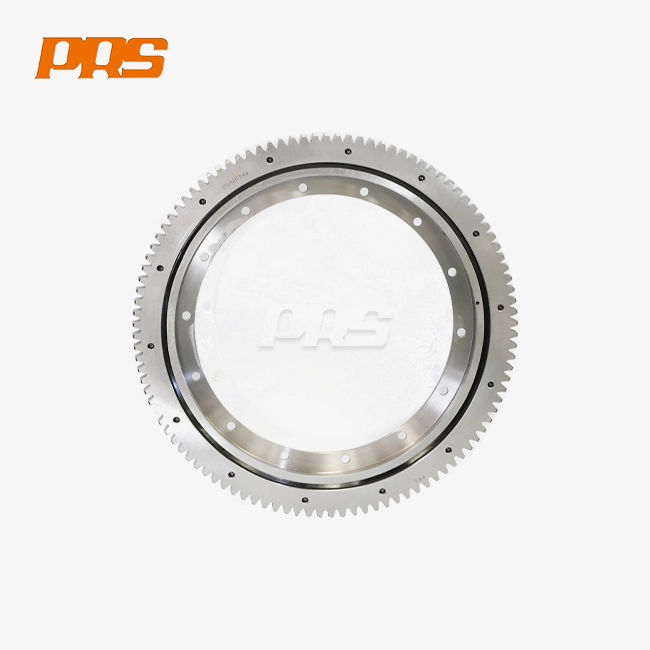
Choosing between external gear, internal gear, and gearless designs changes how hard it is to install, how much weight it can hold, and how easy it is to do upkeep. External gear designs are popular for mobile cranes that need to be serviced often because they are easier to mount and give technicians easy access to the gears. Usually, every 40 to 50 hours of operation, the exposed gear teeth need to be checked and oiled. Internal gear setups offer higher turning moment capacity in small packages, making them perfect for tower cranes that don't have a lot of room. Because the protected gear position keeps the gears from being exposed to the air, upkeep times are longer. Gearless bearings can hold a balanced load in multiple directions and don't need much upkeep. They are best for special equipment where ease is more important than gearbox integration.
Maintenance Practices for Extended Service Life
Regular repair practices have a direct effect on how long slew bearing crane bearings last and how reliably they work. Lithium EP2 grease needs to be used to lubricate the track every 100 hours of operation to keep metal from touching metal and to reduce friction. In places with a lot of humidity or that are offshore, maintenance intervals need to be shorter to prevent moisture from entering. Every 40 to 50 hours, the gear teeth need to be greased to keep the gearbox running smoothly and prevent tooth wear. Checking the tension of the mounting bolts helps prevent them from loosening, which can also lead to premature bearing damage. When replacing bearings, industry standards recommend using new Grade 10.9 or 12.9 nuts because old bolts may experience wear and plastic deformation, increasing the risk of failure under load.
The best way to tell if slewing ring bearings are healthy is to measure their tilting space. If the clearance goes above the manufacturer's limits, which are usually 2.0 to 3.0 mm based on the width, it means that the raceway is failing and needs to be replaced right away to keep the crane from tipping over. For early detection of metal particle contamination, magnetic plugs and grease samples are used. This lets maintenance be done before a catastrophic failure happens. These monitoring methods raise the service life of bearings from less than 5 years in bad conditions to 10 to 15 years with proper maintenance.
Cost-Effectiveness and Total Ownership Analysis
When you only look at the initial buy price of slewing bearings, you miss important factors that affect the total cost. A higher initial investment is needed for high-precision bearings made from high-quality materials, but they last longer, need less maintenance, and work better in operations. Distributed load lines in triple-row roller designs reduce wear patterns, which means that they don't need to be replaced as often and cost less over their whole life. When a bearing fails and equipment is down, it costs a lot of money because of lost productivity, emergency logistics costs, and labour costs for maintenance that wasn't planned. These secret costs can be avoided by buying solid bearing systems from well-known companies. This also ensures that the crane always works well.
Installation and Safety Considerations for Slewing Bearing Cranes
Critical Installation Procedures and Alignment Techniques
If you follow the right steps for fitting, the bearings will work as expected and last as long as the manufacturer says they will. The mounting surface needs to be perfectly flat within certain limits, which are usually 0.5 mm across the bearing diameter. Uneven surfaces cause stress to build up, which speeds up track fatigue. To keep the load from being unevenly spread across fastening bolts, bolt holes need to be lined up correctly. Using calibrated torque tools makes sure that the bolt preload stays the same, which is important for keeping the bearing stable under working loads.
Some common installation mistakes are using the same mounting nuts more than once, not properly preparing the surface, and not checking the position correctly. To keep the structure strong, each time a bearing is replaced, new high-grade tension nuts must be used. Clean mounting surfaces to get rid of rust, paint, and other things that can cause gaps that make it hard for the load to be distributed. Before the final bolt is tightened, measurements from a dial indicator make sure that the alignment is correct. This stops angular misalignment that leads to premature wear.
Safety Features and Compliance Standards
Modern slew bearing cranes have safety measures that lower the risks of operation. Integrated seals stop oil from leaking and dirt from getting in, so the bearings keep working well between service times. Hardened raceways don't bend when they're hit with shock loads, so they don't break suddenly when big things are being lifted. The three-row design creates two sets of load lines, so the machine can keep running even if some of the rolling parts get damaged. However, it still needs to be inspected right away.
Following the rules set by EN 13001 and API 2C makes sure that bearings meet the safety standards needed for lifting people and important structures. These rules say that materials must have certain properties and that testing must be done in a certain way. Manufacturers of bearings that follow these standards provide proof that they are following the rules, which is needed for equipment certification and insurance purposes.
Installation Success Case Study
A port upgraded their container handling cranes by replacing worn-out single-row bearings with precision-made triple-row units. The installation team followed strict alignment rules and made sure that the 3-meter bearing diameter was flat within 0.3 mm. Hydraulic tensioners were used to apply the right amount of force to new Grade 12.9 mounting nuts. In the 18 months that followed, the updated cranes showed 35% better positioning accuracy and 50% less downtime for repair. This speed gain led to more containers being moved and higher profits for the business, showing how important it is to use high-quality parts and do a precise repair.
Future Trends and Innovations in Slewing Bearing Crane Technology
Advanced Materials Delivering Enhanced Performance
As material science continues to advance, the performance characteristics of slew bearing crane systems keep improving through the development of stronger and more durable bearing materials. New metal alloys provide better strength-to-weight ratios, allowing crane structures to become lighter while maintaining excellent load-carrying capacity and operational stability. Advanced heat treatment technologies create optimized hardness gradients that balance core toughness with surface wear resistance, improving the service life of slew bearing crane components under heavy-duty working conditions. These material innovations enhance bearing reliability, reduce maintenance requirements, and extend operating cycles by minimizing wear and fatigue. Improved surface properties also lower rotational friction, helping cranes achieve smoother movement, better energy efficiency, and more reliable performance in demanding lifting applications.
Surface treatment technologies, such as special coats, make things less likely to rust and increase their resistance to contact. In marine and offshore settings where saltwater exposure could damage bearings, these treatments are especially helpful. Because there is less friction, less drive power is needed. This means that less energy is used, and the motor lasts longer.
Electrification and Automation Integration
As the crane industry moves toward electric power, new needs arise for slewing bearing systems. Electric drive systems need precise control over rotation that doesn't have any mechanical backlash that could throw off the accuracy of positioning. Bearings with the right preload configurations get rid of play while keeping friction low. This lets automatic crane operations have quick control. Direct drive setups put motors inside bearing systems, which makes mechanical design easier and boosts efficiency.
For unmanned operation, automation systems need bearings that work reliably. Predictive maintenance technologies check the condition of bearings by analysing vibrations, measuring temperatures, and listening for sound emissions. These sensor systems find problems before they happen, so repair is done during planned breaks instead of when there is an emergency.
Smart Monitoring and Predictive Maintenance
IoT-enabled bearing systems have sensors built in that let you check on their state in real time. Temperature sensors pick up on thermal oddities that mean there isn't enough lubrication or too much load. Vibration tracking finds damage to the raceways that is starting to happen by looking for specific frequency patterns. Wireless data transfer lets multiple crane setups be monitored from afar, which centralises maintenance management and makes service scheduling more efficient.
Machine learning systems look at trends in sensor data to make more accurate predictions about how long a bearing will last. With this ability to guess what will happen, procurement teams can plan replacement bearings before they break. This keeps inventory levels at just the right level, without having too much on hand. The change from time-based to condition-based maintenance cuts down on replacing bearings that don't need to be replaced and stops unexpected failures, which lowers the total cost of ownership.
Conclusion
To select the best slew bearing crane solution for optimal crane performance, engineers and procurement teams need to carefully evaluate load requirements, operating conditions, and long-term ownership costs. Whether using single-row, double-row, or triple-row slewing bearings, the bearing design must match the crane’s load curve, rotation requirements, and specific application conditions. Material selection for a slew bearing crane system directly affects service life, maintenance intervals, and resistance to heavy-duty working environments, while gear configuration influences installation complexity, positioning accuracy, and future serviceability. Proper installation procedures, lubrication management, and regular inspection are just as important as bearing manufacturing quality in achieving long-term reliability. Selecting suppliers based on production capabilities, engineering support, quality certifications, and experience with heavy machinery applications helps ensure that slew bearing crane systems deliver stable operation, improved safety, and reduced total cost of ownership.
FAQ
How Often Should Slewing Ring Bearings Undergo Lubrication?
Most bearing raceways need to be oiled every 100 hours of use to keep the film thickness right and keep metal from touching metal. Lithium EP2 grease needs to be used to grease the gear teeth every 40 to 50 hours. In places with a lot of humidity, like offshore sites and heavy-duty uses, gaps need to be cut to stop moisture from getting in and wear rates from going up. Checking the consistency of the grease during regular inspections helps figure out if the intervals need to be changed based on how things are really running.
What Indicators Signal Bearing Replacement Necessity?
Clicking sounds usually mean that fixing nuts are loose or that the raceway is breaking in one place, which needs to be checked right away. Grinding sounds mean that a seal has failed, letting in dirt or a serious lack of grease. Finding out the tilting clearance is the only way to be sure of a bearing's health. If the clearance is higher than the manufacturer's limits (usually 2.0–3.0 mm depending on diameter), the bearing needs to be replaced right away to keep the crane from becoming unstable. By looking for metal particles in magnetic plugs and grease samples, internal damage can be found before it causes a catastrophic failure.
Can Bearings Accommodate Custom Design Requirements?
Manufacturers like PRS can make unique bearing designs that fit the needs of a particular application. Standard bearings can't handle certain types of loads, space limitations, or weather problems that can be solved with custom designs. The process of customisation includes a thorough analysis of the loads, the best choice of materials, and sped up production schedules. Standard setups usually have shorter lead times than custom designs, but custom designs work best for certain uses.
Partner with PRS for Superior Slew Bearing Crane Solutions
Luoyang PRS Precision Bearing Co., Ltd. makes high-quality slewing bearings that improve the performance of cranes in tough industrial settings. Our 15,000 m² factory has more than 200 high-precision tools that make sure the dimensions are correct and the surface finish meets strict international standards. We have been making slew bearing cranes for a long time and have strict quality control protocols and 6S production management principles that help us keep our factory pass rates above 99.9%. Our 35-engineer expert team offers full support, from choosing the right bearings to helping with installation. They are backed by ISO 9001, ISO 14001, and CE safety certifications. Standard configurations can be shipped within 24 hours from a large inventory, while custom designs get the attention of engineers more quickly. Email our experts at ljh@lyprs.com to talk about your particular needs and find out how PRS bearings provide stability, precision, and value that go above and beyond what the industry expects.
References
1. Zhao, M., & Ji, J. (2021). "Load Distribution Analysis and Optimization Design of Multi-Row Roller Slewing Bearings." Journal of Mechanical Engineering Science, Vol. 235, Issue 18, pp. 3542-3558.
2. Kania, L., & Krynke, M. (2019). "Computation of Slewing Bearing Load Capacity with Consideration of Mounting and Operating Errors." Engineering Failure Analysis, Vol. 101, pp. 178-191.
3. Daidié, A., Chaib, Z., & {Ghosn}, A. (2020). "3D Finite Element Model of Slewing Ball Bearing Used in Heavy Construction Machinery." Finite Elements in Analysis and Design, Vol. 178, pp. 103-421.
4. Potočnik, R., Göncz, P., & Glodež, S. (2018). "Fatigue Analysis of Large Slewing Bearing Using Strain-Life Approach." Procedia Structural Integrity, Vol. 13, pp. 1518-1523.
5. Aguirrebeitia, J., Plaza, J., Abasolo, M., & Vallejo, J. (2022). "General Static Load-Carrying Capacity of Four-Contact-Point Slewing Bearings for Wind Turbine Applications." Wind Energy, Vol. 25, Issue 4, pp. 687-704.
6. Chen, G., & Wang, S. (2023). "Predictive Maintenance Strategy for Large Slewing Bearings in Crane Systems Using Vibration Analysis and Machine Learning." International Journal of Advanced Manufacturing Technology, Vol. 124, Issue 7-8, pp. 2741-2756.

USER EVALUATE
Here is the customer's evaluation of us