


How to Choose the Right Slew Bearing for a Crane?
Choosing the right slewing ring bearing for crane applications requires understanding how these critical components manage simultaneous axial, radial, and tilting moment loads during lifting operations. A slew bearing crane system functions as the rotational interface between your crane's superstructure and base, handling tremendous stress while enabling smooth 360-degree movement. Your selection depends on load profiles, environmental conditions, bearing configuration, and material specifications. When you match these parameters to your operational demands, you ensure optimal performance, minimize downtime, and extend equipment lifespan. This guide walks you through the evaluation process.
Understanding Slew Bearings and Their Function in Cranes
Knowing why these parts are important to crane operations is the first step in making an informed bearing choice.
What Defines a Slewing Ring Bearing?
A slewing-ring bearing is what holds the rotating part of your crane's structure to the platform that stays still. Unlike regular bearings that only handle loads in one direction, this special part handles the weight of materials being lifted vertically, the shear forces that act horizontally when the boom is extended, and huge overturning moments that would make less stable systems unstable all at the same time. The bearing is made up of inner and outer rings that were carefully polished and have many rows of rolling elements placed at specific contact angles. This arrangement spreads the force over a large surface area, stopping stress buildup that speeds up wear and causes catastrophic failures in high-stakes pulling situations.
How Does Load Separation Technology Work?
These days, slewing-ring bearings use advanced load path separation that takes care of each force vector separately. The upper raceway sends loads that are vertical straight down through the crane's support structure. The lower raceway controls the reaction forces that balance these loads going up and down. The radial raceway, on the other hand, controls the side forces that are created when the boom turns and the load swings. This three-path system makes sure that each rolling element works within its ideal stress range. Compared to single-row designs, this lowers the strain on each component by up to 40%. Your crane's placing accuracy stays the same no matter how heavy the payload is or how steep the boom is.
Types of Slewing Bearings Used in Crane Applications
Different types of cranes need different types of bearing designs. Single-row four-point contact ball bearings are small enough to fit in mobile cranes that have to make design choices based on weight and room limits. These bearings allow for smooth spinning with little friction, which makes them perfect for truck-mounted units that need to be moved around a lot. Double-row ball bearings can hold more weight, which is useful for medium-duty machines like all-terrain cranes that work in building sites. Triple-row roller bearings are the standard for heavy-duty use in stable sites and platforms at sea. These systems have a mix of cylindrical and tapered rollers that can handle the heavy loads that come from ship-to-shore container cranes and mine draglines. Crossed roller bearings offer better rigidity for precise tasks where positioning accuracy is important for operational efficiency, like when tower cranes do repeated lifting cycles at high elevation.

Key Factors to Consider When Choosing a Slew Bearing for Your Crane
Which bearing arrangement is best for your application depends on a number of scientific and operational factors.
Load Capacity Evaluation
A thorough load analysis is the first step in choosing bearings, and for slew bearing crane, to find the highest axial loads, add up the weight of the crane's attachments and boom parts to its maximum lifting capacity, and for radial load estimates to work, horizontal forces must be taken into account when the load speeds up or slows down or when it is exposed to wind, and to do a tilting moment study, you have to look at how the operating radius, boom extension, and payload position all affect the whole, and grade of material has a direct effect on how much weight it can hold. To find the highest axial loads, add up the weight of the crane's attachments and boom parts to its maximum lifting capacity. For radial load estimates to work, horizontal forces must be taken into account when the load speeds up or slows down or when it is exposed to wind. To do a tilting moment study, you have to look at how the operating radius, boom extension, and payload position all affect the whole. Grade of material has a direct effect on how much weight it can hold. Standard 50Mn steel is hard enough (55–62 HRC) for basic building tasks with modest duty cycles. 42CrMo steel with a rating of 58–65 HRC is good for heavy industrial use because it has better wear strength when loaded continuously. Premium grades of 42CrMo4 are used in offshore and aerospace applications that need the highest levels of reliability.
Design Features That Influence Performance
The width of the bearing affects both how the load is distributed and how much rotational force is needed. When the sizes get bigger, the loads are spread out over more moving elements. This makes each component less stressed and increases its service life. But a bigger diameter makes the hydraulic drive system work harder and makes installation more difficult. The resistance to deflection under load is based on the thickness of the ring. For precision positioning applications, thicker cross-sections offer better rigidity. There are three different choices for gear tooth arrangement. External toothed bearings make mounting easier and maintenance easier, which is why they are best for mobile crane applications that need to be serviceable in the field. Internal gear designs keep the installation area as small as possible, which lets cranes be set up in small spaces where design choices are limited. For specific uses that need separate drive systems or very smooth spinning, gearless bearings are the best choice.
Environmental Considerations and Seal Selection
The operating climate has a big impact on the choice of material and the sealing needs. Extreme temperatures change the viscosity of lubricants and the space between bearings. Saltwater rust is a problem for offshore marine cranes that needs special seal technology and treatments that prevent corrosion. Bearings on construction sites are exposed to dust and debris that speed up wear if they are not properly protected. For port facilities that are open 24 hours a day, seven days a week, they need designs that are easy to maintain and support automatic cleaning systems. Contamination resistance and lubrication retention depend on how the seal is configured. Contact seals offer the best protection in rough environments, but they create friction that raises the need for drive torque. Non-contact labyrinth seals keep friction losses to a minimum while still protecting enclosed installations well. Combination seal designs find the right balance between protection levels and operating efficiency. The type of seal used depends on the harshness of the climate and how easy it is to maintain.
Maintenance Requirements and Service Life Expectations
Long-term cost-effectiveness depends on how easy it is to do maintenance and how often it needs to be done. Bearing designs with automated lubrication ports cut down on the amount of maintenance work that needs to be done by hand while making sure that grease is evenly spread across all raceway surfaces. The tilting clearance measurement features allow for proactive repair plans that spot problems as they arise, preventing unplanned downtime. Service life estimates are based on a number of things that affect each other. Proper greasing with Lithium EP2 grease every 100 hours for the raceways and every 40 to 50 hours for the gear mesh stops the raceways from wearing down too quickly. Checking the tightness of mounting bolts stops them from becoming loose, which can cause fretting rust and raceway damage. When you work within the stated load limits, you avoid the plastic deformation and fatigue cracking that shock loading causes. Properly specified bearings can last for 10 to 15 years of solid service in harsh industrial settings with regular repair.
Comparing Slew Bearings to Other Crane Bearing Solutions
Understanding how slewing-ring technology differs from other methods makes the benefits that are causing it to become so popular clear.
Advantages Over Conventional Multi-Bearing Systems
In older crane designs, many smaller bearings were grouped around vertical kingpost shafts, and for slew bearing crane, for this method to work, many parts had to be perfectly lined up, because any misalignment would speed up wear and cause positioning errors, and the arrangement took up a lot of vertical space, which made the crane less stable and raised its center of gravity, and with slewing-ring bearings, all of this complexity is put into a single, fully integrated part, and the unified construction gets rid of alignment issues and lowers the general height of the crane by 15–25% compared to kingpost designs. For this method to work, many parts had to be perfectly lined up, because any misalignment would speed up wear and cause positioning errors. The arrangement took up a lot of vertical space, which made the crane less stable and raised its center of gravity. With slewing-ring bearings, all of this complexity is put into a single, fully integrated part. The unified construction gets rid of alignment issues and lowers the general height of the crane by 15–25% compared to kingpost designs. A lower center of gravity makes the machine more stable, which lets it lift more or reach farther with the boom without compromising safety. When service teams work on one bearing assembly instead of organizing the repair of many parts, maintenance is a lot easier.
Performance Comparison with Tower and Jib Configurations
For tower crane uses, vertical simplicity and high-cycle dependability are most important. Internal gear slewing-ring bearings give these installations the small radial space they need while still allowing them to rotate continuously over long duty cycles. When compared to external pinion systems, the combined gear cuts energy use by 12–18% because it gets rid of the need for different drive train parts. Installers of jib cranes like it when the rotation is smooth and the starting torque is low. These features are available in four-point contact ball bearings because their contact angle design is tuned to reduce rolling resistance. Operators can precisely place loads without having to deal with the jerky moves that other types of bearings make when loads change. Noise levels go down a lot, making enclosed industrial sites more comfortable places to work.
Cost Versus Performance Analysis
Initial purchase costs are based on the complexity of the bearing, the grade of the material, and how precisely it was manufactured. Standard single-row ball bearings are a good way to start with light-duty mobile uses because they are inexpensive. Triple-row roller systems cost more than other types, but their higher load capacity and longer service life make up for it in big industrial settings. When you figure out the total cost of ownership, you can see bigger-picture issues of value. Higher-capacity bearings help cranes be more productive by increasing their load ratings and making them more available for use. Longer repair breaks save money on labor and keep production running smoothly. Better resistance to fatigue means that replacements aren't needed as often, saving money and time that would have been spent on bearing replacements in older equipment.
How to Select the Best Supplier and Procurement Strategy?
The way you choose suppliers and buy things has a big impact on the success of a project and its long-term dependability.
Evaluating Manufacturer Qualifications
Precision production infrastructure and quality control systems from top bearing makers show how technically skilled they are. Advanced CNC cutting centers in production sites make it possible to keep the dimensions within the ranges needed for bearing performance. Coordinate measuring tools and raceway surface analysis tools to make sure that finished goods meet published standards before they are sent out. Quality certifications give direct proof of the production discipline. With ISO 9001 approval, you can be sure that production processes are run by structured quality management practices. ISO 14001 shows that manufacturing operations are responsible for the environment. CE compliance means that a product meets the safety and performance standards for machinery parts set by the European Union. Our 15,000-square-meter production center, which is home to more than 200 precise tools, helps PRS keep up its high standards for manufacturing. Our quality systems have factory pass rates of more than 99.9%, which means that all bearing configurations will have the same level of dimensional accuracy. The 35-engineer technical team helps customers with their applications from the very beginning, when they are first specified, until they are installed. They do this by guiding customers through complicated selection criteria and installation requirements.
OEM Versus Aftermarket Considerations
Original equipment maker bearings ensure that their design will work with your crane and that their performance will meet the engineering requirements. When you buy from an OEM, you don't have to worry about fitting issues, and your guarantee still covers newer equipment. Longer wait times and higher prices, on the other hand, can make it hard to stick to project plans and budgets. When the size and strength requirements are the same as or higher than OEM standards, high-quality aftermarket bearings from reputable companies are a great alternative. Bearing drawings and load rating documents that are very detailed let you make confident decisions about substitutions. When you buy from qualified providers with a track record of reliability, shorter delivery times and low prices make the project more cost-effective without lowering the level of reliability.
Procurement Methods and Timeline Planning
Direct buy makes title clear and makes managing long-term assets easier, and for slew bearing crane, standard bearing configurations ship quickly from the manufacturer's stock, and many popular sizes can be delivered in 24 hours by PRS, and to approve specs for custom designs, engineers must work together, and then manufacturing lead times usually range from 4 to 8 weeks, based on how complicated the design is and what materials are needed, and rental options are good for short-term projects or situations where equipment needs to be available right away while permanent solutions are being planned and bought. Standard bearing configurations ship quickly from the manufacturer's stock, and many popular sizes can be delivered in 24 hours by PRS. To approve specs for custom designs, engineers must work together, and then manufacturing lead times usually range from 4 to 8 weeks, based on how complicated the design is and what materials are needed. Rental options are good for short-term projects or situations where equipment needs to be available right away while permanent solutions are being planned and bought. In very specific situations where standard catalog items can't meet specific performance or shape requirements, custom manufacturing is used. This method requires longer timelines but provides the best answers for tasks that are hard to do.
Warranty Terms and After-Sales Support
A full warranty protects your investment against problems with the way it was made and failures that happen before they should. Most standard insurance terms last between 12 and 24 months from the date of installation or first use. The terms of coverage should make it clear who is responsible for the quality of the installation, the upkeep, and the practical factors that affect the warranty's validity. Technical support after the sale is what sets great suppliers apart from basic parts vendors. Help from application engineers helps figure out what's wrong with performance and how to fix it when changes in operations affect how bearings work. Maintenance training programs help employees develop skills that make bearings last longer and cost less over their whole life. Quick responses to technical questions cut down on the time needed to figure out what's wrong when problems come up out of the blue.
Practical Guide: Matching Slew Bearing Selection to Your Crane Needs
For a bearing design to work, the technical details must match up with how things actually work in a variety of industries.
Construction Industry Applications
When working as a construction crane operator, you have to move around a lot, do different kinds of work, and be outside in tough weather. For mobile crane installations to work, they need small four-point contact bearings that keep the weight down while still holding normal construction loads. The bearings have to be able to handle shock loads from uneven ground and quick changes in load while the material is being placed. Internal parts are kept clean from dirt and dust on the job site by dust seals and weather-resistant treatments. For tower cranes used in high-rise buildings, high-cycle bearings are needed to keep them running continuously for long periods of time. Internal gear configurations cut down on maintenance needs while still ensuring reliable performance over thousands of rotations per day. For consistent grease distribution, automated lubrication compatibility makes sure that the crane doesn't have to be shut down for manual service procedures.
Port and Logistics Operations
Cranes that move containers have long shifts with a lot of work to do. Their efficiency directly affects how fast the building can move things. Heavy-duty triple-row roller bearings handle the huge loads that come with shipping container lifts while keeping the positioning accuracy that is needed for stacking containers efficiently. Because the marine environment is so harsh, corrosion-resistant treatments and better sealing systems are used to keep saltwater out, which speeds up wear and threatens the structure's integrity. Ship-to-shore cranes need bearings that can handle long boom reaches and large tipping moments. Premium types of materials give these systems the fatigue resistance they need, and if they fail, the failure can cause the port to be closed for longer and cost a lot to fix. Condition tracking programs that plan service activities around when ships arrive are made possible by predictive maintenance provisions. This way, problems are fixed before they happen.
Heavy Industrial Manufacturing
In steel mills, foundries, and other big manufacturing sites, the air is dirty, and the overhead crane systems have to work in harsh conditions. High-temperature grease formulations keep lubrication working well when the temperature outside is high. Scale, metal particles, and process byproducts can't get on raceway surfaces because of better seal designs. Materials used in bearings must be able to withstand thermal distortion, which changes clearances and leads to early wear patterns. Installations in the process industry need to be operationally available because when a crane breaks down, output stops in whole sections of the building. Failure risk is kept to a minimum by using expensive materials and designing bearings that can handle low loads. Features that make maintenance easier, like condition monitoring and quick component replacement, cut down on the time needed for planned maintenance, which increases the availability of production equipment.
Selection Checklist for Procurement Managers
Systematic review across key choice factors will help your bearing specification process. When figuring out the load, the maximum combined axial, radial, and moment loads must be taken into account, along with the right safety factors. The environmental study finds the temperature ranges, pollution levels, and corrosion risks that affect the choice of material and seal. Duty cycle analysis tells you whether standard or heavy-duty bearing grades are best for your application. Verifying the mounting interface makes sure that the dimensions are compatible with current crane structures or lets engineers make changes that allow for different bearing configurations. The assessment of maintenance capabilities looks at things like how easy it is to lubricate, how inspections can be done, and how well service intervals work with working plans. When evaluating a supplier, you should look at their professional help, delivery reliability, and availability of after-sales service to make sure they can support your business for a long time.
Conclusion
When choosing the right slewing-ring bearing for your crane, you need to weigh the technical specs against the practicalities of the job and the long-term costs, and for slew bearing crane, analysis of load capacity, environmental factors, maintenance needs, and supplier abilities all affect the decisions that are made, and by carefully looking at these factors and making sure that the bearings you use are the right ones for your needs, you can be sure that they will work well and get the most out of your equipment investment. Analysis of load capacity, environmental factors, maintenance needs, and supplier abilities all affect the decisions that are made. By carefully looking at these factors and making sure that the bearings you use are the right ones for your needs, you can be sure that they will work well and get the most out of your equipment investment. Choosing the right bearings for your crane will make it safer, more productive, and cost less to own over its entire life.
FAQ
How often should crane slew bearings be lubricated?
Lithium EP2 grease should be used to lubricate the raceways every 100 hours of operation, and the gear teeth need to be checked every 40 to 50 hours. In harsh settings, gaps need to be shorter. Offshore sites and places with a lot of humidity need to be serviced more often to keep wetness from getting into the equipment. Automatic greasing systems keep the flow of grease even without any help from a person. This cuts down on work costs and increases reliability.
What symptoms indicate slew bearing replacement is necessary?
Clicking sounds are often a sign of weak mounting nuts or damage to the raceway in one area. Grinding sounds usually mean that a seal has failed, letting in dirt or not enough oil. If the tilting clearance goes above and beyond what the manufacturer recommends, it means that the raceways are worn out and need to be replaced right away. Regularly measuring the clearance allows for proactive replacement before a catastrophic failure happens, which keeps crane structures from getting damaged again.
Can mounting bolts be reused during bearing replacement?
New Grade 10.9 or 12.9 bolts must be used for every bearing fitting, as required by industry guidelines. Fasteners that have already been placed get worn out and deformed, which lowers their load-bearing ability. Using old bolts again increases the chance that they will shear under operational loads, which could lead to bearing separation and a catastrophic crane failure. The small cost of new fasteners is important protection against mistakes that could have been avoided.
How long should bearings last if they are well taken care of?
If you keep your slewing bearings in good shape, they should last between 10 and 15 years in the right uses. Regular lubrication, checking the tension of the bolts, and operating within the rated capacities all help keep the bearings in good shape for long periods of time. On the other hand, shock loads, exceeding capacity, and not having enough seal protection can speed up wear and tear, which could shorten the service life below five years. The maintenance discipline directly affects how long a bearing lasts.
Partner with PRS for Precision Slew Bearing Crane Solutions
Luoyang PRS Precision Bearing Co., Ltd. designs and manufactures slewing rings that are used in building, maritime, and big industry cranes that need to meet strict requirements. As a specialist in making slew-bearing cranes, we offer both advanced manufacturing skills and full expert help for the entire lifecycle of your equipment. Our factory makes standard and custom-sized gearless, internal-toothed, and external-toothed versions out of quality 42CrMo and 50Mn materials that make sure they work well even under heavy loads. Our engineering team gives you a thorough load analysis, mounting instructions, and upkeep schedules that are specific to your needs. PRS helps you stay on track with your projects without lowering the quality standards by delivering standard setups in 24 hours and speeding up the manufacturing process for custom orders. Get in touch with our technical experts at ljh@lyprs.com to talk about your slew-bearing crane needs and find out how our precision-engineered solutions improve the stability of your equipment while lowering your long-term running costs.
References
1. Machinery's Handbook, 31st Edition. Industrial Press, 2020. "Rolling Bearing Selection and Application," pp. 2401-2445.
2. American Society of Mechanical Engineers. ASME B89.3.4-2010: Axes of Rotation—Methods for Specifying and Testing. New York: ASME, 2010.
3. Harris, Tedric A., and Michael N. Kotzalas. Advanced Concepts of Bearing Technology: Rolling Bearing Analysis, 5th Edition. Boca Raton: CRC Press, 2006.
4. ISO 76:2006. Rolling Bearings—Static Load Ratings. Geneva: International Organization for Standardization, 2006.
5. Budynas, Richard G., and J. Keith Nisbett. Shigley's Mechanical Engineering Design, 11th Edition. New York: McGraw-Hill Education, 2019. Chapter 11: "Rolling-Contact Bearings."
6. Deutsche Windguard GmbH. "Load Distribution Analysis in Large Diameter Slewing Bearings for Wind Turbines and Cranes." Wind Energy Research Report WE-2018-47, Varel, Germany, 2018.

USER EVALUATE
Here is the customer's evaluation of us
YOU MAY LIKE
 VIEW MORERAU Ultra thin bearings
 VIEW MOREslim bearings
 VIEW MOREBearing for harmonic drive
 VIEW MOREAngular contact bearing
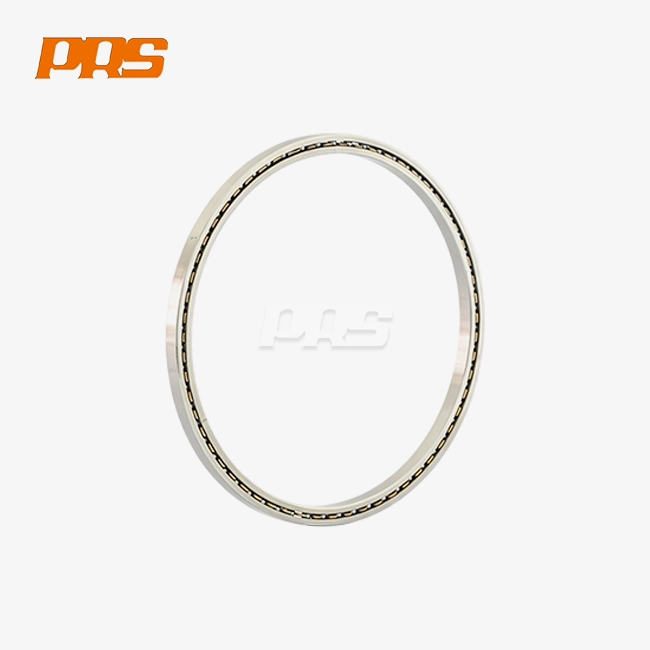 VIEW MOREPrecision Angular Contact Ball Bearings
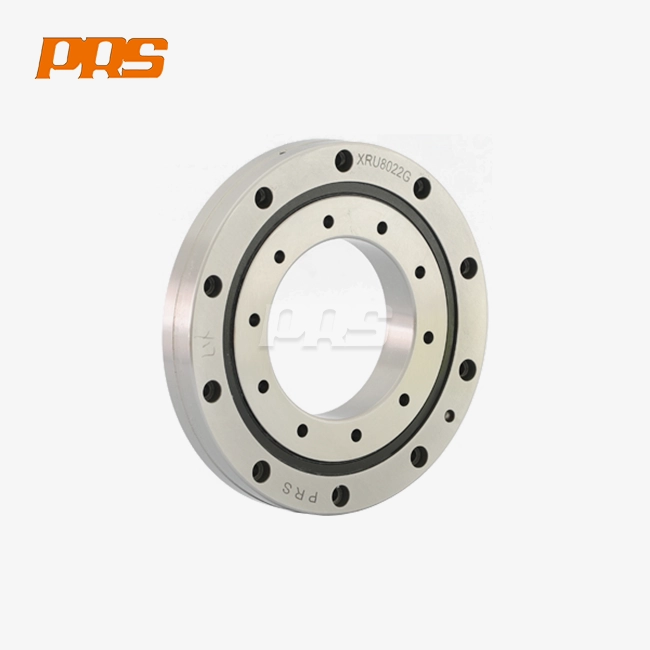 VIEW MORERU Face Mount Crossed Roller Bearing
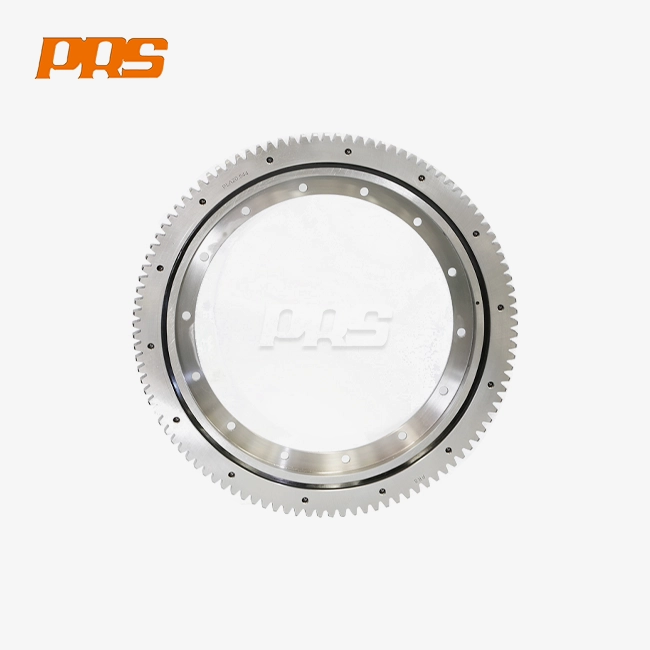 VIEW MORELarge Diameter Slewing Bearing
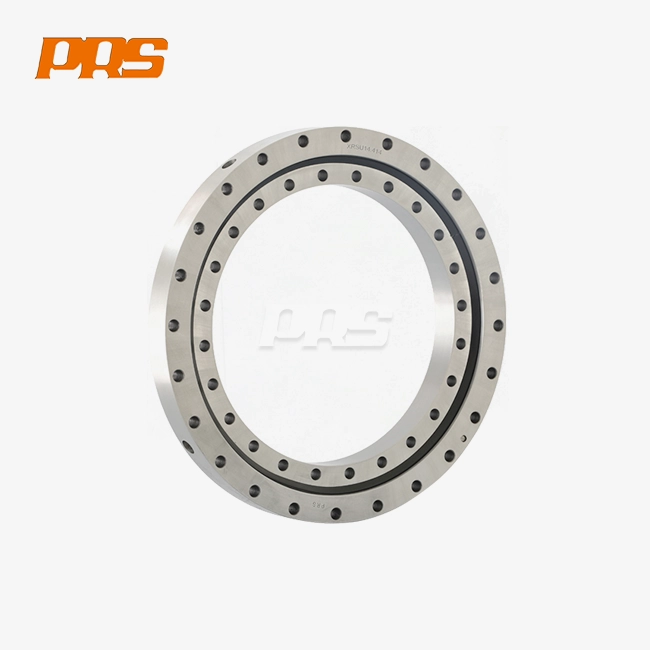 VIEW MOREDouble-Row Angular Contact Ball Slewing Bearings