
Key Role of Roller Slewing Bearings in Heavy Machinery Unveiled
When engineers build cranes, mining excavators, or wind turbines, they have to answer a very important question: which part can safely hold huge loads in many directions while still allowing the machine to spin smoothly? The roller slewing bearing is the answer. It is a special kind of rotational interface that was made to handle axial, radial, and moment loads at the same time, which would be too much for most bearing systems to handle. Standard ball bearings work by making point contact. These strong systems, on the other hand, use cylindrical or tapered rollers placed in carefully machined raceways to make line contact. This greatly improves the load capacity and structural stiffness. Because of this basic skill, they are now essential parts of building equipment, offshore platforms, and industrial automation, where accurate positioning and equipment downtime have a direct effect on how much money the business makes.
What Are Roller Slewing Bearings and How Do They Work?
These spinning bearings are made up of an inner ring, an outer ring, and moving elements in between them. When you look at contact mechanics, you can see the main difference between rollers and ball-type alternatives: rollers spread forces over a bigger surface area through line contact instead of point contact, which lets them support heavy loads in small spaces.
Structural Components and Load Distribution Mechanics
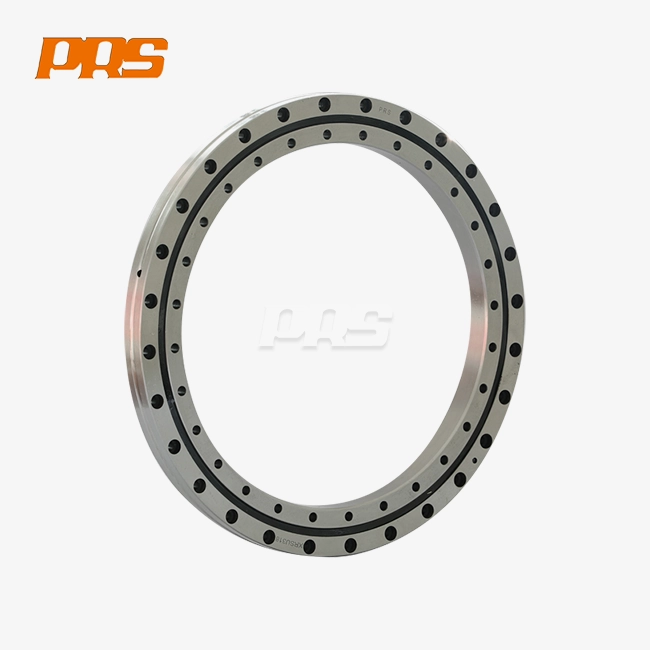
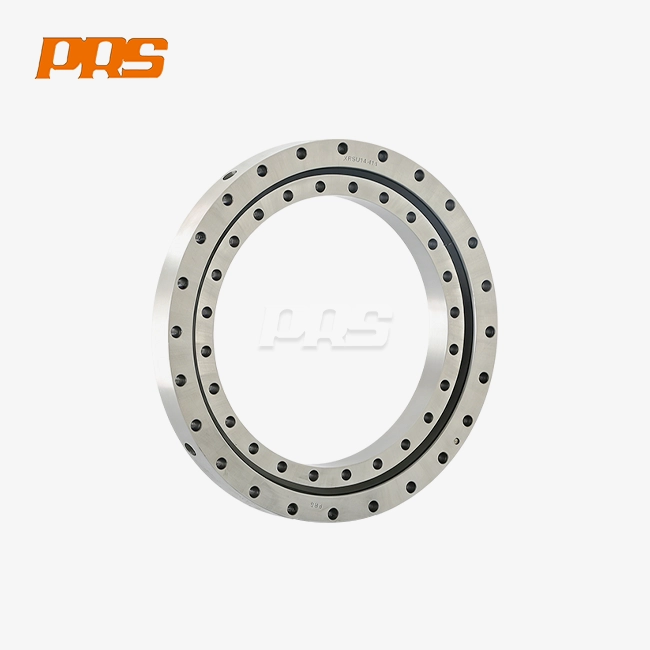
Hardened steel rings with mounting bolt patterns built in, precision-ground raceways, and cylindrical or curved rollers separated by cages make up a standard assembly. Different parts inside the car work together to handle different loading situations. When a crane boom is loaded and spinning, the roller slewing bearing has to deal with the weight going up and down (axial load), the wind blowing across the boom (radial load), and the moment load from the boom flipping over. The roller setup spreads these combined pressures around the whole circle. This stops localized deformation that happens when systems aren't properly designed.
Sealing Systems and Lubrication Architecture
Effectively stopping contamination has a direct effect on how long roller slewing bearings last in tough settings. Modern designs use more than one way to seal things, from simple labyrinth seals for clean indoor use to complicated integral seals that combine elastomeric lip seals with metal covers for use in saltwater-sprayed offshore sites. Centralized lubrication entry points let maintenance teams service roller slewing bearings without taking the equipment apart. This is very important for equipment that works on remote mine sites or ocean platforms, where the cost of downtime goes up very quickly.
Configuration Varieties for Application-Specific Requirements
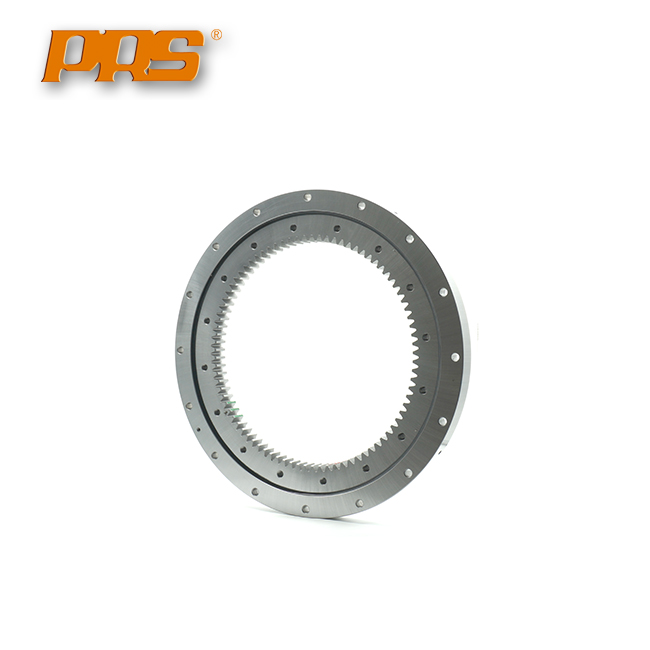
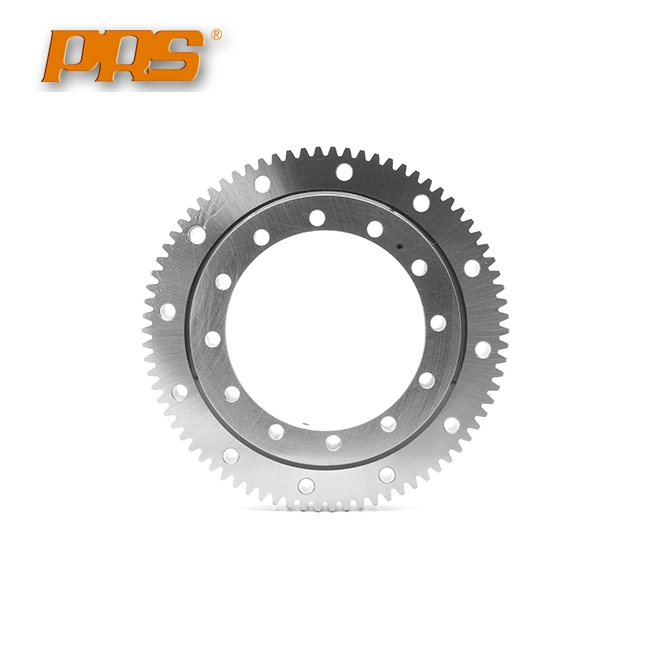
Engineers can choose hairless, internal-toothed, or external-toothed designs based on the needs of the drive system. When the pinion needs to be covered inside the bearing envelope, internal gear choices are a good choice. Mobile cranes with higher power transfer can use external gears. Toothless versions get rid of the need for gear upkeep completely in hydraulic or chain drive uses. Three-row roller designs are the strongest and most durable. They use different rows of axial and radial rollers to handle heavy loads in tunnel boring machines and bucket wheel loaders, where structural deflection must be kept to a minimum.
Advantages and Common Challenges of Roller Slewing Bearings in Heavy Equipment
The companies that make equipment choose these parts because they solve basic problems in the creation of big machinery. Their benefits go beyond just being able to hold more weight; they also improve working efficiency and lower the cost of upkeep.
Superior Load Capacity and Structural Rigidity
Within the same diameters, the line contact design of roller slewing bearing allows load values that are three to five times higher than those of ball bearings. This edge in volume directly leads to smaller machine designs. When compared to ball options, makers of material handling equipment can cut the overall roller slewing bearing diameter by 30 to 40 percent. This saves weight throughout the supporting structure. The higher stiffness stops the material from stretching when it's under load, which is important for keeping precise positioning accuracy in places like CT scanner gantries where micron-level repetition impacts the quality of diagnostic images.
Enhanced Durability Under Cyclic Loading
When roller slewing bearing systems are properly set up, they have very good wear resistance because stress concentrations stay lower across the increased contact patch. Data from mine operations in the field shows that well-kept units have been used for more than 50,000 hours in rough conditions where ball bearings would normally need to be replaced every 20,000 hours. This longer service life lowers lifecycle costs, even if the initial investment is higher. This is a figure that is becoming more important for buying teams that look at the total cost of ownership instead of just the purchase price.
Common Performance Degradation Factors
Even though the plan is strong, there are some practical problems that need to be managed. Not enough lube is still the main cause of failure, leading to adhesive wear between the rollers and the raceways that quickly damages the smoothness of spinning. Abrasive wear is sped up by dust or water getting into the surroundings, especially in industrial and marine settings. When fixing bolts are torqued incorrectly during installation, the raceway becomes warped. This leads to an uneven spread of load, which shows up as vibration and decreased accuracy.
Maintenance Protocols for Maximizing Uptime
Setting up condition-based tracking systems helps the repair and procurement teams keep things from breaking down when they least expect it. Vibration analysis finds signs of roller slewing bearing wear before they become too bad to fix. Using abnormal temperature patterns, thermal imaging can find places where lubricant is lacking. Automatic lubrication systems are a cost-effective way to make sure that continuous-operation equipment gets the right amount of grease every time, which is something that human methods can't do. At regular times, the seal's strength should be checked to see if there are any grease leaks or outside contaminants that could affect the conditions inside.
Roller Slewing Bearings vs. Alternative Bearing Types: Making the Right Choice
To choose the best bearing technology, you need to know how the performance of different design methods compares. Each type of bearing is best for a certain type of application based on the load, the level of accuracy needed, and the working conditions.
Performance Comparison with Ball Slewing Bearings
Ball slewing bearings have a four-point contact design that lets a single row of balls handle loads that are added together. This design is good for situations that need modest loads and high rotational speeds, but roller slewing bearings work better when room is at a premium and maximum load capacity is needed. Ball types can usually handle more movement, which makes them good for uses where the fixing structure isn't as rigid. But because they are less stiff, they can bend more when they are loaded, which makes it harder for precision equipment to place accurately.
Cross Roller Bearing Alternatives
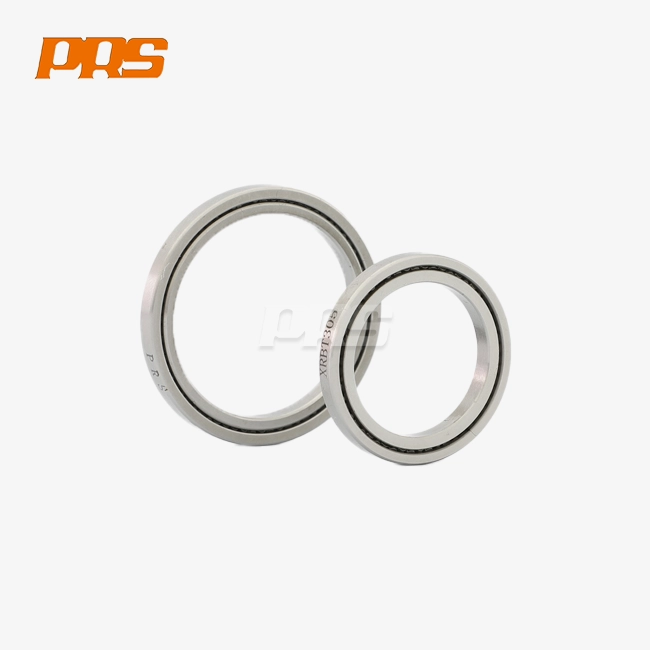
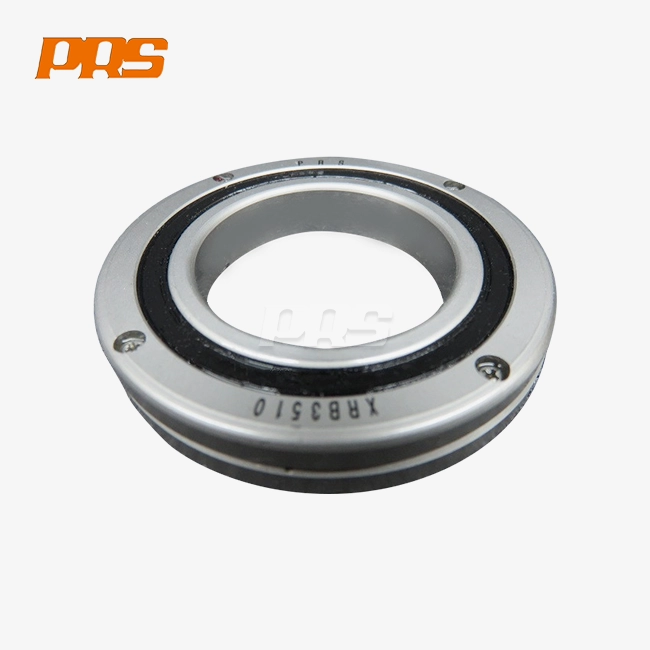
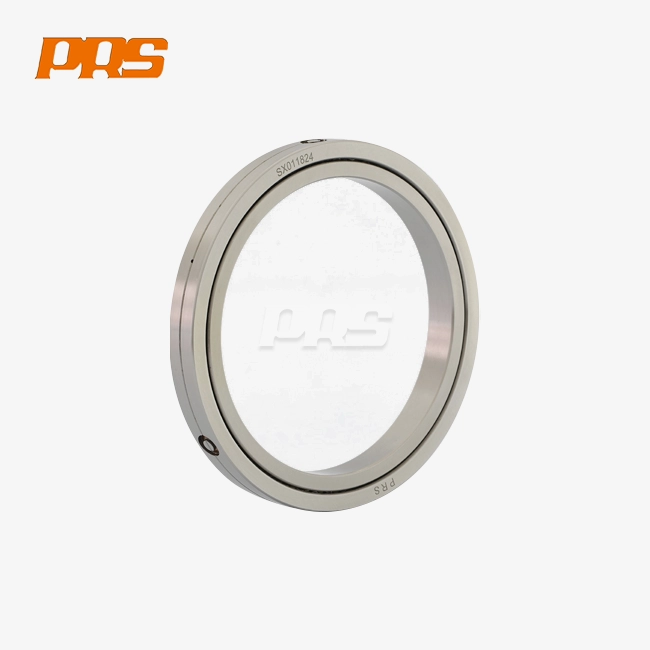
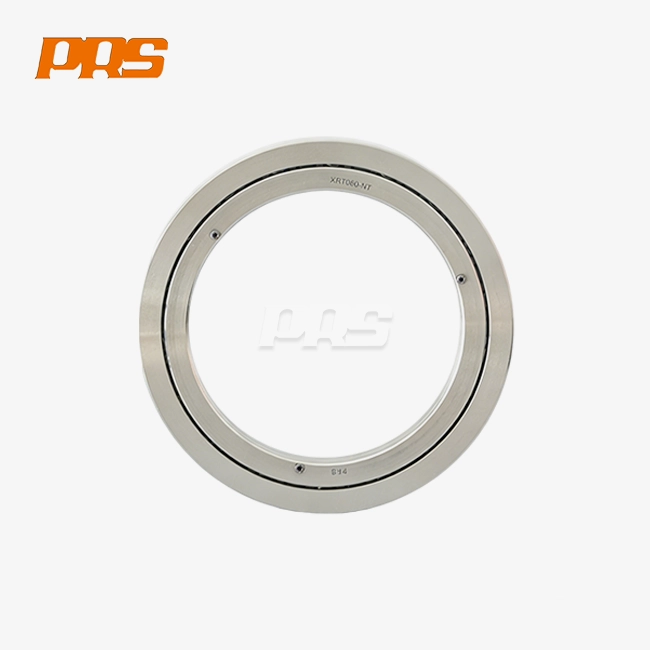
In cross roller slewing bearing designs, circular rollers are placed perpendicular to each other and rotate 90 degrees around the outside. Because of their small size and high stiffness, these configurations are popular choices for robotic joints and precision indexing tables where room is an important factor in the design process. Their smaller diameters, which range from 70 mm to 1,500 mm, make them useful in situations where standard roller slewing bearing designs would be too big. On the other hand, cross roller bearings can't match the maximum load capacity of three-row roller setups when used in very large machines.
Single Row vs. Double Row Configurations
Single-row designs can hold enough weight for uses where the loads are mostly horizontal or radial and the moment loads aren't too high. They are the most cost-effective way to store things like small mobile cranes or solar tracking systems. Different horizontal load lines are used in double-row designs, which makes it easier to spread tilting moments across two contact points. This design works well for medium-duty tasks like industrial tracks and truck-mounted cranes. Three-row setups are only used in very specific situations, like offshore pedestal cranes, dragline excavators, and wind turbine yaw systems, where the total loads are too big for two rows to handle.
How to Select, Procure, and Install Roller Slewing Bearings for Industrial Use?
For implementation to go well, there needs to be organized care during the selection, purchase, and installation stages. To get the best value, engineering teams have to look at technical needs and procurement experts have to look at business issues.
Critical Selection Parameters for Application Matching
A good specification starts with a load study. Find out what the highest axial, radial, and moment loads are that your tools can handle. This should include dynamic factors for shock loads in mining or impact loads when moving materials. Most of the time, safety factors run from 1.5 for steady loads to 3.0 for very bad shocks. The working climate affects the choice of material. For example, standard through-hardened steel is fine for indoor uses, but marine equipment needs treatments that prevent rust, like zinc-nickel plating or special coatings. Choosing the right manufacturing grade depends on how precise the system needs to be. For example, P5 grade is good for general industrial uses, P4 grade is good for motion control equipment, and P2 grade is only for ultra-precision systems in chip manufacturing or metrology tools.
Commercial Procurement Considerations
When looking at providers, ISO certification gives you basic peace of mind about quality, but it can't ensure application-specific knowledge by itself. When it comes to choosing the right roller slewing bearings and fixing problems, manufacturers that focus on precision bearings usually offer better expert help than distributors that deal with general products. Lead times depend a lot on how complicated the setup is. Catalog items usually ship within 4 to 6 weeks, but custom designs that need special materials or measurements that aren't standard can take 10 to 14 weeks. It's important to know these dates so that you can work with equipment building plans.
Installation Best Practices for Optimal Performance
How well roller slewing bearings work depends on how well the mounting area is prepared. Because roller slewing bearings are very rigid, mating surfaces must be within the smoothness limits set by DIN EN 12835 standards. This is usually within 0.0004 inches per foot of diameter. Ball bearings, on the other hand, can handle some distortion. To keep tightening forces from being too high or too low, bolt torque sequences should move outward in star shapes from the center. Before applying the final pressure, dial indicators are used to check the alignment and make sure the fitting is concentric. When there are teeth on a gear, adjusting the mesh correctly stops the teeth from wearing out too quickly. Backlash values should be within the ranges given by the maker to balance smooth operation with tooth loading.
Future Trends and Innovations in Roller Slewing Bearings for Heavy Machinery
The bearing business keeps making progress in materials science, manufacturing methods, and monitoring tools that change what people expect from performance and how they think about upkeep.
Advanced Materials and Surface Engineering
Creating case-hardening steels with the right amount of carbides makes them 40% more resistant to rolling contact stress than regular materials. Specialized surface treatments, such as induction stiffening, make the case deeper, which increases its useful life in heavy-duty uses. Manufacturers now offer low-temperature carburizing processes that make the surface harder while keeping the core tough. These are especially useful in settings with a lot of shock loads, like scrap handling equipment.
Smart Monitoring Integration
With embedded sensor technology, roller slewing bearings go from being inactive parts to being active tracking systems. Having temperature monitors, accelerometers, and sound emission detectors built in lets you check the state in real time without using any extra equipment. Data analytics platforms use sensor data to guess how much useful life something still has. This lets maintenance teams switch from service at set times to servicing based on the item's state. This feature lowers upkeep costs and raises the availability of equipment, which solves a long-standing problem in fields where unplanned downtime throws off production plans.
Supply Chain and Customization Capabilities
After problems in the supply chain in the past few years, global industry networks have made it more stable. Leading makers keep a smart stock of partially finished parts, which lets them deliver custom configurations faster without having to wait for full custom manufacturing timelines. Engineers can use standard raceway geometries and define custom mounting patterns, seal configurations, and gear specifications while still using modular design methods. This lets them balance the need for customization with cost and delivery concerns.
Sustainability Initiatives Shaping Production
Environmental factors are becoming more and more important in choosing and making roller slewing bearings. Longer service life directly adds to sustainability by lowering the number of times things need to be replaced and the environmental impact that comes with that. Manufacturers now have remanufacturing programs that fix up used bearings to their original specs for 40–60% of the price of a new one. These programs offer cheaper options while also using less material. Better greasing formulas with biodegradable base oils help protect the environment in coastal and forest settings where accidental release used to be a problem.
Conclusion
The spinning connections that allow movement while supporting complex loading conditions are a big part of how well heavy machinery works with roller slewing bearing. These special turntable bearings have changed over time from simple thrust-supporting parts to complex systems that can handle loads on multiple axes at the same time with accuracy and dependability. Their line-contact geometry gives them benefits in load capacity that let businesses from mines to green energy make smaller, more efficient machines. For execution to go well, selection factors, supplier skills, and installation methods that respect the technical complexity of the parts must all be carefully thought out. As tracking technologies and advanced materials keep getting better, these important machine parts will be even more valuable because they will last longer and be able to do predictive maintenance that keeps mission-critical equipment running as smoothly as possible.
FAQ
What distinguishes roller slewing bearings from ball slewing bearings in heavy equipment applications?
The main difference is in how the contacts work and how much weight they can hold. Line contact between cylindrical rollers and raceways is used in roller slewing bearing systems. This spreads forces over a bigger surface area than point contact, which is used in ball bearings. This shape lets roller types hold three to five times more weight within the same widths while also being more stiff, so they don't bend as much when they're under load. Ball slewing bearings are better for higher-speed uses and can handle mounting errors better, which makes them good for lighter-duty equipment where maximum load capacity isn't the main design driver.
How often should maintenance teams service these bearings to ensure reliable operation?
How often you need to lubricate depends a lot on the job cycle, the surroundings, and the load factors. In general industrial settings with mild loads, the raceway needs to be regreased every 100 to 200 hours of use, and in harsh conditions, the visible gear teeth need to be oiled every day. Automatic lubrication systems that give constant small-volume grease charges every 4 to 8 hours are good for equipment that is used all the time. Every three months, the seal should be inspected to look for grease leaks that could mean the seal is breaking down or letting outside contaminants in. Using vibration monitoring lets you do condition-based servicing, which increases service intervals when working conditions allow it and signals early wear and tear that needs quick attention.
What factors most significantly influence bearing procurement costs and delivery timelines?
Both prices and lead times are affected by how complicated the configuration is. Standard catalog designs with popular sizes and gear arrangements usually ship within 4 to 6 weeks at base prices. Custom specs that need non-standard materials, special corrosion treatments, or unique mounting patterns add technical costs and extend the delivery time to 10 to 14 weeks. Roller slewing bearing size has a big effect on cost—outer widths bigger than 2,500mm need special tools and care during production, which makes unit prices much higher. Choosing the right precision grade affects both cost and delivery. For example, P2 precision needs more grinding processes and stricter quality control than normal P5 grade, which increases production time and costs.
Partner with PRS for High-Performance Roller Slewing Bearing Solutions
Luoyang PRS Precision Bearing Co., Ltd. has been making high-quality roller slewing bearings for big machinery for more than 20 years. As a company that is ISO-certified, we offer precision-engineered solutions with diameters ranging from 200mm to 5,000mm. These solutions are used in a wide range of businesses, from industrial automation to flight systems. Our engineering team offers full expert help during the entire selection, customization, and installation processes, making sure that the bearings you choose meet the exact needs of your equipment. We can still make P2-grade parts for very precise uses, and we can speed up shipping on common configurations to meet tight project deadlines. Email our technical experts at ljh@lyprs.com to talk about your application needs and get thorough specifications that are made to fit your unique operational needs. You can find our full technical catalog at prs-bearing.com. There you can also learn more about how our special manufacturing services can improve the performance of your heavy equipment.
References
Bearing Design Standards Committee (2019). Industrial Slewing Bearing Engineering Handbook: Design, Selection, and Application Guidelines. Technical Press International.
Morrison, T.R. & Chen, W. (2021). Load Distribution Analysis in Roller-Type Slewing Bearings for Heavy Machinery. Journal of Mechanical Engineering Science, 235(18), 4421-4438.
International Standards Organization (2020). ISO 12855: Slewing Bearings - Part 1: Tolerances and Dimensional Specifications. Geneva: ISO Publications.
Hartmann, K. & Yamada, S. (2022). Advanced Materials for Rolling Contact Applications in Heavy Equipment. Materials Science and Engineering Review, 47(3), 112-134.
European Bearing Manufacturers Association (2021). Best Practices for Slewing Bearing Installation and Maintenance in Industrial Applications. Brussels: EBMA Technical Publications.
Zhang, L., Rodriguez, M. & Kumar, P. (2023). Predictive Maintenance Technologies for Large-Diameter Roller Bearings in Heavy Machinery. International Journal of Prognostics and Health Management, 14(2), 89-107.

USER EVALUATE
Here is the customer's evaluation of us