
A Simple Introduction to Roller Slewing Bearing
When engineers are making precise machines that have to deal with axial, radial, and moment loads all at the same time, they have to solve a very difficult problem: how can they make the machines very strong and smooth while still being reliable? The answer is in roller slewing bearings, which are specialized spinning bearings made with cylinder-shaped or curved rollers that spread forces over a larger contact area. These bearings are more rigid and last longer than standard ball bearings that use point contact. They do this by using line contact mechanics. In tough situations, like wind turbine yaw systems and tunnel digging machines, where accuracy in operation and structural stability are essential, these parts are essential to robotic joint assemblies, CNC rotation tables, and more.
What Is a Roller Slewing Bearing?
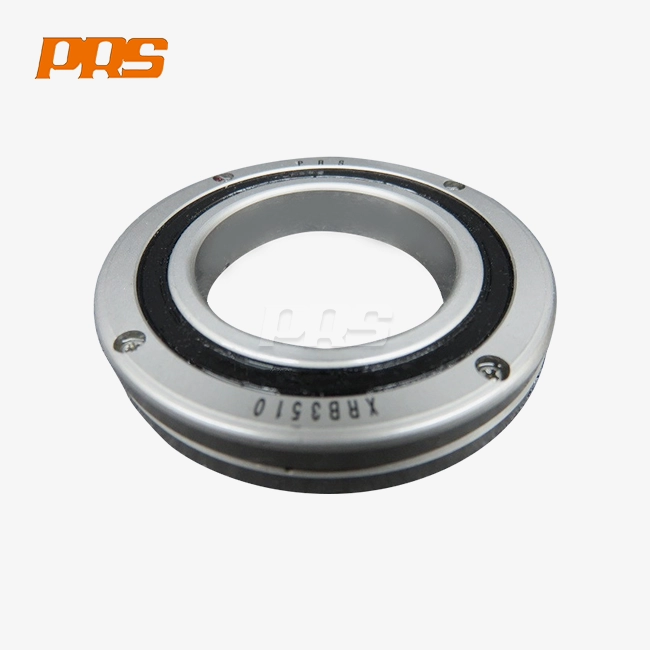
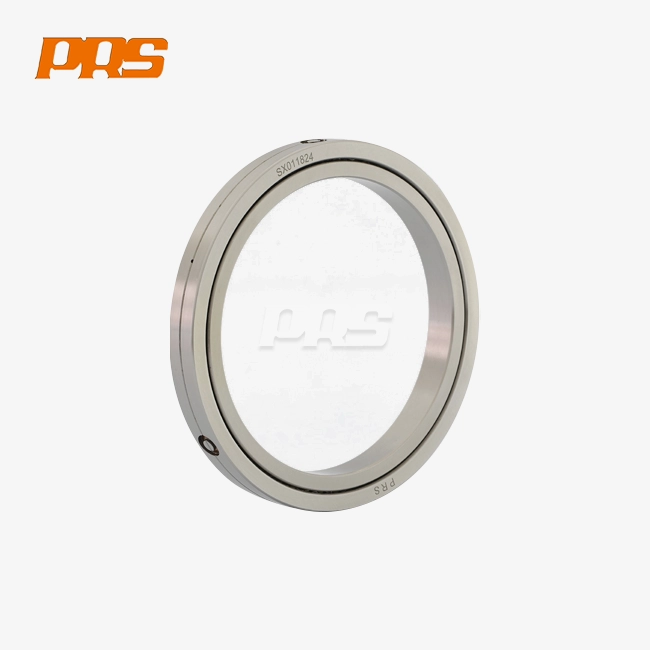
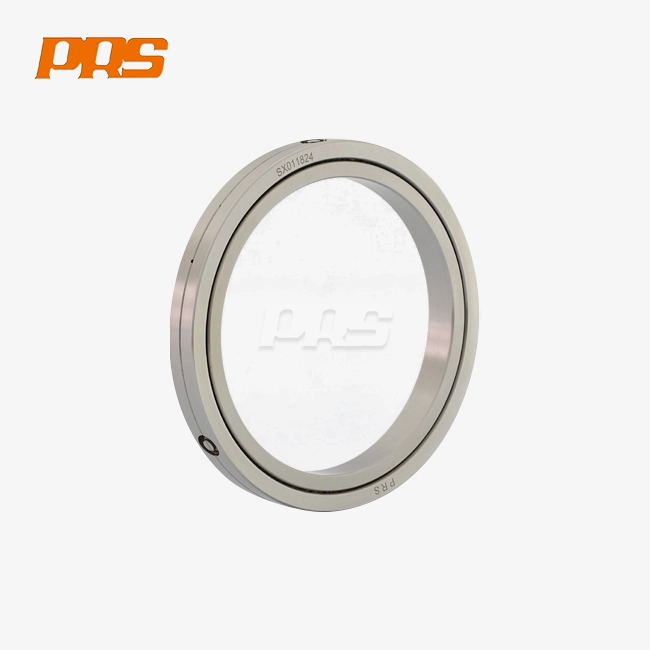
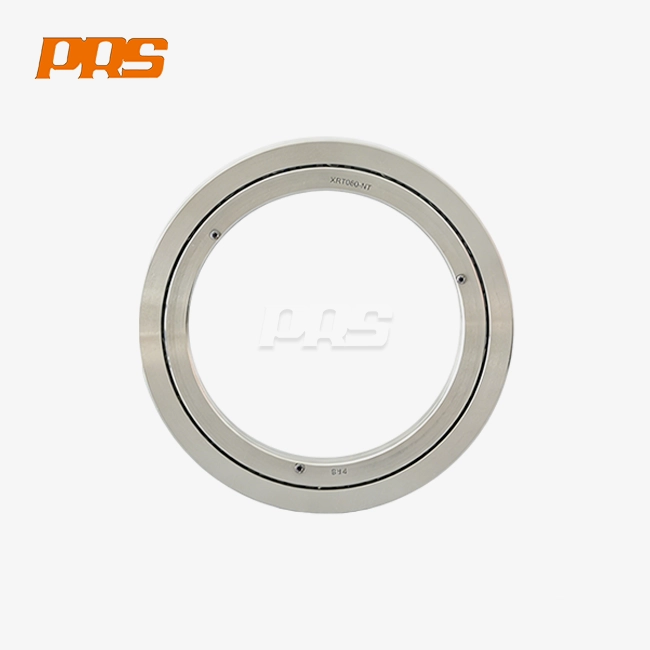
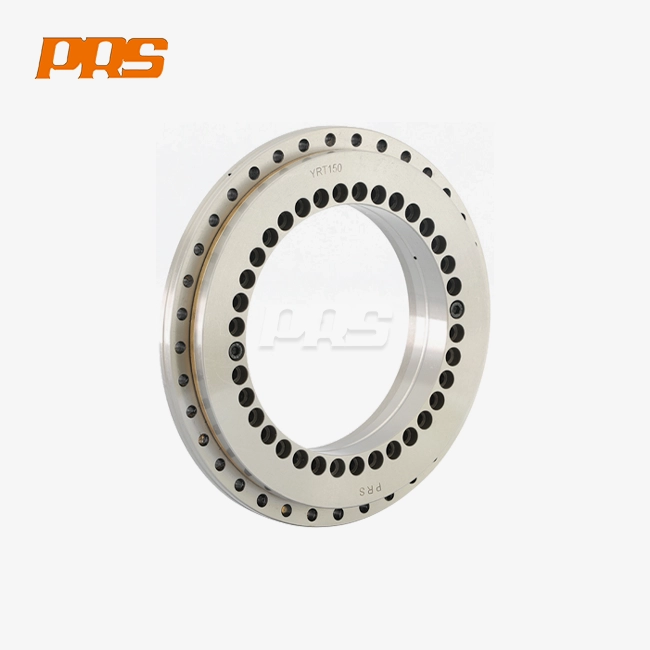
Roller slewing bearings are big rotating parts that are made to support loads going in more than one way at the same time in heavy-duty industrial machinery. These bearings have an inner ring and an outer ring. Inside the rings are polished raceways that hold cylindrical or curved rollers in exact positions. The main difference between roller and ball-type slewing bearings is the shape of their contact surfaces. Rollers make line contact, which greatly increases the load distribution area and gets rid of the problems with elastic displacement that come up with point-contact designs.
Construction and Core Components
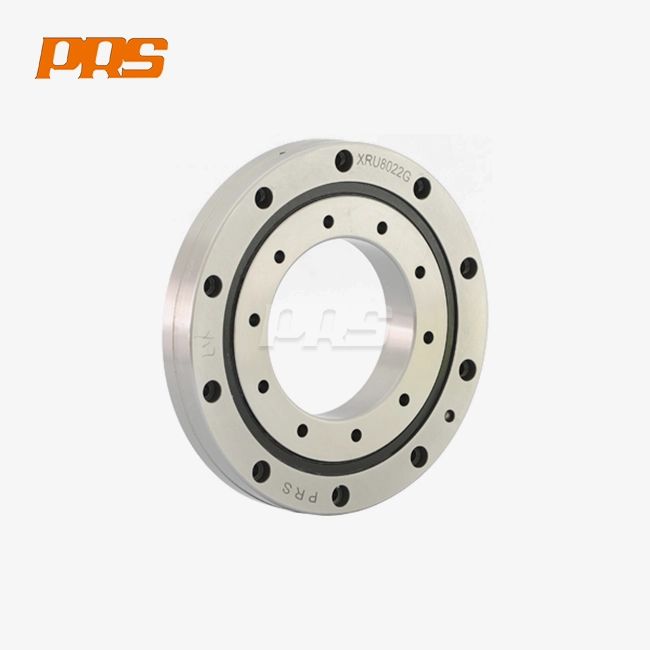
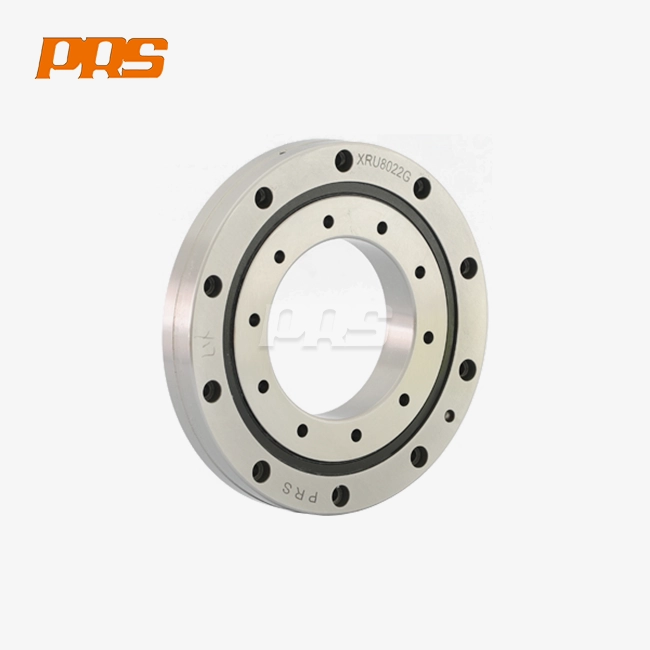
Hardened steel rings made from high-quality metals like 42CrMo or 50Mn are usually used in the building. These rings are treated with induction hardening to make the surface harder than 55 HRC. Rollers are ground to within a few microns of accuracy and put together in certain shapes based on the load needs. The integrated mounting bolt patterns make installation easy, and the advanced sealing systems, such as labyrinth seals and combined rubber seals, keep the internal parts clean in tough conditions. Centralized oil ports make it possible to schedule repair efficiently without taking apart the equipment.
Material Technology and Performance
Choice of material has a direct effect on how long a bearing lasts and how well it works under stress. Premium steel alloys go through a lot of heat treatment processes that make the core tougher while keeping the surface hard. This balance in the metals keeps the raceways from breaking when they are loaded and unloaded many times, and it keeps the contacts from wearing out after millions of cycles of use. When buying teams look at bearing specs, they need to know how material quality affects operating lifespan in order to figure out the total cost of ownership and keep unplanned downtime to a minimum.

Types of Roller Slewing Bearings and Their Applications
To choose the right bearing type, you need to know how differences in structure affect different load profiles and practical needs in various businesses.
Single-Row Roller Slewing Bearings
Roller slewing bearings with one row have one track with rollers that are positioned to handle all the loads that are in a small cross-section. These bearings work great in situations where room limitations mean that the bearing area isn't very big, but a lot of weight needs to be carried. Single-row versions are often used for robotic spinners, small crane pedestals, and precision indexing tables. While still providing adequate performance for moderate load situations, the simplified construction makes production simpler and saves money. As long as your equipment works in a controlled environment with known load patterns, single-row bearings will give you reliable performance with less upkeep.
Double-Row and Three-Row Roller Slewing Bearings
Double-row designs of roller slewing bearing have two separate rows of rollers, usually one horizontal and one radial. This lets the loads be spread out better and makes the structure more stiff. Heavy building machinery like excavator turrets, mobile crane platforms, and large-scale material handling systems mostly use this arrangement. With an upper and lower axial row and a specialized radial row, three-row roller slewing bearings are the best at carrying weight. Offshore pedestal cranes, mining equipment, and tunnel boring machine cutting heads all need this design to be able to handle huge shock loads and vibrations while still staying in the right place under the most extreme operating pressures.
Cross-Roller Bearings Versus Roller Slewing Bearings
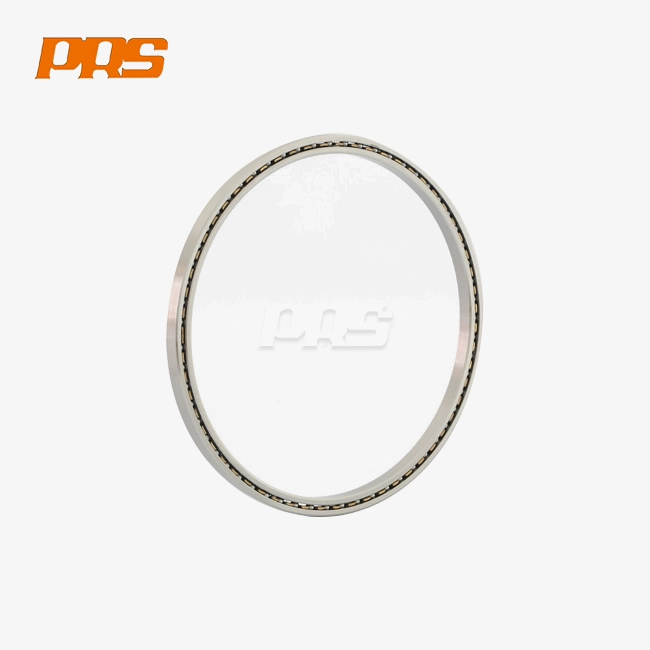
Cross-roller bearings have rollers that are perpendicular to each other within a single track. This makes them very small, which is great for situations where high rotational accuracy is needed in a small area. This design has a great stiffness-to-size ratio that makes it useful for making semiconductors, medical imaging gantries, and precise optical tools. On the other hand, roller slewing bearings put operational strength and raw load capacity ahead of compactness. This makes them good for big machinery where durability in harsh conditions is more important than room. When procurement professionals understand this difference, they can better match bearing design to application-specific objectives.
Industry-Specific Applications
Wind energy systems use roller slewing bearings in yaw and pitch devices to move multi-megawatt nacelles and change the angles of the blades while they are constantly being loaded and unloaded. Marine deck cranes and ocean positioning systems need versions that don't rust and have special coats to protect them from saltwater. Precision-grade bearings made to P4 or P2 standards are used in aerospace tracking platforms to make sure that the positions of the bearings are always the same. This is important for guidance systems and radar equipment. Knowing how the choice of bearing affects operating efficiency helps engineering teams make sure that equipment works at its best for as long as it's being used.
How Does a Roller Slewing Bearing Work?
Load Distribution Mechanics
Roller slewing bearings can handle a wide range of load situations thanks to their smart groove shape and roller arrangement. Axial loads push the bearing cross-section vertically, radial loads put forces on the sides, and twisting moments make the stress distributions uneven. These forces are spread out across contact lines instead of points by the cylinder rollers. This makes the contact stress up to 40% lower than with ball bearings of the same size. This mechanical advantage directly leads to higher load ratings and less plastic deformation when the forces are at their highest.
Operational Principles and Rotation Dynamics
During spinning, rollers move along carefully machined raceways, and cages keep the right distance between them so that rollers don't touch each other. The low-friction rolling action reduces energy loss and heat production, which are important factors in situations where the machine needs to run all the time. Mounting bolt patterns move structural loads from the equipment frames straight through the bearing rings. This gets rid of any secondary stress clusters that might weaken the connection. This unified method makes installation easier and makes sure that loads are distributed evenly throughout the mechanical system.
Sealing Systems and Contamination Protection
When sealing a roller slewing bearing is done right, it keeps gritty particles, water, and chemicals that speed up wear from getting into the bearings. Labyrinth plugs make winding paths that stop things from getting in without adding friction, making them good for high-speed uses. Integral rubber seals create solid shields against touch, making them perfect for places where dust or liquids are present. Knowing the conditions in the surroundings helps buyers choose the right sealing configurations, which has a direct effect on how often upkeep needs to be done and how reliable the system is.
Maintenance Best Practices
Setting up systematic repair procedures makes bearings last longer. Lubrication plans should match working duty cycles. For raceways, this means lubrication should happen every 100 hours, and if they have them, external gears should be oiled more often. Automatic greasing systems don't need any help from a person, which cuts down on work costs and makes sure that grease is distributed evenly. Small problems can be stopped from getting worse by checking the state of the seals on a regular basis, listening for strange noises or vibrations, and making sure that the fixing bolts are tight. Choosing bearings that are easy to get to and whose parts can be easily replaced is directly related to how well they last through maintenance.
Comparing Roller Slewing Bearings to Other Bearing Types
Roller Versus Ball Slewing Bearings
Ball slewing bearings use four-point contact geometry to make small designs that are good for lighter loads and uses that value smooth spinning over raw capacity. Because they have better contact physics, roller slewing bearings can hold three to five times as much weight within the same envelope size. Ball bearings, on the other hand, can usually handle higher spinning speeds and have less starting force. When your application needs to handle big loads at moderate rotational speeds, like with building tools and industrial turntables, roller designs work best. On the other hand, ball bearings are easier to use and cheaper for lighter-duty uses.
Single-Row Versus Multi-Row Configurations
When there is enough room, single-row bearings are good for uses that need larger diameter solutions because they decrease the cross-sectional height and component costs. Multi-row designs combine more load capacity into a smaller radial space, which is important when the design of the equipment limits the size of the bearing area. To make the choice, you have to weigh the limitations of space against the needs for load and your cash. To make sure that the bearings they choose have enough room for error when they're under a lot of stress, engineering teams have to figure out both static and dynamic load safety factors that are specific to their operations.
Total Cost of Ownership Considerations
The initial prices of roller slewing bearing are only a small part of the total costs over their lives. Higher prices are charged for premium bearings that are made to stricter limits and higher standards for materials. However, they last longer and fail less often. To find the total cost of ownership, you have to add up the costs of maintenance work, replacement parts, machine downtime, and the safety risks that could arise from bearing failures. When purchasing managers look at these total costs instead of just the unit amounts, they can make choices that improve working efficiency and lower costs over the life of a fleet of equipment.
Procurement and Supplier Considerations for Roller Slewing Bearings
Quality Standards and Certifications
Reliable providers keep their ISO 9001 quality management certifications up to date and follow the DIN and ISO dimensional standards that guide slewing bearing specifications. Manufacturers should show that they can do spectrometric material analysis, ultrasound non-destructive testing for flaws inside the product, and magnetic particle screening for finding cracks on the surface. Case depth profile that works well makes sure that the induction hardening goes far enough to support the roller contact loads without premature spalling. When looking at different sources, make sure they can show you proof of these quality control measures and traceability methods that connect certified raw materials to finished bearings.
Customization Capabilities
Catalog bearings work for a lot of different uses, but specialized equipment often needs different sizes, different ways to seal, or different ways to place the bearings. If a manufacturing partner has in-house technical help, they can change the specifications of a bearing to fit your exact needs. Customized gear tooth shapes, special coatings for corrosive environments, and built-in sensor fixing holes are all common changes that make bearings work better in certain situations. Suppliers who can do these things shorten the time it takes to make new tools and get rid of the problems that come with using standard parts in non-standard situations.
PRS Manufacturing Excellence
Luoyang PRS Precision Bearing Co., Ltd. has been making precision bearings for more than 20 years and specializes in making high-accuracy options for tough industrial uses. With the help of modern CNC machining centers and coordinate measuring tools, our plant meets strict standards for size tolerances and surface finish. We make roller slewing bearings with sizes ranging from 200mm to 5000mm and different tooth designs, such as internal tooth, external tooth, and toothless. Precision grades go up to the P4 and P2 levels, which meet the needs of uses that need very accurate spinning.
Logistics and After-Sales Support
Reliable providers make it clear how long the lead time will be and offer a range of delivery choices that can work with project plans. Documentation that tells you how to install things, pressure specs for fixing bolts, and alignment steps stop mistakes during commissioning that hurt the performance of the bearing. After-sales technical help for fixing operational problems and upkeep advice adds to the value of the relationship beyond the initial purchase. When looking at possible providers, you should see how quickly they respond to technical questions and how willing they are to offer ongoing help for as long as the equipment is in use.
Conclusion
Roller slewing bearings are important parts that make big machinery work reliably in many different fields. Because they can hold more weight, work more precisely, and last longer in harsh conditions, they are important for a wide range of uses, from robotic systems and CNC equipment to wind mills and mining machinery. Knowing about the different kinds of bearings, how they work, and how to choose the right ones helps buying workers and engineering teams come up with the best solutions that improve equipment performance while keeping costs low over its lifetime. The strict material standards and thorough testing procedures used in the manufacturing process make sure that these bearings provide the dependability that modern industry operations need.
FAQ
What distinguishes roller slewing bearings from ball slewing bearings?
Roller slewing bearings use circular or curved rollers that make line contact with the raceways. Ball bearings, on the other hand, use point contact geometry. Because of this basic difference, roller bearings can hold a lot more weight—usually three to five times more in the same size—and are much more rigid. Ball bearings can handle faster spinning speeds and less starting force, which makes them good for lighter-duty uses. Roller designs work best with heavy combined loads and slow rotational speeds, like those found in building equipment, big robots, and industrial turntables.
How do I determine the correct bearing size for my application?
For sizing, you need to figure out the highest axial, radial, and moment loads that your equipment can produce, taking into account dynamic factors and safety gaps. Check the manufacturer's load rating curves to make sure that both the static and dynamic load capacities are higher than the practical needs by the suggested safety factors, which are usually 1.25 to 1.5 for static loads. When deciding which bearing is right for a job, you should think about the rotational speed, the working temperature range, and the amount of contamination in the surroundings. Bearing providers offer engineering support that helps you confirm your choices and find the best configurations for your unique operating needs.
What maintenance practices extend roller slewing bearing service life?
Set up routine lubrication plans based on job cycles. For raceways, this should be done every 100 hours of operation, and for external gears, it should be done more often. Automated greasing systems make sure that grease is spread evenly and cut down on human work. Check the state of the seals on a regular basis, listen for strange noises or vibrations, and make sure the mounting bolt torque specs are met. Keep operating logs that record when to lubricate and what was found during inspections so that you can spot wear patterns before they lead to failures. Installing correctly by following the manufacturer's instructions for alignment and torque stops wear that happens too soon because of installation mistakes.
Partner with PRS for Precision Roller Slewing Bearing Solutions
The core business of Luoyang PRS Precision Bearing Co., Ltd. is designing and making high-performance roller slewing bearings that are perfect for industrial robotics, machine tools, and big equipment. Our wide range of products includes blank, internal tooth, and external tooth designs that come in standard and unique sizes and with precision grades up to P2. We provide bearing solutions that improve the reliability and operating efficiency of equipment by using advanced production techniques, strict quality control, and committed engineering support. Our expert team is ready to help you whether you need technical advice, full product specifications, or bearings that are made just for your needs. You can talk to our roller slewing bearing manufacturer pros about your needs by emailing ljh@lyprs.com, or you can visit prs-bearing.com to see all of our products and find detailed information.
References
Standardization Administration of China. (2016). Rolling Bearings - Slewing Bearings - Part 1: Dimensions and Tolerances (GB/T 4663.1-2016). Standards Press of China.
Harris, T. A., & Kotzalas, M. N. (2006). Advanced Concepts of Bearing Technology: Rolling Bearing Analysis (5th ed.). CRC Press.
Deutsches Institut für Normung. (2012). DIN EN 12835: Slewing Bearings - Mounting Dimensions and Permissible Tilting Moments. Beuth Verlag.
International Organization for Standardization. (2014). ISO 76:2006/Amd 1:2017 - Rolling Bearings - Static Load Ratings. ISO Central Secretariat.
Wensing, J. A. (1998). On the Dynamics of Ball Bearings. Doctoral dissertation, University of Twente, Netherlands.
Machinery's Handbook Editorial Board. (2020). Machinery's Handbook (31st ed.). Industrial Press Inc.

USER EVALUATE
Here is the customer's evaluation of us