
Common Lathe Bearing Problems and How to Solve Them
Precision cutting depends on lathe bearings, which have a direct effect on the quality of the surface finish, the accuracy of the measurements, and the general dependability of the equipment. When spindle bearings break or wear out, it affects the whole production schedule and leads to rejected parts, unexpected maintenance, and expensive downtime. To quickly fix bearing problems, you need to know what causes them, how to spot early warning signs, and how to put organized solutions into place. This complete guide gives procurement managers, maintenance engineers, and OEM specialists useful information on how to find problems, improve maintenance procedures, and choose replacement parts that make CNC turning centers, horizontal lathes, and precision grinding equipment work perfectly again.
Understanding Common Lathe Bearing Problems
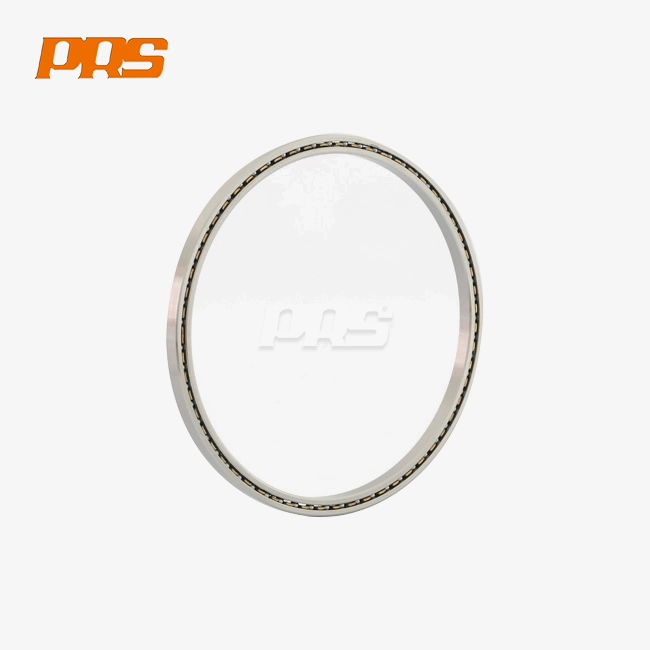
To fix problems with your spindle assembly, you need to know what kinds of fine parts are in it and what they do. Different types of layouts are used in modern machines. For example, cylindrical roller bearings support radial loads, angular contact ball bearings handle mixed loads, and crossed roller designs provide the highest level of stiffness. Each type has its own set of performance qualities that make it best for different types of cutting.
Identifying Bearing Types and Their Functions
Spindle bearings keep the accuracy of spinning while reducing the forces that are created when cutting. When facing, angular contact designs can handle the thrust loads, but roller setups are better for heavy roughing cuts because they have more rotational capacity. Sealed versions keep water from getting into internal parts, while open versions make it easier for heat to escape in high-speed situations. By knowing these differences, you can match parts to real-world situations instead of just swapping broken units with the same ones.
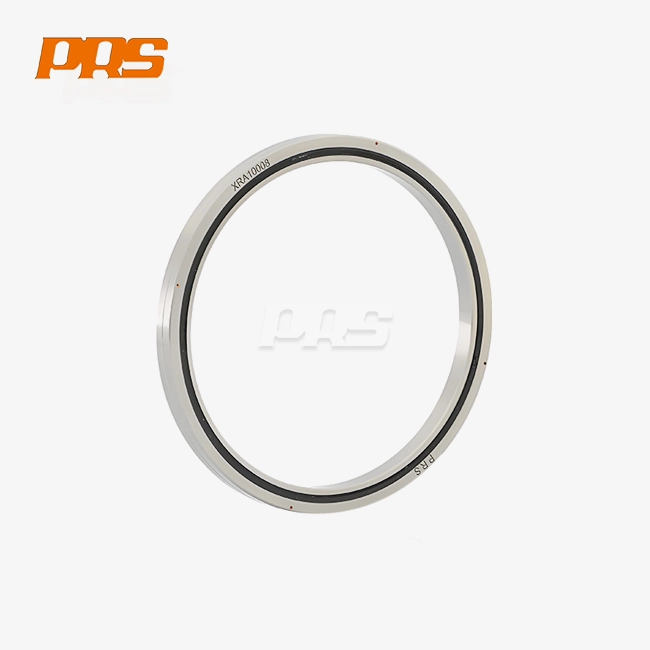
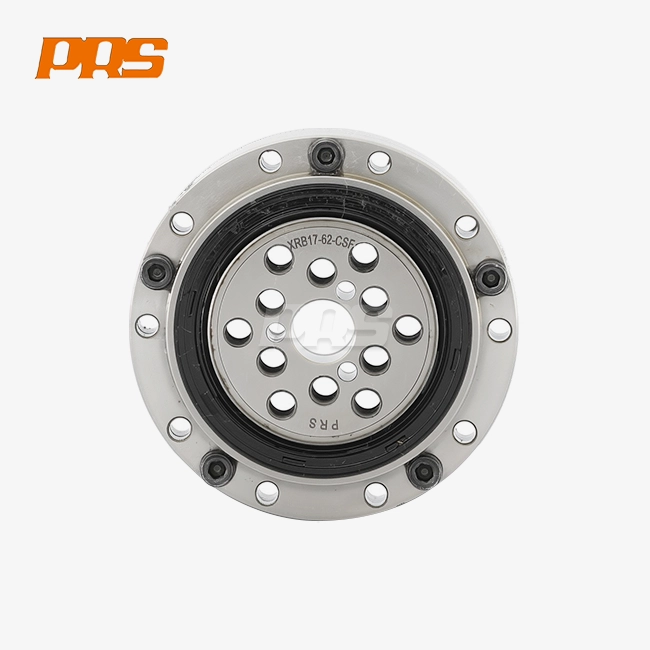
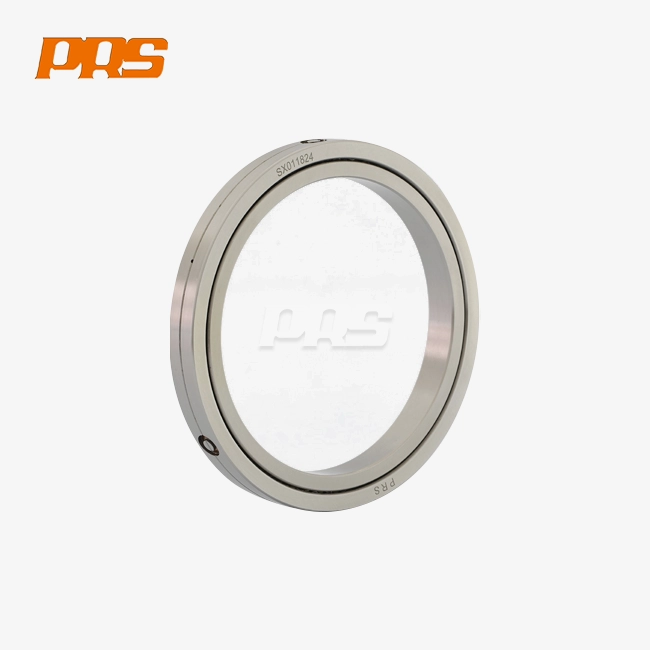
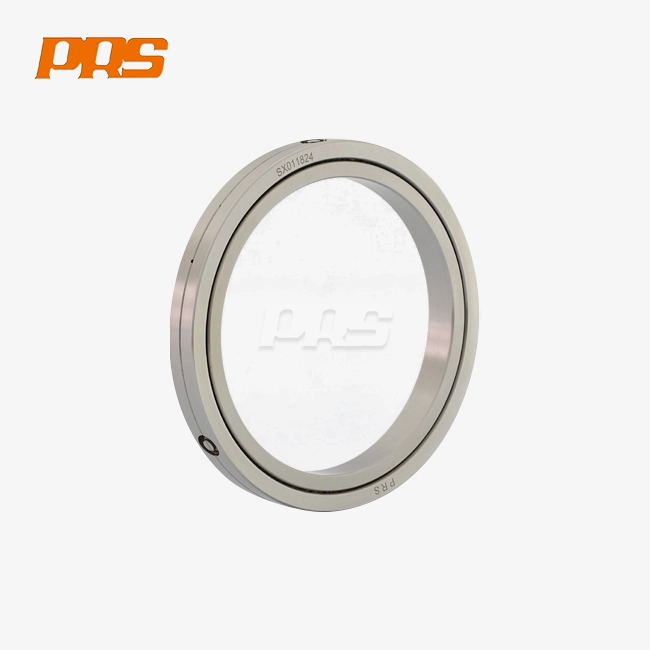
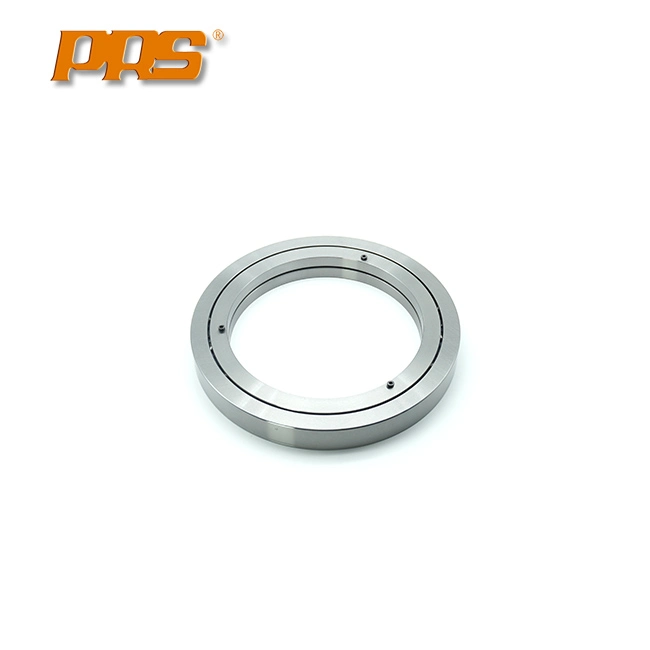
Crossed roller bearings have become popular in precision uses because the 90-degree layout of their rollers makes them very stiff in small packages. This design handles radial forces, axial thrust, and moment loads all at the same time, so there's no need for complicated multi-bearing setups that add to the tolerance stack-up.
Recognizing Symptoms of Bearing Distress
Big problems that damage expensive wheel parts can be avoided by finding them early. The most obvious sign is strange noise. Grinding sounds mean that the rolling elements and raceways are contaminated, and regular clicking sounds usually mean that the surface is flaking or cracking. Patterns of vibration show instability or wear, which is usually felt through chuck runout, which leaves chatter lines on finished surfaces that can be seen.
Temperature rises are a sign of poor lubrication or too much loading. If you touch the bearing housing while it's running, you can tell right away that things have gone wrong—if the surface feels too hot, that means things have gone wrong beyond usual limits. Similarly, higher power use during idle spinning is a sign of higher friction caused by worn-out lubrication films or imbalance.
Examining Root Causes of Bearing Failures
About 40% of early bearing damage in machine tool uses is caused by problems with lubrication. Contact surfaces that don't have enough lube are starved for it, and dirty grease adds abrasive bits that speed up wear. When you over-grease, you create spinning resistance, which makes too much heat that breaks down the oil base and leads to oxidation.
If the lathe bearings parts aren't lined up right during fitting, edge loading can happen. This puts stress on narrow contact bands instead of spreading forces across the whole width of the track. In precision uses, even small angular mistakes (measured in arc minutes) shorten the service life by a large amount. Metalworking fluids, swarf particles, or dust from the surroundings can get through seals that aren't working well and cause three-body abrasive wear between sharpened surfaces.
All bearings finally wear out from repeated stress cycles, but if you choose the right ones and keep them in good shape, they will last much longer than the manufacturer's recommendations. Shock loads from irregular cuts or an uneven object speed up the spread of fatigue cracks, and thermal cycles from using different amounts of coolant at different times makes the dimensions less stable.
Diagnosing and Troubleshooting Lathe Bearing Issues Using a Systematic Approach
Structured methods, not spontaneous parts replacement, are needed to solve problems effectively. By collecting operating data, studying failure modes, and connecting symptoms with root causes, it is possible to come up with tailored solutions that stop problems from happening again.
Implementing Step-by-Step Diagnostic Procedures
Start by writing down particular symptoms. For example, write down the frequency and strength of vibrations, the temperature, and the sound features of the machine in different working conditions. Compare how well the machine is working now to how well it worked when it was first set up. This quantitative method gets rid of guessing and makes maintenance records that can be used as proof.
A physical study shows patterns of damage that show how things failed. Pitting shows up as small holes on the raceway's surface and is usually caused by stress cracks spreading below the surface. Brinelling looks like equally spaced depressions that match the spacing between rolling elements. It can be caused by static overload or impact during handling. Corrosion shows up as rust stains or etching, which means that water or oils that don't work well together are to blame.
By looking at the operating records, you can find out what factors may have caused the problem, such as recent changes in the cutting settings, the chemistry of the coolant, or the environment. Maintenance records show how often to lubricate and what the product is supposed to do. This shows if the processes follow what the manufacturer says to do.
Applying Practical Maintenance and Repair Actions
Once the failure mode has been diagnosed, corrective steps are taken to fix both the current problems and the reasons of them. When damage is limited to the outer races, operation can sometimes continue at a slower speed while new parts are sourced. However, this temporary fix needs to be carefully watched to make sure it doesn't fail catastrophically.
When pollution is the main problem, cleaning and re-greasing lathe bearings fix the performance. To keep from adding more contaminants during repair, spindle housings should only be taken apart in controlled settings. Cleaning with a solvent gets rid of old lube and dirt. After that, the area needs to be dried completely before new grease or oil that meets the specifications is put on it.
Mistakes in fitting that lead to premature wear can be fixed through realignment processes. Precision measuring tools make sure that the bearing parts are perpendicular and concentrically centered within certain limits. This makes sure that the load is evenly distributed across all of the bearing parts. The right way to change the preload combines the need for stiffness with the production of heat. Too much preload shortens the life of the part, while not enough preload lets it bend, which affects the accuracy of the machining.
Learning from Industry Case Studies
Even though the company that made the CNC turning centers followed standard upkeep procedures, the spindles kept breaking down after an average of eighteen months of use. The investigation showed that coolant mist got into the labyrinth seals and messed up the bearing grease. Adding extra air curtain systems and moving to sealed bearing designs increased the life to more than five years and improved the quality of the part by lowering temperature drift.
Vibration problems at another metalworking shop were caused by incorrect bearing setup during in-house spindle rebuilds. By using torque-based preload methods and standardized tools, they were able to solve the problem and make sure that all of their machines had the same level of rebuild quality. These examples from real life show how systematic analysis can find answers that basic fixing misses.
Best Practices for Lathe Bearing Maintenance and Lubrication
Preventive repair programs pay for themselves by making parts last longer and avoiding unplanned downtime. Setting up regular check times, choosing the right lubricants, and keeping an eye on the working conditions all lead to reliable performance in a wide range of machining settings.
Establishing Regular Inspection and Cleaning Protocols
Inspections that are planned ahead of time find problems before they become major ones. During regular maintenance, a visual check shows any oil leaks, damaged seals, or housing cracks that need fixing. Tactile review looks for too much play or rough spinning, which can be signs of wear inside the part. Thermal imaging records changes in temperature that show where there isn't enough grease or where things aren't lined up right.
Cleaning methods for lathe bearings get rid of built-up swarf and coolant residue that makes seals less effective. In flood coolant uses, where chips stick to housings and keep water against protection coats, external surfaces need to be cleaned regularly. Cleaning the inside of the bearings before replacing them keeps the new parts from getting dirty with debris from the old ones that broke.
Selecting Optimal Lubricants and Application Frequency
It is important to choose a lubricant that meets the needs for consistency, temperature stability, and compatibility with the working surroundings. For moderate-speed tasks, grease is easy to use and seals well, while for high-performance wheels, oil drainage systems cool better and get rid of contamination better. Mineral-based goods lose their viscosity over a bigger range of temperatures, but synthetic formulations don't.
How often an application is made depends on how hard it is being used. For example, high-speed continuous operation needs relubrication more often than light-duty irregular service. Manufacturer standards set normal intervals, but real conditions may mean that they need to be changed. By tasting the lube on a regular basis, you can find degradation before it hurts performance. This lets you do condition-based maintenance that makes the best use of your resources.
Implementing Environmental Control and Condition Monitoring
Managing the temperature keeps the lubricant's qualities and keeps the dimensions stable. Enough cooling stops thermal growth, which changes preload and gaps, and too much temperature changing, which leads to condensation. In precision machining settings, these effects are lessened by keeping the air temperature and humidity fixed.
Vibration analysis can tell you about problems before they become noticeable by looking for changes in the frequency range. When things work properly, baseline fingerprints are set up and used as guides to find variations. Temperature tracking constantly checks the conditions of the bearing cage and sends out alerts when certain levels are reached. With these predictive maintenance tools, planned maintenance tasks can be done to avoid catastrophic breakdowns and the damage they cause.
Conclusion
Taking care of lathe bearings issues on a regular basis saves your machine investments and keeps up the accuracy and efficiency your operations need. Understanding how things break, following preventative maintenance plans, and replacing parts the right way can help keep equipment running at its best. Precision parts that are made to strict standards have measured benefits, such as tighter tolerances, longer service intervals, and consistent accuracy, all of which lead to better part quality and lower scrap rates. When dependability is taken into account along with initial cost when making purchase choices, the operational benefits far outweigh the additional component costs through higher uptime and more predictable repair schedules.
FAQ
How often should lathe bearings be inspected and maintained?
How often inspections are done relies on how hard the work is and what the setting is like. Visual checks every month to look for oil leaks, strange noises, or temperature rises are helpful in production settings with multiple shifts. Full checks, including vibration analysis and oil samples, should be done every three months for heavy-duty use or once a year for light-duty use. Manufacturers usually say that relubrication should happen every 500 to 2000 hours of operation, but depending on temperature tracking and contamination exposure, real conditions may call for a change.
What indicators necessitate immediate bearing replacement?
If the spindle assembly develops too much play, causing measured chuck runout that goes beyond what the machine specifies, replace the lathe bearings right away. If you hear grinding or rolling sounds, it means that the raceway is damaged. You need to fix it right away, before the broken pieces get into the greasing systems and cause more damage. If it keeps burning even after properly lubricating, it means that the inside is breaking down and needs to be replaced. Damage that can be seen during inspection, like pitting, spalling, rust, or coloring, proves that the part needs to be replaced, no matter how many service hours it has.
When are ceramic bearings appropriate for lathe applications?
Ceramic hybrid bearings are worth the extra money when used in high-speed grinding wheels that go over 15,000 RPM. This is because they have better temperature stability and less centrifugal forces, which improve performance. Electrical discharge cutting uses ceramics because they are electrically insulating and stop harm from current-induced pitting. While bearings made of standard steel work well for most normal turning and boring tasks at low speeds where cost-effectiveness is still important, bearings with a wider temperature range are better for specific tasks.
Partner with PRS for Superior Lathe Bearing Solutions
Luoyang PRS Precision Bearing Co., Ltd. meets the high performance needs of today's precision machine businesses. Our high-precision crossed roller bearings give your CNC turning centers and grinding machines the strength, accuracy, and long life they need. PRS parts are made to meet the strict requirements of industrial automation, medical device manufacturing, and aircraft uses. They come in inner diameters ranging from 150mm to 2463.8mm and precision grades up to P2 level. We have a team of engineers who can help you choose the best bearings based on your cutting forces, temperature conditions, and accuracy needs. Talk to our experts at ljh@lyprs.com about your application needs and find out how PRS can help you as a reliable lathe bearings manufacturer with ISO-certified quality systems and fast shipping from our 15,000-square-meter production center. You can look at all of our products at prs-bearing.com and ask for detailed information that is specific to your equipment.
References
Budynas, Richard G. and Nisbett, J. Keith. Shigley's Mechanical Engineering Design, 11th Edition. McGraw-Hill Education, 2019.
Harris, Tedric A. and Kotzalas, Michael N. Essential Concepts of Bearing Technology, 5th Edition. CRC Press, 2006.
Weck, Manfred and Brecher, Christian. Machine Tools Production Systems 2: Design and Calculation. Springer-Verlag, 2012.
American Bearing Manufacturers Association. ABMA Standard 20: Radial Bearings of Ball, Cylindrical Roller and Spherical Roller Types - Metric Design. ABMA, 2016.
ISO 492:2014. Rolling Bearings - Radial Bearings - Geometrical Product Specifications and Tolerance Values. International Organization for Standardization, 2014.
Eschmann, Paul, Hasbargen, Ludwig, and Weigand, Karl. Ball and Roller Bearings: Theory, Design and Application, 3rd Edition. John Wiley & Sons, 1985.

USER EVALUATE
Here is the customer's evaluation of us