
Inner Gear vs Outer Gear Slewing Bearings: Pros and Cons
Choosing between inner gear and outer gear slewing bearings has a big effect on how well your equipment works, how often it needs to be serviced, and how much it costs to run. The inner tooth bearing design places the gear teeth on the inside of the outer ring's circumference. This makes a safe transmission system that is perfect for small installs. Outer gear designs put the teeth on the outside, which makes them easier to machine and check but leaves the parts open to environmental dangers. Knowing these changes in structure helps engineers and procurement managers choose bearings that meet the needs of robotics, CNC machines, and precision positioning systems in terms of load, space, and ease of upkeep.
Understanding Inner Gear and Outer Gear Slewing Bearings
Slewing bearings allow rotational movement while supporting axial, radial, and moment loads at the same time. This is very important for turntables, robotic joints, and medical imaging equipment. Positioning of the gear teeth and how that affects system interaction is what makes inner and outer gear configurations different.
Structural Characteristics of Internal Gear Bearings
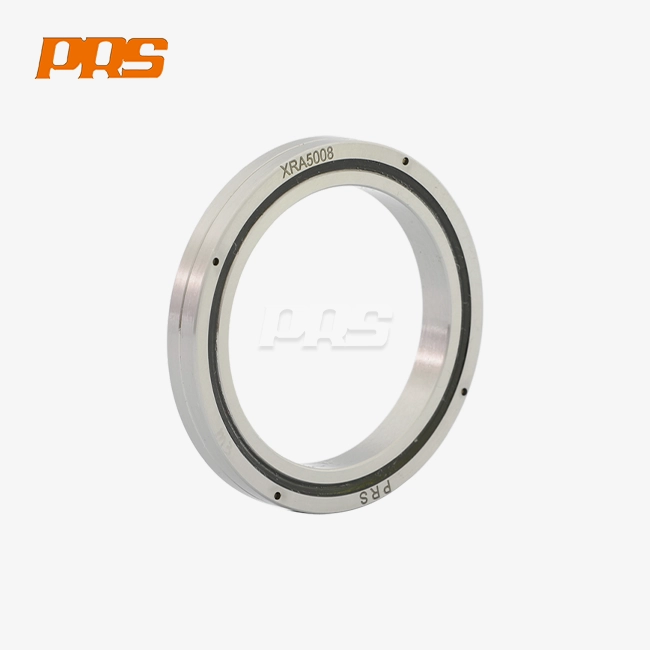
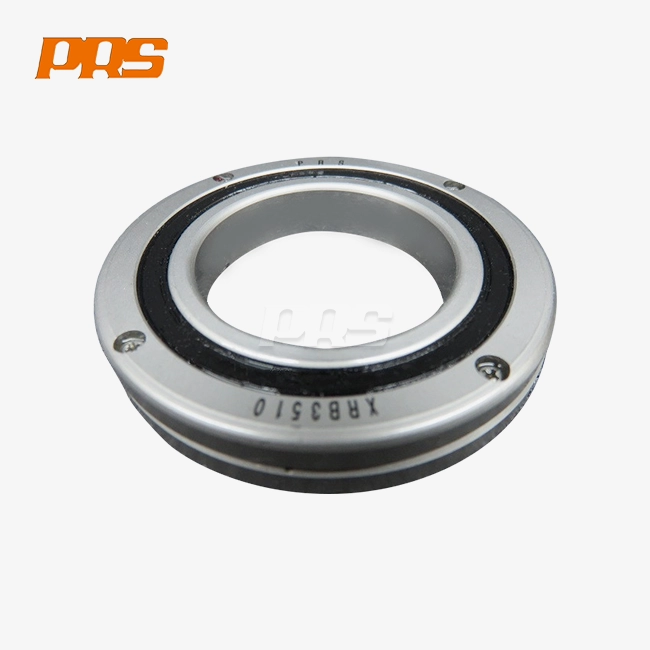
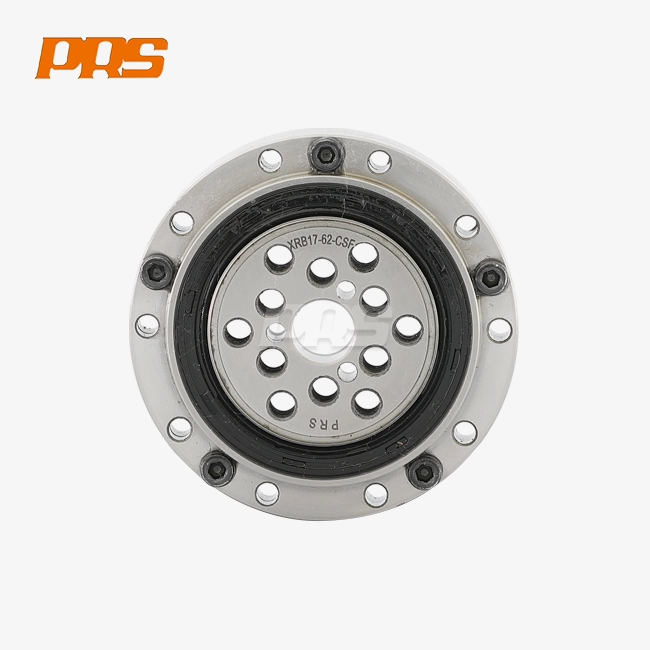
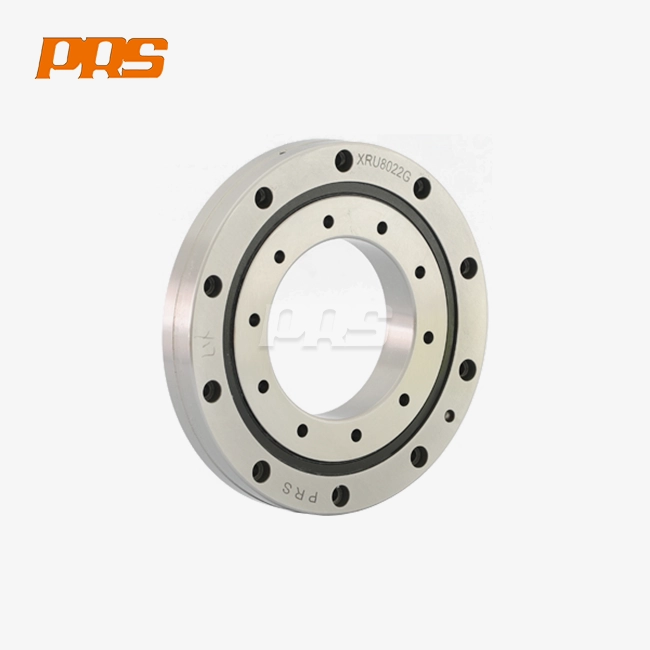
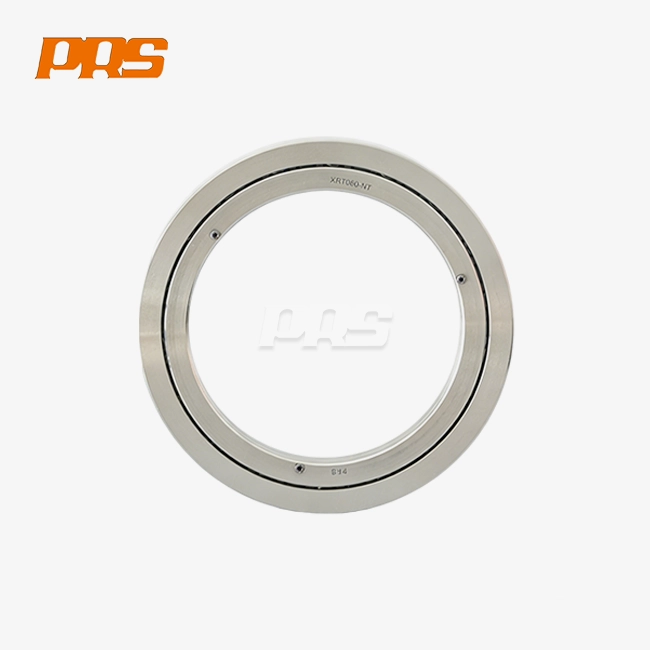
The teeth on the inner tooth bearing system are built into the inside of the upper bearing ring. With this design, the gear system is inside the bearing envelope, making the transmission unit self-contained. Rolling parts, usually balls or crossed rollers, work separately from the gear function and spread loads across carefully polished raceways. The track and gear teeth are inside the outer ring, and the smooth rotating support is inside the inner ring. This arrangement naturally keeps the gear teeth clean from outside contamination, which makes it useful for cleanrooms that semiconductor equipment makers and medical device OEMs need.
Operational Principles of External Gear Configurations
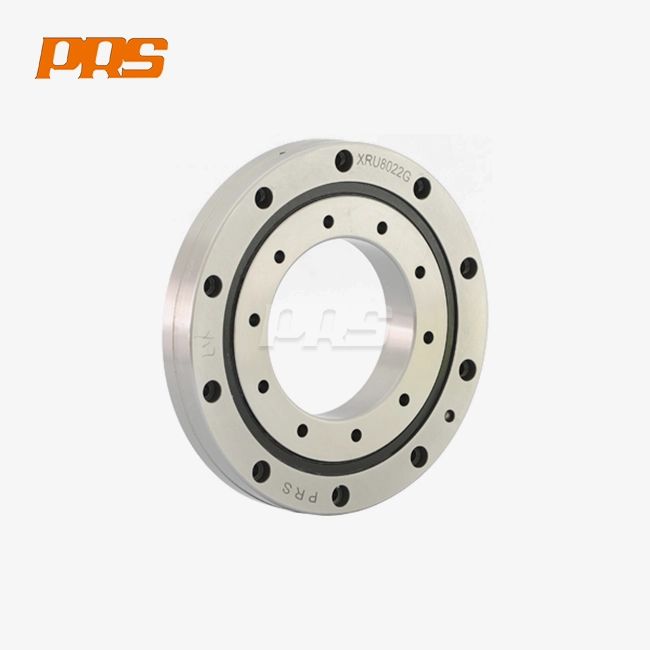
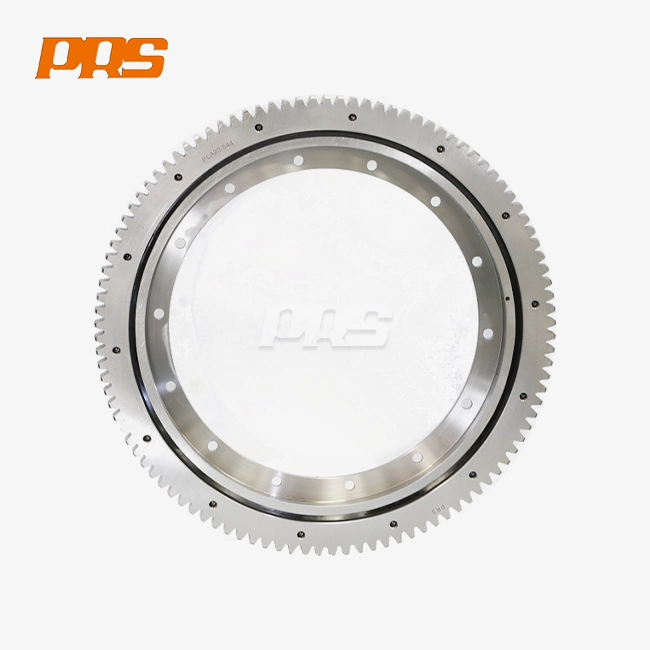
Outer gear bearings put the teeth on the outside of the bearing ring, where they are exposed to the working world. This setting makes cutting gears easier and lets you check the look of the gears without taking them apart. The gear module usually has a range of 3 to 12 to meet different power transfer needs. Load-bearing raceways work separately from the gear link, so both systems can be optimized separately. In aerospace and defense uses, outer gear types are often chosen when ease of access for field inspection is more important than contamination protection.
Key Technical Parameters Across Both Types
No matter what place the gear is in, important specs affect the choice of bearing. The inside diameter is 200 mm to 2500 mm, and the outside diameter is 350 mm to 3200 mm. Different load patterns can be accommodated by height changes of 35 mm to 180 mm. The load capacity ranges from 50kN to 2000kN, so it can be used for everything from small medical robots to big building machines. The normal operating temperature range is between -20°C and +120°C, and there are accuracy grades at the P5 and P4 levels. In industrial automation and machine tool settings, these factors have a direct effect on the accuracy of spinning, the level of vibration, and the service life.
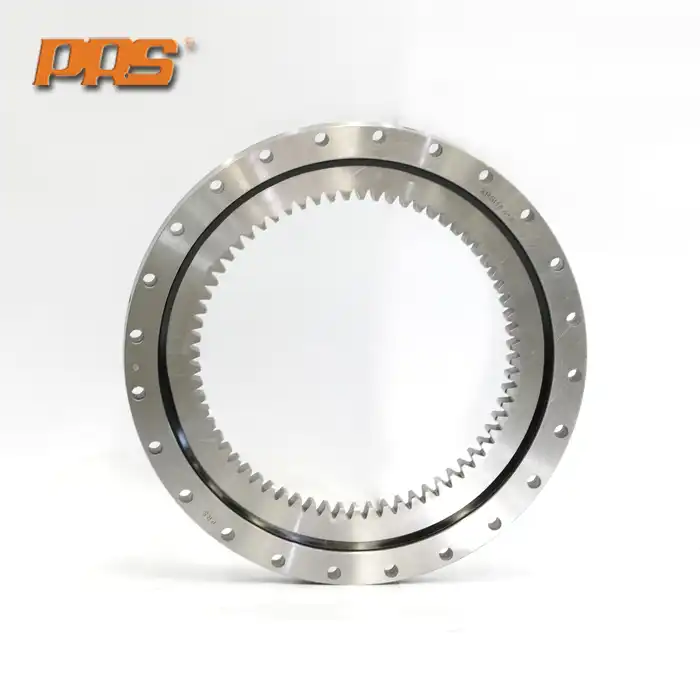
Inner Gear vs Outer Gear Slewing Bearings – Performance and Design Comparison
Where the gear teeth are located has a big effect on how bearings spread loads, protect against damage from the environment, and fit into mechanical systems. When making procurement choices, it helps to know how these performance trade-offs work in real-world operations.
Load Distribution and Capacity Differences
Different stress patterns are concentrated in inner tooth bearing configurations compared to external ones. The safe placement of inner tooth bearings provides a good load distribution geometry that lowers contact stress on the gear sides during high-torque transmission. This means that the joint will last longer in robotic systems where cyclic stress is common. Outer gear bearings can usually handle bigger pitch diameters, which makes them useful for crane slewing rings and mining equipment tracks that need to hold more weight. When the right size is used, moment load resistance stays the same across setups. However, mounting rigidity has a bigger effect on performance than gear position alone.
Installation Complexity and Spatial Requirements
In small precision tools, the design has to be chosen based on available space. Because inner tooth bearings are built in, the total system footprint is smaller because there are no separate gear housings needed like in some external setups. When making multi-axis tracking systems, robotic arm makers like how small this is. When installing inner tooth bearings, you need special tools to make sure they are lined up correctly, but when installing external gears, you can just look at them to make sure the mesh is engaged. When planning repair tasks for CNC machines, the people who make them have to take these differences in usability into account. The mounting bolt patterns and link ports are mostly the same for both types, but the bolt circle diameter choices are sometimes limited by the way the insides are configured.
Lubrication and Maintenance Demands
Maintenance schedules and methods are very different between types. Because they are enclosed, inner tooth bearings keep lubrication better than open exterior gears, so they don't need to be oiled as often. When used in machine tools, metal chips quickly damage the performance of the outward gears, but the internal designs stay efficient for longer. Both types mostly use grease systems, but oil movement is sometimes used in high-speed situations. Outer gears' visual inspection benefits cut down on downtime during regular maintenance checks, letting workers look at wear patterns without taking the gears apart. When sterilization rules make it hard to do regular maintenance, medical equipment makers prefer inner tooth bearings. On the other hand, aerospace companies often ask for external designs so that they can be serviced in the field.
Rotational Precision and Backlash Characteristics
When optical systems and measurement tools need to be positioned accurately, they need to have little backlash. For inner tooth bearing shapes, tighter backlash control is usually achieved by finishing the gear teeth and raceways at the same time during the manufacturing process. This combined machining cuts down on the accumulation tolerances that affect the accuracy of spinning. External gear designs have backlash compensation mechanisms that are easy to change, which is helpful when wear happens over long periods of service. Different designs affect vibration transfer in different ways. Inner tooth bearings reduce vibrations by enclosing them in a structure, while external arrangements may boost gear mesh frequencies into supporting structures. Equipment used to make semiconductors has limits on shaking that often support internal designs for systems that handle wafers and place them on a lithography workstation.
Advantages and Disadvantages of Inner Gear and Outer Gear Bearings
It is important to think about the pros and cons of each configuration when choosing the right bearings for different operating conditions and application needs.
Inner Tooth Bearing Benefits
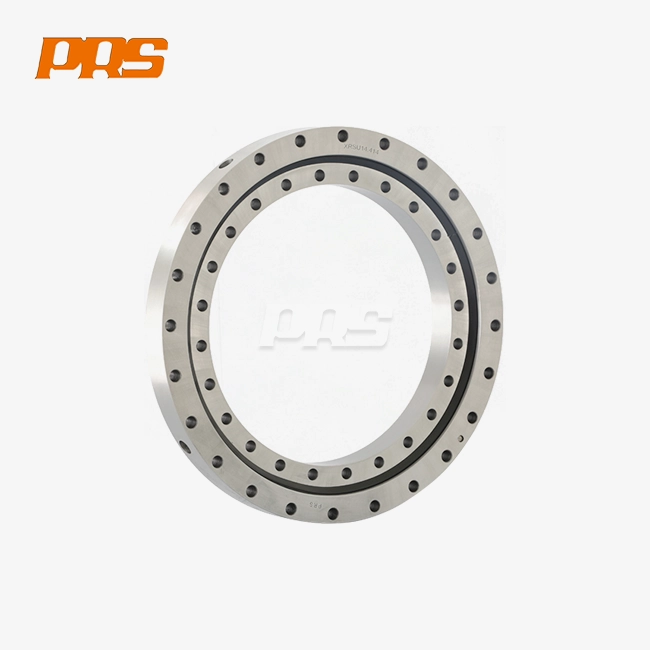
The main benefit of internal designs is that the gear teeth are protected. Dust, water, and other process contaminants can't get to the sides of the gear, so the surface finish and measurement accuracy stay the same over time. This protection is very important in automated food preparation and pharmaceutical production, where keeping tools clean is the main goal. Compact installation sizes allow for dense equipment layouts. By lowering component footprints, automation system designers make the most of working efficiency. Lubrication retention gets a lot better, which lowers upkeep costs and cleans up the environment by stopping grease from escaping. With an inner diameter of 325 mm, an outer diameter of 484 mm, and a width of 56 mm, the PRS inner tooth bearing is a good example of these benefits. It has precision-machined raceways that spread loads evenly across rolling elements while keeping gear teeth inside a sealed shell.
Limitations of Internal Gear Configurations
When compared to external options, the cost of machining is higher. It takes longer to make things because they need special cutting tools to get to the inside of the teeth. For example, checking and tuning need to be done by partially disassembling the machine instead of just looking at it. Extreme sizes have limits on how much weight they can hold because external gears have to be able to handle bigger tooth shapes and more power. Initial purchase costs are often higher than external gear versions of the same size, which can affect projects that are limited by budget. Retrofit apps have problems when they can't get to the inner tooth bearing engagement places during installation because of a lack of room.
External Gear Design Advantages
Making things that are easy to make cuts down on costs and speeds up delivery times. Standard gear cutting tools are good at cutting external teeth, which helps with fast prototyping and making custom combinations. Accessibility for visual inspection cuts down on maintenance downtime because techs can look at wear patterns while the equipment is running normally, without stopping service. External gears can handle large tooth modules and high load rates, which is useful for uses with larger diameters. Adjustment mechanisms quickly fix problems caused by wear or poor initial alignment. This increases the operating life by fixing backlash on a regular basis.
Drawbacks of Outer Gear Systems
In dirty environments, contact to the environment speeds up the rate of wear. Unprotected gear surfaces are damaged by abrasive particles, acidic chemicals, and changes in temperature, which shortens the time between replacements. For installation, you need more room for clearances between gears and protection covers in places where contamination is a worry. Problems with keeping lubricant in place make upkeep more often necessary. Open gear layouts lose grease due to centrifugal forces and interactions with the environment. When external teeth come into contact with foreign items while equipment is being used or moved, the chance of damage from impacts goes up.
How to Choose the Right Slewing Bearing for Your Application
The factors for strategic selection weigh the technical needs against the realities of operations and the available funds. Systematic review keeps expensive gaps from happening between the bearing's powers and the needs of the application.
Load Magnitude Assessment and Safety Factors
Calculating the load correctly is the first step in choosing the right bearings. Engineers need to figure out what the maximum axial thrust, rotational forces, and tipping moments would be in the worst possible conditions. When building equipment is loaded dynamically, it is very different from when optical systems are loaded steadily. Impact forces and shaking make stress much higher than what can be calculated statically. Depending on how predictable the load is and what would happen if it failed, safety factors are usually between 1.5 and 2.5. For medical devices, safety concerns mean that careful factors are needed, while for material handling tools, performance must be balanced against cost.
Environmental Operating Conditions
Extreme temperatures affect the choice of materials and the way systems lubricate themselves. Specialty greases and bearing steels are needed for cryogenic uses in aircraft, and heat-stabilized parts are needed for high-temperature industrial furnaces. Levels of contamination determine which seals to use and how the gears are set up. For semiconductor chip processing automation in a cleanroom, low-particulate designs that favor inner tooth bearing layouts are required. Exposure to corrosive chemicals in the pharmaceutical industry requires buildings made of stainless steel and special finishes. In marine settings, humidity and salt spray make corrosion worse, so protection solutions and regular upkeep are needed.
Space Limitations and Installation Accessibility
Physical limitations often limit the types of bearings that can be used. When it comes to small artificial joints, inner tooth bearings work better than external ones. Retrofit projects have to use the same fastening patterns and space allowances as the originals. Long-term running costs are affected by how easy it is to reach maintenance areas. External gears that are easy to service reduce downtime even though they are more likely to become contaminated. When bearings are used in complicated systems with many parts, the design choice is affected by the order in which they are assembled.
Comparison with Alternative Bearing Technologies
In some situations, slewing bearings have to fight with thrust ball bearings, tapered roller pairs, and other unique designs. Thrust bearings are good at handling longitudinal loads, but they can't handle radial loads. Separate gear and bearing systems make things more complicated, but they make them more flexible. Cross-roller bearings are very rigid, which is great for precise placing, but they slow down rotating speed. To figure out when combined slewing designs are the best value, you need to look at different types of loads, the level of accuracy needed, and the trade-offs at the system level.
Supplier Selection and Quality Benchmarks
Precision in making and strict quality control are needed for bearings to work well. ISO 9001 certification shows that you handle quality in an organized way, and ISO 14001 certification shows that you care about the environment. The results of the factory acceptance test back up the claims of load rates and spinning accuracy. Project plans are affected by lead times; basic versions ship faster than custom designs. Total purchase costs are affected by minimum order amounts, especially for unique uses. When problems come up during the installation and testing phases, having access to technical help is very important.
Conclusion
When choosing between inner and outer gear slewing bearing configurations, you have to weigh the benefits of safety against the benefits of ease of entry. Inner tooth bearing designs work well in dirty places and small spaces, giving you longer service by keeping seals in place better and protecting the gears better. Configurations that are on the outside make upkeep easier and can handle heavier loads when the conditions allow it. The best choice is made by analyzing the loads, room limitations, and upkeep needs of each application. PRS makes both types of precision bearings that are used in a wide range of industrial automation, medical device, and machine tool uses. These bearings come in P4 and P5 accuracy grades that are specifically designed to meet the most stringent placement needs.
FAQ
What distinguishes inner tooth bearings from outer gear slewing bearings?
The main change is where the gear teeth are placed. Inner tooth bearings have gears on the inside of the upper ring to protect the teeth inside the bearing sleeve. Outer gear bearings move the teeth to the outside so that they are easier to machine and check. This difference in structure affects how well it resists contamination, how easy it is to do upkeep, and how much room is needed for placement in automation and precision equipment.
Which configuration suits robotic joint applications better?
Because they are small and don't let dirt in, inner tooth bearings are often better for robotic joints. The enclosed design keeps waste from building up, which would lower the accuracy of placement. Multi-axis systems that don't have a lot of room take advantage of their small size, and longer lubrication intervals keep maintenance downtime to a minimum. Even with these benefits, applications that need to be serviced in the field may prefer external gears.
How do load capacities compare between configurations?
Load capacity is more affected by the type of rolling element and bearing size than by the position of the gears. External gears can hold higher torques because they can handle bigger tooth modules at the outer diameters. Inner tooth bearings get similar scores by making the shape of the gears better. When correctly configured for the application needs, both setups can handle axial, radial, and moment loads at the same time.
Can existing equipment retrofit from external to internal gear bearings?
The ability to retrofit relies on the mounting interfaces and the amount of room that is available. The envelope sizes are often different between designs, which means that the structure needs to be changed. For installation access for engaging inner tooth bearings, the equipment may need to be taken apart. Careful engineering review keeps conversion projects from running into expensive problems with compatibility.
Partner with PRS for High-Precision Slewing Bearing Solutions
Luoyang PRS Precision Bearing Co., Ltd. specializes in manufacturing inner tooth bearings and external gear slewing bearings that meet P4 and P5 precision standards for industrial automation, medical imaging, and machine tool applications. Our 15,000 m² facility employs 200+ precision machines and 35 specialized engineers delivering custom solutions from initial design through production. As an experienced inner tooth bearing manufacturer, we maintain ISO 9001, ISO 14001, and ISO 45001 certifications with factory pass rates exceeding 99.9%. Contact our technical team at ljh@lyprs.com for application-specific recommendations, detailed specifications, and quotations tailored to your project requirements. We provide competitive pricing for volume orders and reliable global logistics support to streamline your procurement process.
References
Harris, T.A., & Kotzalas, M.N. (2006). Advanced Concepts of Bearing Technology: Rolling Bearing Analysis (5th ed.). CRC Press.
Hamrock, B.J., % Schmid, S.R., & Jacobson, B.O. (2004). Fundamentals of Fluid Film Lubrication (2nd ed.). Marcel Dekker.
ISO 76:2006. Rolling bearings — Static load ratings. International Organization for Standardization.
Budynas, R.G., & Nisbett, J.K. (2011). Shigley's Mechanical Engineering Design (9th ed.). McGraw-Hill.
Eschmann, P., Hasbargen, L., & Weigand, K. (1985). Ball and Roller Bearings: Theory, Design and Application (2nd ed.). John Wiley & Sons.
Wensing, J.A. (1998). On the Dynamics of Ball Bearings. University of Twente Press.

USER EVALUATE
Here is the customer's evaluation of us