
Choosing Slim Bearings for Space-Constrained Applications
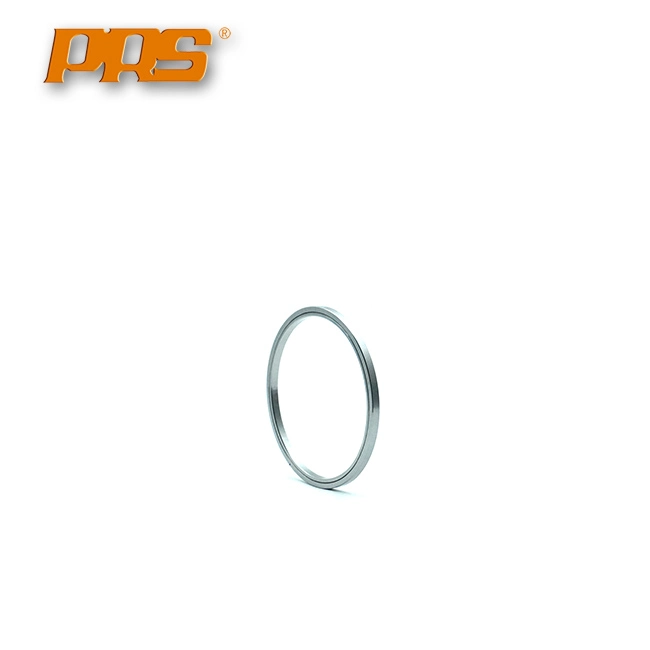
To choose the right bearing parts for designs with limited room, you need to pay close attention to performance, sturdiness, and size restrictions. Engineers can use slim bearings, which are also known as thin section bearings, when they don't have a lot of room for fitting. When compared to standard designs, these precision parts keep their full load-bearing ability while being up to 70% thinner. Their small size saves weight and gives designers more options when making robots, medical equipment, aircraft systems, and precision machinery. By learning how to evaluate and define these parts, you can make sure that your application works at its best without sacrificing efficiency or service life.
Understanding Slim Bearings and Their Value in Compact Designs
What Makes Slim Bearings Different from Standard Components?
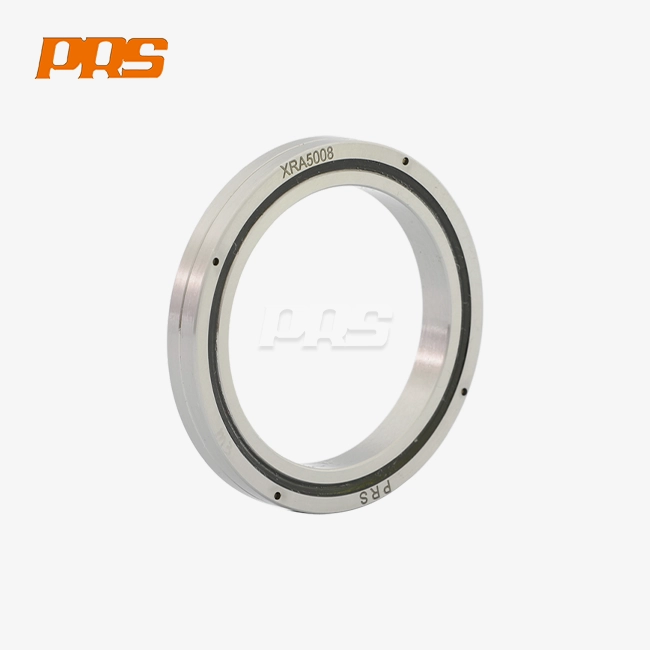
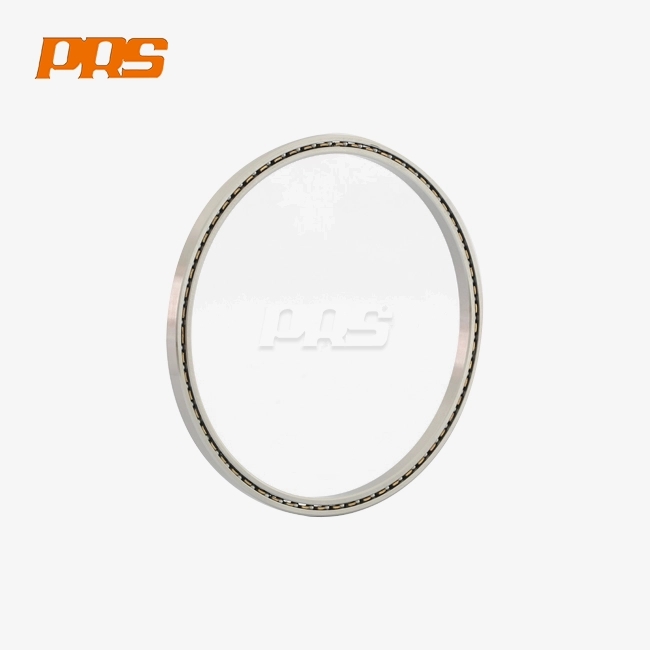
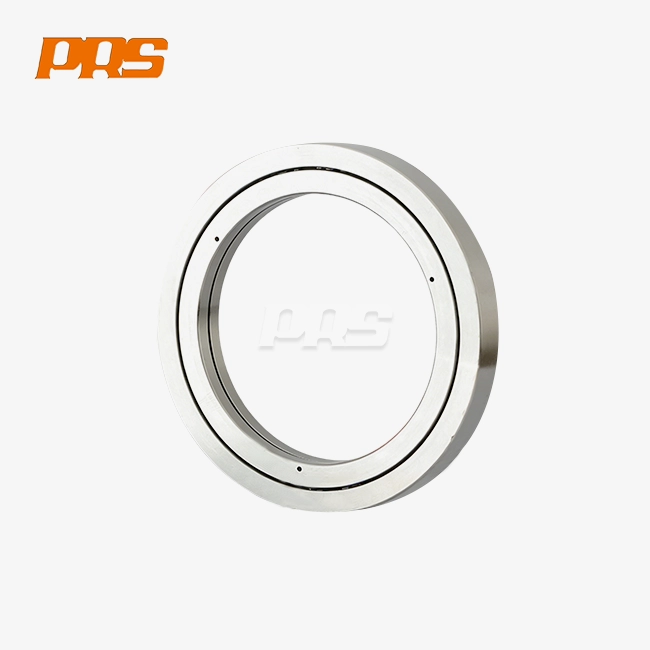
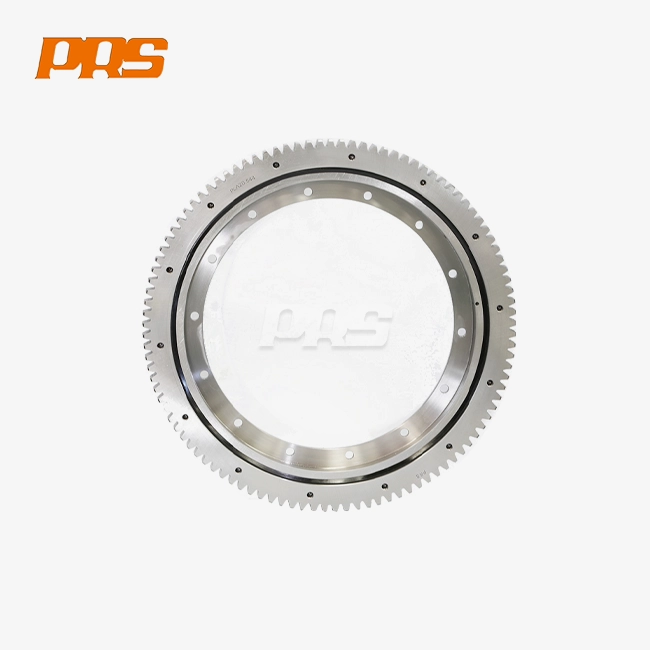
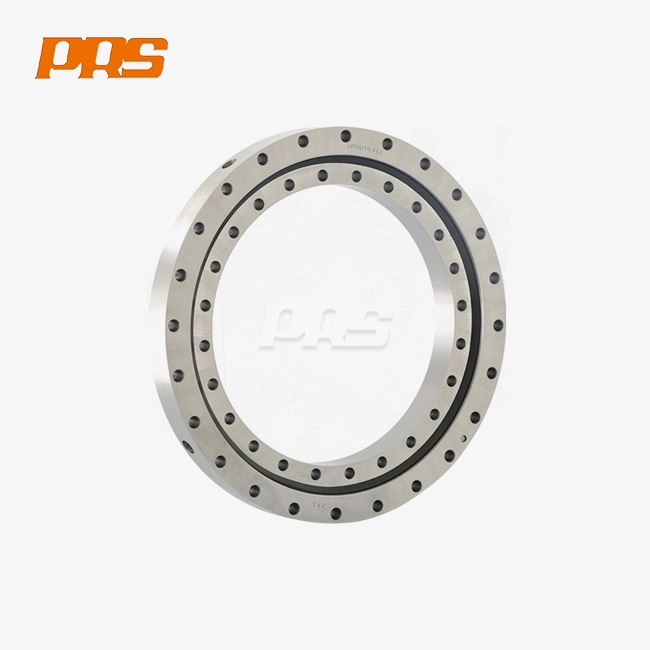
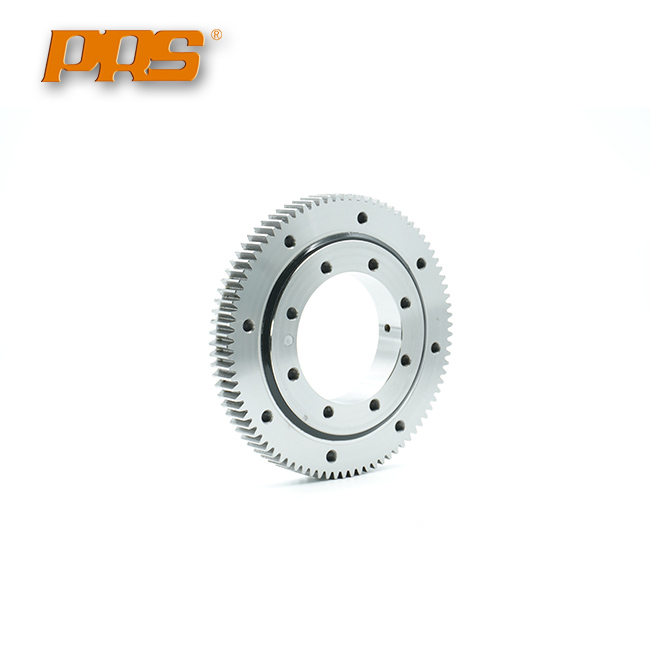
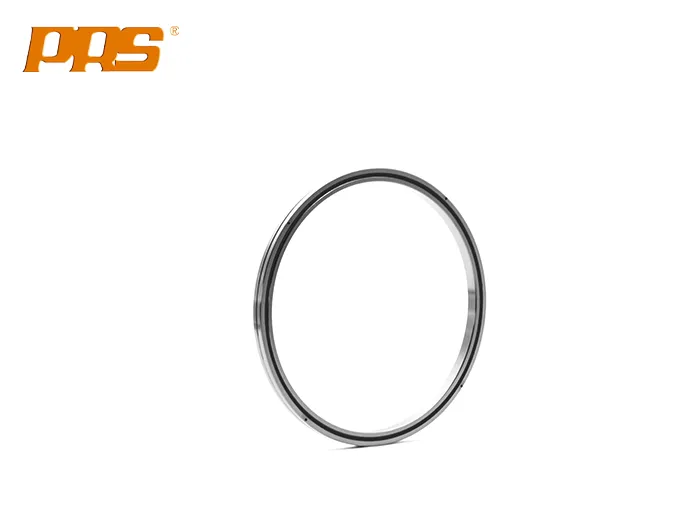
As a special type of precision part, thin section bearings are made with cross-sections that are very thin. The main difference is that they are thinner than regular designs, but they can still handle the same inner and outer diameters. This way of designing keeps the structure's strength and load capacity while fitting it into small spaces that normal bearings can't handle.
The structure has carefully carved raceways that allow for the best positioning of the balls in the limited space. This design makes sure that the bearing can handle radial, axial, and moment loads well while still allowing for smooth spinning. Making these parts requires a lot of accuracy, since even small changes can hurt performance in apps that need to work in tight spaces.
Core Benefits for Modern Engineering Challenges
The most obvious benefit is that it saves space. Every millimeter is important when building joints for robots, medical imaging tools, or spacecraft parts. Engineers can get the same rotating performance from these bearings in systems that need 50–70% less axial room than other options.
Since the shape is small, weight loss is a normal result. This trait is very helpful for aerospace systems, compact medical devices, and mobile robots. Getting rid of spinning mass saves energy, makes movable equipment's batteries last longer, and speeds up response times in precision motion control situations.
Many engineers who aren't familiar with thin section technology are surprised by how well load capacity retention works. Even though the size has been decreased, the improved internal geometry still evenly spreads forces across all contact areas. The precise order of balls and carefully measured spacing make sure that the load is spread out evenly while reducing friction and wear patterns as much as possible.
Key Variations and Material Options
The design of the contact angle has a big effect on the performance qualities. rotational contact designs are best at handling rotational loads and can only handle a small amount of linear loads. With a 30-degree contact angle, angular contact types offer better power capacity, but they need opposite mounting to set up the right contact shape. Four-point contact bearings are the most flexible option because they can handle radial, axial, and moment loads all at the same time. This is because they have a gothic arch-shaped raceway that touches balls at four different places.
The choice of materials has a huge impact on operating skills. For most industrial uses, high-grade steel is very strong and lasts a long time. Different types of stainless steel don't rust, which is important for medical devices, food processing equipment, and cleanrooms. When used in temperature-controlled environments, ceramic layers make tools used to make semiconductors more stable when it comes to heat.
The design of the seal for slim bearings is another important choice point. Open designs reduce friction and work well in cleanrooms where there are external methods for controlling contamination. The two-sided seals keep the lubrication in and keep the internal parts from getting dirty. This increases the operational life in tough conditions without the need for frequent upkeep.
How to Choose the Right Slim Bearings for Your Application?
Evaluating Spatial Constraints and Dimensional Requirements
To choose the right bearings, you must first accurately measure the space you have available for fitting. Engineers need to write down not only the fitting envelope but also any nearby parts that could get in the way of installation or function. The thermal growth of the materials around can change gaps while the machine is running, especially in situations where temperatures change a lot.
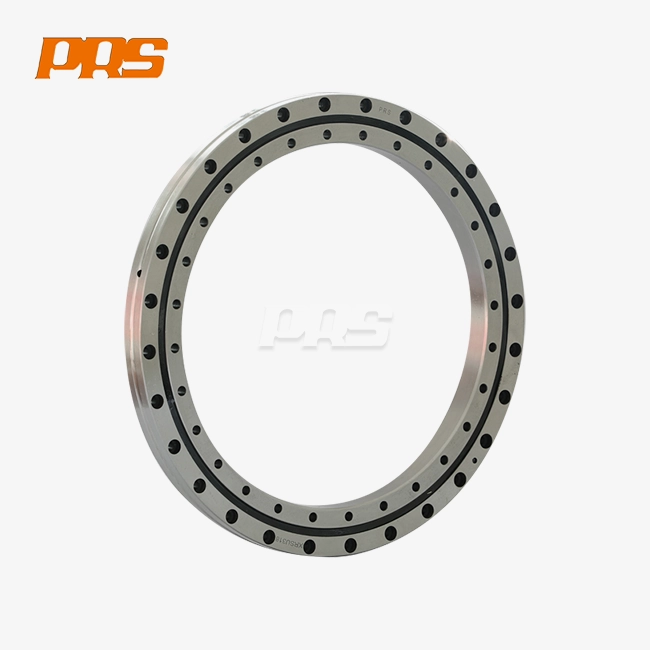
Dimensional decisions are affected by how the installation is done. For situations where size is important, mounting the bearing externally through flanges and support seats keeps its small appearance. This method works well for robotic joint assemblies and optical instrument positioning systems, where each millimeter of axial space has an impact on the design of the whole system.
Understanding Load Requirements and Operating Conditions
Static load capacity is the most force that a bearing can hold while it is still and not permanently shift. Dynamic load capacity tells you how much weight a bearing can hold while it's rotating for a certain amount of time. When working with robotics makers, procurement managers need to think about more than just steady-state operational forces. They also need to think about peak loads during cycles of acceleration and slowdown.
The speed of operation creates rotational forces that change where the balls are placed and how they are loaded inside the machine. For higher speeds, industrial standards must be tighter and lubrication methods must be more specific. When semiconductor equipment is constantly running at low speeds, it has different needs than when machine tool wheels are sometimes running at high speeds.
Material and Coating Selection for Demanding Environments
Changes in temperature affect the security of dimensions and the efficiency of lubrication. When it comes to heat, medical imaging equipment that works in climate-controlled rooms has different problems than aircraft equipment that has to deal with big changes in temperature. To keep things from breaking down too soon, the type of material used and the type of grease must match the temperature conditions.
Standard high-grade steel bearings work well in most industrial automation tasks because they are cheap, have a great strength-to-weight ratio, and are strong. Procurement managers are confident in the material's long-term dependability because it has been used successfully in motion control systems in the past.
When it comes to chemical interaction or being exposed to water, stainless steel is a must. Surgical robot designers who work in biological settings and companies that make medical devices that need to be sterilization-compatible can both benefit from stainless steel's resistance to rust. The choice of material meets the standards for cleanroom fit in semiconductor manufacturing.
Specialized coats for slim bearings are used to solve certain efficiency problems. For high-temperature uses, ceramic coats make things more thermally stable, and for precision pointing systems, they lower friction. Surface treatments can make things harder and more resistant to wear without making them much heavier.
Comparing Performance Trade-offs
Thin section bearings are small because the design is optimized, but engineers need to know what the trade-offs are. When compared to standard bearings of the same width, the number of load-carrying balls is limited by the thinner design. This limitation changes the load capacity and expected service life when the load is high.
Rigidity properties are different for thin and standard section shapes. As cross-section goes down, deflection under load goes up, which could affect the accuracy of placing in precision uses. When making high-precision grinding tools, machine tool makers need to check if the higher deflection is still within the allowed limits for their use.
There are more costs to think about than just the original buy price. Because they have to be made with more precision, thin section bearings usually cost more per unit. The total cost of ownership estimate must, however, take into account the benefits of saving weight, making better use of room, and lowering the needs for supporting structures that these parts make possible.
Installation and Maintenance Best Practices for Slim Bearings
Step-by-Step Installation Procedures
Preparing the mounting areas well is the first step in a proper fitting. It is very important to keep things clean—even tiny dirt can cause stress or make it hard to sit properly. To keep bearings from warping during installation, mounting surfaces must be flat and straight within certain limits.
When working with thin section parts, the tools you use are very important. Standard bearing installation tools made for regular bearings might put too much force on the bearings or pressure on them unevenly. Specialized fitting clamps spread the force evenly across the bearing face, which keeps the thin cross-section from warping while it is being pressed.
Common Installation Pitfalls and Prevention
Verification of alignment makes sure that the bearing makes good touch with the fastening surfaces. Feeler gauges can find gaps that mean the bearings aren't sitting properly, and dial signs can measure runout that could mean the bearings aren't lined up right. Finding and fixing these problems before they become operational stops wear patterns from starting too soon and increases service life.
The most common mistake people make when installing thin section bearings is over-pressing them. Too much mounting force can bend the thin cross-section, which creates internal stress that speeds up wear failure. Monitoring the force during installation helps workers stay within the limits set by the maker.
Even with protected designs, efficiency is lost if contamination happens during installation. Particles stuck between the bearing's mounting sides cause uneven loads, which speeds up wear. Failures caused by contamination can be avoided by keeping work areas clean and using lint-free gloves when handling parts.
Preventive Maintenance Strategies
When attaching gear is tightened for slim bearings, using the wrong amount of torque can change the geometry of the bearing. To make sure there is even pressure distribution, the bolts must be tightened in a star design to the required force values. This method keeps the roundness of the bearings, which is important for smooth operation and long service life.
How often you should check something depends on how it's being used and how important it is. Surgical robots and flight control systems need to be checked more often than textile machines that are used for less important tasks. Monitoring vibrations can find problems that are getting worse before they break down completely. This lets you schedule maintenance instead of having to fix things right away.
When done right, lubrication control greatly increases the life of bearings. Sealed bearings come pre-oiled so they can work without any upkeep for a certain amount of time. Open designs need to be re-oiled on a regular basis, and the manufacturer's instructions should be followed for the type of oil to use, how much to use, and how often to use it.
Finding wear early saves money because it lets you repair things before they get damaged again. Strange noises, more vibrations, or a high working temperature are all signs that problems are starting to show up. Taking care of these signs right away stops major failures that could damage nearby parts or put people's safety at risk in medical and aerospace settings.
Procurement Guide: Where and How to Buy Quality Slim Bearings
Evaluating Supplier Credentials and Manufacturing Capabilities
A supplier's manufacturing history shows how much experience and process improvement they have gained over time. For more than 20 years, PRS has been specializing in bearings, with a focus on developing precise and special bearings since 2003. This experience means that you can understand quality and performance consistently across a wide range of uses.
Standards for certification make sure that process rules and quality management systems work. The ISO 9001 certification shows that the company is committed to structured quality management. The ISO 14001 and ISO 45001 certifications show that the company is committed to environmental and safety management. These certifications give purchasing managers peace of mind that sellers follow regular procedures that are in line with global standards.
Lead times and supply dependability for slim bearings are affected by how much can be made. PRS has a 15,000 m² building with more than 200 high-precision tools that allow them to quickly meet both standard and unique customer needs. This system can handle large-scale production while still being flexible enough for unique uses.
Custom Manufacturing and Lead Time Considerations
Standard stock bearings work well in a lot of different situations because they are easy to find and perform consistently. PRS keeps a lot of standard configurations in stock so that they can be sent out 24 hours a day. This keeps project plans on track even when delays in sourcing could affect production launches.
Custom solutions are made to meet specific needs that can't be met by standard goods. In some situations, specific uses may need changes to the dimensions, special materials, or different ways of closing. From the first design to production delivery, PRS's engineering teams work directly with customers to make sure that the bearings work best in their particular situations.
Understanding Pricing Structures and Total Cost
Planning for lead times keeps projects from being late. Standard bearings can be shipped within 24 hours if they are in stock. Custom configurations usually take between 6 and 8 weeks from the time the order is confirmed, but the exact time relies on how complicated the specifications are and how busy production is at the moment. Getting suppliers involved early in the planning phase gives enough time for custom development without falling behind on project goals.
Unit prices are greatly affected by factors like volume. Buying in bulk usually lowers the cost per unit, which makes committing to a large order early on a product that is going into series production appealing. But procurement managers have to weigh bulk savings against the costs of keeping inventory and the risk of items going out of style.
Customization changes prices based on the amount of engineering work and tooling costs. Changing the dimensions while using existing production methods adds small cost increases. Prices are higher for completely new designs that need custom tools or material development, but they work better in certain situations.
The total cost of ownership is more than just the price of the car. Longevity, upkeep needs, and downtime costs must all be taken into account when buying bearings. A slightly higher starting investment in better bearing quality often pays for itself many times over in longer repair intervals and lower failure-related costs.
Conclusion
To choose the right slim bearings for uses with limited room, you need to carefully look at the size limitations, load requirements, environmental conditions, and provider capabilities. These specialized parts are very useful in robots, medical equipment, aircraft systems, and precision machinery where small size and light weight give them a competitive edge. The bearings will last longer and the system will be more reliable if you follow the right construction steps and do preventative maintenance. Working with skilled makers who know how to meet the needs of your unique application is the best way to make sure that the right parts are used and that they work well for a long time. As engineering trends continue emphasizing miniaturization and efficiency, thin section bearing technology will play an increasingly important role in next-generation equipment development across diverse industries.
FAQ
What are the main advantages of using slim bearings over standard bearings?
Thin section bearings save a lot of room because their axial measurements are 50–70% smaller than those of traditional designs, but they can still hold the same amount of weight. This small profile makes it possible to reduce weight by a lot, which is especially helpful in fields like aerospace, mobile robots, and portable medical tools where every gram matters. The lower spinning mass makes precision motion control apps use less energy and respond faster. Even though they are small, these bearings have great rigidity and provide smooth, accurate rotation that is needed for difficult uses. Installation freedom and the ability to handle radial, axial, and moment loads all at once with a single bearing system make machine design easier and cut down on the number of parts needed.
How do I determine if my application requires custom slim bearings?
Standard stock bearings work well in most situations where the size needs and working conditions match the specs that are available. Custom bearings are needed when room limitations, load requirements, or weather conditions make regular products less useful. Custom development is helpful for situations that need odd sizes, special materials for high temperatures, or specific seal designs. Working with your bearing provider early on in the planning process can help you figure out if standard products are enough or if custom engineering is needed for the best performance. When choosing between custom and standard choices, procurement managers should think about the wait time, the amount needed, and the total cost of ownership.
What precision grades are available and how do I select the appropriate level?
Tolerances for industrial tolerances in terms of shape, surface finish, and correctness of dimensions are set by precision grades. Standard accuracy is good enough for most industry uses. For uses like machine tool wheels and precision positioning systems that need better moving accuracy and less vibration, P4 precision offers tighter tolerances. P2 is the highest level of precision, which is needed for equipment used to make semiconductors and measurement tools where micron-level accuracy affects how well the system works. Higher accuracy grades cost more, so choosing the right level means balancing the need for efficiency with the available budget. The positioning accuracy needs, working speed, and quality standards of your application will help you choose the right precise grade.
Partner with PRS for Precision Slim Bearings Solutions
Since 2003, Luoyang PRS Precision Bearing Co., Ltd. has been making precision and special bearings, creating Chinese goods that can be used instead of foreign ones. Our slim bearings have very thin 5mm profiles with inner sizes ranging from 20 to 50 mm. This saves room without lowering the load capacity. We have licenses for ISO 9001, ISO 14001, and ISO 45001, and our plant pass rates are higher than 99.9%. We also offer P4/P2 precision grades for very specific uses. Our engineering team offers full application support, from writing specifications to helping with installation. For common setups, they can also send out orders 24 hours a day. Get in touch with our team at ljh@lyprs.com to talk about your space-limited application needs and find out why top makers choose PRS as their provider of slim bearings for robotics, medical devices, and precision automation systems.
References
Harris, T.A., and Kotzalas, M.N. (2006). Advanced Concepts of Bearing Technology: Rolling Bearing Analysis, Fifth Edition. CRC Press, Taylor & Francis Group.
Eschmann, P., Hasbargen, L., and Weigand, K. (1985). Ball and Roller Bearings: Theory, Design and Application, Second Edition. John Wiley & Sons.
Palmgren, A. (1959). Ball and Roller Bearing Engineering, Third Edition. SKF Industries Inc.
Hamrock, B.J., and Anderson, W.J. (1983). Rolling-Element Bearings. NASA Reference Publication 1105, National Aeronautics and Space Administration.
Bhushan, B. (2013). Principles and Applications of Tribology, Second Edition. John Wiley & Sons.
Neale, M.J. (1993). The Tribology Handbook, Second Edition. Butterworth-Heinemann.

USER EVALUATE
Here is the customer's evaluation of us