
How to Select CRBH Robot Bearings for Robotic Arm Systems?
Selecting CRBH robot bearings for robotic arm systems requires matching precision grades, load capacities, and dimensional tolerances to application demands. These thin-wall cross roller bearings provide zero-backlash motion, high rigidity, and space efficiency essential for articulated robots, rotary tables, and servo-driven joints. Proper selection balances radial and axial load ratings, preload specifications, and environmental compatibility to ensure accurate positioning and extended service life across industrial automation environments.
Understanding CRBH Robot Bearings and Their Key Features
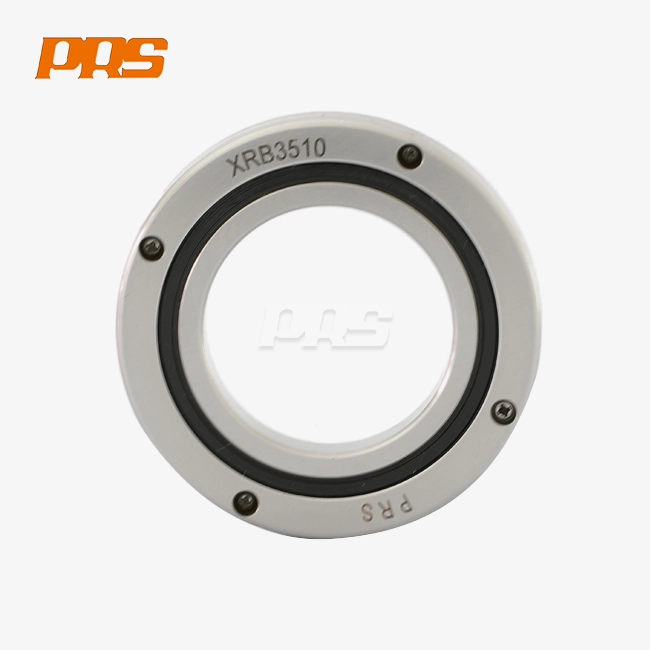
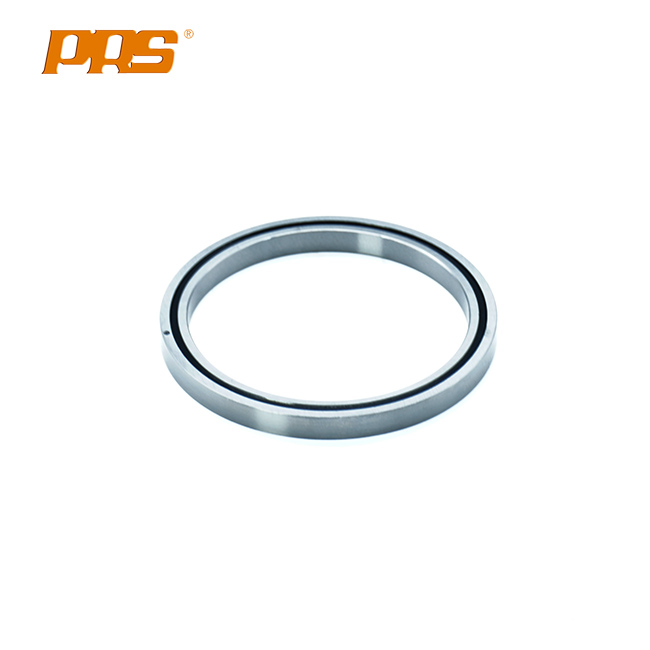
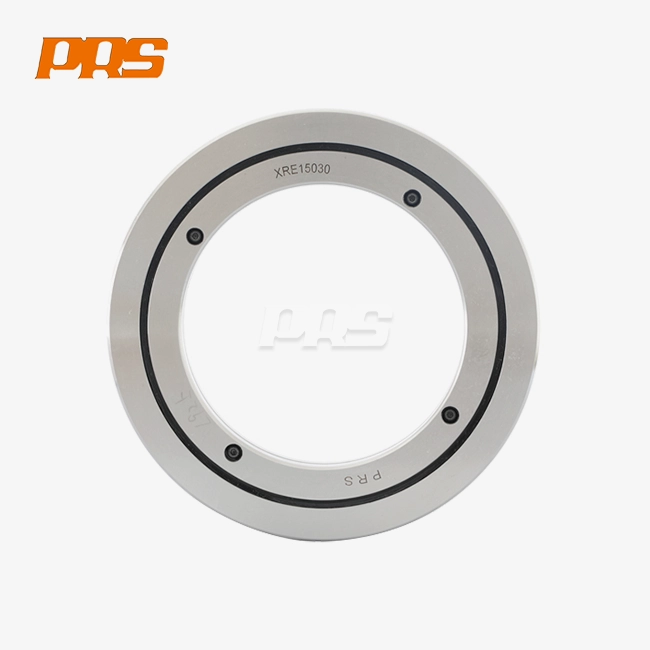
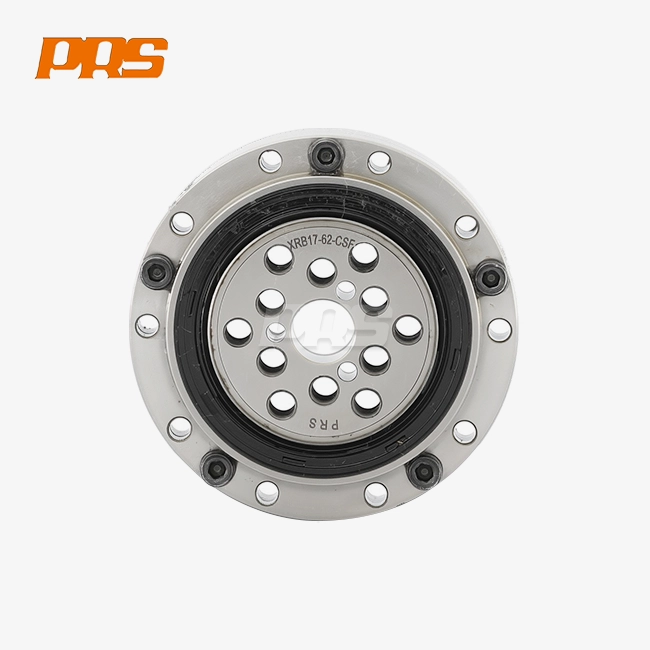
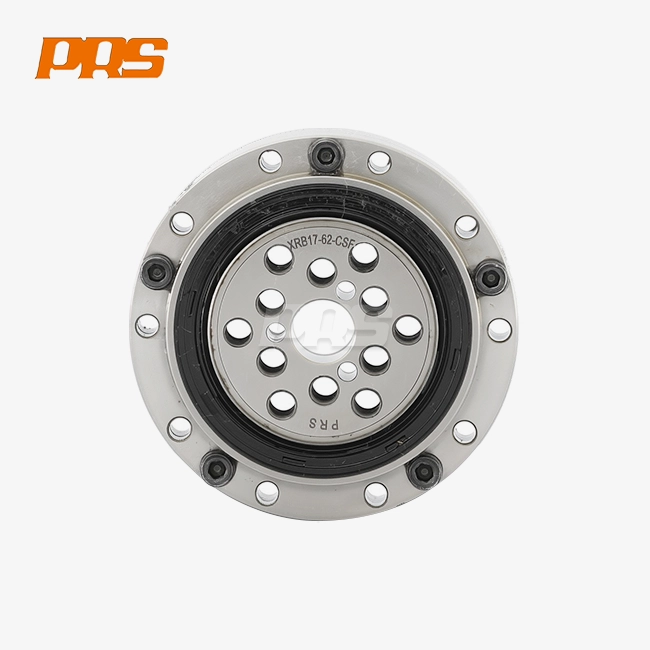
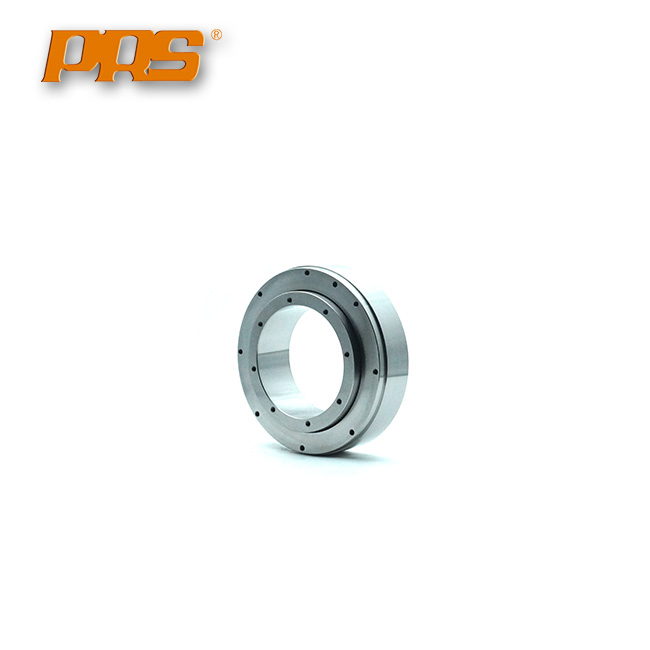
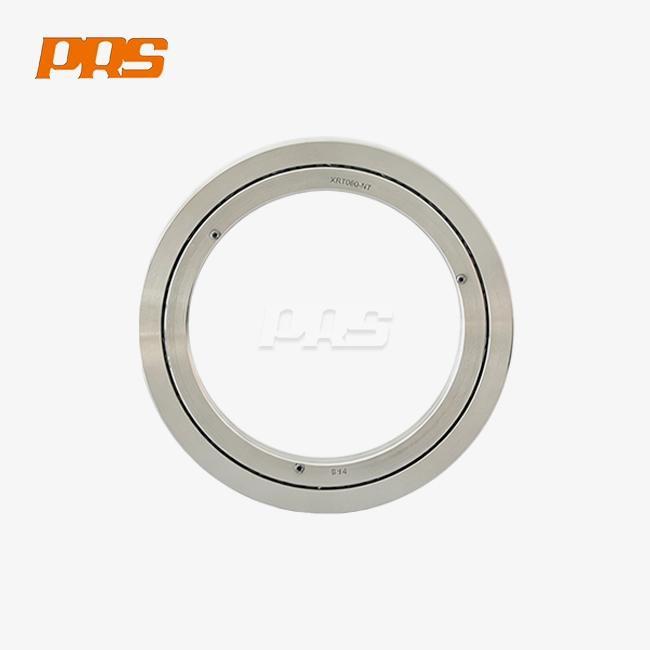
CRBH robot bearings are a special kind of thin-wall cross roller bearings that are made to work with robotic arm joints and motion control systems that need to be precise but don't have a lot of room. The CRBH series is different from traditional ball bearings or split-ring designs because it has a solid inner and outer ring structure with cylinder-shaped rollers spaced out at 90-degree angles. This setup gets rid of installation-induced deformation, which is a typical way for flange fitting to go wrong and makes rotational accuracy less accurate.
Structural Design Advantages
The thing that makes CRBH cross roller bearings unique is that they are optimised for thin walls. When comparing standard CRB series models with the same inner diameters, the wall thickness is 30% to 40% less. This makes it possible to get diameter-to-thickness ratios of up to 10:1. This small shape lets the people who build robotic arms keep the load-bearing ability while reducing the joint envelope dimensions. Cylindrical wheels set in V-groove raceways support radial, axial, and moment loads all at the same time in a single bearing unit. This makes mechanical assembly easier and increases stiffness.
Material and Surface Engineering
Professional-grade CRBH bearings are different from cheaper options because they have been treated with advanced metallurgy techniques. Raceways go through super-finishing steps to get a surface roughness number below Ra 0.02 μm. This lowers the friction coefficient to 0.0015. Rockwell hardness (HRC) values between 58 and 62 are achieved through heat treatment protocols at raceway depths of 3 to 5 mm. This prevents brinelling under shock loads that are common in robotic acceleration cycles. Lightweight aluminium alloy cages lower rotating inertia by 15% to 20%, which means that less power is needed from the servo motor when the direction of motion changes quickly.
Precision Grades and Tolerances
According to ISO standards, CRBH robot bearings are manufactured with precision classes P4 and P2, which provide radial runout tolerances of 2.5 μm and 1.5 μm respectively. These advanced geometric controls allow CRBH robot bearings to maintain positioning accuracy within a few microns even after millions of operating cycles in high-precision robotic applications. Internal clearance classifications, typically C0 or slightly negative preload conditions, ensure smooth motion with minimal backlash, which is essential for accurate robotic trajectories, repeat positioning, and automated manufacturing processes. Engineers must carefully define preload specifications for CRBH robot bearings, because insufficient preload can create vibration, reduce rigidity, and affect positioning accuracy, while excessive preload can generate additional heat and accelerate lubricant degradation. Proper preload adjustment, precision machining, and strict quality control allow CRBH robot bearings to deliver high rigidity, low friction, long service life, and reliable performance in industrial robots, collaborative robots, rotary tables, and precision automation equipment.

Core Criteria for Selecting CRBH Robot Bearings for Robotic Arms
Successful implementations can be told apart from early failures by how well the bearing specifications match the operational needs. The selection process is based on three main factors: aligning the load capacity, finding the best balance between accuracy and roughness, and extending the lifespan by adapting to the environment.
Load Capacity Evaluation
Robotic arm bearings are loaded in a lot of different ways. They are loaded with radial forces from objects that are hanging off of them, axial thrust when the arm moves vertically, and twisting moments from operations where the arm grips things unevenly. The dynamic load ratings for CRBH series bearings range from 8 kN to 45 kN, depending on the size. In small 100 mm outer diameter configurations, the moment load ratings are often higher than 500 Nm. The formula for figuring out comparable dynamic loads is P = X·Fr + Y·Fa + M/Dm, where Fr is the radial load, Fa is the axial load, and M is the moment load in relation to the pitch diameter Dm. To account for shock and vibration, bearings should be chosen with safety factors that are 1.5 to 2.0 times the estimated loads.
Precision and Friction Performance
Low starting torque is important for mobile robotic platforms because it makes servo motors work better and extends battery life. When it comes to normal sizes, CRBH bearings have starting torque values between 0.5 and 3.0 Nm, which is a lot less than tapered roller bearings. The friction coefficient stays the same from -20°C to +80°C, which means that the position can be repeated within ±3 arc-seconds for precise assembly tasks. During incoming quality control inspections, engineers should use coordinate measuring machines to check the rotational accuracy specifications, which include axial runout and radial runout (Inner Ring Radial Runout and Outer Ring Radial Runout).
Service Life and Maintenance Considerations
To figure out how long a bearing will last, you use modified L10 life formulas that take into account operational factors like how often the bearing is oiled, how much contamination it is exposed to, and its duty cycle patterns. When properly oiled with synthetic greases designed for -40°C to +120°C operation, CRBH bearings can usually last between 20,000 and 30,000 hours in industrial settings. Different types that are sealed with thin rubber lip seals keep particles out of machining applications while keeping the small profile needed for robotic joint integration. Monitoring tools that keep track of changes in starting power and temperature allow for predictive maintenance, which stops catastrophic failures during production runs.
Comparing CRBH Robot Bearings Against Other Industry Options
Objective performance comparisons between CRBH offers and well-known alternatives help with procurement choices. While well-known names like SKF and THK control the market, Chinese precision bearing makers like PRS offer similar technical specs at prices that are affordable.
Performance Benchmarking
When tested next to each other, CRBH robot bearings from trusted suppliers meet or exceed international standards in several critical performance areas. Under the same preload conditions, friction torque measurements of high-quality CRBH robot bearings show results within 5% of premium European brands, demonstrating excellent rotational efficiency and stable motion control. Dimensional accuracy is also maintained within the requirements of ISO 492 Class 4, ensuring reliable compatibility with precision robotic structures and automation equipment. When load capacity ratings are verified through destructive testing according to ANSI/ABMA standards, CRBH robot bearings demonstrate safety margins suitable for demanding robotic applications. Reliability studies indicate that the integrated ring structure used in advanced CRBH robot bearings can reduce field failure rates by approximately 12% in rotary table applications by eliminating assembly errors commonly associated with split-ring bearing designs. With high rigidity, low friction torque, compact design, and superior positioning accuracy, CRBH robot bearings provide dependable performance for industrial robots, collaborative robots, precision reducers, and automated manufacturing systems.
Value Analysis and Total Cost of Ownership
The total cost of ownership includes more than just the price of buying the item. It also includes the cost of labour for installation, regular upkeep, and costs for downtime. Standardised housing connections and preloaded configurations make installing CRBH bearings easier. Compared to multi-component bearing setups, integration time is cut by 20 to 30 minutes per joint. The thin-wall design lets weight be cut across multiple-axis robotic arms, which lowers the cost of structure support and raises the payload-to-weight ratio. These factors have been linked to measurable ROI improvements in the use of semiconductor handling equipment and medical imaging gantries.
Quality Certifications and Traceability
Professional bearing suppliers use ISO 9001 quality control systems that make it possible to track all of the materials from the steel mills to the final inspection. Dimensional inspection records (DIN measurements checked with a CMM), material certificates showing chemical composition analysis, and hardness test results showing the integrity of the heat treatment should all be included in certification packages. Bearings that are going to be used in medical equipment or spacecraft need extra paperwork to show that they meet FDA or AS9100 quality standards. By asking for these certifications during the procurement screening process, qualified industrial suppliers can be told apart from distributors who are dealing with unconfirmed inventory.
Procurement Strategies for CRBH Robot Bearings
To navigate global supply chains, you need to know about distribution networks, negotiation leverage points, and ways to reduce risk that make sure parts are always available.
Authorized Distribution Channels
When you buy from factory-authorized distributors or directly from the maker, you get access to technical support resources and guarantee rights that you can't get from gray-market dealers. Well-known bearing companies have regional technical centers with application experts who help with calculations for choosing the right bearing, suggestions for mounting methods, and failure analysis studies. PRS has direct sales outlets that are backed up by engineering teams that know how to build robotic joints. These teams offer consultation services that turn performance needs into specific bearing configurations.
Volume Purchasing Advantages
There are more benefits to bulk purchasing agreements than just lower unit prices. For standard CRBH sizes, the minimum order quantity to get a bulk rate is usually between 50 and 100 pieces. There are different price levels for larger orders that cover multiple SKUs every year. These agreements protect inventory assignments during problems in the supply chain and allow vendor-managed inventory programs that lower the cost of having inventory. Payment terms are often extended to Net 60 or Net 90 for qualified accounts. This makes it easier for OEM makers whose billing cycles are based on projects to handle their cash flow.
International Logistics and Lead Times
Standard CRBH robot bearings sizes are typically shipped from Chinese factories within three to five weeks for orders below 100 units. For urgent automation projects, faster production schedules may be available to support the demand for CRBH robot bearings used in precision robotic joints, industrial robots, and high-accuracy motion systems. With air freight options, delivery times to major U.S. distribution hubs can be reduced to 7–10 days, while ocean freight remains the most cost-effective solution for non-critical restocking orders. Custom CRBH robot bearings with non-standard dimensions, special sealing solutions, customized preload requirements, or application-specific designs may require longer lead times of 8–12 weeks, so production planning must be coordinated with robotic system manufacturing schedules. Maintaining sufficient safety stock to cover 6–8 weeks of consumption helps prevent supply interruptions caused by transportation delays, quality inspections, or unexpected production issues. Reliable suppliers of CRBH robot bearings provide stable manufacturing capacity, technical support, and customized bearing solutions to ensure long-term performance in collaborative robots, automation equipment, and precision machinery applications.
Ensuring Optimal Integration and Long-Term Performance
A successful bearing application includes more than just choosing the right product. It also includes following the right installation steps, system integration methods, and operating monitoring routines to get the most out of your investment.
Installation Best Practices
To keep the factory-set preload and geometric accuracy, CRBH bearings need to be mounted in a controlled way. Housings must stay flat within 0.01 mm of all fastening surfaces. This can be checked with a surface plate or laser interferometry. Torque sequences for fasteners are set to manufacturer-specified values using calibrated torque tools. For M6 mounting bolts, these values are usually 25 to 40 Nm, but can vary based on the material of the housing. Controlling contamination during assembly is very important. Lint-free gloves should be used to handle bearings in clean areas, and protective covers should only be taken off right before installation.
Compatibility Verification and Troubleshooting
To add CRBH bearings to robot designs that are already in use, the dimensions of the interfaces between them must be checked. This is especially important for shaft and housing tolerances that affect interference fits. Most of the time, inner ring bores need k5 or m5 shaft specs, and outer ring housings need H7 or H8 fits to stop fretting rust. Misalignment of more than 2 arc-minutes between mating parts causes edge loading that shortens the life of bearings by 40 to 60 percent. This is why alignment checks must be done during commissioning. Noise or shaking that you didn't expect during the first few hours of use is usually caused by contaminated lubricant, incorrect preload adjustment, or housing distortion from bolts that were over-torqued.
Proactive Maintenance and Condition Monitoring
Using monitoring protocols increases the time between bearing service intervals and stops unplanned downtime. Sensors that measure the temperature of the bearing case can tell when oil fails before wear gets worse. Usually, alarms are set 15°C above the normal readings for the room temperature. Spectral analysis of vibrations from accelerometers placed near bearings can find developing defects. The frequencies of bearing defects show damage patterns in the inner race, outer race, or roller element. When measured torque sensors are used to measure starting torque every three months, they show when lubrication is wearing down or contaminants are getting in. This lets maintenance workers know what needs to be done before performance goes down.
Conclusion
Selecting CRBH robot bearings for robotic arm systems demands rigorous evaluation of load capacity, precision requirements, and operational environments against bearing specifications. The thin-wall cross roller design delivers space-efficient solutions for articulated joints, rotary tables, and positioning systems requiring zero-backlash motion and micron-level accuracy. Procurement success depends on partnering with qualified manufacturers offering technical support, quality documentation, and reliable supply chains. Proper installation procedures combined with proactive maintenance monitoring optimize bearing lifespan, reduce total cost of ownership, and ensure robotic systems maintain positioning accuracy throughout production cycles.
FAQ
What distinguishes CRBH robot bearings from standard bearing types?
It is possible for CRBH bearings to support radial, axial, and moment loads at the same time because they have a combined solid ring structure and cylindrical rollers that are organised in an orthogonal way. This is different from ball bearings, which need more than one unit to handle complex loads, and split-ring designs, which can lose accuracy during assembly.
How frequently should CRBH bearings undergo maintenance inspections?
In industrial automation settings, condition assessments that measure starting torque and temperature signatures should usually be done every three months. In situations with ongoing operation or contaminated air, monitoring may need to happen once a month. With cleanroom robots, inspections are done every six months, based on the number of operating hours.
Can CRBH bearings accommodate custom specifications for unique robotic applications?
Reliable makers, like PRS, offer technical customisation for non-standard sizes, unique seal configurations, and changed preload values that are tailored to the needs of each application. Custom orders usually need in-depth talks about the specifications, and based on how complicated the changes are, they can take up to 12 weeks longer to manufacture.
Partner with PRS for Precision CRBH Robot Bearing Solutions
PRS has been making precision bearings for 20 years, which will help engineers and purchasing managers who are looking for trusted CRBH robot bearing providers. Cross roller bearings that meet ISO P4 and P2 accuracy standards are made at our plant. These bearings serve robotic arm systems in the semiconductor, medical device, and industrial automation industries. We use strict quality control procedures, such as CMM measurements and hardness depth tests, to make sure that every bearing meets the required tolerances. Bulk buying programs offer savings based on the number of items bought, as well as expert support services that help with estimates for choosing bearings and integration advice. When you ask us a technical question, we answer it within 24 hours with CAD models, load rating information, and suggestions that are tailored to your unique needs. You can talk about your robotic arm bearing needs, get technical datasheets, or set up sample evaluations by emailing ljh@lyprs.com. You can look at our whole product line at prs-bearing.com and learn why OEM manufacturers choose PRS as their CRBH robot bearings manufacturer for mission-critical motion control parts.
References
1. Harris, T.A., & Kotzalas, M.N. (2006). Rolling Bearing Analysis: Essential Concepts of Bearing Technology (5th ed.). CRC Press.
2. ISO 492:2014. Rolling bearings — Radial bearings — Geometrical product specifications (GPS) and tolerance values. International Organization for Standardization.
3. Wensing, J.A. (1998). On the Dynamics of Ball Bearings. Doctoral dissertation, University of Twente, Netherlands.
4. Schaeffler Technologies AG & Co. (2019). Rolling Bearings: Catalogue HR 1. Technical publication on precision bearing selection and application.
5. Budynas, R.G., & Nisbett, J.K. (2020). Shigley's Mechanical Engineering Design (11th ed.). McGraw-Hill Education.
6. National Science Foundation. (2021). Precision Manufacturing in Robotics: Bearing Technology Advances. NSF Engineering Directorate Research Report Series.

USER EVALUATE
Here is the customer's evaluation of us