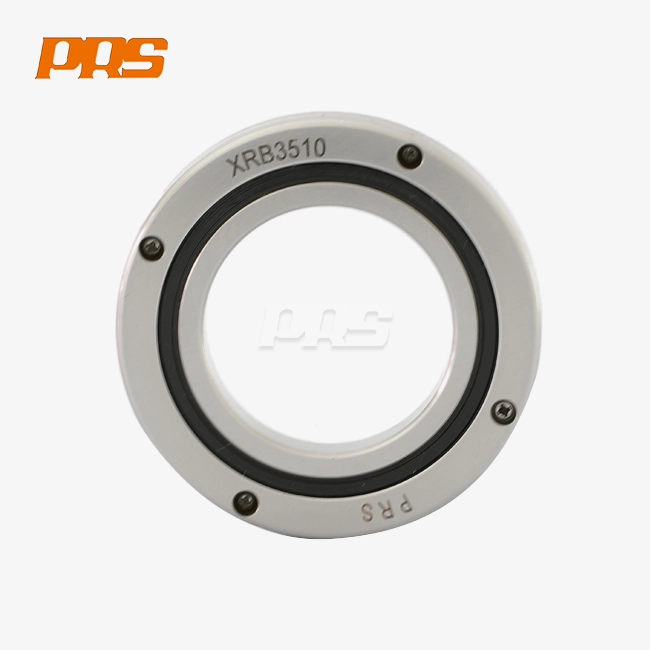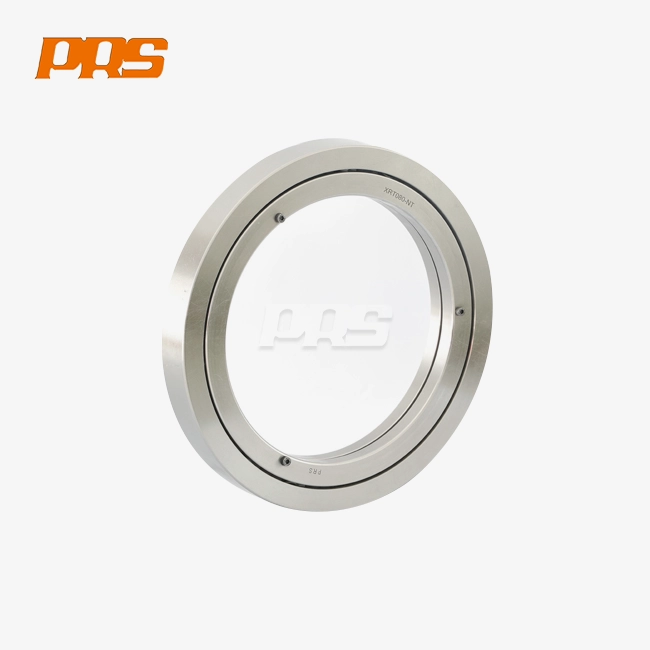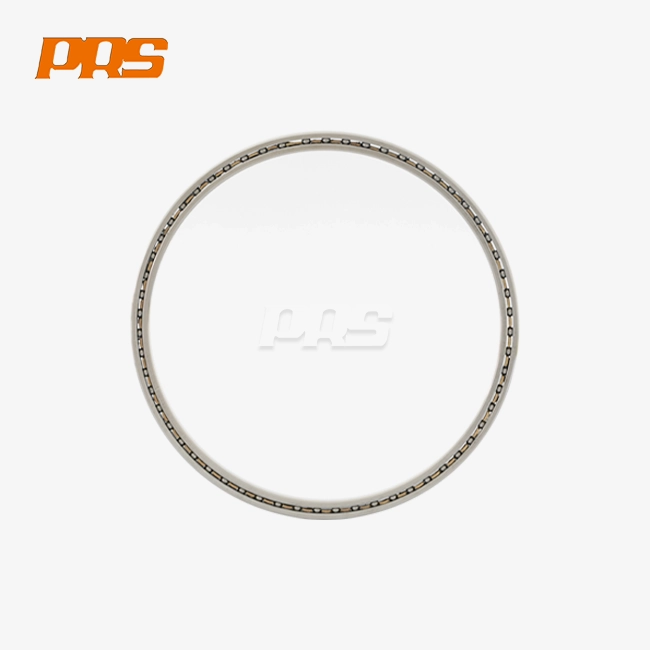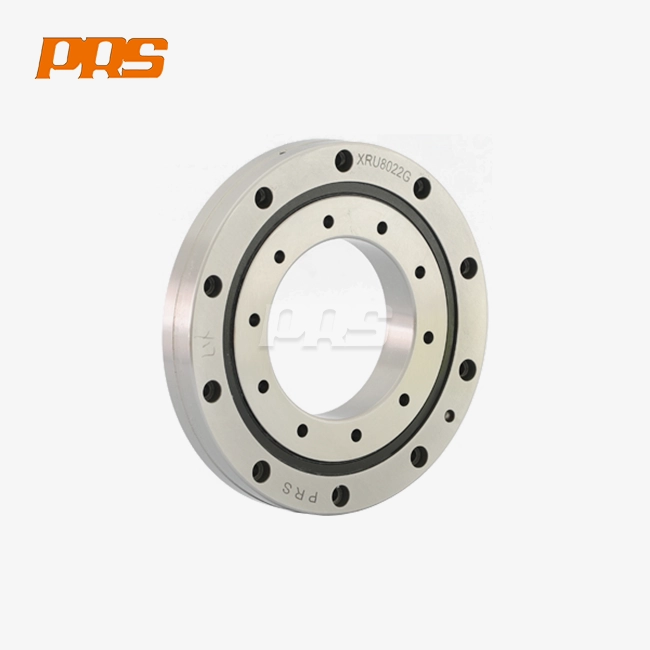

How to Select Slim Bearings for High-Load Precision Applications?
Selecting the right ultra-thin bearings for high-load precision environments requires balancing space constraints with robust load handling, and for slim bearings, thin-section bearings achieve remarkable performance in compact assemblies by reducing thickness by up to 70% compared to conventional designs while maintaining full radial, axial, and moment load capabilities, and the key lies in analyzing load rates, dimensional tolerances, environmental conditions, and material qualities to ensure life and accuracy. Thin-section bearings achieve remarkable performance in compact assemblies by reducing thickness by up to 70% compared to conventional designs while maintaining full radial, axial, and moment load capabilities. The key lies in analyzing load rates, dimensional tolerances, environmental conditions, and material qualities to ensure life and accuracy. In robots, machine tools, semiconductor manufacturing, medical imaging, aircraft guidance systems, and optical instrumentation, the right choice has a direct effect on the dependability, positioning accuracy, and lifetime costs of the equipment.
Understanding Slim Bearings and Their Role in High-Load Precision Applications
What Makes Thin-Section Bearings Unique?
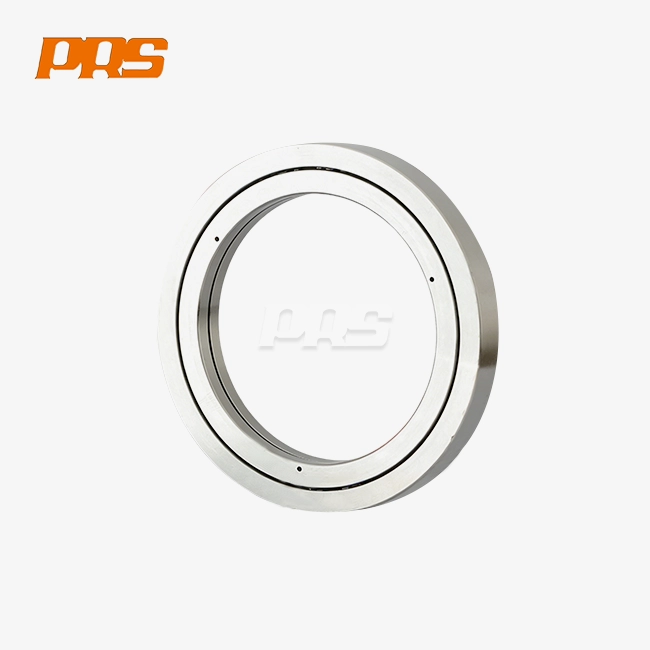
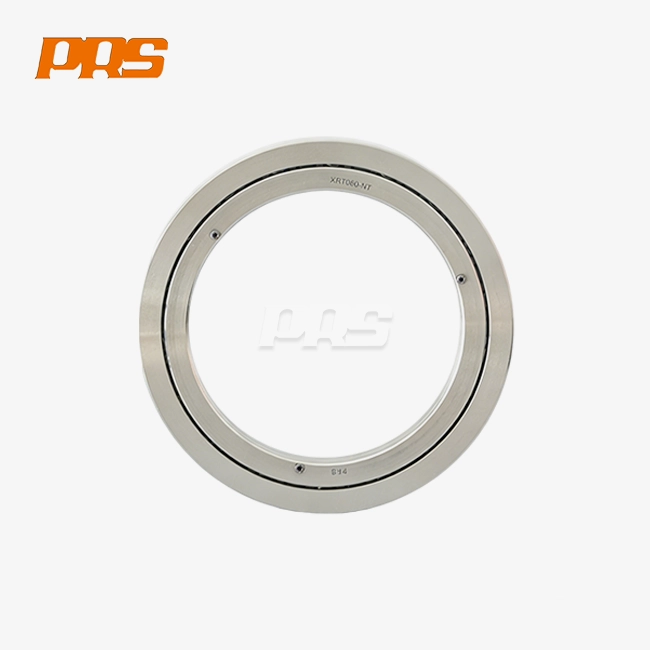
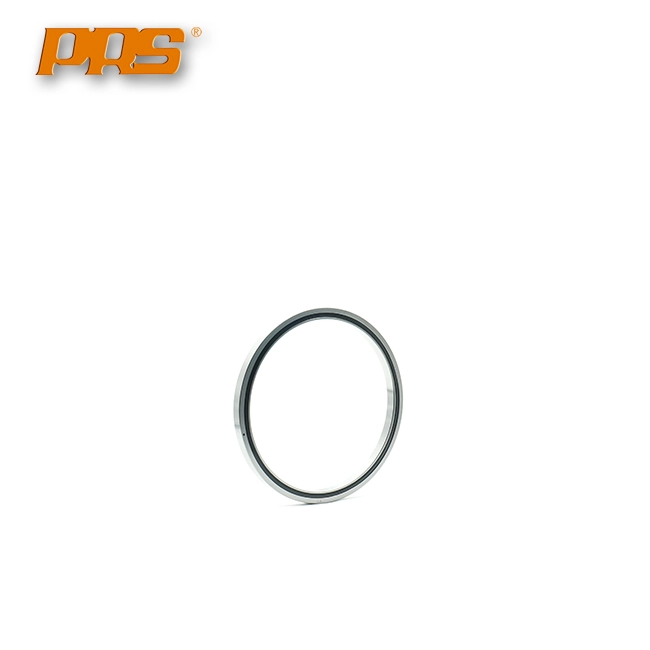
Thin-section bearings represent a specialized category of precision components engineered with ultra-slim cross-sections. These bearings keep equal inner and outer diameter powers as standard bearings while greatly reducing axial thickness. The engineering challenge centers on preserving structural integrity and load capacity within these compact dimensions. Modern manufacturing techniques enable precisely machined raceways that accommodate optimal ball or roller positioning inside the reduced space envelope. This design approach makes rotation smooth while keeping the bearing's ability to handle a wide range of load combinations well.
Operating Principles Behind Compact Load Handling
Performance isn't affected by the small profile. Advanced metals and optimized internal design spread forces efficiently across contact areas. The carefully measured distance between the rolling parts spreads the load out as evenly as possible while reducing friction and wear. High-grade steel construction offers material strength and wear resistance necessary for sustained operation under heavy use. Double-sided seal configurations keep lubrication in and keep internal parts clean, which greatly increases operational life in harsh environments.
Key Performance Benefits in Precision Applications
Engineers gain substantial benefits when integrating ultra-thin profile bearings into systems. Room optimization gives the same rotational performance in units needing 50-70% less axial room compared to standard designs. Weight reduction proves particularly valuable in aerospace systems, portable medical equipment, and mobile robotics where every gram matters. Despite reduced dimensions, these components retain excellent load-handling capabilities through improved internal geometry. High rigidity qualities maintain positional accuracy under changing load conditions, meeting micron-level precision requirements required by CNC machine tools, semiconductor lithography equipment, and surgery robots.
Criteria for Selecting Slim Bearings in High-Load Precision Scenarios
Load Capacity Analysis and Material Selection
Understanding dynamic versus static load rates forms the basis of proper bearing selection. Dynamic load ratings show the bearing's capacity during continuous spinning, while static ratings address stationary or slow-oscillating uses popular in indexing systems. These ratings are directly related to the strength of the material. High-grade steel has the best wear resistance for long service life under heavy use. PRS precision bearings achieve P4 and P2 accuracy grades through advanced manufacturing processes that control material consistency and dimensional tolerances rigorously.
Managers of procurement must compare load specifications to the actual conditions of operation, and for slim bearings, underestimating loads can cause things to fail early, and over-specification can make things more expensive than they need to be, and instead of just using normal working loads, engineers should figure out peak loads that include shock and vibration factors, and this method makes sure that there are enough safety margins in robotics joints, rotary tables, and positioning systems where the load changes often. Underestimating loads can cause things to fail early, and over-specification can make things more expensive than they need to be. Instead of just using normal working loads, engineers should figure out peak loads that include shock and vibration factors. This method makes sure that there are enough safety margins in robotics joints, rotary tables, and positioning systems where the load changes often.
Dimensional Constraints and Installation Considerations
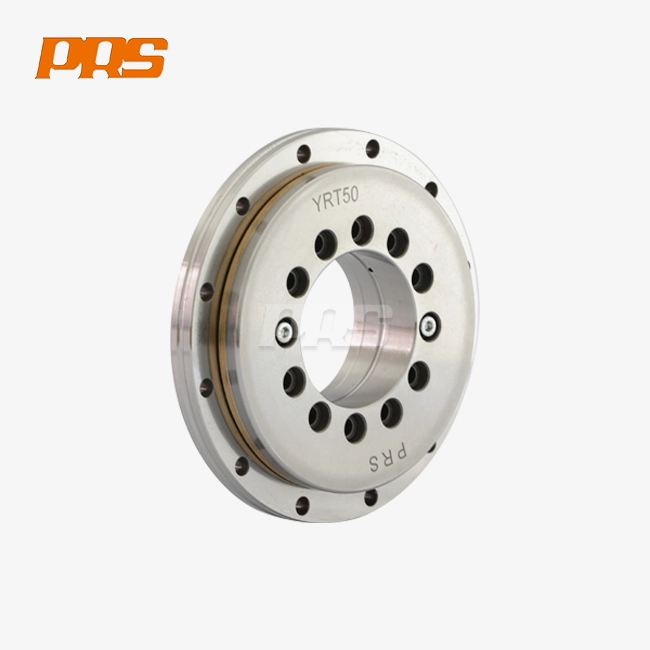
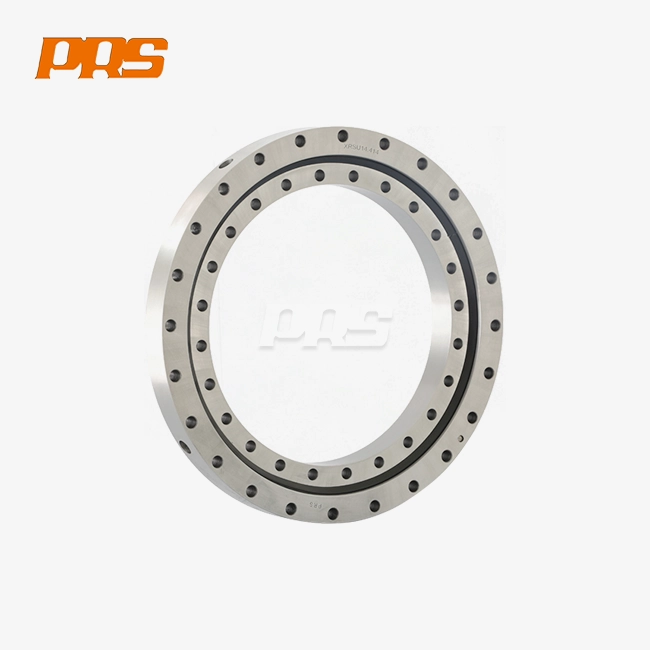
Because assembly spaces are limited, bearing profiles need to be carefully looked at. Ultra-thin designs make it possible to integrate bearings in places where regular ones can't, but installation accuracy becomes more important. To keep them from warping during installation, mounting surfaces need to be flat within certain limits. Outer mounting through flanges and back seats ensures secure positioning while keeping the small profile needed for applications that need to be as small as possible.
As a best practice, you should check the dimensions of the shaft and case before installing them. Misalignment can happen with even small changes, leading to faster wear and less accuracy. If you follow the right press-fit specifications, the bearing races will be held in place without being under too much stress, which could damage them. Clean assembly areas keep things from getting dirty during installation. This is especially important for medical devices and semiconductor equipment that needs to be compatible with cleanrooms.
Environmental Factors and Lubrication Strategies
Operating environments significantly influence bearing selection and longevity. Extreme temperatures change the viscosity of lubricants and the stability of materials' dimensions. When there is a risk of contamination from particles, water, or chemicals, the right sealing solutions are needed. These environmental factors, along with the need for maintenance access and lubrication, determine whether the configuration should be sealed or unsealed.
Sealed bearings protect against pollution better and require less upkeep, making them perfect for places that are hard to get to or where flying particles are present. With its two-sided seal design, PRS bearings protect their internal parts and keep the oil in well. Unsealed versions let you re-grease them, but they need stricter weather limits. Choosing the right lubricant depends on the speeds, loads, and temperature ranges that will be used. Synthetic lubricants work better in harsh situations that are popular in aerospace and defense uses.
Comparing Thin-Section Bearings Against Alternative Bearing Solutions
Performance Characteristics Across Bearing Types
Different types of bearings have different performance traits. Standard bearings can hold a lot of weight, but they take up a lot of room, which limits the design options for small units. Ball bearings work better in high-speed situations because they have less friction than roller bearings. Roller bearings can hold more weight, but they usually need bigger spaces. Thin-section designs get around these problems by using advanced materials and optimized internal geometry to make structures that can hold enough weight while taking up as little space as possible.
Speed possibilities vary notably between bearing types. Ultra-thin shapes have less mass, which lets them rotate faster while putting less centrifugal force on the rolling elements. This quality helps fast spindles in grinding machines and quick positioning systems in pick-and-place robots. When it comes to durability, the right load matching is key. Oversized standard bearings may last longer than thin-section units that weren't chosen correctly, but compact designs that are chosen correctly last just as long in a fraction of the space.
Lifecycle Cost Analysis
The total costs of ownership go beyond the price of the original buy, and for slim bearings, different types of bearings and seals have very different maintenance needs, and sealed thin-section bearings don't need to be oiled again, which cuts down on work costs and downtime, and the saved space allows for smaller machine designs, which could lower the cost of materials used to build equipment, and getting rid of extra weight lowers the amount of energy needed for mobile apps and the amount of support that is needed for structures. Different types of bearings and seals have very different maintenance needs. Sealed thin-section bearings don't need to be oiled again, which cuts down on work costs and downtime. The saved space allows for smaller machine designs, which could lower the cost of materials used to build equipment. Getting rid of extra weight lowers the amount of energy needed for mobile apps and the amount of support that is needed for structures.
In precise uses, the costs of failure often outweigh the costs of replacing bearings. Unplanned downtime in surgery or the production of semiconductors has big effects on operations and finances. It's important to be reliable, which is why buying high-quality parts from well-known companies is a good idea. PRS has factory pass rates of more than 99.9% thanks to strict quality control systems that are backed by ISO 9001, ISO 14001, and ISO 45001 certifications. This shows their dedication to reliability, which is important for mission-critical uses.
Sealed Versus Unsealed Configuration Trade-offs
The choice between sealed and unsealed is based on the need to protect against contamination. Sealed bearings work well in dusty places, outside installations, and places where it's hard to get to for maintenance. The built-in seals keep out particles that speed up wear and keep the oil in place during the repair interval. This setup works great for medical imaging tools, optical instruments, and cleanroom automation, where controlling the surroundings is very important.
Unsealed bearings can be re-oiled, which increases their service life in situations where heavy loads or high speeds wear down lubricants over time. Maintenance staff can check the state of the lubricant and replace it as needed, which could extend its useful life beyond protected alternatives in easy-to-reach places. The trade-off is more work for maintenance staff and a higher risk of contamination during relubrication procedures. The people who build equipment have to weigh these things against the needs of the product and the ease of maintenance.
Procurement Considerations for Thin-Section Bearings in B2B High-Load OEM and Industrial Settings
For efficient sourcing, you need to look at what the manufacturer can do besides just making the product. Global companies that have been around for a long time bring decades of engineering know-how and high-quality systems that reduce risk in important applications. Certifications from suppliers show how well they handle quality management and process control. Technical support during the planning and installation stages keeps mistakes from happening that are expensive and hurt performance or dependability.
Standard Versus Customized Solutions
Catalog bearings can be used in a lot of different situations and are available right away. The PRS range has standard sizes for inner diameters ranging from 20mm to 50mm, outer diameters ranging from 31mm to 61mm, and a thickness of 5mm. These sizes meet common needs in robotics, machine tools, and precision equipment. Standard items usually have lead times of days instead of weeks, which makes them good for rapid prototyping and production ramp-up.
When standard options can't meet specific needs, custom designs are the only way to go. Specialized sizes, materials, or cover shapes solve problems in certain applications. To meet specific goals, PRS engineering teams can change sizes, materials, or the way seals are set up. For engineering, tooling, and proof, custom solutions take longer to make, and there are usually minimum order amounts that represent the costs of setup. For budget reasons, the benefits of tailoring must be weighed against the need for numbers and timelines.
Order Fulfillment and Support Infrastructure
Having sellers keep a lot of goods on hand helps the procurement process, and for slim bearings, large stock levels allow for quick delivery of regular setups, and the ability to send 24 hours a day makes sure that project deadlines stay on track, and international shipping and established transportation partnerships make it easier for goods to move between countries and for customs officials to process them quickly. Large stock levels allow for quick delivery of regular setups, and the ability to send 24 hours a day makes sure that project deadlines stay on track. International shipping and established transportation partnerships make it easier for goods to move between countries and for customs officials to process them quickly.
Support after the sale is what sets capable sellers apart from stock vendors. Getting technical help during installation and troubleshooting keeps equipment from being held up when problems happen. Manufacturers who stand behind the quality of their products offer warranties so that customers can get help if their products break down early. Detailed documentation, such as installation instructions, load tables, and maintenance instructions, helps engineering teams throughout the lifecycles of equipment. When you need a replacement right away or have questions about how to use something, having sources who are quick can be very helpful.
Maintenance Best Practices to Maximize Thin-Section Bearing Performance
Inspection Intervals and Lubrication Techniques
Regular tracking keeps small problems from getting worse and leading to catastrophic breakdowns. How often you need to inspect something depends on how hard it is being used. Applications with a lot of speed or weight need more frequent attention. Vibration analysis, temperature readings, and audible noise rating are all parts of monitoring that find problems before they become functionally unusable. Sealed bearings make maintenance easier because they don't need to be oiled again and again. However, they should still be checked on a regular basis to make sure they are still working properly.
To keep contamination from getting into unsealed setups, lubrication methods must be done in a clean way. Certain types, amounts, and ways of applying grease keep bearings working well. When there is too much lubrication, operating temperatures can rise, and seal pressure can build up, pushing lubricant past seals. Under-lubrication lets metals touch each other, which speeds up wear by a huge amount. Following the manufacturer's instructions will make sure that the greasing film is the right amount for the conditions of use.
Common Failure Modes and Proactive Solutions
Wear patterns show how things are working and what problems might happen. Even wear on the track surfaces means that everything is working properly, while uneven wear in one area means that something isn't aligned right or there is contamination. Particulates pollute the track surfaces, making depressions that make noise and sound and speed up wear and tear. When things aren't lined up right, they put extra stress on the edges, which shortens their service life a lot compared to when they are lined up correctly.
Instead of treating symptoms, proactive steps get to the root of the problem. Better sealing stops contamination from getting in. Better mounting accuracy gets rid of stresses caused by misalignment. Temperature fluctuations that damage lubrication can be lessened by controlling the environment. Vibration monitoring and temperature trending are used in predictive maintenance strategies to find signs of wear and tear before they become functionally unusable. This lets replacements be planned during regular maintenance windows instead of emergency repairs.
Lifecycle Extension Through Design Optimization
Decisions about how to build equipment have a huge impact on how long bearings last. If the support structure is rigid enough, it won't bend and cause problems with alignment while it's working. Thermal management controls how much the temperature rises due to friction and heat from outside sources. When preload is applied correctly, the load is spread out evenly across the rolling elements, and there is enough space for heat expansion. These design factors are especially important in precise situations where a drop in performance is not acceptable.
Monitoring usage gives you data-driven information about how things really work compared to what was planned. Load readings show if the specs were right or if the safety gaps were not enough. Temperature and shaking readings are related to how fast wear happens, which helps with planning maintenance and making improvements to the design for future versions of equipment. This approach to continuous improvement gets the best return on investment and helps the organization learn more about the needs of specific applications.
Conclusion
To choose the right thin-section bearings for high-load precision applications, you need to carefully consider the load requirements, the available space, the environmental conditions, and the ease of maintenance, and for slim bearings, when specs meet real-world conditions, ultra-thin profiles allow for small units that don't lose efficiency, and whether bearings last as long as they're supposed to or break down early depends on the type of material used, how the seals are configured, and how they are installed. When specs meet real-world conditions, ultra-thin profiles allow for small units that don't lose efficiency. Whether bearings last as long as they're supposed to or break down early depends on the type of material used, how the seals are configured, and how they are installed. Buying from well-known companies with strong support networks lowers the risk in serious situations where dependability can't be compromised. Maintenance methods that are tuned to the working conditions get the best return on investment by making equipment last longer and reducing downtime.
FAQ
What factors most influence load capacity in thin-section bearings?
Load capacity is mostly determined by the quality of the material, its internal shape, and how the contact force is distributed. High-grade steel is strong and doesn't wear down easily, which are both important for long-term heavy loads. Contact area and stress levels are based on the number and size of rolling elements inside the smaller space envelope. Precision production techniques make sure that loads are spread out evenly and that there are no stress concentrations that cause fatigue breakdowns. The high load capacity of PRS bearings comes from using the right number of balls and manufacturing them with great accuracy while keeping the P4/P2 tolerance grades.
Can ultra-thin bearings handle high-speed operations reliably?
Yes, if the right options are chosen for the application. Thin-section designs are better for high-speed operation because they have less mass, which means that centrifugal forces on rolling elements are lessened. At high speeds, material quality becomes more important, and improved metallurgy stops surface degradation. Lubrication needs to match the speed needs, and for extreme conditions, synthetic formulations are often needed. The right design of the cage keeps the rolling elements from hitting each other and keeps the space even as the cage rotates. Manufacturers' speed rates take these design factors into account.
How do I choose between sealed and unsealed configurations?
This choice is based on the environmental conditions and the ease of maintenance access. Sealed bearings are good for places where pollution is a risk or where upkeep is hard to get to. They protect the internal parts of the bearings throughout their service life. Unsealed designs let you re-grease bearings when working conditions wear out lubricants faster than the repair times for sealed bearings. For contamination control, sealed designs are usually needed for medical equipment, making semiconductors, and vision tools. Heavy industrial uses with easy-to-reach mounting locations may benefit from designs that aren't sealed and need to be re-oiled on a regular basis.
Partner with PRS for Precision Thin-Section Bearing Solutions
Since 2003, Luoyang PRS Precision Bearing has been making high-precision bearings. They provide solid solutions to robotics makers, machine tool builders, semiconductor equipment producers, and medical device OEMs all over the world. Our ultra-thin bearings are the result of more than 20 years of engineering experience and ISO-certified quality systems that keep plant pass rates above 99.9%. The 15,000-square-meter production facility has more than 200 precision machines that can deliver P4 and P2 accuracy grades as well as custom solutions made to fit your needs. Get in touch with our engineering team at ljh@lyprs.com to talk about sample requests, technical specs, or volume needs with a reliable slim bearings maker that wants to make your equipment work better and last longer. You can look through our full selection of precision bearings at prs-bearing.com.
References
1. Harris, T.A. & Kotzalas, M.N. (2006). Essential Concepts of Bearing Technology: Rolling Bearing Analysis (5th Edition). CRC Press.
2. Budynas, R.G. & Nisbett, J.K. (2020). Shigley's Mechanical Engineering Design (11th Edition). McGraw-Hill Education.
3. Hamrock, B.J., Schmid, S.R. & Jacobson, B.O. (2004). Fundamentals of Fluid Film Lubrication (2nd Edition). Marcel Dekker.
4. ISO 492:2014. Rolling Bearings – Radial Bearings – Geometrical Product Specifications (GPS) and Tolerance Values. International Organization for Standardization.
5. Eschmann, P., Hasbargen, L. & Weigand, K. (1985). Ball and Roller Bearings: Theory, Design and Application (2nd Edition). John Wiley & Sons.
6. Khonsari, M.M. & Booser, E.R. (2017). Applied Tribology: Bearing Design and Lubrication (3rd Edition). John Wiley & Sons.

USER EVALUATE
Here is the customer's evaluation of us