
Choosing Slim Bearings for High-Precision Equipment Applications
When your high-precision equipment demands maximum performance within minimal space, selecting the right thin-section bearing is a defining decision. Advanced slim bearings combine ultra-compact profiles with robust load capacity, making them indispensable components for applications ranging from robotic joints and automation systems to medical devices and precision instruments. The challenge lies in balancing dimensional constraints with operational requirements, including accuracy, rigidity, thermal stability, friction control, and long service life, while ensuring your supplier delivers consistent quality. High-performance slim bearings provide excellent space efficiency, smooth rotation, and reliable mechanical support in applications where traditional bearings cannot meet size limitations. This guide explores the technical considerations, material selection, precision standards, and procurement strategies required to ensure your slim bearings selection supports long-term operational excellence and competitive advantages in demanding industrial environments. By partnering with experienced manufacturers offering customized solutions, strict quality control, and engineering support, businesses can achieve improved equipment reliability and higher performance in robotics, aerospace, medical equipment, and advanced manufacturing systems.
Understanding Slim Bearings and Their Role in High-Precision Applications
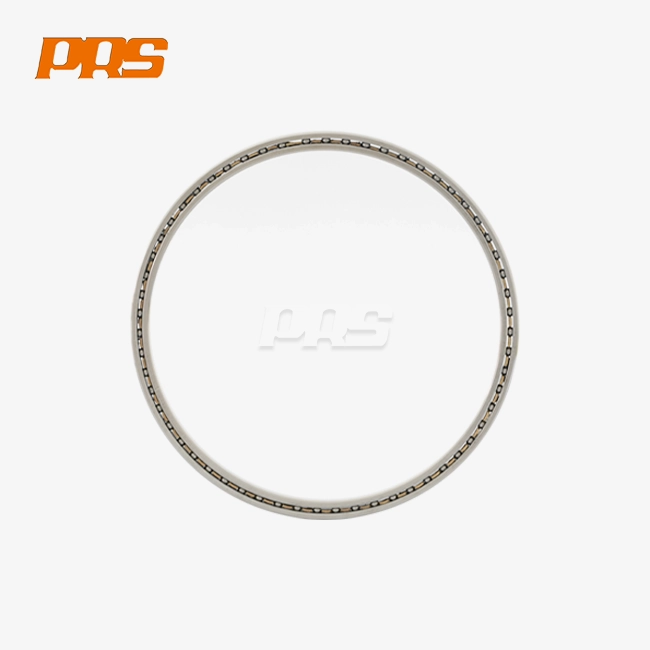
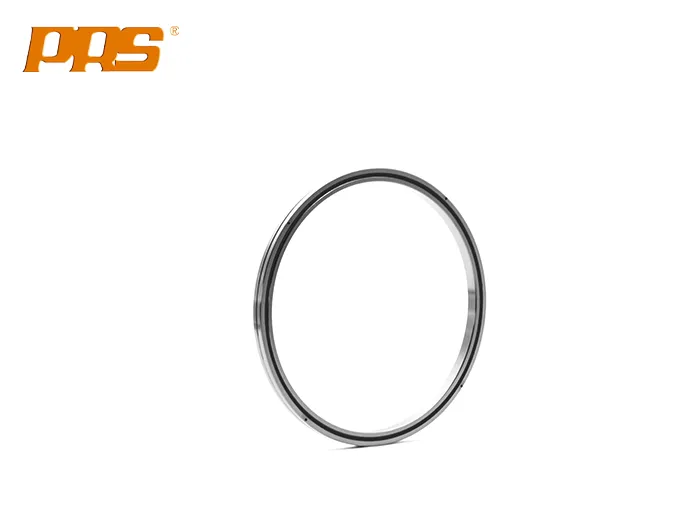
The physics behind thin-section bearing technology is all about getting great performance in small areas. The inner and outer diameters of these precision parts are the same as those of regular units, but the cross-sectional thickness is cut by up to 70%. The result changes the ways that equipment can be designed in many fields.
What Defines Thin-Section Bearing Architecture
These special parts have precisely machined raceways that allow for the best positioning of the ball in limited spaces. Even though it has a small size, the design still lets it handle radial, axial, and moment loads well. Advanced grinding techniques are used in manufacturing to keep tolerances at the micron level across all dimensions. This level of accuracy makes sure that the performance of each part is the same, which is very important when making hundreds of identical assemblies or keeping equipment fleets in good shape.
Critical Performance Benefits in Space-Constrained Designs
By using very thin profiles, equipment designers can make assemblies that can rotate while taking up 50–70% less room along the axes than normal configurations. Losing weight is also important. Aerospace platforms, portable surgical robots, and mobile manufacturing tools can all gain a competitive edge by losing weight. The high stiffness keeps the positional accuracy even when the load changes. This has a direct effect on the repeatability of measurement systems and the precision of positioning in manufacturing equipment. Corrosion-resistant materials make things last longer in tough conditions, like when making semiconductors in a cleanroom or using them in aerospace applications abroad.
Industry-Specific Application Requirements
To keep motion control smooth over thousands of working cycles, robotic joint systems need to be very accurate and have very little friction. When medical imaging equipment needs to work continuously, it needs small bearing solutions that can work very quietly and keep their temperature stable. Platforms for making semiconductors need parts that can work in a cleanroom and don't make particles while keeping nanometer-level positioning accuracy. Each application has its own environmental and performance issues that affect the choice of material and the requirements for the design.

Types and Materials of Slim Bearings for Specialized Needs
Before making a purchase decision, you should know about the different types of bearing configurations that are out there and how the materials you choose will affect performance in all of your working situations. The variety makes it possible to precisely match the needs of the application, rather than having to make the trade-offs that come with one-size-fits-all solutions.
Bearing Configuration Options
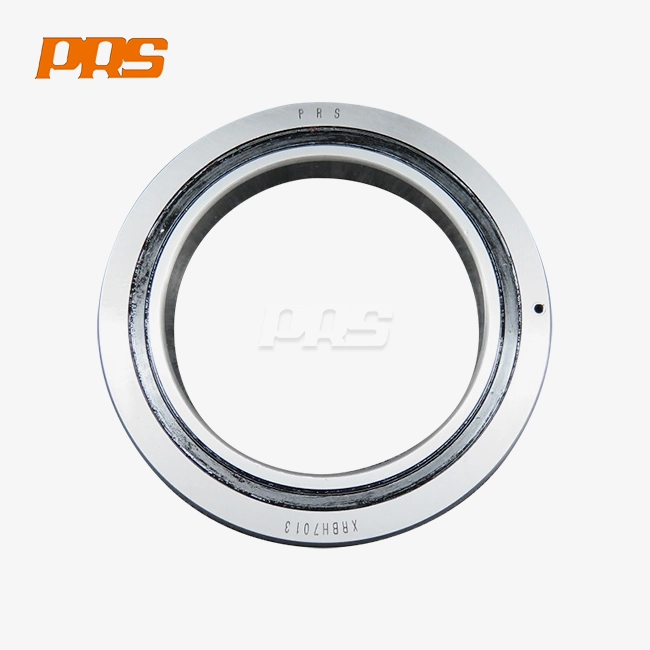
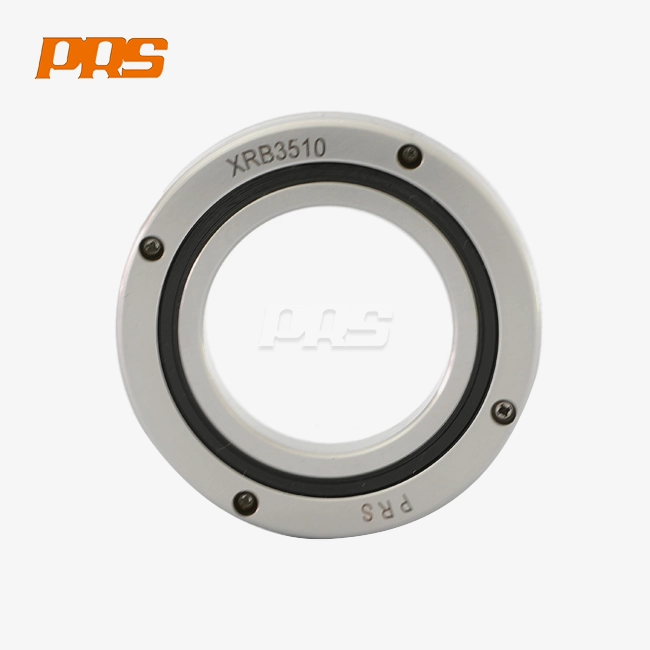
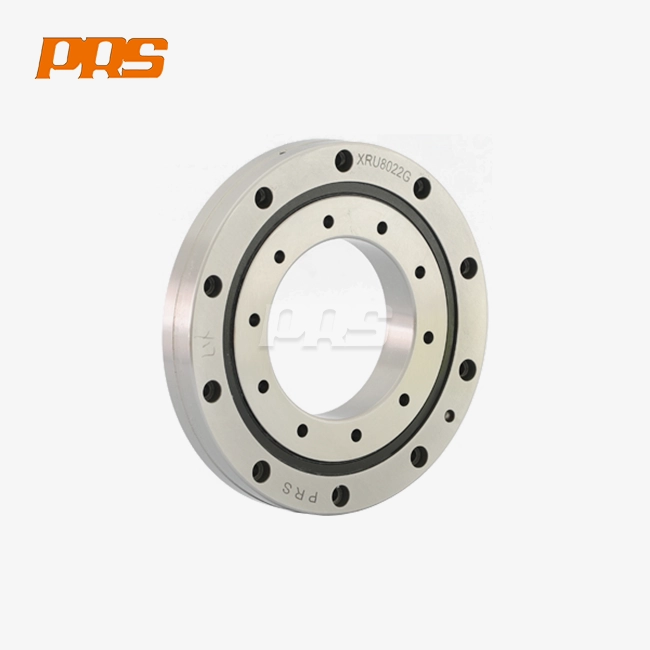
Thin-section radial contact ball bearings are used in places where a balanced radial and axial load capacity is needed in a small area. These designs work well for robotic wrist joints and rotating indexing tables that have forces acting in more than one way. Needle roller configurations are useful for small gearbox designs and motion control systems because they can handle a lot of radial load in very small radial spaces. Cross-roller setups offer better stiffness and moment load capacity, which is very important in precision positioning stages and machine tool rotary tables where deflection needs to stay within micron limits.
Material Selection Impact on Performance
High-grade steel alloys are commonly selected for slim bearings because they provide proven reliability under moderate temperature conditions and offer a balanced combination of strength, hardness, and wear resistance. Different stainless steel grades used in slim bearings provide enhanced corrosion resistance, making them suitable for medical equipment, food processing machinery, laboratory devices, and other applications that require frequent cleaning and strict hygiene standards. Advanced ceramic materials can improve the performance of slim bearings in high-speed environments with significant temperature variations because their lower thermal expansion coefficients help maintain precision and dimensional stability across a wider operating range. Hybrid slim bearings that combine steel rings with ceramic rolling elements can further enhance performance by reducing friction, improving rotational efficiency, and maintaining long-term durability. With optimized material selection, precision manufacturing, and reliable quality control, slim bearings deliver compact design, low weight, high accuracy, and dependable service life for robotics, aerospace systems, automation equipment, and other precision applications.
Design Parameters Affecting Operational Capabilities
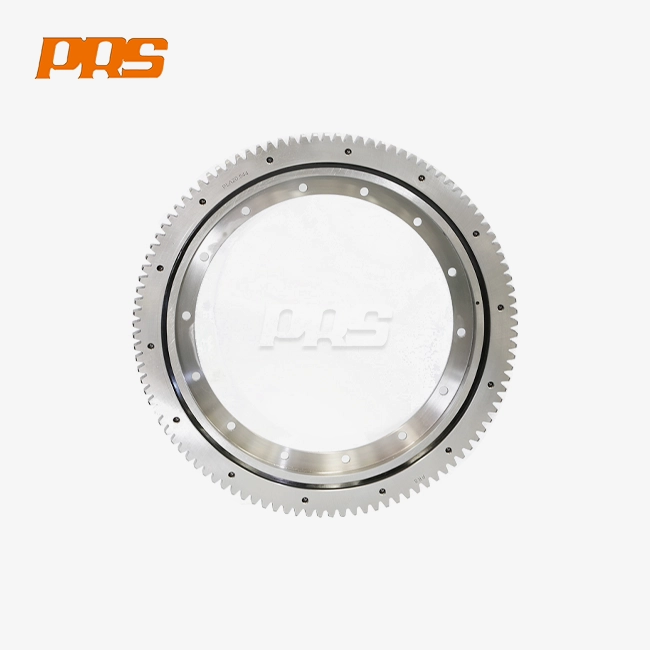
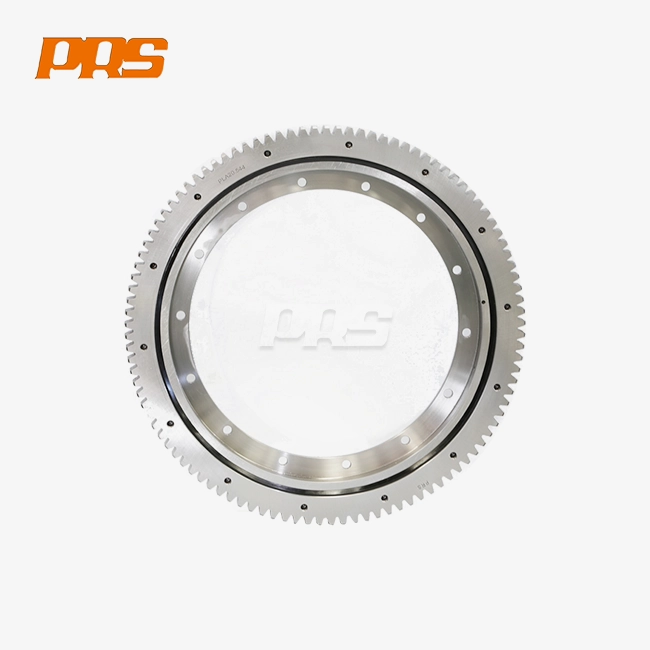
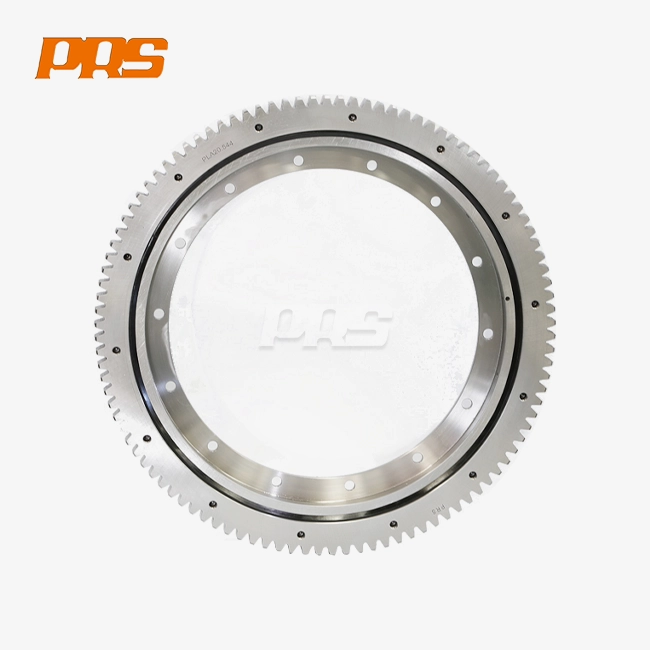
The load capacity must take into account both the steady and moving forces that your equipment creates while it's working. Mismatches cause things to wear out quickly or fail completely. How the bearing reacts to moment loads is affected by its stiffness. This is especially important in cantilever designs, which are popular in robotic arms and optical platforms. Internal parts are kept clean with seal setups. Double-sided seals offer the best protection in harsh settings, but they cause a little more friction than shield designs. PRS® thin-section bearings use 5mm thickness profiles that fit into space-critical assemblies and double-sided seal setups that balance security with working efficiency.
Comparing Slim Bearings with Alternative Bearing Solutions
Knowing how ultra-thin profile bearings compare to other options makes it clear when their benefits make them worth buying. The review method looks at performance measures, lifecycle costs, and how well the application fits the needs.
Performance Metrics Across Bearing Categories
Standard bearing designs can't physically fit into parts that don't have enough radial space. When comparing alternatives that do the same job, thin-section versions always take up less space. For example, an assembly with an outer diameter of 50mm might be 15- 20 mm shorter than conventional designs. The load capacity stays the same even though the width is smaller; the optimized internal geometry evenly spreads forces across all contact areas. Cross-sectional dimensions don't have as much of an effect on speed as precision grade and lubrication do. This means that in most situations, ultra-thin bearings are the same as or better than standard units.
Lifecycle Cost Considerations for Industrial Procurement
Buying the first part is only one part of figuring out the total cost. When you reduce the weight of something, it uses less energy when it's moving and needs less support from structures. Better sealing and precision manufacturing make the service last longer, which lowers the number of replacements needed and the costs of downtime. The extra room lets the equipment be smaller overall, which can lower the cost of shipping, the difficulty of installation, and the amount of space needed in the building. These reasons often make it okay for procurement teams to charge more for specialized thin-section designs when they look at large orders of production equipment or repair supplies.
Application Suitability Scenarios
Smaller equipment is being used more and more in consumer goods, portable medical devices, and small industrial machinery. Thin-section bearings can solve problems that standard bearings can't when axial space is the main constraint but radial dimensions aren't. Size-weight loops happen when the mass of a component causes structural strengthening needs that spread through the design. Ultra-lightweight bearing solutions are very helpful in these situations. However, standard configurations may be more cost-effective for applications with a lot of space and a lot of heavy loads.
How to Choose the Best Slim Bearings for Your High-Precision Equipment
To choose the right bearing, you need to meet precise specifications and evaluate suppliers. The process involves carefully checking out possible manufacturing partners and systematically analyzing the needs of your application.
Defining Your Application Environment
Start by documenting all operating conditions that your bearing will experience. Temperature ranges directly influence material selection and lubricant choices, as extremely high or low temperatures can significantly limit available options. Seal requirements depend on contamination levels, with cleanroom applications requiring different protection methods compared with mining equipment or heavy industrial environments. Load profiles should include both peak forces and continuous operating loads because accurate load data is essential for calculating bearing life and selecting the correct specifications. Operating speed also affects precision grade selection, lubrication requirements, and overall performance stability. When equipment has strict space limitations, slim bearings are often an ideal solution because their thin-section design provides excellent space efficiency while maintaining load capacity and rotational accuracy. High-quality slim bearings are widely used in robotics, automation systems, medical devices, aerospace equipment, and precision machinery where compact size, low friction, and reliable long-term performance are required. By carefully evaluating application conditions and choosing the right slim bearings, engineers can achieve improved efficiency, reduced weight, and enhanced system reliability.
Critical Selection Criteria
Precision grades have a direct effect on how well things work and how accurately they are placed. Most industrial automation and medical equipment uses can be met by P4 grade bearings, which offer repeatability down to the micron level. P2 grade parts are used for very precise tasks in measuring tools and semiconductor production, where accuracy down to the nanometre level is important. Galvanic corrosion and thermal expansion mismatches that lead to early failure can be avoided by making sure that the materials used are compatible with those around them. Mounting patterns affect how hard it is to install and how accurate it can be. For example, some designs need special tools or ways to line them.
Evaluating Supplier Capabilities and Reliability
Good manufacturing skills tell the difference between suppliers who are reliable and ones who aren't. The size and quality of the production site and tools show how well it can keep tolerances tight across production runs. Quality certificates like ISO 9001, ISO 14001, and ISO 45001 show that a company uses structured quality management methods instead of handiwork that isn't always done right. Having technical support is helpful when choosing specifications and fixing problems. Suppliers that offer application engineering help you get the best bearing performance for your needs. Inventory levels and delivery times affect project schedules. When suppliers keep standard configurations in stock, they can fulfill orders faster than when they have to make all the solutions from scratch.
PRS® has been making specialized bearings for more than 20 years and can apply that knowledge to high-precision tasks. The 15,000 m² factory has more than 200 precise machines that keep tolerances that meet P4 and P2 grade standards. Factory quality pass rates of more than 99.9% show the level of consistency that is important for companies that make a lot of equipment or keep fleets of sensitive instruments in good shape. The engineering team offers full application support, from choosing the right bearings to helping customers install them. This helps customers get the best performance for their unique working conditions.
Customization Options and After-Sales Support
Standard catalogue parts work well in many situations, but some high-precision applications require customized solutions. Flexible suppliers that can modify sizes, materials, lubrication options, or sealing arrangements provide greater design freedom and prevent unnecessary engineering compromises. Customized slim bearings are especially valuable for compact equipment where space limitations, weight reduction, and high accuracy are critical. Different manufacturers have different minimum order quantities for custom specifications, with some requiring thousands of units while others can support smaller production batches for specialized projects. When selecting a supplier, buyers should evaluate not only the technical capabilities of slim bearings but also after-sales support, including warranty policies, professional troubleshooting assistance, replacement part availability, and long-term engineering cooperation. These factors directly influence total cost of ownership, equipment reliability, and operational confidence in industries such as robotics, automation, aerospace, medical devices, and precision machinery.
Maintenance Tips and Common Issues to Ensure Longevity
Even the best precision bearings need to be properly maintained in order to last as long as possible. Systematic care stops failures before they happen, which would otherwise disrupt operations and raise costs over the lifecycle.
Routine Maintenance Procedures
By scheduling regular inspections, wear trends can be found early on, before they become problems. A visual inspection can show if the seal is broken, if contaminants are getting in, or if corrosion is starting. Strange sound patterns picked up by audio monitoring can mean that something isn't aligned right, there isn't enough grease, or particles are getting into the system. Monitoring the temperature during operation shows that problems are getting worse—bearings that are running hotter than normal should be looked into. Maintenance on lubrication should be done according to the manufacturer's instructions; both too little and too much grease can cause problems. Service intervals for relubrication rely on the working conditions. Areas that are dirty or hot need service more often.
Common Problems and Preventive Measures
Major bearing problems are caused by mistakes in the installation process. The right mounting tools and methods keep the race from getting damaged during assembly. Verification of alignment makes sure that mating parts don't add side loads that speed up wear. Another common cause of failure is contamination. Particles that get into the bearing cause rough wear that quickly loses accuracy and raises friction. Environmental controls that keep dust and wetness from getting into the system greatly increase its life. Thermal management stops expansion mismatches and lubricant degradation. To deal with temperature fluctuations, cooling systems or material choice must be used. Corrosion protection through proper handling, storage, and the use of the right materials for the job stops surface damage that leads to stress failures.
Extending Service Life Through Best Practices
Recording upkeep tasks creates standard performance data that shows how things are breaking down over time. Vibration analysis or lubricant sampling are used in condition monitoring programs to find problems before they become catastrophic. Managing the stockpile of spare parts makes sure that new parts are available when they are needed, which keeps downtime from lasting too long. Common mistakes that hurt bearing performance can be avoided by teaching maintenance staff the right way to do things. By making the most of the amount of time that can be used before replacement, these methodical approaches lower the total cost of ownership.
Conclusion
To choose the right thin-section bearings for high-precision equipment, you need to balance technical requirements with the supplier’s manufacturing capabilities. Advanced slim bearings make it possible to design compact machines and precision systems that cannot be achieved with traditional bearing solutions. Their ultra-thin profiles help reduce equipment size and weight while maintaining strong load capacity, rotational accuracy, and operational stability. For optimal performance and extended service life, factors such as material selection, precision grades, lubrication methods, preload settings, and seal configurations of slim bearings must be customized according to specific working environments. Supplier evaluation should include more than product specifications; it should also consider manufacturing quality, engineering support, inspection processes, and delivery reliability. Proper maintenance strategies help slim bearings achieve longer service intervals, lower friction performance, and improved reliability in robotics, automation equipment, medical devices, aerospace systems, and precision machinery. Making informed bearing selections and implementing effective maintenance programs ensure that high-performance slim bearings continue to support modern industrial applications with consistent accuracy and durability.
FAQ
What distinguishes thin-section bearings from standard bearing designs?
The main difference is the thickness of the cross-section compared to the width of the hole. When compared to standard designs, thin-section models cut thickness by 60–70% while keeping the same hole and outer diameter capabilities. Because they take up so little space, they can be built into small assemblies that regular bearings can't. This makes them essential for designing miniaturized equipment for robotics, medical devices, and aerospace.
How do I determine if my robotics application requires specialized thin-section components?
Compare the axial space limits of your setup to the standard bearing measurements. When standard bearings put size limits on your design that affect other parts, thin-section alternatives are the answer. The combination of small profiles, high stiffness, and low friction makes it possible to control motion smoothly over thousands of operating cycles. This is especially helpful for robotic joint assemblies.
What should I look for when sourcing reliable bearing suppliers for industrial procurement?
Manufacturing certifications, like ISO 9001, show that quality management is done in a planned way. Scales and precision tools in the production center show how well it can keep tolerances. Having access to technical support helps with choosing the right bearings and fixing problems. The amount of inventory affects both the time it takes to send new parts and parts that are being replaced. If the quality pass rate is more than 99%, it means that the manufacturing process is consistent, not the craftsmanship, which can lead to problems with reliability.
Partner with PRS for Your Thin-Section Bearing Requirements
Luoyang PRS Precision Bearing Co., Ltd. specializes in manufacturing ultra-thin profile bearings engineered specifically for high-precision industrial applications. Our product line includes configurations from 20mm to 50mm inner diameters with 5mm thickness profiles and double-sided seal protection, available in both P4 and P2 precision grades. The combination of advanced manufacturing capabilities and comprehensive technical support helps automation system integrators, medical equipment manufacturers, and precision instrument builders optimize their bearing selections. Whether you need standard catalogue parts or custom-engineered solutions, our team provides application analysis, ensuring your specifications match operational requirements. Contact our engineering specialists at ljh@lyprs.com to discuss your project requirements, receive technical recommendations, and explore our capabilities as your thin-section bearing supplier for demanding industrial applications.
References
1. Bearing Design Guidelines for Precision Industrial Equipment, American Society of Mechanical Engineers, 2021
2. Thin Section Bearing Technology and Applications in Robotics, International Journal of Precision Engineering and Manufacturing, Volume 23, 2022
3. Material Selection Criteria for High-Precision Bearing Components, SAE International Standards, 2020
4. Maintenance Best Practices for Industrial Automation Bearings, Society of Tribologists and Lubrication Engineers, 2023
5. Comparative Analysis of Bearing Configurations in Medical Device Applications, Journal of Medical Device Engineering, Volume 15, 2022
6. Quality Management Systems in Precision Bearing Manufacturing, ISO Technical Committee Documentation, 2021

USER EVALUATE
Here is the customer's evaluation of us