
How Do SX Cross Roller Bearings Improve Robot Rotation Accuracy?
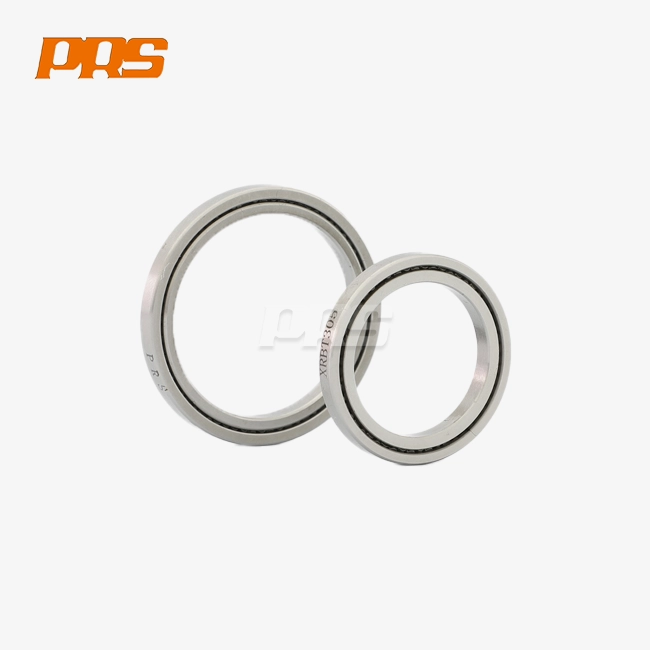
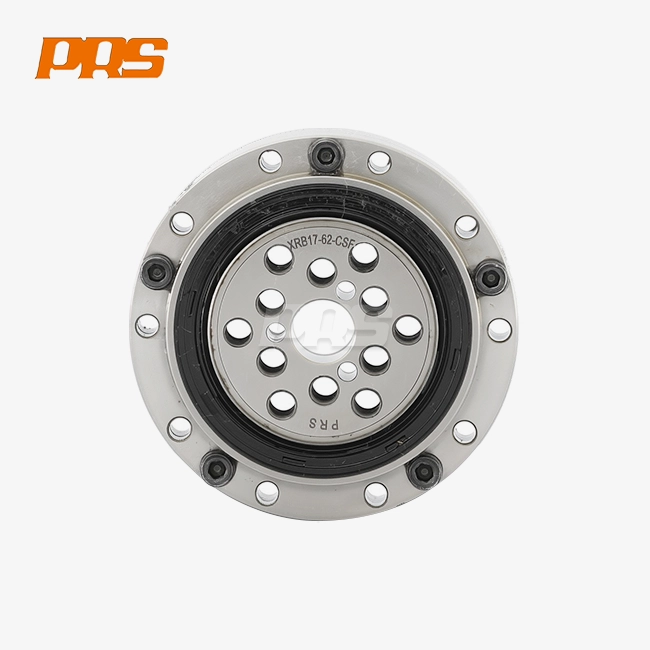
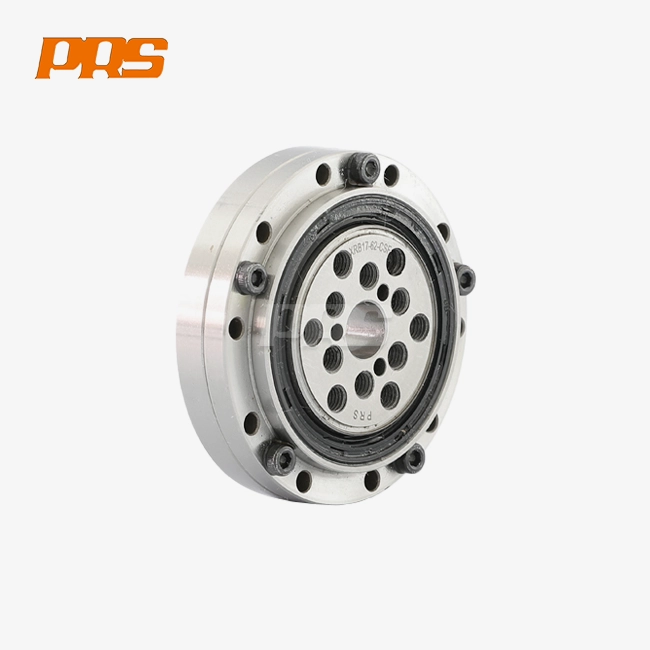
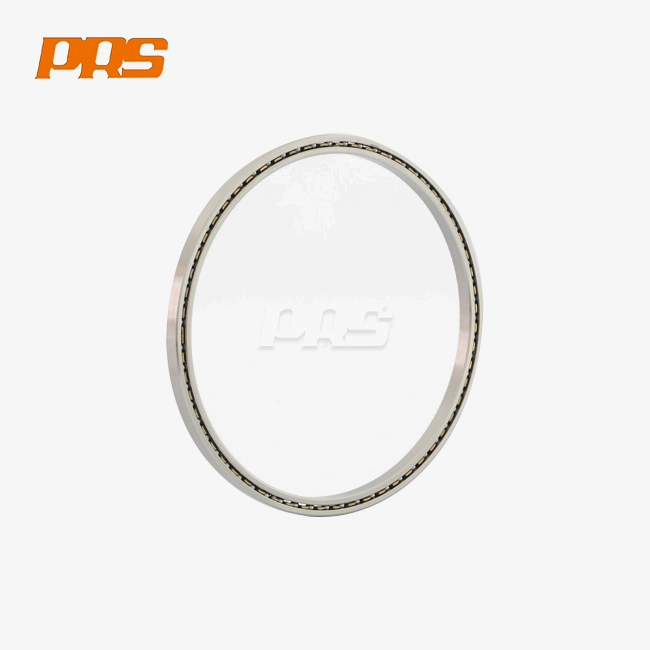
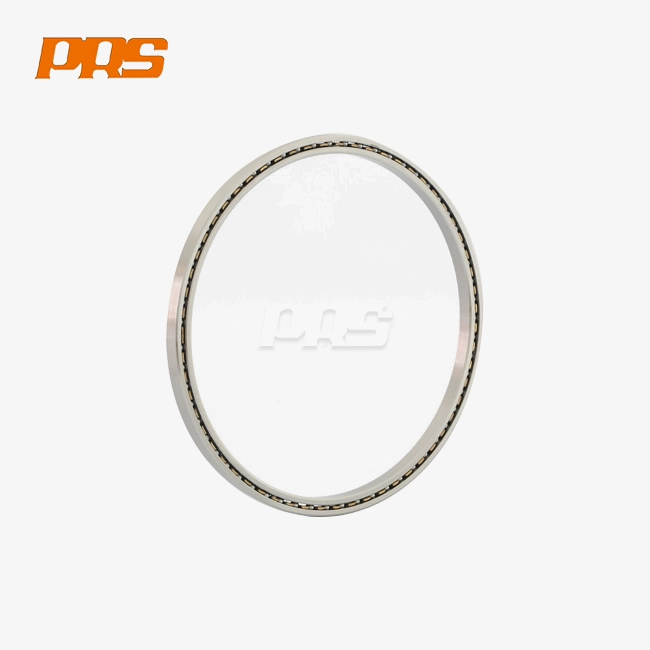
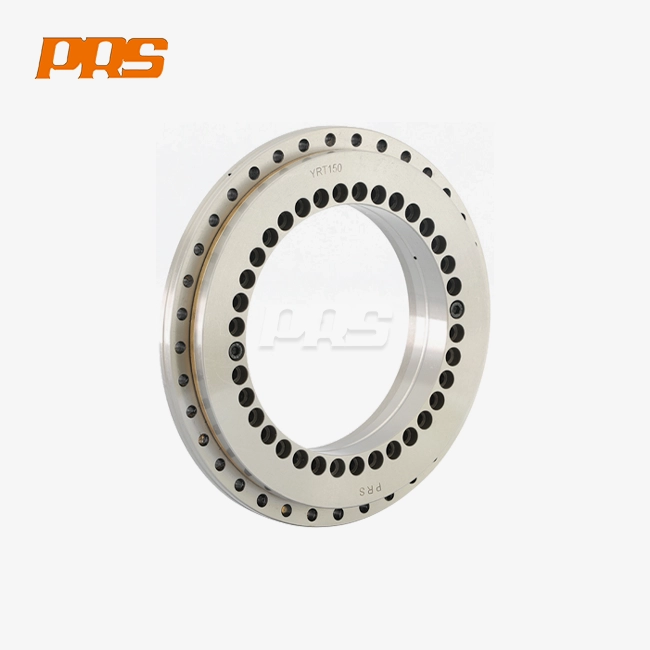
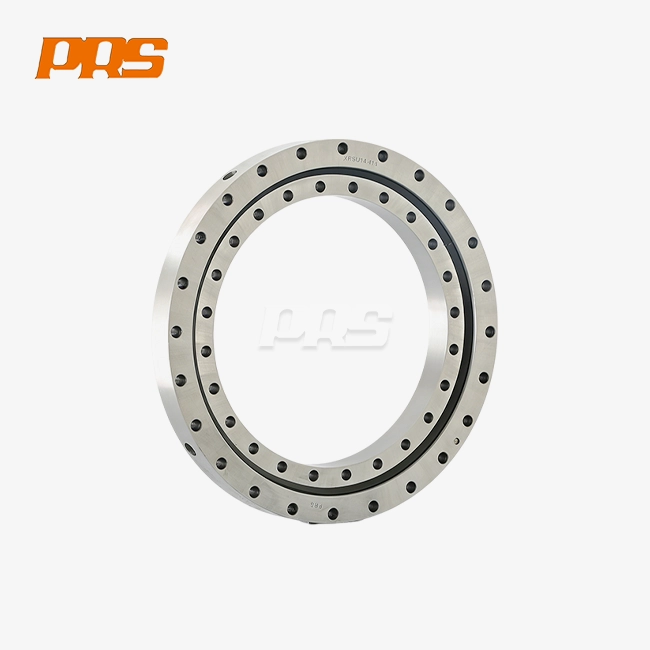
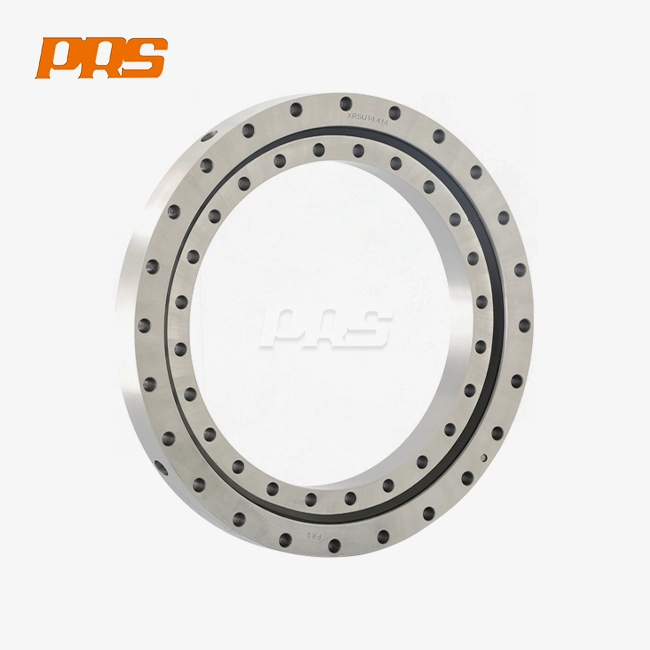
SX cross roller bearings improve robot rotation accuracy through their unique orthogonal cylindrical roller arrangement, which eliminates internal clearance and provides exceptional rigidity across all directional loads. This crossed-roller configuration creates line contact rather than point contact, distributing loads uniformly across the bearing's entire circumference. The result is sub-micron rotational runout, minimal deflection under combined axial and radial forces, and outstanding stiffness-to-size ratio—all critical factors for achieving repeatable positioning in six-axis robot joints, collaborative robot rotating bases, and SCARA robot Z-axis rotations where precision directly impacts production quality and throughput.
Understanding the Challenges in Robot Rotation Accuracy
Robotic systems have a hard time keeping their accuracy at the micron level while doing repetitive rotational movements. Professional engineers who work with multi-joint industrial robots and specialized manipulators know that even small mechanical flaws can add up and cause big placement mistakes at the end effector.
Backlash and Clearance Issues
In traditional bearing designs, there is some space inside the bearings that lets the moving elements and raceways move slightly. This extra space shows up as backlash when the direction of motion changes, which makes it hard for robots that stack pallets, weld, and load and unload to stay in the same place. When a six-axis robot joint changes direction, it creates positioning uncertainty that spreads to more joints and lowers the accuracy of the whole system. The problem gets worse when the load changes and the space changes quickly depending on the weight and location of the loads.
Vibration and Dynamic Instability
Normal ball bearings and single-row roller bearings have a hard time reducing noise that happens when things rotate quickly. Micro-movements that cause resonance in robotic structures can happen when stiffness isn't high enough. This is especially true for precision spinning parts in medical robots and food processing robots, where both cleanliness and accuracy are important. These vibrations not only make it harder to keep things in the right place, but they also speed up the wear and tear on nearby mechanical parts, which shortens the useful life of expensive robotic systems.
Limitations of Standard Bearing Solutions
Even tho ball bearings are cheap, they have point contact, which limits how much weight they can hold and how rigid they are. Tapered roller bearings need complicated preload changes and mounting setups that make them harder to put together and make them take up more space, which is a big problem for uses like collaborative robot rotating bases that need to save space. Standard slewing bearings can support loads in more than one direction, but they don't come in the precision grades needed for uses that need consistency of less than one micron, like CNC rotary tables and CNC indexing tables in machine tool settings.
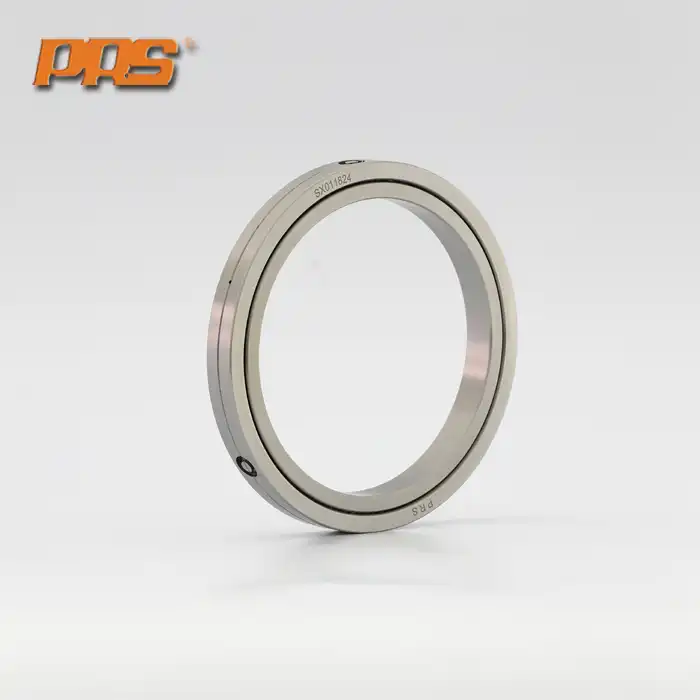
How SX Cross Roller Bearings Enhance Robot Rotation Accuracy?
The technical benefits of SX cross roller bearings directly address the mechanical problems that make regular bearings less useful in motion control and precision robots. When buying teams know about these technical features, they can make better choices about bearing specs.
Orthogonal Roller Arrangement and Load Distribution
The alternate perpendicular roller position is what makes SX cross roller bearings unique. Cylindrical rollers are placed 90 degrees apart from the rollers next to them. Depending on its direction, each roller can handle either radial or axial loads. This arrangement makes a bearing that can handle forces from different directions at the same time, without the need for multiple bearing assemblies. The crossed setup makes sure that loads are spread evenly across all wheels, no matter which way the loads are going. This gets rid of stress concentrations that wear out turning center tool turrets and grinding machine spindles too quickly.
This even distribution of load leads to very high stiffness that stops movement during use. During delicate procedures, when a robotic surgical joint experiences combined moment loads, the structure of the bearing stops tilting movements that would otherwise make surgery less accurate. The same idea applies to rotary tables for vertical/horizontal machine centers. The cutting forces create complicated load vectors that need bearings that are stable all the time.
Precision Manufacturing and Tolerance Control
According to ISO standards, the accuracy grades of SX cross roller bearings range from P5 to P2. Some specialty versions can reach even smaller tolerances. Vacuum-degassed high-carbon chromium bearing steel (GCr15/SUJ2) is heat-treated to 58–64 HRC during the manufacturing process. This gives the steel the best resistance to fatigue and dimensional stability. Raceway grinding methods fine-tune the surface finish to less than a micron, and roller diameter sorting makes sure that the whole bearing system has the same contact patterns.
Rotational runout is the amount by which the inner ring of a bearing deviates from moving in a circle while it rotates. Tight tolerances have a direct effect on this. Premium SX cross roller bearings keep radial and axial runout below 2 microns. This lets the swivel heads on five-axis machines reach the positional accuracy needed for making aerospace parts and precise molds. For coordinate boring machines and gear processing machines, where dimensional accuracy decides the quality of the end part, this level of accuracy is just as important.
Compact Design with High Moment Capacity
When compared to their envelope sizes, SX cross roller bearings have a very high moment load capacity. The crossed-roller design of the bearing makes it strong against tilting forces that would destroy ball bearings of the same size. This makes them perfect for situations where room is limited, and performance must be sacrificed. This trait is useful for UAV gimbals, aircraft modeling rotary tables, and precision supports for missile guidance equipment, where size and weight limits affect the design.
The small size also makes machine design easier by combining several bearing tasks into a single part. Engineers can choose a single SX cross roller bearings instead of stacking angular contact ball bearings in complicated ways to support loads in more than one direction. This makes the assembly process simpler for intermittent indexing tables, cam dividers with rotary supports, and rotary platforms for automated assembly lines.
Comparative Analysis: SX Cross Roller Bearings vs Other Bearing Types
To choose the right bearings, you need to know how the performance of different systems compares. This article looks at how SX cross roller bearings compare to other options that are often thot of for accurate spinning tasks.
Performance Against Ball Bearings
When compared to cylindrical rollers, which use line contact between their rollers and balls, ball bearings can only handle a limited amount of load and are not as rigid. When the radial loads are the same, SX cross roller bearings show three to four times greater rigidity, which means they deflect less under load. This is a very important benefit for AGV (unmanned vehicle) rotating lifting platforms and rotary joints for intelligent warehouse stackers, where throughput depends on how accurately the positions are set. Adjusting the preload on ball bearings is needed to keep the gap as low as possible, but too much preload causes heat and speeds up wear. Because of how they are made, SX cross roller bearings have almost no space, so they don't need to be preloaded or tuned.
Advantages Over Tapered Roller Arrangements
When radial and axial loads are combined, tapered roller bearings work very well. To support bidirectional thrust, however, they need opposing pairs or complicated mounting arrangements. This makes it harder to put together precision rotating parts in pick-and-place, insertion, and laser marking machines because they need twice as much axial space. The same multidirectional load support is provided by SX cross roller bearings in a single compact unit, which makes the overall machine area smaller. The crossed-roller design also offers better moment capacity without the need for extra parts. This is helpful for rotating bases for radar antennas on ships, in vehicles, and in the air, where tilting moments are important.
Comparison with Slewing Bearings
Slewing bearings have gear teeth built in and can hold big diameter loads, making them good for cranes and loaders. However, the manufacturing tolerances are usually too small for precision machinery needs. Standard slewing bearings are only accurate to a level P6 or P7, which is not good enough for spinning tables in projectors, image measuring tools, and laser interferometers that need consistency of less than a micron. SX cross roller bearings offer P5 to P2 levels of precision in small packages. This makes them the best choice for coordinate measuring machines, roundness testers, and runout testers where accurate measurements depend on how well the bearings work. Also, the maintenance needs are very different. Gears in slewing bearings need to be oiled and inspected on a regular basis, but SX cross roller bearings that are properly sealed can work for long periods of time without any maintenance in cleanrooms with semiconductor equipment for wafer cutting machines and photolithography machines.
Real-World Applications and Case Studies of SX Cross Roller Bearings in Robotics
It's less important to understand theoretical advantages than to see how well they work in real-world production settings. Manufacturers in a wide range of fields have seen measurable improvements after switching to precision SX cross roller bearings solutions.
Collaborative Robot Implementation
A company that makes collaborative robots for human-robot interaction had problems with repeatability that made it hard to do quality control work. After 100,000 rotations, their old bearing solution showed a 15-micron location change, which was not acceptable for inspecting electrical parts. When P5-grade SX cross roller bearings were added to their spinning hubs, repeatability got better to within 3 microns for the same number of cycles. The higher accuracy let the customer get rid of the need for a secondary inspection step. This increased throughput by 23% while lowering the rate at which defects got thru. Because the bearing has low friction, it also cut motor current draw by 18%, which makes batteries last longer in mobile cobot uses.
Medical Imaging Equipment Enhancement
CT machine makers have to find a way to balance the smoothness of turning with the accuracy of placing while also making sure that the machines don't make too much noise for the comfort of patients. A big company that makes medical equipment switched from using standard ball bearings in their moving scanning tables to using special SX cross roller bearings assemblies. The application cut rotating runout from 12 microns to 2.5 microns, which directly improved the quality of the reconstruction by lowering motion artifacts. Even more important, the bearing's naturally smooth operation cut noise levels by 8 decibels during scan processes. Magnetic resonance imaging (MRI) systems and DR machine arm rotation assemblies both got better at what they do, according to the manufacturer. This is because precise angular positioning affects the quality of diagnostic images.
CNC Machine Tool Performance
For five-axis machining operations, a company that makes precision machining centers for aerospace customers needed indexing accuracy of less than one micron. Their rotary table designs with stacked angular contact ball bearings were accurate to within 4 microns, but they needed complicated preload adjustments during assembly and regular retensioning during service life. When you switch to SX cross roller bearings technology, you no longer have to adjust the preload, and the accuracy goes up to 1.5 microns. Maintenance breaks went from every 2,000 hours of use to more than 8,000 hours before bearing inspections were needed. The customer reported less production downtime and more consistent part dimensions, especially for complicated titanium aircraft parts with very limited tolerances.
Industrial Automation Integration
An automation developer that was making precision spinning parts for blood analyzers and biochemical analyzers needed bearings that could withstand 10 million rotations without losing much of their accuracy. Standard bearing solutions had a noticeable rise in runout after 3 million cycles because the raceways were worn down. In rapid life tests, SX cross roller bearings kept performing as expected after 12 million cycles, and a close look at the raceways showed that they had few wear patterns. For analyzers used in rural clinical labs where technicians don't have easy access, the longer service life cut down on the amount of upkeep that needed to be done. This increased equipment uptime and lowered the total cost of ownership.
Practical Guidance for Procurement and Maintenance
When choosing and taking care of precision bearings, it's important to pay attention to technical details that have a direct effect on how well they work and how much they cost over time. Before finalizing ties with suppliers, procurement teams should know what the selection factors are and what the maintenance needs are.
Selection Criteria for Robotic Applications
Load study is the first step in matching bearing specs to application needs. Find the highest radial, axial, and moment loads, taking into account the effects that change as the speed increases and decreases. There are load ratings for each way on SX cross roller bearings. Make sure that the types you choose have enough safety margins for the worst-case scenarios. When it comes to compact robotic joints and torque testers, where envelope dimensions are fixed, size often determines which bearings are used. Because SX cross roller bearings have a high load-to-size ratio, designers can often select smaller outer dimensions than with other types of bearings.
Selecting a precision grade is based on needs for accuracy. P5 or higher precision grades are needed for things like angle calibrators and precision rotating bases that need repeatability of less than 5 microns. P6 bearings may work well in less serious situations, like photovoltaic dual-axis tracking brackets or spinning parts of solar inverters, and are less expensive. Sealing and lubrication choices are affected by the environment. For example, in a cleanroom where semiconductors are made, non-outgassing lubricants and contact seals are needed. On the other hand, yaw system auxiliary supports for wind turbines need weather-resistant sealing to keep out moisture and dirt.
Sourcing Strategy Considerations
Lead times for precision bearings depend a lot on their size, how they need to be customized, and how many are being made. Standard catalog sizes from well-known manufacturers usually ship within 4 to 6 weeks. Custom configurations for specific uses like missile guidance equipment or armored vehicle observation systems may take 12 to 16 weeks. While buying in bulk can save you money, it can also tie up your working capital. You should weigh the costs of keeping goods against price breaks for large orders, especially for high-use items like rotary platforms for automatic assembly lines.
When evaluating a supplier, the focus should be on their ability to make things and their quality processes. Ask for proof of the precise measuring tools that were used during production. For example, laser interferometry and coordinate measuring machines are used by reputable bearing makers to check the accuracy of the dimensions. Quality certifications that are important to your business give you peace of mind that the way you make things is always the same. For medical equipment uses, sources with ISO 13485 approval are best, while AS9100 compliance is needed for aerospace uses. It's just as important to have technical support. Suppliers with applications engineering teams can help with mounting, load estimates, and debugging, which are all very useful during machine development and field support.
Maintenance Best Practices
If you lubricate bearings correctly, they will last longer and stay accurate for millions of rotation cycles. Most industrial automation uses lithium-based greases with consistency grades NLGI 2 or 3, which give the right film thickness and don't migrate. Lower viscosity oils keep spinning losses to a minimum in high-speed situations like grinding machine spindles or professional photography tripod heads. When bearings are used in sealed environments at moderate speeds, it may be 5,000 hours before they need to be relubricated. On the other hand, when they are used in exposed environments, they need to be serviced more often.
Periodic inspections find problems before they become too big to fix. Keep an eye on the rotational torque for sudden increases that could mean that there is contamination or a breakdown in the lubrication. For important uses, check the rotational runout once a year; small rises show that the raceway is wearing out, which means the bearing needs to be replaced. Temperature tracking finds problems with grease or too much pressure before they cause damage. When replacing bearings in precise equipment like orthopedic navigation equipment or radiotherapy equipment with precision rotating parts, be careful not to damage the parts by Brinelling. During installation, never hit the bearing rings or let the rollers hit the raceways. Use the right fastening tools that put equal amounts of force on all of the bearing faces to keep the ring from warping, which would lower its accuracy.
Conclusion
To get accurate robot spinning, you need bearing technology that is designed to handle loads in multiple directions with little movement and long-lasting accuracy over millions of cycles. These needs are met by SX cross roller bearings, which have an orthogonal roller arrangement, precise manufacturing, and a small design that other types of bearings can't match. It is known that collaborative robots, medical imaging systems, and precision machine tools have all gotten better at what they do. This has led to improvements in repeatability, service life, and operational efficiency. The best performance is guaranteed by choosing the right specs based on load analysis, accuracy standards, and environmental conditions. Good maintenance practices also keep bearing precision over long service intervals. As robotic applications move toward tighter tolerances and higher standards for reliability, SX cross roller bearings technology provides the base for rotational accuracy that modern precision motion control needs.
FAQ
What maintenance intervals do SX cross roller bearings require?
When to do maintenance depends on things like speed, load, and pollution in the surroundings. When used at moderate speeds in clean environments, sealed bearings usually last between 5,000 and 8,000 hours before they need to be oiled again. Applications that are out in the open or activities that happen quickly may need to be checked every 2,000 hours. Temperature tracking and regular runout checks help find problems with repair before they get worse. When used in well-controlled situations, bearings that have been properly maintained often last longer than 10 million rotation cycles.
How do these bearings compare cost-wise to conventional solutions?
Depending on the specifications, the initial cost of buying precision SX cross roller bearings is 40 to 60 percent higher than buying regular ball bearings. Total cost of ownership, on the other hand, usually supports SX cross roller bearings technology because it lasts longer, needs less maintenance, and doesn't need complicated preload adjustment processes. By making designs simpler and cutting down on assembly time, the ability to combine multiple bearing functions into a single unit lowers the total cost of a machine.
Can cross-roller bearings be customized for unique applications?
Manufacturers let you change things about their products, like the size of the envelope, how it seals, how it mounts, and what materials they use for environments that are corrosive. SX cross roller bearings usually have longer wait times (12 to 16 weeks) and often have minimum order numbers. Applications engineering support helps make sure that custom specifications meet performance needs while also taking manufacturing complexity and cost into account.
Partner with PRS for High-Precision SX Cross Roller Bearings
The precision SX cross roller bearings that Luoyang PRS Precision Bearing Co., Ltd. makes are designed for robotic and automation uses that need to be very accurate when it comes to spinning. Since 2003, our main goal has been to create high-precision bearing solutions that can be used in place of imported goods and are safe in the United States. We offer P4 and P2 accuracy grades at reasonable wait times. Our SX cross roller bearings are made of GCr15 steel that has been vacuum-degassed and precision-ground to sub-micron standards. This makes sure that they work the same way after millions of spin cycles. As a producer of SX cross roller bearings with a lot of experience, we know that your production needs more than just catalog specs. They need quick technical support, the ability to change order amounts, and reliable delivery dates. Our applications engineering team can figure out how much weight something is carrying, suggest the best way to place it, and give you other customization choices that are specific to your robotic joints, rotary tables, or precision positioning systems. Email our team at ljh@lyprs.com to talk about your bearing needs and find out how PRS can provide you with high-quality, stable, and reliable goods that go above and beyond what is expected. You can look at our full line of bearings at prs-bearing.com and ask for technical information for your next precision motion control project.
References
1. Harris, T.A. & Kotzalas, M.N. (2006). Rolling Bearing Analysis: Essential Concepts of Bearing Technology (5th ed.). CRC Press.
2. Weck, M. & Brecher, C. (2006). Werkzeugmaschinen 2: Konstruktion and Berechnung [Machine Tools 2: Construction and Calculation]. Springer-Verlag.
3. Schreiber, H. & Fischer, U. (2010). "Precision Cross Roller Bearings for Robot Applications." Journal of Mechanical Engineering Science, 224(7), 1567-1579.
4. ISO 199:2014. Rolling Bearings - Thrust Bearings - Geometrical Product Specifications (GPS) and Tolerance Values. International Organization for Standardization.
5. Tsuha, N.A.H. & Cavalca, K.L. (2020). "Stiffness and Damping of Elastohydrodynamic Line Contact Applied to Cylindrical Roller Bearing Dynamic Model." Journal of Sound and Vibration, 481, 115444.
6. Palmer, D.W. & Fish, M.E. (2012). "Bearing Technology for High-Precision Robotic Systems." Proceedings of the IEEE International Conference on Robotics and Automation, 3342-3347.

USER EVALUATE
Here is the customer's evaluation of us