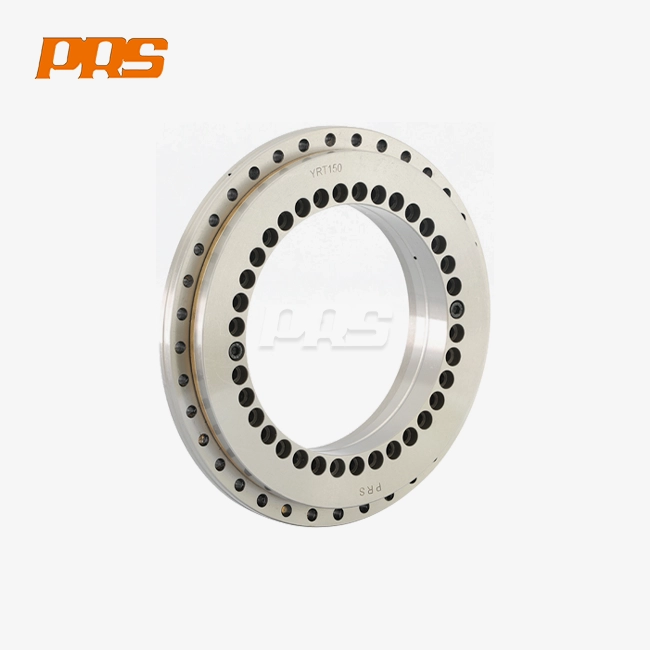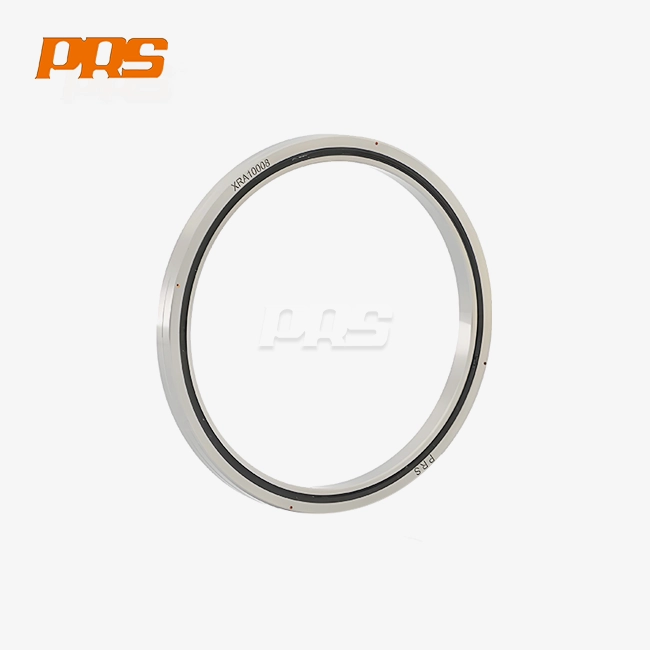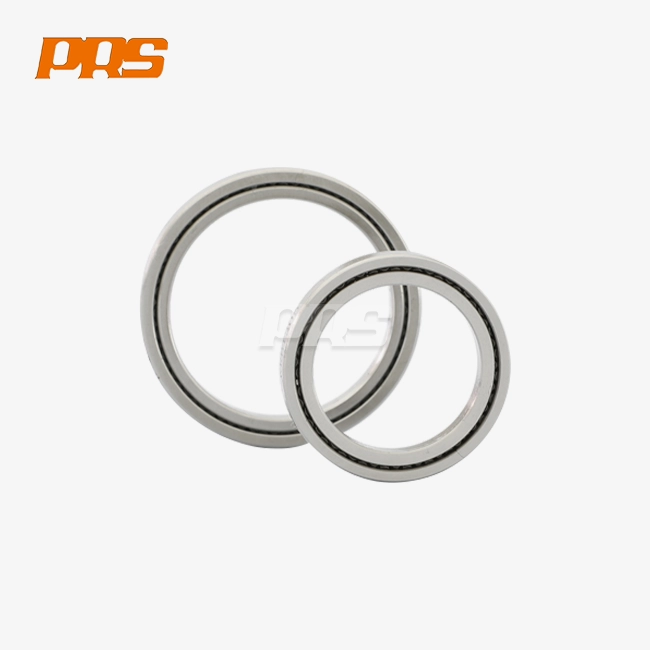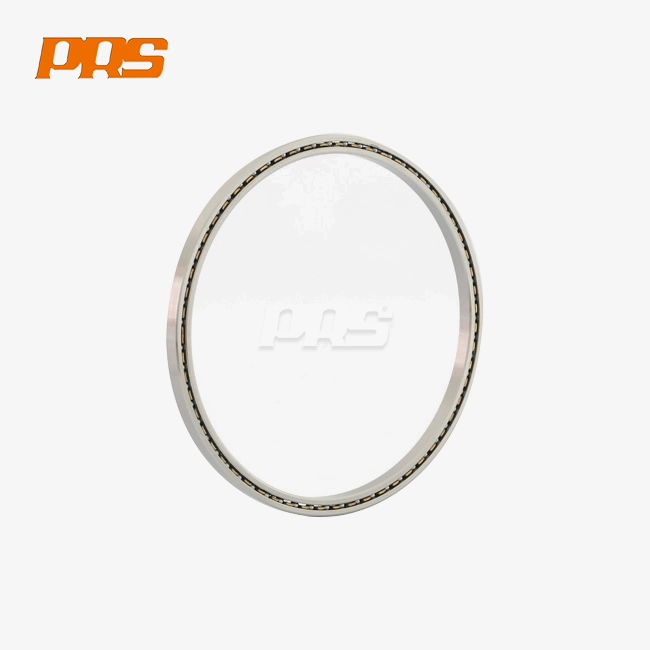

How does the Harmonic Drive Bearing Work?
Knowing how a harmonic drive bearing works is important for the success of your project when you're choosing parts for precise motion control systems. The harmonic drive bearing is the main part of a harmonic reducer device that holds everything together. It keeps the wave generator in place while handling axial, radial, and moment loads at the same time. The cross-roller design of the bearing equally spreads forces during the controlled elastic deformation cycle of the flexspline. This makes sure that the bearing rotates smoothly with little runout. This unique design gets rid of backlash and provides the micron-level pointing precision that medical imaging equipment, robotic joints, and CNC rotating tables need to work properly.
Understanding Harmonic Drive Bearings: What They Are and How They Work?
Harmonic drive technology is a big step forward in controlling motion precisely, and the bearing part is what holds it all together mechanically. To fully understand how these systems achieve such high levels of accuracy, we need to look at both the mechanism as a whole and the bearing's specific role within it.
The Three-Component System
The harmonic drive reducer is made up of three important parts that work together. The wave generator is a circular cam with a special bearing that spins inside the flexspline, which is a steel cup with thin walls and teeth on the outside. When the wave generator turns, it changes the shape of the flexspline into an elliptical shape. This makes its teeth connect with the solid circular spline at two points along the main axis. The circle spline usually has two more teeth than the flexspline. This means that when the wave generator turns all the way around, there is a small change in the angle, which makes reduction ratios very high, running from 50:1 to 320:1.
The bearing that holds up the wave generator goes through constant loading cycles because it stays in touch with the inside of the flexspline. This part has to be able to handle changing stress patterns while still rotating smoothly. Cross-roller bearings are great for this tough job because their perpendicular roller arrangement spreads loads across many contact points, stopping stress buildsups that could hurt performance.
Elastic Deformation and Precision
Harmonic drives move motion through controlled deformation of elastic materials, while most gear systems depend on stiff tooth engagement. As the wave generator turns, the flexspline bends over and over again, making a "wave" of tooth contact that goes around the outside. This stretchy system gets rid of the gaps that exist in regular gears, which leads to almost no backlash (usually 10 to 20 arc-seconds).
The accuracy of the bearing has a direct effect on how well the gears fit. Even small changes in the way the bearing rotates can cause positioning mistakes at the output. The wave generator's elliptical shape stays the same throughout its spinning cycle thanks to manufacturing errors at the P4 or P2 precision grades. The choice of material is also very important. A special kind of heat treatment is used on high-grade GCr15 bearing steel to make it stable in size and resistant to wear over millions of bending cycles.
Load Distribution Mechanics
The harmonic drive bearing can handle a lot of different types of loads at the same time while it is working. There are radial forces because the wave generator is pushing against the flexspline. When the machine feels pressure along its rotational axis, this is called an axial load. As the flexspline tries to bend during deformation cycles, moment loads build up.
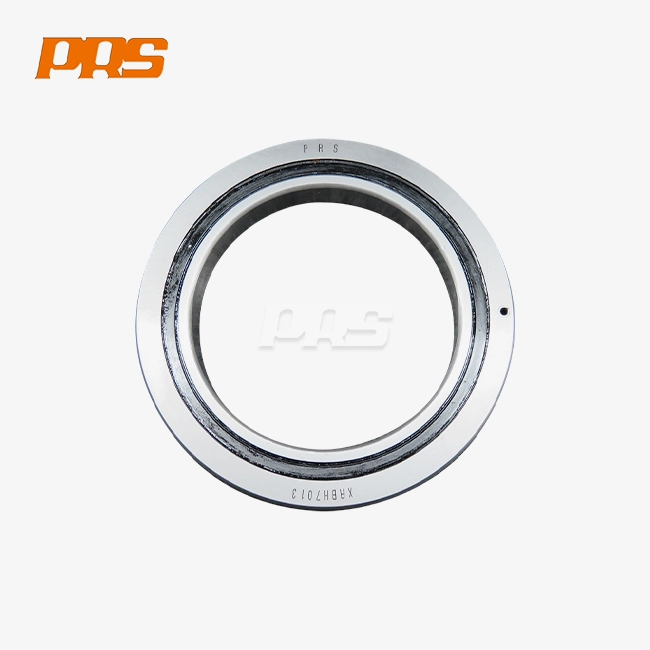
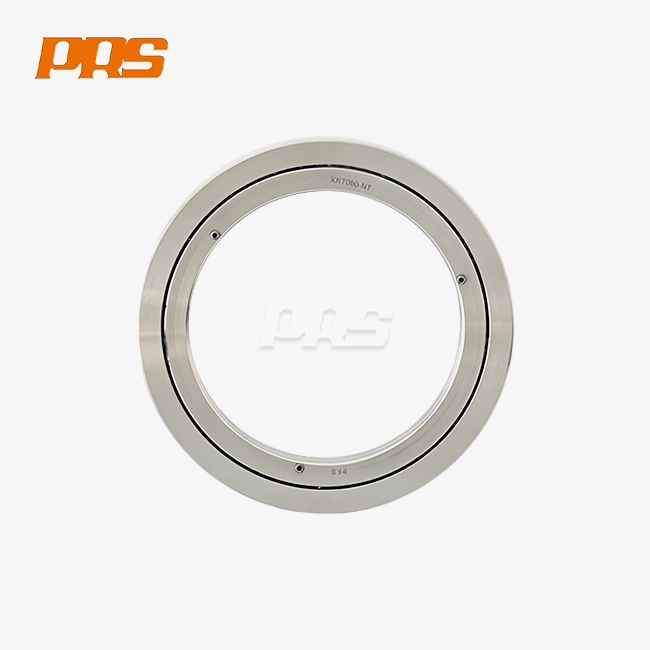
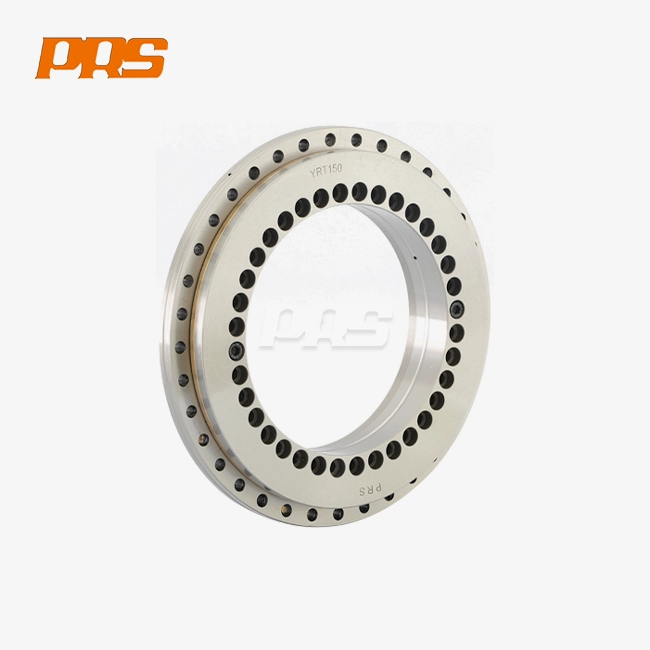
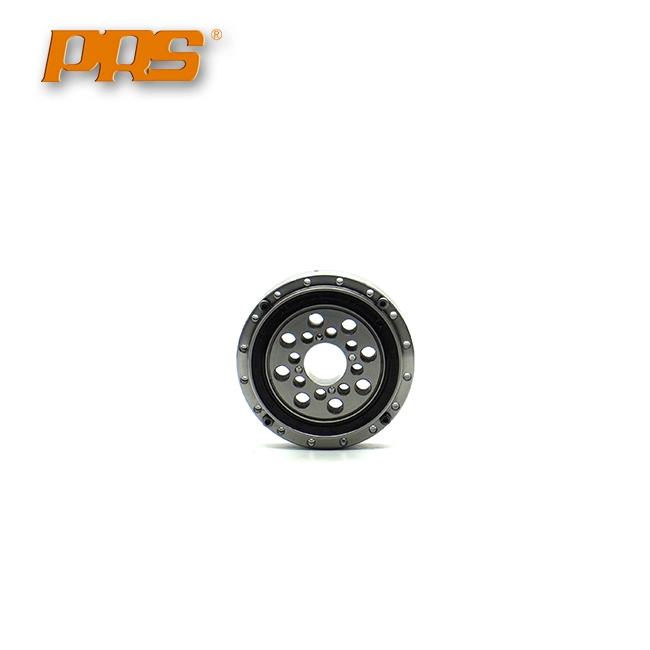
This mix of pressure is hard for traditional single-row harmonic drive bearing to handle. Cross-roller designs put two circular rollers on V-shaped raceways at right angles to each other. This lets a single, small unit handle loads moving in different directions well. This setup gives the stability needed to keep the wave generator in the exact same place even when the working conditions change. This makes sure that the reducer works the same way throughout the whole duty cycle of your application.
Comparing Harmonic Drive Bearings with Other Bearing Types
When making a purchase choice, it's helpful to know how the performance of cross-roller harmonic drive bearings used in harmonic drives compares to other technologies in a number of important areas.
Advantages Over Traditional Ball Bearings
Standard ball bearings work great for high-speed tasks but not so well for mixed loads. When they deal with moment loads, their point contact shape causes high stress concentrations, which limits their load capacity and shortens their service life. Cross-roller bearings make direct contact between the rollers and the raceways, which spreads the force over a bigger area. This design can hold three to five times more weight in the same space, which lets system designs be smaller.
Another thing that sets them apart is their rotational accuracy. Because of manufacturing errors in the ball diameter and raceway shape, ball bearings have a wider range of runout. Cross-roller designs keep positioning accuracy within micrometers, which meets the strict needs of CNC machining centers and precision measurement tools where positioning mistakes have a direct effect on the quality of the output.
Planetary Gearbox Bearing Comparison
Planetary gear reducers handle sun gears, planet gears, and ring gears with different types of bearings. This means that there are many places where mistakes could happen. Backlash in the whole system is caused by the combined limits of each bearing. This backlash can be anywhere from a few arc-minutes to degrees. Harmonic drive systems combine these functions into fewer parts, which makes it possible to measure backlash in arc-seconds.
Different load capacities make planetary gears better in some situations. When it comes to shock loads and high torque, their stiff gear meshing works better than harmonic drives' elastic deformation system. It does this, but at the cost of more size, weight, and backlash. Harmonic reducer bearings work best when precise placing is more important than maximum power capacity. For example, they work best in robotic surgery systems and telescope tracking frames.
Manufacturer Landscape and Selection Criteria
The global harmonic drive bearing market is served by a number of well-known companies, each with their own unique benefits. Harmonic Drive LLC was the first company to use the technology and still offers a wide range of products with full application engineering support. Nabtesco is the leader in robotics applications, and big industrial robot names have shown that they can be trusted. Wittenstein specializes in high-end servo systems that need to be set up in specific ways to work in tough conditions.
PRS came into this market with a clear goal: to offer different goods made in the United States to those made in other countries without sacrificing performance. Since 2003, our focus on making precision bearings has given us the ability to meet foreign standards at more reasonable wait times. Our 15,000-square-meter building has specialized testing and cutting tools that guarantee P4 and P2 precision grades. Our quality guarantee is something that procurement experts can trust, with a 99.9% factory pass rate and ISO 9001, ISO 14001, and ISO 45001 certifications.
When you're comparing suppliers of harmonic drive bearing, you should look at both their product specs and their technical help. Even the best bearing won't work if it's put wrong or used in the wrong way. Our 35 dedicated engineers help you make the right choice by offering selection help, custom design services, and application troubleshooting to make sure you get the best results in your unique working environment.
Maintenance, Common Issues, and Lifespan of Harmonic Drive Bearings
To get the most out of your harmonic drive systems, you need to keep them in good shape and know the common ways harmonic drive bearings can break down, which can shorten their useful life.
Lubrication Management
Double-sealed bearings have pre-lubricated grease that protects them at first, but checking the lubrication is still necessary for long-term efficiency. Lubricant degradation rates are affected by operating temperature, load strength, and job cycles. When things move quickly, they create more friction heat, which speeds up the breakdown of lubricants. When additives are used continuously, they run out faster than when they are used intermittently.
Checking the temperature of the bearings while they are running gives you an early sign of greasing problems. When temperatures are higher than usual, it means that there isn't enough lubricant or that the part is contaminated. Vibration research finds worn bearings before they break in a big way. By finding patterns of wear and tear that can be used to plan maintenance instead of emergency repairs, condition tracking tools cut down on unexpected downtime.
Installation Best Practices
Proper fitting has a direct effect on how well and how long a bearing lasts. A clean assembly area keeps the dirt and dust that cause sharp wear from getting into the parts. To keep rings from distorting and putting stress in one place, mounting tools should apply forces evenly. Following the manufacturer's pressure recommendations for attaching bolts will make sure that the preload is right without putting too much stress on the parts.
Alignment between parts that fit together is very important. When things aren't lined up right, they cause uneven loading patterns that wear out some roller parts faster than others. Precision measuring tools make sure that everything is lined up correctly during assembly. This stops problems before they happen, which can be weeks or months later, when fixing them costs a lot more than the careful installation in the first place.
Common Failure Modes and Prevention
Backlash caused by wear is the most common way that things break down. Particles of contamination that get into sealed areas work as abrasives, wearing down raceway surfaces over time and making gaps bigger. This shows up as less accurate placement and more shaking. This danger is kept to a minimum by keeping working areas clean and checking seals for damage on a regular basis.
When bearing preload drops because of material wear or bad initial adjustment, stiffness loss happens. Less stiffness means that the structure can bend more when it's loaded, which makes it harder to precisely place. Factory-set setup makes sure that the first performance is at its best, but these settings can be changed by harsh working conditions or bad installation. Using specialized test tools to check stiffness on a regular basis finds problems before they have a big effect on how well an application works.
Fatigue failure in harmonic drive bearing happens in high-stress situations where repeated loading cycles cause cracks to form below the surface that spread to the surface and cause spalling. Choosing bearings with the right load values for the job and staying away from shock loads will greatly increase their wear life. In factory automation uses, service lives of more than 20,000 hours are common when design guidelines are followed.
Warranty and Supplier Support
Manufacturers with a good reputation back up their products with full warranties that show they trust their quality systems. PRS offers warranty coverage for problems caused by poor manufacturing, and expert help to tell the difference between component failures and problems caused by the application. Our quick service team helps with failure analysis by finding the root causes and putting in place steps to make sure they don't happen again.
It's important to understand the rules of the guarantee when you're buying something. Coverage length, types of failure covered, and how to file a claim are all different between suppliers. When you have clear lines of communication and helpful support teams, warranty terms go from being legal obligations to real risk-reduction tools that help you reach your business reliability goals.
Procurement Guide: Sourcing Harmonic Drive Bearings for B2B Needs
To get around in the world bearing supply chain, you have to balance technical needs, price limits, shipping schedules, and long-term relationships with suppliers when buying harmonic drive bearings.
Supplier Evaluation Criteria
Checking credentials and quality processes is the first step in finding trusted manufacturers. Getting ISO 9001 approval shows that you are dedicated to using consistent quality management methods. ISO 14001 means that a company is responsible for the earth when it makes things. Certifications that are specific to your application, like those for medical devices or aircraft, make sure that goods meet regulatory requirements.
The manufacturing skills have a direct effect on the quality of the product and the ways it can be customized. Bearings that meet strict accuracy requirements are made in factories that have advanced CNC cutting machines, accurate measuring tools, and a wide range of testing equipment. PRS has more than 200 precise machines for manufacturing and testing. Almost 300 workers, including 35 technical engineers who work on product creation and quality assurance, run these machines.
Bulk Purchasing and Lead Time Management
When you buy harmonic drive bearing in bulk, you can often get better deals, but the real cost-effectiveness depends on when you buy. Ordering more than what is needed at the moment takes up warehouse room and cash. Just-in-time delivery cuts down on the costs of keeping goods on hand, but it requires suppliers to perform reliably so that production doesn't stop.
Setting up framework deals with providers strikes a balance between these factors. Committed annual volumes secure preferential terms while allowing scheduled deliveries matching your production requirements. This method cuts down on stocking costs while still making sure that parts are available.
Lead times depend on how complicated the product is and how many you order. Standard bearing sets can be shipped within days if they are in stock. If you need a lot of them or have specific needs, it may take a few weeks to make them. Clear communication during the quote process sets realistic delivery goals and keeps schedules from clashing during the project's completion.
Technical Collaboration and Customization
Early participation of suppliers in design processes is helpful for complex uses. Companies that make bearings and have strong engineering teams can help with load estimates, mounting setups, and improving performance. This way of working together finds problems before they become prototypes, which lowers the cost of development and speeds up the time it takes to get a product to market.
PRS engineering support includes helping you choose bearings based on your load ratings and how the machine is used. We give you thorough technical paperwork, CAD models that you can use to build your assemblies, and testing that is specific to your application when normal qualification data is not enough. With this level of help, we go from being a supplier of parts to a professional partner who cares about the success of your project.
Building Long-Term Partnerships
Procurement that works well involves more than just one transaction; it also involves long-term relationships that benefit both parties. Suppliers who understand the problems your business is facing can predict what you'll need and suggest ways to make things better. You can stay ahead of the competition by staying up to date on new product improvements, application trends, and technology innovations through regular contact.
Tracking performance makes it possible to evaluate suppliers in an objective way. Metrics like on-time delivery rates, quality failure rates, and how quickly you answer expert questions show you what needs your attention. Suppliers who regularly meet or exceed standards are given preferred status, which makes it easier to make decisions about purchases and lessens the work needed to evaluate future projects.
Conclusion
Harmonic drive bearings are an important tool for controlling motion precisely in robotics, aircraft, medical devices, and industrial automation. Their special cross-roller design gives them high accuracy, small size, and the ability to carry loads in multiple directions, which is something that regular bearings can't do. Understanding how these parts work in harmonic reducer systems, figuring out how they should perform in different setups, and following the right repair methods will increase efficiency and service life. More than just component specs must be taken into account when judging a supplier's technical skills, quality processes, and ability to work with others in order to be successful in procurement. PRS combines advanced production skills with quick technical support to provide bearing solutions that meet the strict needs of precision equipment makers around the world.
FAQ
What factors most significantly influence harmonic drive bearing accuracy?
Baseline accuracy potential is based on how precisely the product is made at the P4 or P2 tolerance level. When it comes to rotational smoothness and placing accuracy, the quality of the raceway surface finish, the uniformity of the roller width, and the ring geometry tolerances all play a role. Installation methods are also very important, as distortion or mismatch caused by installation can cancel out the accuracy of the manufacturing process itself. How well bearings keep their accuracy over time depends on things like stable temperature, controlling contamination, and consistent load.
Are harmonic drive bearings suitable for high-torque applications?
When it comes to precise setting, these bearings work great, but they can't handle high torques. Compared to hard planetary gears, the flexspline's elastic deformation system limits the maximum force it can handle. Applications that need both high accuracy and a lot of power should carefully look at load values and reduction ratios to make sure there are enough safety gaps. As part of PRS's engineering help, load analysis is done to make sure that the bearings are right for your unique torque needs.
How does lubrication affect bearing performance and longevity?
When you lubricate wheels and raceways properly, you reduce the friction between them. This cuts down on wear and heat production. When used normally, double-sealed bearings with pre-applied grease don't need any upkeep. However, high temperatures, heavy loads, or constant duty cycles can speed up the lubricant's breakdown. Monitoring temperature and vibrations on a regular basis finds lubrication problems before they do any damage. This lets planned relubrication greatly extend the service life of units that have been ignored.
Partner with PRS for Precision Harmonic Drive Bearing Solutions
If you want your motion control systems to work really well, you should start by choosing a harmonic drive bearing maker that cares about quality and customer satisfaction. PRS makes cross-roller harmonic drive bearings that meet P4 and P2 precision grades by using modern manufacturing techniques and strict quality standards. We have a wide range of products, such as CSG/CSF, SHF/SHG, and CSD series bearings that work with most harmonic reducer designs. Our research team has been specializing in precision bearing technology for almost twenty years, and they can help you make the right choice and create solutions that are specific to your needs. Get in touch with us at ljh@lyprs.com to talk about your project details with our technical experts and find out why top OEMs choose PRS as their harmonic drive bearing provider for important automation projects.
References
Musser, C.W. (1959). "Strain Wave Gearing." United States Patent Office Documentation, Patent Analysis of Harmonic Drive Mechanisms.
Taghirad, H.D. (2013). "Parallel Robots: Mechanics and Control." CRC Press, Chapter 8: Actuators and Transmission Systems for Precision Robotics.
Tuttle, T.D. and Seering, W.P. (1996). "A Nonlinear Model of a Harmonic Drive Gear Transmission." IEEE Transactions on Robotics and Automation, Volume 12, Issue 3.
Kayabashi, O. and Erzincanli, F. (2007). "Shape Optimization of Tooth Profile of a Flexspline for a Harmonic Drive by Finite Element Modelling." Materials & Design, Volume 28, Issue 2.
Slatter, R. and Degen, G. (2009). "Precision Crossed Roller Bearings for Rotary Table Applications." Motion System Design Engineering Reference Guide, Industrial Automation Series.
Zhang, H. and Ahmad, S. (2015). "Dynamic Modeling and Analysis of Harmonic Drive Considering Bearing Stiffness." Journal of Mechanical Engineering Science, Volume 229, Issue 7.

USER EVALUATE
Here is the customer's evaluation of us