
How to choose an internal gear slewing bearing and external gear slewing bearing?
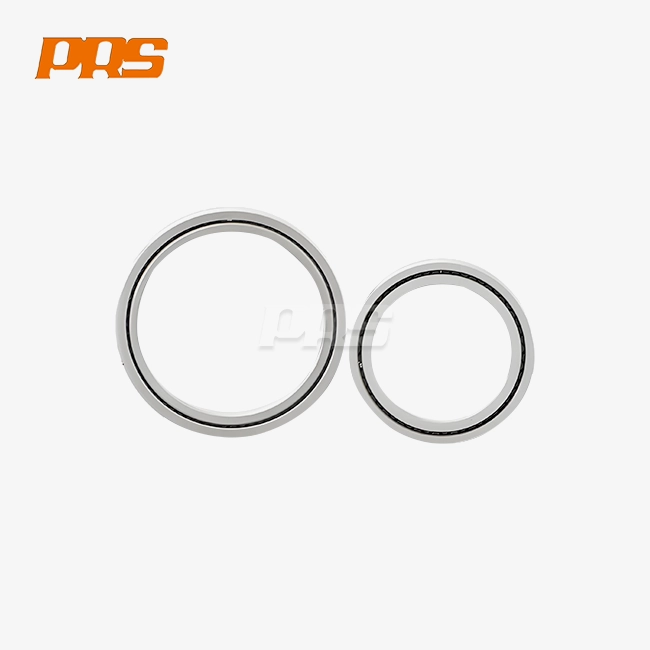
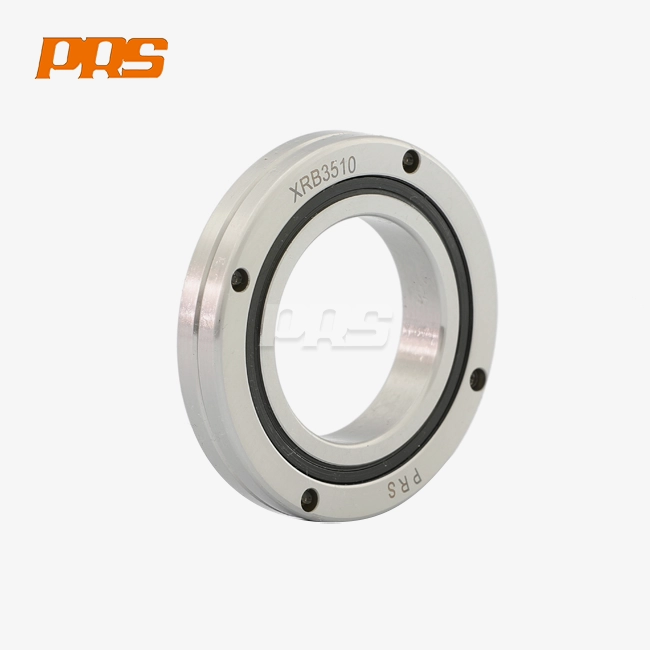
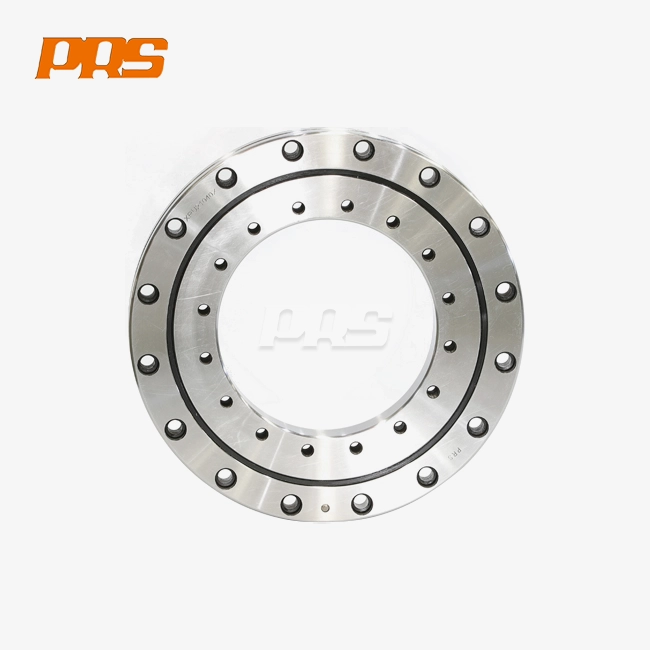
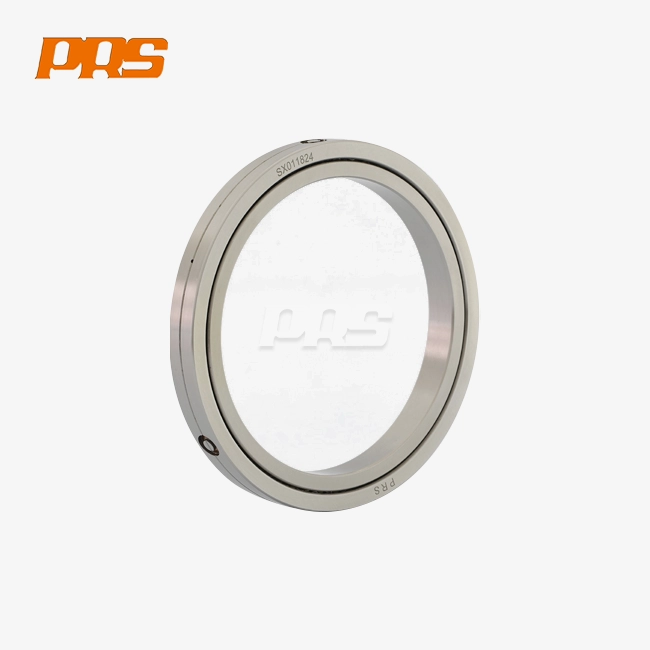
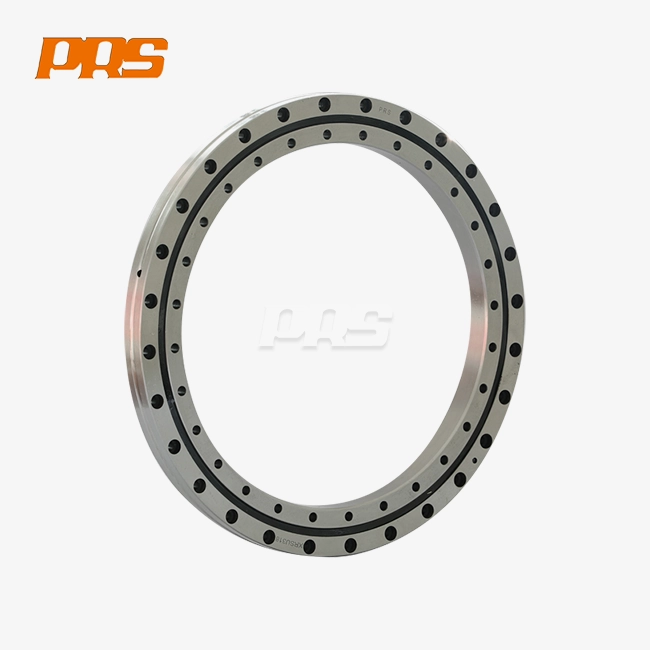
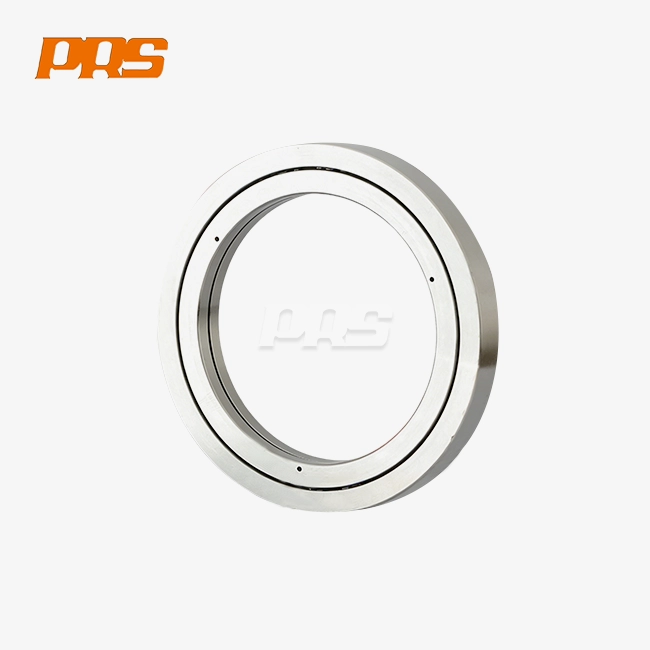
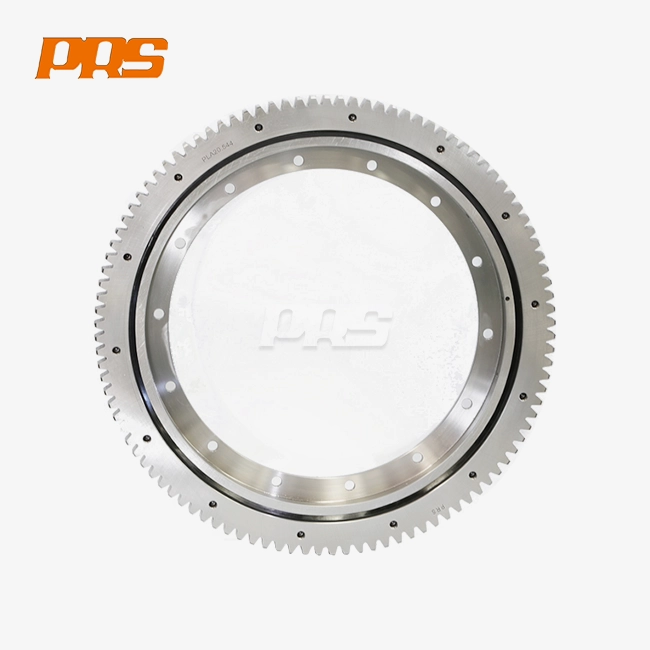
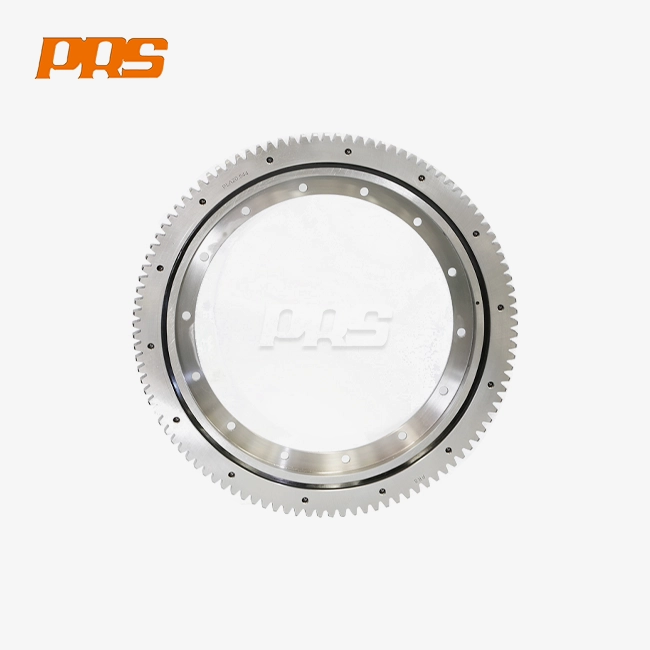
When deciding between Internal Gear Slewing Bearings and external gear setups, you need to think about a number of important factors, such as the installation room you have, the torque gearbox needs, how easy it is to do maintenance, and the weather. An Internal Gear Slewing Bearing has gear teeth machined into the inner ring. This provides better protection against contamination and a small design, making it perfect for uses with limited room, such as robotic joints and medical imaging equipment. External gear bearings put the teeth on the outside circumference, which makes maintenance easier and makes them good for situations where regular checks are important. Your choice will eventually rely on the type of load, the available space, the operating environment, and the long-term repair plans that are specific to your machinery.
Understanding Internal Gear and External Gear Slewing Bearings
Slewing bearings are key parts of both precision machinery and heavy equipment. They allow for smooth rotational movement and can handle axial, radial, and moment loads at the same time. These special bearings combine the ability to support movement with the ability to transmit gears into a single small unit. When procurement managers and design engineers know the basic differences between internal and external gear setups, they can make decisions that have a direct effect on how well equipment works and how much it costs to run.
Structural Design and Operational Principles
Internal Gear Slewing Bearings have gear teeth machined into the outside of the inner ring. This design protects both the bearing function and the power transfer within a single unit. The gear teeth stay clean from outside contaminants, so the lubricant stays strong over long operating cycles. This arrangement cuts down on the overall width of the equipment, which makes it especially useful when the installation room is limited.
External gear bearings put their teeth on the edge of the outer ring. This design is very helpful for repair teams because the gear teeth can still be easily inspected without taking the whole thing apart. The external design usually needs bigger mounting sizes, but it makes debugging easier when operating problems happen.
Common Industrial Applications
Based on practical needs, different businesses prefer different gear configurations. Manufacturers of construction equipment often choose internal gear designs for machines like excavators and mobile cranes that need to be small and resistant to contamination. The covered gear position can handle dust, wetness, and changes in temperature that happen on the job site.
External gear slewing bearings are often used in yaw and pitch control devices in wind energy systems. The easily accessible positioning of the gears makes routine maintenance easier, which is especially important for turbines that are used in remote areas. In the same way, harbour cranes and material handling systems work best when they are mounted on the outside, where access for upkeep is more important than room.
Internal gear designs are needed to keep contamination from getting into equipment used to make semiconductors and cleanroom automation. Manufacturers of medical devices choose interior layouts for CT machines and surgical robots that don't have to give up accuracy, compactness, or dependability. These uses show how the positioning of gears directly affects the usefulness of tools in a wide range of industries.
Key Criteria for Choosing Between Internal Gear and External Gear Slewing Bearings
To choose the right slewing bearing setup, you need to carefully look at a lot of technical and practical factors. This process is more than just matching specifications; it requires a deep understanding of how design choices affect performance over time, the amount of maintenance needed, and the total cost of ownership. Teams in charge of buying things that carefully consider these factors set their companies up for the best equipment stability and working efficiency.
Load Capacity and Torque Requirements
Load distribution characteristics have a big impact on decisions about which bearings to use. When a high moment load capacity is needed in a small space, Internal Gear Slewing Bearings are the best choice. The protected position of the gear teeth has less contact stress during power transmission, which lowers wear rates by about 40% compared to external configurations with the same load. In demanding situations, this benefit directly leads to longer service life.
The needs of the torque gearbox must match the position of the gears. When room is at a premium, internal configurations are usually best for uses with mild torque. Larger gear diameters and more tooth contact areas allow for a higher torque gearbox in external gear designs. When it comes to robotic joints, internal designs work best, but big building equipment may need external designs to handle very high torque loads.
Design Efficiency and Spatial Constraints
Installation room limits often decide whether a configuration is possible. By putting the gearbox inside the bearing shell, Internal Gear Slewing Bearings lower the overall size of the piece of equipment. This small design gets rid of the need for a separate motor, which makes the machine construction simpler and cuts down on the number of parts. These space savings are used by automated assembly systems and medical imaging equipment to get the job done in the limited space available.
External gear configurations need more space around the gears to engage, but they are more compact along the axes. This feature is useful for situations where there is enough radial space but not enough horizontal height. Knowing how much space your equipment takes up helps you choose the best configuration for the mounting space you have.
Maintenance Accessibility and Service Life
Long-term operational costs are greatly affected by how well maintenance protocols work together. External gear bearings let repair teams see the gear teeth directly, so they can check for wear patterns without taking the whole thing apart. This makes things easier to get to, which cuts down on inspection time and makes it easier to use predictive maintenance techniques that stop unexpected breakdowns.
Internal gear designs need special checking methods, but they protect the environment naturally, which is a benefit. The sealed gear position keeps the lubrication working better for longer and keeps important areas clean. This protection is very helpful for equipment that works in harsh environments like chemical processing plants, offshore platforms, or dusty construction sites. The lower risk of contamination means that lubrication times are longer, and unexpected repair events happen less often.
The expected service life depends on how it is used and how well it is maintained. Most internal configurations can work for 100,000 hours if they are properly kept. On the other hand, external designs may need to have their gears inspected and oiled more often. The skills and availability of your maintenance team's downtime windows should guide the configuration choice to make sure that the equipment can be serviced realistically over its lifetime.
Total Cost of Ownership Considerations
The costs of buying something are only one part of the total costs of owning. Internal Gear Slewing Bearings usually cost more than other bearings because they are harder to make and need to be very precise. External designs might have lower start-up costs, but they might cost more to maintain over the life of the equipment.
The availability of spare parts and the infrastructure for supporting suppliers should be carefully looked at. Well-known companies like PRS keep large inventories and offer expert help that cuts down on the time it takes to get parts during maintenance events. Because custom-designed bearings may need longer delivery times for new parts, this could mean that equipment is down for longer while important repairs are being made.
The total value is affected by things like warranty coverage, the quality of the technical documentation, and application engineering support. Long-term value is higher for suppliers who offer full lifecycle support, such as installation advice, upkeep training, and technical help, compared to transaction-focused vendors. These parts of the service lower the risks and unknowns that come with putting the plan into action, which can have an effect on project timelines and budget performance.
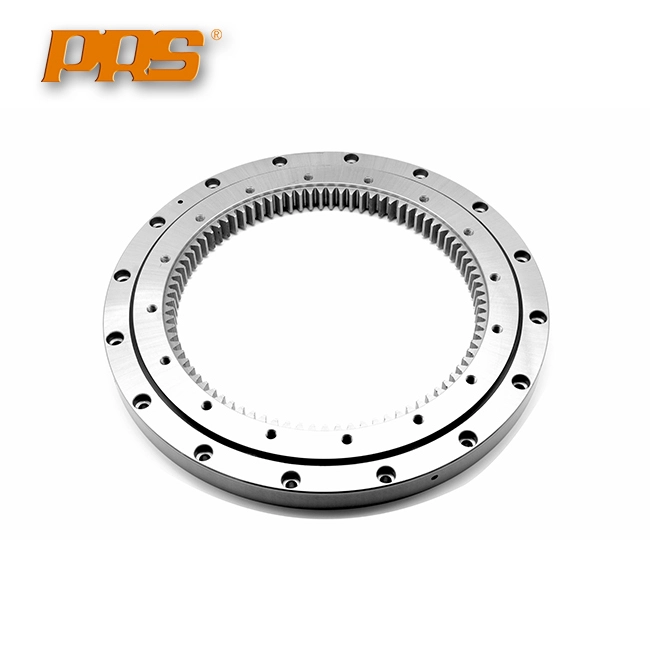
Comparing Internal Gear Slewing Bearings and External Gear Slewing Bearings
Directly comparing the performance of internal and external gear setups shows specific strengths and weaknesses that affect which arrangement is best for a given application. When purchasing slewing bearings for precision machinery and industrial equipment, procurement workers need to think about how they work, how they should be installed, and what the quality is. This study looks at these things.
Performance Characteristics and Environmental Resilience
Because the gears are protected, Internal Gear Slewing Bearings are better at keeping out dirt and dust. The internal teeth are kept safe from the outside world, which keeps the working conditions better and protects the purity of the gear surface. This safety is especially useful in situations where abrasive particles, acidic chemicals, or water can get in and speed up the wear on gear surfaces that are exposed to them.
External gear designs offer better heat dissipation because they are exposed to the air directly. This thermal edge helps users with a high duty cycle that produces a lot of frictional heat while running all the time. The open gear position allows for natural convection cooling, which keeps the working temperature lower than in designs with sealed interiors.
Different gear diameters and tooth engagement shapes have different torque resistance capabilities. External gears usually have bigger pitch widths, which lets them transmit more power because they have more leverage. Heavy construction equipment and industrial machinery that need a lot of rotational force can benefit from this mechanical advantage. Internal configurations maximise torque density, delivering a lot of torque in a small package that's perfect for applications with limited space.
Operational Smoothness and Precision
When micron-level pointing accuracy is needed, rotational precision has a direct effect on how well the equipment works. Internal Gear Slewing Bearings are very smooth because their tooth profiles are optimised and they protect the retention of grease. The constant lubrication layer cuts down on changes in the tooth mesh that cause rotational flaws, which make it harder to repeat the position.
Vibration traits affect how well technology works in many fields. By balancing the load and limiting the displacement of the gear teeth, internal designs lower operating vibration. This smoothness is very important for medical imaging tools, tools used to make semiconductors, and metrology instruments that need to avoid measurement errors or image quality loss caused by vibration.
Concerns about making noise make it harder for tools to be used in places where noise is a problem. Because the gear mesh is sealed and the lubrication is more consistent, internal gear systems produce lower noise emissions. External setups may make more noise because they expose the gear mesh directly to air. This could mean that more soundproofing is needed in places where people are working or where accuracy is being maintained.
Installation Complexity and Mounting Requirements
The steps for installation are very different between setups. Internal gear bearings usually need to be perfectly aligned when they are being put together, because they are hard to change after the initial fitting, because of limited access inside the bearing. To make sure the right gear mesh and bearing preload sets are made, this feature needs careful planning and skilled workers when the equipment is being put together.
Installation is easier with external gear setups because they have easy-to-reach adjustment places and eye verification options. Maintenance teams don't need special inspection tools to see how the mesh is aligned because they can see the gears engaging directly during installation. This makes it easier to set up and takes less skill, which could lower the costs of integration for both equipment makers and end users.
Mounting space needs affect how flexible the design of the equipment is. Internal designs reduce radial dimensions, which makes it possible for equipment profiles to be small. This makes better use of materials and lowers the total weight of the machine. External designs need more radial room for gear engagement and drive mechanism accommodation, which could limit the layout choices for equipment in places with limited space.
Quality Assurance and Supplier Selection
Operational dependability and service life are largely determined by the quality of the parts used. Reputable makers have strict quality control procedures that make sure the measurements are correct, the materials aren't damaged, and the assembly is done correctly. PRS, for example, has plant pass rates of more than 99.9% thanks to its detailed inspection procedures and high-tech manufacturing tools spread out over its 15,000 m² production site.
The choice of material and the heat treatment process have a big effect on how well a bearing works. High-end manufacturers use 42CrMo or 50Mn alloy steels that have been heated in a special way to make them harder, tougher, and more resistant to wear. When compared to normal materials, these metallurgical treatments raise the load capacity by up to 35%. This directly extends the operating lifetime in tough situations.
Certification compliance checks the quality of the goods and the consistency of the process, and for an Internal Gear Slewing Bearing, these certifications are especially critical because the bearing's precision, load capacity, and fatigue life depend on consistent heat treatment, machining, and inspection procedures. Getting ISO 9001, ISO 14001, or ISO 45001 certifications shows that a company cares about quality management, being good to the environment, and keeping workers safe. These licenses give procurement workers objective proof of a supplier's skills and dependability, which lowers the risk of qualification when starting new supply relationships.
Procurement Considerations: How to Source the Right Slewing Bearing?
Strategic procurement practices make sure that the slewing bearings bought meet technical requirements, delivery requirements, and budget constraints. They also help build relationships with suppliers that will support the business's long-term success. Effective buying is more than just comparing prices. It also includes evaluating the capabilities of suppliers, checking the quality of their work, and looking at their service infrastructure. All of these things affect the total value delivered.
Identifying Reputable Suppliers and Manufacturers
Verification of capabilities is the first step in choosing a supplier. Well-known companies show they are experts by having technical support resources, application knowledge across relevant industries, and a history of providing exact parts. Companies like PRS have dedicated expert teams—in PRS's case, 35 engineers—that help with all kinds of applications and help choose the best bearings for each situation.
Infrastructure for manufacturing is closely linked to consistent quality and on-time supply. Modern factories with precise cutting tools, heat treatment systems, and a wide range of testing equipment make sure that measurements are correct and that products always work the same way. When manufacturers have integrated facilities, they control important processes in-house. This keeps quality from changing when operations are outsourced.
Logistics prices and supply chain stability are affected by where things are located. China-based companies like PRS have an edge over their competitors because they know how to make precise bearings well, can make them cheaply, and are raising their quality standards to meet or beat those of traditional European and Japanese providers. When judging area suppliers, you need to look at their professional skills, the quality of their work, how well they communicate, and the total cost of doing business.
Quality Verification and Technical Support
The standard of technical documentation shows how knowledgeable and committed the company is to customer service. Complete product specs, application guidelines, installation directions, and upkeep methods show that the maker knows what they're doing and make adoption easier. Not having enough documentation raises the risk of integration problems and could mean that the application engineer doesn't have enough skills.
Sample evaluation programs let you see the quality for yourself before committing to a large volume. Progressive sourcing strategies ask for sample bearings to be tested for accuracy in measurements, smooth spinning, and load performance in real-world situations. This method lowers the risks associated with the specifications and ensures that the provider can meet the needs of the application.
Support from application engineers is very helpful during the planning and delivery stages. Suppliers who offer joint engineering help you choose the best bearings, suggest the best designs for your unique working conditions, and help you fix problems during installation and testing. This partnership-based method lowers the risks of execution and speeds up the successful setup of equipment.
Negotiation Strategies and Procurement Terms
Volume affects how prices are set and how much power you have in negotiations. When you order in bulk, you can usually get discounts and better terms, especially for standard configurations. Custom bearing designs may require investments in tools and minimum order amounts that limit the purchasing options and total costs of the job.
Lead time expectations need to be realistically evaluated based on how complicated the configuration is and how much capacity the supplier has. Standard bearing designs can usually be shipped within a few weeks, but custom versions may need longer production processes that last for months. Knowing when things need to be made helps with planning projects and keeping track of supplies in a way that avoids expensive rush fees or project delays.
Payment terms and guarantee conditions should be carefully discussed. Good payment arrangements keep working capital safe and make sure that cash outflows are in line with project goals. Comprehensive warranty coverage, which usually lasts between 12 and 24 months, guards against production flaws and gives you options if performance problems happen during the first few months of use. Clear warranty terms that spell out the scope of coverage, how to file a claim, and when the problem will be fixed stop disputes before they happen and make sure the supplier is held accountable.
Customization Capabilities and After-Sales Support
Customised bearing designs are often needed because of the specific needs of an application, and for an Internal Gear Slewing Bearing, this customization may involve adjusting the gear tooth profile, modifying the raceway hardness, or selecting specialized seals to withstand harsh environmental conditions. If a supplier offers engineering customisation services, they can change standard designs by changing measurements, gear ratios, sealing settings, or material specs to make them work better in different situations. According to PRS, their engineering team can make unique designs for diameters ranging from 10 mm to 5000 mm.
Deliveries are always on time in foreign supply chains thanks to global transportation. Experienced providers take care of export paperwork, find the best sending methods, and make sure that the customs clearance process runs smoothly so that delivery times are kept to a minimum. For projects that need to be delivered quickly, knowing about a supplier's transportation infrastructure and performance in the past lowers the risks in the supply chain.
Infrastructure for after-sales service helps businesses be successful in the long run. When operational problems happen, suppliers who keep technical support, spare parts, and field service capabilities available are very helpful. Contact information, such as email addresses like ljh@lyprs.com for support, makes it easy to get help quickly when technical questions or urgent needs arise while the equipment is being used.
Best Practices and Maintenance Tips to Maximize Bearing Lifespan
Proactive maintenance plans greatly increase the useful life of slewing bearings, lower unplanned downtime, and maximise the return on investment of equipment. Using regular inspection processes, the right lubrication methods, and early problem-finding methods that are specific to the internal or external gear configurations will make sure that the equipment lasts as long as possible and works reliably throughout its operating cycles.
Routine Inspection Protocols
Setting up regular inspection plans keeps small problems from getting worse and leading to catastrophic breakdowns. Inspections of internal gear bearings every three months are helpful for checking for uneven spinning, strange noises, and changes in temperature that could mean the oil is wearing off or the bearings are under too much stress. External setups require visible checks every month to check the state of the gear teeth, the wear patterns, and the buildup of dirt and debris on the exposed surfaces.
Vibration research lets you know about problems early on, before they have a negative effect on operations. Recording baseline vibration readings during launching sets standards that can be used for comparison during later checks. Increasing vibration amplitudes or frequency spectrum changes can mean that bearings are wearing out, misaligning, or not being oiled enough, which needs to be fixed before damage happens to the component.
Temperature tracking finds strange working conditions that could mean that the lubrication is failing, the system is overloaded, or the seals are breaking down. Infrared thermography lets you measure temperatures without touching anything, finding hot spots that point out specific problem areas. Temperature rises of more than 20°F above standard readings need to be looked into right away to stop catastrophic failure or increased wear.
Lubrication Best Practices
Proper lubrication is the most important maintenance task that affects the life of a bearing. Internal Gear Slewing Bearings usually need to be oiled every 500 to 1000 hours of use, but this depends on how much load they are carrying and the weather. External setups may need to be oiled more often, every 250 to 500 hours, because they are more likely to get dirty and have lubrication move from gear surfaces that are visible.
The lubricant you choose must work with the way the machine is used and meet the manufacturer's requirements. High-quality lithium-complex greases with EP (extreme pressure) additives work well in most situations because they can handle a lot of weight and stay stable at room temperature. In some cases, synthetic lubricants that work better in harsh temperatures or are better suited to cleanroom conditions are needed for specific tasks.
To avoid under-lubrication or too much grease packing that causes heat through spinning, the amount of application needs to be precisely measured. Based on the size and shape of the bearing, manufacturer specs tell you the right volume. Systematic greasing records that include times, amounts, and types of oil allow for trend analysis and the best maintenance schedules based on real-world experience.
Early Problem Detection Techniques
Hearing strange noises can mean that gears are wearing out, bearings are breaking, or there isn't enough oil in the system. Handheld ultrasonic monitors pick up high-frequency sounds that humans can't hear. This lets you know about lubrication breakdown or surface damage before you can see the signs. Regular acoustic scans done during regular checks allow tracking analysis that figures out how much service life is left and when to do maintenance.
There are different ways to do visual inspections for each setup. External gear bearings let you see tooth wear patterns, cracking, or the buildup of contamination up close. Internal designs need to be inspected with a borescope through access ports, or lubricant samples must be taken to check the metal particle content, which shows how wear is progressing. Keeping systematic records, like photos or detailed notes, of how things change over time is important.
Performance monitoring keeps an eye on operational parameters that show the condition of the bearings. Increasing power needs for the drive motor could mean that there is more friction because the oil is wearing off or the bearings are wearing out. When positioning accuracy drops in precision applications, it means that there is too much backlash or bearing clearance. These operational signs help avoid failures during crucial production times by guiding proactive repair decisions.
Conclusion
Before choosing between Internal Gear Slewing Bearings and external gear configurations, you need to carefully consider the needs of the product, the working conditions, and the long-term upkeep plans. Internal designs offer small sizes, better protection against contamination, and longer service lives in harsh environments, making them perfect for robotics, medical equipment, and precision machinery that need to fit in a small space. External configurations make servicing easier, better at getting rid of heat, and able to handle more torque, making them ideal for building tools and industry uses where it's important to make inspections easy. For procurement to go well, you need to work with skilled manufacturers who can provide engineering support, quality assurance, and a full-service infrastructure. Strategic maintenance methods, such as regular checks, the right amount of lubrication, and finding problems early on, increase the life of bearings and the dependability of equipment in all fields.
FAQ
What primary factors should influence choosing between internal and external gear slewing bearings?
Configuration choice is based on available space, risk of contamination, ease of upkeep, and power needs. Internal Gear Slewing Bearings work well in small, dirty applications that need to be operated safely. External designs are better for equipment that needs to be easy to maintain and have the most power possible because the gear diameters are bigger.
How do maintenance protocols differ between internal and external gear designs?
External gears make it easier to see what's going on and lubricate them, but they need to be serviced more often because they are more likely to get dirty. Specialised checking methods are needed for internal designs, but they protect the lubrication longer, which means that service times can be longer in harsh circumstances.
What cost considerations matter for large-scale bearing procurement?
Check out the total costs of ownership, such as how often maintenance is needed, how easy it is to get spare parts, how well the supplier supports the product, and how long the product is expected to last. Volume discounts, warranty coverage, the ability to customise, and the quality of technical support significantly impact long-term value delivery and operational reliability.
Partner with PRS for Premium Internal Gear Slewing Bearing Solutions
Luoyang PRS Precision Bearing is ready to meet your slewing bearing needs with options that are precisely designed and made in our state-of-the-art 15,000 m² facility. As a maker of Internal Gear Slewing Bearings, we can make unique designs with diameters ranging from 10mm to 5000mm and levels of accuracy up to P2 grade. Our 35 technical engineers offer full application support and find the best bearing configurations for robotics, medical equipment, semiconductor manufacturing, and high-precision machinery. Through ISO 9001, ISO 14001, and ISO 45001-certified processes, we keep 99.9% plant pass rates, which means that your important applications will always work. With custom thickness and size options, our internal toothed, external toothed, and needleless categories can meet a wide range of needs. You can email our engineering team at ljh@lyprs.com to get expert advice, a study of your application, and competitive quotes that show how PRS precision bearings provide better value through high quality, operational reliability, and full lifecycle support.
References
1. Harris, T.A., and Kotzalas, M.N. (2006). Advanced Concepts of Bearing Technology: Rolling Bearing Analysis, Fifth Edition. CRC Press.
2. Budynas, R.G., and Nisbett, J.K. (2015). Shigley's Mechanical Engineering Design, Tenth Edition. McGraw-Hill Education.
3. Glover, F. (2018). "Slewing Bearing Selection and Application Guide for Industrial Machinery," Journal of Mechanical Design and Manufacturing, Vol. 42, pp. 156-174.
4. Neale, M.J. (2001). The Tribology Handbook, Second Edition. Butterworth-Heinemann.
5. Eschmann, P., Hasbargen, L., and Weigand, K. (1985). Ball and Roller Bearings: Theory, Design and Application, Third Edition. John Wiley & Sons.
6. American Bearing Manufacturers Association (2020). Load Ratings and Fatigue Life for Ball Bearings and Roller Bearings: ANSI/ABMA Standard 9-1990 (R2020). ABMA Publications.

USER EVALUATE
Here is the customer's evaluation of us