


What Are Slim Bearings and Where Are They Commonly Used?
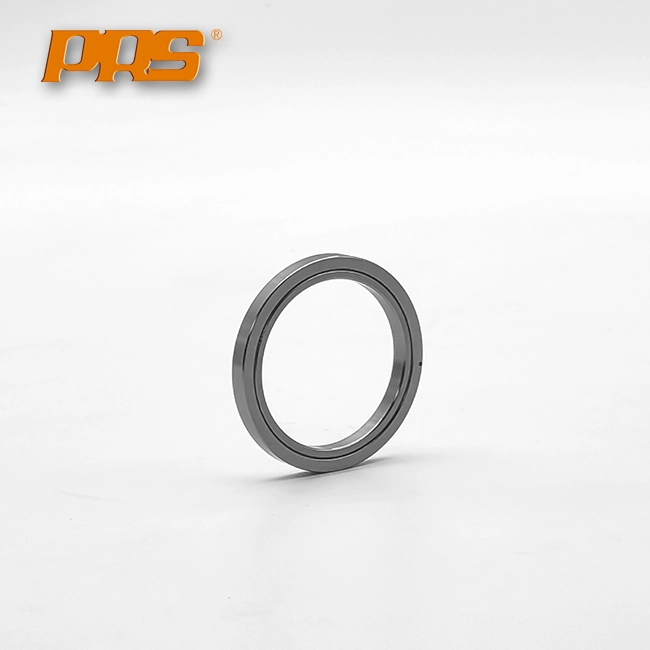
When room is limited and precision engineering is needed, slim bearings are the answer that opens up new design options. These very thin precision parts have smaller cross-sections that keep their full load capacity while taking up very little space—they are usually only 5 mm thick. Robotics, aircraft, and other industries depend on these special bearings to make designs that are small and light without losing performance. As modern machinery needs to make better use of space, slim bearings have become necessary parts in places where every millimeter counts and dependability can't be ignored.
What Are Slim Bearings?
Some precision-engineered rotating parts are called slim bearings. They have very thin cross-sections that make them fundamentally different from regular bearing designs. The most important thing about them is that they can cut down on width by up to 70% while keeping the same inner and outer diameter powers. This means that they can do the same job in a much smaller space.
Engineering Design and Construction
The way these parts are put together uses carefully polished raceways that allow for the best ball positioning within the limited space available. High-quality steel or stainless steel materials are made with great care so that they have the strength and durability needed for effective use. Although the double-sided seal design keeps lubrication in and keeps internal parts clean, it extends the working lifespan even in harsh settings. This method of closing works especially well in cleanrooms and other places where particles getting in would hurt performance.
Operating Principles and Load Distribution
The way these bearings work is by spreading radial, axial, and moment loads efficiently across contact surfaces that were carefully designed. The optimum ball complement keeps the bearings rotating smoothly across the full range of working loads, with little wear and friction. These parts can handle a range of load situations because they have different contact setups, such as rotary, angular, and four-point contact designs. The four-point contact type has a gothic-arch-shaped track that touches the balls in four different places. This lets it handle combined load directions at the same time, which would normally require installing multiple bearings.
Material Science and Precision Manufacturing
Performance qualities are affected by advanced metals in a big way. The makeup of the material gives it high stiffness, which keeps the positional accuracy even when the load changes. The level of accuracy in manufacturing is P4 and P2, which means that all measurements are held to very close tolerances. This level of accuracy is very important for uses that need to be able to repeat positions down to the micron level, like optical measurement systems and tools used to make semiconductors, where consistent dimensions have a direct effect on the quality of the products.
Advantages and Types of Slim Bearings
Procurement managers and design engineers can make better choices that improve performance and cut costs for slim bearings when they know exactly what benefits these parts provide. The benefits go beyond just reducing the number of dimensions; they also include improved operating efficiency and long-term dependability.
Key Performance Benefits
The main benefit comes from efficient use of room, which lets equipment designs be much smaller. Engineers can get the same rotational performance from units that take up 50–70% less space along the axis than standard bearing setups. This small profile directly leads to less weight, which is important in aerospace uses where every gram affects fuel economy and in portable medical tools where the operator's ability to move around is important. Even though the size has been decreased, the load capacity has not changed at all. This is because the internal geometry has been adjusted to spread forces evenly across all contact areas. The high stiffness performance keeps the positional accuracy even when the load changes, meeting the precise needs of challenging uses.
Precision engineering and an efficient design method lead to features with less friction. Frictional resistance goes down when there is little touch area between the rolling elements and the raceways. This makes the spinning smoother and more energy efficient. The lower friction helps keep temperatures under control and makes parts last longer. The double-sided seal configuration keeps out dirt and keeps the right amount of oil in the system throughout all of its operating cycles, which means it lasts longer and needs less upkeep.
Common Bearing Type Variations
The market gives buyers a number of setup choices that can be tailored to their individual needs. Radial contact types use single-row Conrad-type systems. The inner race moves eccentrically within the outer race, making room for about half of a full ball complement. These are the most common configuration for general uses because they handle radial loads best and mild axial loads.
When it comes to slim bearings with angular contact designs, they offer the most power. For the 30-degree contact angle and two-thirds ball complement to work, the bearing must be mounted against another bearing. This design works great in situations where there are strong linear forces and radial loads.
Instead of two different bearings, four-point contact bearings use a single part that can handle radial, axial, and moment loads at the same time. This makes the design simpler. The unique shape of the raceway makes four separate touch places for the balls that efficiently spread the total load vectors.
Different types of materials and coatings make it possible to use in a wider range of tough operating conditions. Corrosion doesn't happen in stainless steel models when they're exposed to water and hard weather. Advanced coating technologies improve efficiency even more in specific situations where high wear resistance or certain heat qualities are needed.
Applications of Slim Bearings Across Industries
Because of their high precision, these parts can be used in a wide range of industries where certain performance qualities meet practical needs. Implementations in the real world show that they can improve the functionality of tools and its place in the market.
Robotics and Industrial Automation
Manufacturers of robots use these bearings in articulated joint systems, which are used in situations where space and weight limits affect how well a tool works. Because it has a small size, design engineers can get the most out of the payload-to-robot-weight ratio while still controlling motion precisely. Reducing the weight of industrial joint robots is especially helpful because it makes them safer when they are interacting with people.
Slim bearings are used in precision positioning systems, spinning tables, and indexing mechanisms by companies that make motion control tools. The high precision and rigidity meet the micron-level repeatable needs of systems that automate and check assembly. System designers like how small bearings make design easier and reduce the size of the equipment while still meeting performance standards.
Aerospace and Defense Applications
For satellite mechanisms to work effectively in vacuum settings and withstanding the stresses of flight, they need to be made of lightweight materials. These bearings are used in antenna positioning systems, solar array drives, and instrument gimbals to keep the weight of the spaceship as low as possible while still ensuring mission-critical stability. In space uses, the sealed design keeps outgassing from being a problem.
Thin-section bearings are used in aircraft control systems and tracking equipment. Reducing weight directly improves fuel economy and operating range. Radar tracking platforms use these parts in azimuth and elevation drives, where small shapes allow for aerodynamic casings that are as smooth as possible. These bearings are chosen by defense companies for guidance systems and aiming devices that must work reliably in harsh circumstances.
Medical Equipment and Diagnostic Devices
Surgical robots need precise rotational control within small joint systems that keep the size of the tool as small as possible. The smooth operation and accurate position help with delicate tasks that need steady, controlled motion. CT scanner gantries spin at high speeds all the time while staying perfectly aligned. For this purpose, thin-section bearings offer the small, steady performance that is needed.
The lighter weight of portable testing tools makes it easier to move around and use. These bearings are built into handheld imaging devices and portable analysis tools so that they can be small without sacrificing durability. The sealed design keeps fluids out in hospital settings where parts are exposed to water and cleaning agents during sterilization processes.
Optical and Metrology Instruments
To keep their standard accuracy, precision measurement systems need to be able to rotate very smoothly and with little runout. Thin-section bearings are used in rotary axes of coordinate measuring machines, optical inspection systems, and metrology tools to make setting repeatability, which in turn affects the accuracy of measurements. These parts are used in focus mechanisms and tracking mounts of camera systems and telescopes where small shapes meet optical design standards.
Procurement Guide: How to Source Slim Bearings for Your Business?
Efficient buying strategies for slim bearings make the supply chain run more smoothly and make sure the quality of the parts meets the needs of the application. Purchasing experts can get the best deals on prices, delivery times, and suppliers when they understand how buying works.
Evaluating Suppliers and Quality Standards
ISO 9001, ISO 14001, and ISO 45001 approvals show that a company's quality management system is complete and up to par. These certificates show that the company is dedicated to consistent quality, caring for the environment, and worker safety throughout all production processes. Pass rates in the factory that are higher than 99.9% show that the process is well controlled, which lowers the number of defects and makes sure that the parts work properly.
Precision machining tools that can keep tight limits on dimensions across production runs should be part of the manufacturing process. Facilities with more than 200 precise tools and well-established manufacturing methods can make sure that applications need consistent production. Suppliers who offer application engineering help are different from those who only do business with you in terms of their technical support skills.
Understanding Lead Times and Inventory Management
Standard versions from well-known manufacturers usually ship within 24 to 48 hours if they are kept in stock. Custom specs for slim bearings that need changes to measurements, special materials, or different ways of sealing usually need 6 to 8 weeks of wait time, based on how complicated the manufacturing process is. Planning your purchase schedules around these dates keeps your projects on track and helps you plan your production more efficiently.
Minimum order numbers are different for each provider and configuration. Standard sizes usually have lower order minimums than custom requirements, which need special production sets. Building ties with providers and keeping a wide range of inventory on hand gives you the freedom to make prototypes and small batches while still meeting the needs for higher volumes as projects grow.
Pricing Considerations and Value Assessment
The price of a component depends on how hard it is to make, the material requirements, the level of accuracy, and the number of orders that come in. P2 precision bearings are more expensive than P4 types because they have to meet stricter tolerances and go through more steps in the making process. Stainless steel versions usually cost more than regular steel versions because they need to be made with more care and cost more in raw materials.
Value assessments should take into account the total cost of ownership, which is more than just the buying price. Components that last longer because they are better sealed or made of better materials may be worth the extra money they cost up front because they need less upkeep and replacing. The skills of the supplier, such as technical support, unique engineering help, and dependable delivery, add value that helps the project succeed in the long run.
Conclusion
Slim bearings have changed the ways things can be designed in many fields where saving room and weight directly affects how well equipment works and where it stands in the market. These carefully designed parts can hold their full weight while having much smaller profiles. This makes it possible for machines to be small and still work well enough for current needs. These bearings have special benefits that make them useful in a wide range of fields, from robots and flight to medical equipment and semiconductor manufacturing. They are especially useful in tight areas where stable rotational performance is needed. Understanding selection criteria, application requirements, and buying strategies helps procurement workers and design engineers make the best choices for parts that improve the usefulness of a product while staying within budget and on time. When these important parts are installed correctly and are regularly serviced, they will work reliably for their entire long working lives.
FAQ
How do slim bearings compare to standard bearings in load capacity?
Even though they have smaller cross-sections, good slim bearings can still handle loads very well because their internal design is tuned to spread forces evenly across all contact surfaces. The technical challenge is to keep the load capacity while keeping the size small. This can be done with special manufacturing methods and precise ball placement. Although standard bearings may be better for situations with very heavy loads, thin-section alternatives work just as well in most industry settings and take up much less room and weight.
Can slim bearings withstand corrosive environments?
Different types of stainless steel are good at resisting corrosion when they are wet or in other harsh weather situations. Internal parts are kept clean by the double-sided seal design, which also keeps harmful agents from getting to important areas. Applications in marine environments, food processing equipment, and chemical processing machines benefit from designs that don't rust and keep working well even in tough circumstances.
What precision grades are available for demanding applications?
For uses that need micron-level accuracy and little runout, manufacturers offer P4 and P2 precise grades. For semiconductor equipment, metrology tools, and optical systems where precision in positioning has a direct effect on product quality, P2 grades offer the tightest tolerances. In robots, medical equipment, and automation systems where high accuracy is still needed but not extreme tolerance levels are needed, P4 grades are used for most precision tasks.
Partner with PRS for Reliable Slim Bearing Solutions
The Luoyang PRS Precision Bearing Co., Ltd. has been making ultra-thin precision bearings that meet the strict needs of current industrial uses for more than 20 years. Our slim bearings, which have profiles that are 5 mm thick and inner sizes that range from 20 mm to 50 mm, give your small designs the space-saving performance they need. The double-sided seal design and P4/P2 precision grades make sure that robots, medical equipment, aircraft systems, and precision automation all work reliably. With ISO 9001, ISO 14001, and ISO 45001 certifications, our 15,000 m² production plant has factory pass rates of more than 99.9%. Our technical team is here to help you with all of your application needs throughout the lifecycle of your project, whether you need standard setups from our large collection that can be sent out 24 hours a day or unique solutions that are made just for you. Get in touch with our engineering team at ljh@lyprs.com to talk about your needs with a reputable slim bearings maker that is dedicated to providing beautiful, stable, and reliable goods that go above and beyond your expectations.
References
Bhateja, C.P., Tribology of Thin Section Bearings, American Society of Mechanical Engineers, 2019.
Harris, T.A. and Kotzalas, M.N., Advanced Concepts of Bearing Technology: Rolling Bearing Analysis, CRC Press, 2020.
Budynas, R.G. and Nisbett, J.K., Shigley's Mechanical Engineering Design: Bearing Selection and Application, McGraw-Hill Education, 2021.
ISO 12044-1:2014, Rolling Bearings - Single Row Angular Contact Ball Bearings - Thin Section Bearings, International Organization for Standardization, 2014.
Hamrock, B.J., Schmid, S.R., and Jacobson, B.O., Fundamentals of Fluid Film Lubrication in Thin Section Applications, Marcel Dekker, 2018.
Khonsari, M.M. and Booser, E.R., Applied Tribology: Bearing Design and Lubrication in Space-Constrained Systems, John Wiley & Sons, 2017.

USER EVALUATE
Here is the customer's evaluation of us
YOU MAY LIKE
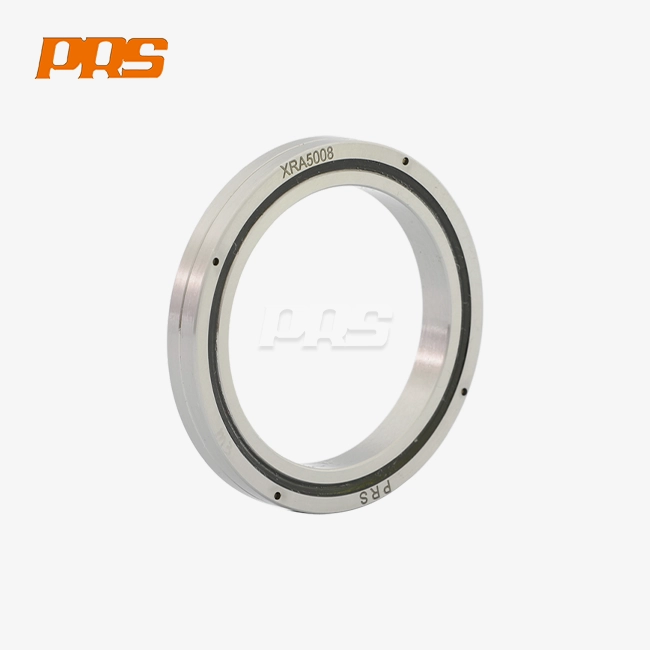 VIEW MORERA robot bearings
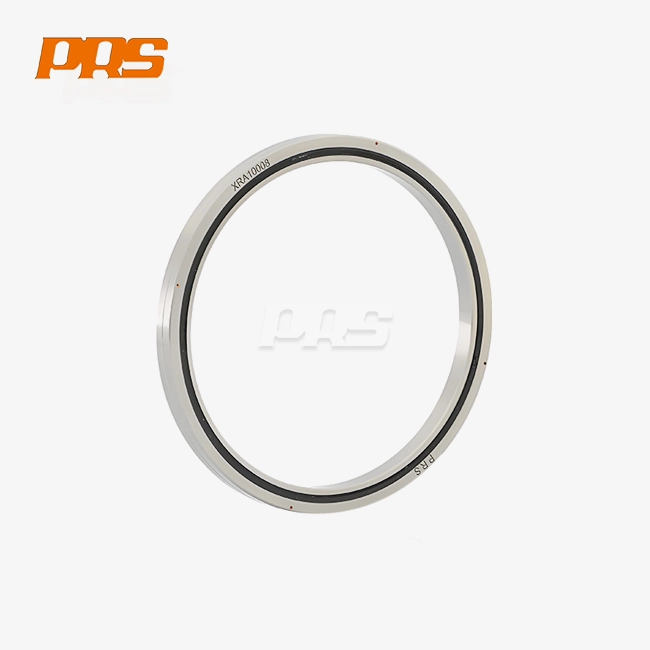 VIEW MORERA Series Crossed Roller Bearings
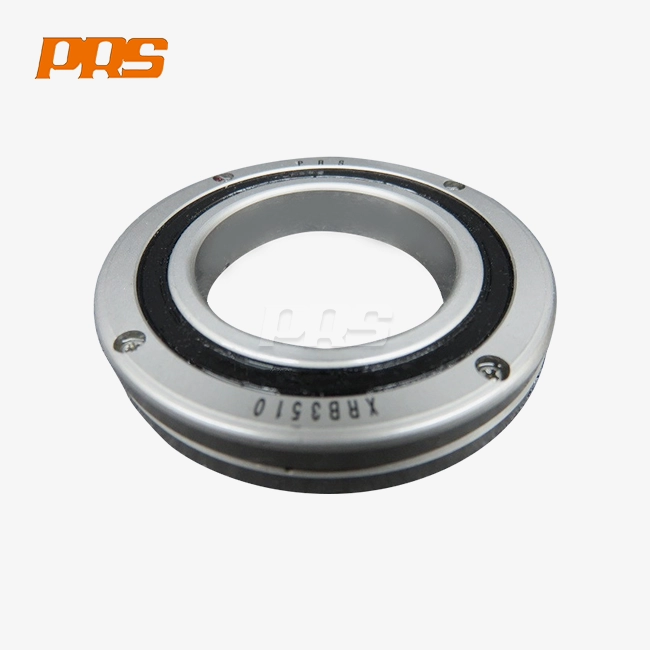 VIEW MOREthin ball bearings
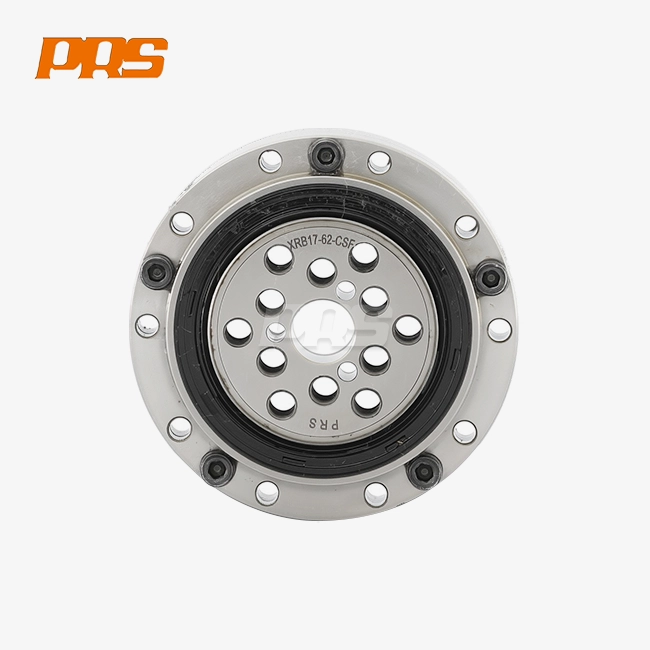 VIEW MOREHarmonic Drive Speed Reducer Bearings
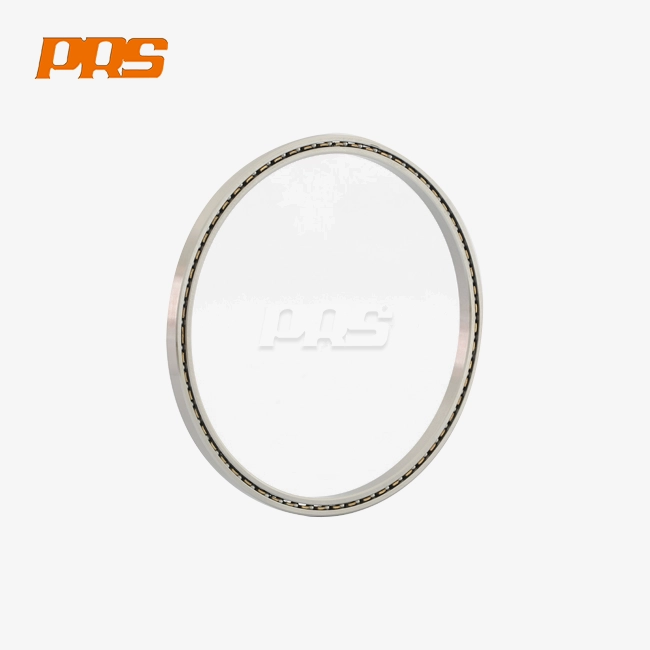 VIEW MOREaxial angular contact ball bearing
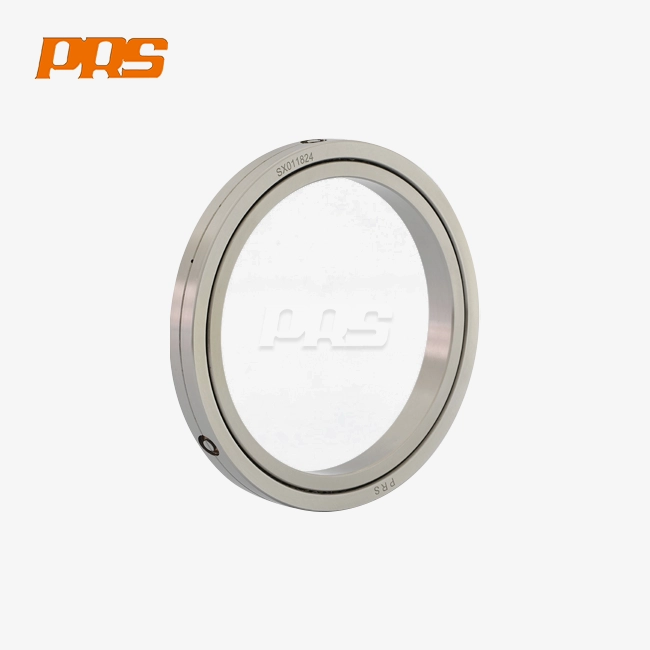 VIEW MORESX Series Cross Roller Bearing
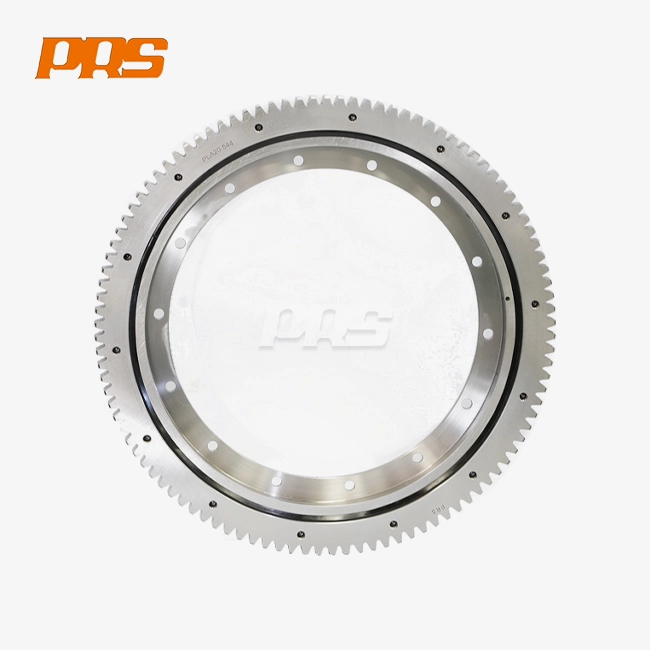 VIEW MOREsingle row ball slewing bearing
 VIEW MOREWind Turbine Slewing Bearing