
Custom Robotic Bearings: When Standard Bearings Are Not Enough
Robot bearings are the quiet workhorses that make every automatic operation successful in today's precision-driven industrial world. Standard off-the-shelf bearings just can't do the job when robotic joints need to be able to place themselves accurately to the micron level and reliably for a million-cycle life. In order to meet the high demands of current robotic systems, custom robot bearings are made with special materials, advanced geometries, and engineering that is tailored to the particular needs of the application. With these precise parts, makers can make robotic solutions that are repeatable and last a long time, which sets them apart from average ones.
Understanding Custom Robot Bearings
What Makes Custom Robot Bearings Different?
Custom robot bearings are very different from the usual way that bearings are designed. Standard bearings are mass-produced for general use, while unique options are made to fit the needs of a particular application. Manufacturers are adding hybrid ceramic parts that, compared to standard steel-on-steel designs, cut friction by up to 40%. High-quality bearing steels, such as 440C stainless steel or vacuum-degassed chromium steel, keep electronic equipment from rusting in cleanrooms. The shape changes; cross-roller arrangements spread weight across many contact points, giving robotic joints the strength they need without adding too much weight.
Types of Custom Bearings for Robotic Applications
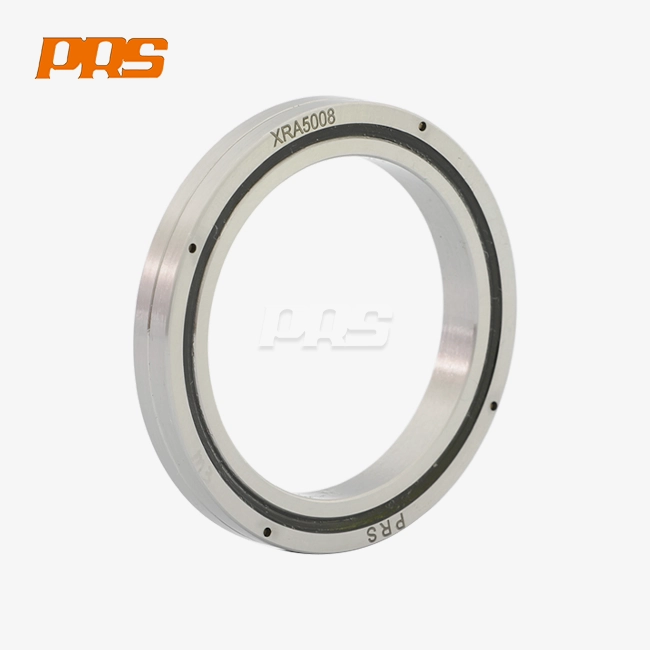
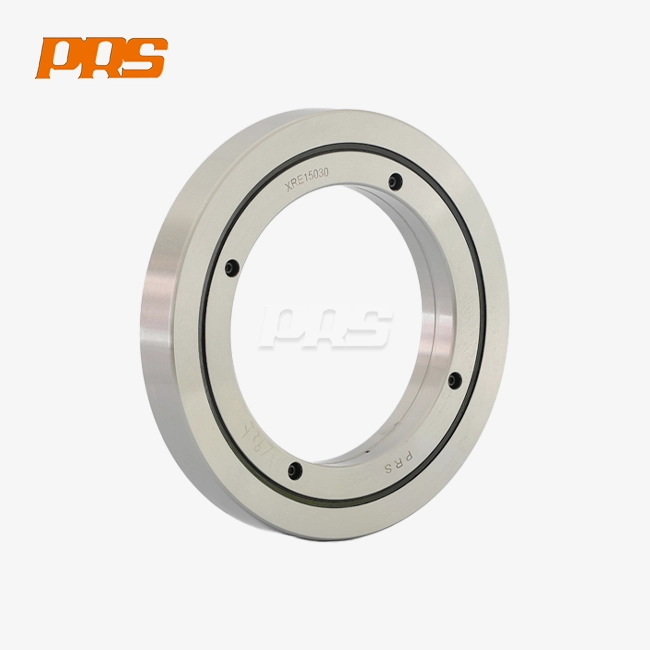
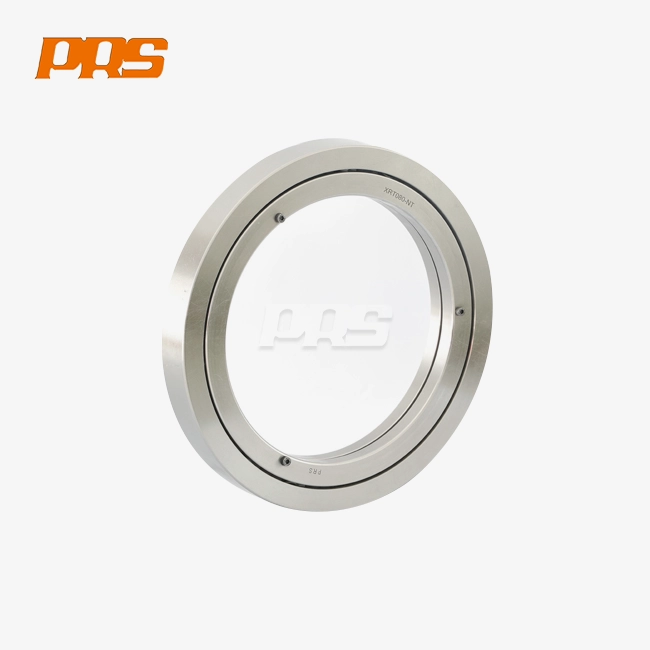
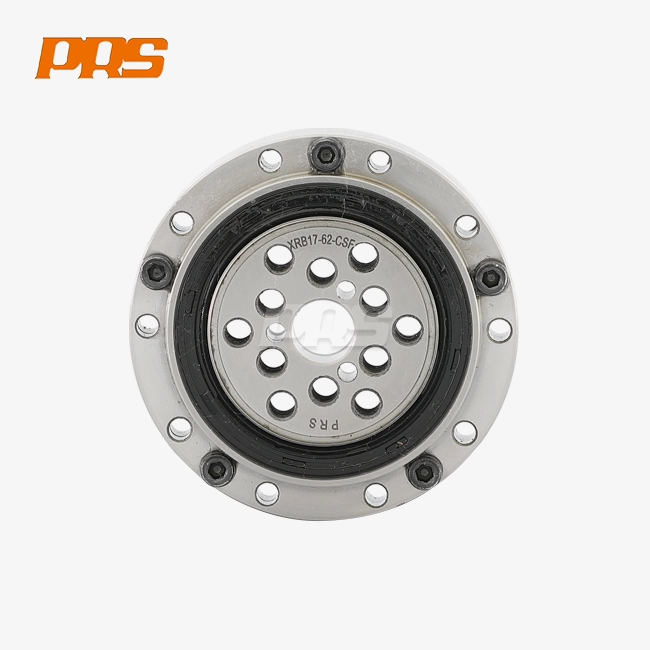
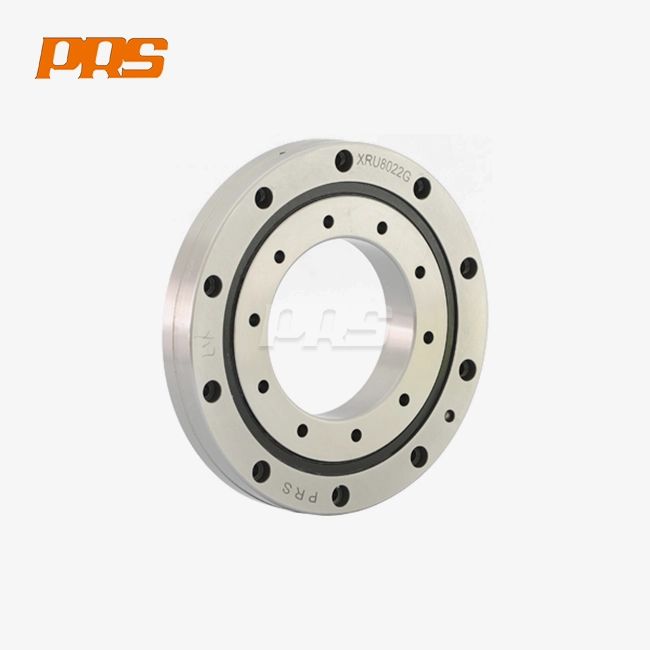
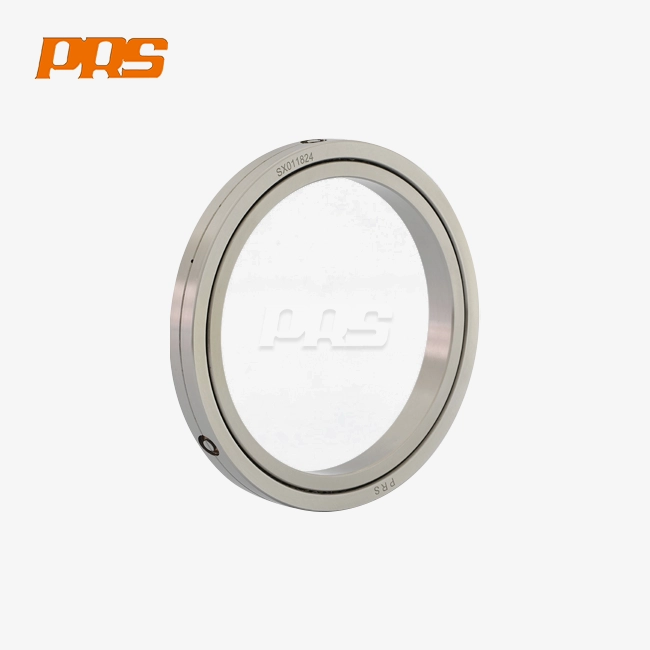
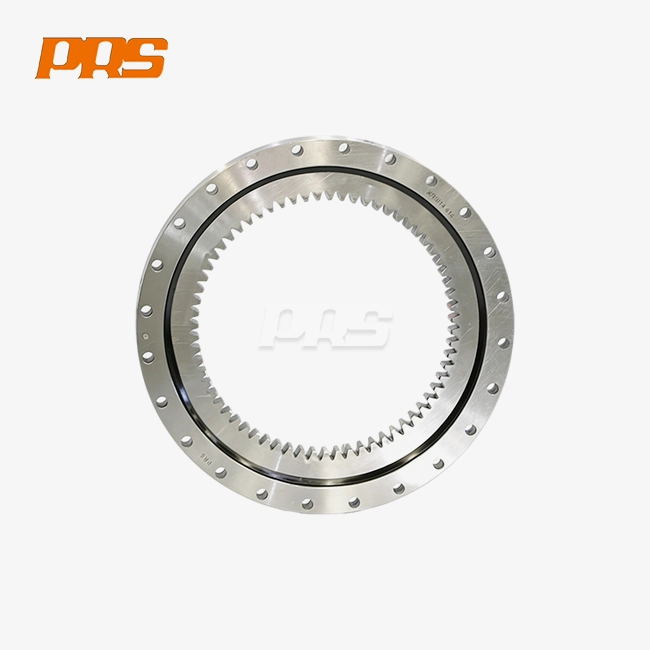
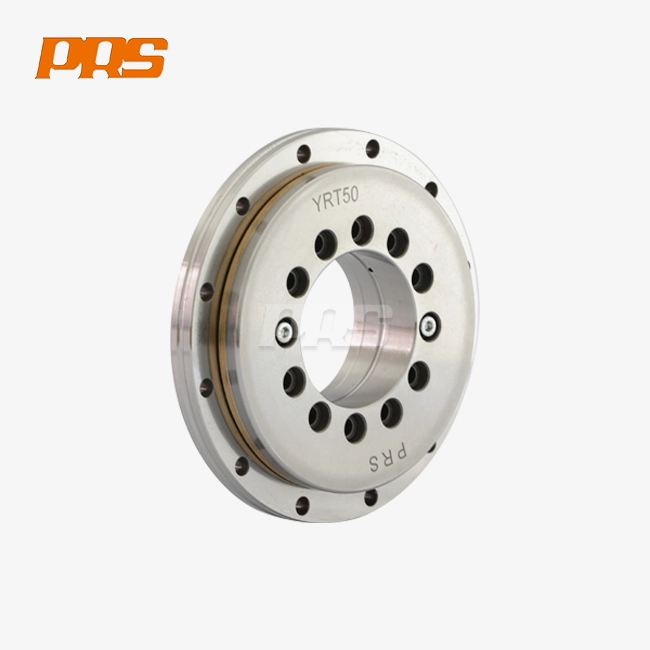
For different robotic uses, different bearing designs are needed. Crossed roller bearings work great in places where a lot of moment loads need to be handled. This makes them perfect for robot spinners and rotary tracking systems. When it comes to small surgery robots, where every millimeter counts, thin-section deep groove ball bearings save room. Angular contact ball bearings give CNC machine tool wheels the axial support they need. The YRT line of turntable bearings can handle radial, axial, and moment loads all in one small unit. This makes it easier to build radar tracking systems. By knowing about these differences, engineers can make sure that the bearing properties are exactly right for the job, instead of pushing standard solutions into niche jobs.
Material Innovation in Precision Bearings
When it comes to special robot bearings uses, performance limits are set by material science. Ceramic hybrid bearings have steel races and silicon nitride rolling elements. They have 60% less thermal expansion and better electrical insulation, which are very important for tools used in electronics manufacturing. Bearing steels that are vacuum-melted can hit hardness levels of 62 to 64 HRC while still being tough, which makes them last longer in high-cycle uses. Coatings with special properties, like titanium nitride or diamond-like carbon, make things less likely to scratch and prevent rust. These important decisions have a direct effect on performance measures that procurement managers care about, such as shorter repair intervals, longer replacement cycles, and a lower total cost of ownership over the lifecycle of the equipment.
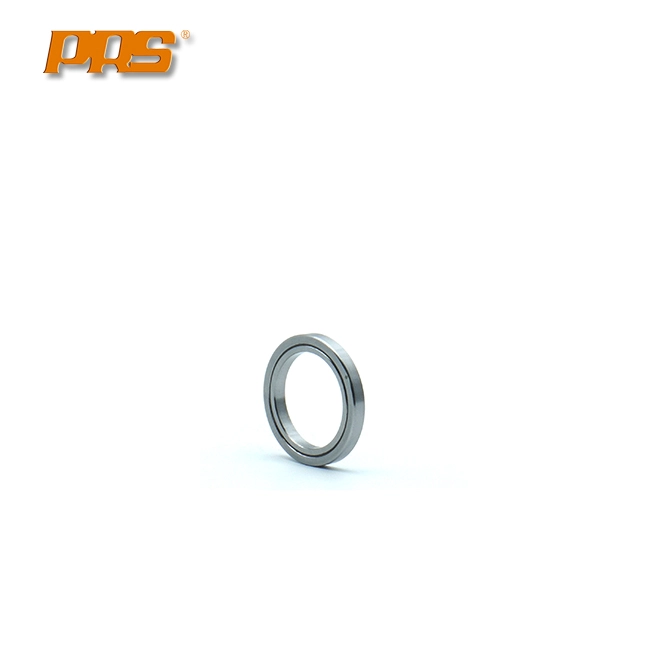
Why Standard Bearings Are Not Enough for Robotics?
Performance Limitations Under Robotic Stress
When standard bearings were made, they were made for regular industrial equipment that works in known ways. Robotic systems like those requiring robot joint bearings have very different problems to solve. A joint robot arm could do 1.5 million positioning cycles a year, moving in both directions in ways that make the loading conditions very complicated. In these situations, standard bearings wear widely, causing play that makes positioning less accurate. When the temperature changes in a cleanroom, the dimensions change in a way that normal bearing spacing can't handle. High-speed robotic actions cause vibrations that cause resonance, which speeds up bearing wear. These real-world situations quickly show that standard robot bearings solutions aren't good enough for precision robotic uses.
Comparative Analysis of Bearing Performance
The results of tests show that standard and unique options are not performing at the same level. Standard deep groove ball bearings can repeat their position to within ±10 microns when they are loaded, while precision crossed roller bearings can repeat their position to within ±2 microns. Standard bearings can be used in robotic joints for about 5,000 hours. Custom precision robot bearings, on the other hand, can be used for 20,000 hours or more because their internal geometry is tuned and their material qualities are better. Changes in friction torque affect how much energy is used and how stable the temperature is. Custom bearings lower torque fluctuation by 70% compared to standard options.
B2B buying managers know that these differences have a direct effect on how things work. In assembly uses, less accurate placing means more scrap. Maintenance costs and production downtime go up when bearings don't last as long. More friction makes heat, which speeds up wear in parts that are close together. No matter how complex the control algorithms or mechanical design are, the whole robotic system doesn't work well if the standard bearings don't meet performance standards.
Total Cost of Ownership Considerations
When people first decide what to buy, they often only think about the unit cost. But lifetime economics tells a different story. Standard bearings might be 30-40% cheaper up front, but they need to be replaced three times more often. Downtime for maintenance costs a lot of money because an auto assembly line makes more than $15,000 an hour, so even short stops are expensive. Custom bearings cut down on unexpected upkeep by making them last longer and showing known wear patterns. When accuracy goes up, rework and quality problems that lower output yield go down as well. Over millions of working cycles, less friction leads to energy efficiency gains. When procurement pros figure out the real total cost of ownership over the life of a piece of equipment over five years, special precision robot bearings always show better economic value, even though they cost more at first.
Choosing the Right Custom Robot Bearings for Your Needs
Critical Selection Criteria
To choose the best robot bearings options, you need to carefully look at the factors that are important for your purpose. Load capacity includes radial, axial, and moment loads. Combined loads that need to be carefully calculated are common for robotic joints. The type of lubrication used and the shape of the cage are affected by the speed. For high-speed uses, special grease formulations that keep their viscosity at high temperatures are needed. Material choice is affected by things like high temperatures, contamination exposure, and chemical interaction. Because of limited space, small robots designs may need thin-section bearings that can carry the most weight within their small area. The type of bearing depends on how precise it needs to be. For example, P4 grade is accurate enough for most workplace robots, but P2 precision is needed for medical imaging equipment.
By knowing these factors, engineers can come up with complete bearing specs that suppliers can use to give accurate quotes. When specs aren't full, it leads to solutions that don't work well enough or that go beyond what is needed, which raises costs without adding any useful features.
Material Selection Strategy
The choice of material for robot bearings has a huge effect on how well robot bearings work in a variety of circumstances. All-steel bearings made from high-carbon chrome steel can hold a lot of weight and are a good value for general industrial machinery. Food processing tools and medical equipment made of stainless steel don't rust, but they can't hold as much weight. Ceramic hybrid bearings work great in high-speed situations and places that are sensitive to electricity, like equipment used to make semiconductors, where electrical current passing through bearings can damage them by making pits. Full ceramic bearings are very resistant to rust and can work at high temperatures, but they are very expensive and should only be used in certain situations.
Instead of automatically choosing the most expensive choices, engineers should match the qualities of materials to the most important performance needs. Ceramic elements that are very expensive don't help a joint robot that works in a controlled workplace setting much, but a cleanroom wafer handling system makes a big difference in reliability, which makes the investment worth it. This focused method gets the best performance-to-cost ratios for a wide range of uses.
Precision Class and Accuracy Standards
Bearing precision classes set the limits for measurement and rotational accuracy, which have a direct effect on how well the system works. ABEC-3 (ISO Class 6) is the normal industry quality that can be used in non-critical situations. ABEC-7 (ISO Class 4 or P4) offers better accuracy and can be used for most robotic joints and machine tool tasks that need positioning accuracy within 5 microns. ABEC-9 (ISO Class 2 or P2) provides the ultra-precision needed for measurement tools and medical imaging devices that need consistency of less than one micron. More accurate classes have higher prices—P2 bearings are three to four times more expensive than P4 equivalents—so choosing the right class is important from an economic point of view.
Professionals in procurement should make sure that precise needs are met by real system needs. If you over-specify precision, you pay more for nothing, and if you under-specify precision, you lose speed and dependability. Talking to bearing makers during the design process helps set the best precise goals that meet performance needs and stay within budget.
Procurement and Supplier Insights for Custom Robot Bearings
Global Supply Landscape
The precision robot bearings market is made up of well-known companies mainly located in industry areas where engineers have a lot of experience. European companies have traditionally been the leaders in ultra-precision markets that serve machine tool and measurement needs. Japanese companies are great at making small, fast bearings for electronics and robots. Chinese manufacturers are quickly improving their technical skills and giving low prices, especially when it comes to custom solutions that replace expensive bearings that are imported. Knowing the strengths of each area helps procurement managers find the best sources for each application.
Effective sourcing strategies for robot joint bearings balance different sources to lower the risks in the supply chain while keeping enough volume concentration to get good business terms. Before negotiating about prices, you should do a technical review of the manufacturing skills, quality systems, and technical support infrastructure. Ask for sample evaluation amounts to be tested for validity in real-world working situations. When a bearing provider does a good job, they don't just fill orders; they become long-term partners who provide technical help throughout the lifecycle of a product.
Evaluating Supplier Credibility
Assessing a supplier means looking at a number of signs that show how well they can make things and how reliable their business is. ISO 9001 approval shows basic quality management systems, but it's not enough to guarantee exact parts by itself. IATF 16949 certification means that the quality standards used in the car business can be used in demanding situations. AS9100 approval means that a system meets aerospace-level quality standards, which include strict process control and tracking. Ask for site checks to see the manufacturing processes, inspection tools, and quality record systems for yourself.
Customer examples give you more information about how well a company does than what they say in their marketing materials. Talk to people who have already bought similar products to find out how reliable the delivery is, how quickly technical help responds, and how well problems are solved. An review of production capacity makes sure that providers can increase volumes as programs grow without lowering quality or delivery times. Credit reporting services that check a company's financial health protect against supply problems caused by businesses going out of business.
Commercial Considerations and Logistics
Custom robot bearings prices vary a lot depending on how complicated the specifications are and how many are ordered. Due to setup costs, small prototype numbers have higher per-unit costs. Production volumes above 500 units per year usually qualify for bulk price that lowers unit cost by a large amount. For unique designs, tooling costs need to be paid up front, but they are spread out over a number of production runs. Most payment terms are 30-day net, but new providers may need deposits or lines of credit until they can start doing business with you.
Lead times rely on how complicated the bearing is and how the production is planned. Standard patterns that have been changed to include small changes to the dimensions usually arrive within 4 to 6 weeks. Fully customized designs that need special tools add 8 to 12 weeks to the time frame. When urgent needs call for faster production, rush plans may be able to be handled at a higher cost. When planning logistics, things to think about include how to protect delicate parts during shipping, how to choose the best freight method by weighing cost and delivery time, and how to pay import taxes when buying from other countries. Setting up framework deals with chosen suppliers makes it easier to place repeat orders and protects capacity during times when supplies are low.
Conclusion
Custom robot bearings give modern robotics the accuracy, dependability, and longevity it needs. Standard bearings don't have the performance qualities needed for uses where accuracy down to the micron level and a million-cycle life give a competitive edge. Engineers can come up with the best solutions for a given application by knowing the different types of bearings, the materials that can be used, and how to choose them. Proper installation and care will improve the performance and service life of bearings, and smart partnerships with suppliers will make sure that you can get high-quality parts backed by technical knowledge. When you buy the right custom bearing solutions, you lower your total cost of ownership, cut down on production downtime, and get the precision that sets industry-leading automation systems apart from good ones.
FAQ
What performance advantages do custom robot bearings provide over standard options?
Custom robot bearings improve positioning accuracy by three to five times compared to standard bearings, usually staying within two to three microns of the original position instead of ten microns for standard designs. The service life is extended by two to four times thanks to better materials and improved internal shape that doesn't wear down when robotic loads are applied. Less change in friction torque makes it more energy efficient and stable at high temperatures. Higher rigidity lets cycle times go faster without losing accuracy. These improvements in performance directly lead to better quality production, lower upkeep costs, and higher rates of machine utilization.
How can I make accurate robot bearings last longer for robotics uses?
Maintain clean working surroundings and stop contamination from getting in by closing well. Keep an eye on the working temperatures and sound levels to spot problems before they get too bad. Follow the manufacturer's instructions for lubrication exactly—using the right grease and re-lubricating at the right times will keep 50% of bearings from breaking. Do not operate above the maximum load and speed limits. For a good fitting, make sure the preload and balance are right. Instead of reactive repair plans, use vibration analysis to set up preventative maintenance programs.
Where can I find reliable sources for large orders?
Get in touch with precision robot bearings makers that have quality systems that are backed up by documentation, such as ISO 9001 certification and industry-specific standards like IATF 16949 for cars or AS9100 for aircraft. Ask for customer examples and do facility checks to make sure the factory can make what you want. Industry groups and expert workshops offer chances to meet qualified sources and make connections. Think about makers that offer more than just supplying parts. In precision applications, a professional partnership is more valuable than a simple transactional buying relationship.
Partner with PRS for Superior robot bearings Solutions
For more than 20 years, Luoyang PRS Precision Bearing Co., Ltd. has been the leader in custom robot bearings solutions for the toughest robotic uses. Our YRT turntable bearings, thin-section angular contact bearings, and crossed roller bearings all meet P4 and P2 precision levels, giving robot makers the accuracy and dependability they need. As a well-known provider of precision robot bearings, we help engineers find the best answers for their specific problems by combining advanced manufacturing with quick expert support. Our team knows how to turn application requirements into bearing standards that work perfectly for millions of cycles, whether you're making joint robots, medical imaging equipment, or systems for making semiconductors. Email our engineering team at ljh@lyprs.com to talk about your unique needs and find out how robot bearings can enhance the performance and stability of your robotic systems.
References
1. Harris, T. A., & Kotzalas, M. N. (2006). Essential Concepts of Bearing Technology. CRC Press, Boca Raton, Florida.
2. Schreiber, M., & Schmidt, R. (2018). Precision Bearings for Industrial Robots: Design Considerations and Performance Optimization. Journal of Mechanical Engineering Science, Vol. 232, Issue 8, pp. 1453-1467.
3. Budynas, R. G., & Nisbett, J. K. (2020). Shigley's Mechanical Engineering Design, 11th Edition. McGraw-Hill Education, New York.
4. ISO 492:2014. Rolling Bearings - Radial Bearings - Dimensions and Tolerances. International Organization for Standardization, Geneva, Switzerland.
5. Weck, M., & Brecher, C. (2006). Machine Tools Production Systems: Design and Element Calculation. Springer-Verlag, Berlin.
6. Neale, M. J. (Ed.). (2001). The Tribology Handbook, 2nd Edition. Butterworth-Heinemann, Oxford, United Kingdom.

USER EVALUATE
Here is the customer's evaluation of us