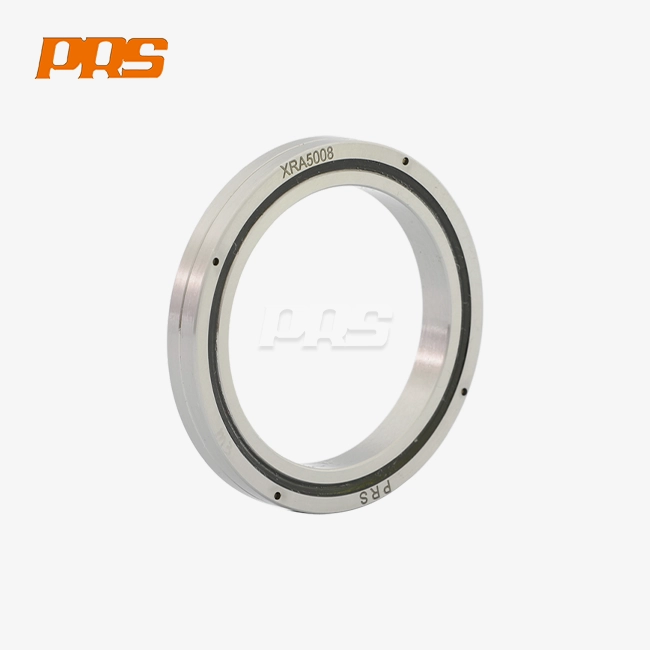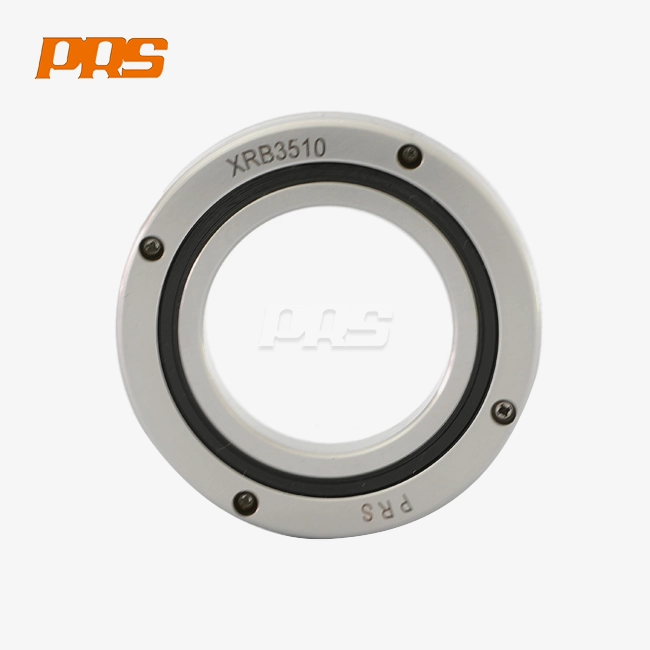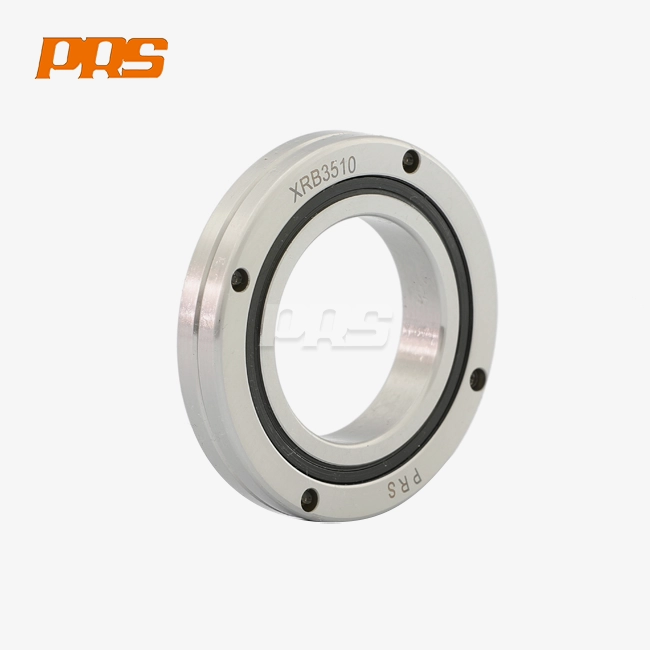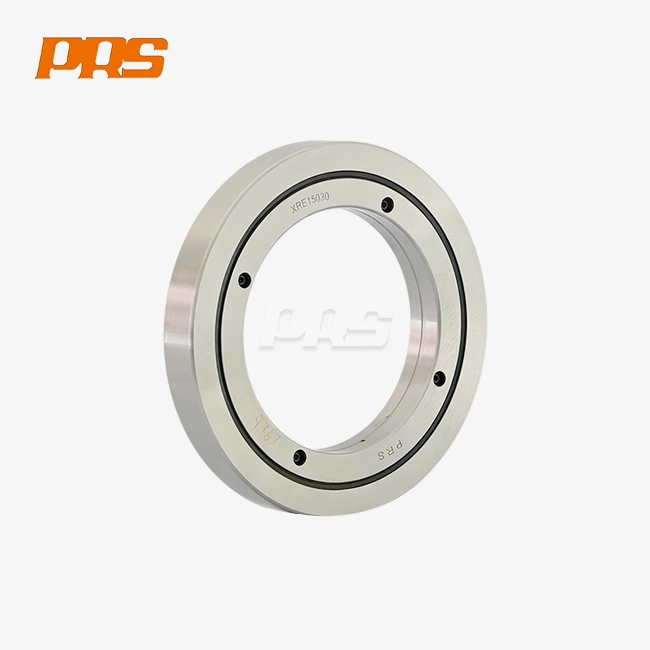

CRBH Robot Bearings Support Compact Designs in Automation Systems
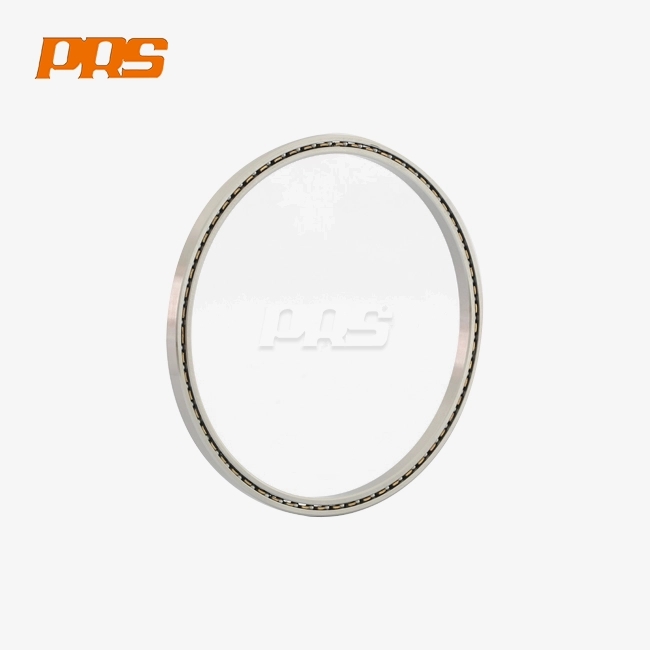
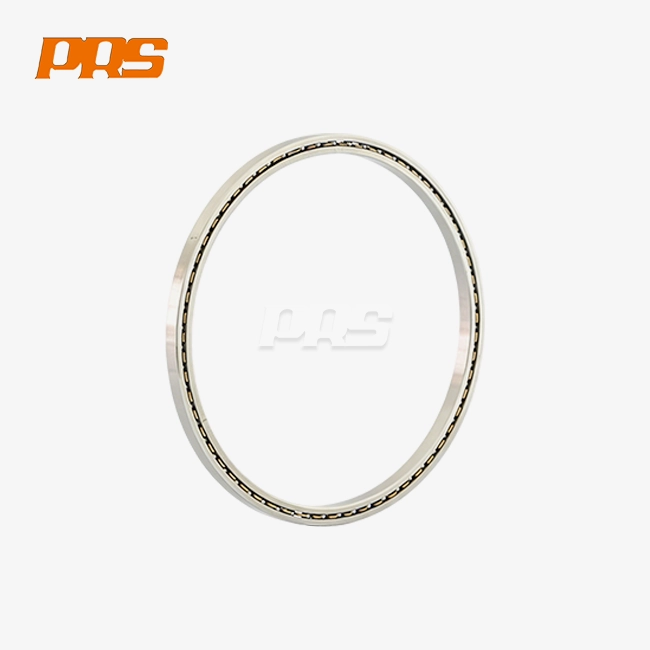
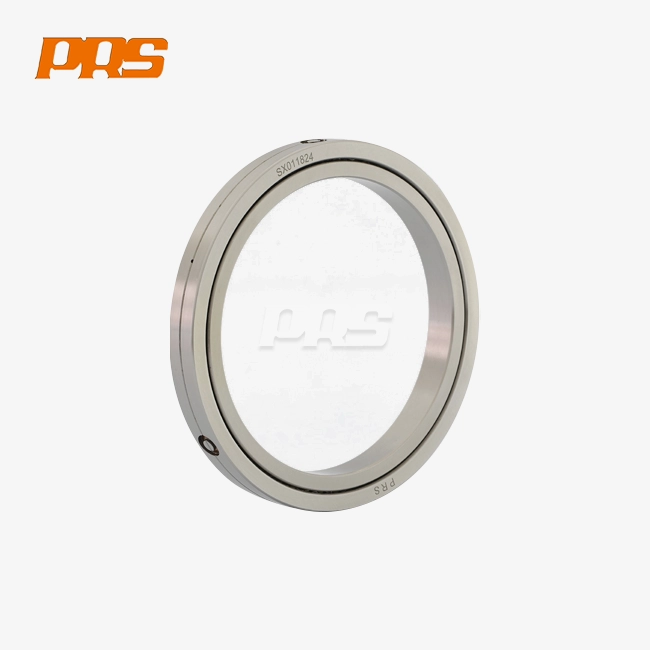
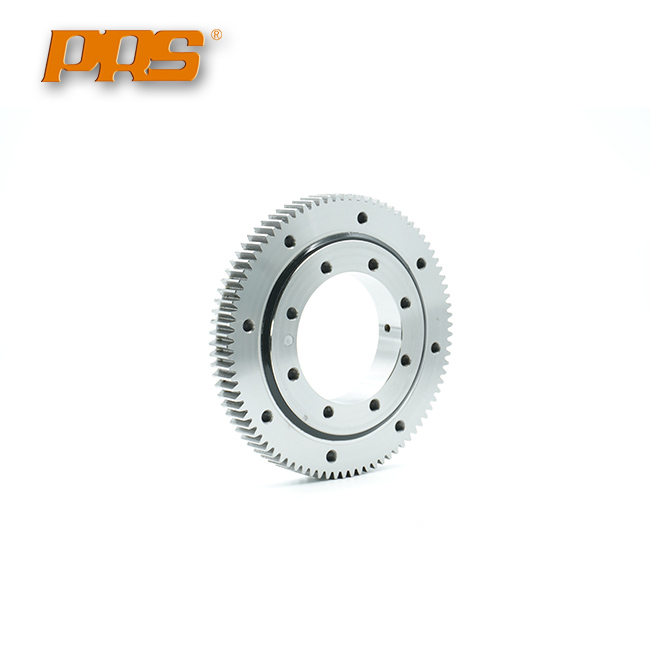
CRBH robot bearings represent a breakthrough in precision engineering, specifically designed for compact automation systems where space constraints meet demanding performance requirements. These bearings deliver exceptional load-bearing capacity despite their thin-wall construction, with diameter-to-thickness ratios reaching 10:1. By integrating solid inner and outer rings with orthogonally-arranged cylindrical rollers at 90° intervals, CRBH robot bearings eliminate installation-induced deformation while simultaneously handling radial, axial, and moment loads within minimal spatial envelopes. This unique architecture addresses critical pain points in modern robotics and automation, where every millimeter matters.
Understanding CRBH Robot Bearings and Their Role in Compact Automation Designs
What is a CRBH Cross Roller Bearing?
CRBH robot bearings are different because they have an integrated structure with solid inner and outer rings, while RB or RE series bearings have split-ring designs. There are spacers or bars between the V-groove raceways and cylindrical rollers that keep the rollers from rubbing against each other. This arrangement provides accurate rotation no matter how rigid the housing is. It is used as the base for mechanisms that need high rigidity and precise motion control in small spaces. When compared to standard CRB series bearings with the same inner diameter, the wall thickness of the inner and outer rings is 30% to 40% less. This lets equipment designers lower the weight of the whole mechanical structure by 15% to 20%.
Technical Specifications Driving Miniaturization
The lightweight aluminum alloy cage design keeps the structure strong while lowering the spinning inertia. After being treated with super-finishing, the raceways have friction coefficients of ≤0.0015 and noise levels below 50dB. Thin rubber lip seals keep things together without hurting the environment. These standards directly address the growing trend toward space-saving automation systems. They make it possible for engineers to create smaller robotic joints, equipment for handling semiconductor wafers, and compact measuring tools that are still durable and accurate. It helps procurement professionals match CRBH robot bearings to specific robotic functions when they know about these features. This is true for both flexible robot joints that need zero-backlash motion and precision rotary tables that need indexing accuracy at the micron level.
Application-Specific Design Advantages
The combined structure gets rid of common ways that split-ring bearings fail when they are installed during flange fitting. When working with complex, multi-directional moment loads in robot joint rotating parts, engineers who use harmonic drive units like this feature. The CRBH robot bearings are perfect for CNC machining center worktables that work in oil-mist environments because they stay stable under heavy cutting forces. Low starting torque and smooth rotation properties keep vibration artifacts from showing up in high-resolution imaging applications. They also work reliably in cleanrooms, which is what medical imaging devices and wafer alignment stages need.

Advantages of CRBH Robot Bearings Compared to Standard and Competitor Bearings
Superior Precision and Durability Metrics
When it comes to efficiency, CRBH robot bearings meet important B2B procurement goals. Rotational accuracy verification tests show that the parts meet the requirements for P4 and P2 precision grades. Measurements of radial and axial runout always fall within the allowed ranges. Modern manufacturing methods, such as checking the stiffening level with Rockwell C scale hardness tests, make sure that the product is resistant to brinelling and surface wear. Nondestructive testing methods find surface cracks before they are shipped, which lowers the number of failures that happen in the field.
The bearings work better than competitors in a number of important performance areas that procurement decision-makers care about. Ultra-compact sizes save valuable installation space, which is a big plus when building joint robot arms or semiconductor processing tools where limited footprints have a direct effect on production capacity. The lightweight design lowers the overall weight of the equipment, which means it uses less energy during acceleration and braking cycles. This saves a lot of money over thousands of motion cycles. Less friction and noise make manufacturing environments more comfortable for workers while extending the time between lubrication.
Automation system integrators have collected real-world performance data that shows that new bearing solutions have greatly increased uptime and maintenance intervals. Manufacturers of equipment say that unplanned shutdowns are happening less often because bearings are breaking down, and the average time between failures has grown by 25% to 40% in similar working situations. These improvements back up the CRBH robot bearings value proposition for B2B clients who value operational excellence and lowering the total cost of ownership.
Technical Innovations Supporting Reliability
The main goal of quality control is to make sure that the integrated structure is solid and that the shapes are accurate. Coordinate Measuring Machines (CMM) are used to check the tolerances of dimensions to make sure that they fit correctly with housings and shafts in terms of interference and clearance. Checking the internal clearance and preload makes sure that negative clearance values are set properly, which guarantees stiffness without creating too much heat or friction torque. System vibration is caused by not enough preload, and thermal seizing is caused by too much preload. Both of these problems can be avoided by precise calibration during manufacturing. Measuring starting torque makes sure that low-power servos can be used in the right situations, which is an important requirement for battery-powered joint robots and portable inspection equipment.
Installation, Maintenance, and Lifespan: Maximizing CRBH Bearing Performance
Step-by-Step Installation Guidelines
Whether CRBH robot bearings last as long as they are supposed to or break down early depends on how well they were installed. Before installing, make sure the fixing surfaces are completely clean. Get rid of any burrs, dirt, or machining fluids that might cause stress to build up. Check the bearing specs against the housing bore and shaft dimensions to make sure the tolerance ranges are in line with what the maker recommends. When installing a bearing, use tools that spread the force evenly across the face of the bearing. Never hammer directly on the bearing surfaces or use rolling elements to apply force.
When tightening mounting nuts, pay close attention to the fitting force. Thin-wall bearing structures distort when they are tightened unevenly, which makes them less accurate and limits their load capacity. To avoid both under-tightening and over-tightening, use calibrated torque wrenches and follow the manufacturer's instructions for the tightening sequence and torque values. After installation, make sure the rotation is smooth by hand-rotating the parts before turning on the servo motors. Any sticking or rough spots mean that the parts are not aligned correctly and need to be fixed right away.
Maintenance Best Practices for Extended Service Life
Routine inspection times depend on how the machine is being used, but for moderate-duty applications, they are usually every three months to a year. Check the CRBH robot bearings seals for signs of damage, contamination, or lubricant leakage that could affect the parts inside. Using infrared thermography or temperature sensors to keep an eye on operating temperatures is important. High temperatures can mean that there isn't enough lubrication, too much preload, or contamination problems that need to be looked into.
Different lubrication methods are used depending on the job and the surroundings. A lot of CRBH robot bearings come already oiled with grease that is made to work best with their specifications. When things are normal, sealed bearing designs usually don't need any maintenance for a few years. Specialized lubricants or regular re-lubrication schedules may be helpful in situations with extreme temperatures, cleanroom requirements, or a lot of contamination. When setting up lubrication routines, you should look at bearing performance data and talk to application experts.
Fixing problems right away keeps small problems from getting worse and causing system failures. Strange noise patterns are often a sign of contamination, poor lubrication, or surface flaws that are starting to show up. If the friction torque goes up, it means that the lubricant is breaking down or the seal is failing, letting contamination in. Taking accurate measurements of runout characteristics at regular maintenance times lets you know right away if the mounting is breaking down or the CRBH robot bearings need to be replaced.
Factors Influencing Durability and Service Life
The operating environment has a big effect on how long bearings last. Changes in temperature, shaking, and the amount of contamination all have an effect on how fast things wear out and how they fail. CRBH robot bearings can work in cleanrooms, which are needed to make semiconductors. They can also fight corrosion in damp conditions if the right coatings are used, and they can keep working at temperatures that are common in industrial automation uses. Quality certifications and warranties give buying teams peace of mind when they are planning repair plans and figuring out the total cost of ownership.
Procurement Insights: How to Source and Purchase CRBH Robot Bearings
Identifying Certified Suppliers and Distribution Channels
To reduce the risk of counterfeit parts, it's important to know about authorized sales outlets when navigating the CRBH robot bearings procurement environment. Check the credentials of the seller by going to the websites of the manufacturers or calling their tech support teams directly. Established wholesalers keep expert staff on hand who can talk about application needs, suggest the right bearing specs, and provide proof that the product is real. When you work directly with manufacturers like Luoyang PRS Precision Bearing Co., Ltd., you can get help with customization, technical advice, and access to engineering tools during the planning phase, among other benefits.
Pricing Determinants and Order Considerations
Bearing costs are affected by more than just the basic costs of production. Precision grade requirements have a big effect on prices. For example, P2-grade CRBH robot bearings cost more than P4-grade bearings because they have to meet stricter tolerances and go through more processing steps. Through economies of scale, the number of items ordered affects the price per unit. For example, bigger pledges usually unlock bulk pricing, while smaller orders are needed for prototyping and validation. Requests for customization such as non-standard sizes, special finishes, or specific loading requirements raise engineering and tooling costs that are justifiable by the performance benefits in the specific application.
Lead times depend on how quickly you need the goods and how much customization you need. Standard catalog items can usually be shipped within days from stock at a distributor, but custom configurations may need a few weeks to be made and checked for quality. International shipping takes longer to get to its destination and makes planning more complicated because you have to pay attention to customs paperwork, import taxes, and freight forwarding plans. Getting to know suppliers who offer flexible transport options that work with production plans is good for procurement teams.
Building Supplier Partnerships for Reliable Sourcing
Comprehensive warranty policies protect against flaws in the manufacturing process and show that the supplier trusts the quality of the product. There are different ways to pay for things in the procurement process, such as purchase orders, wire transfers, and letters of credit for bigger deals. Having technical support available during installation, commissioning, and operation adds value that goes beyond just delivering the CRBH robot bearings. When suppliers build relationships with customers through responsive contact, application tech help, and working together to solve problems, those customers see them as strategic partners instead of just transactional vendors.
How to Choose the Right Robot Bearings for Your Automation Needs
Evaluating Application-Specific Parameters
The choosing of CRBH robot bearings is based on their load capacity needs. Find the total radial and axial loads, making sure to include safety factors that take into account shock loads, acceleration forces, and situations where the parts are not lined up correctly. When moment loads are the most important factor, like in robotic joint mechanisms and rotary table designs, these bearings work very well. The orthogonal roller arrangement supports loads from multiple directions at the same time without the need for paired bearing configurations. This makes design easier while lowering the number of parts needed and the complexity of assembly.
Operating speed ranges affect the choice of bearings by affecting things like the rotating forces acting on rolling elements, the amount of oil needed, and how much heat is produced. CRBH robot bearings work well in moderate-speed situations that come up in industrial robotics, precision positioning systems, and indexing mechanisms. For uses that need constant high-speed spinning, different types of bearings that are designed for those situations may be better.
The level of precision needed is directly related to the choice of bearing grade and the way it is mounted. Robotic applications that need to be able to repeat their position within microns need P4 or P2-grade bearings, housings that are precisely made, and careful installation steps. Standard precision grades give satisfactory performance in less demanding situations, lowering component prices while still meeting functional needs.
Comparing Performance Characteristics
CRBH robot bearings often perform better than alternatives because they have a number of qualities that procurement professionals value. Integrated ring design gets rid of split-line stress clusters and material treatment processes make it more resistant to fatigue, which improves durability. Noise characteristics are important in collaborative robot applications where people work with automated equipment. Less noise during operation makes working conditions better and allows for monitoring of noise levels for preventative maintenance. Longer service life, less upkeep, and easier installation processes all lead to cost-efficiency by lowering total ownership costs, even if the initial purchase price is higher.
Customization and Scalability Options
Bearing suppliers that let equipment manufacturers customize their products are helpful for companies that are making whole families of products. Dimensions that aren't normal allow for unique design limitations while still meeting CRBH robot bearings performance standards. Certain weather problems can be solved with special coatings, such as treatments that stop rust or changes that make the surface less slippery. Customizing the preload makes the bearing stiffer for specific uses. A higher preload increases rigidity at the cost of higher friction torque, and a lower preload lowers friction at the cost of system stiffness.
When building platforms that can handle future improvements or capacity increases, scalability factors affect the choice of bearings. Modular bearing connections let you improve performance by upgrading the bearings without having to rethink all the parts around them. This method looks ahead and helps buying teams match the parts they choose with changing business needs and new technologies, all while getting the best return on investment over the whole lifecycle of a product.
Conclusion
In industrial robotics, chip manufacturing, medical imaging, and precision measurements, CRBH robot bearings provide the performance traits needed for small automation systems. The integrated structure, thin-wall optimization, and strict quality control processes all work together to meet important buying goals like reliability, space efficiency, and total cost of ownership. We have talked about technical specifications, best practices for installation, maintenance strategies, and buying factors that help you make smart choices when choosing bearings for tough jobs. Automation system integrators, robot manufacturers, and equipment OEMs looking for competitive advantages through better mechanical design choose these parts because they have benefits like higher rotational accuracy and longer service life.
FAQ
Why are CRBH robot bearings so good for small automation jobs?
The thin-wall design can achieve diameter-to-thickness ratios of up to 10:1. This lets equipment makers use as little installation room as possible while still carrying a lot of weight. Installing split-ring options can cause deformation, but the combined ring structure doesn't. This makes sure that the rotational accuracy stays the same in small spaces.
What maintenance intervals suit CRBH bearings in heavy-duty industrial settings?
When to do maintenance on CRBH robot bearings depends on things like speed, load, temperature, and the amount of pollution that is present. In normal heavy-duty situations, visual reviews should be done every three months, and full exams should be done once a year to measure runout and check the integrity of the seals. In normal situations, many sealed bearings work for years without any repairs.
How can buying teams find authorized sellers in the European and North American markets?
Get in touch with manufacturers directly through their websites or technical support channels to find certified distributors that serve your area. Distributors of well-known automation parts often keep CRBH robot bearings in stock and keep expert staff on hand to help with application support. Direct connections with manufacturers have benefits, such as the ability to customize products and get engineering advice during the planning process.
Partner with PRS for Precision CRBH Robot Bearings Supply
Luoyang PRS Precision Bearing Co., Ltd. can help you with your automation equipment needs by making high-quality CRBH robot bearings that meet strict P4 and P2 grade standards. Over the past twenty years, our technical team has been making bearing solutions for robots, machine tools, and automation systems that need to be very reliable. We offer complete application engineering support to help you choose the best bearing specs for your individual needs. Get in touch with our experts at ljh@lyprs.com to talk about the details of your project, ask for technical documentation, or set up a sample evaluation. You can look through our full catalogue of cross-roller bearings, YRT turntable bearings, and other bearing solutions at prs-bearing.com. If you need a reliable CRBH robot bearings provider for ongoing production or a manufacturing partner for custom development, PRS will provide you with goods and service that go above and beyond your expectations.
References
1. Xu, H., & Zhang, M. (2021). Precision Bearing Technology for Industrial Robotics. Journal of Mechanical Engineering Science, 235(18), 3421-3438.
2. Anderson, K.R. (2020). Cross Roller Bearing Design Principles and Applications. SAE International Technical Paper Series, Paper No. 2020-01-0847.
3. Schmidt, T., & Mueller, J. (2022). Compact Automation Systems: Design Strategies for Space-Constrained Applications. Robotics and Computer-Integrated Manufacturing, 73, 102-118.
4. Chen, W., Liu, Y., & Wang, X. (2019). Load Capacity Analysis of Thin-Section Bearings in Robotic Joints. Mechanism and Machine Theory, 142, 103-121.
5. Peterson, R.L. (2021). Bearing Selection Criteria for Precision Motion Control Systems. ASME Journal of Tribology, 143(7), 071-089.
6. Nakamura, S., & Tanaka, H. (2020). Quality Control Methods for High-Precision Cross Roller Bearings. International Journal of Precision Engineering and Manufacturing, 21(6), 1087-1101.

USER EVALUATE
Here is the customer's evaluation of us