


How Slewing Bearings Improve Performance in Heavy Machinery Applications
Slewing bearings serve as the rotational backbone of heavy machinery, enabling equipment to handle massive combined loads while maintaining smooth, precise movement. These specialized components simultaneously accommodate axial forces, radial stresses, and overturning moments within a single compact assembly. By eliminating the need for multiple bearing arrangements and complex shaft systems, they directly enhance operational efficiency, reduce maintenance intervals, and extend equipment service life. Heavy machinery operators who optimize bearing selection and maintenance protocols consistently report improved uptime, lower operational costs, and superior load-handling capabilities across construction, mining, and industrial applications.
Understanding Slewing Bearings in Heavy Machinery
Slewing bearings in heavy machinery: An Introduction
A wide range of machines, from mobile cranes to wind turbine turning systems, are built on large-diameter spinning components. Supporting heavy loads while allowing controlled movement is hard for engineers, especially when the climate is harsh.
Core Design Principles and Load Management
Modern turntable bearings have precision-machined raceways that spread forces across several moving elements. They also have inner and outer rings. This architecture is very different from how most bearings are made. Slewing bearings use a specialized raceway design that allows vertical forces to pass through horizontal contact surfaces, while radial loads move through the vertical raceway walls that are vertical. The shape of the raceway and the large diameter make these bearings highly resistant to tilting moments, which are forces that try to tip the spinning structure. This is very important when crane booms or digger arms reach their full radius.
PRS makes these parts with high-quality 50Mn and 42CrMo alloy steels, which are chosen because they can handle repeated loading without breaking down. The heat treatment process makes the surface hard (between 55 and 62 HRC) while keeping the core tough and flexible so it can handle shock loads. This mix stops both surface wear and catastrophic cracking when the object hits something.
Configuration Options for Specific Applications
Based on load patterns, equipment makers choose from three main structural arrangements:
Single-Row Ball Configurations: These use four-point contact geometry, which means that each ball hits both rings in four different places. This set-up works well for small mobile cranes and positioning tables that have mild total loads and high rotational speeds. The design can handle precision grades up to P4, so it can be used for tools that need to be positioned accurately at an angle. For structural strength, PRS keeps the thickness at 56 mm and the inner diameters starting at 434 mm and the outer diameters at 640.3 mm.
Double-Row Arrangements: When vertical and radial loads get very high, double-row patterns help spread the load out better. When the contact angle between the rolling elements and the raceways is just right, stiffness goes up, and deflection goes down when the load is put on them. This makes the structure more rigid, which helps mobile cranes and other building tools better handle loads and stay in place while they're working.
Triple-Row Roller Systems: Heavy-lifting and mining tools need to be able to carry as much weight as possible. These advanced designs have different load lines, and each row handles axial forces and radial pressures separately. When it comes to situations where forces are higher than a few thousand kilonewtons, the roller parts are better at spreading the load than ball designs.
Each arrangement meets a different set of operating needs. By knowing these differences, buying professionals can match the bearing's capabilities to the situations in the field, instead of over-specifying parts that add cost without improving performance.
Gear Integration and Drive System Compatibility
Different uses have very different needs for rotational drives. PRS gives you three choices for integrating gears to fit different mechanical setups. External gear types have teeth machined into the outside ring circumference. This lets pinion drives with high reduction ratios work for strong, slow spinning. There are limited design choices for internal gear designs because the teeth are placed on the inner ring bore. This makes for compact drive setups. Gearless versions don't have any teeth built in, so they can be used with friction drive systems or in situations that need separate gear coupling assemblies.
Which of these options to choose depends on the mounting space you have, the torque you need to send, and the design of your drive system. When it comes to maintenance, external gears are usually easier to get to, while internal configurations protect better against environmental contamination.

Common Problems and Maintenance Best Practices
Downtime in equipment is often caused by problems with slewing bearings that could have been avoided with preventative maintenance. Understanding how failures happen helps maintenance teams set up good tracking systems.
Identifying Early Warning Signs
The most common reason for failure is not enough greasing, which causes raceway spalling, which is when surface material flakes off because of stress from contact. When foreign particles create localised stress concentrations, they speed up this process. When there is too much stress, a deformation called brinelling happens, and the rolling elements leave permanent marks on the raceway surface. If you don't fix these problems, they will lead to vibrations, noise, and finally catastrophic failure.
As part of regular inspections, the temperature of the bearings should be checked, and strange noises and vibrations should be listened for. Thermal imaging cameras find hot spots that mean the grease is breaking down, and vibration analysis finds surface flaws that are starting to form before they get in the way of operations.
Implementing Effective Lubrication Strategies
Standard working conditions say that heavy machinery used in building sites needs to be oiled every 100 hours. In harsh environments with changing temperatures, a lot of dust, or constant rotation, intervals need to be longer. The lubrication process does two things: it creates a protected film between the surfaces that are touching, and it removes dirty grease from the bearing hole.
Automatic lube methods are much better than applying lubricant by hand in many ways. These systems give exact amounts of grease at set times, so protection stays the same even if the operator isn't paying attention. The systems also make it easier to get rid of contaminants by constantly adding new lubricant, which pushes out old material.
When workers of construction equipment use automated lubrication procedures, downtime related to bearings is cut by 40 to 60 percent. One case study of maintaining a fleet of excavators showed that regular lubrication and inspections every three months cut down on emergency fixes by 53% over two working seasons. This saved a lot of money because the equipment was more available.
Installation Precision and Alignment Verification
How the mounting surface is prepared has a direct effect on how well the bearing works. The flatness of machined mounting faces must be within 0.1 mm of the specified range across the whole circle. Bolt holes need to be placed correctly so that they don't get loaded unevenly when they're tightened. Instead of fully tightening each bolt one at a time, the installation torque sequence works like a star, slowly bringing all the screws up to standard.
When something is installed incorrectly, the load is distributed unevenly, which speeds up wear and shortens the service life. Verification measures with dial markers make sure that the equipment is properly seated before it is put into service. This careful attention to installation detail keeps the bearing from breaking down too soon and makes sure it lasts as long as it was meant to.
Comparing Slewing Bearings to Alternative Rotational Solutions
Sometimes, people who design equipment think about whether there are other ways to do things that would work better in certain situations. Knowing the relative benefits helps to support choices about which components to use.
Structural and Performance Distinctions
Both traditional turntable bearings and current slewing bearings share functional similarities but differ in construction details. The built-in mounting holes and alternative gear teeth in slewing setups make the assembly simpler and cut down on the number of parts needed. This integration makes a full structural joint instead of just an element that reduces friction.
Large-diameter designs have a hollow center that lets hydraulic lines, electrical wires, and control systems pass between the structures that are spinning and those that are not. This trait is very important for loaders and cranes, where many systems need to stay connected even when the structure is rotating.
Material Selection Impact on Service Life
Using hardened alloys to build with steel gives it great strength and durability, making it perfect for heavy industrial uses. Bronze alternatives are better at resisting rust and work well in naval settings where saltwater can damage steel parts. The important choice weighs the need for load against environmental factors.
Precision in manufacturing also sets performance levels apart. PRS follows the quality standards set by ISO 9001 and checks the dimensions of every product at every stage of production. This managed process makes sure that the raceways stay within certain limits, the finishes on the surfaces meet international standards, and the heat treatment creates hardness profiles that are always the same. These quality measures directly lead to reliable performance and a service life that can be predicted.
Sealed Versus Unsealed Configuration Trade-offs
Protecting the environment has a big effect on how long bearings last. Elastomeric barriers in sealed designs keep the lubricant in while keeping out dust, moisture, and other debris. NBR (nitrile rubber) seals work well in most industrial settings, while FKM (fluorocarbon) materials can handle chemicals and high and low temperatures. Under normal conditions, these sealing systems usually achieve IP65 protection, which stops particles from getting in.
Unsealed versions are cheaper and make upkeep easier to get to, but they need to be cleaned and oiled more often. The choice is based on how bad the operating environment is and how many maintenance resources are available. In dusty mining operations and outdoor construction sites, sealed protection is best. However, designs that aren't sealed may work in controlled manufacturing environments inside.
Selecting the Right Slewing Bearing for Heavy Machinery Applications
To make a purchase choice, you need to carefully look at a lot of technical factors and match them up with the tools you need and how it will be used.
Load Capacity Analysis and Specification Matching
Engineers have to figure out three different types of loads: axial forces that act perpendicular to the axis of movement, radial forces that act perpendicular to that axis, and moment loads that try to tilt the building. The static load rating tells you how much force the bearing can take without permanently deforming, and the dynamic rating tells you how long it will last under cyclic loading using ISO 281 calculation standards.
Static safety factors are usually given more weight in heavy equipment applications because rotation happens slowly or sometimes at a high speed. When moving a load, a mobile crane's slewing bearings might only turn a few degrees per minute. This means that static load capacity is more important than dynamic fatigue, which is what most people think about when choosing a high-speed spindle bearing.
Application-Specific Requirements Across Industries
For construction tools to work, the designs need to be strong enough to handle shock loads from uneven ground and changing lift cycles. For mining purposes, the highest load capacity and better sealing against abrasive dust entry are needed. Wind turbine yaw and pitch systems need to work reliably in a wide range of temperatures with little access for maintenance. For each application, there are different technical objectives.
PRS helps with application engineering so that these factors can be evaluated in a planned way. The expert team looks at changes in load size, rotational speed profiles, duty cycle patterns, weather exposure, and the requirements for the mounting interface. This thorough evaluation finds the best bearing design that meets both performance needs and cost limitations.
Supplier Qualification and Sourcing Considerations
The quality of the bearings has a direct effect on how reliable the equipment is, which makes choosing a supplier an important buying choice. Product consistency is guaranteed by well-known makers who have quality approvals and material tracking paperwork that meets EN 10204 3.1 standards. Customisation options for non-standard sizes or unique feature needs depend on the production capabilities.
Chinese manufacturers have a lot of experience making precision bearings, which makes them a competitive alternative to traditional suppliers. PRS is a great example of this because they use both advanced manufacturing technology and strict quality control. The company specialises in custom and very precise designs. They offer domestic alternatives to foreign parts with faster delivery times and helpful technical support.
Professionals in charge of buying things should look at a supplier's technical skills, quality system certifications, ability to make changes, dependability of delivery, and infrastructure for providing help after the sale. All of these things affect the total costs of ownership, which go beyond the original buy price.
Enhancing Heavy Machinery Performance Through Slewing Bearing Optimization
Getting rid of operational bottlenecks in bearing design, materials, and maintenance methods leads to better equipment performance.
Advanced Material Technologies and Surface Treatments
New developments in metalworking have made it possible for bearing parts to work in harsher circumstances. Specific alloy formulations make the core tougher while keeping the surface hard. Coating technologies like carbide deposition or nitride diffusion treatments make things more resistant to wear than normal hardening does. This means that they can be used for longer periods of time in rough environments.
These improvements in materials are especially useful in mining and heavy building, where particle pollution makes it hard for sealed slewing bearings designs to work. Better surface durability means less upkeep and longer periods between replacements, which lowers overall operating costs even if the starting cost of the part is higher.
Precision Engineering and Manufacturing Tolerances
Tighter control over dimensions leads to better operation with less noise and shaking. When the surface of the raceway is less than 0.4 Ra, the rolling conditions are ideal because there is less heat and friction. Precision machining of the mounting features makes sure that the load is spread evenly around the entire circumference of the bearing, rather than concentrating stress in one area.
PRS keeps its precision powers up to P4 levels, which are good for uses that need very precise rotational accuracy. This level of precision in manufacturing is important for things like CT scanner gantries and radar tracking systems, where the accuracy of the angle setting has a direct effect on how well the system works.
Integrated Monitoring and Predictive Maintenance Systems
Condition-based repair methods can be used instead of fixed-interval service schedules thanks to new technologies. Temperature sensors, accelerometers, and acoustic emission detectors keep an eye on health indicators for bearings all the time. Data analysis algorithms find problems before they get too bad, so repairs can be scheduled for planned maintenance windows instead of having to be done quickly when something goes wrong.
IoT connection sends sensor data to central tracking systems, which lets the health of the whole fleet of equipment be managed. Maintenance teams decide which service interventions to do first based on actual condition data instead of conservative schedules based on time. This makes the best use of resources and stops catastrophic failures. When machine owners use these predictive methods, they report 25–35% lower maintenance costs and better total equipment performance.
Sustainability Considerations in Modern Bearing Design
Environmental duty is becoming more and more important in purchasing decisions. When manufacturers use sustainable practices, they cut down on waste by improving their production methods and running their factories in ways that use less energy. Design changes that make bearings last longer mean that they don't have to be replaced as often, which lowers the overall environmental impact of the equipment over its entire lifecycle.
Large-diameter bearing remanufacturing programs are good for both the economy and the environment. Qualified bearings go through raceway regrinding, rolling element replacement, and seal renewal, which improves performance at a much lower cost and with less damage to the environment than making new ones. These programs work especially well for expensive large-diameter units that have enough value in their own right to be refurbished.
Conclusion
Slewing bearings are what make heavy machinery possible for important industrial tasks; they support huge loads and allow controlled spinning in harsh conditions. Along with systematic maintenance routines and new monitoring technologies, choosing the right bearings based on their capabilities and the needs of the application directly boosts the reliability and operating efficiency of the equipment. Knowing the different configuration options, the properties of the materials, and how things break down helps procurement professionals and maintenance engineers make smart choices that lower the total cost of ownership. Better materials, tighter manufacturing tolerances, and smart tracking systems are all helping the bearing business move forward. These improvements offer even better performance and longer service life.
FAQ
What factors determine bearing size requirements for specific machinery?
The three main things that equipment makers use to figure out the right bearing sizes are the size and direction of the forces that the machinery produces while it's running, the amount of room that is available inside the structure of the equipment, and the mounting interface specifications. Load analysis figures out the smallest raceway diameter and cross-section that are needed to keep stress levels at a safe level. If room is limited, designs may have to be small but have higher load values per unit volume.
How do I choose between ball and roller type configurations?
Ball designs with four-point contact shape work best in situations with modest combined loads, higher rotational speeds, and limited budgets. These designs are easy to use and have enough space for a wide range of mobile crane and building equipment uses. The roller arrangement can hold more weight and is stiffer, so it can be used for heavy mining equipment, big tractors, and other situations where controlling displacement is important for accuracy.
Can manufacturers customize bearings for specialized applications?
Reputable slewing bearings makers keep engineers on staff who can change standard designs or make completely unique solutions for specific needs. Customisation options include non-standard sizes, unique sealing arrangements, different material choices, changed gear tooth profiles, and mounting features that are designed to work with a certain application. Customisation may or may not be possible and cost-effective depending on the number of orders and how different the designs are from standard product lines.
Partner with PRS for Premium Slewing Bearing Solutions
Luoyang PRS Precision Bearing Co., Ltd. makes high-performance rotating parts that are built to last in heavy machinery environments that are very rough. As a company that only makes slewing bearings, we use advanced metallurgy and can make things with P4 tolerances of accuracy. Our product line includes gearless, internal gear, and external gear choices. The sizes range from 434 mm to 640.3 mm in diameter and 56 mm in thickness to meet the needs of a wide range of machinery. PRS has quality systems that are ISO 9001 certified, which makes sure that their products always work as they should and that they get full expert help from the time they are chosen to the time they are installed and maintained. Email our engineering team at ljh@lyprs.com to talk about your specific application needs and get detailed technical specifications along with competitive quotes that are made to fit your procurement goals.
References
1. Chen, W., & Liu, H. (2021). Advanced Materials and Manufacturing Processes for Large-Diameter Slewing Bearings. Journal of Mechanical Engineering Science, 235(18), 3421-3438.
2. Harris, T. A., & Kotzalas, M. N. (2020). Rolling Bearing Analysis: Essential Concepts of Bearing Technology (6th ed.). CRC Press.
3. International Organization for Standardization. (2019). ISO 281:2007 - Rolling Bearings - Dynamic Load Ratings and Rating Life. Geneva: ISO.
4. Kragelsky, I. V., & Alisin, V. V. (2018). Friction and Wear: Calculation Methods in Tribology for Heavy Machinery Components. Professional Engineering Publishing.
5. Meyer, L. D., & Ahlgren, F. F. (2022). Slewing Bearing Technology: Design, Application, and Maintenance in Construction and Mining Equipment. SAE International.
6. Xu, Q., & Zhang, Y. (2023). Predictive Maintenance Strategies for Large-Scale Rotational Bearings in Heavy Industrial Applications. Reliability Engineering & System Safety, 229, 108-124.

USER EVALUATE
Here is the customer's evaluation of us
YOU MAY LIKE
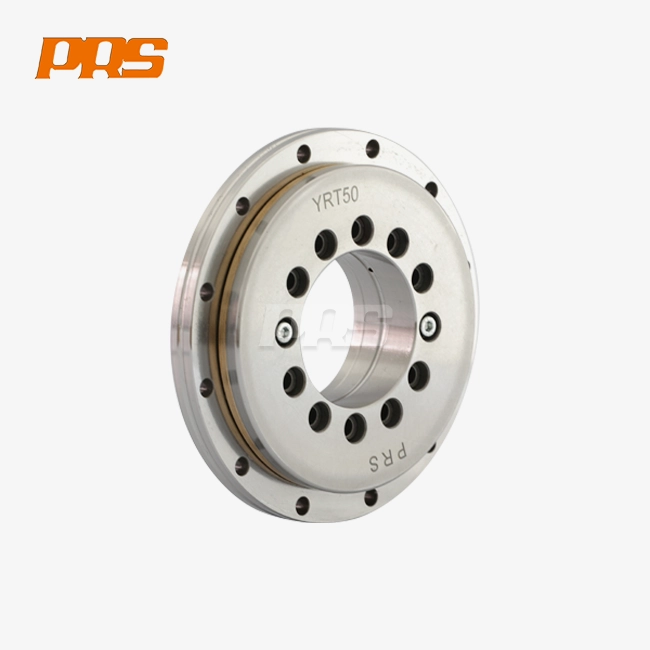 VIEW MOREYRT Turntable bearings
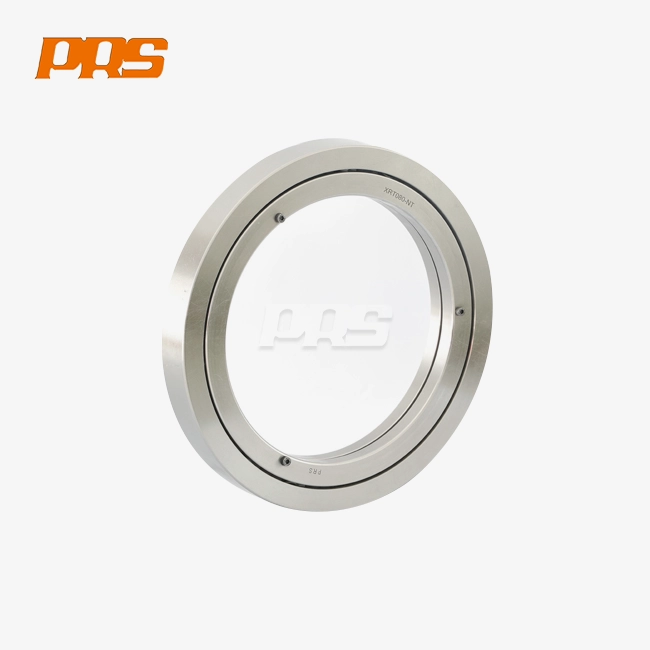 VIEW MOREGear hobbing machine bearings
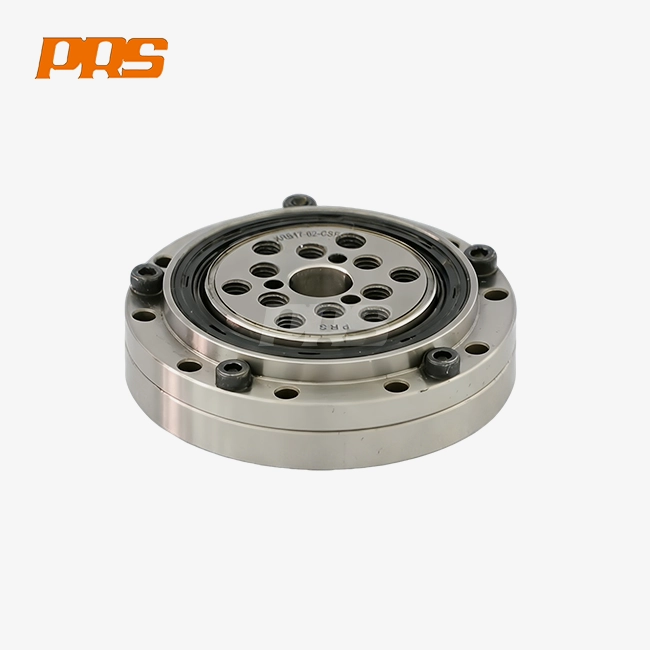 VIEW MOREProfessional Harmonic Drive Bearings
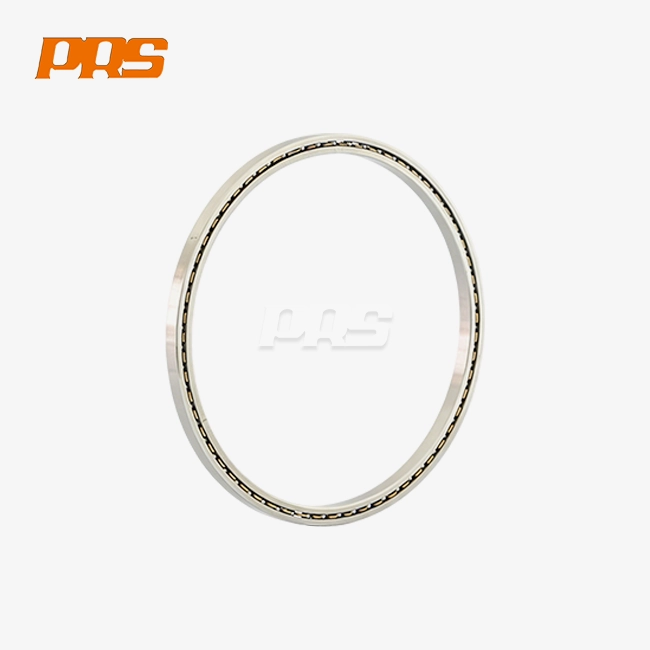 VIEW MOREprecision angular contact bearings
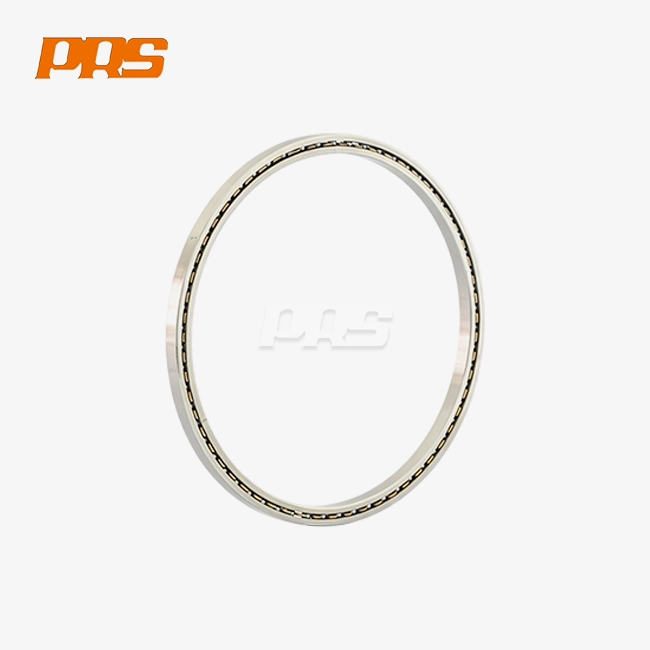 VIEW MOREPrecision Angular Contact Ball Bearings
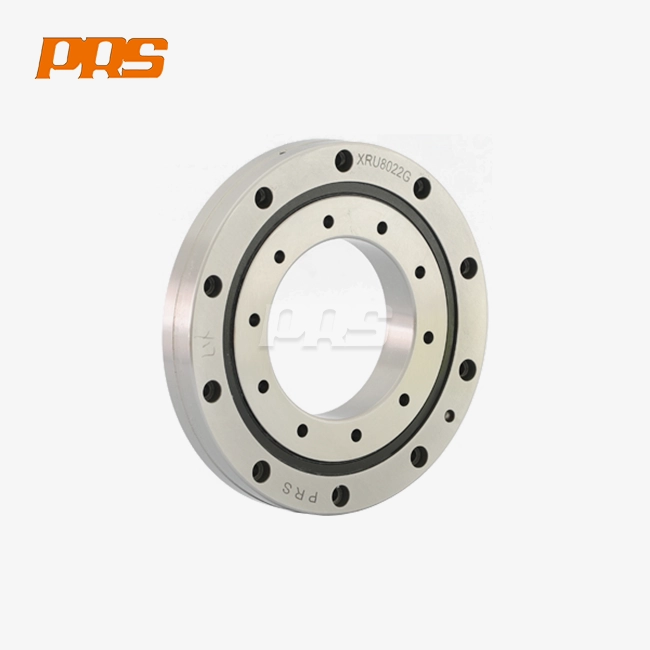 VIEW MORERU Face Mount Crossed Roller Bearing
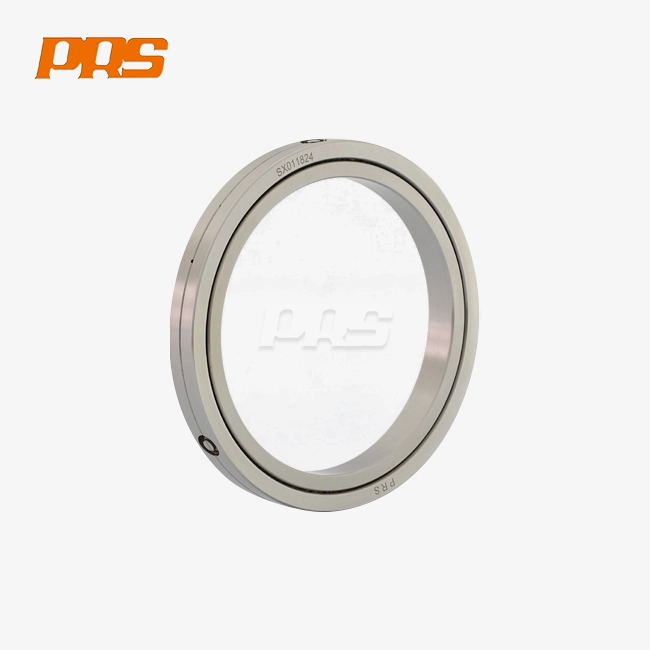 VIEW MORECrossed roller bearings SX
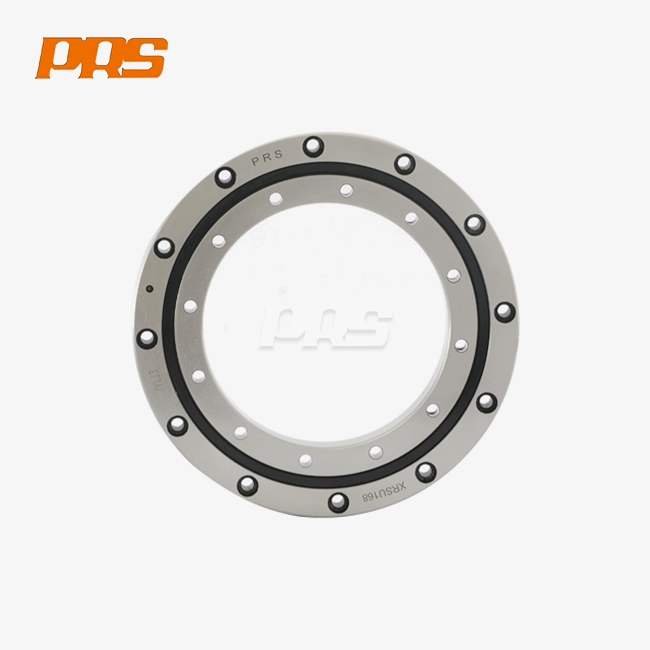 VIEW MOREXSU Cross Roller Bearing