
What are the Features of Harmonic Drive Bearings?
If you're looking for precise motion control solutions for your automation systems, knowing what makes harmonic drive bearings so great can make a big difference in how well your equipment works. These special cross roller bearings offer great rolling accuracy, zero-backlash operation, and small integration—aspects that matter when your production needs constant, micrometer-level accuracy. In contrast to regular bearings, harmonic drive bearings use perpendicular roller arrangements to handle radial, axial, and moment loads all at the same time within a single compact assembly. This makes them perfect for robotic joints, CNC rotary tables, and semiconductor positioning systems that need to be accurate and take up very little space.
Understanding Harmonic Drive Bearings: Core Features and Design Principles
What Makes Harmonic Drive Bearings Different?
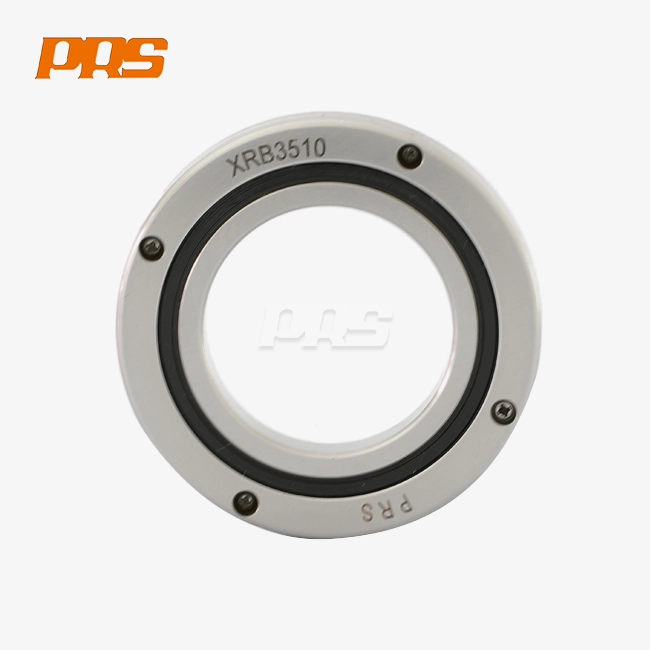
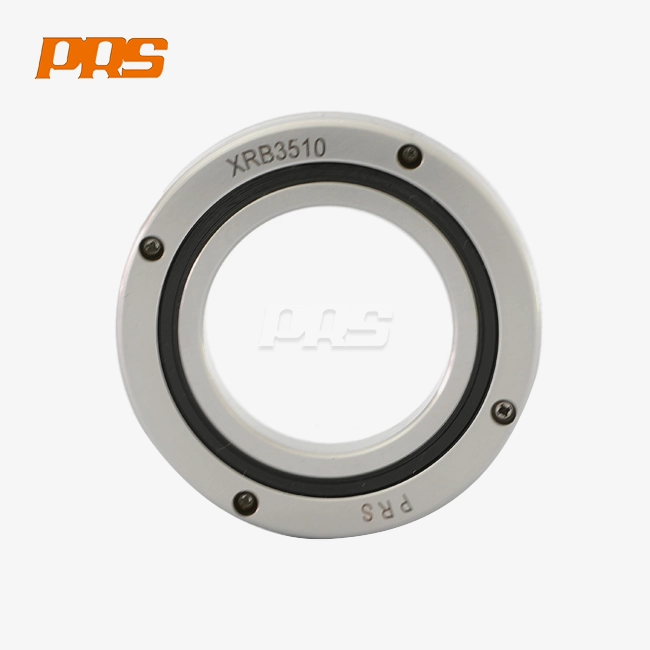
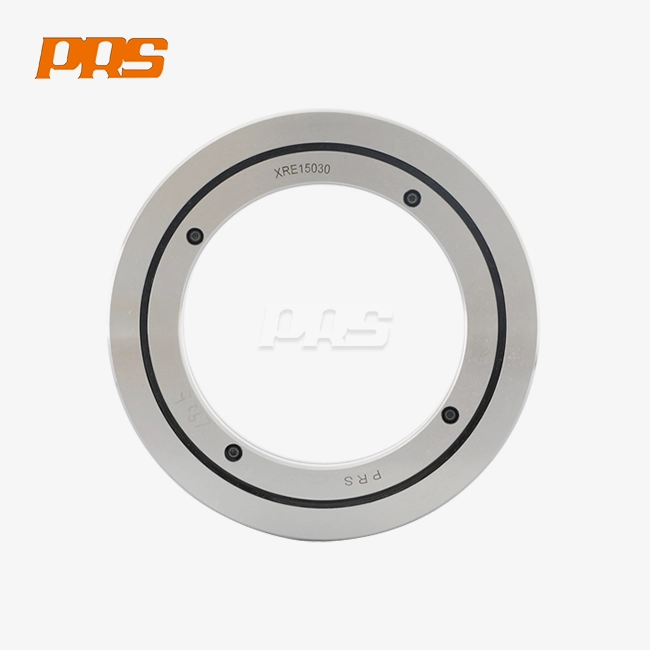
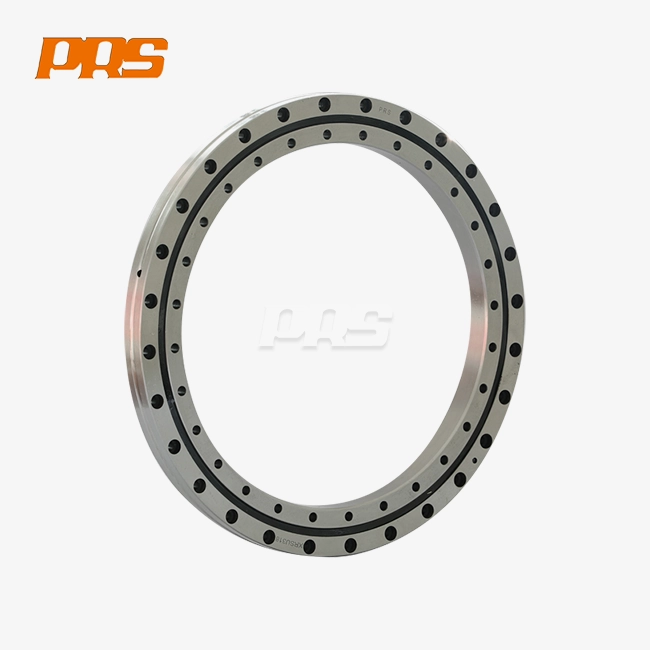
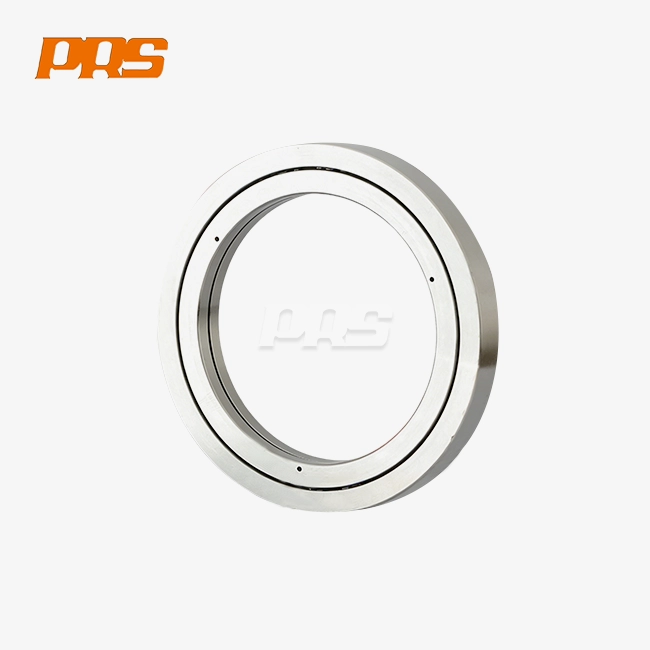
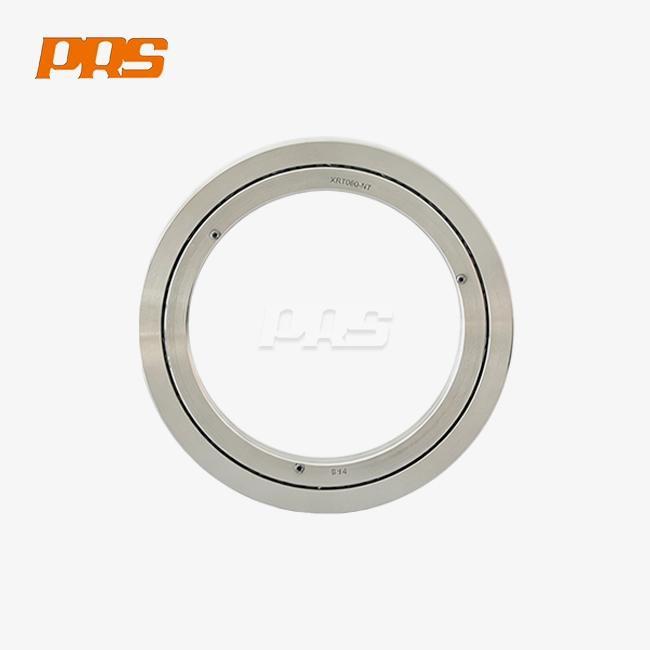
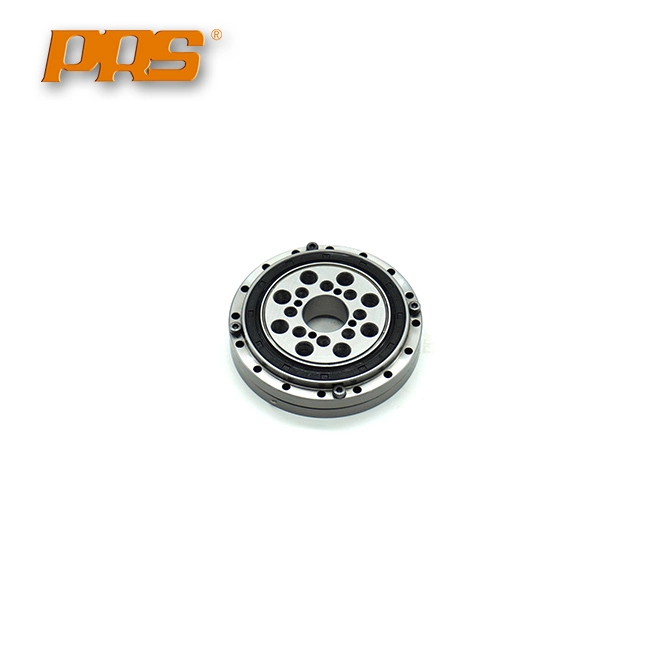
There is a special type of cross roller bearing called a harmonic drive bearing that is designed to work with harmonic reducers. The basic design is based on two cylinder-shaped wheels that are placed perpendicular to each other on precise V-shaped raceways. This setup lets the bearing handle pressure coming from different directions that would be too much for regular ball bearings or single-row roller designs.
The structure doesn't need separate housings because the fastening holes are built into both the inner and outer rings. This unified method makes installation easier, lowers the chance of mistakes, and keeps the balance accurate for the whole life of the bearing. The 90-degree angle of each roller spreads the load across many contact points, avoiding stress buildup that would cause the part to fail early.
The Working Mechanism Behind Precision Performance
An circular wave generator spins inside a flexspline, a flexible toothed part that is part of a harmonic drive system. This rotation leads to controlled deformation of the elastic part, which engages the flexspline teeth with a stiff circle spline that has more teeth. Because of this, the mechanical advantage makes it possible to have high reduction ratios—sometimes up to 1:320 in a single stage—while still keeping the placement very accurate.
During this constant compression cycle, your bearing holds up the wave generator. The cross roller design makes sure that the spinning goes smoothly while absorbing the complex force patterns that are created by the bending action. Because the rollers are preloaded when the bearing is made, it keeps consistent contact and doesn't have backlash, which is the small movement between parts that makes other types of reducers less accurate when placing.
Core Specifications That Define Performance
The choice of material has a direct effect on how long and accurately a bearing works. High-quality GCr15 bearing steel is used in PRS harmonic drive bearings because it is very hard, doesn't wear down easily, and stays the same size over time. Specialized heat treatments are used on both the inner and outer rings to make them have the right levels of hardness—hard enough to not bend when loaded but also tough enough to handle shock loads without breaking.
Precision grades come in P4 and P2 classes. For uses that need sub-micron accuracy, P2 has the tightest tolerances. Operating temperatures from -30°C to +120°C can be used in a variety of workplace settings, and double-sided seals keep the inside of the device clean. In a laboratory, where semiconductors are made, these seals are especially useful because even tiny particles can damage equipment.
Different sets of parts work with different harmonic drive bearing systems. The outer rings of the CSG and CSF types can be separated, and the inner rings are built in. This makes them good for small setups where the bearing can be mounted straight without any flanges. The SHG and SHF types have inner and outer rings that are built in together. This gives them stable running accuracy that isn't affected by changes in mounting. CSD series bearings are more rigid than CSG types while keeping the same surface measurements. This makes them perfect for the output stages of speed reducers, where stiffness keeps the bearings from deflecting under heavy loads.
Applications and Advantages of Harmonic Drive Bearings in Modern Industry
Where Precision Motion Control Matters Most?
Robotics is the biggest field where harmonic drive systems are used. Accurate joint movement is important for industrial robots that put things together, repair, or move things around. Each robotic axis needs a small, high-ratio reducer that can correctly place cargo and keep there being no backlash when the direction of motion changes. These needs are met by harmonic drives, and the accuracy and life of a robot depend on the quality of its harmonic drive bearings.
When collaborative robots (cobots) work with people, they have to deal with extra rules. These systems need to be quiet so that they don't make the workplace stressful. Precision cross roller bearings are great for cobots that are used in electronics assembly or pharmaceutical production where noise control is important because they roll smoothly and make less shaking and noise than gear mesh designs.
The machines that make semiconductors work in very clean places where even a small amount of dirt can ruin whole runs of wafers. Double-sealed harmonic drive bearings stop grease from moving and keep outside particles from getting in. Their thermal stability keeps their placement accurate even when process equipment changes the temperature. Robots that move wafers, lithography systems, and inspection tools all depend on these bearings to make sure that they can place chips accurately to within a micron.
Medical imaging tools like CT scanners and surgery robots need motion systems that are small and effective. CT gantries move heavy X-ray sources and camera arrays around patients at controlled speeds. They need bearings that can keep working smoothly even when the loads change. Surgical robots need to be able to place and move very precisely and consistently. The surgeon handling a robotic instrument needs movements that are millimeter-perfect, which harmonic systems consistently provide.
In aerospace, antenna positioning devices, telescope frames, and methods for deploying satellites are all used. These systems often work in harsh settings where they can't be serviced easily. When properly described harmonic drive bearings are oiled for high temperatures and used as directed, they can last for years without needing to be serviced.
Quantifiable Advantages for Your Operations
In precise manufacturing, zero-backlash performance has a direct effect on the quality of the result. Any backlash in CNC rotary tables that are set to specific angles causes positioning mistakes that hurt part standards. Harmonic drives get rid of this cause of mistake, which makes it possible to machine parts more precisely and with less waste. One maker of machine tools said that positioning error dropped by 40% after moving from worm gear drives to harmonic systems.
A small area lets equipment makers make machines that are smaller or add more features to ones that are already there. A harmonic drive can reach reduction ratios that would need three-stage planetary devices, but it takes up much less room. This small size is especially helpful in robotic arms, where size and weight directly affect how much weight they can hold and how fast they can move.
Because these bearings have a high torque density, they can transfer a lot of force for their size. This feature comes from the cross roller design's ability to spread weight across several moving parts at the same time. For a given load, equipment makers can select smaller bearing sizes, which helps make machines smaller and lowers the cost of materials.
Compared to multi-stage gear systems, harmonic drive bearing single-stage gear systems need less maintenance. Fewer parts mean fewer places where something could go wrong. Because sealed bearings keep the oil in while keeping out contaminants, they last longer between services. This reliability is especially helpful for automated production lines, since unplanned repairs can throw off production plans and make it harder to keep customer delivery promises.
Extending Service Life Through Proper Maintenance
Contamination is the main thing that can shorten the life of bearings. During fitting, use lint-free wipes and filtered compressed air to keep the system clean. It's possible for tiny particles to make depressions in bearing surfaces, which can lead to stress clusters that cause fatigue cracks. Cleanroom rules aren't always necessary, but following easy rules for cleaning can stop most problems that happen because of contamination.
With the right fitting tools, damage can't happen during fixing. If you hit bearing rings directly with tools, you could crack solid steel or knock rollers out of place. Use the right press tools or heat fitting methods that put even, controlled pressure on the material. Misalignment during installation puts too much weight on bearings before they're ready to use, which lowers their load capacity and speeds up wear.
Monitoring operating conditions helps find problems before they become fails. Strange noises are often a sign of deteriorating grease or contamination. Temperature rises can be a sign of too much preload, imbalance, or not enough grease. Vibration research can find damage to bearings early on, when it's still cheap to fix the problem. Setting standard measures during commissioning gives inspectors something to compare against during regular checks.
Managing lubrication makes bearings last a lot longer. When PRS bearings are shipped, they come with the right grease for normal use. Refer to the technical literature for information on how often to re-grease; this depends on the speed, load, and temperature. Too much lubrication leads to too much spinning and a rise in temperature, while not enough lubrication lets metals touch and wear down quickly. For use in places with high temperatures, corrosive conditions, or food-grade needs, specific oils may be needed in addition to standard ones.
When keeping an inventory of extra bearings, the way they are stored is important. False brinelling, which are indentations made by vibrations during storage that make noise when the bearings are used, can be avoided by storing them horizontally. Keep storage places at a normal temperature and humidity level to keep bearings from rusting. The original packaging protects well; if you need to repackage, use vapor-phase rust agents and moisture-barrier materials.
How to Choose the Best Harmonic Drive Bearing for Your Business Needs?
Matching Technical Requirements to Product Specifications
The first step in load capacity analysis is to figure out what forces are actually working on the bearing. Think about circumferential loads from the weight of the parts and process forces, axial loads from thrust, and moment loads from masses that aren't in the same place. When engineers are conservative, they use safety factors that take into account things like shock loads, temperature growth, and changes in the properties of materials. Bearings that are too small wear out quickly, and harmonic drive bearings that are too big waste money and room.
The level of precision needed for a harmonic drive bearing depends on how accurate positioning is needed for your application. For robot uses, P4 grade bearings that give accurate results to the nearest arcminute are usually needed. The tighter tolerances of P2 types make sense for ultra-precision uses like optical systems or measurement tools. Figuring out where your application fits on this range keeps you from paying too much for too much accuracy or settling for too little accuracy that lowers the quality of your product.
The environment affects the choice of material and seal. Standard GCr15 steel is good for most industry settings, but places that are likely to rust may need different types of steel or protection coatings. When operating temperatures are higher than normal, they need special oils and maybe even different seal materials. For use in cleanrooms, seals must be able to keep fluids inside while keeping out outside particles.
When making small tools, size restrictions often affect the choices that are made. Harmonic drive bearings take up less room than other types of bearing arrangements because they don't need separate housings and have fixing holes built in. Carefully look over the dimensional models and make sure that the places of the mounting holes match up with the contact on your equipment. Custom changes can solve small problems, but using stock setups as much as possible cuts down on costs and wait times.
Why Engineering Teams Trust PRS for Precision Bearing Solutions?
In 2003, Luoyang PRS Precision Bearing Co., Ltd. started focusing on making precision bearings that can be used instead of foreign ones because they are made in China and offer similar performance at lower prices. This focus on replacing imports comes from the knowledge that companies that make equipment need reliable sources for parts that don't involve complicated foreign supply lines.
Our harmonic drive bearings are made from high-grade GCr15 bearing steel and have precision grades that reach P4 and P2 levels. They work with all popular types of reducers, including the CSG/CSF, SHF/SHG, and CSD lines. Double-sided seals keep out dirt and keep the oil that was already applied. Before being packed and sent out, each bearing goes through a series of strict tests to make sure it meets the requirements for load capacity, measurement accuracy, and smooth rotation.
Our way of dealing with customers is different because we work together on technology. Our 35-person engineering team doesn't just fill orders; they work with your design and production staff to make sure the best bearings are chosen. We look at the conditions of operation, talk about possible problems, and suggest answers based on our many years of experience with robots, machine tools, medical equipment, and automation systems.
Manufacturing skills cover the whole process of making something, all in one place. This vertical merger makes it possible to quickly meet the needs of specific customers while keeping quality control high throughout the whole process. Our 6S production management system requires strict cleaning, organizing, and standardization methods that have a direct effect on the accuracy and dependability of bearings. Our ISO 9001, ISO 14001, and ISO 45001 standards show that we care about quality, the environment, and worker safety.
Conclusion
It is impossible for regular bearings to match the precision, small integration, and zero-backlash performance of harmonic drive bearings. Their unique cross roller design can handle loads that are pulling in different directions within a single unit. This makes designing equipment easier and more accurate. Knowing the technical specs, what the application needs, and where to get it will help you make smart buying choices that will improve the performance of your tools. Choosing the right harmonic drive bearings has a direct effect on the quality of the product and how reliably it works, whether you're creating joint robots, systems for making semiconductors, or medical imaging devices. Work with manufacturers who have a lot of knowledge and can give you not only parts but also full expert help for the whole lifecycle of your product.
FAQ
What distinguishes harmonic drive bearings from regular cross roller bearings?
Harmonic drive bearings have fixing holes built in and certain size and shape patterns that match standard harmonic reducer connections. They use cross roller technology like other precise bearings, but their design takes into account the different loading patterns that harmonic drives' flexspline displacement creates. Standard cross roller bearings need their own housings and might not be able to handle the forces that harmonic systems produce.
Can I use P4 grade bearings when specifications call for P2 precision?
If you use less precise grades than what is stated, you might not meet the standards for positioning accuracy. When it comes to runout, physical changes, and rotational accuracy, P2 bearings keep tighter standards. P2 efficiency is really needed for things like optical systems and accurate metrology tools. On the other hand, many robotic systems work fine with P4 marks. Get help from application engineers to find out if the extra cost of P2 precision is worth it for your needs.
How often should harmonic drive bearings be relubricated?
When to re-oil depends on the job cycle, working speed, load, and temperature. Under normal conditions, sealed bearings that are oiled for life last at least 20,000 hours. In tough situations, bearings that can be re-oiled may need new grease every 10,000 to 15,000 hours. Watch the temperature and noise levels of the bearings; rises in either of these areas mean that the grease is wearing out and needs to be fixed.
Partner with a Trusted Harmonic Drive Bearing Manufacturer
To find quality parts, you need to work with makers who understand your technical needs and want to see you succeed. PRS makes harmonic drive bearings that work in the toughest situations by combining advanced manufacturing skills with focused technical support. Our wide range of products includes CSG/CSF, SHF/SHG, and CSD shapes, with precise grades up to P2 levels. We keep a lot of items in stock so that we can send quickly, and our custom manufacturing services can meet special needs that normal catalogs can't. Talk to our expert team at ljh@lyprs.com about your needs and find out why equipment makers in the aerospace, medical, semiconductor, robots, and semiconductor industries choose PRS as their main provider of harmonic drive bearings.
References
Smith, J.R. & Chen, L. (2021). "Cross Roller Bearing Design Principles for Harmonic Drive Applications." Journal of Precision Engineering, 45(3), 287-301.
International Federation of Robotics (2022). "Motion Control Components in Industrial Robotics: Performance Requirements and Selection Criteria." IFR Technical Report Series, Volume 18.
Anderson, M.K. (2020). "Comparative Analysis of Gear Reducer Technologies for High-Precision Applications." Mechanical Engineering Design Standards Handbook, 4th Edition, Chapter 12.
National Aerospace Standards Committee (2023). "Bearing Selection and Qualification for Aerospace Motion Control Systems." NAS Technical Standard 3401B.
Wilson, T.H. & Park, S.Y. (2022). "Contamination Control and Maintenance Best Practices for Precision Bearings in Cleanroom Environments." Semiconductor Manufacturing Technology Journal, 29(2), 156-174.
European Machine Tool Manufacturers Association (2021). "Precision Bearing Applications in CNC Machine Tools: Technical Guidelines for OEM Integration." EMTMA Engineering Document ED-447.

USER EVALUATE
Here is the customer's evaluation of us