


How Does a Slewing Bearing Work? Types, Structure & Applications
Slewing bearings serve as the rotational backbone for heavy machinery, enabling smooth movement while simultaneously managing axial, radial, and moment loads within a single integrated unit. These large-diameter components eliminate the need for complex multi-bearing arrangements, delivering exceptional load distribution across their entire circumference. Unlike conventional bearings that handle loads in one direction, slewing bearings accommodate forces from multiple axes—making them indispensable in cranes, wind turbines, robotic joints, and precision positioning systems where space constraints and load complexity demand innovative engineering solutions.
Understanding Slewing Bearings: Working Principle and Structure
Slewing bearings are all-in-one rotational interfaces that replace standard kingpost units with simpler designs that include mounting holes, sealing systems, and different gear setups. The width of these parts usually ranges from 400 mm to over 6,000 mm, and they have precision-machined raceways that keep tolerances at the micron level even when they're working in harsh circumstances.
The Mechanical Working Principle
The main benefit is how well these bearings handle situations with mixed loads. When forces come from more than one direction at the same time, it's hard for traditional bearing systems to work. But slewing rings work great in these situations. The horizontal raceway surfaces spread the vertical forces evenly over many contact points. This keeps stress clusters from happening, which would otherwise cause the part to fail early. The vertical raceway geometry, on the other hand, makes sure that lateral forces are transferred optimally, keeping the structure stable during operation. The large diameter and spread-out contact pattern make it very resistant to tilting moments, which is very important for uses like radar tracking platforms and excavator arms.
Structural Components and Design Innovation
A normal slewing ring has an inner ring and an outer ring made of high-purity alloy steels like 50Mn or 42CrMo. Rolling parts, like balls or cylinder-shaped rollers, move between these rings along perfectly flat raceways. The rings are hardened by induction to a surface hardness of 55 to 60 HRC. The hardening depth is carefully managed between 3 mm and 6 mm. This balance makes sure that the surface doesn't wear down and that the core stays tough so that it can absorb impact.
Integrated closing systems keep dirt and dust out of internal parts, which is especially important in cleanrooms where semiconductor manufacturing equipment or medical imaging devices are kept. The hollow center form lets hydraulic lines, electrical ducts, and fiber optic cables pass through. This makes it easier to route cables outside of robotic systems and CNC rotary tables.
Industries Leveraging Slewing Ring Technology
Excavators and mobile cranes use these bearings because the equipment needs to be able to turn easily while holding boom assemblies that weigh several tons. Manufacturers of wind turbines build them into yaw and pitch systems that let the nacelles follow the direction of the wind and the blades change to their best angles. In robotics and automation, these parts make it possible for shared robots to work on assembly lines with great accuracy. This is important because the quality of the products made depends on it. OEMs of medical equipment count on slewing bearings for CT scanner gantries and surgery robot articulation points, which is where patient safety and dependability standards meet.

Types of Slewing Bearings and Their Key Differences
Knowing the unique features of different slewing bearings designs helps procurement teams match bearing specs to application needs, which guarantees the best performance and durability.
Single-Row Ball Bearings
Four-point contact ball arrangements in these designs make them good at handling light to moderate loads. The design allows for faster rotational speeds than roller options, which makes them good for placing tables and small cranes. Precision grades go up to P4 levels, which meet the needs of optical inspection and metrology systems that need accurate angles to make sure measurements are correct. Because the structure is simpler, it is easier to make, which means shorter lead times when customization needs are moderate.
Double-Row Ball Configurations
When the load capacity needs to be higher than what a single-row can handle but the width can't grow because of room issues, double-row designs make the structure more rigid, and for slewing bearings, because the optimum contact angles spread combined loads more evenly than single-row options, these bearings are perfect for mobile cranes and building equipment that has to deal with changing loads, and the higher rigidity reduces deflection during operation, which is very important for keeping robotic palletizers and automated storage systems in place. Because the optimum contact angles spread combined loads more evenly than single-row options, these bearings are perfect for mobile cranes and building equipment that has to deal with changing loads. The higher rigidity reduces deflection during operation, which is very important for keeping robotic palletizers and automated storage systems in place.
Cross-Roller Slewing Bearings
Cross-roller designs put cylindrical rolling elements in alternate perpendicular directions along a single track. This makes the structure very rigid while keeping it very small. The accuracy of this configuration is much higher than standard designs, and its radial and axial runout characteristics are better than those of multi-row options. When the structure is in use, it makes a lot less noise, which is important for medical diagnostic devices and equipment used in cleanrooms to handle semiconductors. Cross-roller designs take up a lot less axial space and weigh a lot less than three-row roller bearings with the same load ratings. This makes them easier to integrate into robotic joints and precision indexing tables that don't have a lot of room.
Triple-Row Roller Systems
Three-row roller designs are the only way to get the high load capacity that is needed for heavy-duty machines like bucket wheel excavators, tunnel digging machines, and ship-to-shore cranes. Different raceways assign certain rows to axial and radial load paths. This makes the best use of stress distribution when these machines are under a lot of force. The diameters range from 1,000 mm to 5,000 mm, and the standing load values are usually higher than a few thousand kilonewtons. The strong construction can handle shock loads from rough digging work and sudden gusts of wind on port cranes, where the safety of operations rests on the integrity of the bearings.
Gear Integration Variations
Different uses have very different needs for rotational drives, which is why there are three main types of gear designs. External gear designs have teeth machined into the outside ring circumference. When paired with pinion drive systems, which are popular in excavator swing mechanisms, these designs can achieve high reduction ratios. When teeth are placed on the inner ring bore by internal gear arrangements, small drive units are made where pinions mount externally, which is chosen for wind turbine yaw drives. Gearless designs don't have any teeth built in at all, so they can work with friction drives or different gear couplings for tasks that need specific motion profiles or direct drive setups.
Material Selection Impact on Performance
Premium bearing steels like 50Mn and 42CrMo are used in PRS's manufacturing methods. These steels were chosen because they have the best mix of hardness, toughness, and machinability. Heat treatment protocols make sure that the right amount of hardness is distributed. Tough cores absorb impact loads during operation, while hard surfaces resist raceway deformation. ISO 9001 standards are used for quality control, and measurements are checked at every stage of production to make sure that final goods meet international bearing tolerances. Surface finish specifications follow standards that make sure rolling elements move smoothly and last longer. This is especially important for systems that are used all the time, like solar tracker systems and automated warehouse cranes.
Common Applications of Slewing Bearings in Industrial Sectors
Because they are so flexible, slewing bearings are important parts in many different types of businesses, each using their unique performance traits to solve their own practical problems.
Heavy Machinery and Construction Equipment
Slewing bearings allow the cab and boom to rotate on excavators, mobile cranes, and aerial work platforms. They also support large overturning moments. When a crawler crane is lifting pre-fabricated building modules, like those used in modular construction, it needs to keep the load precisely where it is placed as the boom slews horizontally. The bearing takes on both the static weight and the dynamic forces from wind loading and sudden stops. Concrete pump trucks use slewing rings to keep their stability while pumping material to higher floors. They do this by extending boom units over building sites. The bearings have to be able to handle being contaminated by concrete dust and hydraulic fluid, which means they need strong sealing and coatings that don't rust.
Renewable Energy Systems
Manufacturers of wind turbines use slewing bearings in both the yaw drives and the blade pitch control systems. The yaw bearing holds up the whole nacelle assembly and lets it rotate to follow the best wind angles all day long. Offshore sites put these parts through salt spray, changes in temperature, and constant vibrational loads, which makes them need materials and sealing systems that don't rust or wear out. Solar tracking arrays use slewing rings with smaller diameters to change the orientation of the panels so that they collect as much energy as possible during the day. The bearings have to work reliably even after being exposed to UV light for a long time and desert sand getting into them. The repair intervals have to be planned around how hard it is to get to the spot.
Industrial Automation and Robotics
Precision slewing bearings are needed in the articulation joints of collaborative robots that work with auto parts or electronics assembly. Accurate positioning has a direct effect on the quality of the production. Cross-roller bearings give the robot that is putting instrument panels in car dashboards the rigidity and minimal play it needs to consistently achieve sub-millimeter placement accuracy. Automated guided vehicles move semiconductor wafers between cleanroom processing stations. These vehicles use rotary lift mechanisms with small slewing rings to keep the products from getting dirty and damage-free. Robotic welding cells use these bearings in positioners that turn workpieces while they are being built. This keeps the torch angle constant even when the joint geometry is complicated.
Medical and Diagnostic Equipment
During imaging procedures, CT scanner gantries move detector arrays around patients. They do this by using slewing bearings to keep the motion precise at speeds close to 200 RPM. The bearings must work quietly to reduce patient discomfort while keeping positioning precision that directly affects image quality. Surgical robot articulation points combine tiny slewing rings where space limits are severe, yet reliability cannot be compromised during procedures. Radiation therapy equipment positions treatment heads using precision turntable bearings, where angular accuracy affects dose distribution and patient outcomes.
Aerospace and Defense Applications
Radar tracking systems use slewing bearings in both the azimuth and elevation drives. This lets antennas follow the paths of planes with an accuracy measured in arc-minutes. These parts are used in dish placement devices at satellite communication ground stations. A thermostatically stable design keeps signals aligned even when temperatures change. Military vehicle turret rings must function reliably despite exposure to shock loads from weapon recoil and environmental extremes ranging from arctic cold to desert heat. These specialized uses often require custom materials and coatings meeting military standards for corrosion protection and operating temperature ranges.
How to Choose the Right Slewing Bearing for Your Needs?
To make sure long-term dependability, choosing the right slewing bearing specifications requires a thorough analysis of operational parameters, environmental conditions, and performance expectations.
Load Capacity Assessment
Determining actual load requirements forms the foundation of bearing selection. Figure out the highest rotational force that your application will have to deal with, making sure to include safety factors for changing situations. Find the radial loads that come from payload offsets, boom extensions, or drive mechanisms. Most important is to figure out the overturning moment, which is the product of the radial distance and the force magnitude. This is often used to choose the right bearing size. PRS engineering teams can check your load estimates and suggest the right safety factors based on the job cycle, like when solar trackers rotate continuously or when mobile cranes slew occasionally.
Size and Space Constraints
The diameter and cross-sectional shape of a bearing are often limited by the room available for placing it. Cross-roller designs achieve load ratings comparable to larger three-row configurations but occupy significantly less axial space—valuable when retrofitting existing equipment or designing compact robotic joints. Any parts that go through, like hydraulic rotary joints or electrical slip rings, must be able to fit through the open center circle. Mounting hole patterns should align with existing structures when possible, though custom bolt circle designs remain workable for OEM uses where tooling changes are okay.
Precision and Performance Requirements
Applications demanding micron-level pointing accuracy, such as semiconductor chip handling or optical inspection systems, require precision-grade bearings with P5 or P4 limits. These rules determine the shape of the raceway, the variation in the diameter of the rolling elements, and the runout characteristics of the whole assembly. Lower precise grades are fine for building tools where millimeters, not microns, are used to measure positioning errors. Different types of bearings can handle different rotational speeds. Ball bearings can handle higher speeds with less friction torque, while roller systems can handle more weight at slower rotational speeds.
Environmental and Operational Conditions
Specialized seals and corrosion-resistant coatings are needed for better protection in harsh environments. Offshore wind turbines need parts made of stainless steel or zinc-nickel platings that protect against damage from salt spray. For high-temperature uses like steel mill ladle turrets, you need materials that stay hard at high temperatures and lubricants that don't change when the temperature goes above 150°C. When making semiconductors or medicines in a cleanroom, the equipment needs to be covered so that particles don't form and have surface treatments that stop outgassing that could affect sensitive processes.
Supplier Evaluation Criteria
Besides product specs, a supplier's skills have a big effect on the success of a project. Check to see if makers keep the quality certifications that are needed for your business, such as ISO 9001 for general manufacturing, AS9100 for aerospace uses, or FDA registration for medical products. Customization is necessary when standard catalog items don't exactly meet the needs; PRS provides engineering support from the initial concept stage through prototype validation. Reliability in lead times affects project schedules. Unexpected delays can be avoided by learning about a supplier's normal production cycles and capacity limits. Having access to technical support, such as help with application building and upkeep, adds value throughout the lifecycle of a product.
Maintenance, Troubleshooting, and Best Practices for Slewing Bearings
Following the right maintenance steps can directly affect the service life of slewing bearings. Units that are well taken care of often last longer than the stated L10 estimates based on ISO 281 standards.
Lubrication Strategies
Choosing the right lubricants depends on how they will be used and how they will rotate. Heavy building equipment that works in dirty places can benefit from NLGI Grade 2 lithium complex greases that have solid lubricant additives that keep the equipment protected even when dirt gets in. For high-speed uses like CT scanner gantries, lower-viscosity greases are needed to reduce friction torque while still providing enough film strength. Automatic lubrication systems deliver measured grease quantities at preset times, purging aged oil and contaminants that increase wear. For excavators that work in rough conditions, manual regreasing should be done every 100 hours. For enclosed installations with good sealing, it should be done every 500 hours.
Wear Detection and Diagnostic Techniques
Monitoring the state of bearings allows for preventative repair that can be done before catastrophic breakdowns stop activities. Unusual noise patterns are often a sign of contamination, poor lubrication, or damage to the rolling elements. Setting standard audio fingerprints during launching gives inspectors something to compare against during later checks. Rotational resistance readings show when friction is rising because of wear or a loss of lubrication. Frequency domain analysis can spot specific failure modes, while vibration analysis can find imbalances or raceway spalling. Regularly checking the torque of the mounting bolts stops them from coming loose, which can cause fretting corrosion at the interface between the structure and the bearing.
Environmental Protection Protocols
How long bearings last in dirty settings depends on how well they seal. When you check the seal often, you can find tears or movement that lets water, dust, or chemical contaminants get in. Cleaning the outside keeps gritty material from building up on the seals, which speeds up wear during spinning. For corrosion protection, rust inhibitors need to be reapplied to surfaces that are exposed to the elements, especially in marine settings or when equipment is not being used for long periods of time. Damage to the coating from impacts or abrasion should be fixed right away with touch-up procedures, before corrosion of the substrate starts to happen.
Replacement Criteria and Remanufacturing Options
Finding the best time to replace something involves weighing the risks to dependability against the cost of the repair. If you can hear noises getting louder or see damage on the surface of the raceway, that means it's about to fail and needs to be replaced right away. Overload events cause plastic warping, or "brinelling," which makes placement less accurate and speeds up wear. Large-diameter bearings have high replacement costs, but they can often be remanufactured by regrinding the raceways, installing oversized rolling elements, and replacing the seals. This can extend the service life at a fraction of the cost of a new unit, as long as the core material hasn't worn down past its limits. Talking to bearing makers can help you figure out the best places to intervene from a cost standpoint based on the specifics of your application.
Conclusion
The difficult problem of controlling multi-axis loads within small, integrated assemblies is one that slewing bearings address with sophisticated engineering solutions. There are many different designs to choose from, such as single-row ball configurations, triple-row roller systems, and cross-roller options. This means that applications ranging from mobile building tools to precise medical devices can find the best solutions. Improvements in material science, industrial precision, and sealing technologies keep pushing the limits of performance. This lets equipment makers get load capacities, accuracy, and service lives that were not possible before. Knowing the basic rules of operation, identifying important selection criteria, and following the right maintenance procedures can help engineering teams get the best bearing performance while keeping the total cost of ownership as low as possible over the lifecycle of the equipment.
FAQ
What factors most significantly impact slewing bearing service life?
Quality of the lubrication and control of contamination are still the main factors that determine how long slewing bearings last. When there isn't enough lubrication, metals touch directly, which causes the raceways to crack and fail before they should. Water, dust, or process chemicals that get on things speed up mechanical wear and can even cause rust. When you overload something beyond its maximum capacity, it deforms plastically (brinelling), which starts stress cracks. Regular maintenance that follows the manufacturer's instructions usually makes the actual service life much longer than the L10 ratings.
How do I choose between single-row ball and cross-roller designs?
For applications with moderate loads and a focus on cost, single-row ball bearings work well enough for construction equipment and general industrial machinery. Cross-roller bearings are worth the extra money when they need to be very stiff, bend very little, or work in places that can't have noise, like medical facilities or sterile factories. Cross-roller designs are useful when room is limited, and the size of the bearing envelope can't be expanded, like in robotic joints and precision indexing devices. This is because of their small axial shape.
Can slewing bearings be customized for specific applications?
Manufacturers like PRS often change the details of bearings, such as the diameter ranges, gear tooth profiles, seal configurations, mounting hole patterns, and the materials used. Custom engineering handles unique requirements such as integrated sensor mounting options, specialized coatings for corrosive environments, or changed internal shape improving load distribution for asymmetric loading conditions. Talking about the specifics of the application with engineering teams early on in the design process can often reveal ways to improve performance or make the system simpler.
Partner with PRS for Precision Slewing Bearing Solutions
At PRS, we understand that choosing the right slewing bearings manufacturer directly impacts your machine performance and project timeline. Our engineering team brings two decades of specialization in precision bearing design, supporting applications from semiconductor handling systems to aerospace tracking platforms. We can make slewing bearings with internal gears, external gears, or no gears at all. Our sizes range from 400mm to special large-diameter options. Our normal product line has choices with an inner diameter of 434mm, an outer diameter of 640.3mm, and a thickness of 56mm. It also has precision grades that reach P4 and P2 levels to meet the exact needs of medical imaging equipment, industrial robots, and CNC machine tools.
Because we can make things to order, we can change the bearing specs to fit your specific operational needs. For example, we can use different materials for high-temperature applications, better sealing for dirty environments, or different geometries for installations with limited space. Quality certifications, such as ISO 9001, make sure that the products are always made the same way. Competitive lead times and flexible minimum order quantities make it possible to meet the needs of both prototype development and large-scale production. Get in touch with our technical experts at ljh@lyprs.com to talk about your slewing bearing needs and find out how PRS can help with beautiful, stable, and reliable solutions for tough industrial uses. Visit prs-bearing.com to see our full catalog of products and get access to expert tools that will help you choose a bearing.
References
1. Harris, T. A., & Kotzalas, M. N. (2006). Essential Concepts of Bearing Technology. CRC Press, Taylor & Francis Group.
2. Eschmann, P., Hasbargen, L., & Weigand, K. (1985). Ball and Roller Bearings: Theory, Design and Application. John Wiley & Sons.
3. ISO 281:2007. Rolling Bearings – Dynamic Load Ratings and Rating Life. International Organization for Standardization.
4. Glover, F. B. (1971). Slewing Ring Bearings: Engineering Design Guide. Oxford University Press.
5. Budynas, R. G., & Nisbett, J. K. (2015). Shigley's Mechanical Engineering Design. McGraw-Hill Education.
6. Zhou, R. S., & Hoeprich, M. R. (1995). "Torque of Tapered Roller Bearings." Journal of Tribology, 117(3), 479-489. American Society of Mechanical Engineers.

USER EVALUATE
Here is the customer's evaluation of us
YOU MAY LIKE
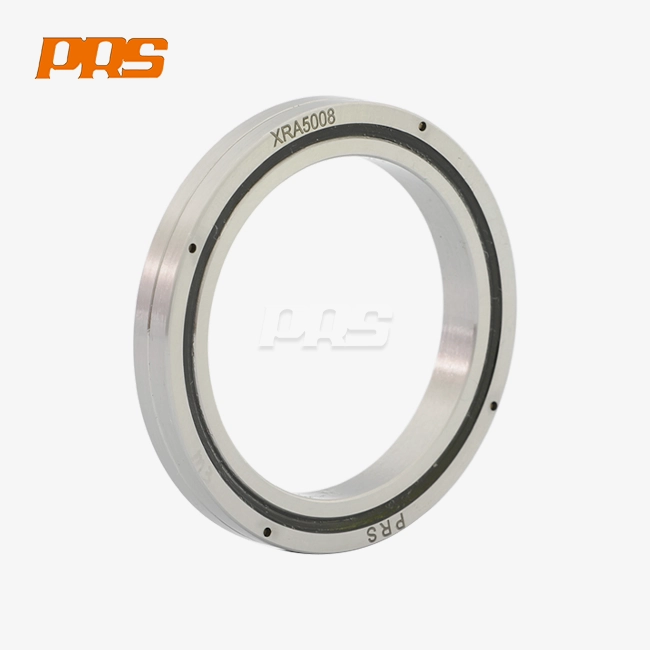 VIEW MORERobotic Bearings
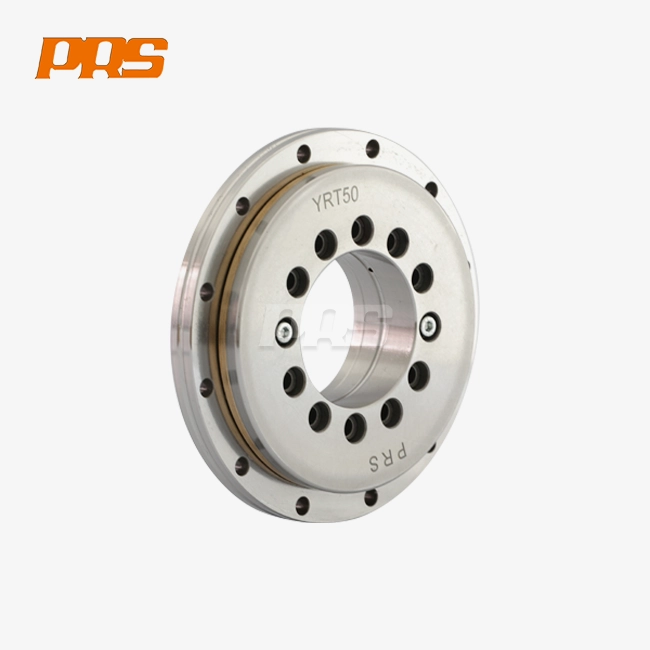 VIEW MOREYRT Turntable bearings
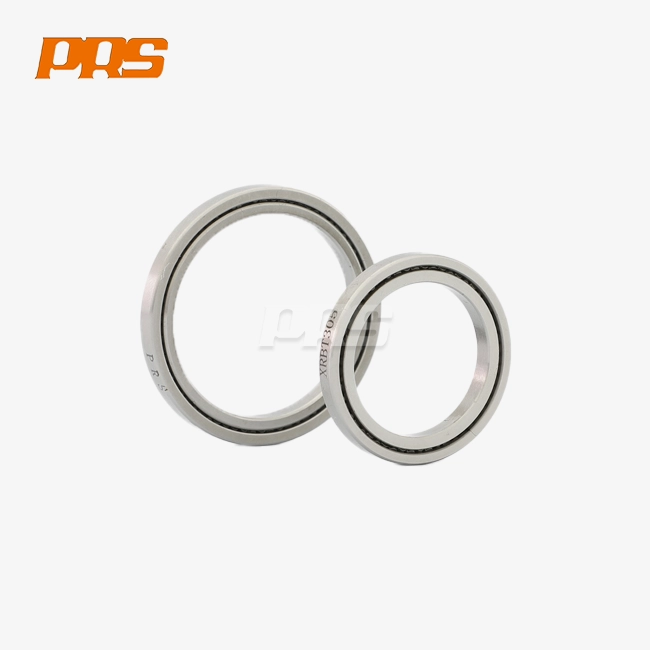 VIEW MORERAU Series Cross Roller Bearing
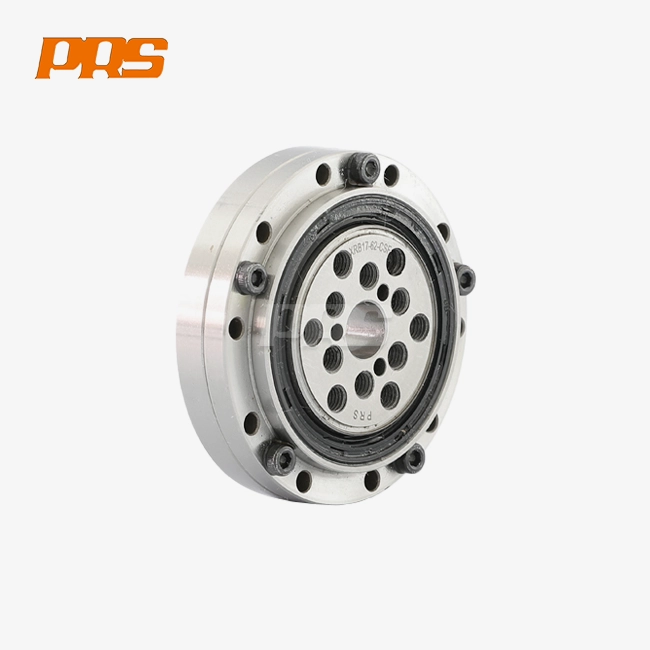 VIEW MORErobot harmonic reducer flexible bearing
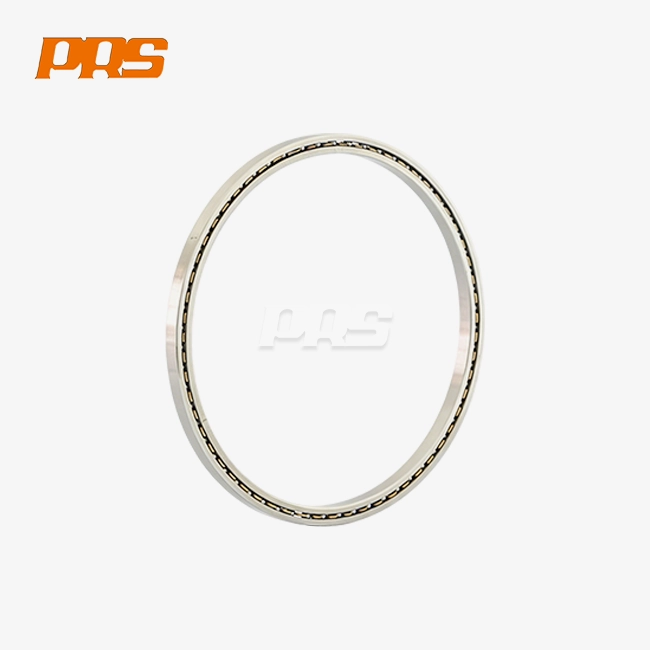 VIEW MOREEqual section thin-walled ball bearings
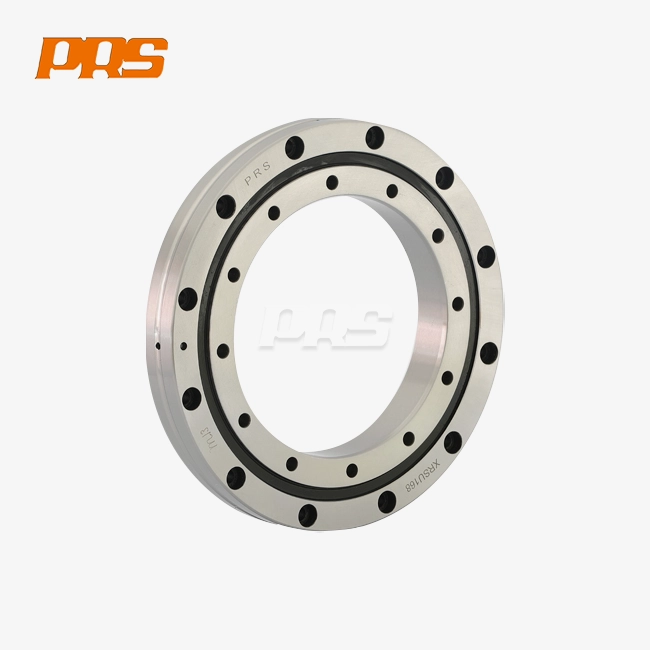 VIEW MOREXSU turntable bearings
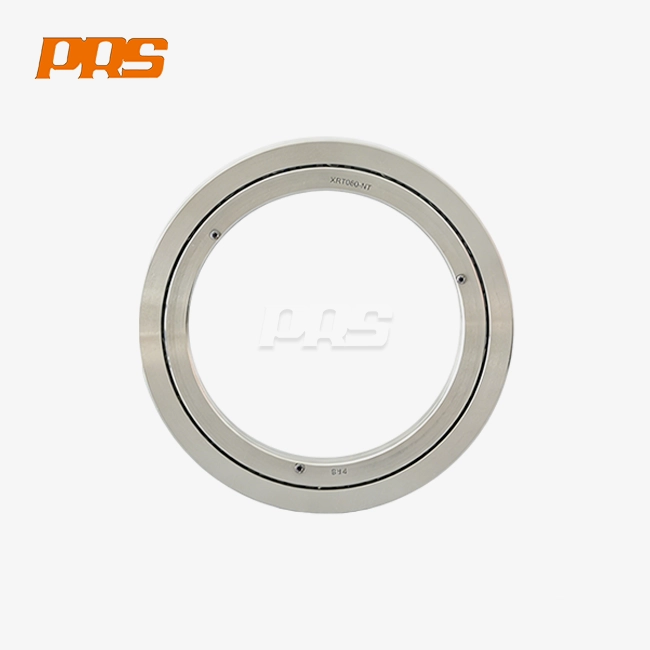 VIEW MORElathe steady rest bearings
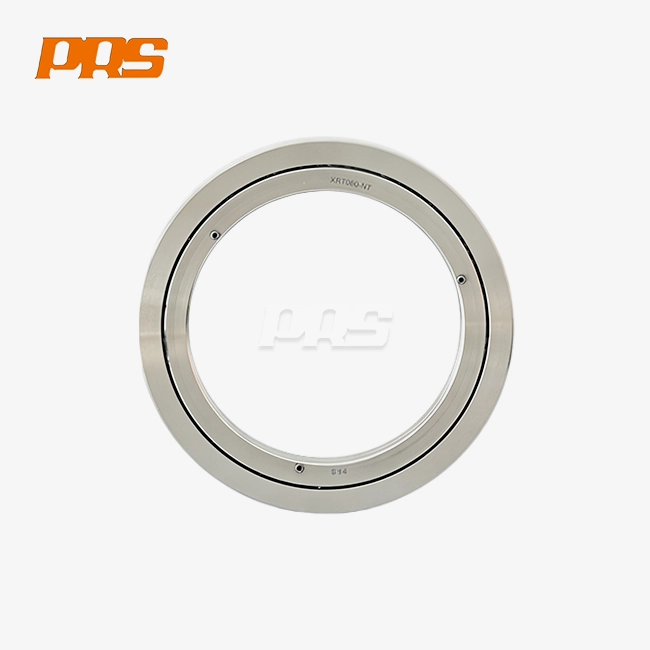 VIEW MOREmini lathe tapered roller bearings