
CRBH Robot Bearings Deliver High Precision for Industrial Robots
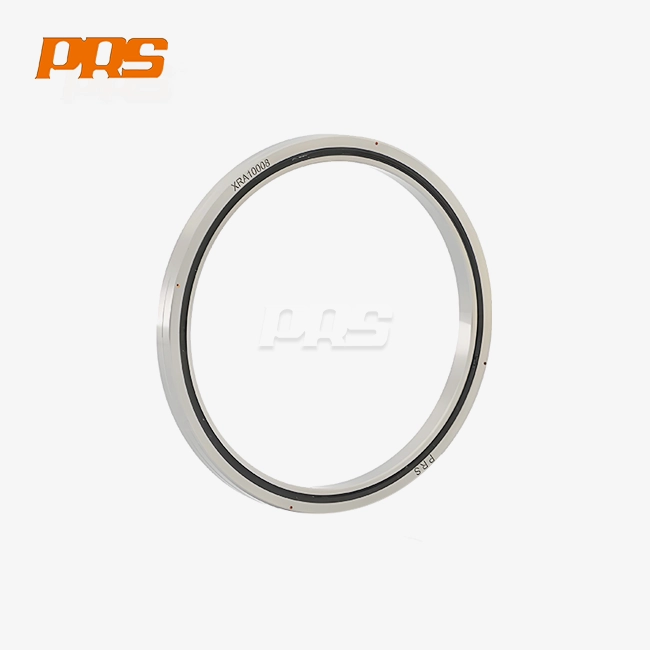
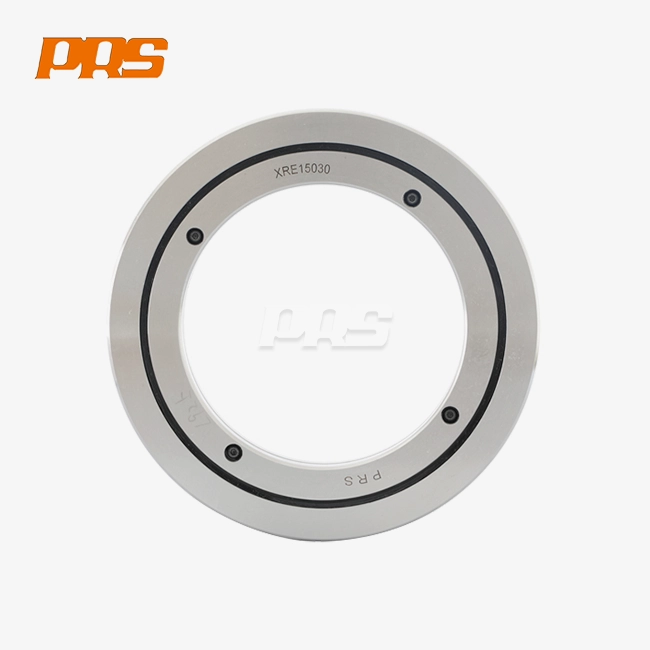
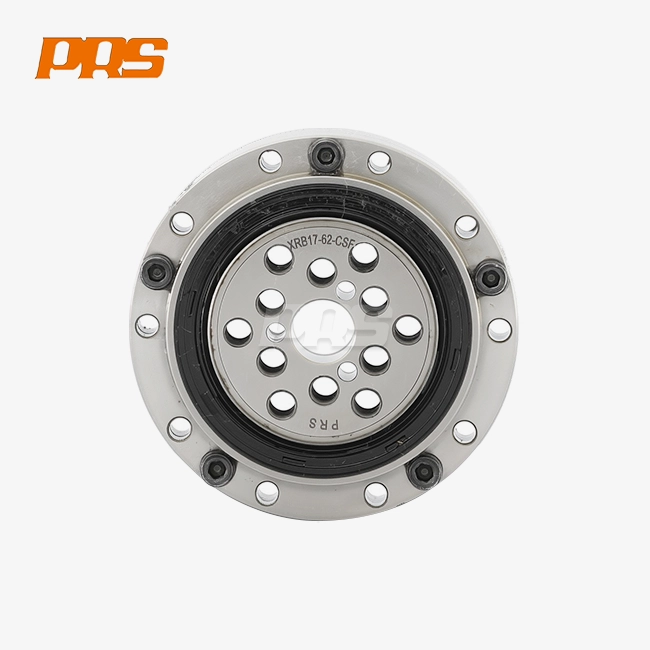
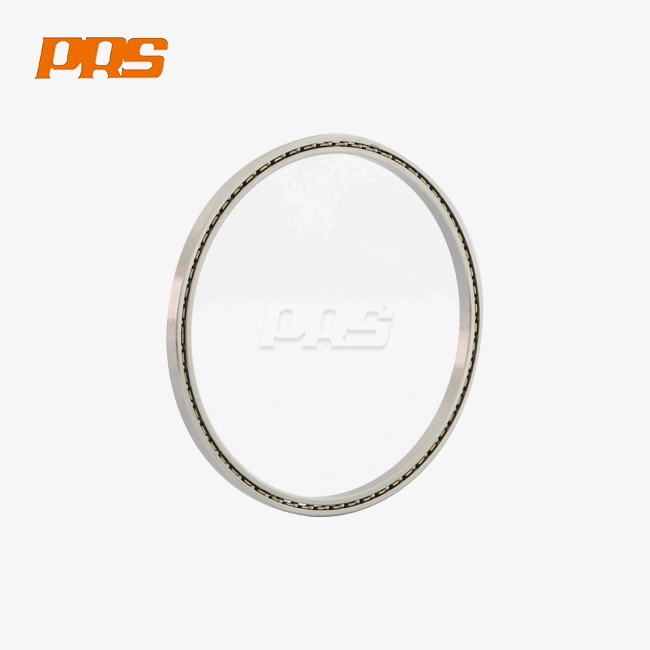
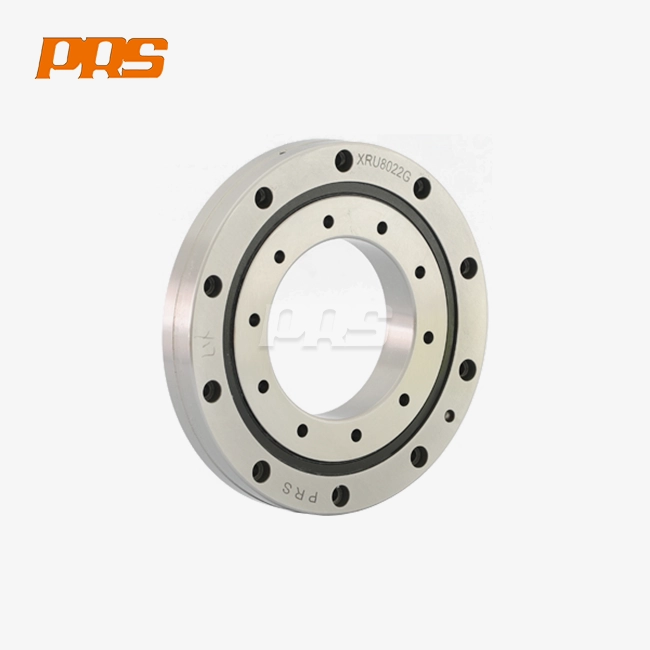
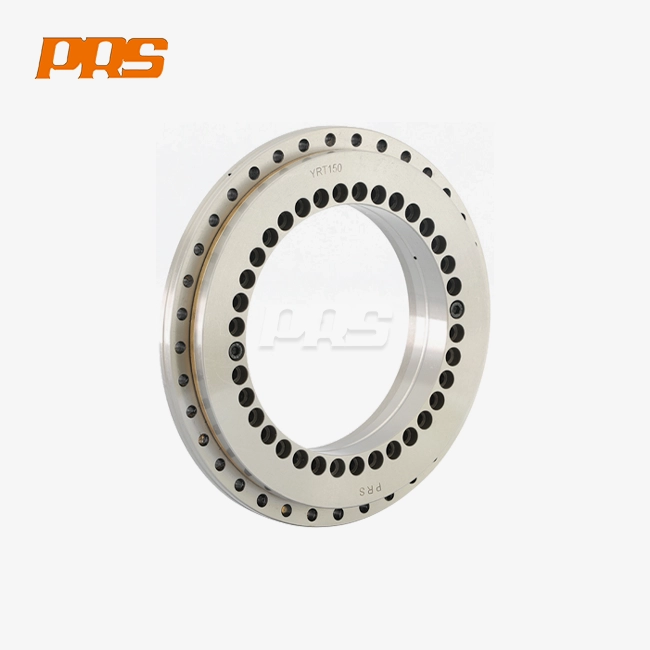
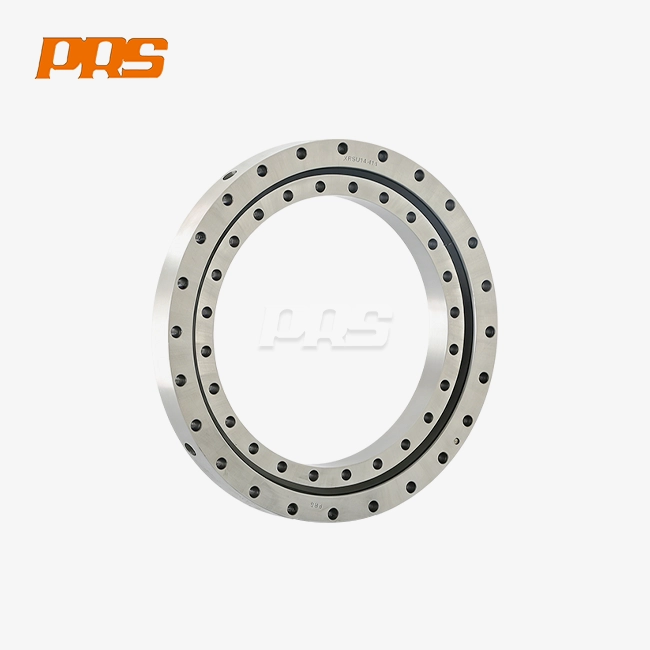
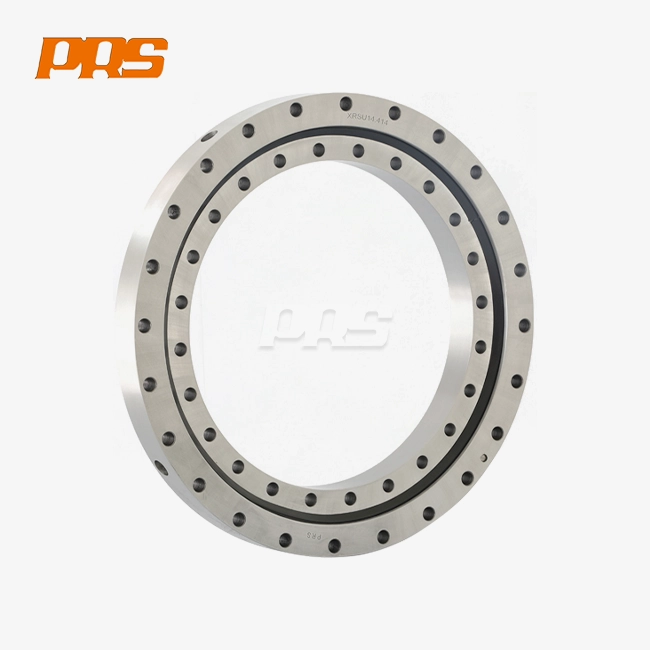
CRBH robot bearings represent a specialized category of crossed roller bearings engineered to meet the demanding precision requirements of modern industrial robots. These thin-wall, space-saving components integrate orthogonally arranged cylindrical rollers within solid inner and outer rings, delivering exceptional rigidity and accuracy while minimizing installation space. By simultaneously handling radial, axial, and moment loads with minimal friction, CRBH robot bearings enable robotic systems to achieve repeatable positioning accuracy that directly impacts production quality across automation, semiconductor manufacturing, and precision assembly applications.
Understanding CRBH Robot Bearings: Features and Specifications
The CRBH robot bearings line stands out because it has an integrated structural design that solves important performance problems in industrial robots. This type of bearing has a solid inner ring and a one-piece outer ring, instead of split-ring alternatives. It also has cylindrical rollers spaced at 90-degree intervals along V-groove raceways. This setup gets rid of installation-induced deformation, a common failure mode that makes it harder to get accurate rotation when adding bearings to robotic joints or rotary tables.
Structural Design and Material Composition
CRBH robot bearings have a thin-wall optimization feature that makes the rings 30–40% thinner than with normal crossed roller bearings of the same inner diameter. With this way of thinking about design, diameter-to-thickness ratios can hit 10:1. This lets engineers put high-performance bearings into small artificial joints without lowering their load capacity. Precision heat treatment of high-grade bearing steel makes sure that the hardness levels are the same across the raceways. This keeps the steel from brinelling under the shock loads that are common in pick-and-place operations.
A lightweight aluminum alloy cage separates the rollers while reducing rotational inertia by approximately 15-20%. When super-finishing methods are used on raceway surfaces, friction ratios drop to 0.0015 or less. This directly helps servo-driven robotic systems use less energy. Thin rubber lip seals keep things small while keeping internal parts clean in cleanrooms. This is especially important for tools used to handle semiconductor wafers.
Load Capacity and Precision Grades
When used in robotics, CRBH robot bearings are great at handling the mixed loads that come with those uses. The arrangement of the orthogonal rollers spreads forces across many contact points, which stops the deformation that causes positional errors when moving quickly. Precision grades that reach the P4 and P2 classifications keep radial and axial runout within micron-level tolerances. This is very important for laser cutting systems and coordinate measuring machines, where output quality is directly affected by how accurately the parts are placed.
When specifying these bearings, the preload characteristics need to be carefully thought through. When set correctly, negative clearance values make the system stiffer and reduce the backlash that would build up across a robotic arm's many joints. When there isn't enough preload, vibrations happen during cycles of rapid acceleration. When there is too much preload, heat builds up, which can cause thermal seizing. Professional buying teams use inductive probes to check runout specs and torque measurement tools to make sure that starting friction values meet the needs of low-power servos.
Operational Characteristics
Operating noise levels below 51dB make CRBH robot bearings suitable for medical robotics and laboratory automation where acoustic emissions must remain minimal. Low friction and even load distribution make motion control smooth even at micro-stepping levels, which is important for medical robots that need to make positioning changes of less than a millimeter. Thermal stability makes sure that systems work the same way even when the temperature changes in industrial settings like semiconductor factories that keep temperatures stable or warehouse automation systems that experience seasonal changes.

How CRBH Robot Bearings Work and Their Maintenance Best Practices?
The basic idea behind CRBH robot bearings is that loads are spread out across rollers that are not parallel to each other. When a robotic joint handles materials and feels both radial and axial forces at the same time, rollers oriented in the radial direction support vertical loads while rollers oriented in the axial direction fight thrust forces. This load-sharing mechanism prevents the point contact limitations of ball bearings, instead utilizing line contact that spreads stress across greater surface areas and extends operational life.
Friction Control and Motion Precision
There are several linked factors that affect how precise a robot is. Surface friction between rollers and raceways decides how smoothly rotational motion works. Even small irregularities can cause the robot's end-effector to move out of place. The surfaces of super-finished raceways have few tiny flaws that would cause vibrations when moving quickly. The lightweight cage design keeps the rollers evenly spaced, which stops the friction between the rollers that causes resistance to change unexpectedly during spinning cycles.
Another important function is reducing backlash. Tight tolerance production makes sure that there isn't much play between parts, which lets position encoders correctly match motor input with real joint position. Even a 0.05mm improvement in backlash control can cut end-effector positioning errors by tens of millimeters. This is what determines whether assembled parts meet quality standards in assembly lines for electronics or cars.
Routine Inspection and Lubrication
To keep things running at their best, CRBH robot bearings need to be inspected regularly using specific signs of wear. Visual inspections should show darkening in the raceways that means they are too hot, and profilometer readings should show how much surface wear is happening before it affects accuracy. Eddy current testing confirms that the strengthening depth is still high enough to prevent brinelling, especially when the bearing is subjected to shock loads or overload conditions that were not expected.
Routines that involve lubrication need careful product choice and application timing. When made for high-precision bearings, synthetic greases protect the border layer without adding to the starting force through viscous drag. Application intervals depend on job cycles. For example, equipment that works continuously with semiconductors needs to be checked more often than equipment that works intermittently with assembly robots. Not enough lubrication speeds up wear, and too much grease can move to nearby parts and contaminate optical sensors or computer circuits in medical devices.
Installation Techniques and Troubleshooting
When you fix CRBH robot bearings correctly, you avoid early failure modes that shorten the life of the bearing. In order to keep bearing rings from warping during bolting, mounting surfaces must meet specifications for flatness within microns. Star-shaped torque sequences for mounting nuts spread tightening forces out evenly and stop stress from building up in one place. Temperature-controlled installation methods make sure that everything fits right without using mechanical force, which could damage surfaces that have been precisely ground.
When trying to figure out what's wrong with an operation, high starting torque is often a sign of contamination or lubricant degradation. Hearing noise during spinning is a sign of damaged roller spacing or raceways that need quick attention. Thermal tracking finds changes in preload. Rising temperatures indicate too much preload that needs to be adjusted before thermal expansion causes a seizure.
Comparing CRBH Robot Bearings with Other Leading Brands
When buying things for industrial automation, teams often look at both CRBH robot bearings alternatives and bearings from well-known brands. NSK and THK have strong reputations in the precision bearing market, and they offer a wide range of products that have been improved over many years by engineers. Learning about the differences in performance helps you choose bearings that meet the needs of your product and your budget.
Performance Factor Analysis
Most of these brands' precision levels meet P4 grade standards, which are good for most industrial robot uses. CRBH robot bearings have similar runout tolerances, but their integrated ring form gives them structural benefits. This way of building gets rid of the chance of ring separation problems that can happen with split-ring designs when they are loaded very heavily. This is especially important for material-handling robots that carry heavy loads.
When comparing durability, it's important to use application-specific factors instead of general rankings. The operating life is affected by the type of material used, the heat treatment steps, and the surface finishing steps. The work that CRBH robot bearings do to optimize thin walls saves weight, which lowers the structure loads on robotic frames. This, in turn, makes the system last longer by reducing stress on nearby parts.
Value Proposition Considerations
Price-performance analysis looks at more than just the starting costs of buying something; it also looks at the total costs of owning something. Long-term value is based on things like buying in bulk, the length of the warranty, and how easy it is to get expert help. CRBH robot bearings are more affordable than imported options because they have faster lead times. This is especially helpful when project deadlines require quick prototype development or when replacements are needed right away.
Different sellers have very different ways of providing help after the sale. Having direct relationships with manufacturers through companies like PRS lets engineering help with the specification phase. This keeps procurement teams from making expensive mistakes when matching bearing capabilities to application needs. This technical cooperation is especially helpful for custom automation solutions where standard store items need to be changed to fit specific loading patterns or space limitations.
How to Choose the Right CRBH Robot Bearing for Your Industrial Robot?
Before choosing a CRBH robot bearing, you should look through a catalog and do a thorough analysis of the application. When they are loaded, welding robots and production systems are loaded in different ways. Each type of application has its own thermal cycling and vibration rates. When moving big loads, material handling robots put load capacity first, while checking systems put positional accuracy first.
Defining Critical Performance Requirements
Load estimates need to take into account peak forces during acceleration stages as well as static loads when the system is in a steady state. When changing directions quickly, a collaborative robot carrying 5 kg payloads might feel forces greater than 15 kg, so it needs bearings that are rated for that. When there are long reach distances, moment load capacity is very important because gravitational forces create torque that is increased by arm length, and bearings must be able to withstand it without deflection.
The speed ratings show the fastest rotational speeds that can happen before centrifugal forces make the roller unstable. When it comes to speed, slower Cartesian systems put load capacity ahead of speed limits, while high-speed delta robots need bearings that have been tested for acceleration rates that go beyond normal requirements. By matching the bearing's capabilities to its real operating profiles, over-specification is avoided, which raises costs without improving performance.
Dimensional and Integration Factors
When it comes to artificial joints, space constraints often play a bigger role in choosing bearings than performance specs alone. Standard bearings need bigger housing sizes, but CRBH robot bearings thin-wall construction fits into smaller spaces. This lets robots be sleeker and have better reach-to-weight ratios. It's just as important that the mounting interface works with existing robotic frame designs. Bolt patterns and locating features need to be carefully checked against existing designs.
Different seal designs are better or worse for different settings. In cleanrooms with strict rules, open bearings allow for the fastest speeds, while sealed bearings keep coolant mist and dust out of machining cells and warehouses, respectively. Contact seals offer better security but cause a little more friction. This is a trade-off that can be accepted in situations where preventing pollution is more important than saving energy.
Operational Context and Support Requirements
OEMs that are making large robotic systems need different kinds of help than end users who are keeping their old equipment in good shape. Buyers in large quantities can benefit from technical partnerships that offer custom specification development and qualification testing. This makes sure that the bearings work perfectly with the buyers' own designs. Distributors who work with many clients put a high value on having enough inventory and quickly filling orders. Maintenance teams, on the other hand, value detailed paperwork for troubleshooting and repair processes.
Lead time issues have a big effect on project schedules. Standard CRBH robot bearings configurations ship within a few weeks, but technical needs may require special changes that cause delivery times to be longer. To find the right balance between the benefits of customization and the need to meet deadlines, it is important to work with suppliers early on in the design phase, rather than waiting until the last minute to buy things.
Procurement and Support: Buying CRBH Robot Bearings Smoothly and Securely
Setting up reliable supply chains for precision bearings keeps automation projects from being held up by delays that affect other production plans. Depending on the number of orders and the level of technical support needed, both authorized dealers and direct manufacturer relationships have their own benefits. Checking the credentials of CRBH robot bearings suppliers stops fake goods that hurt system performance and safety certifications.
Sourcing Strategies and Supplier Evaluation
Suppliers with a good reputation show that they are real by using clear quality paperwork and systems that allow for tracking. CRBH robot bearings that meet the stated specs can be proven with certificates of conformance, material test results, and dimensional inspection records. Supplier sites that have ISO approval and well-established quality management systems lower the risks of buying parts that aren't up to par and getting into important uses.
Global wholesaler networks make products more available, but they may also make transportation more difficult. When you buy directly from a maker through a company like PRS, contact is easier because there are no middlemen to get in the way of your technical needs during the order placement process. Different sellers offer different levels of engineering support, and direct access to manufacturers lets you talk about specifications and choose the best bearings before you commit to buying them.
Logistics and Delivery Considerations
The way a product is transported affects both how quickly it arrives and how good it is when it does. Precision bearings need to be shipped in safe packaging that keeps them from being damaged by shocks. International packages that go through multiple carriers need special care. When equipment breaks down and production losses are higher than shipping costs, expedited freight options are a good way to balance speed with cost.
There are benefits to ordering in bulk that go beyond lower unit prices. For example, dedicated production runs make sure that the quality of the large quantities is the same. When dozens of identical CRBH robot bearings are needed for a project, it's best to have them all made in the same batch so that there aren't any performance differences that would need to be fixed during assembly. Suppliers who offer inventory management services keep extra stocks on hand in case demand spikes or shorter project timelines happen out of the blue.
Warranty and Customer Support Framework
Full warranty terms show that the manufacturer trusts the product's dependability and protect buyers from the costs of failure before it's supposed to happen. The safety net that helps with buying choices is made up of things like coverage length, replacement policies, and the availability of expert support. Clear return policies for leftover goods give you options when project requirements change or equipment designs change during the development process.
Engineering advice should be part of customer support systems that go beyond helping customers choose products and include help with installation and fixing problems. Having application engineers who are familiar with robotic systems on hand speeds up the process of fixing practical problems, avoiding long periods of downtime while maintenance teams figure out why CRBH robot bearings are losing performance.
Conclusion
In conclusion, CRBH robot bearings improve precision in a way that can be measured. This leads to better robotic performance in a wide range of industrial settings. Its thin walls, built-in ring design, and super-finished raceways make it perfect for the toughest applications in robotics, semiconductor manufacturing, medical devices, and precise equipment. When purchasing bearings, it's helpful for teams to know how structural features affect how well they work, how much upkeep they need, and how much the whole thing costs to own. Strategic relationships between suppliers and makers that offer engineering support and reliable delivery performance improve automation projects from the beginning of the design process to the long-term operating phases. This makes sure that robotic systems keep the levels of accuracy that justify investments in automation.
FAQ
What factors most significantly influence CRBH robot bearings lifespan in robotic applications?
The main things that determine operational life are how much the machine is loaded, how well it is oiled, and how dirty the environment is. Calculated L10 life standards are usually met by CRBH robot bearings that are used within their rated load capacities and get the right amount of lubrication and upkeep. Metal particles or wetness that get inside speed up wear, especially in setups that aren't sealed. Extreme temperatures change the viscosity of lubricants and the stability of materials' dimensions. Also, shock loads from sudden stops or collisions cause stress peaks that are higher than what was intended.
Can CRBH robot bearings be customized for specific robot models?
Customization options include changing the size of the envelopes, making the seals fit in unique ways, and changing the preload values to fit the needs of the application. For custom bearing development to happen, engineers must work together to set requirements, test prototypes, and make sure they meet production standards. Lead times are longer than for normal catalog items; engineering study and factory setup usually take a few weeks. The minimum order quantity for custom variants depends on how hard the changes are to make and how many tools are needed.
How does PRS maintain quality consistency across large-volume orders?
Statistical process control in manufacturing makes sure that the dimensions stay within certain tolerance bands from one production run to the next. Before allowing shipment, batch sampling procedures make sure that important factors like hardness, runout, and starting torque meet the requirements. Traceability systems connect each CRBH robot bearing to a specific production date and lot of materials. This makes it easy to quickly find the root cause of problems that happen in the field. Long-term relationships with material sources make sure that the steel used in the manufacturing process is always of high quality.
Partner with PRS for Your Precision Bearing Requirements
To get great results in industrial robotics, you need parts that are made to precise standards and are reliable over time. PRS has been making precision crossed roller bearings since 2003. They use advanced manufacturing techniques and offer quick technical help for automation pros. Our network of CRBH robot bearings suppliers guarantees availability, along with strict quality control, competitive delivery times, and engineering support throughout the lifecycle of your project. Our team knows how important accurate bearings are to the success of operations, whether you're making plans for the next generation of robots or fixing up old automation gear. Email us at ljh@lyprs.com to talk about your specific needs and find out how PRS can provide solutions that go beyond what is listed in our catalog. You can find a lot of technical information at prs-bearing.com to help you make smart specification decisions.
References
1. Harris, T.A., and Kotzalas, M.N. (2006). Advanced Concepts of Bearing Technology: Rolling Bearing Analysis, Fifth Edition. CRC Press, Boca Raton, Florida.
2. Weck, M., and Brecher, C. (2006). Werkzeugmaschinen 2: Konstruktion und Berechnung (Machine Tools 2: Design and Calculation). Springer-Verlag, Berlin.
3. ISO 199:2014. Rolling bearings — Thrust bearings — Geometrical product specifications (GPS) and tolerance values. International Organization for Standardization, Geneva.
4. Bhushan, B. (2013). Principles and Applications of Tribology, Second Edition. John Wiley & Sons, New York.
5. Siciliano, B., and Khatib, O. (2016). Springer Handbook of Robotics, Second Edition. Springer International Publishing, Cham, Switzerland.
6. SKF Group. (2018). Rolling Bearings Catalogue: Technical Product Information and Application Guidelines. SKF, Gothenburg, Sweden.

USER EVALUATE
Here is the customer's evaluation of us