
How Bearing Preload Impacts Lathe Performance?
Bearing preload completely changes how well a lathe works by getting rid of the internal space in the spindle bearings. This directly improves the accuracy of the machining process and the regularity of the dimensions. When used correctly, preload makes controlled contact between the rolling elements and raceways in lathe bearings. This reduces runout during high-speed spinning and surface finish problems caused by shaking. This controlled force creates the rigidity needed to reach micron-level tolerances in CNC turning operations. This is especially important when working with aircraft parts or medical device parts where accuracy in size cannot be sacrificed. When procurement teams know how changes to the preload affect operating results, they can choose spindle bearing systems that improve the quality of parts and make equipment last longer.
Understanding Bearing Preload in Lathe Systems
The Mechanical Principles Behind Preload Application
Bearing preload works by putting the bearing system into a controlled state of compression. This compression gets rid of the tiny gaps between balls or wheels and their raceways in lathe headstock uses. Cutting forces happen on the object during machining. These forces move to the bearing system through the chuck and spindle. If there isn't enough preload, these forces would make the spindle move within the bearing space. This would lead to positional mistakes that show up in finished parts as differences in size.
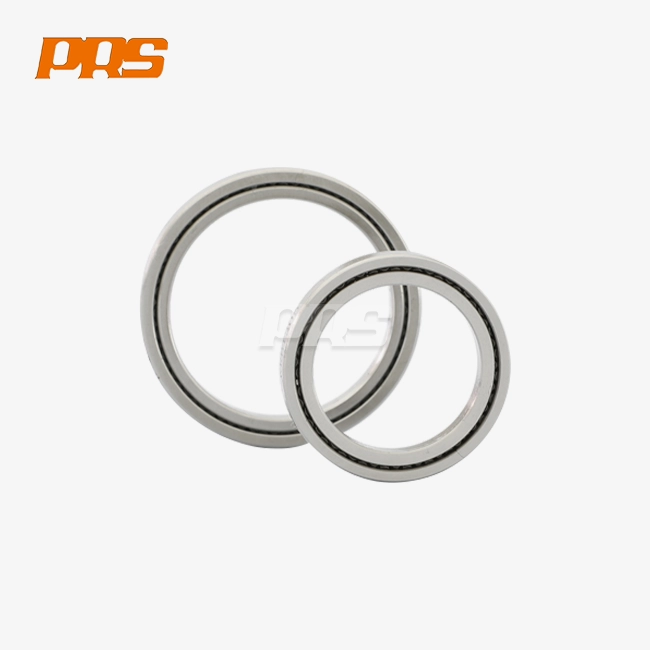
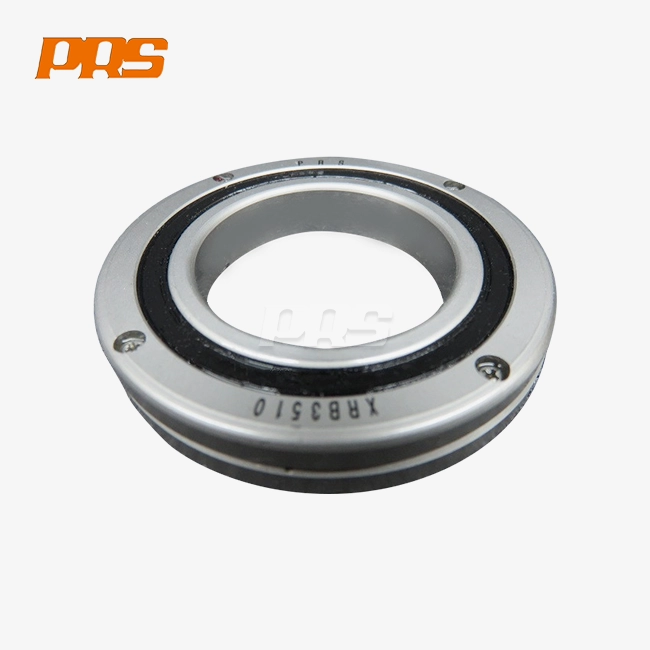
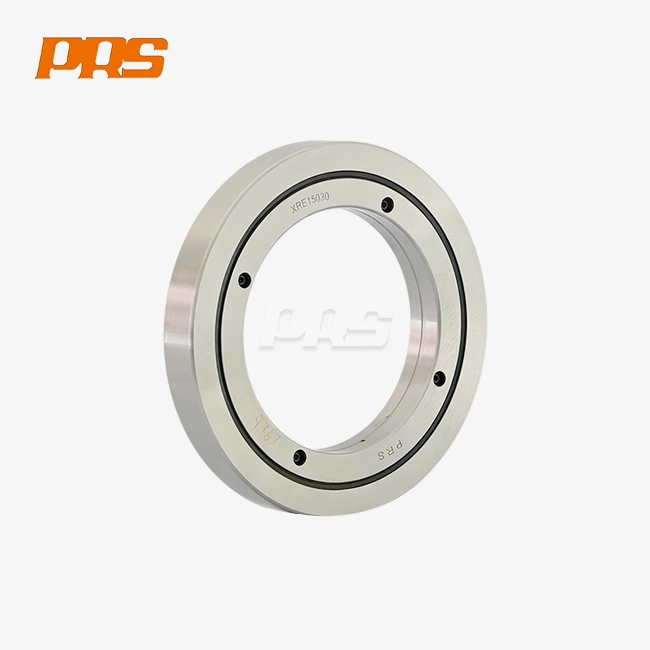
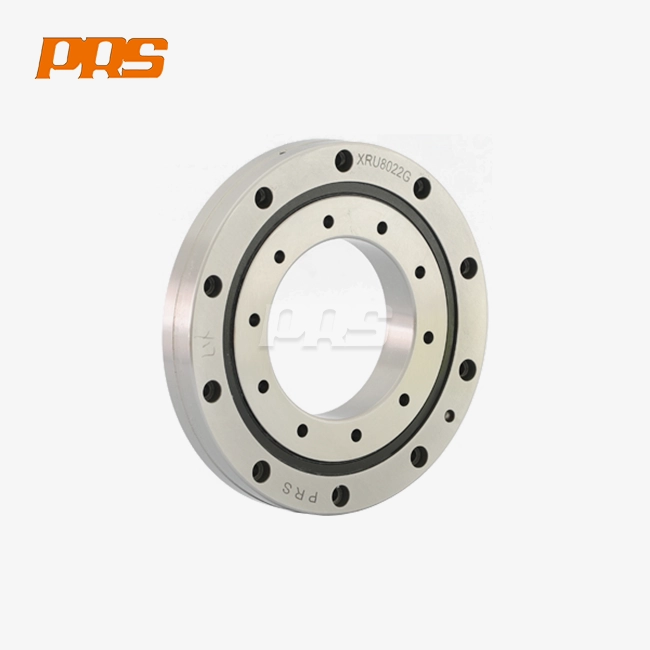
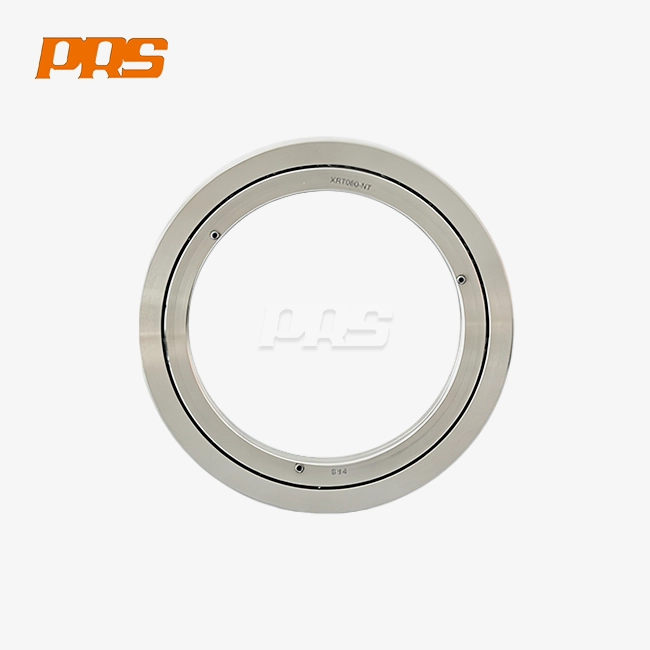
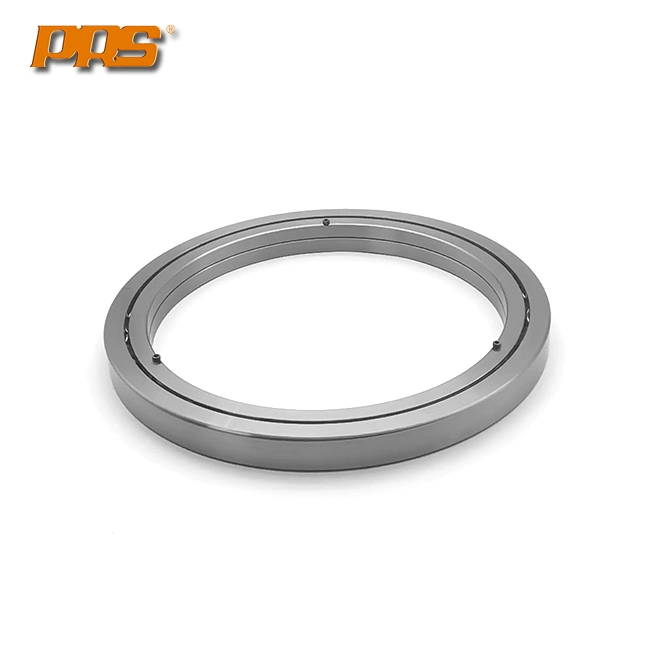
Different types of bearings have different ways that the preload system works. An angular contact ball bearing gets its preload from axial pressing, which presses the balls against the shoulders of the two raceways at the same time. Preload is created in tapered roller setups by precisely adjusting the distance along the axis between the inner and outer ring sections. At PRS, our crossed roller bearing designs use the 90-degree roller setup to keep the preload stable across a range of load directions without the need for external control systems.
Identifying Preload Imbalance Symptoms
Seeing preload problems early on, before they cause output problems, saves a lot of money on junk parts and machine repairs. Too much preload causes friction that isn't needed, which raises the temperature, which can be seen by regularly checking the temperature. Spindle bearings that are 15-20°C above their regular operating temperatures during normal cutting activities are usually a sign that they are overloaded. This heat stress speeds up the breakdown of lubricants and can cause bearings to fail in months instead of years.
The signs of not having enough reserve are just as bad. When the bearing clearance goes beyond what was intended, the spindle has more runout, which is measured axial or horizontal movement while it is turning. Parts that have been machined have sizes that vary along their length, and these differences are bigger than what is allowed by tolerances. Audible signs include clicking sounds that happen in a rhythm when the spindle turns, and higher shaking amplitudes that can be picked up by an accelerometer. Taking care of these problems quickly by adjusting the preload correctly can fix the quality of the machining and keep the spindle body and mounting surfaces from getting damaged again.
How Preload Influences System Rigidity
System stiffness is the measure of how little a system bends when loads are put on it. When used on a machine, cutting forces are always trying to move the tool away from the workpiece. Bearing preload directly fights these movement forces by making sure that the rolling elements always have load routes. When the preload number is higher, the effective spring rate of the bearing system goes up. This makes the displacement smaller for any given cutting force.
Up to the best values, the link between preload and stiffness for lathe bearings is easy to predict. After that ideal point, adding more preload makes friction losses worse without making the material stiffer in the same way. Our P4 and P2 precision grade bearings are the most rigid on the market because they are made with precise specs that let you set the preload exactly without causing too much tension. This level of accuracy is especially useful in CNC turning centers, where the accuracy of the tool path has to stay within 2-3 microns for long production runs.
Types of Lathe Bearings and Their Preload Characteristics
Ball Bearings vs Roller Bearings in Spindle Applications
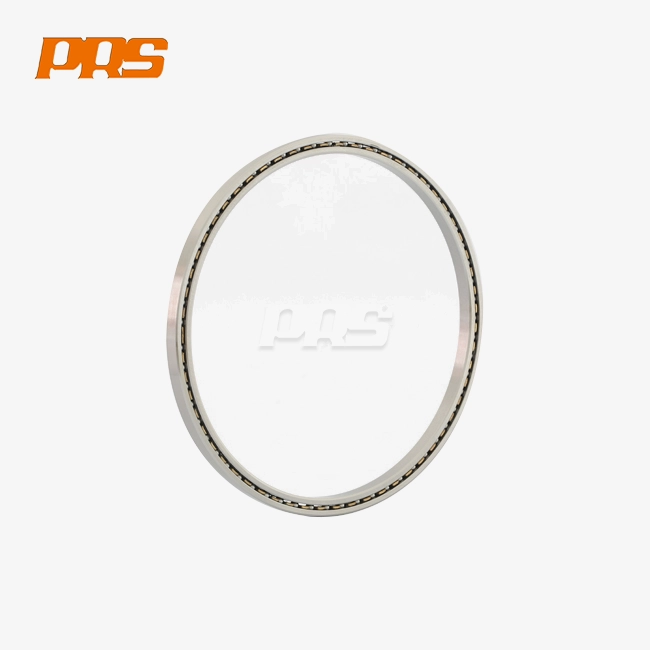
Knowing the main differences between ball bearings and roller bearings helps buying teams choose the right products for different machining needs. Ball bearings have spherical rolling elements that make point contact with raceways. This allows them to work at higher speeds—spindle speeds can usually go over 850 RPM in normal configurations and can hit several thousand RPM in specialized high-speed designs. Because they have less contact area, they can't hold as much weight as roller bearings of the same size.
Roller bearings use moving elements that are either round or curved and make line contact with raceways. This shape spreads forces over a bigger surface area, which makes it possible to hold a lot more weight. Our crossing roller bearing systems can handle radial, axial, and moment loads all at the same time, so they don't need to be paired up. The 90-degree roller orientation makes the hardness the same in all rotational directions. This gets rid of the direction sensitivity that comes with single-row angular contact designs. Roller bearings usually work at slower speeds but are more rigid, which makes them better for heavy cutting tasks.
Specialized Bearing Configurations for Precision Machining
Thrust bearing systems are designed to handle the axial loads that are created during heavy chip removal and face operations. These arrangements use raceways that are flat or slanted and are best for forces that run parallel to the spindle line. When used with radial support bearings, thrust bearings make it possible to make lathes that can handle broken cuts and workpieces that aren't balanced without losing their positional accuracy.
When used in demanding situations, hybrid bearing systems with ceramic rolling parts are clearly better. When the temperature changes, ceramic balls or wheels keep their preload levels more stable because they have lower thermal expansion rates than steel. Their smaller mass lets them accelerate faster with less centrifugal force, which increases the range of speeds where the loading stays the same. In the making of medical devices and electronic equipment, where temperature stability has a direct effect on production yield rates, these traits are very useful.
Lubrication and Sealing Impact on Preload Stability
The choice of lubricant has a big effect on how stable the charge is over the life of a bearing. Oil lubrication systems are better at cooling because they get rid of frictional heat that would otherwise cause the temperature to rise and the loading to change. During busy cutting operations, circulating oil systems keep the working temperatures constant, which keeps the size relationships that set the right preload values. Grease lubrication makes upkeep easier, but you have to be careful to choose consistency grades that work at all temperatures where the bearing is used.
Sealing arrangements for lathe bearings keep fluids in and keep the inside of the bearings clean. The best defense against liquid leaks and metal particles is provided by contact seals. However, they create friction, which changes the temperature and preload stability. Non-contact labyrinth seals keep most contaminants out while minimizing friction losses. They are the best choice for precise uses where temperature stability is very important. Our engineering team looks at your unique machining environment and suggests sealing designs that meet both security and heat management needs.
How Bearing Preload Directly Influences Lathe Performance
Minimizing Runout and Chatter for Superior Surface Finish
If the spindle isn't moving in a circle, this is called spindle runout. It directly causes surface finish flaws on made parts. When bearings are properly primed, they keep the spindle's rotating axis within tolerance bands of a few microns. This stops the tiny wobble that leaves tool marks on finished surfaces. We use precision dial indicators to measure runout at the spindle nose. Systems that are properly preloaded always show readings below 2 microns total indicator reading (TIR), while systems with poor preload show readings between 10 and 15 microns.
When cutting forces cause resonant oscillations in the machine structure, chatter is the sound of vibrations that are caused by themselves. By making sure that there is constant touch pressure between the rolling elements and the raceways, bearing preload raises system damper. This touch pressure breaks up kinetic energy that would otherwise get stronger and cause chattering. Optimized preload settings are especially helpful for machine shops that work with thin-walled parts, since these parts are very likely to have surface finish flaws and changes in size caused by shaking.
Extending Spindle Bearing Service Life Through Optimal Preload
The load spread across rolling parts is directly related to how long a bearing lasts. If there isn't enough loading, balls or rollers can briefly lose touch with raceways when the load changes. When they re-establish contact, impact conditions happen. These repeated hits create areas of high stress that lead to surface fatigue cracks, which are the main way that precise bearings fail. Keeping the right preload makes sure that all of the rolling parts share the applied loads evenly. This increases the estimated bearing life by 200 to 300 percent compared to when there is no preload.
Even though there is constant contact, over-preload situations are just as bad. Too much compression causes friction that isn't needed, which raises working temperatures and speeds up the oxidation of the oil. High contact forces also thin the oil film between the raceways and the rolling elements, which speeds up the contact between the metals and the rate of wear. Our precise production tolerances allow us to optimize the preload within a small window that improves both load capacity and service life. This window is usually between 1% and 3% of the bearing's basic dynamic load rate.
Thermal Stability and Dimensional Consistency
Through thermal expansion, the heat from the bearings affects the whole spinning system. Steel parts grow at a rate of about 11 to 12 micrometers per meter per degree Celsius as the temperature rises. A 10°C rise in temperature changes the size of a standard 300mm spindle unit by about 33 microns. This thermal growth changes how the spindle and bearings fit together, which could mean that preload values change by 15 to 25 percent, based on how the system is set up.
Optimized setup cuts down on heat production by lowering the friction between parts that slide against each other. Lower working temperatures keep the dimensions stable throughout production runs. This makes sure that the specs of parts machined at the start of a shift match those of parts machined hours later. Modern CNC lathes have temperature tracking systems that can set off compensation algorithms. However, the mistakes that these systems try to fix can be avoided by making sure the temperature stays fixed by choosing the right preload. When our crossed roller bearing designs are used with the right preload levels, they usually stay stable at 8 to 12°C above atmospheric temperature during constant operation. This is in contrast to systems that are set up incorrectly, which can reach 25 to 35°C.
Conclusion
Lathe bearings setup has a big impact on how well a lathe works because it changes the accuracy of the work, how long the wheel lasts, and how reliable the machine is to use. When you apply the preload correctly, you get rid of any internal gaps that could throw off the measurements, and the best numbers balance the need for stiffness with thermal concerns. When procurement professionals choose bearings based on preload traits, they give their companies long-term competitive benefits through better product quality and lower maintenance costs. This guide gives you the technical information you need to confidently evaluate bearing specifications, supplier capabilities, and quality standards that are important for machine tool uses in industrial automation, semiconductor manufacturing, medical devices, aerospace systems, and precision equipment.
FAQ
How often should I check bearing preload in production lathes?
The length of time between preload checks depends on how hard the process is and how precise the results need to be. High-production areas with continuous shifts can benefit from checks once a month, during repair times. Equipment that isn't used very often and only sometimes needs to be checked every three months. Any changes in the quality of the surface finish, the regularity of the dimensions, or the noise from the bearings should be checked right away, no matter what the plan is. Temperature monitoring devices allow for constant indirect preload verification and send out alerts when temperatures change from normal levels.
What risks come with low-quality generic bearings?
Generic bearings don't always have the exact measurements needed to set the pressure correctly. When manufacturing errors get too big, contact angles and raceway shape change in ways that don't let the load be spread out evenly. When pressure conditions are present, inferior materials wear out faster, so they need to be replaced more often. When heat treatment isn't done right, surfaces can bend under preload tension, which quickly lowers their performance. Not being able to track down materials makes failure analysis harder and stops process changes from being made when problems happen.
How does preload adjustment extend spindle bearing life?
When you set the preload correctly, the load is evenly spread across all the rolling parts. This stops the impact loading that causes surface wear. By keeping hydrodynamic fluid layers between parts, optimized preload values keep metal-to-metal contact and wear to a minimum. Controlled amounts of contact keep lubricants working well by keeping temperatures from getting too high, which speeds up oxidation. The combined effects usually double or triple the service life compared to zero-preload or badly set configurations. This lowers the cost of replacements and the time lost due to bearing failures.
Partner with PRS for Superior Spindle Bearing Solutions
The accuracy of your cutting rests on bearings that work better than usual. When PRS makes high-precision lathe bearings, they make sure that they work best in difficult situations with the right amount of preload. With inner sizes ranging from 150mm to 2463.8mm, our crossed roller technology provides excellent rigidity and can support everything from small robotic joints to big vertical boring machines. Through our 6S production process, every bearing gets a P4 or P2 precision grade, and our plant pass rates stay above 99.9%. Whether you're looking for standard lathe bearings for sale or need special specs for a unique spindle design, our engineering team can help you choose the best bearings for your specific machining needs. Get in touch with us at ljh@lyprs.com to talk about how our precision bearing solutions can help your tools be more accurate and reliable.
References
Harris, T.A., and Kotzalas, M.N. (2006). "Advanced Concepts of Bearing Technology: Rolling Bearing Analysis, Fifth Edition." CRC Press, Boca Raton, Florida.
Weck, M., and Brecher, C. (2006). "Machine Tools Production Systems 2: Design and Calculation." Werkzeugmaschinen Fertigungssysteme, RWTH Aachen University.
American Bearing Manufacturers Association (2019). "ABMA Standard 7: Shaft and Housing Fits for Metric Radial Ball and Roller Bearings." ABMA Technical Standards Committee.
ISO 5753-1:2009. "Rolling Bearings - Internal Clearance - Part 1: Radial Internal Clearance for Radial Bearings." International Organization for Standardization, Geneva.
Tlusty, J., and Smith, S. (1990). "Update on High-Speed Machining Dynamics." Journal of Engineering for Industry, Transactions of the ASME, Vol. 112, pp. 142-149.
SKF Group (2018). "Bearing Installation and Maintenance Guide: Super-precision Bearings for Machine Tool Applications." SKF Technical Manual Publication BU/P1 16000/3 EN.

USER EVALUATE
Here is the customer's evaluation of us