
Cross Roller vs Slewing Bearings: Which One Fits Your Application?
Which of these two bearing systems to use relies on how precise you need the bearings to be and how much weight they have to carry. Cross-roller turntable bearings are great for places where high rotational accuracy, small size, and handling multiple loads at once in limited space are needed. This makes them perfect for robots, medical imaging, and precision tools. On the other hand, slewing bearings are most common in heavy-duty applications that need to hold a lot of weight and rotate slowly, like wind farms and building cranes. By understanding these basic differences, you can make sure that your equipment works well and lasts as long as possible.
Understanding Cross Roller and Slewing Bearings
Cross Roller Bearing Architecture
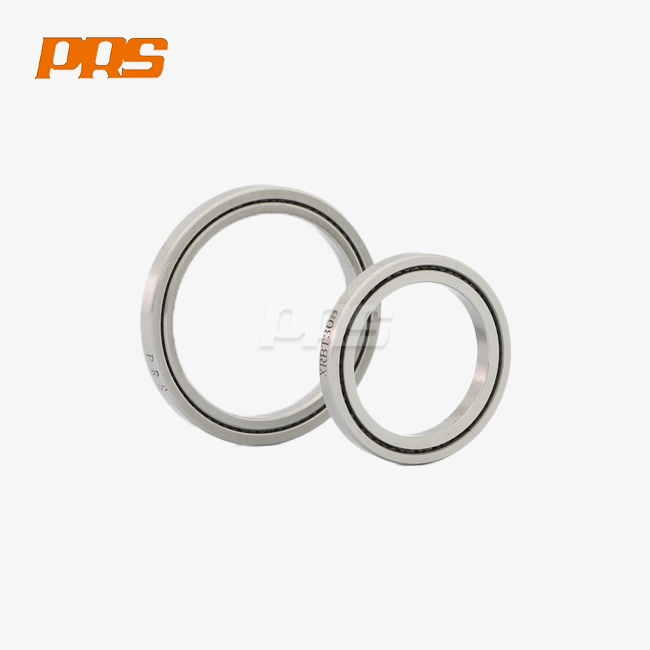
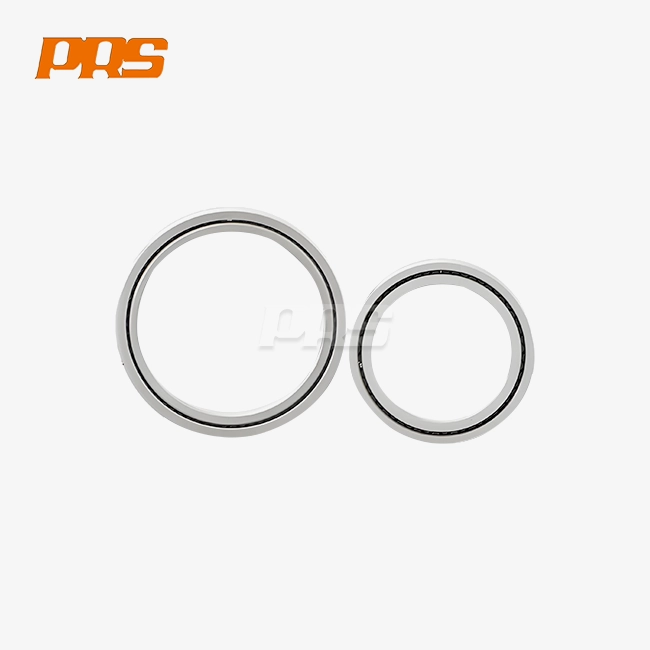
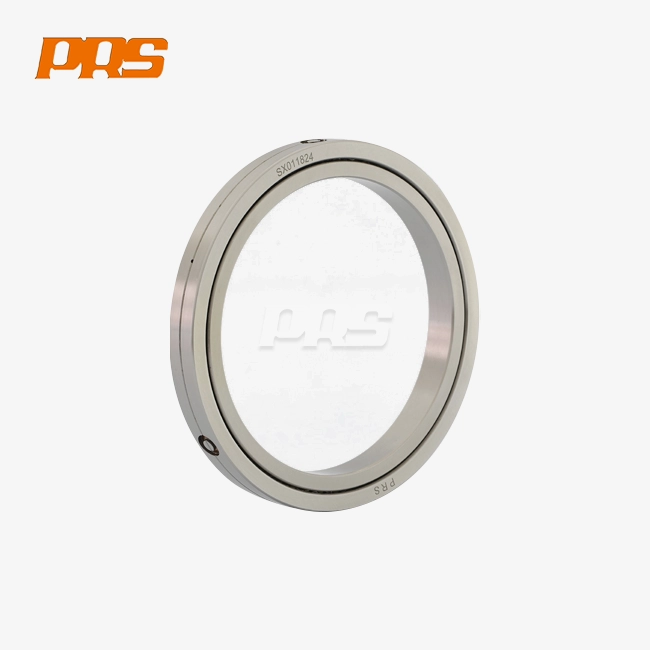
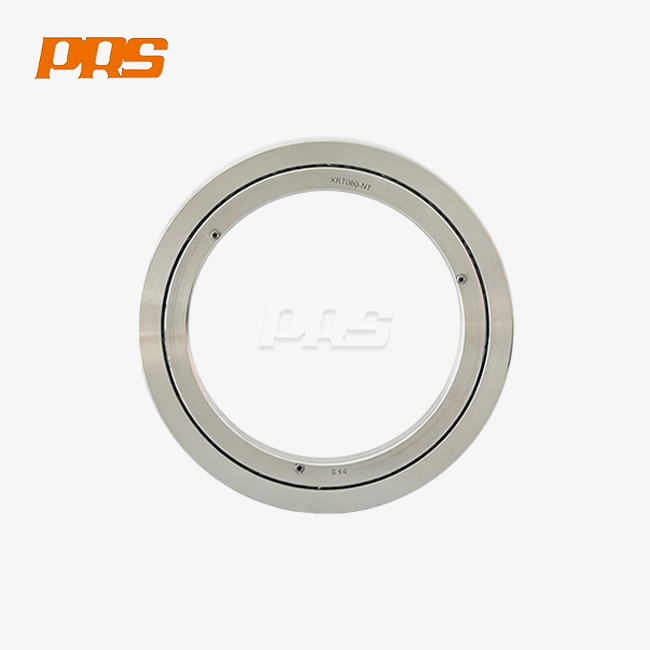
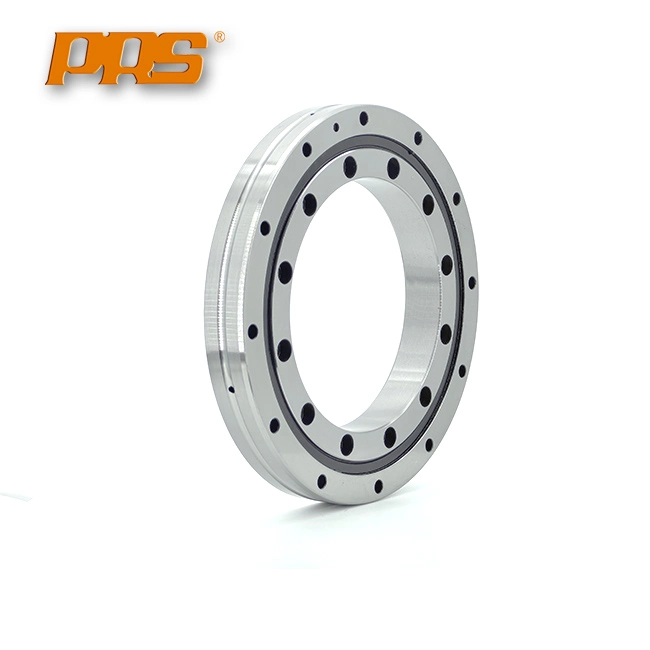
Cross-roller turntable bearings have cylindrical rollers that are positioned at right angles to each other inside precision-machined V-groove raceways. This straight-line setup makes several load lines inside a single, small unit. Line contact, not point contact, means that each roller touches the track all the way along its length. This design concept changes the physics of load distribution in a fundamental way.
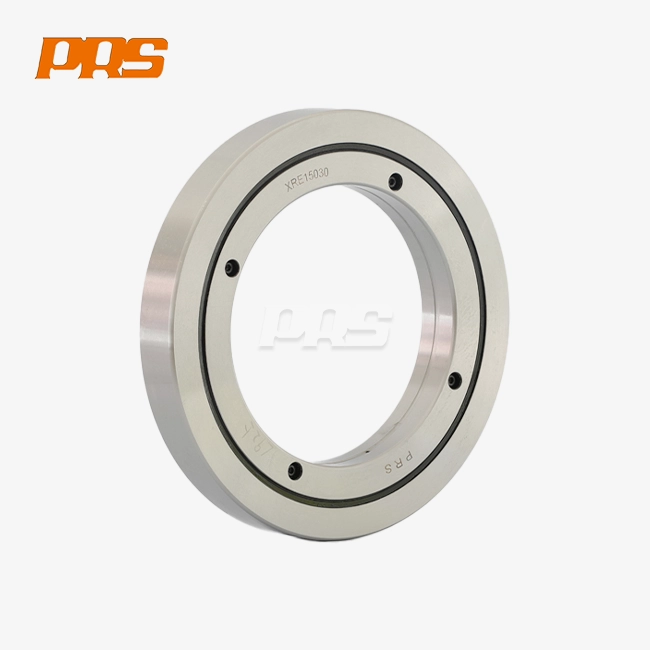
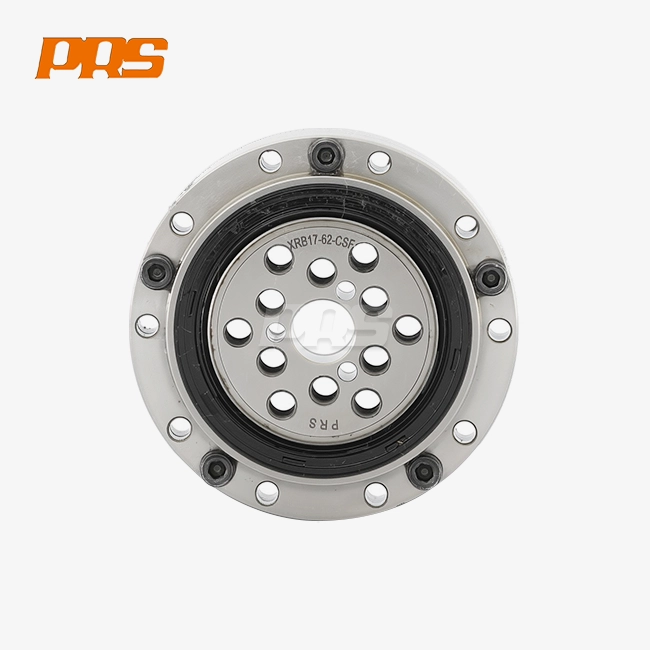
The technology lets it handle radial, axial, and moment loads at the same time, without the need for multiple bearing systems. Bearings made from advanced materials and tight manufacturing standards can keep their micron-level accuracy even when the loads change. With integral mounting holes, you don't need a separate housing. This makes installation easier and reduces the system's size by about half compared to traditional setups.
In accordance with ISO 199 P4 and P2 precision standards, PRS produces these bearings with inner and outer diameters of 10mm to 350mm. These specifications cover a wide range of uses, from small medical devices to large industry rotary tables. The bearings work effectively in temperatures ranging from -30°C to +120°C, making them perfect for both cleanrooms and normal industrial settings.
Slewing Bearing Design Characteristics
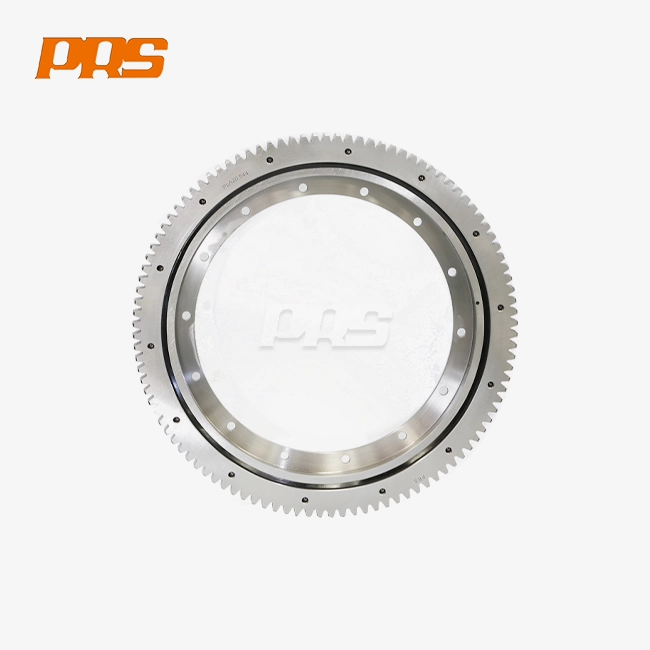
Slewing bearings are a different kind of engineering because they put huge load capacity ahead of precision rotation. There are single-row or multi-row ball or roller arrangements in these larger-diameter bearings that are made to handle big axial, radial, and overturning moment loads at the same time. Usually, they are made of high-strength steel rings that have gear teeth cut right into the outside or inside circle.
The form of the bearing allows for slow turning speeds while still keeping the structure strong under heavy loads. Because of this, they are essential in building tools, offshore drilling platforms, and wind energy systems that need to work reliably in harsh conditions rather than precisely. The strong design can handle shock loads and vibrations that would damage less durable bearing types.
Manufacturing processes focus on making things that last and can hold a lot of weight instead of being very precise. When choosing a material and heat treatment, wear resistance and deformation control under heavy loads are given the most importance. Slewing bearings can rotate accurately enough for their intended use, but they can't match the level of accuracy achieved by cross-roller designs.
Material and Manufacturing Distinctions
Both types of crossed roller turntable bearings use high-quality bearing steels, but the goals for making them are very different. To get sub-micron specs on the raceway surfaces of these precision bearings, which makes sure that the rollers always touch and there is little runout, the surfaces must be ground with great care. Rotational smoothness and positioning accuracy are directly related to the quality of the surface finish.
When making slewing bearings, the focus is on making sure the structure is strong and the dimensions stay the same under load. To keep the raceway from deforming plastically, the stiffness and depth of the heat treatment are given the most attention. For powered rotation uses, gear tooth accuracy is important, but total precision standards are still not as strict as requirement for more compact units.
Key Differences Between Cross Roller and Slewing Bearings
Structural Configuration Analysis
There is a big change in how the rollers are arranged. Cross-roller turntable bearings have alternating cylindrical rollers that are positioned perpendicular to each other. This makes a crossed pattern that can handle loads from all directions while keeping the profile small. This design increases rigidity compared to the size of the bearing envelope, which is important for precision equipment that doesn't have a lot of room.
Slewing bearings arrange rolling elements in one or more rows that are best for the direction of the load. Ball-type slewing bearings have less friction but can't hold as much weight. Roller-type bearings, on the other hand, can hold more weight but have more friction. The bigger width and cross-section give the structure the mass it needs for high-load situations, but they take up a lot more room when they are installed.
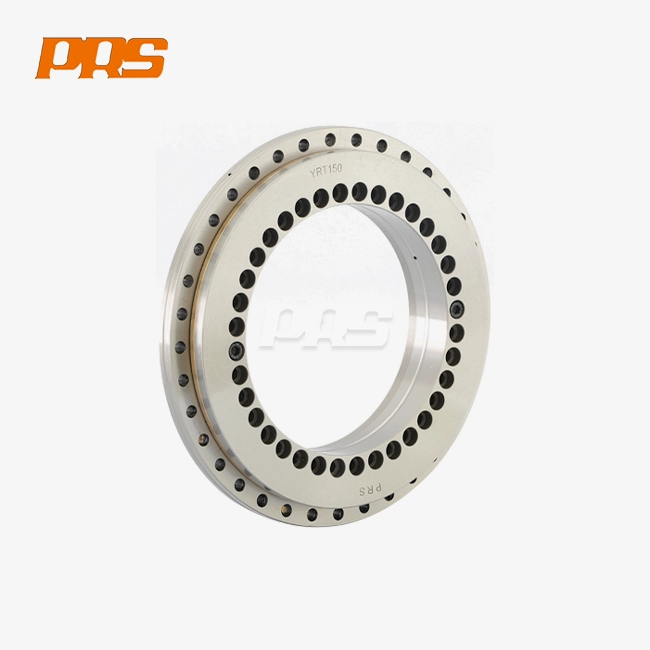
There are also big differences in how to mount things. Precision units have mounting holes built into both rings, so they can be attached directly to other parts without using housings in between. Slewing bearings usually need bolt circles around the whole diameter. This spreads the mounting forces across many screws to avoid stress building up in one area.
Performance Characteristic Comparison
Rotational precision may be the most important difference in success. Micron-level bearings have runout values measured in microns, which is important for tasks like moving semiconductor wafers or putting optical instruments in the right place. The crossed roller design keeps the contact angles the same no matter how big or small the load is or which way it is moving. This keeps the accuracy even when the working conditions change.
Slewing bearings put load capacity ahead of accuracy. They are very good at holding loads of several tons that are being turned over by large amounts of force—use cases that would damage precision bearings right away. Rotational accuracy is still good enough for building equipment or controlling the yaw of wind turbines, but it's not good enough for medical imaging or measurement equipment.
The two types of friction are very different in how they work. Line-contact units have better stiffness and load capacity than ball-type slewing bearings because they have a line contact that produces more starting torque. The friction in a slewing bearing relies on the type of rolling element used. Ball bearings offer smooth movement at lower torque, while roller bearings maximize load capacity.
Application Environment Suitability
In real life, environmental flexibility is what sets these cross roller turntable bearing groups apart. Precision cross-roller units work best in controlled settings that keep dirt and dust to a minimum. When sealed, versions keep dust and water out of the internal parts, but very high levels of pollution hurt accurate performance. Ideal places to work are in cleanrooms, with medical equipment, or with precision machinery.
Slewing bearings can work in tough industrial settings, where they may be exposed to weather, dirt, and changes in temperature. Strong sealing systems and large lubrication supplies make it possible for machines to work on building sites, offshore platforms, and in mines, where fine bearings would break down quickly. Their design allows for regular upkeep to be done in the field, instead of needing to be done in a controlled setting.
Procurement Considerations for Cross Roller and Slewing Bearings
Cost Analysis and Budgeting
When thinking about an investment, it's important to think about more than just the original buy price. Cross-roller turntable bearings are more expensive because they need to be manufactured with more precision and to tighter standards. A bearing with an inner diameter of 100 mm and P4 precision costs a lot more than ordinary bearings of the same size. The single-bearing option, on the other hand, gets rid of the costs that come with having multiple bearing setups, housings, and complicated assemblies.
When used correctly, precision bearings are more cost-effective in the long run when it comes to upkeep. When these units are properly kept, they last longer with less maintenance, which means they need to be replaced less often. The small size makes building the machine easier, which could help cover the higher costs of the parts by cutting down on assembly time and making inventory control easier.
Slewing bearings have a wider range of prices that depend on their diameter, load grade, and gear design. Large-diameter bearings for building tools cost a lot, but they last a long time and work well in tough situations, so the money is well spent. As part of regular maintenance, the bolt tightness must be checked and oil must be refilled. These are easy tasks that, when done regularly, greatly extend the life of the bearings.
Lead Time and Supply Chain Management
The time it takes to make regular catalog things versus custom designs for crossed roller turntable bearings is very different. PRS keeps popular sizes in stock, so standard specs can be sent out 24 hours a day. Making things with custom sizes or features takes time, usually between a few weeks and a few months, based on how complicated they are and how busy production plans are at the moment.
Lead times are longer for slewing bearings, especially for big sizes or custom shapes. Large amounts of material and a lot of machining processes mean that output times have to be longer. Planning for purchases should include enough lead time gaps to keep projects from being late.
Supply chain dependability depends on how well manufacturers can do their jobs and where they are located. When compared to distributors who don't have the ability to make their own products, established manufacturers with full production facilities offer more schedule freedom and technical help. Luoyang PRS has a 15,000 m² factory with more than 200 high-precision tools. This factory can make both standard and special bearings and keeps quality control up throughout the whole process.
Quality Assurance and Certification
Bearing quality has a direct effect on how reliable equipment is and how much it costs to maintain. Manufacturing quality systems show how consistent things are and how many mistakes they make. PRS uses both 6S production management and ISO 9001 certification, and their plant pass rates are higher than 99.9%. These measures show how well you can control a process and how committed you are to dependable performance.
Precision class testing is very important for high-accuracy applications. Ratings of P4 and P2 show exact limits for size precision, runout, and surface finish. Having these specs checked by a third party gives buyers trust, especially when they are being used in important medical equipment or aircraft systems.
Documents that show where materials came from and how they were certified help quality assurance systems. Knowing what the bearing steel is made of, how it is heated, and how to check its stiffness makes sure that the parts meet the needs of the application. Instead of depending only on marketing claims, reputable makers back up their quality claims with a lot of evidence.
Conclusion
Knowing the basic needs of your application is important when choosing between different technologies. Cross-roller turntable bearings offer the best accuracy, rigidity, and small size for robots, medical equipment, and precise tools where success is based on accuracy. Slewing bearings are very important for heavy industrial gear, wind turbines, and building equipment because they can hold a lot of weight and last a long time in harsh conditions. Both technologies are good at what they're supposed to do, but neither is better than the other in every situation. To do procurement right, you need to carefully look at what you need, figure out how much it will cost over its whole life, and work with manufacturers who can provide you with professional support and stable supply lines.
FAQ
Can cross roller bearings replace slewing bearings in heavy-duty applications?
When high loads or big diameters are needed, cross-roller turntable bearings can't be used instead of slewing bearings. With precision technology, you can be more accurate, but the load it can hold is much lower than with slewing bearing technology. Applications that need bearings with a diameter of more than 600 mm or that need to hold loads of several tons go beyond the design limits for smaller units. Even though the small cross-section saves room, it also limits the structure's ability to handle heavy loads.
What lead times should I expect for custom cross roller turntable bearings?
Custom bearing production times depend on how complicated the specifications are and how busy the factories are right now. Standard changes to catalog designs, like different shapes for mounting holes or seal setups, usually take four to eight weeks. Times can take up to twelve weeks if the measurements or materials are completely unique. PRS keeps an inventory of parts and a flexible production capacity so that wait times are kept to a minimum and quality standards are met. Discussing project timelines with our engineering team provides accurate delivery expectations.
How do I evaluate cost-effectiveness between these bearing types?
Total cost of ownership research is a good way to compare the overall cost of ownership over and above the original purchase price. Figure out how long the service is expected to last based on the load and how often it needs to be maintained. Include the cost of installation. Cross-roller units often make construction easier because they are mounted integrally and are small. Think about how long the equipment will last and how much it will cost to fix if it breaks down. This review shows you the most cost-effective option for your particular need, which isn't always the choice with the lowest initial cost.
Partner with PRS for Your Precision Bearing Requirements
To choose the right bearing technology, you need to know more than just the details in a book. You also need to know how the bearing will be used in real life. Luoyang PRS Precision Bearing Co., Ltd. has been making cross-roller turntable bearings for over 20 years and can help you with your precision motion problems. Our engineering team works with you to figure out what your practical needs are, suggest the best bearing solutions, and give you ongoing technical help for as long as your equipment is in use. Our 15,000 m² manufacturing center gives your projects the quality, dependability, and speed they need, whether you need standard configurations shipped within 24 hours or bearings that are specially designed for a specific use. Get in touch with our technical experts at ljh@lyprs.com to talk about your bearing needs and find out how PRS precision engineering can give your tools and processes a competitive edge.
References
Harris, T.A. and Kotzalas, M.N. (2006). Advanced Concepts of Bearing Technology: Rolling Bearing Analysis, 5th Edition. CRC Press, Taylor & Francis Group.
Wensing, J.A. (1998). On the Dynamics of Ball Bearings. PhD Thesis, University of Twente, Netherlands.
ISO 199:2014. Rolling Bearings — Thrust Bearings — Geometrical Product Specifications (GPS) and Tolerance Values. International Organization for Standardization.
Budynas, R.G. and Nisbett, J.K. (2015). Shigley's Mechanical Engineering Design, 10th Edition. McGraw-Hill Education, Chapter 11: Rolling-Contact Bearings.
Schaeffler Technologies AG & Co. (2016). Rolling Bearings: Catalogue HR 1. Technical Publication, Schaeffler Group Industrial.
American Bearing Manufacturers Association (2019). Load Ratings and Fatigue Life for Ball Bearings. ABMA Standard 9-1990 (R2019), Bearing Technical Committee.

USER EVALUATE
Here is the customer's evaluation of us