
Extending Lathe Bearing Life Through Proper Selection
Choosing the right lathe bearings is the first step to making them last longer. This choice has a direct effect on the accuracy of the work, the consistency of production, and the total cost of ownership. Getting the right spindle bearings for your CNC turning centers or regular lathes will help you avoid unplanned downtime, cut down on the number of times you have to do maintenance, and keep tight limits on dimensions even during long production runs. We've seen a lot of machine shops have problems with bearings breaking down too soon because the original selection didn't take into account important application factors. Another problem that global B2B procurement workers have to deal with is finding trustworthy manufacturing partners who can provide regular quality and technical support. While well-known brands like SKF, Timken, and NSK have built reputations over many years, newer companies like PRS have shown that they can be trusted to provide high-precision solutions with shorter lead times and quick tech support. Whether your investment lasts for years without any problems or needs to be replaced often and at high cost depends on how well the technical specs and provider reliability work together.
Understanding Lathe Bearings and Their Role in Machine Performance
Core Functions in Metalworking Operations
Spindle systems are held together by lathe bearings, which hold rotating parts and control the forces that are created during cutting processes. These precise parts can handle radial loads from the weight and cutting pressure of the workpiece, axial loads from the feed systems, and moment loads from masses that aren't balanced. The spindle's ability to rotate accurately depends on how well the bearings work. Deviations as small as a few microns can cause marks to show up on finished parts. You can better match parts to your machining needs if you know how different types of bearings react to these combined stress conditions.
Common Bearing Types and Their Applications
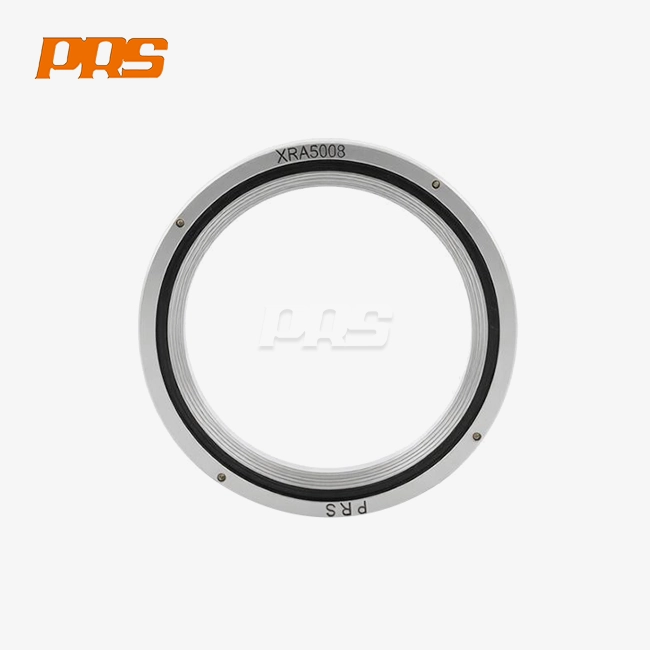
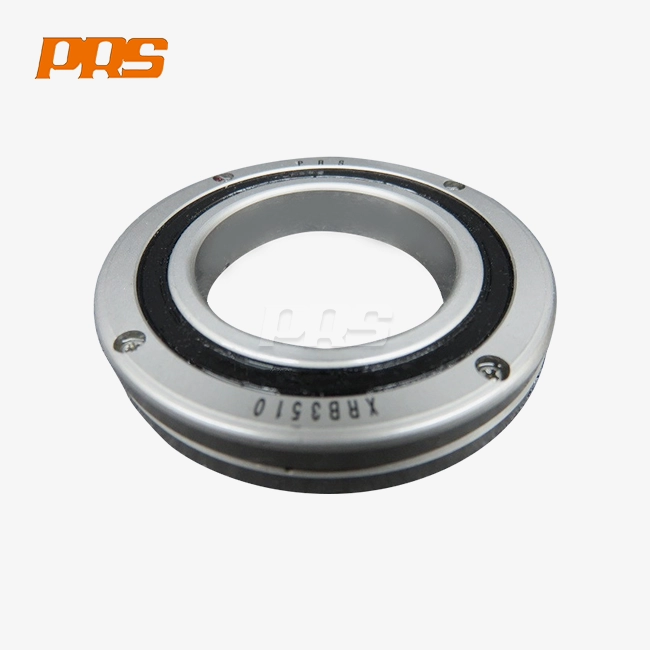
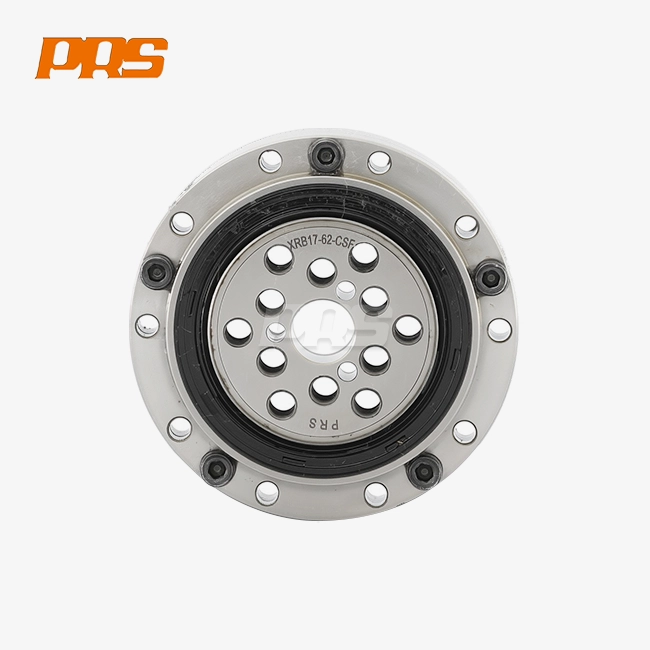
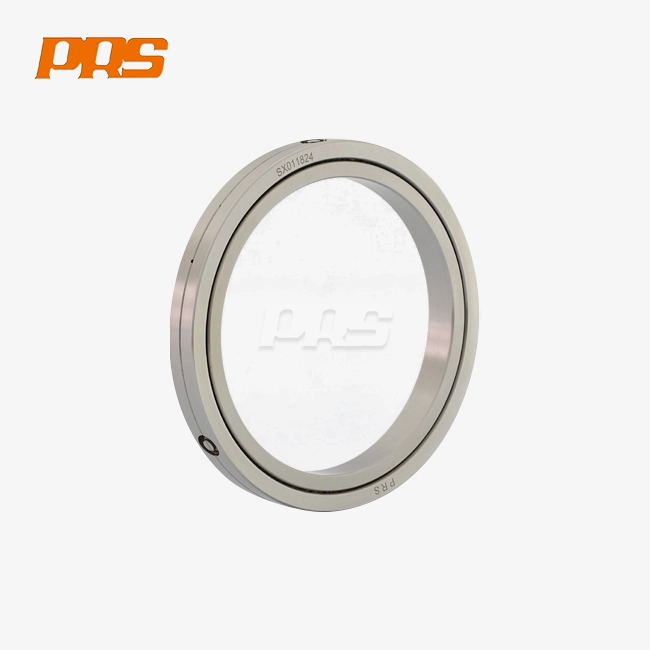
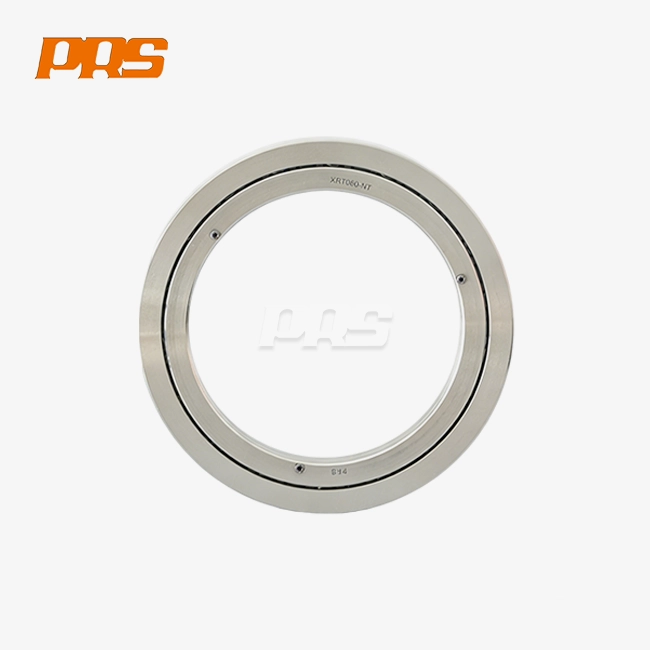
Deep groove ball bearings work best in high-speed situations with light loads, which means they can be used for light finishing tasks. When cutting big things, where deflection control is most important, tapered roller bearings offer better stiffness. An angular contact bearing is a good compromise because it can handle mixed loads and still run at a fast speed. A lot of current CNC lathes use paired angular contact bearings that can be set up face-to-face or back-to-back to get the best stability. Crossed roller bearings, which PRS specializes in making, offer great multidirectional load capacity in small packages. This is especially useful in turret tracking systems and rotary tables, where room is limited and accuracy is required.
Recognizing Degradation Before Failure Occurs
Bearing health has a direct effect on the quality of the final part and the machine's uptime. Grinding, squeaking, or rumbling sounds are signs of damage to the surface or a breakdown in the lubrication. If the spindle assembly is vibrating too much, it could mean that the wear patterns aren't even or that the cage is breaking down. When heat builds up above normal working temperatures, it means that pollution or changes in the preload are causing friction to rise. By checking these signs on a regular basis, you can stop major failures that damage expensive spindle assemblies. We suggest taking baseline readings during commissioning so that workers can notice small changes before they get so bad that they stop production.
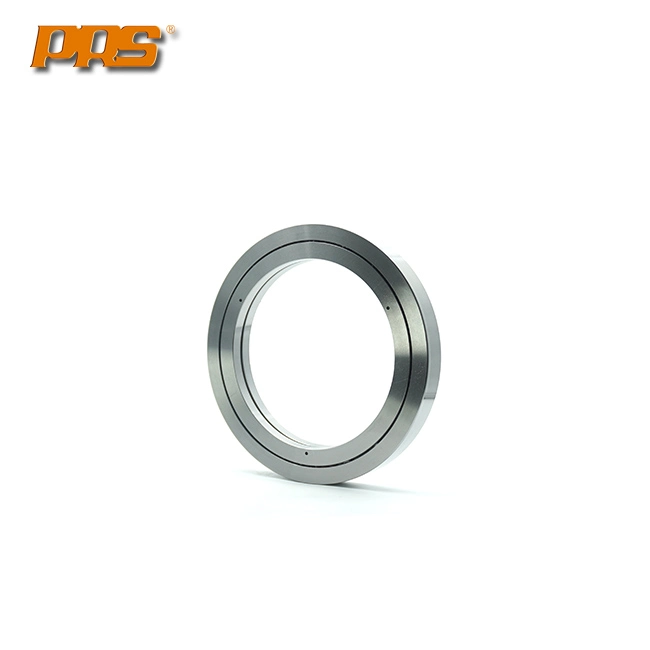
How to Select the Best Lathe Bearings for Extended Life and Performance?
Analyzing Operational Parameters
Before choosing lathe bearings, it's important to write down the real working conditions instead of guessing what the normal values are. The spindle speed directly affects the wear life of the bearings. For higher RPM, special designs with better internal geometry and better lubrication methods are needed. When you do roughing tasks that use a lot of cutting force and when you do finishing passes that focus on surface quality, the loads are very different. Seal standards and material suitability are affected by things like coolant exposure, changes in the atmospheric temperature, and airborne contamination. Allowable runout tolerances are set by precision standards, which directly translate into needed bearing accuracy grades. Bearings from PRS come in P4 and P2 precision grades, which are made for uses that need accuracy down to the micron level.
Ball Bearings Versus Roller Bearings
This basic choice affects how well the machine works. Ball bearings have less friction, which means they can go faster while making less heat, which is good for high-speed finishing frames. Compared to roller bearings, their point contact form limits how much weight they can hold. Line contact allows cylindrical and tapered roller bearings to handle much higher rotational loads, which makes them perfect for heavy-duty spinning tasks. Crossed roller setups handle forces from all directions in a small cross-section, combining the load benefits of roller designs with the space benefits of ball bearings. This choice should be based on your cutting settings and the features of the workpiece, not the original price of the component.
Sealed Versus Open Designs
Choice of seal affects both how often upkeep needs to be done and how long a bearing lasts. Open bearings let more heat escape and can work with external greasing systems that keep oil flowing to get rid of heat, which is very important in high-speed situations. They need careful pollution control through the design of their home and regular upkeep. Sealed bearings have covers or contact seals that keep fluids, chips, and dirt from getting into the internal parts. Even though sealed designs make installation easier and upkeep less often, they trap heat and limit the speed that can be used. We've seen that open bearings with well-designed lubrication systems work best in most industrial machine uses. This is especially true when the production volume justifies the servicing infrastructure.
Brand Reputation and Distribution Integrity
The working reliability is directly affected by how real the components are. There are a lot of fake bearings in the industry supply chain. They offer savings at first, but those savings are lost when the bearings fail early and cause production losses. Authorized distributors protect your investment by keeping track of it, covering warranties, and giving expert help. With ISO 9001, ISO 14001, and ISO 45001 standards to back it up, PRS has strict quality control with plant pass rates of over 99.9%. Our 15,000 m² factory has more than 200 precise tools that are run by 300 skilled workers, including 35 dedicated engineers who can give advice based on the application. If you look at a manufacturer's technical skills, quality systems, and responsiveness, you can be sure that you will get legitimate parts that are designed to your specifications and not cheap copies.
Maintenance Tips to Maximize Lathe Bearing Lifespan
Lubrication Management
Industry study shows that proper lubrication for lathe bearings can add up to 40% to the service life of a bearing. For high-speed or heavy-load uses, oil lubrication systems are better at cooling and flushing out contaminants, but you need to pay attention to the oil grade, its viscosity at working temperature, and the flow rates. Lithium-based greases work best for most machine tool uses within the -20°C to +120°C temperature range that PRS bearings can handle. Grease maintenance makes systems easier to use, but it's important to use the right type of grease. Too much grease leads to too much spinning and a rise in temperature, while too little grease speeds up wear. We suggest that you strictly follow the manufacturer's instructions instead of using general repair plans. Relubrication times rely on the size of the bearings, their speed, and how they are being used. For example, high-speed spindles may need service every few hundred hours, while slower rotary tables can go thousands of hours without needing service.
Systematic Inspection Protocols
Setting up regular checking processes helps find problems early. Visual checks find broken seals, leaking grease, or contamination getting in. Infrared thermography is used to check the temperature and find any strange heat patterns that could mean that the lube is breaking down or the pressure is changing. Vibration analysis with handheld meters or fixed tracking systems can be used to measure the state of a bearing. Trending vibration signatures over time can show how things are slowly failing before they break completely. Acoustic tracking picks up ultrasonic frequencies that are made by early-stage damage to the surface that can't be found any other way. By writing down these measures, you can use them as a starting point for future decisions about maintenance and to support early replacements that happen before they mess up production plans.
Troubleshooting Common Issues
When problems happen, thorough analysis keeps people from fixing them in the wrong way. To create noise, you need to find its source. For example, metallic grinding is caused by damaged internal bearings, and dry squealing is caused by not enough lubricant. Vibration increases can be caused by worn bearings, an unbalanced spindle, or problems with the fixing surface. Figuring out the cause keeps you from changing good bearings that are still working. If the temperature goes above 10-15°C above the baseline, it's time to check the oil, make any necessary preload changes, or look into how well the cooling system is working. A case study from a machine shop in the Midwest showed that improving the seals on their bearings to stop coolant pollution increased their service life by 60%. This shows that good repair practices have real-world economic benefits.
Procurement Strategies for B2B Buyers: Ensuring Quality and Cost Efficiency
OEM Versus Aftermarket Considerations
Original equipment maker specs for lathe bearings ensure performance and compatibility, especially for precision tools that are still under warranty. OEM bearings usually cost more than other bearings because of how the brand is positioned, not because of differences in how much it costs to make them. Aftermarket providers like PRS make to the same or higher standards. For example, our crossed roller bearings with inner sizes ranging from 150mm to 2463.8mm meet or beat OEM performance while offering faster delivery times. The important thing is to check for technical equivalents using measurement drawings, material certificates, and precise grade records. A lot of procurement workers use two different sources of parts: original equipment manufacturer (OEM) parts for important jobs and resale parts for less important jobs or emergency replacements.
Volume Purchasing and Customization
Strategic purchasing agreements lower the total cost of acquisitions in ways other than unit price. Manufacturers can improve production runs with the help of volume agreements, which benefits buyers by making them more efficient. PRS has standard parts in stock and can send them within 24 hours, which is helpful for replacing parts that break down quickly. Custom solutions are made to fit unique needs, like when you need something with specific dimensions, a different internal shape, or better sealing for harsh conditions. Our research team works directly with your technical staff to make sure that the bearings are the best fit for your unique cutting forces, spindle speeds, and duty cycles. This consultation service helps keep costs down by making sure that parts meet real performance standards and not over-specificating them.
Supplier Evaluation Criteria
When choosing factory partners, you need to look at more than just price. Delivery dependability affects both production timing and the cost of keeping inventory on hand. For example, late shipments make it harder to schedule maintenance, and long lead times force companies to keep more safety stock on hand. Quality consistency decides whether each replacement bearing works the same way or adds differences in how well it works. Having access to technical support helps with application questions and fixing problems. PRS offers full support, from helping with the choice of system to guiding the installation process. They back this up with certifications that show the quality system is mature. Our custom packaging services keep parts safe during foreign shipping, which shows that we care about the whole customer experience, not just making and sending goods. Building ties with providers who are responsive and understand your business needs gives you value that goes beyond individual deals.
Conclusion
To make lathe bearings last longer by choosing the right ones, you need to use both technical research and strategic buying. When you know how different types of bearings react to your working conditions, like speeds, loads, the environment, and the level of accuracy you need, you can match parts to your exact needs instead of just using standard specs. Quality bearings work best when they are properly oiled and their conditions are checked on a regular basis as part of strict care procedures. Total cost of ownership is lowered by buying from aftermarket makers like PRS and OEMs that are reliable at the same time. This is possible while still allowing for operational freedom. As bearing technology changes through new materials and built-in tracking tools, staying up-to-date lets your business take advantage of new ideas that give you a clear edge in quality and efficiency when you're machining.
FAQ
What factors most influence lathe bearing lifespan?
How long a bearing lasts is mostly determined by its operating speed, load size, oil quality, and ability to keep contaminants out. Too much preload, bad balance during fitting, and not enough heat transfer all speed up wear. Bearings that are maintained properly and work within their design limits usually reach or beat their estimated L10 life ratings.
How do I identify when lathe bearings require replacement?
As time goes on, noise levels rise, vibration amplitudes rise above the baseline readings, and the temperature rising signal gets worse. Visible contamination of the grease, extra spindle runout that affects the quality of the part, and any rapid changes in how it works should all be checked out right away and probably replaced.
Do ceramic bearings justify their higher initial investment for lathe applications?
Ceramic hybrid bearings are useful in high-speed wheels where lower centrifugal forces allow higher RPM and in corrosive conditions where steel bearings break down too soon. Applications that only need moderate speeds and good environmental settings don't see much benefit in spending more.
Partner With a Lathe Bearing Manufacturer Committed to Precision Excellence
Luoyang PRS Precision Bearing Co., Ltd. makes high-precision spindle bearings that are designed to work in harsh machine tool settings where accuracy in measurements and dependability in operation have a direct effect on your ability to compete. Our crossed roller bearing technology can handle radial, axial, and moment loads all at the same time in small packages. The inner sizes can be anywhere from 150mm to 2463.8mm, and the precision levels can hit P2 level. Our 15,000 m² ISO-certified plant has factory pass rates of over 99.9%, and we can send stock items within 24 hours or provide custom engineering support for non-standard needs. We work directly with your expert teams to make sure that the bearings you choose are the best ones for your cutting settings and machine. As your trusted lathe bearing supplier, you can email our engineering experts at ljh@lyprs.com to talk about your application needs, get technical documentation, or look into bulk buying options.
References
Harris, T.A. & Kotzalas, M.N. (2006). Rolling Bearing Analysis: Essential Concepts of Bearing Technology. CRC Press, Taylor & Francis Group.
Weck, M. & Brecher, C. (2012). Machine Tools 4: Metrological Analysis and Performance Tests. Springer-Verlag Berlin Heidelberg.
Astakhov, V.P. (2010). Metal Cutting Mechanics, Finite Element Modelling. Springer Series in Advanced Manufacturing, London.
ISO 492:2014. Rolling bearings — Radial bearings — Geometrical product specifications (GPS) and tolerance values. International Organization for Standardization.
Budynas, R.G. & Nisbett, J.K. (2015). Shigley's Mechanical Engineering Design, 10th Edition. McGraw-Hill Education.
Schmitt, R. & Pfeifer, T. (2010). Quality Management: Strategies, Methods, Techniques. Carl Hanser Verlag GmbH & Co. KG, Munich.

USER EVALUATE
Here is the customer's evaluation of us