
High-Speed Lathe Bearings: Selection and Performance Tips
Choosing the right lathe bearings can completely change how your cutting jobs go. No matter if you're in charge of CNC turning centers, grinding machines, or precise boring mills, bearings decide how accurate the spindle is, how well the surface is finished, and how much production you can keep going. Components for high-speed uses need to be able to handle shaking, thermal expansion, and keep micron-level accuracy even after many operation cycles. Knowing how design elements, choice of materials, and servicing procedures affect the performance of bearings helps engineers and buying teams make smart choices that have a direct effect on your bottom line and product quality.
Understanding High-Speed Lathe Bearings: Fundamentals and Performance Factors
Bearing systems are pushed to their limits in modern machine settings. As cutting speeds go up and limits get smaller, the parts that support your spindle have to deal with new mechanical and heat problems. When you know these basics, you can choose bearings that meet your needs without any problems.
Basic Construction and Operational Principles
Spindle bearings are what make sure that industrial tools can turn accurately. They hold the cutting tool in place relative to the subject and absorb the forces that are created when material is removed. Precision-ground raceways, moving elements grouped in certain ways, and retention systems that keep the right spacing and alignment are common parts of this construction.
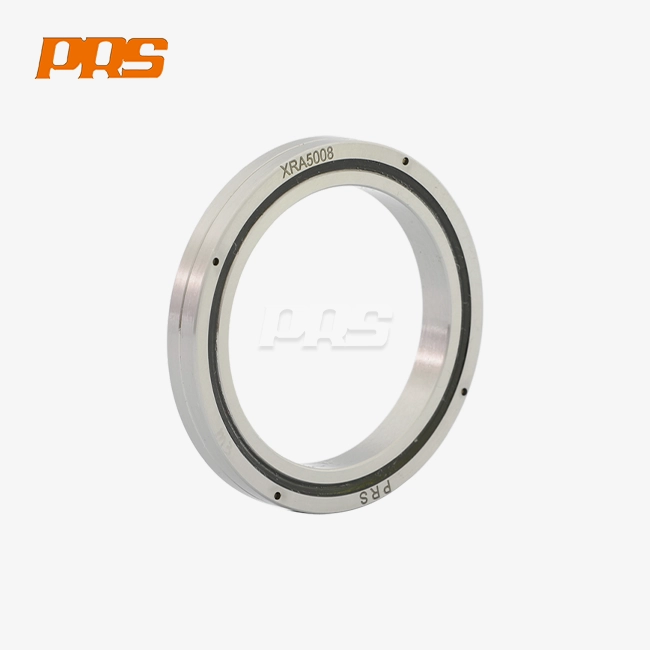
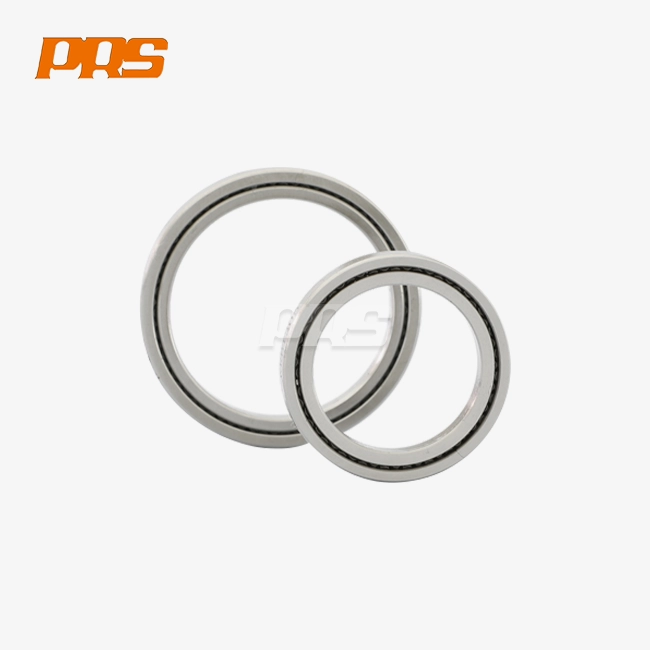
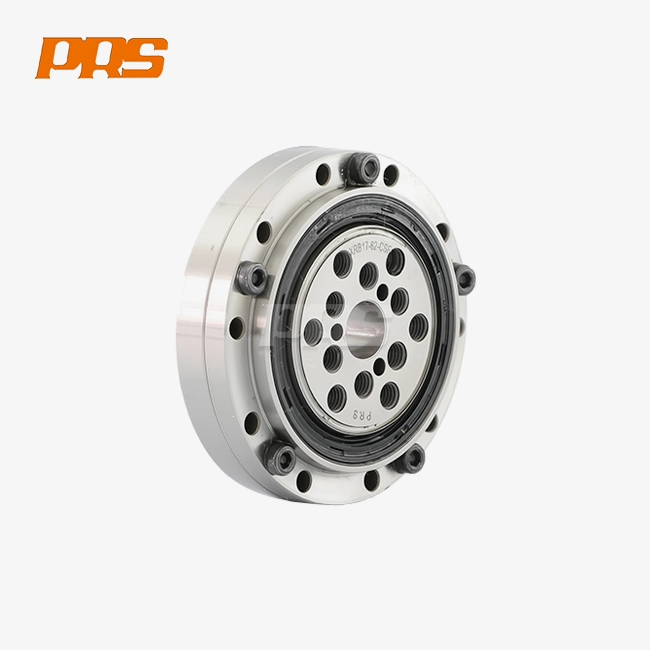
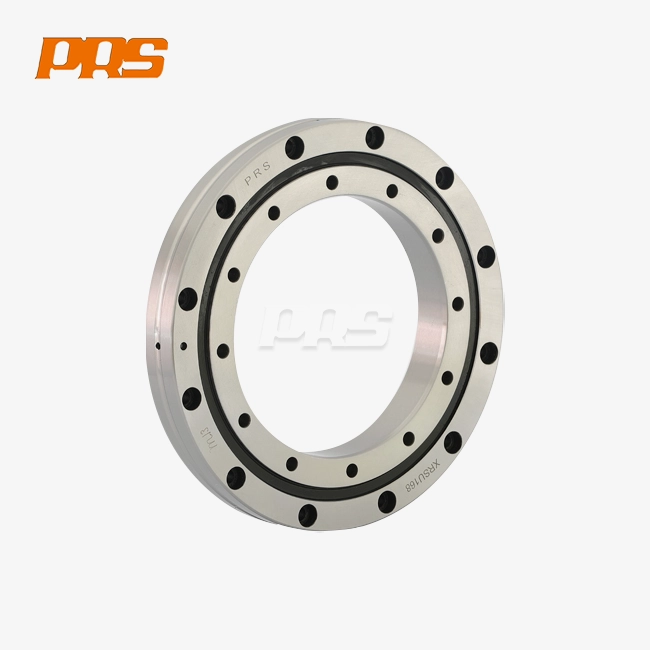
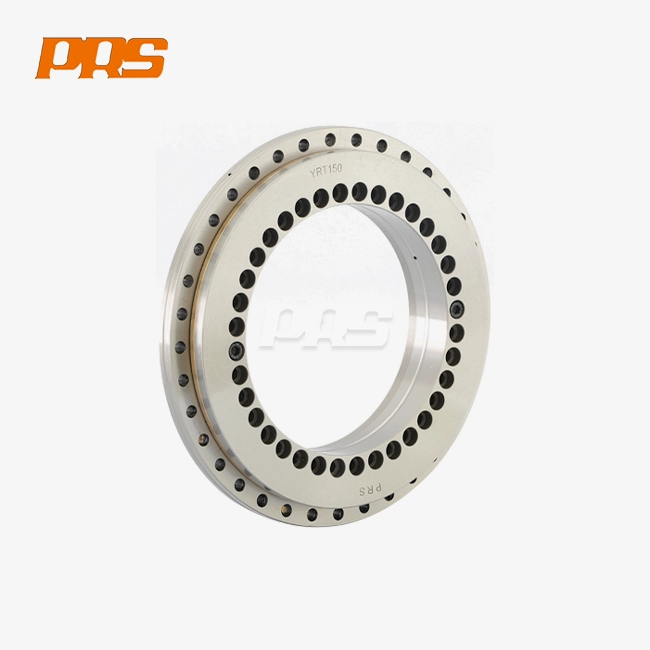
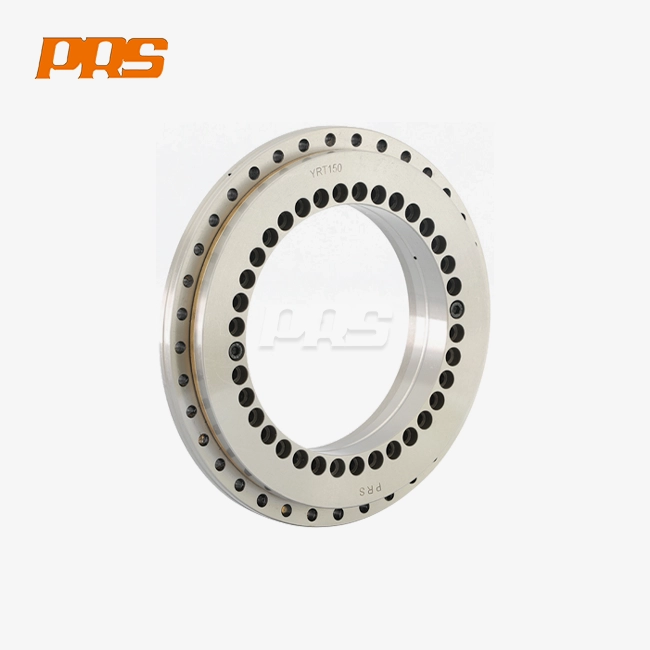
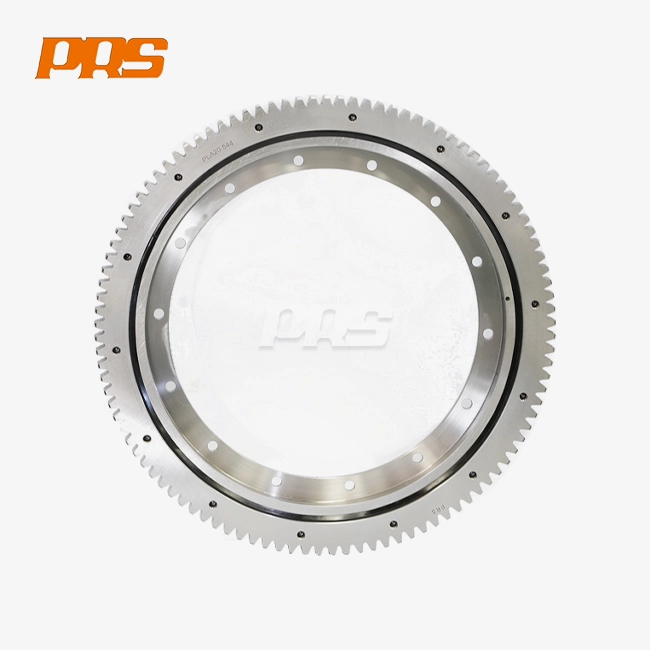
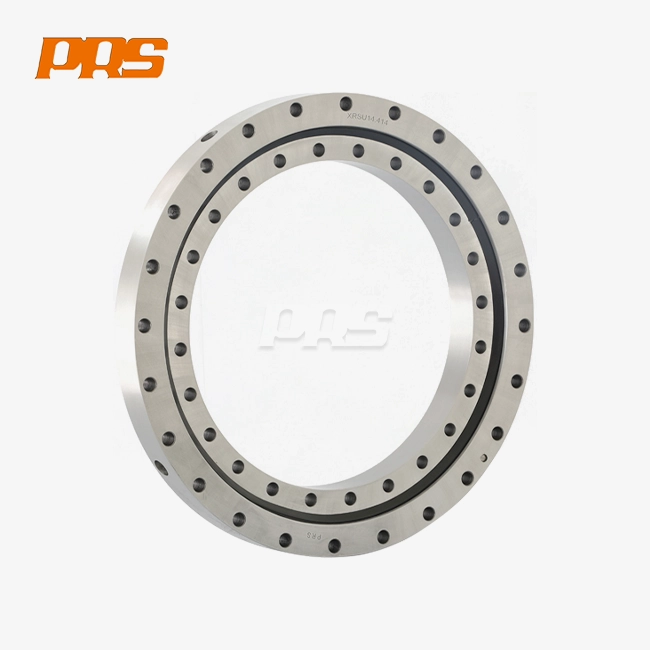
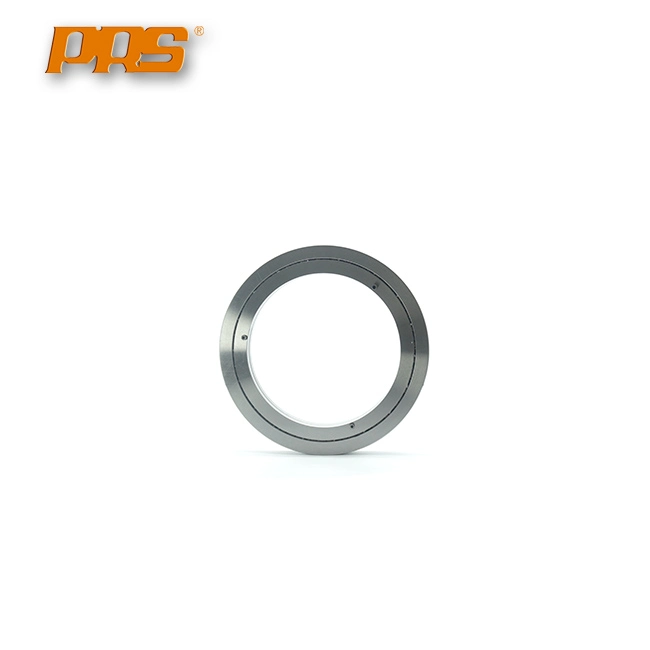
Cross-roller designs put cylinder-shaped parts in a frame so they are not touching each other. This arrangement spreads weight across several touch points, making the structure very rigid in small spaces. Angular contact bearings have slanted raceways that put pressure on the rolling elements. This makes them stiff so they don't bend when cutting forces are applied. Each design meets different performance needs based on the spinning speed, the direction of the load, and the level of accuracy that is needed.
The operating rules are based on reducing friction as much as possible while increasing accuracy and load capacity. When the rollers turn, they move forces between the inner and outer rings by touching them in a point or a line. Heat production, load distribution, and service life are all affected by the shape of the contacts. When you set the preload correctly, the internal gaps stay at their best across a wide range of temperatures. This keeps the positioning accurate even as the temperature rises.
Comparing Bearing Types for High-Speed Applications
Choosing between material choices has a big effect on how well something works. In most industrial settings, steel bearings have been shown to be reliable and cost-effective. Because the material is very stable in terms of its shape and weight, it can be used for normal cutting tasks at speeds below 600 RPM.
When turning speeds are higher than usual, ceramic rolling elements offer benefits. Centrifugal forces are lowered by the lower density, which lets the bearings work at higher speeds without shortening their life. Ceramics also don't expand or contract as much when the temperature changes as steel does, so they keep their smaller gaps when the temperature changes. In hybrid designs, ceramic balls and steel rings are used together to balance the benefits of performance with the prices of the materials.
Designs that are sealed have safety covers or contact seals that keep out contaminants while keeping the lubricant in. These setups work well in places where there is coolant spray, metal chips, or rough dust. Open bearings need to be sealed on the outside, but they have less torque and better heat dissipation, which makes them better for very high-speed uses where heat control is important.
Tolerances that can be met are directly related to precision grades. Standard bearings work well enough for regular grinding, while P4 grade parts give you the accuracy you need for finishing tasks. P2 precision is good for uses where the surface finish needs to be close to optical quality, like making precision glasses or semiconductor equipment.
Key Performance Indicators Affecting Reliability
The safe operating range for a bearing is set by its rotational speed limits. These numbers depend on the size of the bearing, its internal shape, the way it is oiled, and its heating properties. The PRS lathe bearings' highest speed of 850 RPM comes from being designed to work best in large-diameter uses that need to carefully control centrifugal forces and heat.
Load capacity includes radial forces from cutting, axial push from feed systems, and moment loads from how the weight of the workpiece is distributed. Combined loading factors put pressure on buildings in more than one way at the same time. Cross-roller designs work best in these situations because their shape automatically handles forces acting in multiple directions without the need for extra bearing arrangements.
If your equipment meets fine machining standards, it will be able to handle noise and shaking. Vibrations caused by the bearings reach the cutting tool through the spindle assembly and affect the quality of the surface finish directly. Vibration levels in high-quality parts stay below the levels that cause chatter marks or differences in the sizes of final parts.
Lubrication needs to balance the need to reduce friction with the need to get rid of heat. Grease systems make upkeep easier and work well in places where service isn't always possible or where activity is intermittent. For constant high-speed operation, oil lubrication is the best way to keep things cool, but it needs circulation systems and filter equipment.
Temperature range specs show how well the bearing works in a variety of operating and environmental situations. The temperature range of -20°C to +120°C covers most industrial machine situations, from cold-start situations to long-term high-speed operation where friction heating raises part temperatures.
Criteria for Selecting the Best High-Speed Lathe Bearings
When choosing a strategic heading, you have to weigh technical specs against practical issues. Buying something affects not only how well it works right away, but also how much it costs to maintain and how much it can produce in the long run.
Evaluating Speed Tolerance and Material Composition
Ratings for speed must take into account both normal working conditions and short-term events that happen during start-up or emergency stops. Bearings that are close to their maximum allowed speed need better ways to lubricate them and need to be checked on more often. When equipment changes speeds, the acceleration forces put more stress on it, which could shorten its service life compared to steady-state operation.
You can choose materials for more than just the moving parts. You can also choose materials for the raceways, the cages, and the seals. Wear resistance and touch fatigue life are affected by how the surface is hardened. The friction properties and temperature stability are affected by the materials used in cages. If you match these specs to your cutting settings and duty cycle, the bearing will work at its best for the whole repair interval.
The standards for dimensional accuracy must match the limits you use for machining. Misaligned workpieces are a direct result of bearing runout. Positioning accuracy is based on radial and axial play parameters. When micron-level standards are needed for finished parts, lathe bearings precision becomes the limiting factor in how good the quality can be.
Comparing Global Manufacturers and Certifications
Well-known bearing makers for lathe bearings set themselves apart with engineering skills, quality control methods, and technical help. When people talk about precision bearings, names like SKF, Timken, NSK, and NTN come up most often. However, companies like PRS show that specialized engineering can produce similar performance at low prices.
Certifications are direct proof of the quality of the production process and control. ISO 9001 certification proves that quality management is done in a planned way, and ISO 14001 certification talks about being responsible to the environment. Industry-specific standards, such as the CE mark, show that a product meets the safety and efficiency standards needed to sell in a certain market.
When requirements aren't covered by normal catalog items, the ability to manufacture them is important. Companies with their own engineering teams and flexible production systems can change designs to fit non-standard sizes, different load needs, or strange weather conditions. When upgrading equipment or making spindle systems work better for certain tasks, this ability to customize becomes useful.
Bearing providers are not the same as true engineering partners when it comes to technical help. Having access to application experts who know how machine tools work can help you choose the best bearings, set the right pressure, and install them correctly. Installation mistakes that hurt bearing performance are less likely to happen when there is good documentation, training materials, and help with fixing problems.
Balancing Cost, Quality, and Supplier Reliability
Lifecycle cost analysis is a better way to compare values than just looking at the buying price. Bearings that cost more at first usually last longer between service visits, which cuts down on repair work and output stops. Higher accuracy keeps standards tighter for longer, which could increase tool life and lower the rate of scrap.
Supplier dependability includes how well they serve, how much inventory they have, and how quickly they respond to communications. Working with makers who keep standard setups in stock makes sure that replacements can be made quickly if something goes wrong. Custom solutions have longer wait times, but they can meet application needs that catalog goods can't.
Verifying the sizes keeps expensive fitting problems from happening. Making sure that the bearing measurements fit the specs of the spindle housing stops mechanical interference or too much space between the parts, which can hurt performance. Tolerance stack-up analysis finds possible problems before the parts get to your building.
Documentation for quality assurance makes it possible to track things and check that they were done right. You can be sure that bearings meet standards if they come with test certificates that prove their dimensions, material properties, and functional characteristics. This paperwork is especially important in controlled fields where equipment quality needs to be checked down to the component level.
Performance Optimization and Maintenance of High-Speed Lathe Bearings
Proactive repair practices for lathe bearings keep lathe bearings working longer and stop them from breaking down when they're least expected, which can throw off production plans. The best way to get the most out of your bearing investment is to look for early danger signs and follow systematic care methods.
Identifying Common Wear Symptoms
High noise levels are often the first sign that a bearing is wearing out. Bearings that are moving smoothly don't make much noise, but worn parts make different sounds that change with the speed of movement. Grinding sounds mean that there is dirt or not enough oil on the part. Chirping sounds mean that the cage is wearing out or that the load isn't even. Tracking the features of noise helps repair teams plan actions to take before the whole system fails.
Wear and tear on bearings causes vibrations to get worse. Normal vibration patterns are set by baseline measures taken during startup. By checking these baselines on a regular basis, variations from them can be found, showing problems as they start to form before they affect the quality of the machined part. Vibration analysis finds specific ways that things break, which helps with planning repairs and getting parts.
Temperature rise means that friction is getting worse for a number of reasons. As metal-to-metal contact takes the place of fluid film separation, working temperatures rise when lubricant isn't good enough. Pollution makes hot spots where particles get in the way of smooth rolling motion. Changes in mounting or temperature expansion can cause preload drift, which changes internal gaps and affects the rate at which heat is generated.
Changes in the sizes of finished parts show problems with bearing positioning before they show up mechanically. Spindle bearing wear is often the cause of mistakes in concentricity, changes in taper, or a loss of surface finish. When you compare the results of a part check to the state of a bearing, you can set replacement intervals that are based on quality standards instead of when a component fails.
Lubrication Best Practices for High-Speed Demands
Continuous high-speed tasks where heat reduction is important work best with oil greasing systems. Moving oil away from the bearing surfaces and adding to the lube film at the same time. Through filtration, wear particles and other contaminants that would otherwise speed up surface damage are taken away. Pumps, tanks, coolers, and tracking systems are some of the infrastructure needs that make things more complicated but allow for long-term high-performance operation.
Lubrication with grease for lathe bearings makes upkeep easier in situations where speeds are modest or duty cycles come and go. Modern synthetic greases don't oxidize or separate and keep their film strength over a wide range of temperatures. The amount of grease used has a big impact on how well it works. Not enough grease can weaken bearing contacts, and too much causes churning resistance that makes heat. When to re-oil depends on how the equipment is being used; high-speed equipment needs to be oiled more often than low-speed equipment.
The choice of lubricant strikes a balance between viscosity, temperature stability, and harmony with the materials used in bearings. Higher viscosity oils make films that are thicker and better separate surfaces when they are under a lot of weight. However, at high speeds, these films make friction worse. Compared to mineral-based goods, synthetic formulations have longer service times and wider temperature ranges for use. When changing lubricant types, it's important to think about how the new lube will affect the seal materials and paints that are already there.
Preventative Maintenance and Condition Monitoring
The frequency of scheduled inspections should be based on how important the production is and how severe the operation is. Machines that are only used occasionally need less care than machines that work multiple jobs at high speeds. During regular inspections, the seals are looked at to make sure they are intact, strange noises are listened for, lubricant leaks are checked for, and fixing bolts are torqued to the right level.
Using portable or permanently placed sensors for vibration research gives an objective measure of the bearing state. Trending measures over time shows rates of wear and tear, which lets replacements be planned ahead of time before they happen. Frequency analysis can tell the difference between bearing problems and other machine issues, which helps repair workers do their jobs better.
Monitoring temperatures gives real-time feedback on performance. During operation, infrared thermography finds areas of increased heat that point to problems that are starting to form. Embedded sensors allow for constant tracking and send automatic alerts when temperatures rise above certain levels. Thermal tracking shows slow changes that point to a loss of grease or the entry of contaminants.
A company that makes precision instruments did sound tests on all of their CNC turning centers every three months. An analysis showed that the bearings in three machines were slowly wearing out, which led to plans to repair them during regular maintenance times. This proactive method stopped emergency fails that would have stopped the production of important parts. The monitoring tool paid for itself by getting rid of one unexpected downtime event and making the equipment work better overall.
Conclusion
When choosing and keeping high-speed lathe bearings, you have to weigh the technical specs against the facts of operation and the cost. When procurement teams know about the basics of bearings, performance markers, and upkeep needs, they can make decisions that improve the performance of equipment. Strategic buying methods use partnerships with manufacturers, promises to buy in bulk, and clear sharing of specifications to lower costs while maintaining quality and availability. New technologies offer better dependability through better materials, smart tracking tools, and design changes that adapt to changing machining needs. Systematic condition tracking and proactive maintenance practices stretch the life of bearings and stop them from breaking down at the worst possible time, which can mess up production schedules and lower the quality of parts.
FAQ
What lubrication intervals deliver optimal bearing performance?
How often you lubricate relies on the speed of operation, the load, and the weather. Bearings that are oiled with grease and run at low speeds usually need to be oiled again every 2,000 to 4,000 hours of use. High-speed uses may need maintenance every 500 hours, while low-speed tools can go longer than 10,000 hours between visits. Depending on the amount of pollution and rust, oil-lubricated systems need to have their oil changed every 1,000 to 3,000 hours. Monitoring the state of bearings through vibration analysis and temperature tracking is more useful than setting fixed intervals. This lets maintenance teams make the best schedules based on the real condition of the bearings instead of random time frames.
How do ceramic bearings differ from steel bearings in lathe applications?
When used at high speeds, ceramic rolling parts have clear benefits. Because they are less dense, rotational forces are smaller, which lets them work at 20–30% faster speeds than similar steel bearings. Better thermal stability keeps gaps smaller when temperatures change, which makes the uniformity of the dimensions better. Ceramic materials don't rust when cutting fluids hit them, and they also insulate electrical currents so they don't damage bearings. Ceramic parts, on the other hand, are much more expensive than steel ones and are more easily broken when the project isn't balanced or when they are handled incorrectly. For most standard grinding tasks, steel bearings are still the best option because they are reliable and cost-effectiveness, while ceramics offer more specific benefits.
What verification methods confirm supplier authenticity and product quality?
Ask for material approvals that list the chemicals that are used and how they should be heated. Dimensional inspection reports that prove key tolerances are concrete proof of quality. ISO certification means that quality management is being done in a planned way, but the accuracy of the certificate needs to be checked against registrar records. Upon receipt, a physical check should prove proper packaging, no corrosion, and smooth spinning without binding or roughness. Bearing makers, like PRS, keep a lot of quality records, such as factory test papers and reports on verifying the dimensions. Checking with current customers for references shows how well delivery and expert help really work. There are still problems with fake bearings in global supply chains, so checking the seller is important for important uses.
Partner with PRS for Precision Lathe Bearing Solutions
Working with an experienced lathe bearings maker can make the difference between good performance and great results when your cutting tasks need to be precise and reliable all the time. We at Luoyang PRS Precision Bearing Co., Ltd. are experts in making high-precision bearings that are designed to work with tough machine tools. Our crossed roller bearings give CNC turning centers, grinding machines, and boring mills the stiffness, precision, and load capacity they need to keep tolerances at the micron level during long production runs. PRS bearings meet the high standards needed for industrial automation, chip production, and medical device production. They have precision grades up to P2 level, inner sizes ranging from 150mm to 2463.8mm, and full ISO certifications. Our engineering team offers technical help that is specific to an application, custom solutions for non-standard needs, fast delivery, and 24-hour access for standard configurations.Get in touch with our experts at ljh@lyprs.com to talk about your spindle bearing needs and find out how PRS precision engineering can give your operations the performance they need.
References
Bhushan, B. (2013). Principles and Applications of Tribology, 2nd Edition. John Wiley & Sons, New York.
Harris, T.A. & Kotzalas, M.N. (2006). Essential Concepts of Bearing Technology, 5th Edition. CRC Press, Boca Raton.
Weck, M. & Brecher, C. (2006). Machine Tools Production Systems Volume 2: Design and Calculation. Springer-Verlag, Berlin.
ISO 492:2014. Rolling bearings - Radial bearings - Geometrical product specifications (GPS) and tolerance values. International Organization for Standardization, Geneva.
Tlusty, J. (2000). Manufacturing Processes and Equipment. Prentice Hall, Upper Saddle River.
Eschmann, P., Hasbargen, L. & Weigand, K. (1985). Ball and Roller Bearings: Theory, Design and Application, 2nd Edition. John Wiley & Sons, Chichester.

USER EVALUATE
Here is the customer's evaluation of us