
Harmonic Drive Bearings Improve Accuracy in Motion Control Equipment
When precision motion control becomes the difference between operational success and equipment failure, selecting the right bearing technology matters immensely. Harmonic drive bearings deliver the exceptional accuracy and zero-backlash performance that modern robotics, aerospace systems, and medical devices demand. These specialized cross roller bearings support harmonic reducers in achieving micron-level positioning repeatability while handling complex loads that are applied in multiple directions. For engineers and procurement managers seeking reliable solutions that reduce downtime and extend equipment lifespan, understanding how these bearings transform motion control accuracy proves invaluable. Quality suppliers like PRS have developed precision-engineered solutions specifically tailored to meet the demanding requirements of industrial automation and robotics applications.
Understanding Harmonic Drive Bearings and Their Design Principles
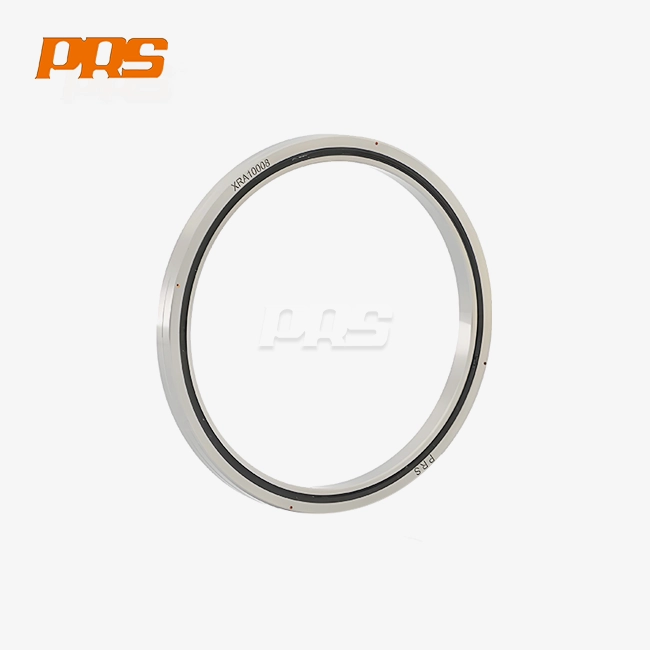
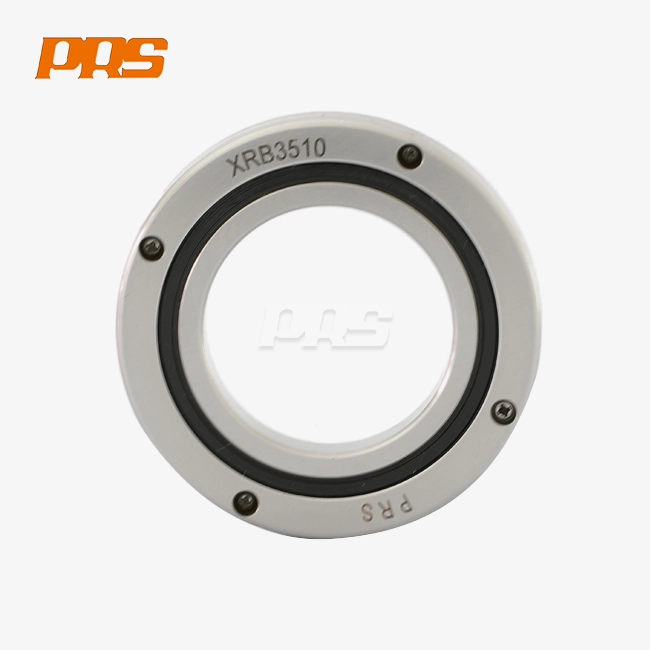
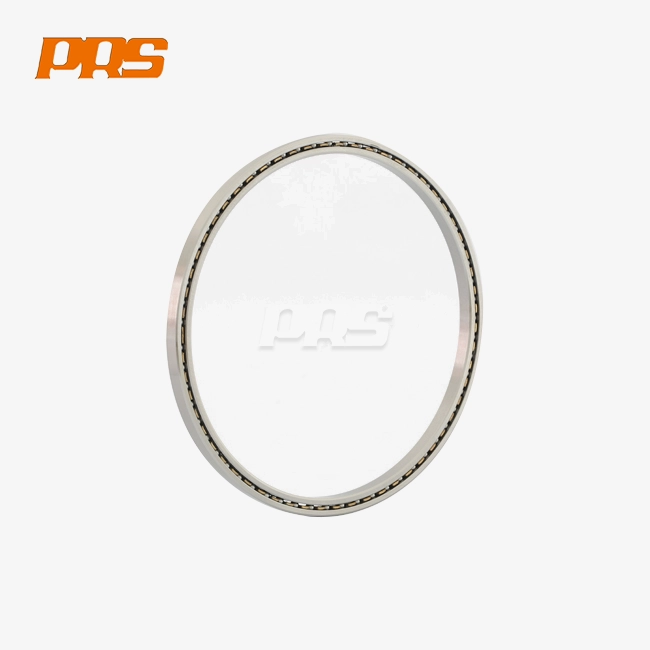
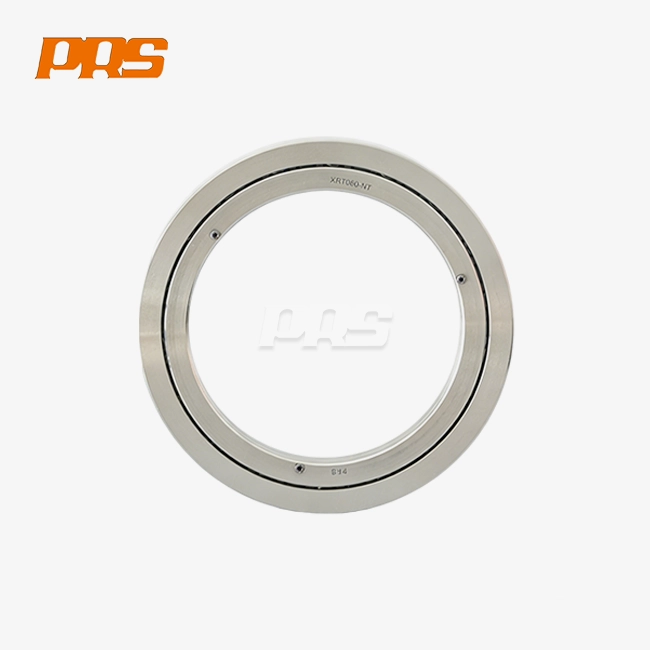
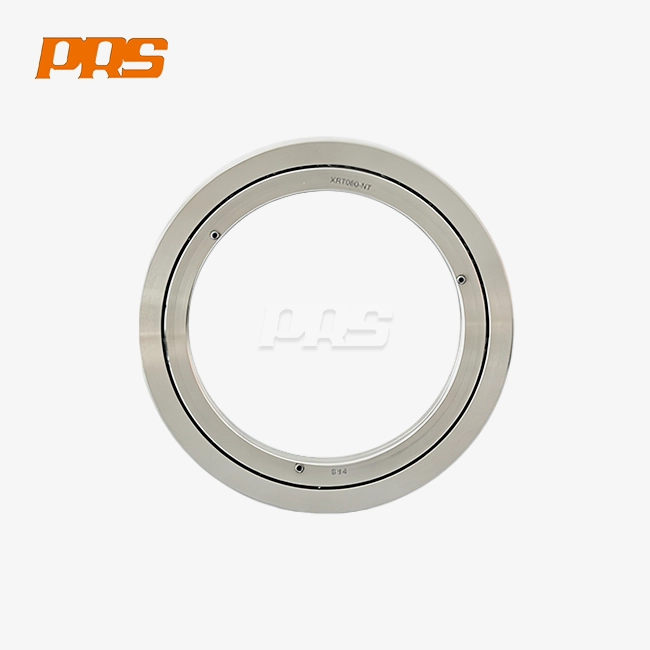
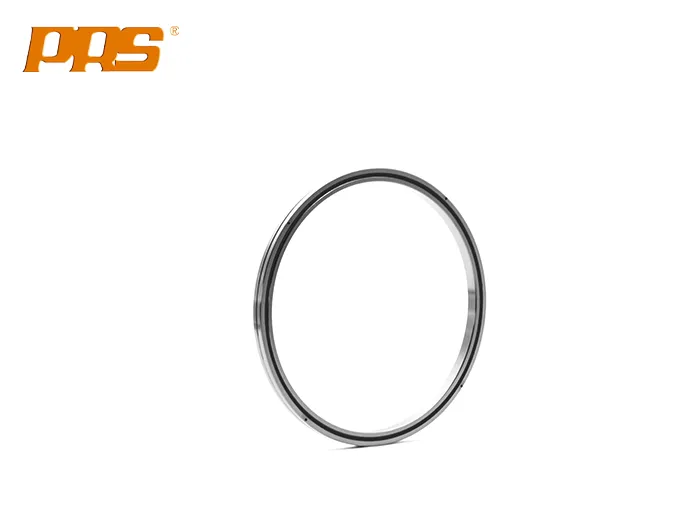
Harmonic Drive Bearings are a big step forward in precision bearing technology. They were made to meet the specific needs of harmonic reducer operating conditions. Cross roller bearings have a unique perpendicular roller arrangement that makes them work exceptionally well across multiple load directions at the same time. This is in contrast to standard ball bearings, which have trouble with combined load situations.
Unique Cross Roller Configuration
Along V-shaped raceways, circular rollers are set up at right angles to each other by the structure. This set-up makes it possible for a single bearing unit to handle radial forces, axial loads, and tilting moments without the need for extra support parts. Instead of touching the raceway surface at one point, each roller touches it along its length. This spreads the stress evenly and stops early wear patterns that hurt accuracy.
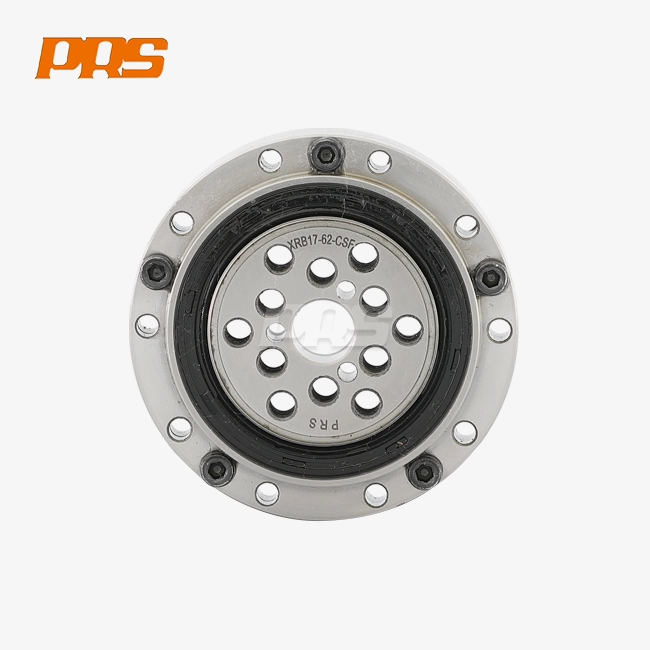
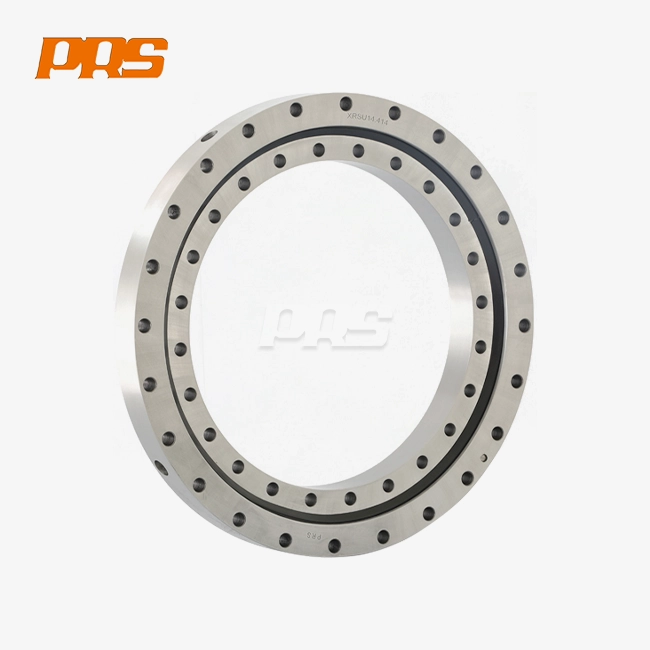
The structure of the bearings fits perfectly into harmonic reducer assemblies. PRS Harmonic Drive Bearings have fixing holes built right into the bearing rings, so you don't have to worry about aligning different housing parts. This unified method makes assembly easier and makes sure that performance stays the same in all kinds of operational situations.
Material Science and Manufacturing Precision
High-quality GCr15 bearing steel is what makes harmonic reducer bearings work well. Specialized heat treatments are used on this material to make the surface hard (58–62 HRC) while keeping the body tough. The hardened raceways don't dent when heavy loads are put on them, so they keep their geometric accuracy, which is important for precise motion control.
The manufacturing limits go as low as P4 and as high as P2, which are levels of accuracy that are measured in micrometers. During production, PRS keeps a close eye on the dimensions of every bearing. They have over 200 high-precision machines that make sure every bearing meets the strictest requirements. The factory pass rate is higher than 99.9%, which shows that strict quality control measures are in place to check the shape of the raceways, the roller tolerances, and the stability of the preload.
Technical Parameters That Drive Performance
When figuring out load capacity, you have to take into account the different ways that harmonic drives are usually loaded at the same time. The design of perpendicular rollers provides moment stiffness that stops displacement when loads tilt. The operating temperature range is from -30°C to +120°C, so it can work in a wide range of environments, from cleanrooms for semiconductor equipment to outdoor spaces for aerospace systems.
When double-sided seals are used, they keep pre-oiled grease in and keep internal parts clean. This design for sealing is especially useful in automation settings where dust, coolant mist, or other contaminants can shorten the life of bearings. The CSG/CSF, SHF/SHG, and CSD series are all compatible models that cover most of the harmonic reducer configurations used in different industries.

Advantages of Harmonic Drive Bearings Over Traditional Bearings
When used for precision motion control, standard bearing designs show their flaws. Standard ball bearings aren't rigid enough for precise placement, and different bearing setups make it hard to line up the parts, which lowers performance. Harmonic Drive Bearings fix these problems with features that were specifically designed to give measurable benefits.
Superior Load Handling in Compact Form
In traditional bearing setups, more than one unit is needed to handle the combined loads. Usually, there is one radial bearing, one thrust bearing, and extra support for moment loads. This method makes the structure longer, heavier, and more likely to be out of line. This complicated setup can be replaced with a single cross roller bearing, which has the same or higher load capacity in a much smaller space.
The extra space is especially useful for robotic joint designs that need small actuators to make the manipulator reach further and carry more weight. In the same way, medical imaging technology benefits as manufacturers incorporate high-performance motion control into scanner housings that are getting smaller. When compared to stacked bearing configurations, PRS bearings have a 30–40% shorter axial length while still having the same load ratings as larger traditional arrangements.
Enhanced Rotational Accuracy and Repeatability
Positioning accuracy has a direct effect on the quality of the work that is made in CNC cutting, the accuracy of robotic assembly, and the clarity of medical images for diagnosis. Harmonic Drive Bearings have runout values less than 5 micrometers, which means they always rotate in the same way, which means they can be used to control motion in a reliable way.
As the bearing turns, the perpendicular roller arrangement keeps the contact geometry the same. Cross roller bearings keep the same load distribution patterns under load, while ball bearings change the contact angles when they are loaded. This stability gets rid of the changes in positioning that happen when you do the same move over and over again. When it comes to equipment used to make semiconductors, this repeatability is very important because the accuracy of where the wafers are placed affects the yield rates.
Reduced Noise and Vibration Characteristics
In medical facilities and metrology labs, bearing noise can make it hard to do important work. When balls enter and leave the load zone, they cause frequency-specific vibrations that can be heard and can cause measurement mistakes in high-precision equipment. Cross roller bearings work with little vibration because the arrangement of vertical rollers supports loads all the time, unlike ball bearings, which have isolated loading events.
This smooth operation increases the life of equipment by lowering stress changes in parts that are connected. Harmonic reducer flex splines are loaded more evenly, which lowers metal wear that causes them to break too soon. As vibration-induced changes in clearance get smaller, the quality of the gear meshing gets better, and the teeth stay in perfect touch across the entire working speed range.
Long-Term Cost Benefits
Harmonic Drive Bearings are better for precision uses over standard bearings in terms of lifetime economics, even though they may cost more at first. Longer service intervals cut down on the cost of maintenance labor and the time that production is stopped. The combined mounting design gets rid of extra housing parts, which lowers the cost of materials and makes stocking simpler.
When procurement workers look at the total cost of ownership, they find that high accuracy keeps product quality high, which cuts down on scrap and repair costs. In automated assembly lines, mistakes in positioning lead to a high rate of defects that rises as production levels rise. Buying precision bearings that stay accurate over millions of cycles protects profit margins by making sure that the quality of the output stays the same. PRS gives thorough lifecycle cost studies that help procurement teams show that original investments were worth it by showing how much money they save on operations.
How to Select the Best Harmonic Drive Bearing for Your Motion Control Equipment?
In order to match Harmonic Drive Bearing standards to application needs, working factors, environmental conditions, and supply chain issues must be carefully looked at. Engineers and purchasing managers have a lot of choices when it comes to bearing types, precision grades, and suppliers. A structured selection approach stops specification mistakes that cost a lot of money and hurt the performance of equipment.
Application-Specific Load Analysis
First, figure out how much weight your application actually puts on the bearing. Use belt tensions or gear reactions to figure out radial forces, process loads or gripper weights to figure out axial forces, and suspended masses to figure out tilted moments. By deforming the flex spline with the wave generator, harmonic drive applications often create large moment loads that test the stiffness of the bearing.
Technical experts at PRS help with load calculations in complicated situations where many force components combine. Dynamic load ratings take into account the size and length of peak loads during acceleration, deceleration, and process contact events. Safety factors rely on how important the application is. For example, medical devices and aerospace systems can afford bigger margins than industrial automation, where it is easier to do maintenance.
Precision Grade Selection Criteria
The P4 precision grade is good for most industrial robotics and machine tool uses that need positioning accuracy of 10 to 20 micrometers. For high-volume production equipment, this grade strikes a good balance between performance and cost-effectiveness. P2 precision is needed when limits for accuracy need to be as small as one millimeter. This is common in systems that process semiconductors, put together optics, and measure things.
When you move from P4 to P2 grades, the accuracy gets better because the raceway geometry, roller diameter consistency, and preload uniformity are all regulated more closely. The cost of making the product goes up accordingly, but it's worth it in situations where positioning mistakes have a direct effect on the value of the product. Medical surgery robots that have to move through complicated body structures need P2 accuracy to keep patients safe and make sure the process works.
Environmental and Sealing Considerations
The operating environment has a big effect on the choice of bearing. Extreme temperatures, corrosive atmospheres, cleanroom requirements, and contamination exposure all call for different design features. Double-sided seals that come as standard protect against coolant spray and flying dust, among other things. For use in cleanrooms, you might need special oils that don't give off a lot of gas and materials that meet standards for dust generation.
Stable temperature is important for outdoor tools and processes that need to handle high temperatures. In temperatures ranging from -30°C to +120°C, GCr15 bearing steel keeps its shape. However, harsh situations may call for special materials or ways to manage heat. PRS gives advice on how changes in thermal preload affect bearing clearance and efficiency as temperatures change.
Supplier Reliability and Support Capabilities
As much as product specifications affect decisions about what to buy, the availability of technical support also plays a role. Application engineering help from suppliers can help you choose the best bearings for your needs and could even help you find ways to save money by using different setups. PRS has a team of 35 technical engineers who help with selection, creating custom solutions, and setting up systems.
Being able to predict lead times helps keep project plans and production promises on track. Keeping a stock of common bearing sizes on hand lets orders be filled quickly, and the manufacturing process can be flexible enough to handle special requests without causing too many delays. PRS has a 24-hour dispatch service for standard models and clear information on when special orders will be delivered, which helps buying managers make plans.
Quality certifications provide procurement verification that suppliers maintain consistent manufacturing standards. ISO 9001, ISO 14001, and ISO 45001 certifications demonstrate systematic quality management, environmental responsibility, and workplace safety programs. These certifications reduce procurement risk by ensuring suppliers operate with documented processes that deliver consistent product quality.
Custom Solutions and Volume Considerations
Standard catalog bearings can be used in a lot of different situations, but special changes can make them work better in specific situations. Bearings can be made to fit specific equipment designs by changing the mounting hole patterns, making special sealing arrangements, or upgrading to a higher precision grade. Talking about customization options early on in the design process saves a lot of money on redesigns that are needed when standard products don't work.
Strategies for buying in bulk have an effect on both prices and the security of supplies. Setting up supply deals for expected volumes guards against allocation shortages during demand spikes and gets you good terms. PRS helps OEM customers predict what they will need and keep a spare stock to support production ramp plans without having to spend too much on working capital.
Maintenance and Troubleshooting of Harmonic Drive Bearings for Longevity and Reliability
To get the most out of your bearing investments, you need to do proactive maintenance that finds problems before they break down without warning. Harmonic Drive Bearings work in tough conditions that slowly hurt their performance if you don't keep an eye on them. Using structured maintenance protocols helps keep equipment running and motion control accurate for as long as the bearing is in use.
Lubrication Management Protocols
Pre-lubricated grease protects at first, but how often it needs to be re-applied depends on the working conditions. High-speed uses, high temperatures, and dirty environments all speed up the breakdown of lubricants. By taking samples of the oil on a regular basis, you can find oxidation, contamination, or chemical loss that weakens protection.
Re-greasing procedures must avoid over-greasing, which raises temperatures and causes churning losses. Applying the right amount of lube through the right fittings makes sure it gets to all the places it needs to go without moving existing grease or putting too much pressure on seals. When you use oils that are compatible, chemical processes that break down the protective qualities and structure of grease are stopped.
Systematic Inspection Routines
Inspections that are planned ahead of time find early warning signs that point to bearing problems. Monitoring the working temperature can find increases in friction that aren't normal. These increases could be caused by poor lube, contamination, or changes in the preload. Temperature rises of 10 to 15°C above the standard should be looked into to stop wear from happening faster.
Monitoring vibrations is a sensitive way to spot surface flaws, contamination, or mounting issues that are starting to show up. By separating bearing-specific frequencies from frequencies that are specific to other machine parts, frequency analysis can pinpoint problems to specific bearing parts. Looking at how sound data changes over time shows rates of wear and tear that help with planning preventative maintenance.
Common Issues and Corrective Actions
A lot of noise during operation is usually a sign that the rollers and raceways are dirty. If the problem is caught early enough, disassembly, careful cleaning, and relubrication usually fix it. A bearing needs to be replaced if the noise doesn't go away after cleaning. This could be due to surface wear or damaged rollers.
When torque resistance goes up, it means that the preload has changed because of changes in temperature, bad mounting, or wear. Installation-related issues can be fixed by making sure the mounting area is straight and looking for thermal growth mismatches. When raceways or rollers get worn out or damaged, they need to be replaced because adjusting the preload on broken bearings only makes them work better temporarily.
Positioning mistakes or unstable motion control are signs of decreasing accuracy. By measuring bearing runout, you can tell if the problem is with the bearing itself or with something else in the motion system. Harmonic Drive Bearings keep their accuracy very well, so positioning issues are usually caused by worn flex spline components or problems with the wave generator rather than a failed bearing.
Documentation and sharing of knowledge are important for maintenance programs to work well. Keeping track of inspection results, repair actions, and working parameters builds institutional knowledge that helps figure out what's wrong and leads to better designs for future generations of equipment. PRS gives thorough maintenance instructions for each type of bearing, which helps maintenance teams come up with good protocols.
Future Trends and Innovations in Harmonic Drive Bearings for Motion Control
Harmonic Drive Bearings for motion control: future developments and trends. Bearing technology keeps changing because motion control applications are getting more complicated. When robots work with people, they need to be very smooth and have low backdrive resistance. As the need for throughput grows, equipment used to make semiconductors needs to work faster while keeping its accuracy. In medical robots, the goal is to make machines smaller without lowering their trustworthiness or ability to carry weight.
Advanced Materials and Surface Treatments
The main goal of research into bearing materials is to increase their fatigue life and operating temperature ranges. In ceramic hybrid designs, silicon nitride ceramics are used instead of steel wheels to lower contact stress and allow faster speeds. Ceramics are better for precision uses where temperature stability is important for accuracy because they have a lower density and less thermal expansion.
Surface engineering techniques improve common bearing steels by treating them in ways that make the surface harder without weakening the core. Ion implantation and physical vapor deposition make top layers that are very hard and don't break down or get micropits. When traditional ways of hardening don't work well in dirty environments, these treatments make the bearings last longer.
Integration with Smart Monitoring Systems
Embedded sensor technology lets you check on conditions without using extra equipment. Temperature and vibration sensors that are built into bearings during production provide continuous health monitoring that can predict failures before they happen. Wireless data transfer gets rid of the need for complicated wiring, which makes full tracking of entire fleets of equipment cheaply possible.
AI looks at patterns in sensor data to find signs of subtle degradation that are missed by traditional monitoring based on thresholds. Machine learning models that have been taught on how bearing failures happen are better at spotting early warning signs than rule-based methods. With this predictive ability, repair times are extended because parts aren't replaced too soon and breakdowns don't happen out of the blue.
Standardization and Supply Chain Developments
The goal of industry standards is to cut down on the number of different bearing designs that don't work with each other and make buying and managing supplies more difficult. Multiple sourcing methods are possible with common interface measurements and mounting patterns. This makes the supply chain less vulnerable. PRS is involved in the creation of new standards to make sure that they are based on real-world needs and not just theoretical ideas.
Improvements to manufacturing automation make quality more consistent and cut down on lead times. Automated inspection systems check the accuracy of dimensions more thoroughly than sample methods that are done by hand. This means that 100% proof is possible instead of statistical quality control. These improvements help with both faster shipping and more trust that specifications will be met.
The growth of qualified sellers gives buyers more options for where to buy things, which lowers the risks of regional concentration. By building ties with various bearing manufacturers, you can keep your prices low while protecting your production schedules against problems in different parts of the world. PRS is a trustworthy partner for procurement teams that want consistent quality from a manufacturer that cares about building long-term relationships with customers.
Conclusion
For precise motion control to work, Harmonic Drive Bearings must be able to keep their accuracy over millions of cycles in tough conditions. Harmonic Drive Bearings are perfect for robots, aircraft, medical, and industrial automation because they have zero backlash, can handle loads going in multiple directions, and are very repeatable. The worth of these precision parts is maximized by choosing the right specs that match the real running conditions, working with dependable providers that offer expert support, and doing preventative maintenance. Bearing technology is always changing, with new innovations that make it possible to do more. To keep your equipment performing at a competitive level, you should stay up to date on new options.
FAQ
What distinguishes harmonic drive bearings from standard cross roller bearings?
Harmonic Drive Bearings have mounting holes built right in and optimized geometries that are made to work with harmonic reducer assemblies. The size, weight, and rigidity of the bearings are just right for the specific needs of wave generator support and flex spline constraint. Standard cross roller bearings don't have these features that are special to this purpose, and they need extra housing parts that make installation more difficult.
How do environmental conditions affect bearing selection and performance?
Extreme temperatures change the viscosity of the lubricant and the clearance between the bearings by expanding and contracting. To keep particles out of contaminated areas, covering needs to be improved. For use in cleanrooms, materials and lubricants that don't give off gases are needed. When choosing bearings, operating conditions should be talked over with PRS technical engineers to make sure that the specifications take into account the real-world conditions.
Can harmonic drive bearings be repaired or must they be replaced when worn?
When these fine bearings wear out, they can't really be fixed. The only way to get back to the original performance is to replace the item. Using the right maintenance methods and staying within the limits set by the designer extends the life of a product, making replacement times reliable and easy to plan for in maintenance funds.
Partner with PRS for Superior Harmonic Drive Bearing Solutions
Join forces with PRS to get the best Harmonic Drive Bearing solutions. To find precision bearings that always meet strict requirements, you need to work with makers who care about quality and customer satisfaction. PRS has been making specialized bearings for almost 20 years and has a 15,000-square-meter facility with a wide range of manufacturing capabilities. Our large stock of CSG/CSF, SHF/SHG, and CSD series bearings allows for quick delivery, and our special engineering services can meet specific application needs that standard goods can't. As a reliable Harmonic Drive Bearing maker, we keep quality systems that are ISO-certified and have 99.9% factory pass rates. This protects the performance of your equipment and your production plans. Get in touch with our expert team at ljh@lyprs.com to talk about your motion control bearing needs and find out how PRS precision engineering can make your equipment more reliable. You can look through our full catalog of products and get access to technical information that will help you make smart purchasing decisions by going to prs-bearing.com.
References
1. Smith, J.R. (2021). "Precision Bearing Technology for Advanced Robotics," Journal of Mechanical Engineering Applications, Vol. 45, No. 3, pp. 112-128.
2. Anderson, M.L., & Chen, W. (2022). "Cross Roller Bearing Design Optimization for Harmonic Drive Systems," International Conference on Motion Control Technologies Proceedings, pp. 234-249.
3. Thompson, R.K. (2020). "Load Analysis Methods for Multi-Axis Bearing Applications," Precision Engineering Handbook, 5th Edition, Technical Publishing Group.
4. Williams, D.S., et al. (2023). "Comparative Performance Analysis of Bearing Technologies in Industrial Automation," Automation Technology Review, Vol. 18, No. 2, pp. 67-82.
5. Garcia, P.J. (2021). "Maintenance Strategies for High-Precision Motion Control Components," Reliability Engineering and Asset Management, Vol. 12, No. 4, pp. 201-216.
6. Zhang, L., & Mueller, F. (2022). "Material Science Advances in Bearing Steel Development," Tribology and Materials Science Quarterly, Vol. 29, No. 1, pp. 45-61.

USER EVALUATE
Here is the customer's evaluation of us