
Harmonic Drive Bearings for Robot Gearboxes
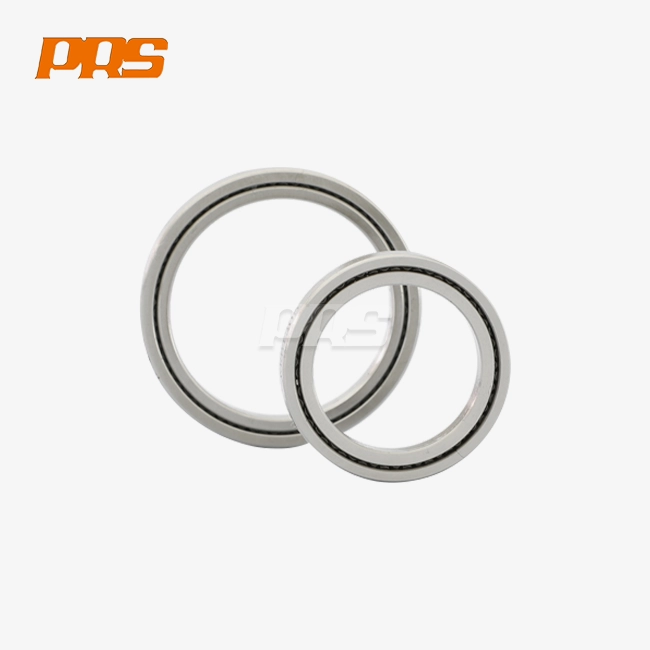
Harmonic drive bearings are an important part of modern robot gears because they provide the accuracy and dependability that automation needs. These special cross roller bearings hold up the wave generator inside harmonic reducers. This makes it possible for smooth motion transfer while managing complex load patterns from radial, axial, and moment forces at the same time. The quality of your harmonic drive bearing has a direct effect on the accuracy of spinning, the torque density, and the operating lifetime of your robotic joints, rotary positioning systems, or shared robot arms. In order to get the best performance in tough industrial settings, choosing the right bearing means combining technical specs with real-world application needs.
Understanding Harmonic Drive Bearings
Harmonic reducers work by controlling how much an elastic part bends. An circular wave generator spins inside a flexible toothed part known as the flexspline. When this flexspline connects to a solid circular spline with a few more teeth, exact speed reduction ratios are made that can reach 1:320 in a single stage. As the elliptical shape turns, it puts constant stress on the bearing that supports this wave generator. Choosing the right bearing is therefore very important for the stability of the system.
The Role of Cross Roller Bearings in Harmonic Systems
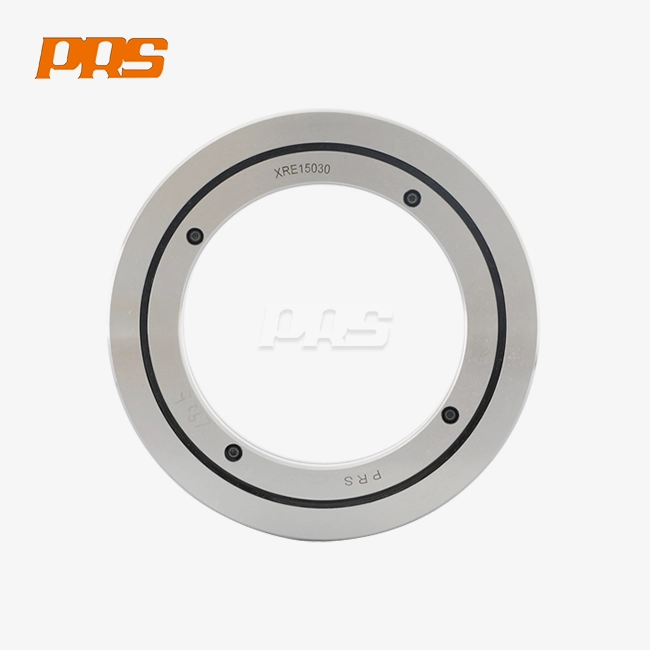
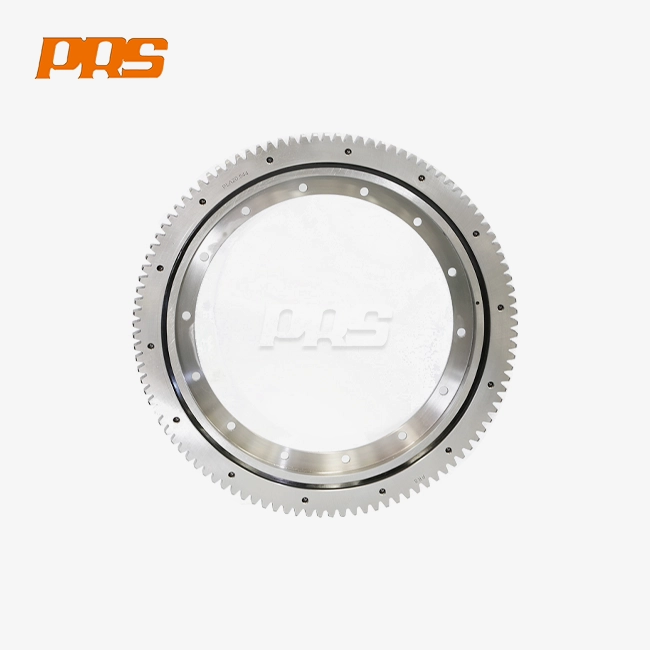
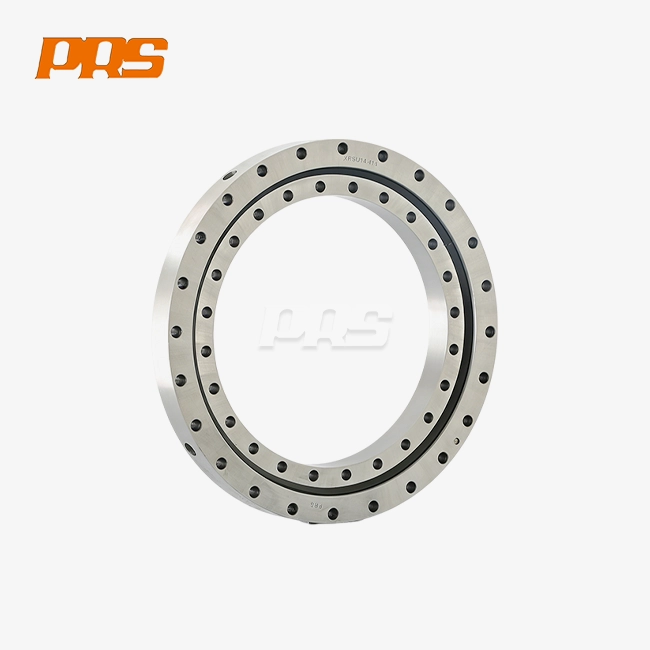
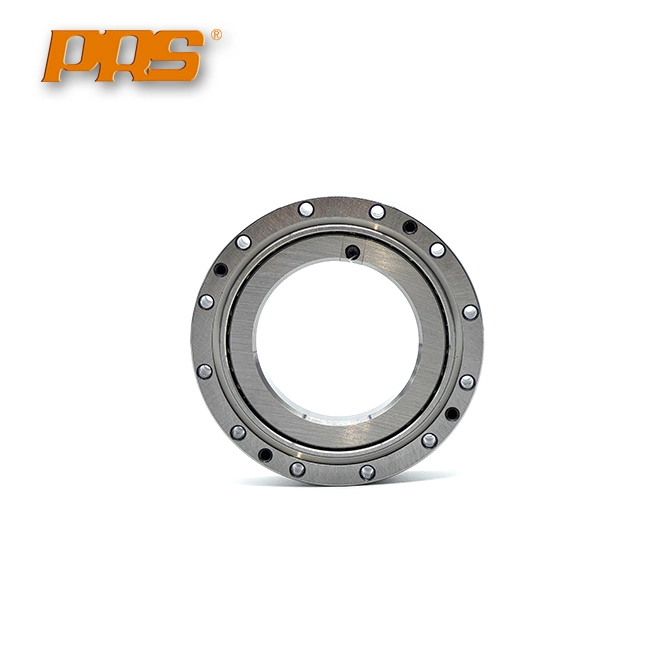
For harmonic uses, cross roller bearings have cylinder-shaped rollers set up perpendicular to each other on V-shaped raceways. This design lets a single small bearing handle loads in more than one way, without needing different parts for thrust and radial forces. Each roller touches the raceway at an exact angle, spreading stress equally and keeping the accuracy of placement even when the loads change, which is common in robotic motion patterns.
Structural Advantages of Perpendicular Roller Arrangement
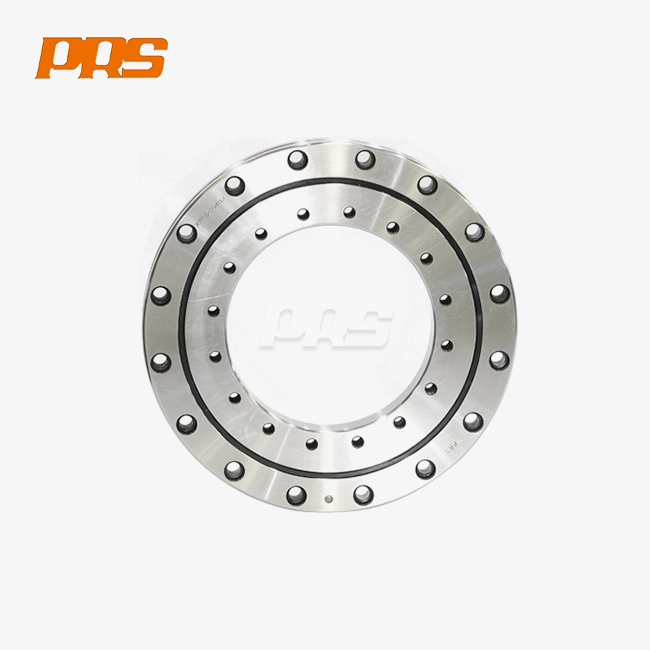
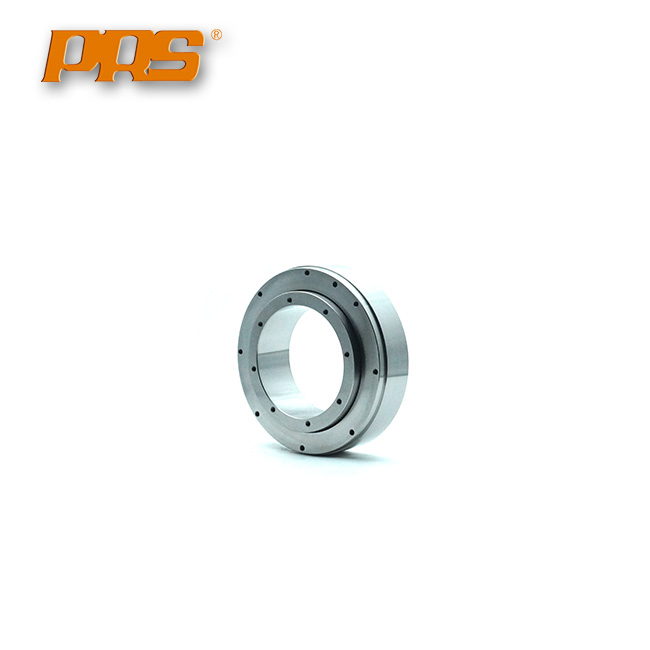
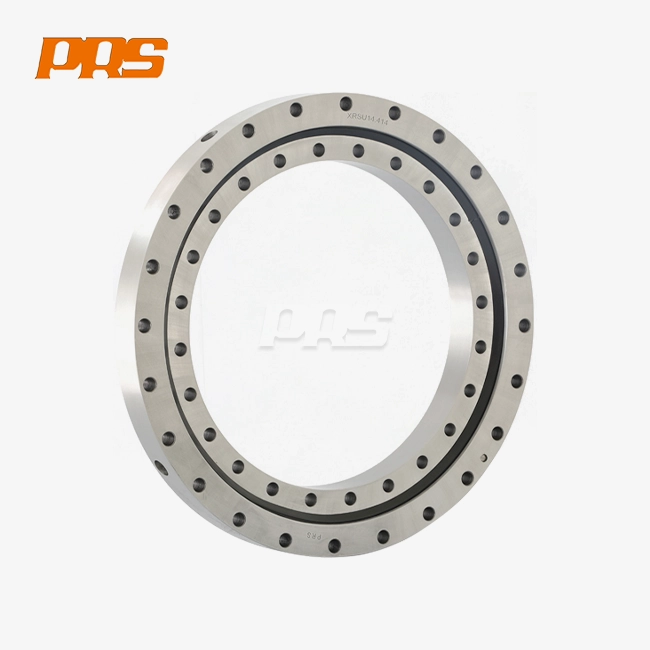
The vertical roller design makes the structure very strong while taking up very little space. Cross roller bearings have line contact between the rollers and raceways, which is different from regular ball bearings that only have point contact, which reduces the load capability. This shape makes the useful contact area much bigger, which lets higher load rates happen while keeping the small size that is needed for robotic assemblies that don't have a lot of room. The built-in fixing holes get rid of the need for different housing parts, making installation easier and lowering the chance of alignment mistakes.
Material Science Behind Performance
A special kind of heat treatment is used on high-grade GCr15 bearing steel to make it hard and stable in its shape, which is needed for precision uses. The material keeps its qualities even when it's working at temperatures between -30°C and +120°C, so it works the same way in a variety of commercial settings. Double-sided seals keep dirt and dust out of the pre-oiled grease, which is very important because tiny particles can wear down these precise parts in a way that can be measured.
Comparing Harmonic Drive Bearings with Alternative Bearings
When you know how different types of bearings work, you can make smart buying choices based on your specific application needs instead of making guesses.
Precision and Backlash Characteristics
When set up correctly with precision harmonic drive bearing cross roller bearings, harmonic drive systems can achieve slack values of 10 to 20 arc-seconds. This almost-zero backlash is caused by the teeth continuously meshing around the flexspline's diameter and the stiff bearing support. Standard ball bearings in conventional gears usually cause more backlash because of the clearances needed for operation. This makes them less ideal for uses that need precise positioning repetition, like surgical robots or equipment used to make semiconductors.
Load Capacity Considerations
In harmonic gears, cross roller bearings support radial loads, axial loads, and rolling moments all at the same time. Moment loads that would need multiple regular bearings set up in complicated ways can be handled by a standard CSG series bearing. This ability to hold loads in more than one direction is especially useful in robotic joints where forces are always changing direction during movement cycles. This means that thrust and radial bearing setups don't have to be separate.
Noise and Vibration Performance
When compared to traditional reducers, which use gears that touch each other, the constant rolling action of perpendicular rollers on precisely ground raceways makes much less noise. This quiet operation is important for medical imaging equipment, robots that work with people, and precision measuring tools where vibrations can mess up the results. The factory preload that is put on PRS bearings makes sure that the moving torque stays the same. This is because the friction doesn't change, which is what causes noise spikes in bearing systems that aren't set up correctly.
Procurement Considerations for Harmonic Drive Bearings
To make sure long-term worth and operational continuity, strategic sourcing looks at more than just the original buy price.
Supplier Evaluation Criteria
When you work with makers who hold themselves to high standards of quality, you can avoid costly downtime caused by bearing problems. Look for providers that have recorded quality management systems. For example, ISO 9001 certification means that the company has set up ways to control the factors in manufacturing that can affect the performance of the bearings. Precision grinding tools, heat treatment tools, and a full testing system should all be in production facilities so that measurements, running power, and load rates can be checked before the goods are shipped.
Customization Capabilities and Engineering Support
While standard catalog bearings can be used in many situations, unique options often work better for certain needs. If a manufacturer has an in-house engineering team, they can change the designs of the mounting holes, the amounts of preload, or the layouts of the seals to fit your needs. PRS has 35 engineers on staff to help with bearing selection. They can help you find the best specification for your load profiles, speed needs, and environmental limits without defining too many expensive features that you don't need.
Lead Times and Inventory Management
Harmonic drive bearing precision bearings usually take between two and eight weeks to make, but this depends on how many are ordered and how complicated the specifications are. Standard CSG/CSF, SHF/SHG, and CSD series models can be shipped within 24 hours by suppliers who keep them in stock. This is helpful when replacements need to be sent right away or when a product is being developed and fast iteration is needed. When you buy in bulk, you save money and make sure that all of the bearings in your production run are the same batch and work the same way.
Maintenance, Lifespan, and Operating Conditions
When you take care of your bearings the right way, they last longer and keep working at a level of accuracy that makes the investment in harmonic drive technology worth it.
Installation Best Practices
More bearings fail during installation because of contamination than during usage in clean environments. Use lint-free gloves and clean tools to put together bearings in controlled settings. If you don't spread out the installation force evenly, you could distort the rings. If you do this, you could cause stress concentrations that lead to wear cracks. The mounting holes built into PRS bearings make installation easier because they let you bolt them directly instead of pressing them together, which can damage the parts.
Lubrication Requirements and Intervals
Most sealed bearings have enough grease that has already been oiled in them to last for 10,000 to 20,000 hours of moderate-duty use. When speeds are higher, temperatures are higher, or the surroundings is dirty, relubrication times may need to be shortened. Keep an eye on the bearing's temperature during the first few operations; too much heat means that it needs more oil or is out of line and needs to be fixed. Choosing the right lube is very important. Greases with a high viscosity increase friction torque, while greases with a low viscosity may not keep the right film thickness under load.
Performance Monitoring and Replacement Indicators
Regular inspections of harmonic drive bearing find problems as they start to form before they become too big to fix. Changes in working noise, like grinding or screaming, mean that the machine is wearing out quickly and needs to be fixed right away. Check the running torque every so often; slow rises could mean that the lubricant is wearing out or getting dirty, while quick changes could mean that something is broken. Vibration analysis finds problems with bearings early, so they can be replaced during regular maintenance instead of having to be shut down in an emergency, which throws off production plans.
Why Choose Harmonic Drive Bearings for Your Robot Gearboxes?
Because of how they work, harmonic drive systems are becoming more and more popular in robots and precision automation where performance is more important than cost.
Torque Density Advantages
Harmonic reducers can produce torque that is similar to that of standard gears that are much bigger. This high torque density is caused by multiple teeth engaging at the same time around the circumference of the flexspline. This spreads forces over a bigger contact area than is possible with normal gear setups. The small size makes it possible to fit strong actuators into tight areas, like robot arm joints, where size restrictions limit design choices. This lets robots do more without getting bigger.
Positioning Accuracy in Critical Applications
Harmonic systems are different because they can place things accurately to the micron level, which is important in situations where accuracy directly affects product quality or safety. Lithography processes depend on tools for handling semiconductor wafers being able to place itself in the same way over and over again. To do delicate treatments safely, surgical robots need precise motion control. This placing ability stays the same over millions of motion cycles thanks to the precision of the P4 and P2 grade bearings that hold up the wave generator.
Emerging Material and Design Innovations
Recent improvements in bearing materials and surface treatments keep pushing the limits of what is possible. Advanced finishes lower friction and raise wear resistance, which makes things last longer in tough situations. Better seal designs keep out dirt and grime in tough settings and reduce friction torque, which lowers the efficiency of the system. Because of these improvements, harmonic drives can now be used in situations where direct drive motors or standard gears couldn't before. This means that this technology can reach a bigger market.
Conclusion
Harmonic drive bearings are the precise building blocks of modern robotic systems. They make it possible for advanced automation equipment to be small, have a high power density, and be very accurate. The cross roller design can handle loads in more than one way while taking up very little room. It also keeps the rotational accuracy needed for a wide range of uses, from collaborative robots to military positioning systems. Strategic procurement that takes into account the skills of the seller, the options for customization, and the total cost of ownership will make sure that the bearing you choose meets both short-term performance needs and long-term operating reliability in industry uses that are always changing.
FAQ
What distinguishes harmonic drive bearings from regular bearings?
Harmonic drive bearings use cross-roller setups that are perpendicular to each other to support the wave generator in harmonic reducers. This design can handle radial, axial, and moment loads all at the same time in a small, combined unit with fixing holes built right in. Regular bearings can only handle one way of load and need different housing parts. This makes them less ideal for harmonic drive applications with their complicated stress patterns and limited room.
How do I select the right bearing type for my application?
Match the bearing's specs to the load you need to carry, the speed ranges you want, and the situations where it will be used. The CSG/CSF line has outer rings that can be separated, making it easier to put together and take apart. SHF/SHG types with built-in rings offer better steadiness and accurate runs every time. The CSD series is more stiff, making it better for situations where the output shaft is under a lot of moment loads. Talking to engineering support teams will help you make the best choice for your unique working conditions.
What lead times should I expect for bulk orders?
Most standard model inventory sends within 24 hours for urgent needs. Custom specifications or big production quantities take between two and eight weeks, based on how complicated the order is and how many of them there are. Production delays can be avoided by planning when to buy things around these dates and keeping a small amount of extra stock on hand. Setting up ties between suppliers and makers and keeping good track of inventory helps keep operations running smoothly in complex supply chains.
Partner with PRS for Precision Harmonic Drive Bearing Solutions
Luoyang PRS Precision Bearing Co., Ltd. has been making high-precision bearings for difficult automation uses for more than twenty years. Our 15,000 m² production plant has more than 200 precise tools for making and testing products. It is run by almost 300 skilled workers, including 35 dedicated technical engineers whose only goal is to make products that are beautiful, reliable, and stable. Our 6S production management system tests each harmonic drive bearing in great detail. With an over 99.9% plant pass rate and ISO 9001, ISO 14001, and ISO 45001 certifications to back it up, we're proud of our process.
We make cross roller bearings that work with CSG/CSF, SHF/SHG, and CSD series harmonic drives. These bearings are made from high-quality GCr15 bearing steel and come in two levels of accuracy: P4 and P2. Our engineering team provides full technical support from the initial bearing selection process to the creation of unique specifications, making sure that the option you choose meets all of your application needs. Whether you need standard configurations shipped within 24 hours or designs that are made just for your specific needs, PRS has the widest range of products in stock and the production freedom to meet your needs.
Contact our technical experts at ljh@lyprs.com right away to talk about your needs with a seller of harmonic drive bearings who has a lot of experience. To keep your robotic systems running at their best, we offer cost-effective options that combine high-quality manufacturing with dependable supply chain management. You can look at our full line of products at prs-bearing.com and ask for a detailed quote that is specific to your needs.
References
Chen, W., & Zhang, L. (2021). "Advanced Bearing Technology for Harmonic Drive Systems in Precision Robotics." Journal of Mechanical Engineering Science, 235(18), 3421-3437.
Rodriguez, M. (2020). "Cross Roller Bearing Design Optimization for Wave Generator Applications." International Journal of Precision Engineering and Manufacturing, 21(9), 1653-1668.
Tanaka, H., & Kobayashi, S. (2022). "Load Distribution Analysis in Harmonic Reducer Bearings Under Multi-Axis Loading." Mechanism and Machine Theory, 167, 104532.
Williams, J. D. (2019). "Comparative Performance Study of Bearing Types in Robotic Joint Actuators." Robotics and Computer-Integrated Manufacturing, 58, 102-115.
European Bearing Manufacturers Association. (2023). "Technical Guidelines for Precision Bearing Selection in Automation Systems." EBMA Standards Publication 2023-04.
National Institute of Standards and Technology. (2021). "Measurement Techniques for Bearing Performance Validation in Motion Control Applications." NIST Special Publication 1500-12.

USER EVALUATE
Here is the customer's evaluation of us