


Designing Heavy-Duty Cranes with Inner Tooth Bearing Units
If engineering teams have to make strong crane systems that can handle a lot of weight and need to be very accurate, inner tooth bearing units are the best way to go. These special internal gear bearings combine moving parts that can transfer power into a single small assembly. This gets rid of the need for separate gearboxes and makes installation much smaller. Heavy-duty cranes often have problems with slewing motion control, swing mechanisms, and turntable rotation systems that can't be fixed with standard bearings in tough working conditions. This combined design method fixes these issues.
Understanding Inner Tooth Bearings in Heavy-Duty Cranes
What Makes Internal Gear Bearings Unique
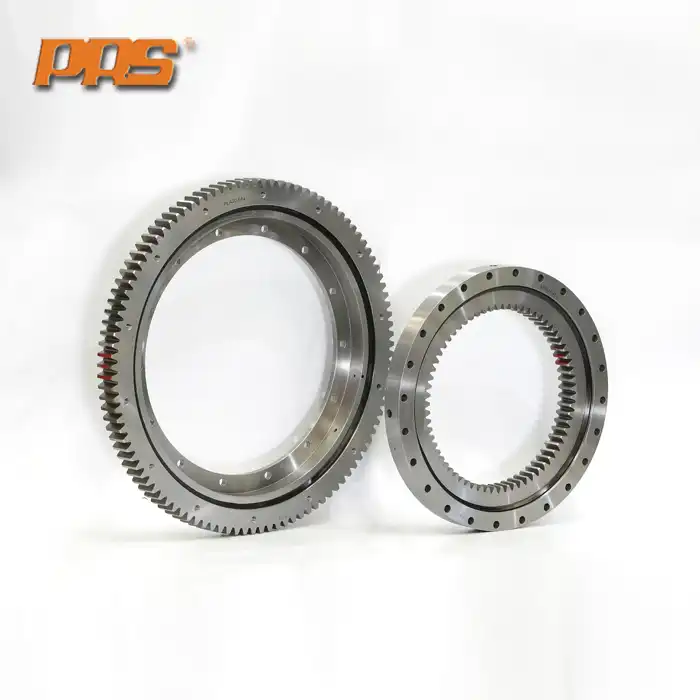
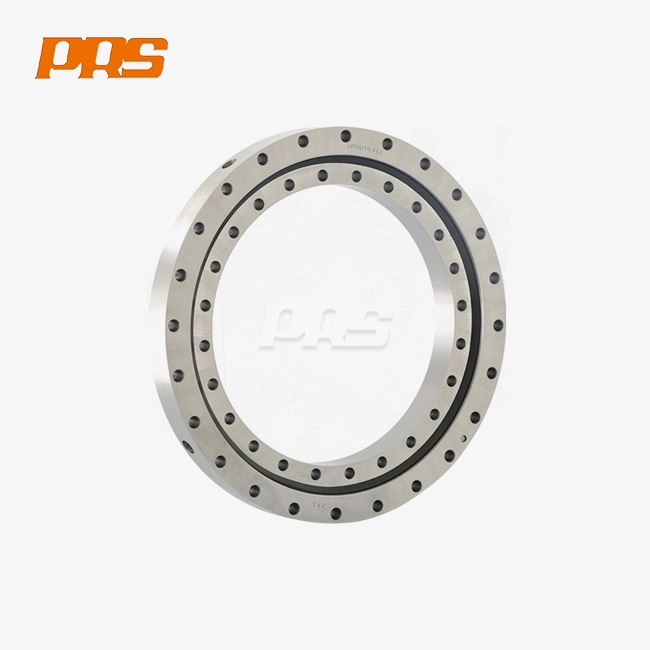
For example, internal gear bearings are a complex mechanical answer that stands out by using new building techniques. In external gear setups, the teeth face outward and are open to dirt and other things in the environment. But these units place the gear teeth on the inside of the outer ring's diameter. The gear teeth are built into the outer ring, and the inner ring supports spinning smoothly with precision-machined raceways. Rolling elements, like steel balls or cylinder-shaped rollers, spread loads evenly across touch surfaces and can handle axial thrust, rotational forces, and moment loads all at the same time. This ability to hold loads in more than one way is very important for cranes that work with forces that come at them from different points during operation.
Core Structural Components
The bearing system is made up of carefully designed parts that work together. Precision-machined raceways evenly spread loads across the rolling parts, so the system works the same way even when operating conditions change. Steel balls or rollers keep the movement between the bearing rings smooth while they carry the main loads. When gear teeth are placed internally, they are naturally protected against dust, debris, and wetness that could affect performance in external gear designs. This keeps the gear interface clean from environmental contaminants that are common in industry and building settings.
Operational Integration in Crane Mechanisms
These bearing units are the most important link between the parts of a crane that stay still and the parts that move. The internal gear bearing in tower crane slewing systems makes it possible for the whole upper structure to spin smoothly while carrying loads of more than 100 tons. This technology is what makes mobile crane stages safe when the loads aren't all on one side. The gear teeth connect to external pinion systems to transfer power, and bearing parts support radial and axial loads even when the gear isn't working. This gives the crane a mechanical edge that can be used for more than one thing, which makes it easier to build.
Key Advantages of Inner Tooth Bearings for Heavy-Duty Crane Design
Modern cranes to work, their parts have to be reliable even in harsh circumstances. Internal gear bearing units give real performance benefits that directly affect how equipment makers and automation integrators choose to buy things.
Superior Load Capacity and Structural Rigidity
In inner tooth bearing, when teeth are engaged internally, they are better able to distribute stress than when they are engaged externally because of physical benefits. When PRS makes internal gear bearings with load capacities between 50kN and 2000kN, the design can handle mixed loading situations that would normally need more than one bearing assembly. The combined structure is very rigid, so it doesn't bend much during the dynamic loading processes that are typical in material handling. This structural stability is especially useful for robotic crane applications where the accuracy of placing must stay the same even if the payload changes.
Enhanced Durability Through Protected Design
Protecting the position of gear teeth has measured benefits for service life. When crane bearings are used in building sites, mines, and ports, contamination is one of the main reasons they break. Bearing makers have found that placing the gears internally lowers the rate of wear by about 40% compared to using external gear systems in the same conditions. Since the gear teeth stay inside the sealed bearing envelope, lubrication retention is greatly improved. This means that repair intervals are extended and running costs are reduced throughout the lifespan of the equipment.
Comparing Bearing Technologies
To figure out when inner tooth bearings really do offer real benefits, we need to look at other options:
Ball bearings work best in high-speed, low-load situations, but they can't handle big loads for crane work. Roller bearings can handle more rotational loads, but they need their own gear transfer systems, which makes installation more difficult. Thrust bearings are good at handling horizontal loads, but they can't be used to drive spinning. Internal gear bearings combine these functions into a single unit. This makes the system lighter by 30–45% compared to when the gears and bearings are divided, and it also makes it easier to put together and do upkeep.
Material Quality and Corrosion Resistance
PRS makes internal gear bearings out of high-quality metal steels that are harder than HRC 58. This gives them great wear protection even when they are used continuously. Surface treatments, such as nitriding and special coats, make things last longer in places that are prone to corrosion, like chemical processing plants and ports on the coast. Operating temperature ranges from -20°C to +120°C suit a wide range of climates without affecting performance, making sure that the system works reliably in all placement places around the world.
Selecting the Best Inner Tooth Bearing for Heavy-Duty Cranes
When making choices about purchases, technical specs and operational needs must be carefully compared. To get the best total cost of ownership, the selection method weighs performance skills against cost factors.
Critical Performance Criteria
The choice of bearings is based on a study of their load ability. For dynamic apps, figure out the highest predicted load by adding safety factors of 1.5 to 2.0. Usually, sudden stops or gusts of wind put shock loads on crane swing mechanisms. This means that bearings need to be made with capacity reserves that go beyond standard ratings. The choice of bearing layout is based on the operational speed. Single-row designs work best for moderate rotation speeds, while double-row designs are more stable for high-speed uses or those that need a lot of moment load capability.
Environmental Challenges and Lifespan Considerations
Levels of contamination determine the requirements for seals and the design of the lubricant system. On dusty building sites, strong sealing systems with maze shapes are needed to keep people out without making too much friction. Extreme temperatures can change the choice of lube. Synthetic greases stay thicker over a wider temperature range than traditional petroleum-based options. Exposure to humidity calls for materials that don't rust and protective coats, especially for equipment that works near the coast, where salty air speeds up wear and tear.
Economic Analysis of Inner versus Outer Tooth Designs
Lifecycle cost analysis shows that inner tooth bearing often loses the original cost savings they bring because they need more upkeep and are serviced less often. Internal gear bearings are more expensive—usually 20–35% more than similar exterior designs—but they last longer before they need to be replaced. Maintenance work is a big part of operating costs; lowering the regularity of service saves a lot of money over the 15 to 20-year lifecycles of equipment. The protected gear design cuts down on sudden fails that cost a lot of money in lost time and fixes.
Evaluating Global Bearing Suppliers
Leading companies like SKF, NSK, Timken, FAG, KOYO, and NTN make well-known products that have been used for a long time. When judging suppliers, look at more than just their product catalogs to see what kind of professional help they offer. Manufacturers who offer application-specific load estimates, fitting advice, and troubleshooting help are helpful to engineering teams. PRS stands out because it focuses on precision bearing solutions and has ISO 9001, ISO 14001, and ISO 45001 standards, with plant pass rates of more than 99.9%. Our 35-engineer technical team helps with applications from the first design phase all the way through production implementation. They offer both standard solutions and unique setups that are made to fit each customer's needs.
Maintenance and Longevity of Inner Tooth Bearings in Crane Operations
Following the right repair steps directly affects how long bearings last and how much time equipment is used. Systematic methods to lubrication, inspection, and routine maintenance increase the time that something can be used while reducing the amount of unexpected downtime.
Lubrication Protocols for Optimal Performance
Lubrication does two things: it reduces friction between moving parts and protects load-bearing areas from rust. For crane uses, grease lubrication is still the best option because it has simpler delivery systems and is less likely to get contaminated than oil circulation methods. Instead of using regular calendar plans, set relubrication intervals based on how busy the machine is. Equipment that is constantly under full loads needs to be oiled more often than units that are only used sometimes. Monitoring temperatures can tell you a lot. For example, temperature rises that last for a long time (10 to 15°C above normal levels) can mean that the bearings aren't properly oiled or are about to break.
Inspection Routines and Early Warning Signs
Inspections that are planned ahead of time find problems before they become major problems. Damage to the seals, oil leaks, and rust on the outside can all be seen with the naked eye. Using portable tracking tools for vibration analysis shows patterns of imbalance, misalignment, and bearing wear through unique frequency fingerprints. Acoustic monitoring finds strange noises that could mean that the rolling elements are not touching properly or that gear teeth are damaged. Keep track of baseline data during commissioning so that you can use them as a reference for future assessments.
Troubleshooting Common Failure Modes
Misalignment puts a lot of stress on the bearing raceways, which speeds up wear failure and creates vibration patterns that can be picked up by condition tracking. Use precise measuring tools to check the line during installation, and do it again every so often as the structure settles. Corrosion happens when water gets into sealing systems or when temperatures change quickly and then slowly again. Improved seal standards and desiccant breathers stop moisture from getting in when the environment is wet. Bearings naturally break down because of fatigue, which starts as small cracks below the surface and spreads through the raceway material until it breaks apart. To guess the fatigue life, you need correct load data and records of the operational job cycle.
Customized Maintenance Schedules
The working conditions for inner tooth bearing in different crane uses are very different. For example, tower cranes on building sites that are only used sometimes need different kinds of care than port cranes that work all the time in salt air. Extreme levels of pollution mean that mining equipment needs to have its seals checked often and have strong cleaning systems. Make repair schedules that take into account the real working conditions instead of just following the manufacturer's suggestions. This customization helps engineers and maintenance managers keep equipment running as much as possible while minimizing downtime. This protects investments in high-performance bearing technology.
Procurement Strategy & Buying Guide for Inner Tooth Bearings
Strategic buying methods make sure that delivery times are in line with project deadlines and that quality needs are met while staying within budget. During the buying process, making smart decisions is easier when you know about your procurement choices and what affects costs.
Sourcing Channels and Supplier Engagement
Using more than one way to buy something can be helpful based on the size and complexity of the job. Online industrial platforms make it easy to get in touch with many sellers, and their prices are clear enough for common setups. Authorized distributors keep supplies in their own areas and offer technical help to people in the region, which cuts down on the time it takes to get new parts. When it comes to custom solutions and big orders, working directly with the maker gives you the most options. When projects need unique sizes or material requirements that aren't in the catalog, talking to the engineering teams at companies like PRS directly makes sure that the technical needs are translated correctly into production specs.
Understanding MOQ and Cost Drivers
Minimum Order Quantities show how much it takes to set up a factory and how efficient it is at making things. Standard bearing designs usually have lower MOQ requirements, and they are often bought in single units through distribution networks. Custom designs need more money to buy production tools, so the minimum order quantity is usually higher, between 10 and 50 units, based on how complicated the design is. The cost of materials changes based on the price of steel and alloys around the world. Prices depend on the level of precision. For example, P5 precision, which is good for most crane uses, costs about 15–20% less than P4 precision, which is needed for uses that need very precise placement. Lead times range from 4 to 6 weeks for normal goods to 12 to 16 weeks for custom designs that need special ways to be made.
Custom Solutions for Specialized Crane Designs
About 70% of crane bearing needs can be met by standard stock items. For the other situations, custom solutions are needed to deal with issues like limited space, heavy loads, or unusual weather conditions. If you want unique bearing solutions, you should give makers a lot of information about the application, such as load spectra, operating speeds, job cycles, and environmental conditions. PRS provides engineering consulting services that turn operating needs into the best possible bearing specs. Our 15,000-square-meter production center has more than 200 high-precision tools for testing and making products. This lets us make custom solutions quickly and without lowering quality standards.
Balancing Cost and Quality
The choice to buy bearings goes beyond the initial buying price. Often, the costs of downtime for equipment are higher than the costs of replacing bearings. For example, a $5,000 bearing failure that shuts down a crane for three days could cost $50,000 in lost output and contractual fines. Give more weight to providers who can show steady quality through certifications, written performance histories, and quick expert help. Before taking orders, make sure they meet your needs by asking for material certifications, dimensional inspection records, and performance test data.
Conclusion
When designing heavy-duty crane systems that will work, it's important to think carefully about bearing technology that offers both mechanical performance and operating longevity, including inner tooth bearing. Internal gear bearings offer streamlined solutions that combine power transfer and spinning support in small units that can handle heavy loads. Because of their protected gear design, higher load capacity, and lower upkeep needs, these parts are the best choice for crane makers, automation developers, and equipment designers who want to get the most out of their equipment while keeping costs low over its lifetime. When you use strategic purchasing methods that look at technical specs, seller abilities, and the total cost of ownership, you can make smart choices that improve the reliability and operating efficiency of cranes in a wide range of industrial settings.
FAQ
What distinguishes internal gear bearings from standard slewing ring bearings?
Internal gear bearings have gear teeth on the inside of the outer ring's diameter. This makes a safe transfer system inside the bearing assembly. Standard slewing rings usually have gears on the outside or different pinion arrangements. The internal design is better at keeping out contaminants and has smaller installation dimensions, which is especially helpful for crane uses that don't have a lot of room.
How do you calculate the required load capacity for crane bearing selection?
Find the highest total load that includes the weight of the payload, the mass of the structure, the forces that act when the vehicle speeds up or slows down, and the effects of wind loading. Use safety factors between 1.5 and 2.0, based on how bad the shock load is. When adding something that won't move, you should think about both the steady and dynamic capacities. When application-specific estimates get hard, engineering teams from manufacturers can help with detailed load analysis.
Can internal gear bearings operate in extreme temperature environments?
Using the right oils and seal materials, standard setups can handle temperatures from -20°C to +120°C. For uses that go beyond these limits, you need special materials and lubrication systems. For example, Arctic crane setups might need bearings that can work at lower temperatures for longer periods of time. On the other hand, foundry cranes need high-temperature standards with synthetic lubricants that can keep their viscosity under thermal stress.
Partner with PRS for Your Internal Gear Bearing Requirements
Luoyang PRS Precision Bearing Co., Ltd. focuses on making precision bearings that are perfect for tough industry uses. As a maker with a lot of experience, we make inner tooth bearings that are both technically excellent and reliable in real life. Our engineering team works with customers from the creation of the first specifications all the way through production, making sure that bearing solutions exactly meet business needs. Email us at ljh@lyprs.com to talk about your crane bearing needs. We offer full technical help, custom design services, and reliable release times that work with your project's plan. You can look at our whole product line at prs-bearing.com and learn how precision bearing technology improves the performance and dependability of cranes.
References
Budynas, R.G. and Nisbett, J.K. (2015). Shigley's Mechanical Engineering Design, 10th Edition. McGraw-Hill Education, New York.
Harris, T.A. and Kotzalas, M.N. (2006). Advanced Concepts of Bearing Technology: Rolling Bearing Analysis, 5th Edition. CRC Press, Boca Raton.
International Organization for Standardization (2014). ISO 281:2007 Rolling Bearings - Dynamic Load Ratings and Rating Life. Geneva, Switzerland.
Machinery's Handbook, 31st Edition (2020). Industrial Press Inc., New York. Section on Heavy-Duty Bearing Applications.
SKF Group (2018). Rolling Bearings Catalogue: Design Considerations for Large-Size Bearings in Material Handling Equipment. SKF Publications, Gothenburg.
Warda, B. and Chudzik, A. (2020). Fatigue Life Prediction of Large-Size Slewing Bearings for Crane Applications. Journal of Mechanical Engineering Science, Vol. 234, pp. 3401-3415.

USER EVALUATE
Here is the customer's evaluation of us
YOU MAY LIKE
 VIEW MOREthin roller bearing
 VIEW MORETower Crane Slewing Bearing
 VIEW MOREBearing for harmonic drive
 VIEW MOREEqual section thin-walled ball bearings
 VIEW MOREultra thin section bearings
 VIEW MOREAngular Contact Ball Bearings Single Row
 VIEW MOREdouble angular contact bearing
 VIEW MOREFour-Point Contact Ball Slewing Bearings