
Bulk Sourcing RE Robot Bearings: Tips for Global Procurement
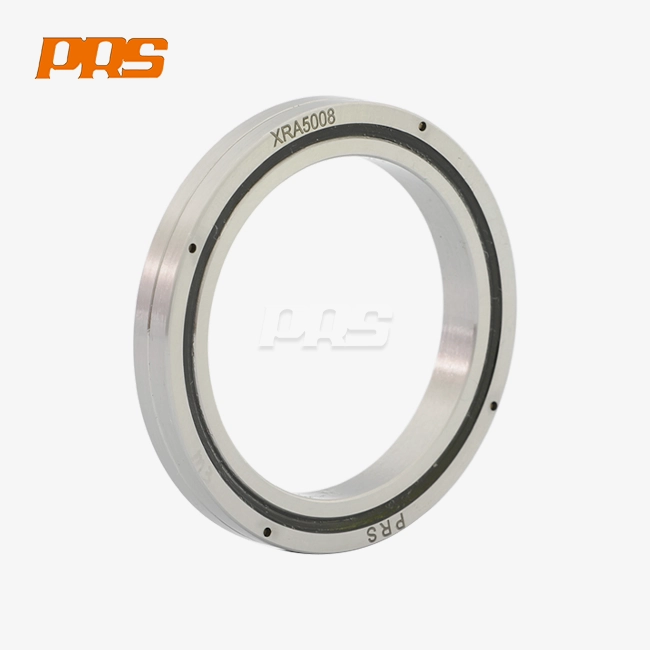
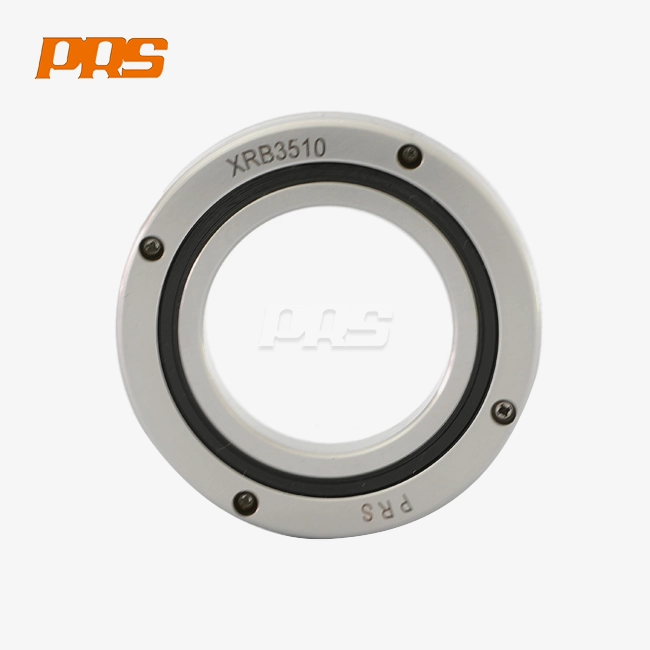
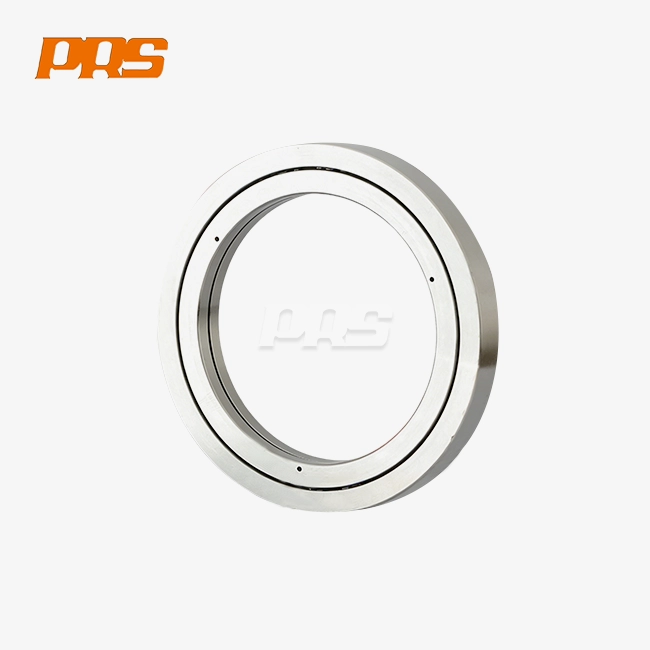
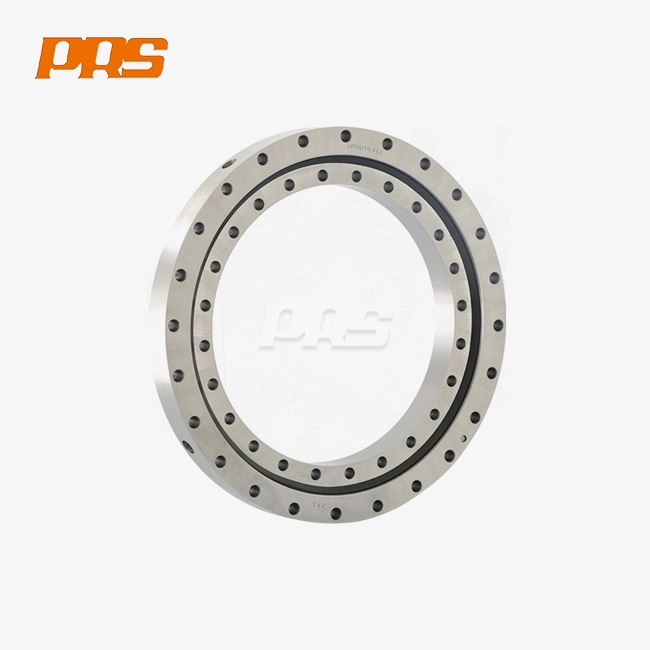
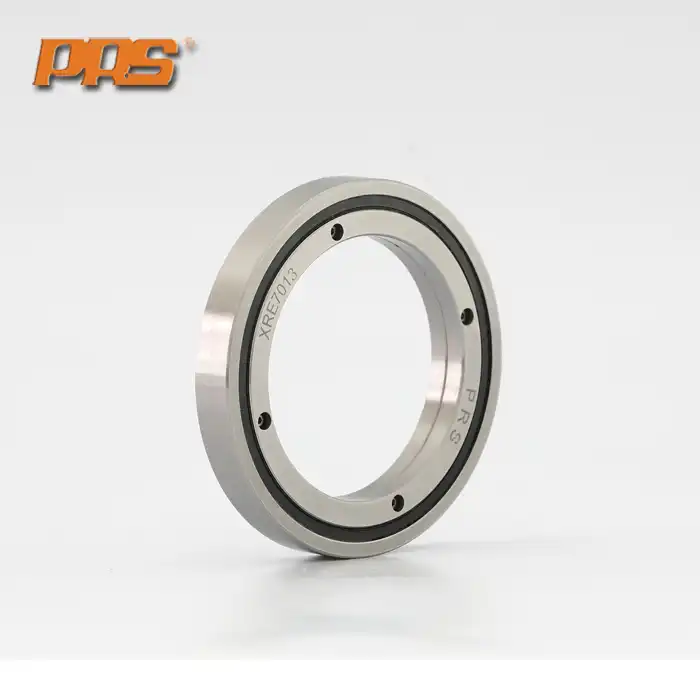
Finding the right cross-roller bearings is more than just buying parts when your production line counts on precise motion control. It's a matter of strategy. There is a special group of precision rotating parts called RE robot bearings that are made for robotics and automation uses. These bearings have a special split inner ring design and cylindrical rollers placed orthogonally within V-groove raceways. This lets them handle radial, axial, and moment loads all at the same time. This way of building makes them very small and very rigid, which is why they are needed for robotic joints, rotary tables, and precision positioning systems where accuracy has a direct effect on production results.
Understanding RE Robot Bearings for Bulk Procurement
Structural Design and Performance Characteristics
The orthogonal layout of the rollers in RE robot bearings is what makes them work. Unlike most bearings, which need more than one unit to handle complicated load combinations, these parts combine the ability to handle loads in more than one way into a single, compact unit. The solid outer ring keeps the accuracy of spinning, and the split inner ring makes fitting around fixed shafts easier without having to take the whole thing apart.
This arrangement works especially well in robotics applications that need to fit a lot of parts in a small area while still meeting high performance standards. Cylindrical wheels set at 90-degree angles spread forces evenly across all contact points, which keeps movement to a minimum when the machine is under load. Spacers between each roller stop friction between the rolling elements. This makes the bearing last longer and keep running smoothly across its entire working range.
Material Selection and Precision Grades
For most industrial robots uses, chrome steel is still the standard material of choice because it is hard, durable, and inexpensive. When corrosive conditions are a problem, like in a cleanroom or with food-grade robots, options to stainless steel provide the protection that is needed while keeping the structure's integrity. Ceramic hybrid choices are lighter and more thermally stable, but the cost of the materials goes up in line with the efficiency gains.
The accuracy of your computer systems' positions is directly affected by the precision grades you use. Standard industry machinery that needs accuracy down to the micron level works best with P4-grade bearings. P2-grade parts are needed when very high repeatability is needed in medical imaging, chip manufacturing, or measurement. When buying teams know these differences, they can better match technical standards to application needs without giving too many details or not giving enough performance.
Key Differentiation from Standard Bearing Types
Standard ball bearings aren't good at spreading out loads the way that complex robotic movements need them to be. To handle moment loads, traditional angular contact bearings need to be paired, which makes installation more difficult and increases the amount of room needed along the axis. RE robot bearings combine these functions into one, making the whole system lighter by about 40% compared to regular bearing setups.
The working temperature range is from -40°C to +150°C, which covers a wide range of industrial settings, from automated cold storage to high-heat industry. Double-sided seals keep lubricants in and keep interior parts clean, which lowers the frequency of upkeep in tough production settings. Because of these performance factors, automation developers are choosing cross-roller designs for next-generation robotic systems more and more.
Criteria for Selecting the Right RE Robot Bearings in Large Quantities
Technical Specification Alignment
Calculations of load capacity are the basis for choosing the right bearings. Your robot's job creates certain rotational forces, axial loads, and twisting moments that the bearings need to be able to handle during operation. PRS makes RE robot bearings with inner diameters from 20mm to 600mm, outer sizes from 36mm to 700mm, and thicknesses from 8mm to 40mm. This gives customers a choice of different joint setups.
When fast rotational moves happen, speed rates affect the choice of bearing. When apps run quickly, they cause thermal expansion, which changes the limits for sizes. To keep accuracy, the materials used and the methods for lubrication must be able to handle these high temperatures. In collaborative robots, where people work with automated systems, noise tolerance is very important. Too much bearing vibration is bad for both safety and accuracy of pointing.
Evaluating Supplier Credentials and Manufacturing Capabilities
The skills of a production center show a lot about how reliable a supplier is. Precision cutting centers in factories make sure that all of the products they make are the same size and shape. PRS runs a 15,000-square-meter factory with more than 200 high-precision tools and almost 300 skilled workers, including 35 technical engineers. This system makes it possible for both normal production and changes that are made specifically for certain uses.
Certification standards set concrete rules for quality. ISO 9001 certification proves that a company has a good quality management system. ISO 14001 and ISO 45001 certifications show that a company cares about the environment and workers' safety. When factory pass rates are higher than 99.9%, it means that the production process is developed and there are few mistakes. These measures help procurement professionals tell the difference between providers that offer real precise manufacturing and those that depend on outsourced production with poor quality control.
Technical help goes beyond just delivering products. Throughout the lifetime of a product, engineering teams that help choose bearings, optimize applications, and install them add a lot of value. When problems happen with production, quick expert help cuts down on downtime and the costs that come with it. By checking these service skills during the seller screening process, practical disruptions can be avoided in the future.
Warranty Structures and Lifecycle Expectations
The warranty terms for large purchases are very different from those for small orders. A lot of the time, volume promises make it possible to negotiate warranty extensions or performance guarantees that protect the money spent on buying. When replacement claims come up, disagreements can be avoided by knowing the specifics of the guarantee, such as the difference between normal wear and manufacturing flaws.
How long a bearing is expected to last depends on how it was installed, how it is used, and how well it was maintained. RE robot bearings that are properly installed and kept can usually last between 20,000 and 50,000 hours of use before they need to be replaced. Individual roller stress levels are lowered when loads are spread out optimally across multiple contact points. This makes bearings last longer than usual designs. Writing down these lifecycle estimates helps support budgets for purchases and schedules for upkeep.
Effective Bulk Ordering and Supply Chain Management for RE Robot Bearings
Request-for-Quote Processes and Negotiation Strategies
More detailed RFQ paperwork leads to more accurate quotes and less confusion. Specifications should include required sizes, exact grades, expected quantities, shipping times, and any needs for customization. Giving suppliers information about the application helps them suggest the best solutions instead of just giving you the desired specs, which might not meet your needs the best.
Minimum order amounts usually lower unit costs, but they need careful planning of supplies. To find the best balance between volume savings, carrying costs, and the risk of obsolescence, you need to look at your production estimates and storage space. Large sales often come with talks about payment terms. Longer payment plans or staggered deliveries can help with cash flow while keeping the supply going.
When you deal with bearing makers directly instead of just going through distributors, you can often get better expert help and more price options. When normal catalog measurements don't perfectly match your robotic joint designs, direct contact lets you make custom changes. This relationship-based method is especially helpful when making new automation platforms that need special bearing arrangements.
Lead-Time Management and Inventory Optimization
Production lead times are very different depending on whether you're buying something from a catalog or making something to your exact specs. It usually takes two to four weeks to ship standard RE robot bearings with popular sizes. It could take eight to twelve weeks from the time an order is confirmed until it is delivered if the changes need special materials, non-standard sizes, or higher precise grades.
Strategic inventory management checks how much stock is available and how much capital is locked up in stock. Just-in-time methods lower the cost of goods but make it more vulnerable to problems with the supply chain. Keeping a strategic safety stock of important bearing sizes saves production plans and makes the best use of working capital. Looking at how variable your production is and how reliable your suppliers are can help you figure out how much material you need.
With vendor-managed inventory arrangements, sellers are in charge of optimizing inventory while making sure that parts are always available. This method works well when steady production levels allow for specific inventory assignments. Suppliers can see what customers want, which makes planning production easier, and buyers can cut down on the costs of managing supplies and lower the risk of running out of stock.
International Shipping and Customs Clearance
Choosing a shipping plan affects both the cost and the reliability of arrival. Even though air freight is faster, it costs a lot more to move. Ocean freight is cheaper per unit for sending big orders, but it can take up to a week to get from one port to another, based on where the goods are coming from and going to. Using a mix of methods, like ocean freight for regular restocking and air freight for pressing needs, can often save money and time.
In order to pass customs, you need the right paperwork, like business invoices, packing lists, and certificates of origin. Harmonized System (HS) codes sort directions into groups so that duties can be calculated correctly. Correct grouping avoids delays at customs and makes sure that duties are calculated correctly. Working with experienced freight forwarders who know how to handle goods makes the customs process go more smoothly and processing problems are less likely to happen.
When sending precision parts across foreign borders, it's important to think about how to package them. PRS offers customized packing options that are made to fit the needs of different shipping paths and environmental conditions. When you package things correctly, you keep them safe from damage like vibrations, hits, and water that could ruin the precision of the bearings or the finish on the outside. Putting money into the right package saves your purchase investment all the way through the supply chain.
Case Studies and Practical Insights from Global Procurement Experts
Cost Optimization Through Strategic Sourcing
A global company that makes semiconductor equipment streamlined its purchasing across three production sites by making volume agreements with a single provider. This approach lowered the cost of each bearing by 18% while making sure that all product lines had the same specs. Streamlining inventory management and providing unified technology help made operations even more efficient. The merging also made it possible for companies to make their own unique precision grades for use in cleanrooms. This made it possible for equipment to be placed more accurately than what a catalog bearing could do.
For the change to happen, all suppliers had to be carefully evaluated in terms of their technical skills, quality processes, and the trustworthiness of their supply chains. On-site trips to factories showed how things are made and how quality control is done. Checking references with current customers gave information about how responsive and good at fixing problems the provider was. This careful screening process took three months, but it led to a relationship that has been valuable for more than five years.
Supply Chain Resilience During Disruptions
When problems with shipping around the world threatened to stop production, a medical device maker used the regional distribution network of their bearing provider. By putting inventory in key places ahead of time, fast fulfillment was possible even though foreign operations were limited. This proactive method kept production on schedule while rivals had to deal with longer wait times and a lack of parts.
The approach for resilience included reviewing demand forecasts with the bearing provider every three months. This let inventory be adjusted to match production plans. The supplier was able to use its production capacity effectively by being clear about future product launches and changes in volume. This way of working together changed the supply relationship from one of transactions to one of a strategic partnership.
Quality Improvement Through Technical Collaboration
A robotics company that was having problems with bearings failing too soon in the wrist joints of collaboration robots asked the engineering team at their bearing source to look into what was going wrong and fix it. A close study showed that the dynamic loading patterns were worse than what was expected at the start of the planning process. Working together to rethink something led to custom bearing specs with higher moment load capacity and changed seal configurations that worked better with the duty cycle of the application.
The better bearing design increased the service life by 60% while keeping the small size that was important for the robot's looks and functionality. This technical partnership showed how important it is to involve bearing makers early on in the product development process instead of treating them like any other component provider. The company that makes robotic platforms now uses technical knowledge in the early stages of designing new ones.
Conclusion
To successfully buy RE robot bearings in bulk for robotics uses, you need to find a balance between technical requirements, the supplier's skills, and the supply chain's plans. Understanding the special features of RE robot bearings, like how they distribute loads more efficiently, how precise they can be, and what kinds of applications they are best for, helps you make smart design choices. When you carefully look at a supplier's industrial skills, quality systems, and technical support infrastructure, you can form partnerships with them that go beyond just doing business. Using strategic methods to buying, managing inventory, and foreign logistics can help you save money while keeping your supply going. Active maintenance and quick help from suppliers are the best ways to get the most out of bearing performance and return on investment over their entire operating lifecycles.
FAQ
Where can I source reliable RE robot bearings in bulk quantities?
To find makers of precision cross-roller bearings, you need to find ones with proven production methods and quality control systems. Look for providers that have ISO certifications, precision machining tools, and the ability to offer technical help. Directly working with makers like PRS is often a better way to work together on technology and get better price options than going through multiple levels of distribution. Before committing to big orders, make sure the manufacturing plant can do what it says it can do by visiting the site or doing a thorough capability review.
What factors should I consider when comparing RE bearings against standard alternatives?
RE robot bearings can hold loads in more than one way and are small, so you don't have to worry about the complicated arrangements that are needed for normal types. Look at the unique load combinations, space limitations, and accuracy needs of your program. RE robot bearings have higher unit prices than standard ball bearings, but system-level research often shows that they are cheaper overall because they have fewer parts, are easier to put together, and work better. Instead of just looking at the prices of the parts, figure out the total cost of ownership.
How can I maintain bearing longevity in demanding robotic applications?
Set up routine checking procedures that check for noise, temperature, and accuracy of position. Follow the manufacturer's instructions for greasing, making sure they fit your unique needs. Make sure the right steps are taken during installation to avoid problems with misalignment or loading. Keep the load and speed within the limits given to avoid premature wear. Keep track of the maintenance tasks you do to set performance standards that can be used to spot problems early. Work with bearing companies that offer expert support to help with problems and making the best use of their products.
Partner with PRS for Your Precision Bearing Procurement Needs
For more than 20 years, Luoyang PRS Precision Bearing Co., Ltd. has been making high-precision cross-roller bearings for robotics and automation uses that need them. Our wide range of services, including P4 and P2 precision grades and unique specs made to fit your exact needs, help a lot of different industries, such as semiconductor manufacturing, medical devices, and industrial automation. We give your production systems the reliability they need with plant pass rates of over 99.9% and full ISO approval. Our technical team gives advice based on the application to make sure the best bearing choice and efficiency. If you need standard catalog measurements or unique solutions, PRS is the company you can trust to make high-quality RE robot bearings and provide quick support. Get in touch with our expert team at ljh@lyprs.com to talk about your bulk purchasing needs and find out how our precision bearing solutions can improve the performance and stability of your robotic systems.
References
Chen, W., & Liu, Y. (2021). Precision Bearing Technology for Industrial Robotics: Design, Selection, and Application. Industrial Press.
International Organization for Standardization. (2019). ISO 492:2014 - Rolling Bearings - Radial Bearings - Geometrical Product Specifications (GPS) and Tolerance Values. ISO Standards Compendium.
Matsumoto, H., & Schmidt, T. (2020). "Load Distribution Analysis in Cross-Roller Bearings for Robotic Joint Applications." Journal of Mechanical Engineering Science, 234(8), 1567-1582.
Robotic Industries Association. (2022). Global Procurement Best Practices for Automation Components: A Comprehensive Guide for OEMs and System Integrators. RIA Publications.
Thompson, R. (2023). "Supply Chain Strategies for Precision Components in Manufacturing Automation." International Journal of Production Economics, 251, Article 108542.
Zhang, L., Anderson, K., & Park, S. (2022). Advanced Bearing Systems for Precision Motion Control: Materials, Design, and Maintenance Strategies. Springer Technical Publishing.

USER EVALUATE
Here is the customer's evaluation of us