


Decoding Crane Slewing Bearings: An Engineer's Guide
The rotational link that supports the whole system becomes mission-critical when big lifting tasks need accuracy, dependability, and structural integrity. This pivotal link is made up of a crane slewing bearing, which allows for 360-degree movement and handles axial, radial, and moment loads at the same time. This unique part is the mechanical link between a crane's fixed base and its spinning upper part. It turns complicated load situations into smooth, controlled motion. Knowing how these bearings work, what design choices make them work best, and how to properly maintain them can have a huge effect on how efficiently operations run and how long equipment lasts in building, port handling, and industrial manufacturing.
Understanding Crane Slewing Bearings: Basics and Working Principles
What Defines a Slewing Bearing in Crane Applications?
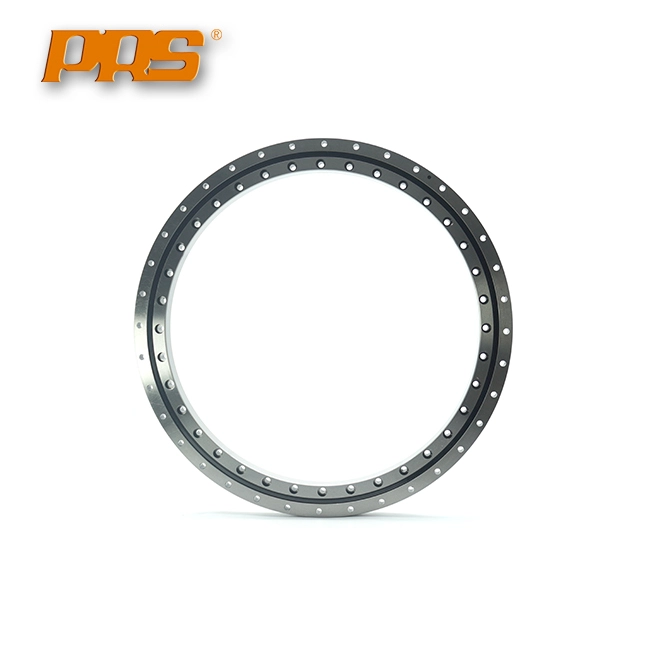
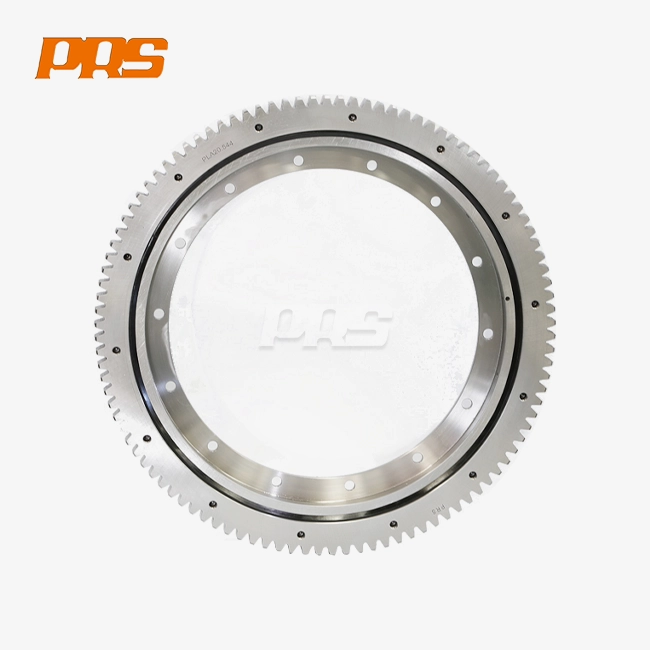
In the world of large-diameter rotating parts, slewing ring bearings are a special kind that are designed to handle mixed loading situations. These units are different from regular ball bearings or cylindrical roller bearings that are used in wheels or conveyor systems because they have mounting holes, gear mechanisms, and sealing systems all built into one unit. The design allows for straight bolt-on installation, which gets rid of the need for extra support structures while still allowing for micron-level spinning accuracy under loads of many tons.
The basic structure is made up of inner and outer rings with raceways that are very carefully cut. Rolling elements, like balls or rollers grouped in a single, double, or triple row, spread the load across larger contact areas between these rings. Compared to sliding mechanisms, this setup has lower friction coefficients, which lets it rotate smoothly even when holding uneven loads, which is common in boom placement and load handling tasks.
Load Transfer Mechanics and Raceway Design
The way it works depends on the shape of the raceways separating the load paths. Axial loads are moved through upper and lower raceways that are not parallel to the axis of rotation. Radial forces act on the raceway's horizontal surfaces, and tilted moments are spread out among rolling elements that are diagonally opposite to each other. This multi-directional load management keeps the structure stable even when cranes lift items that aren't in the middle or work on rough ground.
The Gothic-arch raceway shapes of four-point contact ball bearings show how this works. Each ball touches both bands twice, giving each part a total of four contact zones. This shape can handle axial, horizontal, and moment loads all at the same time in a small cross-section. Triple-row roller designs are different because they use cylinder-shaped rollers in separate raceways that are best for the direction of the load. This design can hold more weight, but it makes the structure a little taller.
Integrated Drive Systems and Gear Configurations
Slewing bearings are different from other rotating parts because they have gears built in. For internal-toothed versions, the gear teeth are placed on the inner ring's bore. This keeps the drive elements clean and allows for small fitting spaces. External-toothed designs put teeth on the outside of the outer ring, which makes it easier to mount the motor and transfers more power. Toothless choices work like pure bearings, so engineers can add their own unique drive mechanisms to meet the needs of each application.
When the slew motor of a crane strikes these built-in teeth, torque moves straight through the bearing structure. This gets rid of the need for different pinion-ring gear systems, which cuts down on the number of parts and possible alignment problems. The choice of gear module strikes a balance between the tooth strength and the rotational speed needs. Modules running from 8 to 24 are popular in mobile and tower crane uses.
Key Considerations When Choosing Crane Slewing Bearings
Matching Bearing Specifications to Crane Operating Conditions
To choose the right crane slewing bearings, you need to look at the type of crane, the job cycle, and the surroundings. Port gantry cranes that move containers in maritime settings have different problems to deal with than mobile cranes that work in building sites. While load capacity is the most important specification, working temperature range, sealing efficiency, and gear wear resistance are also important for long-term performance.
The choice of material has a big effect on how long a bearing lasts. For uses in cold climates down to -40°C, alloys like 42CrMo offer better low-temperature impact hardness, keeping the structure intact. The 50Mn steel is very resistant to wear in high-cycle applications. Heat treatment processes make the raceways' surfaces hard (between 55 and 62 HRC) while keeping the core tough (between 240 and 280 HB). This keeps the raceways from breaking easily when they are hit with shock loads. This mix keeps the contacts from wearing out after millions of rotations and absorbs impact forces from quick changes in load.
Precision Grade and Dimensional Tolerances
The accuracy of the crane's setting and how smoothly it runs are directly affected by the bearing precision grades. With radial runout limits of 20 to 30 microns, P5 grade bearings meet most industry needs. Tolerances are lowered to 10-15 microns with P4 precision. This gives automatic container handling systems or precision assembly cranes the repeated accuracy they need. Tougher factory controls and specialized inspection tools are needed for higher precision grades, which affects wait times and costs.
The diameter range you choose is based on the size of the crane and the load moment calculations. Smaller mobile cranes need bearings with a diameter of 400–1200 mm, while big tower cranes and ship-to-shore gantries need bearings with a diameter of 2000–5000 mm. Custom engineering is needed when catalog sizes don't fit mounting connections or when limited room means that non-standard sizes have to be used. PRS can make a lot of changes because it has 35 technical engineers who use their 20 years of experience to find the best measurements, load rates, and gear ratios for each piece of equipment.
Evaluating Forged Versus Cast Bearing Constructions
The way something is made affects how regular it is and how well it works mechanically. Forged bearings go through hot working processes that smooth out the grain structure, getting rid of any internal holes, and aligning the strength in a certain direction. This mechanical advantage means that the material will be less likely to wear down and will behave consistently when loaded and unloaded many times. For bigger sizes where forging equipment is limited, cast bearings are cheaper, but it's more important to check the material carefully to find any possible inclusions.
Protocols for quality testing tell the difference between reliable providers and less reliable ones. Ultrasonic testing finds flaws in the casting that can't be seen from the outside, and magnetic particle testing finds tiny cracks in gear teeth or mounting surfaces. Coordinate measure tools make sure that the position of the bolt holes is accurate within the ISO tolerance limits. This keeps installation problems from happening during alignment. At PRS, plant acceptance testing includes checking the dimensions, making sure the hardness is correct, and trying the performance under simulated load conditions. Before shipping, pass rates are higher than 99.9%.
Maintenance and Troubleshooting for Crane Slewing Bearings
Common Failure Modes and Root Cause Analysis
Most of the time, premature crane slewing bearing failure is caused by inadequate lubrication, contamination, or installation mistakes, not by flaws in the material. If there isn't enough oil, the moving elements and raceways can touch each other, which creates friction heat that speeds up wear. Corrosion starts when building dust or water gets on something, making surface pits that spread and turn into spalling. When bolts are installed with the wrong amount of force, the load is spread out unevenly. This overloads individual rolling elements and cuts their service life by 50% or more.
Wear patterns show specific problems with how things work. Even wear in all load zones means that the bearing is aging normally as long as it is properly oiled. Localized wear concentrating in a narrow circular band suggests that the object was left in one place for a long time, allowing standing loads to form Brinell indentations. Corrosion pitting that is concentrated near seal surfaces means that the seal is breaking down, which lets water in. By understanding these diagnostic signs, you can take focused steps to fix problems instead of replacing parts too soon.
Lubrication Strategies and Service Intervals
When lubrication works well, it keeps a protected film between the moving elements and the raceways and controls the heat from friction. Greases made from lithium and extreme-pressure chemicals work well for most crane jobs because they keep their mechanical stability from -30°C to +120°C. Application frequency varies on job cycle strength. For example, port cranes that are used all the time should be oiled once a week, while mobile units that are only used sometimes only need to be oiled once a month.
Modern bearings have many greasing spots around the outside, which makes sure that the grease is spread evenly across all load zones. Maintenance teams should go through these points in order and use measured amounts of grease to avoid over-greasing, which raises drag torque and spinning losses. Automated lubrication systems get rid of the need for human error by providing exact amounts of grease on set times. These systems are especially helpful for tower cranes and ship cranes that need work areas that are higher than the crane itself.
Inspection Protocols and Predictive Maintenance
Systematic inspection finds problems as they start to form before they become too big to fix. A visual inspection checks the state of the seal, looking for holes or cracks that let dirt or germs in. Bolt torque verification with measured wrenches protects the integrity of the mounting. For high-vibration uses, torque checks should be done every three months. Rotational resistance testing finds worn bearings by measuring the torque needed to overcome static friction. Sudden increases in torque can mean that the grease has broken down or that the rolling elements are damaged.
Vibration research lets you know early on when problems are starting to happen. Accelerometers placed close to the interfaces of bearings record frequency patterns that are unique to certain failure types. Bearing cage flaws cause impulses at the frequency of the cage movement, and raceway spalling makes noise across a wide frequency range. By looking at these signs over time, you can see how fast they are breaking down, which lets you plan repair before it stops working. Monitoring temperature goes along with vibration data. As lubrication loses its efficiency or internal gaps grow due to wear, bearing working temperatures rise.
Advancements and Performance Optimization in Crane Slewing Bearings
Material Innovations and Surface Engineering
In coastal and chemical processing settings, where steels tend to rust, traditional bearing steels don't work as well. These problems can be solved by new covering technologies that change the surface instead of replacing all the materials. Zinc-nickel electroplating protects against rust in a selfless way while keeping the dimensions exact. Plasma nitriding makes very hard layers on the surface that are resistant to wear and damage from the environment. It does this without distorting the shape of the metal like traditional carburizing does.
The goal of developing new alloys is to make them tougher without lowering their strength. Compared to regular formulas, modified chromium-molybdenum mixtures make the surface 58–62 HRC harder and the core 30% more resistant to impact. This balance is especially useful in yaw and pitch bearings for wind turbines, where changing loads and temperatures make materials last longer. These improvements in metalworking make crane slewing bearings last longer than 20,000 hours of heavy duty use.
Sealing Technology and Contamination Resistance
If the bearings can survive in difficult conditions, it depends on how well the sealing systems work. Traditional labyrinth locks make winding tracks that stop contamination from getting in just by being complicated geometrically, without the need for direct pressure that would make friction worse. Modern hybrid designs use both labyrinth elements and flexible lip seals to keep contaminants out while still allowing for acceptable increases in drag force. In multi-stage setups, sacrificial outer seals keep out large particles, while precision core seals guard important raceway surfaces.
Recent developments in seal materials can handle harsh chemicals and high temperatures better than nitrile rubber actually can. Fluoroelastomer materials keep their binding power from -40°C to +150°C and don't break down easily in hydraulic fluids or cleaning solvents. These high-tech materials make it possible to change seals more often, which lowers upkeep costs and makes equipment more available. When it comes to engineering at PRS, choosing the right seal gets the same amount of attention as designing the bearing itself. This is because leakage is still the biggest threat to the life of bearings.
Predictive Maintenance Through IoT Integration
Sensor technology lets you keep an eye on the state of bearings all the time without having to check them by hand. Temperature monitors and vibration detectors that are built in send data to cloud-based analytics platforms in real time. These platforms use machine learning techniques to look for problems. These systems can tell the difference between regular changes in how things work and flaws that are starting to show up. When degradation trends go over certain rates, maintenance alerts are sent out. Wireless communication gets rid of the need for complicated cables, which is especially helpful for spinning crane superstructures.
With predictive maintenance, service is no longer based on when the calendar says it should be done, but on what the state is. Instead of greasing once a month, even if they don't need it, systems only get grease when tracking of film thickness shows they need it. This improvement cuts down on the amount of oil needed, stops bearings from slipping from too much grease, and makes sure there is enough safety during times of high demand. The information gathered also helps choose bearings for new machines, which creates a cycle of ongoing growth that makes the fleet more reliable over its entire operating life.
Procurement Guide – Buying and Sourcing Crane Slewing Bearings
Evaluating Supplier Capabilities and Quality Systems
When buying crane slewing bearings, choices are made that involve more than just comparing prices and technical specs. How well the delivered goods match the design purpose depends on how well the supplier can make them. When you manage the whole process, from choosing the raw materials to putting them together, you can be sure of the quality. This is better than outsourcing manufacturing chains with lots of handoffs. We have the ability to do heat treatment and gear cutting in-house, which lets us make changes quickly while developing unique designs. This cuts down on prototype processes from months to weeks.
Instead of inspection-based quality assurance, quality certificates show that the process is controlled in a planned way. When you get ISO 9001 approval, you can see that there are written methods for controlling the design, making sure the process works, and fixing problems. ISO 14001 shows loyalty to environmental management, which is becoming more and more important as rules about sustainability affect buying choices. For European markets, CE marking needs to be checked by a third party to make sure that safety and performance claims are true. PRS keeps these certifications by constantly improving its processes and having outside auditors check up on it on a regular basis. This makes sure that all of its products are made to the highest standards.
Lead Time Management and Inventory Strategies
Standard bearing sizes allow for quick shipping from a well-kept inventory, and most typical combinations can be shipped within a week. For custom designs, lead times can go up to six weeks for modest changes and three months for totally new geometries. This is because engineering approval, prototype testing, and production setup are all needed. By talking about application needs early on in the equipment design process, bearing development can happen at the same time as machine engineering, which cuts down on critical path delays.
Bulk purchasing deals protect production capability during times of high demand and help OEMs and distributors through bulk prices. Blanket buy orders set prices and delivery dates for multiple releases, which helps with cash flow and makes sure that parts are available. With vendor-managed inventory programs, suppliers store the goods instead of customers, which lowers the amount of cash that customers need to use for other things and keeps just-in-time delivery going. These plans work well when accurate demand forecasts lets production planning be reliable, and deliveries are usually made on time 95% of the time.
Custom Engineering and Technical Support
Usually, off-the-shelf bearings are not the best choice for specific uses. With custom engineering, mounting measurements, load rates, seal configurations, and gear specs can be changed to fit the exact conditions of use. This customization makes the most of the room available while avoiding over-specification, which drives up costs needlessly. The process starts with an application study that records loads, speeds, temperatures, and environmental factors. This is followed by formulas for bearing selection and validation using finite element analysis.
Technical support goes beyond the initial sale and includes installation advice, help with starting, and fixing advice. Applications engineers with a lot of experience can read what they see in the field and tell the difference between normal break-in signs and signs that something is wrong that needs to be fixed. This knowledge is especially helpful during guarantee times, when it's important to figure out whether performance problems are caused by defective bearings or outside causes like misalignment or overloading. Working with suppliers who offer full expert help lowers the risk of a project and speeds up the resolution of problems when they come up.
Conclusion
Crane slewing bearings are complex mechanical assemblies that use material science, precision production, and application engineering to make heavy-lifting tasks safe. When engineering teams know about load management principles, material selection criteria, and upkeep needs, they can choose parts that work best and keep costs low over their entire time. New developments in coatings, sealing technology, and predictive maintenance have made bearings more useful than they used to be. They can now handle new problems that come up in harsh settings and heavy task cycles. Strategic relationships with suppliers that offer custom engineering, quality assurance, and expert support change the process of buying bearings from a commodity to a group effort to solve problems that leads to better equipment performance.
FAQ
What lubrication schedule should I follow for crane slewing bearings?
How often you lubricate depends on the job cycle strength and the weather. Cranes that are used all the time should be greased once a week, while equipment that is only used sometimes should only be greased once a month. Harsh settings with a lot of pollution may need more frequent care. Automated lubrication systems get rid of human errors by providing exact amounts of grease on set schedules. This is especially helpful for setups on tower cranes and ship cranes that are hard to get to.
How do I determine when to repair versus replace a slewing bearing?
The results of the inspection guide this choice. Increasing the frequency of cleaning and replacing seals can often stop surface wear that is less than 0.5 mm deep. Replacement is usually needed when there are deeper wear patterns, cracks found, or big increases in spinning resistance. When doing a cost-benefit analysis, you should weigh the time it takes to fix something, the temporary lower load ratings, and the remaining service life against the cost of a new bearing with a full guarantee and better performance.
What factors most significantly influence bearing service life?
Getting the right amount of lubrication, keeping contaminants under control, and installing the bearing correctly make up about 80% of the differences in how long it lasts. Most early failures can be avoided by keeping grease films clean, making sure seals work, and making sure bolts are torqued evenly when installing. The quality of the materials and the accuracy of the production process set the basic level of capability. However, how the bearings are used determines whether they live up to their 20,000-hour service potential.
Partner With PRS for Precision-Engineered Crane Slewing Bearing Solutions
Choosing the right slewing bearing, customizing it, and managing its lifecycle can be hard. You need a partner who is good at both production and application. The Luoyang PRS Precision Bearing Co., Ltd. has been making high-performance rotating parts for tough industrial settings for more than 20 years. Every crane slewing bearing we make meets strict requirements for load capacity, accuracy, and durability. We do this by checking the raw materials and testing the end product's performance. Our 35-person technical team works with your engineers to improve performance and keep costs low, whether your application needs standard setups from a kept inventory or custom-engineered solutions for unique problems. Email our application experts at ljh@lyprs.com to talk about your needs with a reputable crane slewing bearing maker that is dedicated to providing solutions that go above and beyond what is expected. You can look at our full line of products at prs-bearing.com and learn how precision engineering changes the durability of equipment.
References
Amasorrain, J. I., Sagartzazu, X., & Damian, J. (2017). Load distribution in double-row tapered roller slewing bearings considering manufacturing errors and ring flexibility. Mechanism and Machine Theory, 115, 166-179.
Chen, G., & Wen, J. (2019). Load performance analysis of large-scale slewing bearings under different working conditions. Engineering Failure Analysis, 106, 104178.
Göncz, P., Potoč nik, R., Glodež, S., & Kra¹ovec, B. (2013). Computational assessment of the allowable static contact loading of a roller slewing bearing's case-hardened raceway. International Journal of Mechanical Sciences, 94-95, 174-184.
Kania, L. (2006). Modelling of rollers in calculation of slewing bearing with the use of finite elements. Mechanism and Machine Theory, 41(11), 1359-1376.
Potočnik, R., Göncz, P., Glodež, S., & Flašker, J. (2011). Fatigue life of double row slewing ball bearing with irregular geometry. Procedia Engineering, 10, 1881-1886.
Zupan, S., & Prebil, I. (2001). Carrying angle and carrying capacity of a large single row ball bearing as a function of geometry parameters of the rolling contact and the supporting structure stiffness. Mechanism and Machine Theory, 36(10), 1087-1103.

USER EVALUATE
Here is the customer's evaluation of us
YOU MAY LIKE
 VIEW MOREDouble Row Angular Contact Ball Bearing
 VIEW MOREYRT Turntable bearings
 VIEW MOREAngular Contact Ball Bearings Single Row
 VIEW MORELathe Headstock Bearings
 VIEW MORE4 Point Angular Contact Ball Bearing
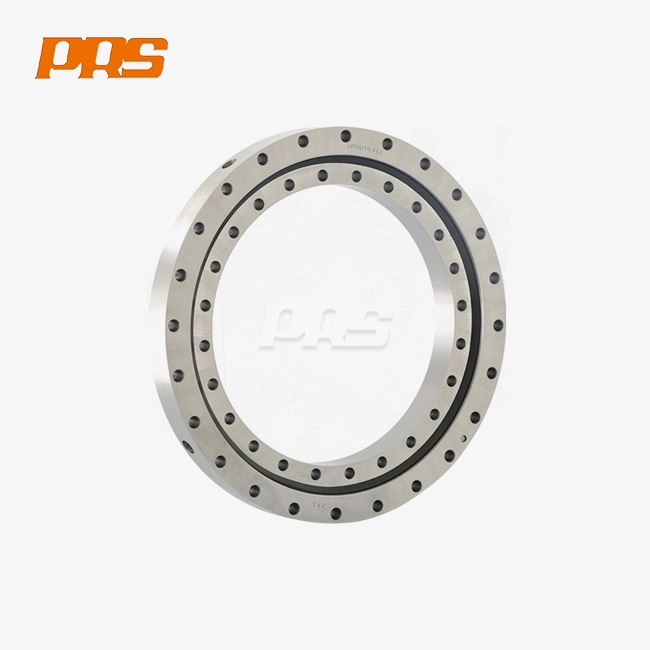 VIEW MOREFour-Point Contact Ball Slewing Bearings
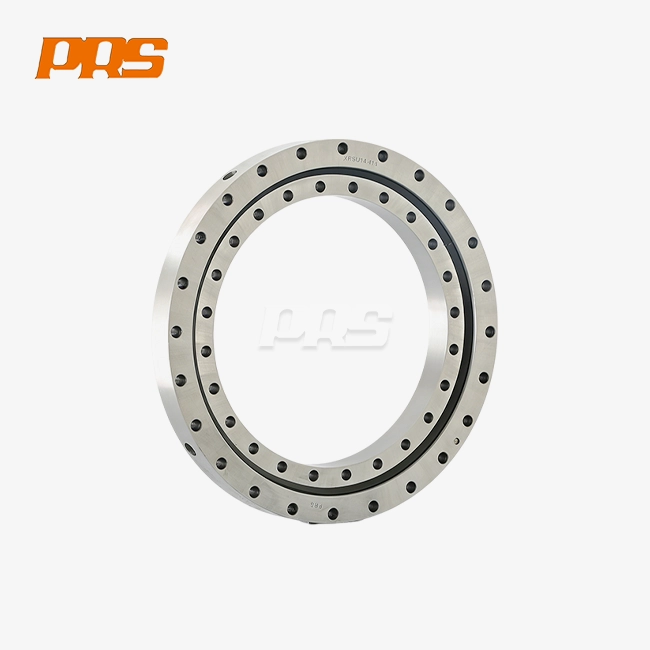 VIEW MORECrane slewing bearing
 VIEW MOREThree-Row Cylindrical Roller Slewing Bearing