
Crane Slewing Bearings: Structure, Advantages & Applications
You need crane slewing bearings to connect the fixed bases to the spinning superstructures when your heavy lifting equipment needs unwavering rotational support. These accurate parts with a large diameter allow for smooth spinning in all 360 degrees and can handle huge axial, radial, and moment loads at the same time. We at Luoyang PRS Precision Bearing Co., Ltd. have been designing high-performance solutions for real-world problems in the building, port operations, and industrial automation fields for more than twenty years. Our knowledge of turntable bearing technology directly turns into more reliable equipment, more uptime, and changes in your machinery's performance that can be measured.
Understanding Crane Slewing Bearings: Structure and Working Principle
Core Components and Structural Design
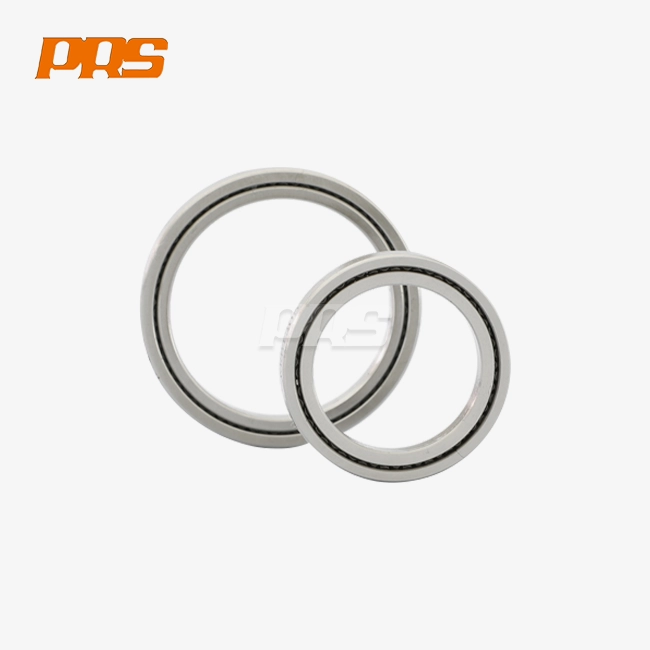
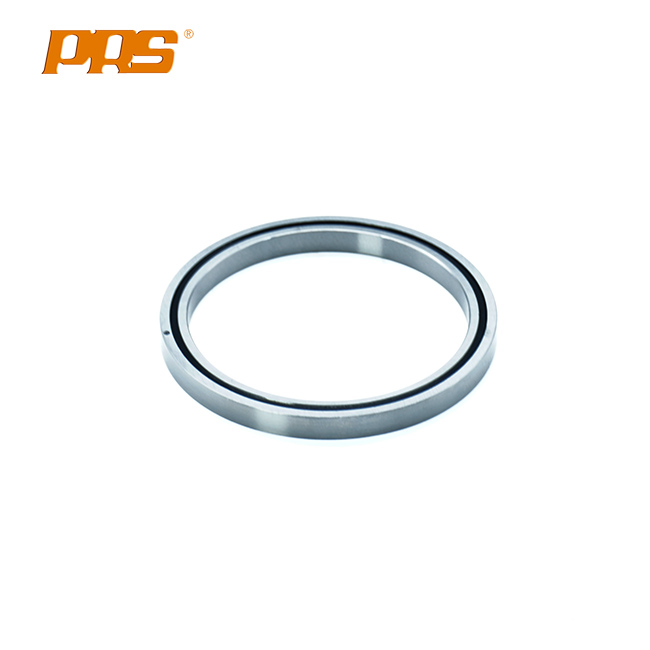
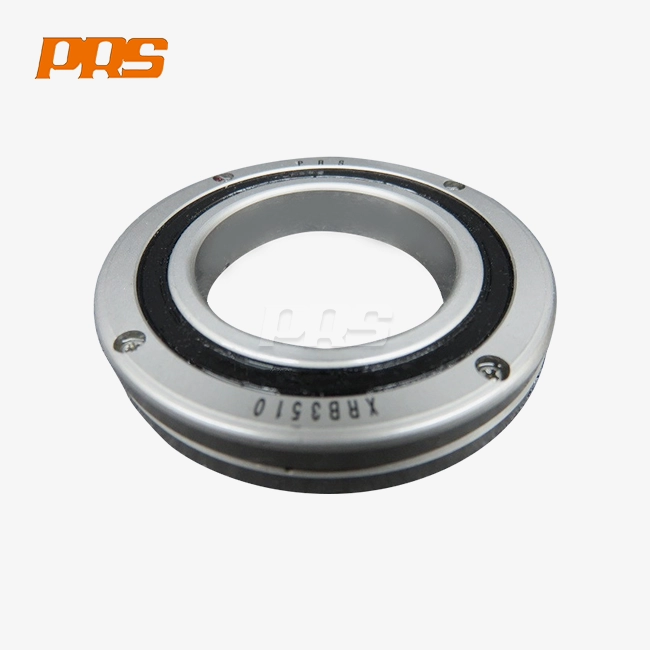
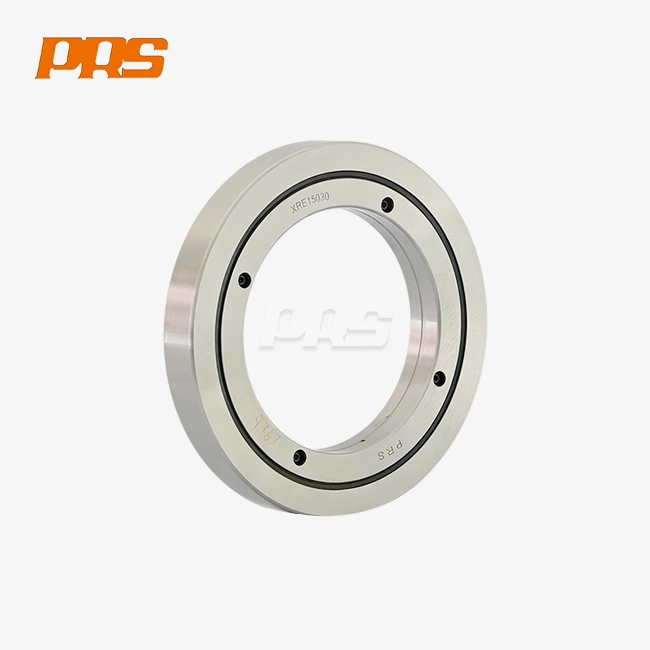
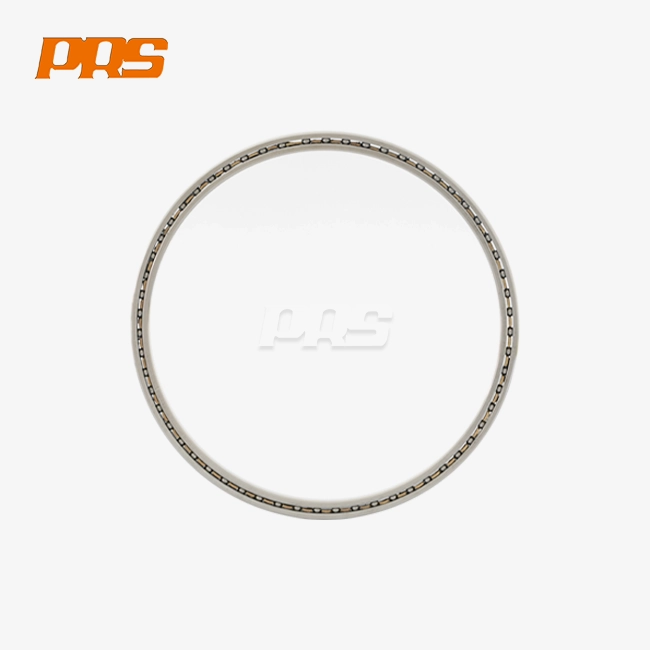
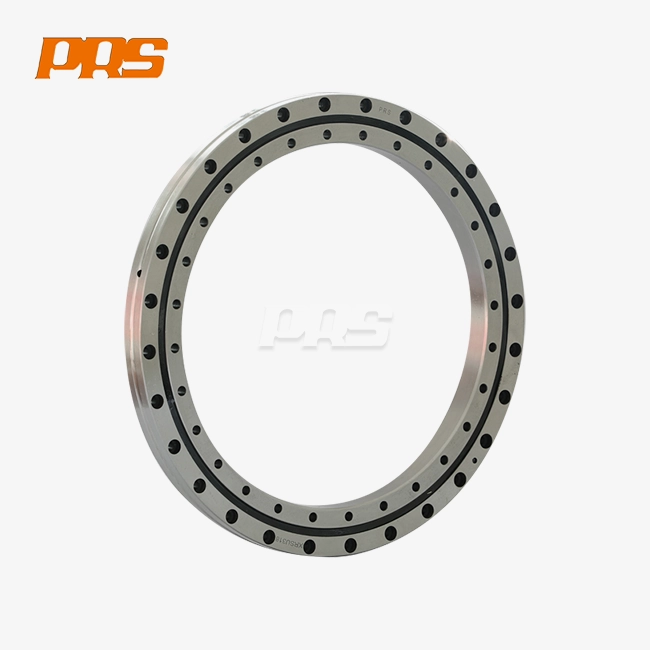
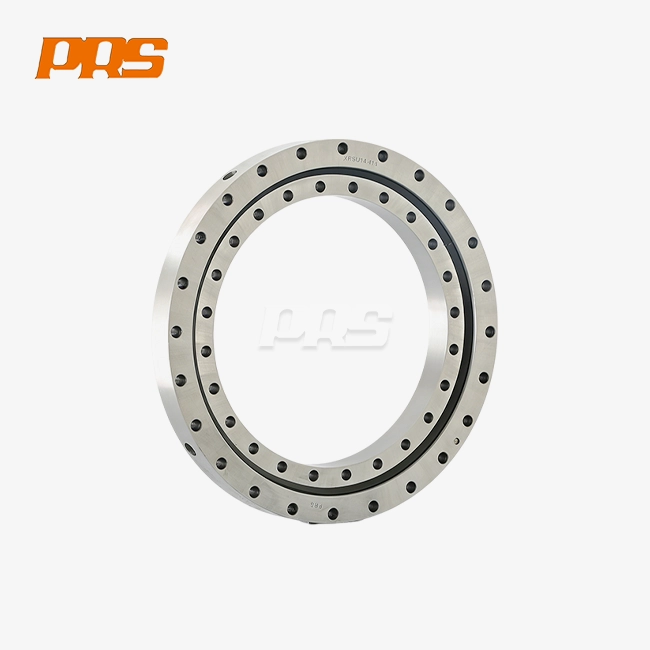
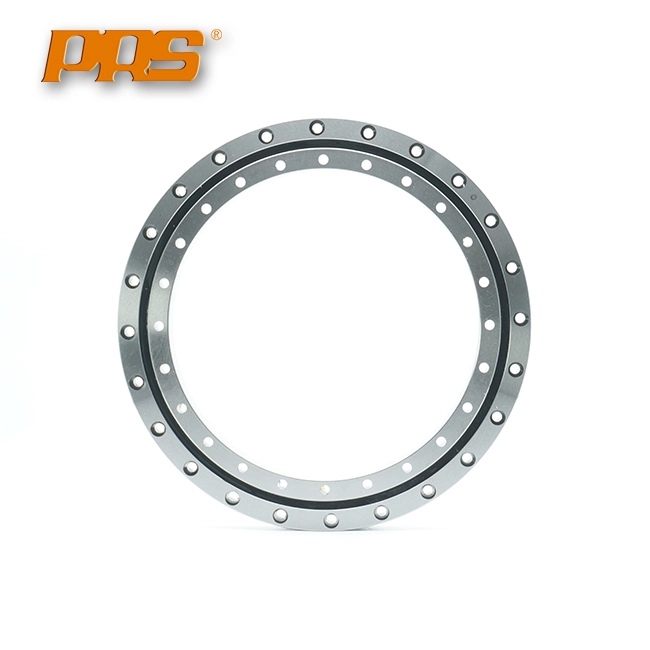
A slewing ring is made up of two cast steel rings, one inside and one outside, and carefully polished raceways that go between them. These raceways have many rows of moving elements, which can be balls or cylinder-shaped rollers. This helps spread contact loads out well. The structure is set up differently depending on the application. For example, single-row four-point contact ball bearings are used for lighter-duty tasks, while triple-row roller setups are used for heavy-duty cranes that need to handle very big loads. Each design has fixing holes built in, so you don't need to buy different support structures. This makes installation easier while keeping the structure's integrity.
The choice of material is very important for how well a bearing works. PRS makes our turntable bearings out of 42CrMo and 50Mn alloy steels, which were chosen because they are better at resisting wear and quenchability. The raceways are inducted hardened to 55–62 HRC with entry depths of 3–6 mm. This makes the surfaces resistant to wear while keeping the core softened at 240–280 HB. This two-hardness method stops brittle failure under shock loads and keeps the contact from wearing out after millions of rotations. Surface treatments and protective coatings make rust resistance even better. This is especially important for equipment that works in tough industrial or sea areas.
Working Principles and Load Distribution
Load movement through these bearings is based on complex mechanical principles. The shape of the raceways makes different load paths. The upper and lower raceways handle the axial forces that come from lifting, while the radial raceways handle the horizontal forces and twisting moments that come from extending the boom or swinging the load. This load path separation keeps different force directions from interfering with each other, so the movement stays smooth even when the loading is complicated. When compared to sliding systems, rolling elements spread these forces over larger contact areas. This lowers the friction coefficients to 0.002 to 0.005 and keeps heat production to a minimum.
Types and Configuration Options
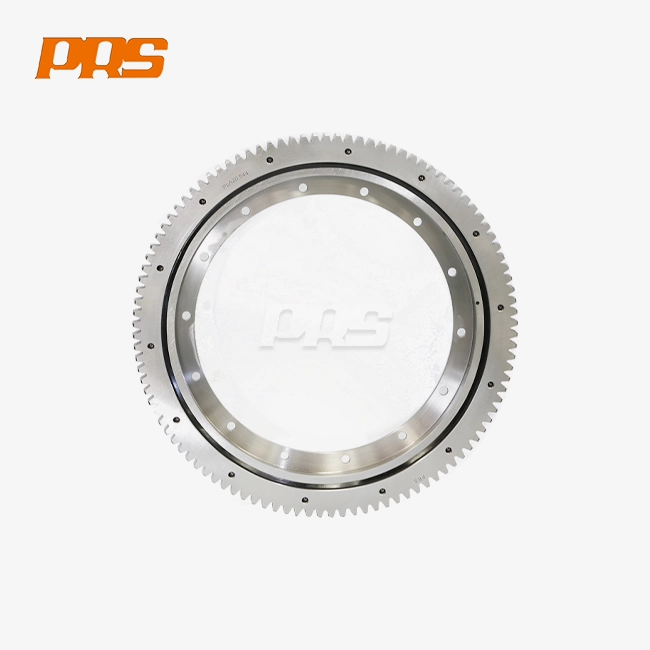
PRS has three main gear combinations that can be used with any drive system. Some types of external gears have teeth on the outside of the ring, which lets them transmit a lot of power and make attaching the motor easy. This arrangement works well for mobile cranes and situations where the direction needs to be changed often. Internal gear designs put the teeth on the inner ring's bore width. This allows for small setups with protected drive elements that aren't affected by environmental contamination. This is perfect for port cranes that are exposed to salt spray and dust. Toothless versions only support movement and don't include a drive. This means that you can use external drive systems that are better suited to your needs. Each configuration keeps the core's load-bearing ability the same while focusing on different efficiency factors.
Advantages and Applications of Crane Slewing Bearings
The technical benefits crane slewing bearing parts provide directly translate into practical benefits. Our triple-row roller designs can handle up to 5000kN of axial force and 2000kN of rotational force while still fitting into small spaces. This capacity-to-weight ratio helps crane makers lower the overall weight of their machines while increasing their lifting capacity. This saves fuel in mobile machines and lowers the amount of structural steel that tower cranes need.
Another very important benefit is precise control. In four-point contact systems, deep Gothic-arch raceways handle all load directions at the same time with very little backlash, usually less than 0.05 mm. This level of accuracy makes it possible to place loads correctly, which is important for safety and efficiency on the job site. Operators don't have to work as hard to control small placement jobs, which keeps them from getting tired during long shifts. Because they have low spinning resistance—often 80% less than sliding bearing alternatives—they can be used with smaller drive motors, which means less electricity use and heat production in machinery rooms.
Real-World Application Scenarios
Mobile cranes used in factories and building sites need strong options that can handle constant movement and changing loads. When working with uneven loads that are getting close to their maximum capacity, our bearings make it possible for the boom to rotate smoothly and loads to be placed precisely. Integrated fixing cuts down on building time during production, which lowers costs and raises the accuracy of the geometry. Our bearings allow for movement in all 360 degrees, which is useful for tower cranes that need to move materials up and down buildings where accurate load placement stops risky swinging. Our sealed raceway designs keep concrete dust and weather out, which means that these exposed uses can go longer between service times.
High cycle rates, constant unidirectional spinning, and corrosive sea atmospheres make it hard for port equipment that moves containers. These needs are met by PRS bearings, which have better sealing systems that combine labyrinth and contact seal technologies. This two-barrier method stops saltwater from getting in while keeping the oil in during high-speed action. The result is a longer average time between fails, which cuts down on costly downtime in places that are open 24 hours a day, seven days a week. Offshore cranes need to be resistant to rust too, but they also have to deal with dynamic pressure from moving vessels. Our crane slewing bearings work well in temperatures ranging from -30°C to +120°C, so they are reliable in both cold and warm deployment zones.
The upper frame of an excavator rotates based on small bearing systems that can fit into small spaces. Our integrated design gets rid of the need for different support structures. This lets makers make machines that are smaller while still keeping the structure rigid. This efficient use of space means that workers can see better and move around more easily in small work areas. P4 and P5 grades give us the accuracy we need for smooth rotation control, which is important for sensitive jobs like trenching near underground utilities.
Common Challenges and Maintenance Tips for Crane Slewing Bearings
Early Warning Signs and Diagnostic Indicators
Noticing that bearing problems are about to happen stops catastrophic fails that put people in danger and stop activities. Grinding, clicking, or rumbling sounds during spinning are signs of damage to the rolling elements or track spalling. If the rotating resistance goes up, it means that the lube is failing or that contamination is getting in. Visible play or wobble during rotation is a sign of either too much wear or a bolt coming loose, both of which need instant care. Temperature rises in the bearing area mean that there isn't enough grease or that the seal has failed, letting harsh contamination in. When these signs are checked regularly, they are caught before they become full-blown crane slewing bearing failures that need expensive emergency fixes and longer downtime.
Lubrication Strategies for Extended Service Life
Proper greasing of a crane slewing bearing is the key to making bearings last a long time. For normal uses, we suggest NLGI Grade 2 greases that are based on lithium and have EP (high pressure) ingredients. The amount of time between lubrications depends on the working conditions. For example, equipment that is run in clean environments with low duty cycles needs to be greased every 100 hours, but equipment that is run in high-dust or high-humidity conditions only needs to be greased every 50 hours. When you're regreasing, keep putting in new grease until you see clean grease escaping from the seals. This will make sure that all of the old lube is replaced. This cleaning action gets rid of wear particles and other contaminants that make the surface break down faster.
Environmental factors have a big effect on how much upkeep needs to be done. Equipment that works near the coast has to deal with salt pollution, which means it needs to be inspected more often and use special greases that stop rusting. Extreme temperatures call for lubricants that are made for those temperatures. For example, synthetic greases keep their viscosity at -30°C in the arctic, while high-temperature formulas keep them from thinning in deserts where the air temperature is above +50°C. Keeping records of maintenance tasks makes a useful service past that lets you do predictive analysis. Dates of greasing, amounts of grease used, hours of operation, and any strange things seen should all be recorded. This information shows trends that point to faster wear rates or external factors that need operational changes.
How to Choose the Right Crane Slewing Bearing: A Buyer's Guide?
Critical Selection Parameters
Figuring out the load is the first step in choosing the right bearings. You need to get the axial loads from the lifting capacity, the radial loads from the boom extension and wind forces, and the twisting moments from the load being placed off-center. Different types of equipment need different safety factors. For example, mobile equipment needs 25–30% design limits for dynamic shock loads, while tower cranes with controlled loading only need 15–20% factors. Diameter choice matches the load capacity with the mounting room that is available and the limits of how much the structure can bend. Larger widths spread loads across more rolling elements, which extends wear life but calls for stronger support structures.
Material specifications affect both how well they work and how long they last. The 42CrMo metal we use is better at withstanding impacts at low temperatures than 50Mn alloys, which is important for equipment that works in northern climes. Raceway hardness profiles are set by the heat treatment methods. For example, induction hardening makes surfaces hard with tough cores, while through-hardening makes qualities that are more uniform and better suited for heavy loads. The amount of contamination in your working area affects the choice of seal. When conditions are reasonable, labyrinth seals offer great protection with little friction. On the other hand, contact seals offer the best protection in harsh dust or washdown situations, but they have a slightly higher rotary resistance. A proper crane slewing bearing selection must account for these environmental variables.
Supplier Evaluation Criteria
The qualifications of the manufacturer for a crane slewing bearing should be carefully checked. Check out real quality standards instead of just marketing claims. For example, ISO 9001 proves that processes are consistent, and ISO 14001 shows that a company cares about the environment. Ask for material certificates that list the alloy's makeup and the results of its heat treatment. Dimensional inspection records show that the geometry is correct within certain limits. Performance testing data backs up claims about load capacity and spinning smoothness measures. Well-known companies like SKF, ROTHE Erde, and FAG have large testing facilities and have been making products for decades. However, specialized companies like PRS have an edge when it comes to unique engineering and quick expert support.
Delivery dates have a big effect on project plans. Standard catalog sizes can be shipped quickly from stock, but special specs need time to be manufactured. We keep popular setups in stock so that they can be shipped the same week. Custom designs are finished by our engineering team in two weeks. Having technical help available throughout the bearing's lifecycle adds a lot of value. Help with initial selection avoids expensive specification mistakes, installation instructions make sure the bearing is mounted correctly, and ongoing advice answers operating questions as they come up.
Future Trends and Innovations in Crane Slewing Bearings
Smart Bearing Technologies and Predictive Maintenance
Integrated sensor devices are changing bearing technology because of digitalization. Condition tracking monitors built into bearing units keep real-time records of temperature, vibration, and load distribution. This constant flow of data makes it possible for predictive maintenance plans to set up service times based on the real state of parts instead of random times. Wireless communication systems send sensor data to cloud-based analytics platforms that use machine learning algorithms to find small changes in patterns that could mean problems are getting worse. These systems let you know weeks in advance when they're going to break down. This way, you can schedule maintenance for when the system isn't working and avoid having to make emergency fixes during busy times. This is the future of the crane slewing bearing industry.
Advanced Materials and Coating Technologies
As material science progresses, bearing performance limits are being pushed further. Ceramic rolling elements are 60% less dense than steel versions. This lowers centrifugal forces at high spinning speeds and makes them more resistant to corrosion. Hybrid bearings that use both ceramic parts and steel rings work better in harsh conditions and at high temperatures. Diamond-like carbon (DLC) and special nitride treatments are two surface covering technologies that lower friction coefficients and raise wear resistance. This is especially helpful in situations where there isn't much lubrication.
Adding automation is changing the design needs for bearings. Collaborative robots and precision positioning systems need bearings that work better than regular cranes. They need to have very little friction so that the motors don't have to work too hard, almost no slack so that the positioning is accurate, and very low noise so that people can work together. These changing needs lead to new developments in sealing technologies, raceway shape, and preload control. When manufacturers spend money on these advanced features, they put themselves in a good situation as technology grows in all fields of industry.
Conclusion
Crane slewing bearings are very precise parts where good engineering has a direct effect on the safety, efficiency, and costs of running the equipment. Procurement workers and engineering teams can make decisions that improve machine performance by knowing how they are built, how they work, and how often they need to be maintained. The environment keeps changing as smart tools and advanced materials make what's possible even bigger. Your equipment will work as well as it lasts as long as possible if you choose a production partner with a track record of success, thorough quality systems, and quick response times for tech support. As the need for automation and accuracy grows in all fields, high-quality crane slewing bearing options become even more important for staying ahead of the competition.
FAQ
What distinguishes four-point contact ball bearings from triple-row roller designs?
Four-point contact ball bearings work great in situations that need to handle modest loads, have a high rotational speed, and have small internal dimensions. The ball-to-raceway contact makes four separate load lines that allow axial, radial, and moment loads to be supported at the same time in a small place. Triple-row roller setups can handle much heavier loads because the contact area between the cylindrical rollers and the raceways is larger. This makes them perfect for heavy-duty cranes that can lift very big things. Roller designs are less small, but they are more rigid and can carry more weight, which is important for tower cranes and other big mobile equipment. The choice of crane slewing bearing type is fundamental to machine safety.
How does the shape of the gear teeth affect the design of the drive system?
External gear setups make mounting places for drive pinions easy to reach. This makes installing the motor easier and makes it easier to figure out the gear ratio. The visible teeth need to be checked for wear and proper mesh placement every so often. When you build an internal gear, you cover the drive elements inside the bearing envelope. This keeps them clean and makes the overall assembly smaller. This setup needs careful attention to the geometry of the pinion fitting, but it provides better safety in hard working conditions. Your choice will rely on how much room you have, the weather, and how easy you want maintenance to be.
Partner with PRS for Superior Crane Slewing Bearing Solutions
Luoyang PRS Precision Bearing Co., Ltd. can help you with your toughest spinning support problems for a crane slewing bearing because they have been making specialized products for over 20 years. When you tell them about your specific needs, our engineering team comes up with custom solutions that meet those needs. They do this by changing things like size, load ratings, gear setups, and sealing systems. We do full quality control throughout the whole production process, from checking the raw materials to doing the final performance tests. Our plant pass rates are over 99.9%. Our expert support team is ready to help you whether you need standard setups from our well-kept inventory for fast delivery or custom solutions for unique uses.Contact our crane slewing bearing company experts today at ljh@lyprs.com or visit prs-bearing.com to talk about your needs.
References
American Bearing Manufacturers Association. (2021). "Large Diameter Bearing Engineering Standards and Load Rating Methods." ABMA Technical Publication Series.
Bhushan, B. (2019). "Principles and Applications of Tribology: Rolling Element Bearing Technology." 2nd Edition, John Wiley & Sons.
Harris, T.A. & Kotzalas, M.N. (2020). "Advanced Concepts of Bearing Technology: Rolling Bearing Analysis." 6th Edition, CRC Press.
International Organization for Standardization. (2018). "ISO 12240-1: Spherical Plain Bearings and Slewing Bearings – Part 1: Radial Spherical Plain Bearings." ISO Technical Standards.
Krämer, E. (2022). "Dynamics of Rotors and Foundations: Large-Scale Bearing Systems in Industrial Applications." Springer-Verlag Berlin Heidelberg.
Society of Tribologists and Lubrication Engineers. (2020). "Lubrication Practices for Heavy-Duty Industrial Bearings: Field Application Guide." STLE Special Publication SP-58.

USER EVALUATE
Here is the customer's evaluation of us