


Applications of Slim Bearings in Medical and Automation Equipment
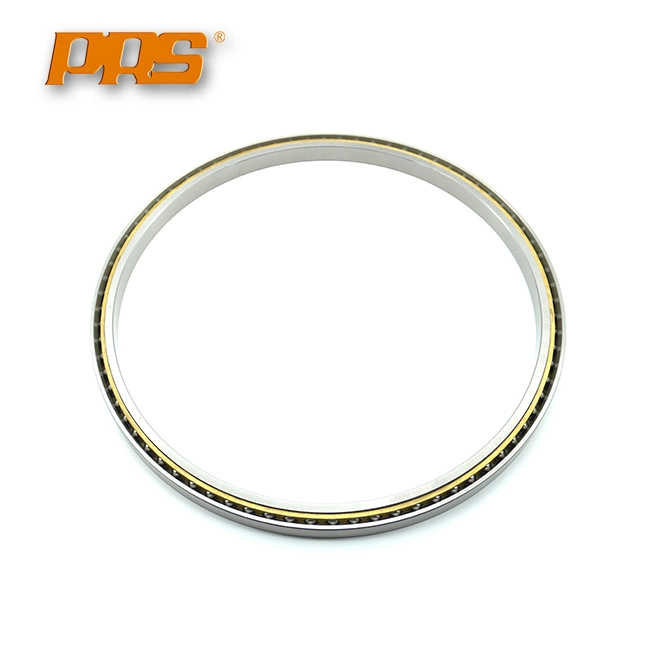
Slim bearings are an important step forward in precision motion control engineering. They were made for situations where room is limited but performance needs are high. When compared to normal bearings, these ultra-thin profile parts keep their full load capacity and working reliability while lowering the cross-sectional height by up to 70%. Their special shape lets them fit into small medical devices and automatic systems where every millimeter counts. This gives diagnostic imaging equipment, surgery robots, and high-precision industrial automation systems the smooth rotational accuracy they need.
Overview of Slim Bearings and Their Unique Design Features
The unique way that thin-section bearings are built is where their technical brilliance begins. We've seen how the space-saving design of these parts changes the ways that tools can be designed in many different fields.
Reduced Cross-Sectional Architecture
Precision-machined raceways allow for the best ball placement in the smallest possible space, which is how slim bearings are so small. PRS slim bearings have a common 5mm thickness profile across inner diameters from 20mm to 50mm. This lets designers cut the amount of room needed along the axis by 50–70% without affecting the rotational performance. This very thin design is necessary when making compact medical tools or robotic joint systems, where size and weight have a direct effect on how well they work.
Load Distribution and Rigidity Characteristics
Even though these bearings have a small shape, they can handle a lot of weight because the internal geometry has been adjusted. The precise spacing between the balls makes the load spread across the contact areas the best it can be, so they can handle radial, axial, and moment loads well. Advanced metallurgy in high-grade steel construction gives the rigidity needed to keep positional accuracy under changing operating pressures. This is especially important for CNC machine tool uses and equipment used to make semiconductors.
Material Selection and Surface Protection
The choice of material has a direct effect on how well a bearing works in harsh conditions. Stainless steel doesn't rust when it comes into contact with water and the sterilization methods that are common in hospital settings. The double-sided seal design built into PRS bearings keeps lubrication in and keeps interior parts clean, which increases the bearings' working life and lowers the number of times they need to be serviced. This closing system works really well in cleanroom automation tasks where creating particles must be kept to a minimum.
When procurement teams understand these design factors, they can see how slim bearings solve certain business problems. Standard bearings just can't compete with this option in situations where room is limited because of their small size, ability to retain load, and protection from the environment.
Critical Applications of Slim Bearings in Medical Equipment
When it comes to medical technology, parts need to be very precise and meet strict standards for health and safety. Slim bearings are now necessary in this field because they allow for new ideas that improve patient results and the accuracy of diagnoses.
Diagnostic Imaging Systems
For CT scanners and MRI machines to take accurate pictures, they need these precise slim bearings to make sure the spinning is smooth and controlled. CT equipment's gantry systems need bearings that can support constant high-speed spinning while keeping positioning accuracy down to the micron level. Slim bearings give the necessary stiffness to stop picture artifacts caused by shaking, and their small size lets bigger aperture openings happen, which is better for the patient's comfort. Because stainless steel doesn't rust, it lasts a long time, even when it's cleaned with chemicals on a regular basis, which is needed in hospital settings.
Surgical Robotics and Instrumentation
Multiple degrees of freedom are important for modern medical robots to be able to copy surgeon moves more accurately. Each robotic joint has thin-section bearings that make it possible for smooth movement in small spaces. There is faster reaction time and better energy economy throughout the robotic arm assembly because these parts are lighter. For sensitive processes, where mistakes in positioning measured in fractions of a millimeter can have a big effect on the result, PRS bearings with P4 and P2 precision grades support the repeated accuracy needed.
Patient Monitoring and Support Devices
Infusion pumps, ventilators, and dialysis tools all use slim bearings to control motion in different ways. These gadgets need parts that can be sterilized over and over again without losing their effectiveness. The sealed design keeps fluids out and keeps the machine running smoothly over thousands of job cycles. Manufacturers can make devices smaller overall by using the small footprint. This makes options for patient care more portable in a variety of hospital settings.
Manufacturers of medical tools always put dependability first because broken parts can directly affect the safety of the patient. Precision-engineered thin-section bearings have been shown to work well in these important situations, which shows how useful they are for developing healthcare technology.
Slim Bearings in Automation Equipment: Enhancing Efficiency and Reliability
Industrial automation settings have their own problems that need parts that can keep running at high speeds for a long time with little upkeep. These needs are met by slim bearings, which also allow for smaller and more efficient equipment designs.
Robotic Assembly and Material Handling
Robotic systems are being used more and more in factories to do assembly work that needs to be done quickly and accurately. When collaborative robots work with human operators, thin-section bearings make them lighter, which improves safety while keeping performance high. When these bearings are put on assembly line robots, they have shorter cycle times because their spinning inertia is lower. This directly increases production output. The low friction properties keep heat from being produced during constant operation. This extends the life of parts and cuts down on unplanned downtime that can throw off production plans.
Conveyor Systems and Automated Guided Vehicles
For conveyor wheels, turntable gears, and AGV steering systems, automation in material handling depends on small bearing solutions. Because slim bearings take up less room, engineers can make lower-profile conveyor systems that make the most of the height of the building that can be used. When AGVs are equipped with these parts, they can turn more precisely and move around more easily in confined warehouse spaces. The double-sealed design keeps out dust and other debris that are common in industrial settings, so the device keeps working well without needing to be serviced often.
Precision Positioning and Indexing Systems
In automatic factory cells, rotary tables and indexing devices need slim bearings that work accurately over millions of positioning cycles. Thin-section bearings have the axial stiffness to keep them from deflecting when the load changes, and their optimal ball complement makes sure that the motion is smooth and there is no stick-slip. This stability in performance helps with quality control in automated assembly processes where the trustworthiness of the finished product depends on how well the parts are placed. When compared to regular deep groove bearings, these special parts allow for more energy-efficient operation because they decrease friction losses. This leads to lower running costs over the lifecycle of the equipment.
In automation applications, slim bearings make things more productive and reliable. This creates a strong value offer for makers who want to gain a competitive edge through advanced equipment capabilities.
Selecting the Right Slim Bearings: Considerations for B2B Buyers
When making a purchase choice, you need to carefully consider a lot of different factors to make sure that the parts you choose meet the needs of the application and have the lowest total cost of ownership. We've built ties with equipment manufacturers in a wide range of businesses, which has given us information about the most important factors that affect success.
Application-Specific Performance Requirements
Speed is one of the most important criteria for choosing. For high-speed robotic uses, slim bearings need to be designed to stay stable at high spinning speeds without making too much heat. Different types of equipment have very different load capacity needs. For example, diagnostic imaging equipment may focus on moment load resistance, while conveyor systems may focus on radial load handling. Temperature ranges, contamination exposure, and chemical interaction are some of the environmental factors that affect the choice of material and the closing requirements. Precision grades that match the precision needs of the equipment stop over-specification, which raises costs without boosting performance in a comparable way.
Material Options and Quality Standards
Stainless steel design keeps things from rusting, which is important for medical and food processing uses. High-grade steel choices can hold more weight and are better for industrial machinery settings where corrosion isn't a big problem. Although they cost more to buy, ceramic hybrid bearings have less friction and last longer in high-speed uses. Quality standards, such as ISO 9001, prove that rules are in place during the manufacturing process to make sure that products always work the same way. Through strict testing procedures, PRS keeps plant pass rates above 99.9%, which gives procurement teams faith in the reliability of the parts they buy.
Supply Chain and Commercial Considerations
Lead times have a big effect on how projects are scheduled and how material is managed. Manufacturers who keep a lot of stock on hand can quickly fill standard setups, but custom specs may take longer production plans. When it comes to developing prototypes or making small runs of products, minimum order amounts make it harder to be flexible with your purchases. When adding new bearing solutions to important equipment designs, warranty terms and the ability to get expert help can lower the risk. When compared to buying from other countries, domestic production, like what PRS does, can make logistics and communication easier while also making the supply chain more resilient.
These selection factors show the difficult choice-making process that buying professionals go through when they need to describe precision parts. Working with bearing makers that offer full technical help and customization options speeds up this process and improves the performance of the equipment.
Conclusion
The unique mix of small size and strong performance of slim bearings has changed the way tools can be designed in medical technology and industrial automation. Because they can provide precise motion control within limited space, they make it possible for new developments in surgical robots, diagnostic imaging, industrial automation, and many other areas where regular parts can't meet the needs. The capabilities of these specialized parts keep growing thanks to improvements in materials, closing technologies, and production accuracy.
Choices about which bearings to use and how to maintain them have a big effect on how much value they provide over their entire operating lives. When procurement workers know the unique needs of a product and work with experienced manufacturers, they can get the best results in terms of efficiency, reliability, and cost-effectiveness.
FAQ
What distinguishes slim bearings from standard bearing designs?
Thin-section bearings have cross-sectional measurements that are much smaller than regular bearings with the same hole diameter. Usually, they are 70% thinner. This small profile fits into uses that need to save room while still holding its load capacity thanks to its optimized internal geometry and precise manufacturing.
How do I determine the appropriate precision grade for my application?
The level of precision needed depends on how accurate the equipment is. Standard precision grades work well for most automation tasks, but medical imaging equipment and systems that make semiconductors need P4 or P2 grades that offer micron-level rotational accuracy and very little runout.
Can slim bearings handle the methods used to sterilize medical equipment?
Standard medical cleaning methods, such as autoclave processes and chemical disinfection, don't hurt slim bearings made of stainless steel that are properly sealed. To make sure that the parts will work together and last a long time, the material choice and seal design should be checked against specific cleaning methods when the parts are being specified.
What factors have the biggest impact on the service life of slim bearings?
Proper installation, regular upkeep with the right amount of oil, and keeping the bearings clean are the key things that affect how long they last. Operating conditions that meet the manufacturer's requirements for speed, load, and temperature stop wear before it happens and make sure the expected service life is reached.
Partner with PRS for Precision Slim Bearing Solutions
Luoyang PRS Precision Bearing Co., Ltd. has all the answers equipment makers and system integrators need when they're looking for trusted thin-section bearing providers. Since 2003, we've been focusing on making precision bearings. This has given us the experience to make parts that meet the strict needs of medical devices, industrial automation, and robots.
PRS slim bearings give your important applications the performance base they need with standard 5mm diameter profiles, double-sealed safety, and precision grades that meet P2 standards. Our 15,000 m² factory follows quality standards that have been approved by ISO 9001, ISO 14001, and ISO 45001, which guarantees that all of our products will always work. In addition to the products listed in our store, our engineering team can also make products that are customized to meet specific size, material, or closing needs that standard products can't meet.
Our service method is unique because we rely on a reliable supply line. Large inventories allow for 24-hour shipping of popular setups, which keeps your project on schedule without any delays. Technical support includes helping with everything from choosing the right bearings to installing them and fixing problems. This makes sure that the equipment works at its best for as long as it's possible. If you need a reliable slim bearings maker that cares about your success, email our team at ljh@lyprs.com to talk about how PRS solutions can make your tools better.
References
Shigley, J.E. and Mischke, C.R. (2001). "Mechanical Engineering Design: Rolling-Contact Bearings." McGraw-Hill Education, Seventh Edition, pp. 538-592.
Harris, T.A. and Kotzalas, M.N. (2006). "Advanced Concepts of Bearing Technology: Rolling Bearing Analysis." CRC Press, Fifth Edition, pp. 245-289.
American Bearing Manufacturers Association (2019). "Load Ratings and Fatigue Life for Ball Bearings." ANSI/ABMA Standard 9-1990 (R2019), Washington, DC.
ISO 12085:1996. "Geometrical Product Specifications (GPS) — Surface texture: Profile method — Motif parameters." International Organization for Standardization, Geneva, Switzerland.
Bhushan, B. (2013). "Principles and Applications of Tribology: Bearing Materials and Designs." John Wiley & Sons, Second Edition, pp. 721-768.
Eschmann, P., Hasbargen, L., and Weigand, K. (1985). "Ball and Roller Bearings: Theory, Design and Application." Research Studies Press Ltd., Second Edition, pp. 156-203.

USER EVALUATE
Here is the customer's evaluation of us
YOU MAY LIKE
 VIEW MORERAU Series Cross Roller Bearing
 VIEW MORERU Cross Roller Bearing
 VIEW MOREHarmonic Drive Gearbox Bearings
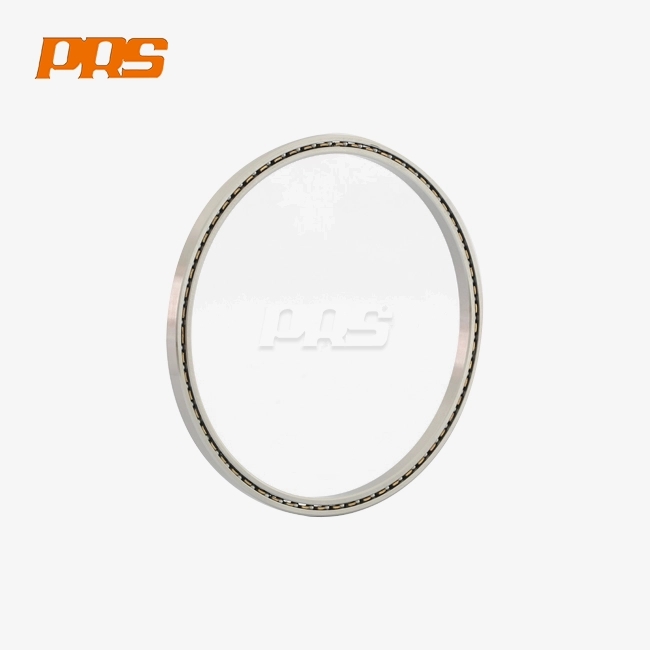 VIEW MOREThin Wall Linear Ball Bearing
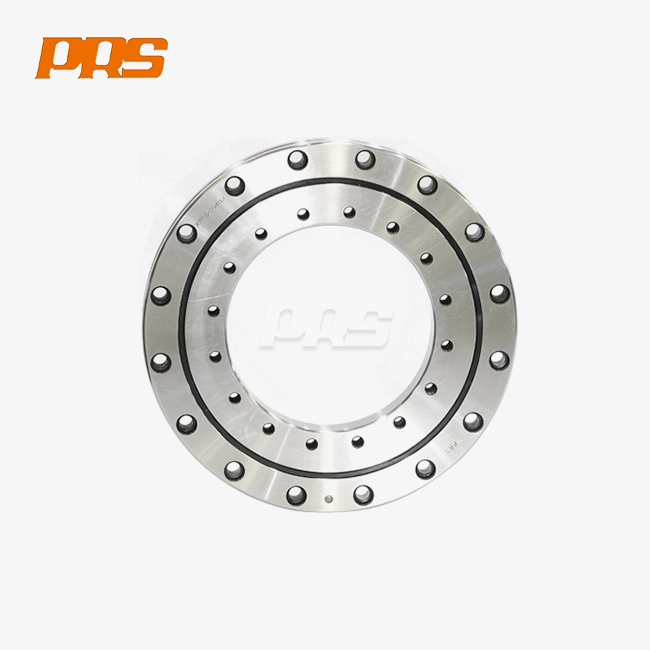 VIEW MORECross Roller Turntable Bearing
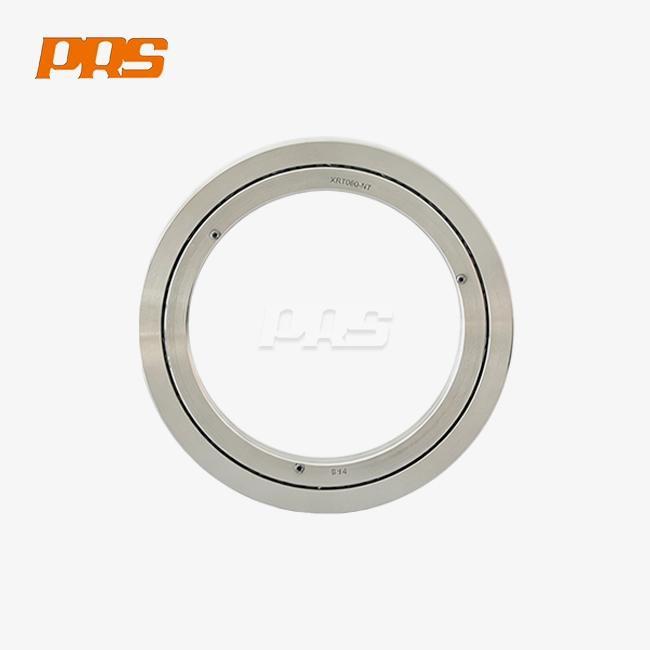 VIEW MORElathe machine bearing
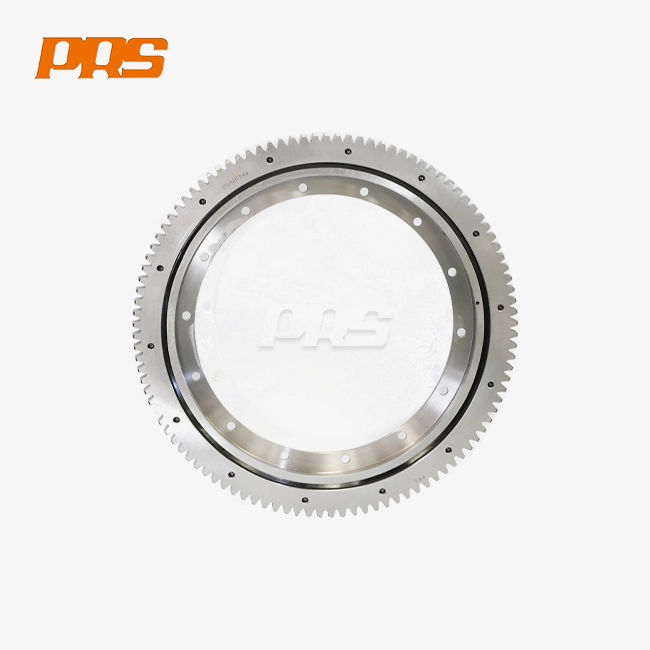 VIEW MORElarge slewing bearings
 VIEW MOREThree-Row Cylindrical Roller Slewing Bearing