
Common Bearing Failures in Robots and How to Prevent Them
When your robotic system stops working in the middle of a run, it's usually because a bearing component has failed. Robot bearings are very important because they connect moving parts and make it possible for joints, rotary tables, and motion control systems to rotate smoothly and precisely. By figuring out why these parts fail and taking steps to stop them before they happen, you can cut down on unplanned downtime, make your equipment last longer, and keep your running budget. This guide will look at the most common types of failure in robotic applications, identify the reasons behind them, and give engineering teams and procurement workers methods they can use right away to protect their automation investments.
Understanding Common Bearing Failures in Robots
What Robot Bearings Do and Why They Matter?
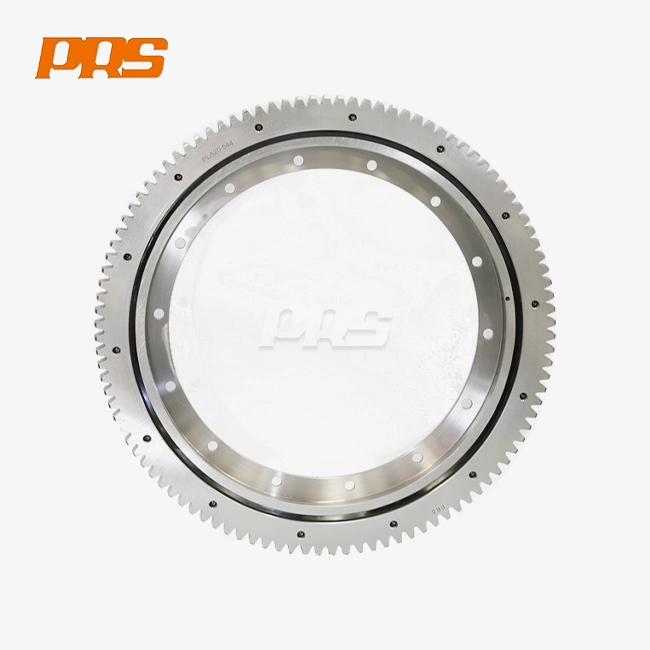
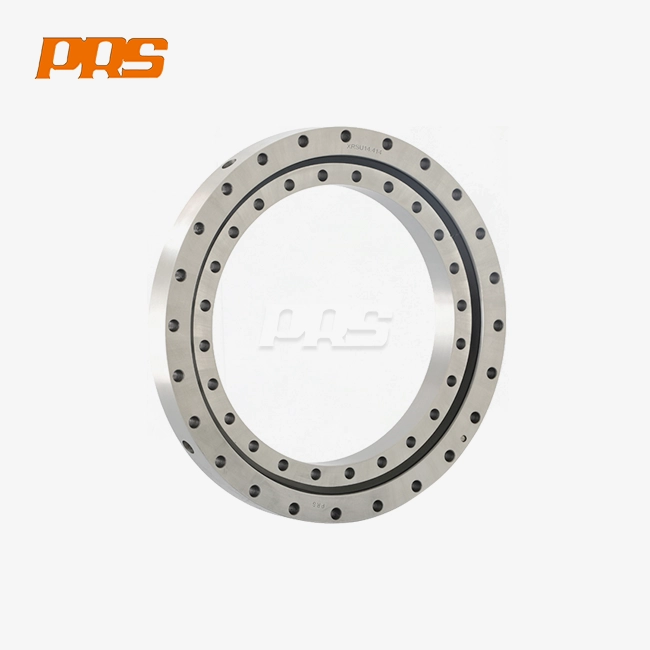
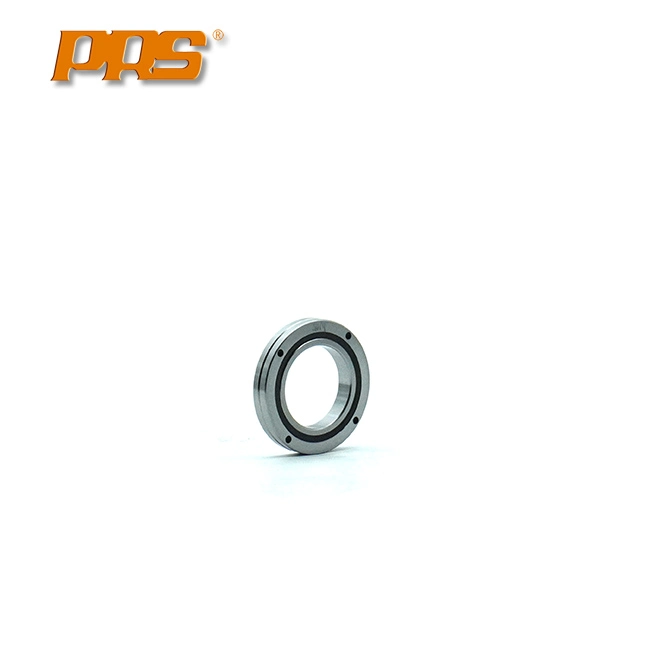
Bearings in robots are very different from bearings in other kinds of industry equipment. For precise motion control, you need parts that can keep their micron-level accuracy over thousands of cycles, don't get dirty in a variety of settings, and keep working the same way for thousands of hours. Cross-roller bearings, thin-section deep groove ball bearings, and angular contact configurations are the most common types used in robotics because they are very rigid and have small sizes. These special parts can handle both horizontal and axial loads while keeping friction to a minimum, which would otherwise make positional accuracy worse.
Identifying the Primary Failure Modes
Wear is the slowest but most sure way that things break down. Material slowly wears away from touch areas as rolling elements move through raceways millions of times. When safe oil films break down or when contaminants add rough particles, this process speeds up. As wear goes on, you'll notice less accurate results, more backlash, and changes you can hear in how it works.
Corrosion happens when chemicals combine with bearing surfaces. This can happen because of moisture getting in, using oils that don't work well together, or using harsh process chemicals. Even small changes in air can cause steel surfaces that aren't covered to rust in cleanroom settings like those used to make semiconductors. Different kinds of ceramic bearings have better strength, but they can't hold as much weight.
Failures in lubrication can happen in a number of ways. When there isn't enough lube, protective films can't reach the contact zones. When there is too much, contaminants are drawn in and heat is created through swirling losses. When lube breaks down, it loses its viscosity and protection chemicals. This makes surfaces open to metal-on-metal contact.
In all robotic applications, contamination is one of the main reasons why robots fail too soon. Even particles as small as 10 microns can make grooves in raceways, which creates stress points that cause fatigue cracks to form. Double-shielded designs, like the 688ZZ bearing specification, which has metal shields on both sides, are very important for protecting bearings in places where dust, coolant, or process materials could damage them.
Recognizing Root Causes Across Operating Contexts
Failure analysis talks for robot joint bearings are mostly about mechanical causes. When the bearing hub and shaft are not lined up correctly, edge loading happens, which puts stress on narrow raceway sections. When the preload settings are wrong, there is too much interior clearance, which lets harmful sliding action happen instead of pure rolling contact. When you operate at a speed or load that is higher than what is recommended, the wear life decreases much faster.
The environment makes mechanical pressures even worse. Extreme temperatures can change the viscosity of a lubricant and the size of a material, which could cause conflict or too much space. Vibrations from nearby machines travel through buildings and cause fake brinelling, which is wear patterns that happen even when the equipment is not being used.
Maintenance methods can either greatly increase or decrease the life of a product. Companies that put off checks miss early warning signs, and companies that use the wrong type or amount of oil accidentally speed up wear and tear. It's even harder to do regular upkeep on things like RU42 cross-roller bearings that are used in robot joints because they are hard to get to.
Analyzing the Causes and Impact of Bearing Failures
How Design Decisions Influence Failure Patterns?
If you choose the wrong type of bearing for the job, it will break down sooner than expected. For example, a harmonic drive reducer needs a different kind of gear than a high-speed robot arm. There are big differences between these uses in terms of load distribution, speed limits, and stiffness needs. When procurement teams put beginning cost ahead of application suitability, they often find that having to change applications often cancels out any savings.
Different operating profiles are shown for sealed and open bearing setups. Some rotational efficiency is lost in sealed versions like the 1641 ZZ bearing series, but they offer a lot more safety against external contamination. Open bearings can turn more easily, but they need external covering systems and need to be serviced more often. The choice depends on the surroundings and how easy it is to do regular maintenance.
When robots are used, speed rates should be given extra care. A 6300 ZZ bearing may be great at handling static loads, but going faster than its dynamic speed rating creates too much heat that damages lubrication and makes raceway surfaces more flexible. A lot of engineers don't think about how speed and preload affect each other. However, speed and preload together determine the temperature inside the bearing system.
The Hidden Costs of Bearing Failures
Failures cause prices that go beyond the cost of replacing parts. Unexpected downtime throws off production plans and causes problems that spread through supply lines. When bearings get damaged, they can damage shafts or housings, which turns a simple bearing swap into a major machine rebuild. Positioning errors can lead to quality problems that might not show up until the final inspection, which means that expensive repair has to be done.
When companies switch from planned preventative actions to unplanned emergency fixes, the effectiveness of the maintenance team goes down. Technicians are rushing to find new parts through fast routes that cost a lot. It takes longer to figure out what's wrong when teams try to fix signs without realizing that worn bearings are really the problem.
Early Detection Through Condition Monitoring
Analysis of vibrations for robot joint bearings is a useful early warning system. Problems with bearings cause specific frequency patterns to show up in sound spectra long before people can feel the problems. When companies regularly check for vibrations, they can find problems before they happen during set repair windows instead of during production runs.
Monitoring temperature goes along with shaking research. When bearings enter failure modes, they cause more friction, which shows up as higher working temperatures. During regular checks, thermal imaging shows hot spots that mean the bearings aren't well oiled, aren't aligned, or have internal damage.
Monitoring acoustic emissions picks up the ultrasonic frequencies that are made when tiny cracks move through bearing materials. This method finds fatigue problems early on, so they can be fixed before they lead to a catastrophic fall.
Proven Strategies to Prevent Common Bearing Failures in Robots
Matching Bearing Specifications to Application Requirements
A thorough study of the application is the first step in choosing the right bearing. Not just nominal specs, but also real load sizes and directions should be written down. Take into account the shock loads that happen when the vehicle speeds up, slows down, or stops suddenly. Find the combined load values that take into account both the radial and vertical parts at the same time.
Not just top speeds, but also real working profiles must be taken into account when setting speed standards. If your robot moves slowly most of the time and quickly for short periods of time, choose bearings that are rated for constant use at your normal speed instead of choosing ones that are too big for peak conditions.
An environmental review finds the safety features that are needed. Will the bearing come into contact with metal chips, coolant spray, or chemical vapors? Do changes in temperature during work go over 20°C? Based on these factors, normal seals may not be enough and extra protection may be needed.
Thin-section deep groove robot bearings are being used more and more in robot joints and speed reducers because they have a good rigidity-to-weight ratio. These parts are stiff enough to allow for exact positioning while also reducing the rotational drag that would normally make movement impossible.
Establishing Effective Maintenance Protocols
Instead of following a plan, inspection times should be based on how busy the business is. A robot that cycles for 10 hours a day needs more attention than equipment that only works sometimes. Make inspection notes that record the type of vibration, the temperature, the state of the lubricant, and the integrity of the seals at each check.
Schedules for lubrication need to be carefully calibrated. Too much lubrication brings in dirt and heat, while too little lube dries out key touch areas. Lubrication systems that are automated give exact amounts at set times, so there is no room for error. If hand lubrication is still needed, make sure there are clear instructions on the type of lube to use, how much to use, and how to apply it.
Controlling contamination isn't just about sealed joints. Put in place safety measures like environmental barriers around parts that are open to the elements, positive air pressure in sensitive areas, and regular cleaning schedules for surfaces nearby. A small investment in preventing pollution pays off big time by making bearings last longer.
Installation Best Practices That Prevent Future Problems
Many common failure modes can be avoided by installing things the right way. Carefully clean all areas that touch, getting rid of old lubricant, rust, and other junk. Check the sizes of the shaft and housing to make sure they are within the allowed ranges. Shafts or housings that are too small or too big cause interference fits that let the bearing move.
Temperature-controlled anchoring methods keep installations from getting damaged. Heating bearings to 80–100°C makes the inner rings bigger, which makes fixing the shaft easier without having to use too much force. Cooling housings make bores smaller, which also makes assembly easier. Do not use direct flame burning because it can damage metals by creating uneven temperature gradients.
Changing the preload has a huge impact on the speed and service life. Too much preload causes extra heat and speeds up tiredness, while not enough preload lets harmful internal movement happen. Follow the manufacturer's instructions to the letter and use the right measure tools to make sure you get the right preload numbers.
Conclusion
When you use thorough prevention strategies, robot bearings problems don't have to stop your robotic operations. Understanding how things break down, like contamination and lubrication breakdown to misalignment and pressure, helps engineering teams choose the right parts and set up good repair schedules. Instead of general requirements, the choice of materials, precision grades, and sealing settings should be based on real-world working conditions. Condition tracking tools help find problems early, so fixes don't have to be done in an emergency. The case studies show that paying strategic attention to choosing the right bearings, making sure they are installed correctly, and keeping up with their upkeep can pay off in the form of longer machine life, less downtime, and better process capability.
FAQ
How often should robot bearings be replaced?
Instead of being set by a date, the number of times a bearing needs to be replaced depends on how hard it is used, the surroundings, and its quality. Heavy-duty applications that cycle continuously may need new bearings every year, while moderate-duty robots can work for three to five years before they need to be replaced. To change bearings based on their real state instead of arbitrary times, use vibration analysis and temperature tracking to keep an eye on their condition. This method makes stability and cost the best they can be.
What are the earliest signs of bearing failure?
Increasing working noise is often the first sign that a person can notice something is wrong. When bearing raceways get damaged, they make grinding or rumbling sounds that aren't normal for the machine. If the temperature is high, it means that there is too much friction because of poor lubrication or damage inside the part. Loss of positioning accuracy means that bearing wear is making pushback worse. Vibration tracking equipment finds problems weeks before people notice them, so they can be fixed before they get worse.
Is upgrading to higher-quality bearings cost-effective?
How much it costs to fail and how much a component costs affects the economy. When downtime affects important output, it's worth paying more for bearings that last longer between service times. Medical gadgets and space systems promise high stability no matter how much the parts cost. Standard marks may work well for apps that aren't as important. Instead of just looking at the purchase price, you should figure out the total cost of ownership, which includes substitute work, downtime losses, and other damage.
Partner with PRS for Reliable Robot Bearing Solutions
To solve problems with bearings, you need more than just high-quality parts. You also need a professional partner and quick help. Precision cross-roller bearings, thin-section configurations, and unique solutions made just for tough robotic uses are what PRS does best. Our production skills allow us to provide P4 and P2 precision grades, and our strict quality control measures ensure that they always work well. Our research team works with yours to find the best solutions, whether you need standard configurations like the 16005 ZZ bearing series or custom designs for specific uses. Email our technical experts at ljh@lyprs.com to talk about your particular needs, get access to full technical specs, or ask for samples to try out. We have been making robot bearings for a long time and have worked with automation developers, original equipment manufacturers (OEMs), and end users in many different industries. We know the performance and reliability standards that your applications need.
References
Harris, T.A. and Kotzalas, M.N. "Essential Concepts of Bearing Technology: Rolling Bearing Analysis, Fifth Edition." CRC Press, 2006.
Budynas, R.G. and Nisbett, J.K. "Shigley's Mechanical Engineering Design, Tenth Edition." McGraw-Hill Education, 2015.
Deutschman, A.D., Michels, W.J., and Wilson, C.E. "Machine Design: Theory and Practice." Macmillan Publishing, 1975.
Neale, M.J. "The Tribology Handbook, Second Edition." Butterworth-Heinemann, 1995.
Eschmann, P., Hasbargen, L., and Weigand, K. "Ball and Roller Bearings: Theory, Design and Application, Third Edition." John Wiley & Sons, 1985.
Tallian, T.E. "Failure Atlas for Hertz Contact Machine Elements, Second Edition." ASME Press, 1999.

USER EVALUATE
Here is the customer's evaluation of us
_1784080084231.jpg)