
Signs That Your Lathe Spindle Bearings Need Replacement
When precision cutting starts to have small performance problems, the problem is usually caused by worn-out lathe spindle bearings. Early detection of the signs sets strategic buying teams apart from those who have to deal with sudden production stops. Lathe spindle bearings are what make turning accuracy possible. They have a direct effect on the quality of the surface finish, the accuracy of the dimensions, and the general dependability of the cutting process. These parts are put through a lot of stress because they work in harsh industrial settings, like CNC cutting centers and factories that make electronics equipment. Knowing when to replace something protects both the quality of the equipment and the production plan. It also lets you make smart choices before small wear and tear turns into expensive damage.
Understanding Lathe Spindle Bearings and Their Critical Function
What Makes Spindle Bearings Essential to Precision Machining?
A lathe's spindle unit is its brain. It holds the chuck or clamp in place and spins workpieces at precisely controlled speeds. The bearings that hold this system together must be very rigid, have very little play, and stay stable at high temperatures while they are in constant use. In contrast to general-purpose rolling elements, precision lathe spindle bearings are made to ISO P4 or P2 tolerance classes, which guarantees sub-micron accuracy that is necessary for keeping tight physical controls during cutting operations.
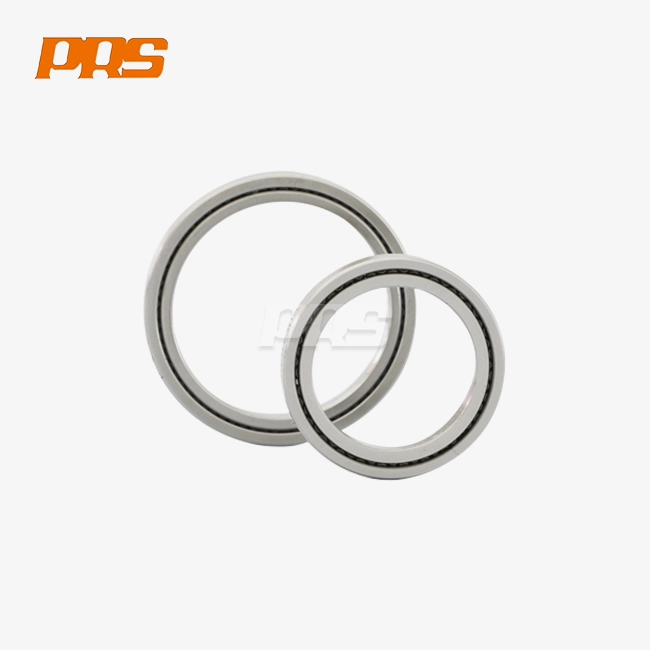
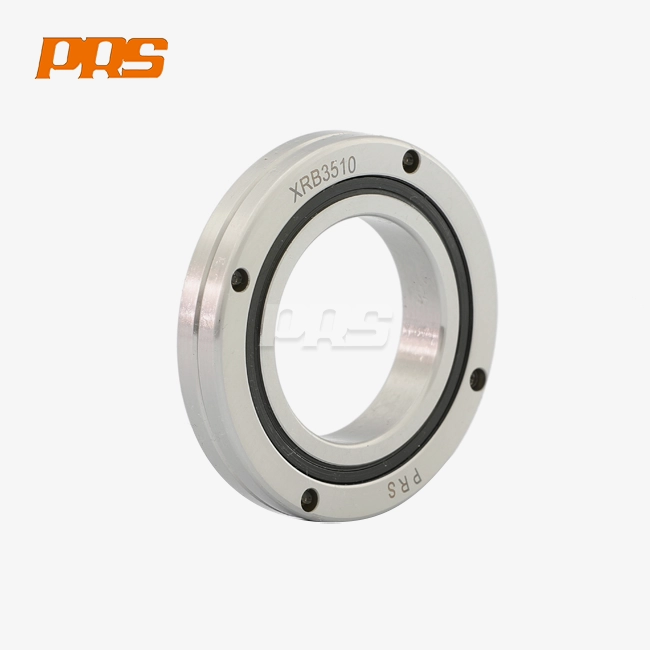
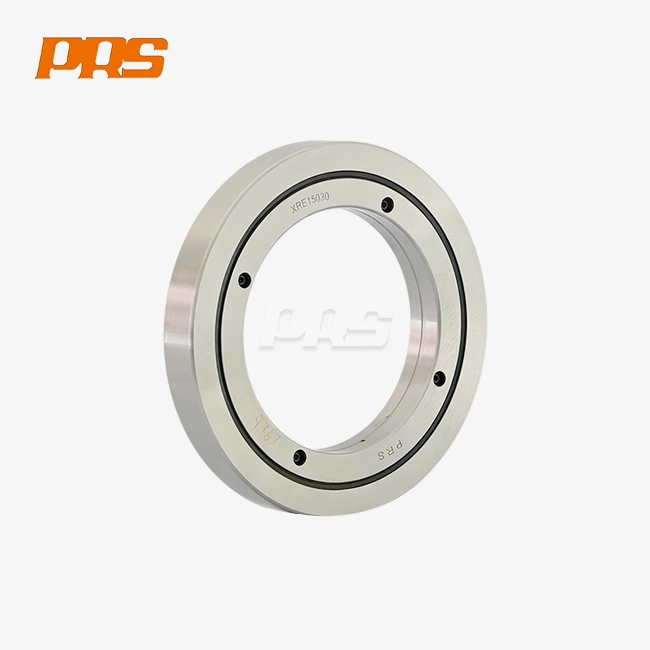
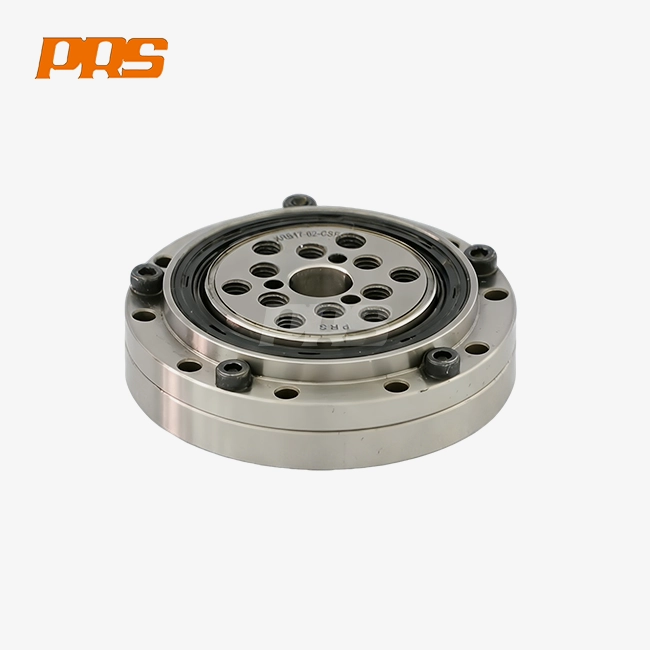
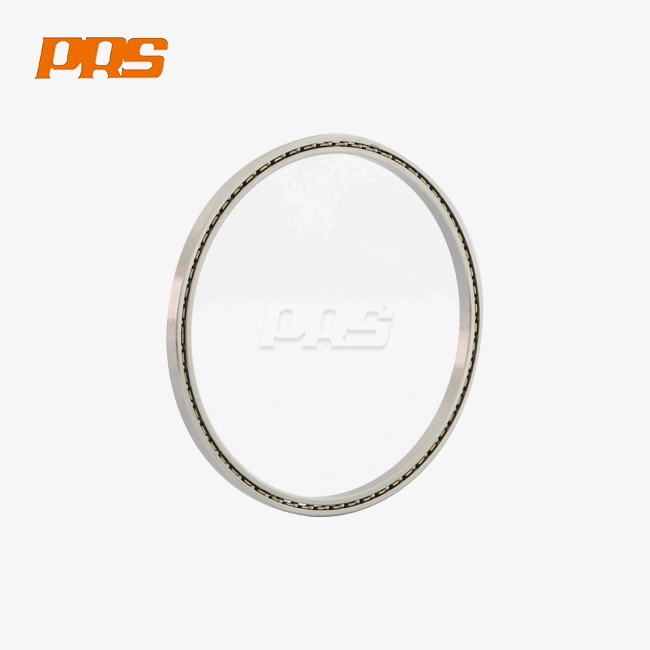
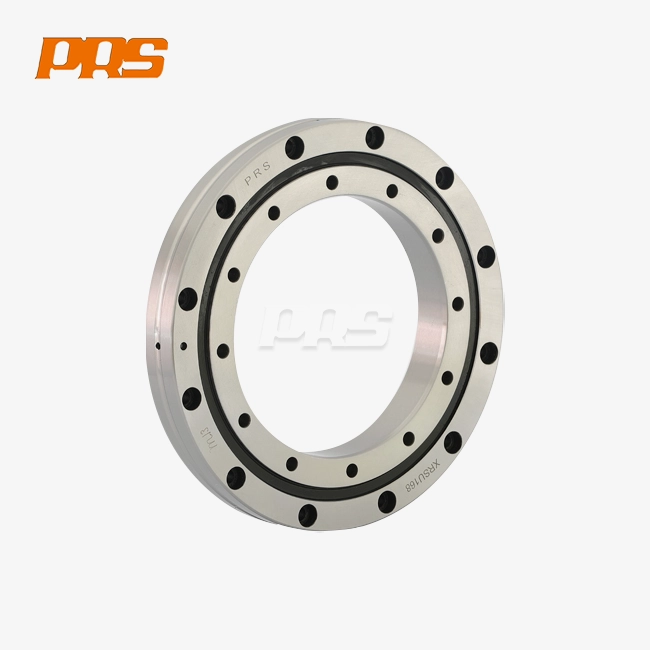
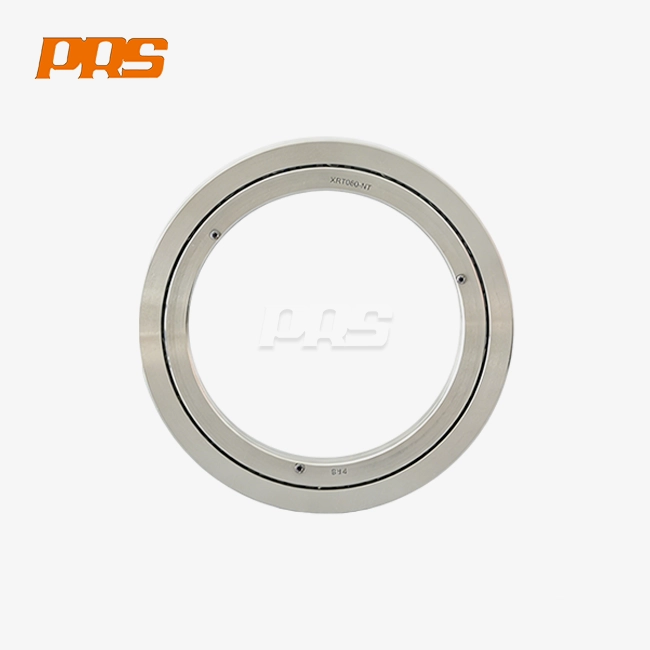
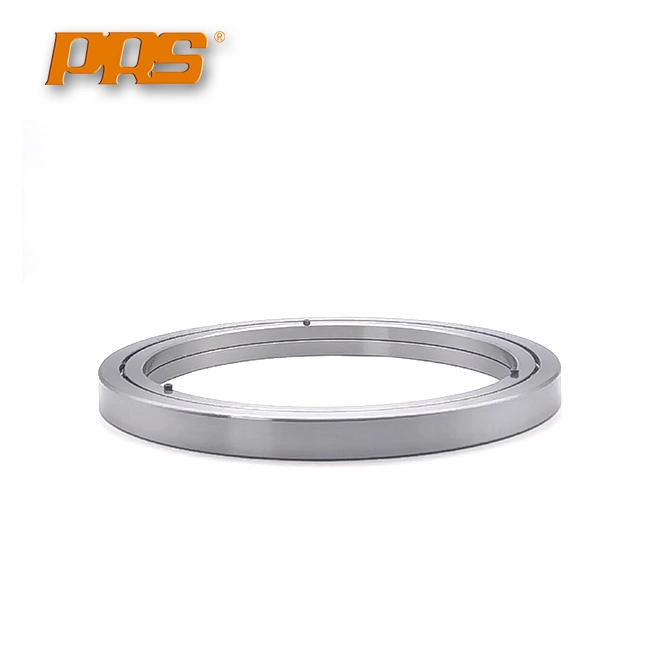
Depending on the job, modern machine tools use different types of bearing designs. Angular contact ball bearings can handle both radial and vertical loads and can handle faster speeds. Cross-roller designs are great for situations where room is limited but heavy loads need to be carried. They offer better rigidity in small areas. PRS makes special cross-tapered roller bearings with a 90-degree arrangement that handle spiral forces from cutting, axial thrust from the weight of the object, and upsetting moments from loads that aren't balanced—all in one unit.
How Bearing Design Influences Operational Performance
The inside shape of lathe spindle bearings has a direct effect on how well they machine. The way loads are distributed depends on the contact angle configuration. For example, 15-degree angles favor high-speed performance with modest radial loads, while 25-degree angles improve axial stiffness for heavy cutting tasks. Cage materials are also very important. Phenolic resin and PEEK cages reduce friction and allow oil-air lubrication at high rotational speeds, which is important for keeping temperature expansion to a minimum because it affects precision.
The operating factors have a big effect on how long a bearing lasts. Most standard workplace settings can last between 20,000 and 40,000 hours of use with proper upkeep. This range is greatly affected by things like the cutting load strength, spindle speed profiles, lubrication quality, and the amount of pollution in the surroundings. Extreme temperatures speed up wear patterns, and not enough lubricant causes friction that wears down moving elements and raceways faster than they should.
Material Composition and Its Impact on Longevity
Traditional lathe spindle bearings are made of high-carbon chrome steel that has been vacuum-degassed and has great wear resistance. When compared to all-steel designs, hybrid versions with silicon nitride ceramic balls can work 30 to 50 percent faster because they lower spinning forces. This improvement in materials is especially useful for high-frequency uses in medical device and electronics manufacture, where spinning speeds are faster than usual.
Key Signs Indicating Spindle Bearing Wear and Replacement Necessity
Acoustic Indicators That Signal Bearing Degradation
Strange noise patterns for lathe spindle bearings are instant signs that the state of the bearings is getting worse. Grinding sounds happen when two metals touch directly, which can happen when a fluid breaks down or when abrasive bits get into the system. Sounds like knocking or clicking could mean that the rolling elements are broken or that the raceway is spalling, which is when material flakes off of the bearing surfaces. When an animal hums or whines at certain frequencies, it's usually because the cage is worn out or the setup settings are wrong.
These sound problems don't usually show up all of a sudden. A gradual rise in volume over weeks is a sign of wear and tear, while sudden changes in noise mean serious problems that need to be fixed right away. Regular acoustic tracking is done by maintenance teams with a lot of experience using small vibration monitors to find frequency patterns that humans can't hear. This way, problems are found before they affect the quality of production.
Thermal Signatures Revealing Bearing Stress
When the spinning temperature goes above its usual range, it means that there is more friction from lathe spindle bearings wear. Baseline temps usually stay the same during production runs after stabilizing within 20 to 30 minutes of operation. Temperature increases of 15 to 20°C above normal should be looked into, especially if they are followed by other symptoms.
Thermal imaging cameras can measure the temperature across bearing housings without touching them. They can find hot spots that show exactly which bearing positions are having problems. When properly oiled, PRS bearings work well in temperatures ranging from -30°C to +110°C. However, long-term use near the upper limits speeds up the breakdown of the grease and the rate at which the lathe spindle bearings wear out. Keeping an eye on temperature trends helps figure out when to replace something before it breaks.
Precision Loss and Surface Finish Deterioration
The most accurate way to tell if a bearing is in good shape is probably to look at how accurate the machining is. More differences in the sizes of the pieces being worked on, trouble keeping standards that were once easily met, and worsening surface finish quality are all signs of spindle instability caused by lathe spindle bearings. Runout readings above 2 microns at the spindle nose show that bearing wear has made the spinning less accurate.
Patterns can be seen when you look closely at made parts. Chatter marks show up when a bearing is too loose and cutting tools can feel the vibrations. Workpieces that are cylindrical and have diameters that change along their length show that the spindle is deflecting because the lathe spindle bearings are not strong enough. These quality problems have a direct effect on production yield and customer happiness, so finding them early is very important from a business point of view.
Physical Evidence During Inspection Procedures
During routine repair checks, obvious signs of bearing condition are sometimes found. Rust on lathe spindle bearings surfaces means that they are wet or that the rust protection isn't good enough. Metallic particles found in lube samples show that bearing parts are wearing down quickly and losing material. Patterns of discoloration on bearing rings suggest that they may have been overheated, which could have damaged the material's qualities.
Spindle play testing shows that the bearing space goes above and beyond what is allowed by regulation. Lathe spindle bearings wear can be measured by applying a mild radial force to the nose of the spindle while noting the amount of deflection. For precision uses, play must stay below 0.005mm. Measurements above this level should make you think about replacing the part.
Common Issues and Root Causes Accelerating Bearing Wear
Lubrication Failures and Their Cascading Effects
In industrial settings, the main reason why lathe spindle bearings fail too soon is that they aren't oiled properly. When there isn't enough lube, metal surfaces that touch directly cause too much heat and faster wear. This is called border lubrication. When lubricants get dirty, they release gritty particles that wear down raceways and rolling elements, making the surface finish worse and increasing friction.
Choosing the right lubrication has a big effect on how well a bearing works. Grease made from mineral oil and lithium thickeners stick well and don't change much in temperature for most uses that run below 600 RPM. Higher speeds are better for oil lubrication systems because they better dissipate heat through constant movement. For PRS bearings that are made to go as fast as 850 RPM, the oil needs to be carefully matched to the operating conditions. This includes both viscosity grades and additive packages that stop wear and rust.
Installation Errors That Compromise Bearing Integrity
Mounting mistakes made during the initial installation or routine repair replacement often cause problems that lead to failure before their time. When press-fitting, using too much force harms internal parts and leaves behind leftover stresses. If the preload is too low, it doesn't provide enough stiffness, and if it's too high, it causes friction and heat that aren't needed. Even tiny particles that get into the system during assembly can cause wear patterns that get worse over time.
Aligning the lathe spindle bearings is also very important. Angular imbalance between bearing points causes uneven load distribution, which means that some rolling elements are overworked while others are underused. Shoulder measurements of the shaft that are outside the specified ranges stop the lathe spindle bearings from fitting properly, which compromises load paths and causes operational instability.
Environmental Contaminants and Inadequate Maintenance
Lathe spindle bearings in industrial settings are exposed to many types of contamination. When coolant gets past valves that aren't working right, water gets in and breaks down lubricants and speeds up rust. Metal chips from cutting processes get into bearing housings because they aren't protected well enough, causing rough wear. When oils are mixed with dust that builds up in parts that aren't sealed well, they make abrasive pastes.
Maintenance times have a big effect on how long a lathe spindle bearings last. Inspection plans that aren't followed can turn small problems into big problems. When lube is not replaced quickly enough, protection films can break down. When you add up the costs of production downtime and secondary spindle damage, these breakdowns that could have been avoided cost a lot more than the proactive maintenance expenses.
Operational Overloading and Design Limitations
Lathe spindle bearings materials wear out faster when they are loaded above their recommended limits. This can happen because of rough cutting conditions, workpieces that are too big, or chucks that aren't balanced. Each load cycle speeds up the spread of tiny cracks, which leads to the material's final failure. When operations are regularly close to maximum rated loads, projected service life is much shorter than when operations are at modest load factors.
Material and design trade-offs affect which lathe spindle bearings are best for which uses. For normal grinding speeds, steel bearings have been shown to be reliable and cost-effective. Ceramic hybrid designs deserve their high price because they last longer in high-speed situations where lower centrifugal forces and better heating qualities give real performance benefits.
Making Informed Replacement Decisions When Selecting New Bearings
Matching Bearing Specifications to Operational Requirements
A thorough study of the application is the first step in choosing the right lathe spindle bearings. The right bearing types and size ranges are based on the rotational speed needs. To make sure there is enough capacity, load curves that combine radial, axial, and moment loads need to be carefully calculated. Tolerance class selection is based on how precise the work needs to be. P4 grades are good for standard precision work, while P2 grades are needed for ultra-precision tasks.
Environmental factors affect the choice of design features. For use in cleanrooms, special materials and seal designs that stop particles from forming are needed. For high-temperature processes, you need lubricants and materials that can keep their qualities at high temperatures. Environments that are polluted can benefit from better closing systems that keep outside air out.
Evaluating Supplier Reliability and Technical Support
Buying lathe spindle bearings is more than just looking at the product specs. It also involves looking at the skills and support infrastructure of the seller. Established makers have decades of experience with a wide range of applications, which helps them make product improvements and expert suggestions. Throughout the lifetime of a product, engineering support teams help choose the right lathe spindle bearings, guide installation, and fix problems.
Processes for quality assurance tell the difference between top providers and commodity sources. PRS has a factory pass rate of more than 99.9%, which is achieved by using strict checking procedures on more than 200 precise production and testing tools in a 15,000 m² building. This dedication to quality makes sure that the product always meets the P4 and P2 exact standards needed for important uses.
Balancing Initial Investment Against Total Cost of Ownership
When it comes to lathe spindle bearings economics, there are many cost factors that go beyond the original buy amount. Premium bearings with longer service lives cut down on the number of replacements needed and the work costs that come with them. Precision that is higher keeps the quality of the process longer, which lowers the amount of scrap and customer concerns. Increased dependability cuts down on unplanned downtime that throws off production plans and delivery promises.
Strategies for buying things change based on what the group needs and how it is used. When you buy in bulk, the unit prices of standard lathe spindle bearings types that are used on many machines go down. Custom OEM solutions improve performance in unique situations where off-the-shelf choices fall short. These methods are flexible enough to meet the needs of a wide range of businesses, from robots to aerospace systems.
Managing Lead Times and Supply Chain Continuity
Production plans require that parts are always available. Standard lathe spindle bearings designs are helped by seller inventory systems that make it possible to meet orders quickly. PRS keeps a lot of stock on hand so that they can ship orders 24 hours a day, seven days a week, with minimal production downtime. Custom bearing variants need longer lead times to accommodate specialized production processes. This means that repair plans need to be planned ahead of time.
International transportation networks make sure that deliveries are made on time, no matter where the building is located. Professional packing services keep fine parts safe during shipping, avoiding damage that would affect their performance. Logistics teams with a lot of experience handle customs rules and shipping paperwork, which speeds up the buying process for businesses around the world.
Conclusion
Early detection of signs of degradation saves both the investment in tools and the continuity of production. Strange noises, high temperatures, lack of precision, and results from a physical check can all help you decide when to replace the timing. By figuring out the root causes, like faulty greasing or external contamination, preventative steps can be taken to make lathe spindle bearings last longer. Systematic inspections, optimal lubrication, and proper handling methods are all parts of proactive maintenance that get the most out of bearing investments and reduce unexpected downtime.
FAQ
How Often Should Spindle Bearings Be Replaced?
Replacement times depend a lot on how often they are used and how well they are maintained. Lathe spindle bearings that are used in moderate-duty situations and are properly kept usually last between 20,000 and 40,000 hours of use. For high-speed or heavy-load tasks, it may be time to change it after 10,000 to 15,000 hours. Condition-based tracking gives more accurate replacement times than set schedules, so actions can be taken when real wear calls for them instead of at random times.
What Advantages Do Ceramic Bearings Offer Compared to Steel?
Ceramic hybrid bearings lower weight and rotational forces, which lets them work at speeds 30–50% faster. Better thermal qualities keep growth to a minimum, which improves accuracy. Applications that use coolants or are exposed to moisture will benefit from better rust protection. These benefits make the higher price worth it in challenging situations, but regular steel bearings are still cheaper for low-speed tasks.
Can Worn Bearings Damage the Spindle Itself?
Keeping the machine running with worn-out lathe spindle bearings could cause a lot of damage to other parts. When there is too much play, vibrations can get through and damage the spindle bearing surfaces and the parts that fit together. The metal qualities of spinning shafts can change when there is more friction, which causes heat. When a bearing fails catastrophically, pieces of it can damage precision-ground surfaces, making them need expensive repairs or replacement. These situations of damage that builds over time can be avoided by acting quickly.
Partner with PRS for Precision Spindle Bearing Solutions
When your machine needs to be reliable to avoid costly downtime, PRS offers customized lathe spindle bearings solutions backed by more than 20 years of experience in precision manufacturing. Our cross-tapered roller bearings can work with inner sizes ranging from 150mm to 2463.8mm, making them useful for a wide range of uses, from small medical devices to big machine tools. Our ISO-certified 15,000 m² plant makes P4 and P2 precision grades, and we keep quality standards that are higher than 99.9% pass rates. Our 35-person tech team offers full application support, from helping you choose the right application to making changes that fit your specific business needs. PRS combines technical excellence with 24-hour dispatch capabilities to ensure production consistency.This is true whether we are getting stock setups from our large inventory or creating OEM solutions. Contact our team at ljh@lyprs.com to talk about your lathe spindle bearings needs with a reliable lathe spindle bearings supplier that is dedicated to providing high-quality parts that work above and beyond standards.
References
Weck, M., & Koch, A. (2003). Spindle-Bearing Systems for Machine Tools: Design and Analysis. Machine Tool Technology Research Foundation.
Harris, T.A., & Kotzalas, M.N. (2006). Advanced Concepts of Bearing Technology: Rolling Bearing Analysis. CRC Press, Taylor & Francis Group.
ISO 492:2014. Rolling Bearings — Radial Bearings — Geometrical Product Specifications (GPS) and Tolerance Values. International Organization for Standardization.
Abele, E., Altintas, Y., & Brecher, C. (2010). Machine Tool Spindle Units. CIRP Annals - Manufacturing Technology, 59(2), 781-802.
Schmitt, R., & Peterek, M. (2015). Traceable Measurements on Machine Tools: Thermal Influences on Machine Tool Structure and Measurement Uncertainty. Procedia CIRP, 33, 576-580.
SKF Group. (2018). Bearing Damage and Failure Analysis. SKF Technical Publication, Rolling Bearings Division.

USER EVALUATE
Here is the customer's evaluation of us